 Spanish
  English
  French
  Japanese
  Korean
  Vietnamese
  Thai
Thai  Portuguese
  German
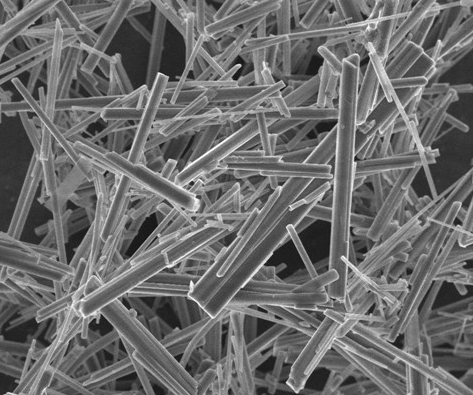
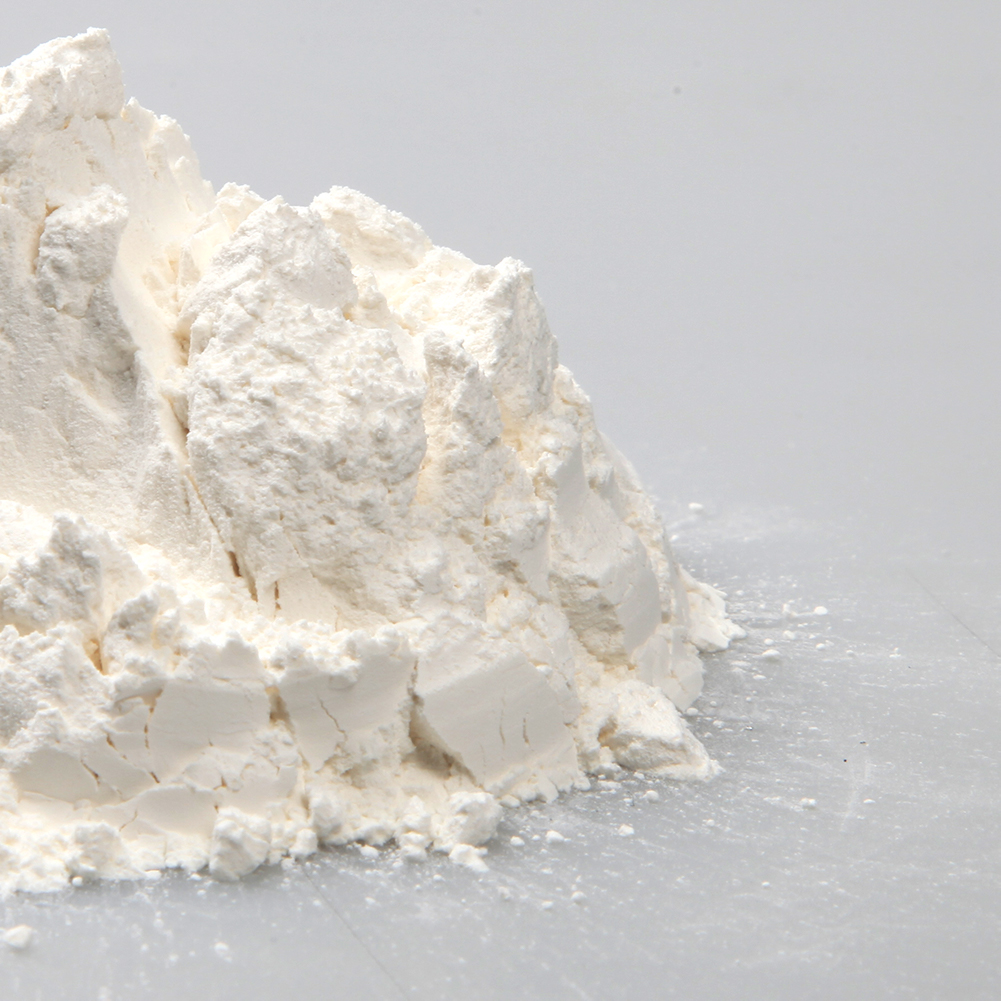
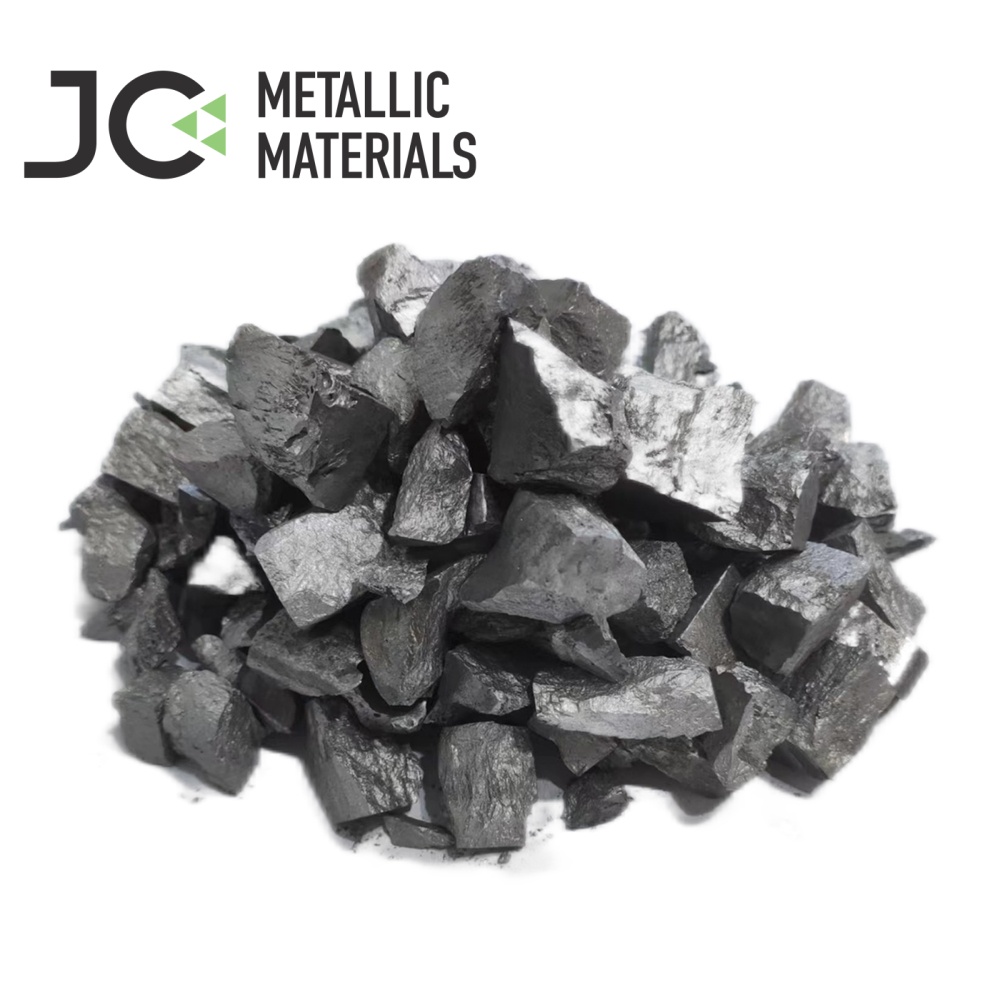
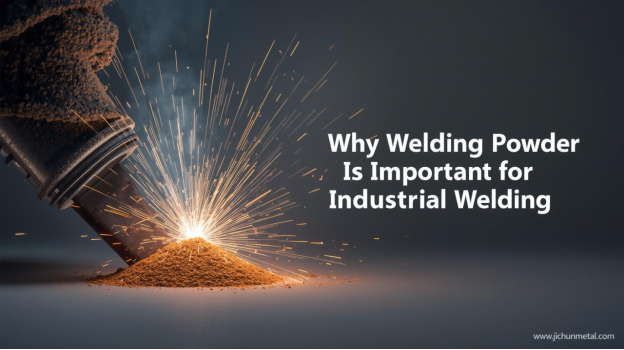
Welding powder is essential for all industrial welding applications today. It creates strong joints and prevents defects during high-stress operations. Its applications span construction, automotive, shipbuilding, and heavy machinery industries. Choosing the right powder improves efficiency and reduces waste. Quality powders ensure consistent, reliable, and durable weld performance.
In this article, we explore welding powder fundamentals. We cover testing methods, performance factors, storage, and cost considerations, marine applications. We will also cover its selection tips, industry trends, and common mistakes for industrial efficiency.
What is Welding Powder?
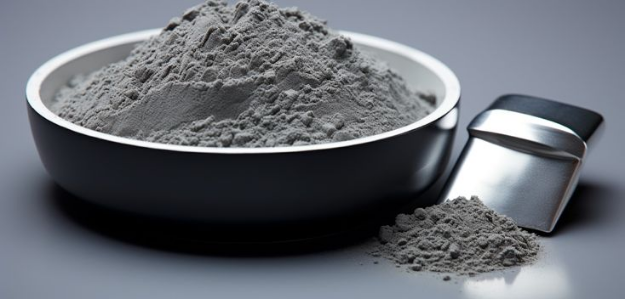
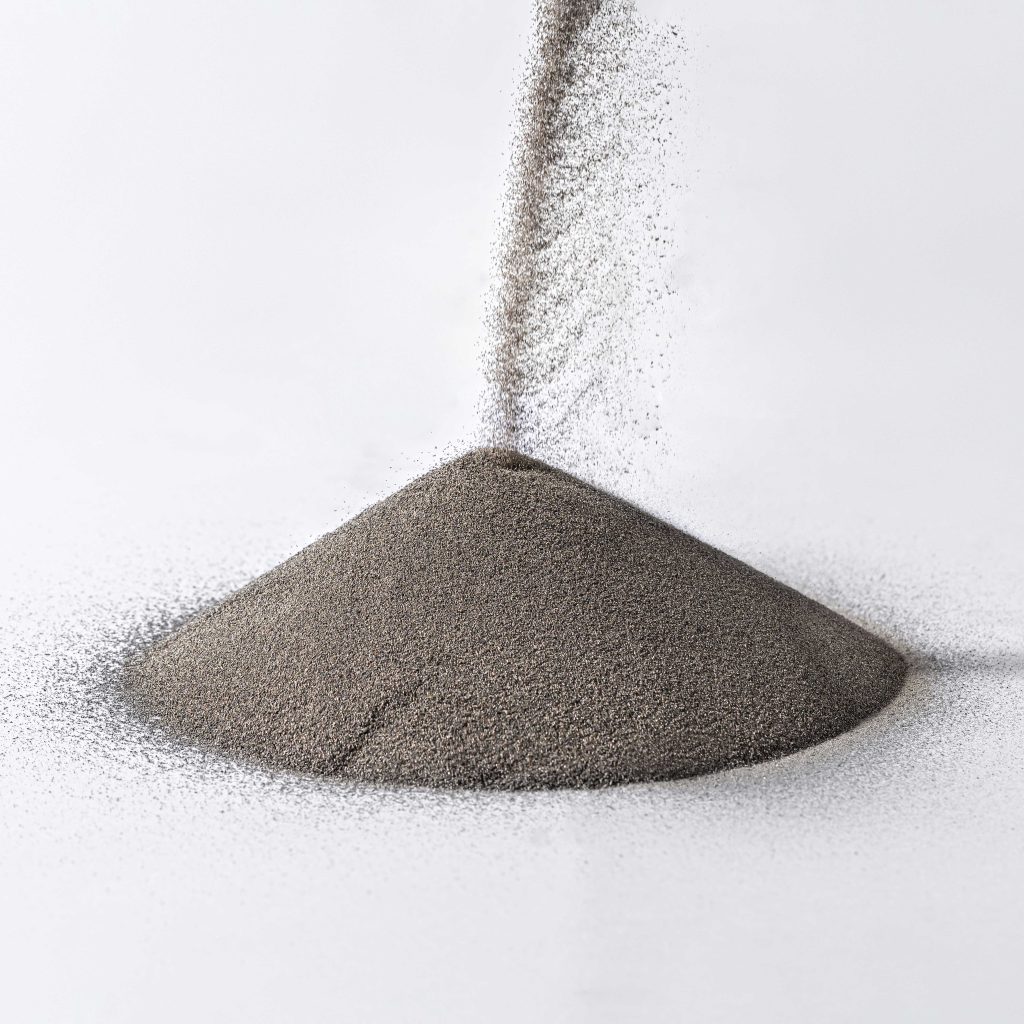
Weld powder consists of fine metallic or flux particles. It helps join metals and provides filler material. Powders protect the weld from oxidation and contamination.
Different powders are formulated for specific metals and welding methods. The correct powder ensures smooth, consistent welds. Its composition directly affects weld strength and quality.
Factors Affecting Welding Powder Performance
Welding powder performance depends on quality, composition, and environmental conditions. Proper handling, storage, and correct technique ensure consistent weld strength. Choosing the right powder improves efficiency and reduces defects.
- Particle Size:Uniform size ensures smooth flow and consistent fusion.
- Purity:High purity prevents inclusions and weak spots in welds.
- Flux Quality:Effective flux protects molten metal and prevents oxidation.
- Welding Technique:Correct method maximizes powder efficiency and weld quality.
- Environmental Conditions:Temperature and humidity affect powder behavior and joint strength.
Protecting Powder Quality Through Correct Storage
Proper storage is essential to maintain welding powder quality. Moisture, dust, and extreme temperatures can degrade powder. Using sealed, dry containers preserves performance and prevents defects in welds.
Labeling and organizing powders reduces mix-ups. Avoid exposure to direct sunlight or humidity. Correct storage ensures consistent particle flow and reliable industrial results.
Regular inspection of stored powder is critical. Contaminated or old powders affect weld strength. Maintaining quality storage extends powder lifespan and supports safe, efficient industrial welding operations.
Testing Methods for Welding Powder Applications

Testing weld powder ensures weld quality, strength, and reliability. Proper evaluation reduces defects and guarantees consistent industrial performance.
1: Visual Inspection
Check powder appearance for uniformity, contamination, and moisture. Consistent texture ensures reliable welds and prevents defects.
2: Chemical Composition Analysis
Analyze metallic and alloy content. Correct composition ensures proper fusion, corrosion resistance, and weld durability.
3: Flow and Melting Tests
Test powder flow and melting characteristics. Proper performance ensures smooth, defect-free welding processes.
4: Weld Sample Testing
Produce test welds under standard conditions. Evaluate strength, penetration, and surface quality for industrial reliability.
Read More: Silicon Powder Applications in Electronics and Alloys: Made in China
Cost vs. Quality: Making Smart Industrial Choices
Choosing weld powder requires balancing cost and quality. Low-cost options save money initially, while high-quality powders ensure durable and defect-free welds.
| Factor | Low-Cost Welding Powder | High-Quality Welding Powder |
| Initial Cost | Low upfront investment | Higher initial price |
| Weld Strength | May be inconsistent | Strong, uniform, and durable welds |
| Durability | Shorter lifespan | Long-lasting performance |
| Defect Rate | Higher chance of cracks and porosity | Minimal defects, smooth welds |
| Maintenance & Repairs | Frequent repairs, higher downtime | Reduced maintenance, cost-efficient over time |
How Welding Powder Enhances Weld Strength and Quality?
Using high-quality welding powder significantly improves weld strength. It ensures joints withstand mechanical stress, vibration, and high temperatures. Durable powders create consistent, defect-free welds that maintain structural integrity over time.
Industries rely on premium powders for bridges, machinery, and heavy equipment. Strong, reliable welds reduce maintenance costs, extend service life, and enhance overall operational safety. Choosing the right powder is key to industrial efficiency and long-term performance.
Shipbuilding and Marine Engineering
Marine welding demands corrosion-resistant, durable joints. High-quality weld powder ensures safety, strength, and long-lasting performance in harsh sea environments.
- Hull Construction:Ensures strong, corrosion-resistant ship hulls.
- Deck Welding:Provides durable joints for decks and platforms.
- Offshore Structures:Strengthens oil rigs and marine platforms.
- Marine Equipment:Reliable welding for cranes, winches, and supports.
- Ship Repairs:Maintains structural integrity during refurbishment and maintenance.
Premium weld powders protect against rust and reduce maintenance. Strong welds last longer.
Read More: 2026 Industry Guide: Top 7 Best Iron Powder Manufacturers in China for Global Buyers
Choosing the Optimal Welding Powder for Industrial Applications
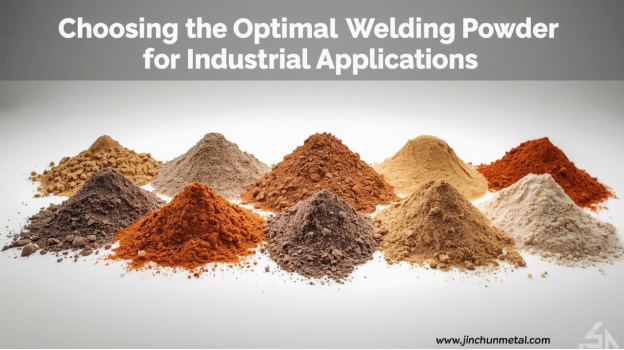
Selecting the right welding powder ensures strong, durable, and defect-free welds. Correct choice improves efficiency, reduces waste, and enhances industrial performance.
- Identify Base Metal:Determine the metal type. Powder compatibility ensures proper fusion and prevents weak, defective welds.
- Determine Welding Method:Choose powder suited for MIG, TIG, or arc welding. Matching improves consistency and quality.
- Check Environmental Conditions:Consider temperature and humidity. Certain powders perform better under specific environmental conditions.
- Evaluate Powder Composition:Analyze alloys and flux. Correct composition ensures strength, corrosion resistance, and smooth welds.
- Assess Mechanical Requirements:Understand load and stress demands. Use powders that produce durable, long-lasting joints.
Trends Shaping the Welding Powder Industry
The welding powder industry is evolving rapidly. Advanced alloys improve weld strength and durability. Low-fume and eco-friendly powders are gaining popularity. Automation and robotic welding drive demand for consistent powder quality.
Global markets are expanding, with emerging industries adopting high-performance powders. Innovation focuses on efficiency, safety, and sustainability. Modern powders reduce defects, increase productivity, and meet strict industrial standards.
Common Mistakes to Avoid When Using Weld Metal Powder
Incorrect selection or handling of weld metal can reduce weld strength. Poor storage, contamination, and improper technique lead to defects and costly rework.
- Wrong Powder Selection:Using incompatible powder weakens welds.
- Poor Storage:Moisture or dust contamination reduces effectiveness.
- Incorrect Welding Technique:Misapplication leads to cracks and porosity.
- Ignoring Safety Measures:Can harm workers and reduce powder quality.
- Overlooking Environmental Factors:Temperature and humidity affect weld performance.
- Skipping Maintenance:Neglecting equipment impacts powder consistency and joint quality.
Proper selection, storage, and handling ensure strong, defect-free welds. Consistency improves industrial efficiency.
Final Thoughts
Welding powder is a key factor in industrial welding success. Proper selection ensures strong, durable, and defect-free welds. High-quality powders enhance efficiency, reduce costs, and maintain safety, making them essential for every industrial welding project
Looking for industrial-grade welding powders? Our solutions ensure reliable, long-lasting welds. Chengdu Jinchun Metallic Materials Co. helps reduce defects, save costs, and enhance industrial efficiency. Reach out today.
Most Asked Questions
Q1: What are the main types of welding metal powder?
Answer: weld metal includes flux-cored, stainless steel, aluminum, and specialty metal powders. Each type is designed for specific metals and applications. Choosing the correct powder ensures strong, defect-free, and durable welds.
Q2: Which weld metal powders are best for stainless steel?
Answer: Stainless steel powders with corrosion-resistant alloys are ideal. They maintain strength at high temperatures, prevent rust, and produce durable, long-lasting welds. These powders are essential in marine, chemical, and food industries.
Q3: How does particle size and purity affect welding results?
Answer: Uniform particle size ensures smooth powder flow and consistent fusion. High purity prevents defects, inclusions, and weak joints. Proper particle size and purity directly impact weld strength and industrial reliability.
Q4: Can welding powder be used in automated or robotic welding?
Answer: Yes. Automated welding requires consistent powder quality for precise, defect-free joints. High-performance powders ensure uniform deposition, reduce human error, and improve efficiency in robotic and CNC welding applications.
Q5: How does Weld Metal Powder impact overall production efficiency?
Answer: High-quality weld metal powder reduces defects, rework, and maintenance. It ensures strong, durable welds, minimizes downtime, and increases throughput, ultimately improving overall production efficiency and industrial profitability.