
 Spanish
 English
 French
 Japanese
 Korean
 Vietnamese
 Thai
 Portuguese
 German

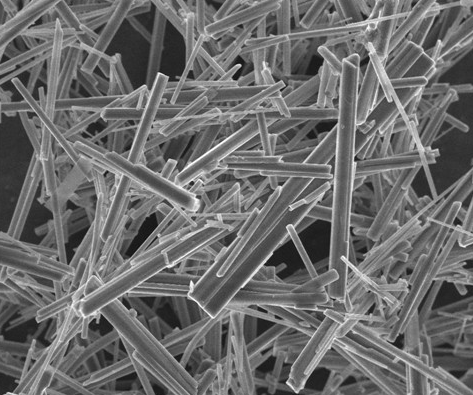
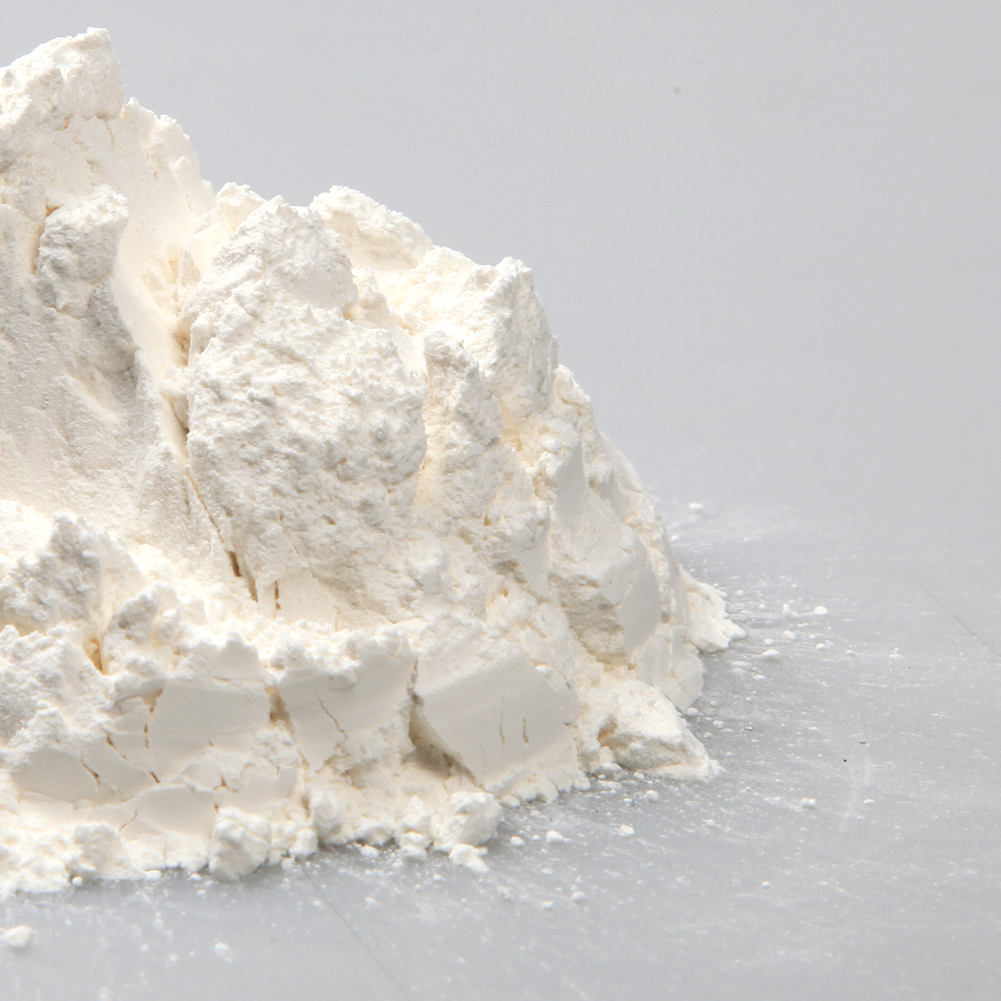
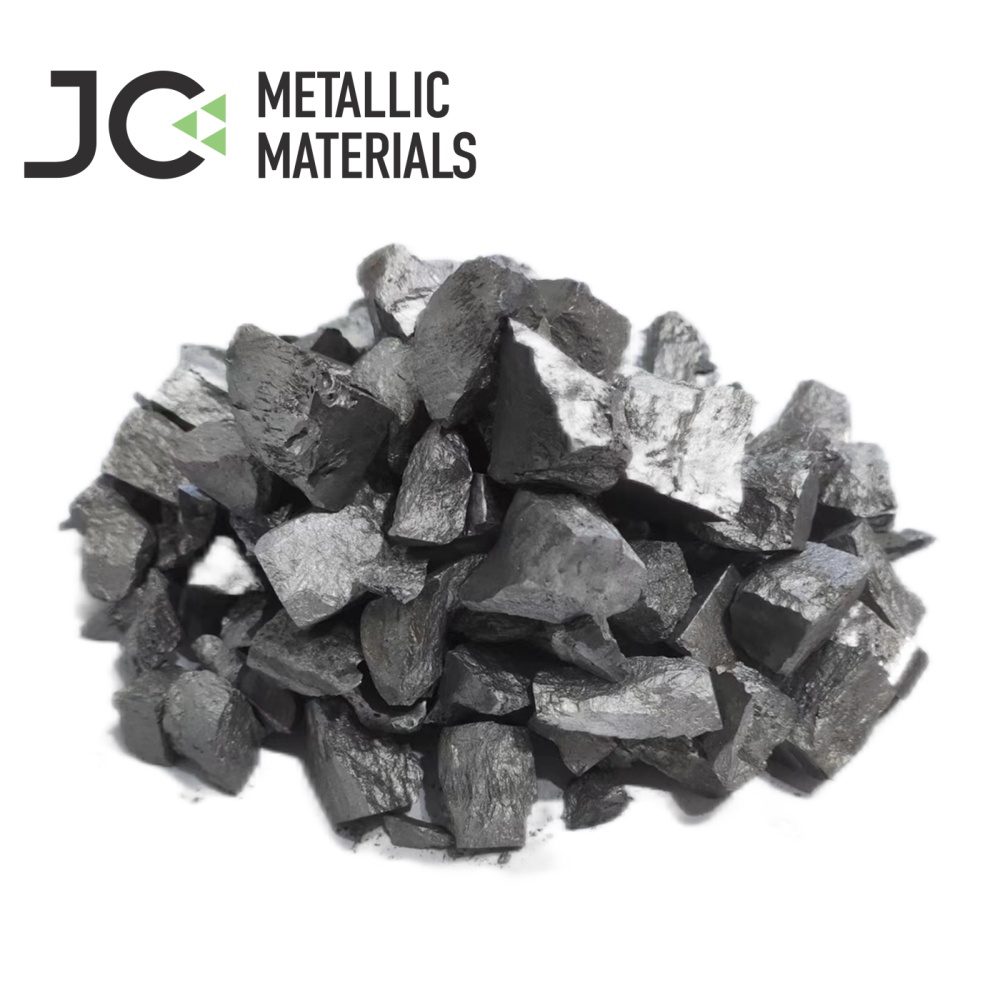
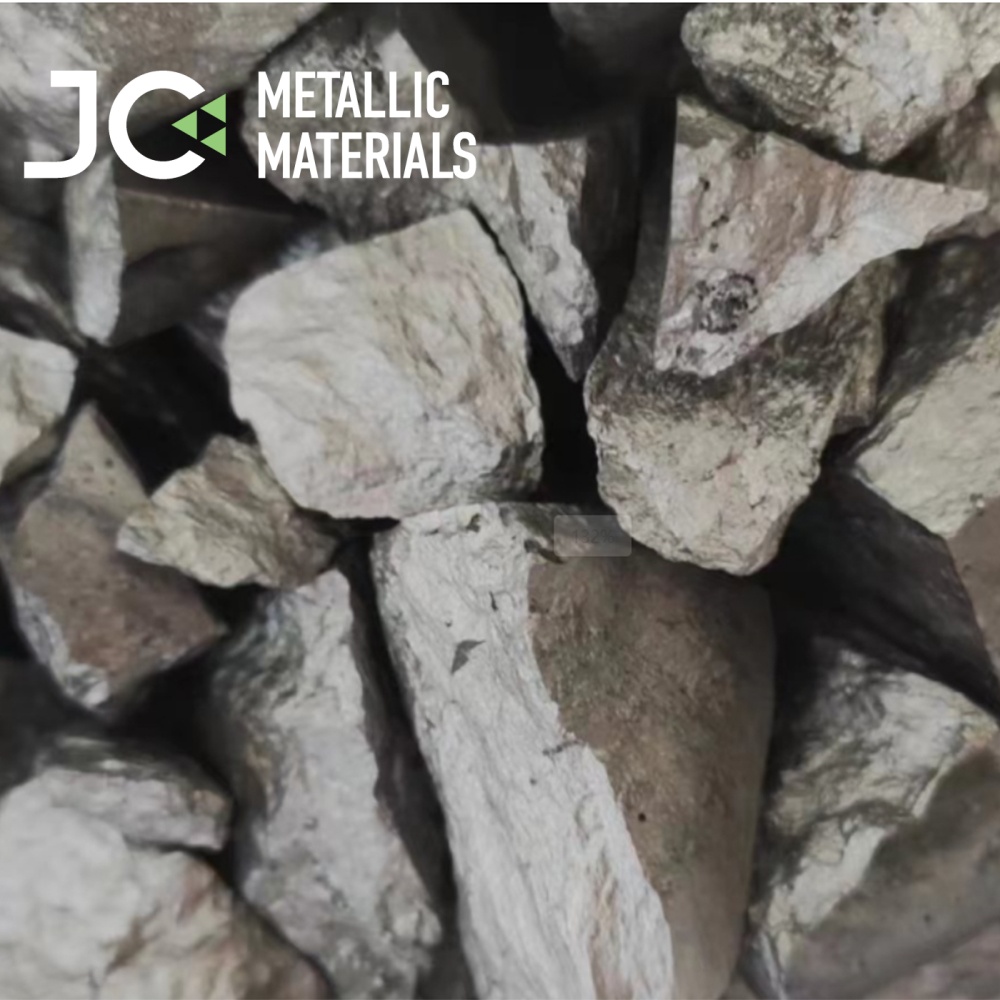
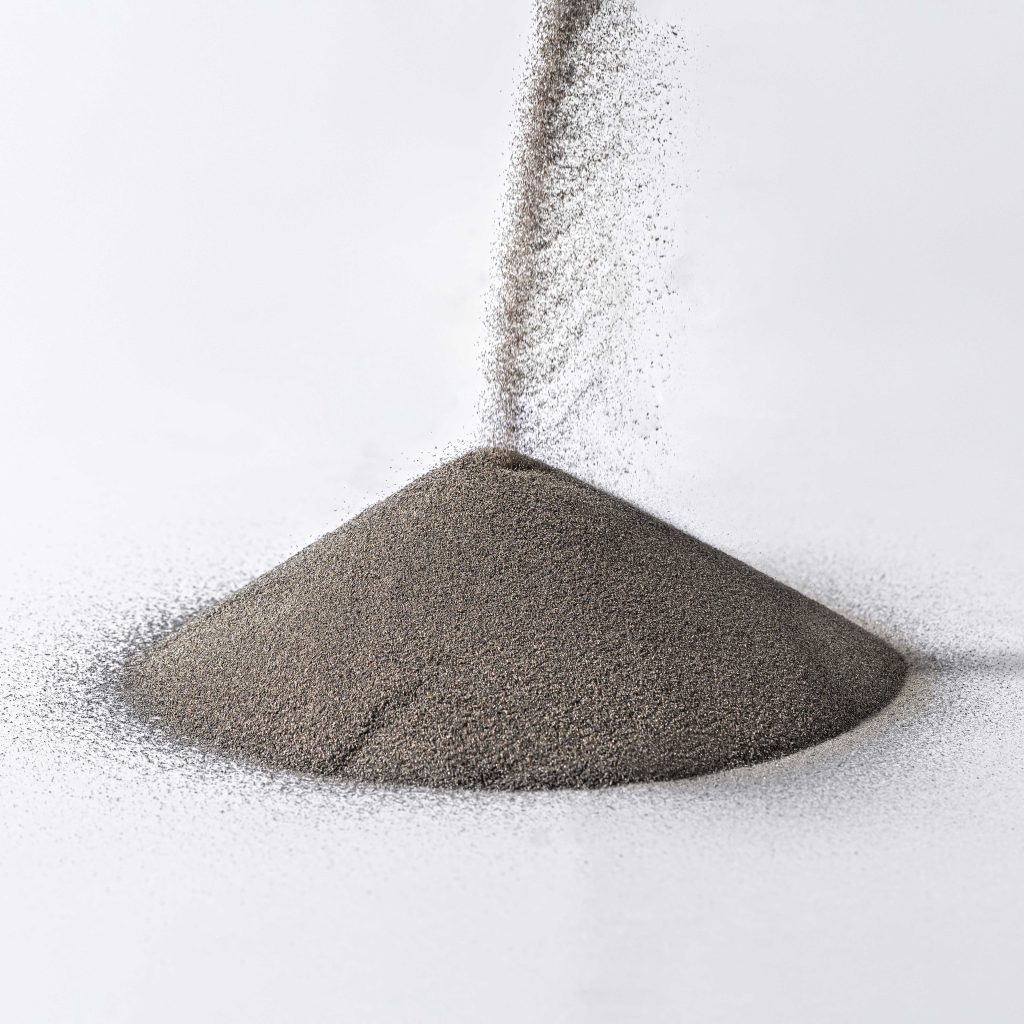
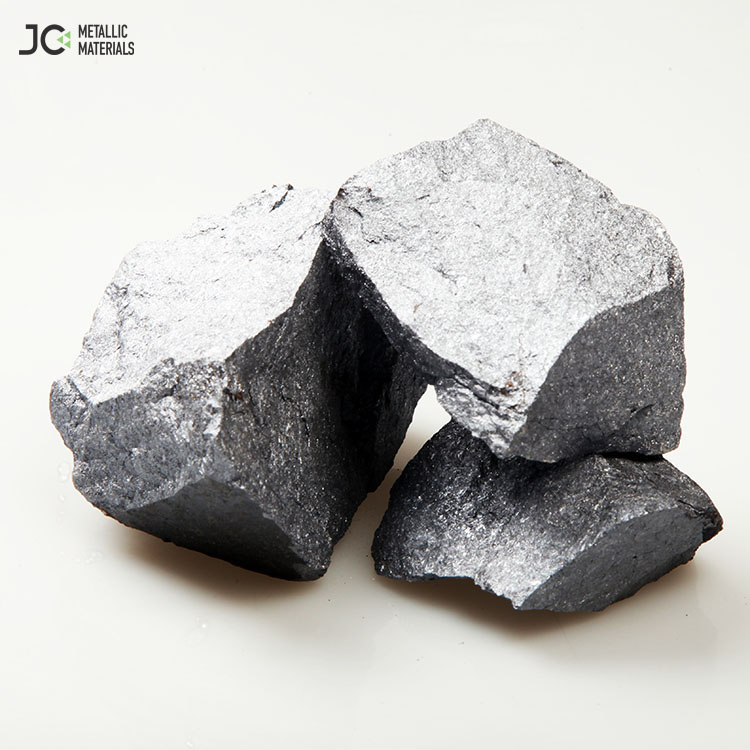
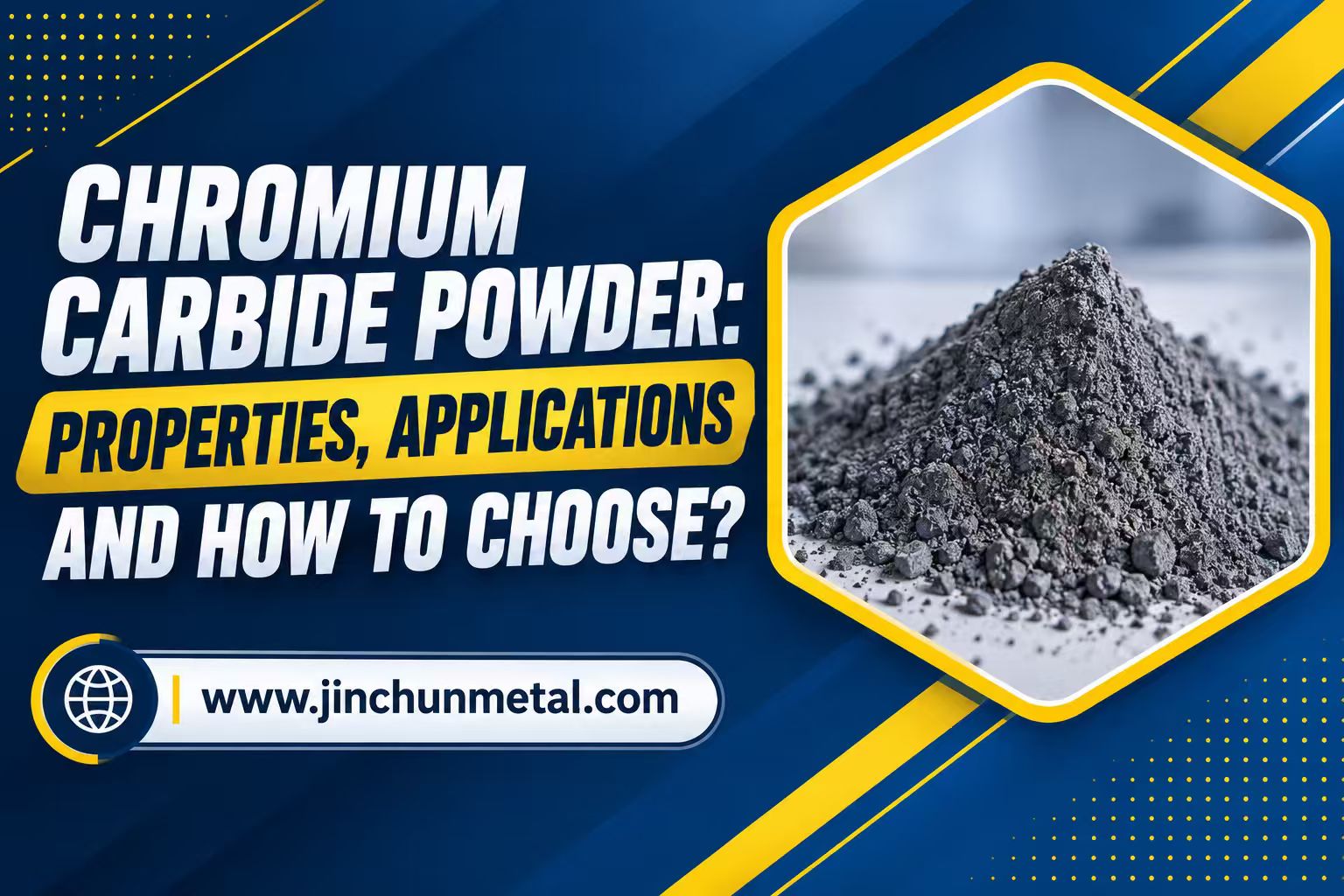
Chromium carbide powder is a hard ceramic material widely used where surfaces need strong resistance against wear, abrasion, oxidation, and high temperatures. Its combination of hardness and thermal stability makes it valuable for protective coatings, hardfacing materials, and other industrial applications involving demanding operating conditions.
The performance of chromium carbide powder depends on its chemical composition, carbide phase, particle size, morphology, purity, and manufacturing process. Different applications may require different powder characteristics. Therefore, buyers need to evaluate technical specifications carefully instead of selecting a material based only on price or general hardness.
This guide explores the key properties, performance characteristics, and industrial applications of chromium carbide powder. It also explains particle size, composition, manufacturing methods, grade selection, and important purchasing factors for choosing the right chromium carbide powder for specific applications.
What Is Chromium Carbide Powder?
Chromium carbide powder is a ceramic powder composed primarily of chromium and carbon. Among its different carbide phases, chromium carbide compounds such as Cr₃C₂ are particularly important for industrial wear-resistant applications. The material is recognized for its high hardness, thermal stability, and resistance to oxidation and corrosion.
Chromium carbide powder is commonly processed into protective coatings through thermal spraying or incorporated into hardfacing systems. When applied to a metal surface, it can create a hard protective layer that helps reduce material loss caused by abrasion, erosion, sliding wear, and elevated temperatures.
Its combination of properties makes it useful for components that operate under severe mechanical or thermal conditions. However, the correct powder specification depends on the application, coating process, particle size requirements, and expected service environment.
Key Properties of Chromium Carbide Powder
Understanding the properties of chromium carbide powder is important before selecting a grade for industrial use. Its performance comes from several characteristics that work together rather than from hardness alone.
1. High Hardness
Chromium carbide has high hardness, allowing it to resist mechanical damage and surface deformation. This characteristic is particularly important when components are exposed to abrasive particles or repeated contact with harder materials.
The hardness of chromium carbide helps protective coatings maintain their surface integrity during demanding service conditions. It can therefore contribute to longer component service life when the selected coating system is properly designed.
2. Excellent Wear Resistance
Wear resistance is one of the main reasons chromium carbide powder is used in industrial coatings. It can help protect metal surfaces against abrasive, erosive, and sliding wear.
This makes chromium carbide suitable for components exposed to continuous friction or high-velocity particles. The effectiveness of the final coating also depends on substrate preparation, deposition method, coating structure, and operating conditions.
3. High-Temperature Stability
Chromium carbide maintains useful mechanical and chemical properties at elevated temperatures. This makes it suitable for applications where conventional wear-resistant materials may experience performance limitations.
High-temperature stability is particularly valuable in industrial equipment operating under combined thermal and mechanical stress. Buyers should still evaluate the actual operating temperature because coating performance depends on the complete material system.
4. Corrosion and Oxidation Resistance
Chromium contributes to the material’s resistance to oxidation and certain corrosive environments. This characteristic can provide additional protection when components experience both chemical exposure and mechanical wear.
For industrial applications, this combination can be important because wear may continuously expose fresh substrate material to the surrounding environment. A suitable chromium carbide coating can help address both surface degradation mechanisms.
5. Strong Coating Performance
Chromium carbide powder is widely associated with thermal spray coating technologies because its characteristics can support the production of dense, wear-resistant surface layers.
Processes such as high-velocity oxygen fuel spraying can be used for suitable chromium carbide powder systems. The final coating performance depends on powder specifications, spraying parameters, substrate preparation, and post-treatment requirements.
6. Chemical Stability
Chromium carbide offers good chemical stability under many industrial conditions. This property complements its hardness and wear resistance, especially in environments where components face chemical exposure together with abrasion or elevated temperatures.
However, chemical compatibility should always be evaluated according to the actual operating medium, temperature, pressure, and exposure duration.
Chromium Carbide Powder Applications
Chromium carbide powder has applications across industries where components require protection against wear, heat, oxidation, or demanding operating environments.
1. Thermal Spray Coatings
Thermal spray coatings are one of the major applications of chromium carbide powder. The powder is deposited onto a prepared substrate to create a hard protective layer.
According to TWI’s overview of carbide powders used in HVOF spraying, chromium carbide and tungsten carbide composites are widely used in wear-resistant coating systems.
HVOF and related thermal spray processes can produce dense coatings with strong wear resistance. Such coatings are useful for components exposed to abrasive particles, friction, erosion, and elevated temperatures.
2. Hardfacing Materials
Chromium carbide can be incorporated into hardfacing materials designed to protect metal surfaces from severe wear. Hardfacing is commonly used to extend the working life of components that experience continuous abrasion.
Depending on the formulation and application method, chromium carbide can provide a hard surface layer while the underlying substrate retains its structural function.
3. Oil and Gas Equipment
The oil and gas industry uses wear-resistant materials for components exposed to abrasive particles, high pressures, friction, and corrosive environments.
Chromium carbide-based coatings may be considered for valves, pumps, drilling-related components, and other equipment where surface degradation can affect operational reliability. The specific coating system should be selected according to the component and service conditions.
4. Mining and Mineral Processing
Mining equipment frequently handles abrasive ores, minerals, and other solid particles. Continuous contact with these materials can cause significant surface wear.
Chromium carbide coatings can provide an additional protective layer on suitable equipment components. Their use can help reduce surface deterioration and support longer maintenance intervals when correctly matched to the wear mechanism.
5. Aerospace Components
Aerospace applications can require materials that maintain performance under demanding temperature and wear conditions. Chromium carbide-based coatings may be used for selected components where surface protection is required.
Because aerospace applications have strict performance and quality requirements, powder composition, coating process, inspection, and traceability are especially important.
6. Industrial Machinery
Industrial machinery contains many components that experience friction, abrasion, and repeated mechanical contact. Rollers, shafts, seals, dies, guides, nozzles, and other wear-prone parts may benefit from suitable protective coatings.
The actual application depends on component geometry, substrate material, operating temperature, and required coating thickness.
7. Other Engineering Applications
Chromium carbide powder may also be used in specialized engineering applications requiring a combination of hardness, wear resistance, and thermal stability.
The suitable grade should be determined according to the specific processing technology and service environment rather than assuming that one powder specification works for every application.
Chromium Carbide Powder Grades and Particle Characteristics
The physical and chemical characteristics of chromium carbide powder directly affect processing behavior and final performance. Buyers should therefore review technical specifications before purchasing.
Chemical Composition
Chemical composition is one of the first specifications to evaluate. Chromium and carbon content influence the carbide phases and overall material characteristics.
A consistent composition helps manufacturers achieve predictable processing and coating performance. Buyers should request detailed chemical specifications and compare them with the requirements of their intended application.
Distribución del tamaño de las partículas
Particle size affects powder flow, feeding, melting behavior, deposition efficiency, and coating structure. Different thermal spray processes may require different particle-size ranges.
For example, Höganäs chromium carbide thermal spray powder specifications list different particle-size ranges and Cr₃C₂-NiCr compositions for HVOF applications
Fine particles may behave differently from coarse particles during spraying. Therefore, buyers should select particle sizes according to the equipment and process parameters being used.
Powder Morphology
Particle morphology describes the shape and surface characteristics of individual powder particles. Spherical, irregular, and agglomerated powders can exhibit different flow and feeding behavior.
Consistent morphology can support stable powder delivery during processing. The preferred morphology depends on the manufacturing method and selected coating technology.
Purity and Impurity Control
Purity is another important consideration because unwanted impurities can influence processing behavior and final coating performance.
Reliable suppliers should provide appropriate quality documentation showing chemical composition and relevant impurity levels. Batch consistency is particularly important for manufacturers purchasing powder for repeated production.
How Chromium Carbide Powder Is Manufactured?
The manufacturing process can significantly influence the chemical composition, particle structure, purity, and consistency of chromium carbide powder.
Raw Material Preparation
Manufacturing begins with carefully selected chromium- and carbon-containing raw materials. Their quality can influence the composition and purity of the final product.
Proper preparation helps establish consistent conditions for carbide formation.
Carbide Formation
The prepared materials undergo controlled processing to form chromium carbide phases. Temperature, atmosphere, composition, and processing conditions can affect the resulting carbide structure.
Manufacturers need to control these parameters carefully to produce powder suitable for specific industrial applications.
Crushing and Milling
After carbide formation, the material may require crushing and milling to obtain the desired powder characteristics.
The objective is to achieve an appropriate particle-size range while maintaining the required material properties.
Classification and Particle Sizing
Particle classification separates material according to size. This step helps manufacturers produce specific particle-size distributions for different applications.
Consistent classification is particularly important for thermal spray applications where powder feeding and deposition behavior must remain stable.
Quality Inspection and Packaging
Finished powder should undergo appropriate inspection before packaging. Chemical composition, particle size, morphology, and other specifications may be checked according to the product requirements.
Proper packaging then protects the powder from contamination, moisture, and handling-related problems during storage and transportation.
Chromium Carbide Powder vs Other Wear-Resistant Materials
Different wear-resistant materials provide different combinations of hardness, toughness, corrosion resistance, and temperature performance.
| Material | Main Strength | Typical Application | Temperature Performance |
| Chromium Carbide | Wear and oxidation resistance | Thermal spray coatings | High |
| Tungsten Carbide | Very high hardness | Severe wear applications | High |
| Aluminum Oxide | Abrasion resistance | Ceramic coatings | High |
| Silicon Carbide | Hardness and thermal properties | Abrasive applications | High |
| Chromium Oxide | Hardness and corrosion resistance | Surface coatings | High |
| Nickel-Based Alloys | Toughness and corrosion resistance | Industrial components | High |
| Cobalt-Based Alloys | Wear and heat resistance | High-temperature components | High |
This comparison shows why buyers should not select a material based on hardness alone. The correct choice depends on the type of wear, operating temperature, corrosion exposure, substrate, coating process, and required service life.
How to Choose Chromium Carbide Powder?
Selecting the correct chromium carbide powder requires a combination of technical and commercial evaluation.
1. Define the Application
Start by identifying where the powder will be used and what type of component requires protection. The operating environment should include information about temperature, pressure, contact conditions, chemical exposure, and expected service duration.
A clearly defined application makes it easier to determine the required powder characteristics.
2. Evaluate Wear Conditions
Different components experience different forms of wear. Abrasion, erosion, sliding wear, impact, and particle-related wear can require different material approaches.
Identify the dominant wear mechanism before selecting the powder. This prevents buyers from choosing a specification that performs well in one environment but poorly in another.
3. Check Operating Temperature
Temperature can significantly affect coating and material performance. Buyers should identify both normal operating temperature and possible temperature peaks.
The selected chromium carbide powder and coating system should be suitable for these conditions. High-temperature applications may require more detailed technical evaluation.
4. Consider Particle Size
Particle size should match the selected processing method. Thermal spray equipment may require a specific powder range to achieve stable feeding and appropriate deposition.
Ask the supplier for the particle-size distribution rather than relying only on a general description such as “fine” or “coarse.”
5. Check Chemical Composition
Review chromium, carbon, and other relevant chemical specifications before purchasing.
A consistent chemical composition helps maintain predictable powder behavior and final coating properties. For industrial production, buyers should compare the supplier’s specification with their internal material requirements.
6. Review Powder Morphology
Powder morphology can influence flowability, feeding stability, and deposition behavior.
If the powder will be used in automated or continuous thermal spray operations, consistent morphology can be particularly important for maintaining stable processing conditions.
7. Verify Quality and Testing
Request technical documentation such as a Certificate of Analysis, chemical composition data, particle-size information, and relevant inspection results.
For large orders, testing a representative sample before production purchasing can help verify whether the material meets the intended application requirements.
8. Evaluate Supplier Capability
Supplier evaluation should include more than product price. Consider production capacity, quality control, customization capability, packaging, technical support, and experience with similar applications.
A supplier capable of maintaining consistent specifications across different batches can be particularly valuable for long-term industrial purchasing.
10 Key Factors for Selecting Chromium Carbide Powder
Before purchasing chromium carbide powder, buyers should evaluate several technical and commercial factors instead of choosing a grade based only on price. The following factors can help you compare suppliers and select powder that matches your application, processing method, and required performance.
- Chemical composition –Verify chromium, carbon, and other relevant elements.
- Cr/C ratio – Confirm that the composition matches the required carbide phase.
- Particle size distribution – Select a range suitable for the processing method.
- Powder morphology –Check particle shape and feeding characteristics.
- Purity level –Evaluate potential impurities that may affect performance.
- Operating temperature –Match the powder and coating system to service conditions.
- Coating process –Consider HVOF, thermal spray, hardfacing, or another process.
- Wear requirements – Identify abrasion, erosion, sliding, or other dominant wear mechanisms.
- Batch consistency – Confirm that specifications remain stable between production batches.
- Supplier capability –Evaluate quality control, documentation, packaging, and technical support.
Common Mistakes When Buying Chromium Carbide Powder
Choosing Only by Price
A low purchase price does not necessarily mean lower total cost. Inconsistent powder quality can cause processing problems, coating defects, increased waste, or shorter component service life.
Buyers should compare technical specifications and quality documentation alongside price.
Ignoring Particle Size Requirements
Using an unsuitable particle-size distribution can affect powder feeding and deposition. Before ordering, confirm that the powder range is compatible with the selected equipment and process.
Focusing Only on Hardness
Hardness is important, but it is not the only performance factor. Temperature, corrosion, wear mechanism, coating structure, and substrate compatibility can also influence results.
Not Checking Chemical Composition
Different powder compositions can provide different performance characteristics. Buyers should verify chemical composition rather than assuming all chromium carbide powders have identical properties.
Buying Without Quality Documentation
Technical documentation helps buyers confirm whether the supplied material matches the agreed specification. A Certificate of Analysis and appropriate testing information can provide useful batch-level verification.
Related Metal Powder Guides
Explore these related metal powder guides to understand material selection, powder characteristics, and industrial applications in greater detail.
Global Demand for Chromium Carbide Powder in Heavy Industries
Titanium Carbide: Key Properties, Applications, and Buying Guide
A Comprehensive Overview: Boron Carbide
Top 10 Chromium Carbide Powder Manufacturers in China
How Titanium Carbide Is Manufactured for Cutting Tool Applications
A Comprehensive Guide to Chromium Carbide
Is Chromium Oxide the Best Material for Wear-Resistant Coatings
10 Questions Every Buyer Should Ask Before Choosing a Metal Powder Supplier
Why Welding Powder Is Important for Industrial Welding
Why Metal Powder is Essential for Additive Manufacturing?
Final Thoughts
Chromium carbide powder combines high hardness, wear resistance, corrosion resistance, oxidation resistance, and high-temperature stability, making it suitable for demanding applications such as spraying, welding consumables, cemented carbide, and surface engineering.
If you are looking for a reliable chromium carbide powder supplier, Jinchun Metal provides chromium carbide powder with different Cr and C compositions and particle-size options to meet different industrial requirements. The company also supports OEM and ODM requirements for customized metal powder solutions.
If you still have questions about chromium carbide powder specifications, particle size, or application suitability, please contact Jinchun Metal for technical support or a product inquiry.
Frequently Asked Questions
What is chromium carbide powder used for?
Chromium carbide powder is mainly used for wear-resistant coatings, thermal spraying, hardfacing, and surface protection. It is suitable for components exposed to abrasion, erosion, friction, oxidation, and elevated temperatures.
What are the main properties of chromium carbide powder?
The main properties include high hardness, excellent wear resistance, thermal stability, oxidation resistance, corrosion resistance, and chemical stability. These characteristics make it useful for demanding surface-protection applications.
Is chromium carbide powder suitable for high-temperature applications?
Yes, chromium carbide can be used in selected high-temperature applications because it maintains useful stability under elevated temperatures. However, the actual powder and coating system should be matched to the operating conditions.
What particle size should I choose for chromium carbide powder?
The appropriate particle size depends on the processing method, equipment, coating requirements, and desired deposition characteristics. Buyers should select a particle-size distribution recommended for their specific thermal spray or hardfacing process.
How is chromium carbide powder used in thermal spray coatings?
Chromium carbide powder can be fed into thermal spray equipment and deposited onto a prepared metal surface. The resulting coating provides a hard protective layer designed to improve resistance to wear and demanding operating conditions.
What factors should buyers consider when purchasing chromium carbide powder?
Buyers should evaluate chemical composition, carbide phase, particle size, morphology, purity, processing method, operating temperature, wear conditions, batch consistency, quality documentation, and supplier production capabilities.
How does chromium carbide compare with tungsten carbide?
Chromium carbide and tungsten carbide both provide strong wear resistance, but their performance characteristics and suitable applications differ. Selection should consider temperature, wear mechanism, coating requirements, substrate, operating environment, and overall application cost.
How can I verify the quality of chromium carbide powder?
Quality can be evaluated through chemical composition data, particle-size testing, morphology information, Certificate of Analysis, batch consistency, supplier quality controls, and sample testing before placing a large industrial order.
