 Spanish
  English
  French
  Japanese
  Korean
  Vietnamese
  Thai
Thai  Portuguese
  German
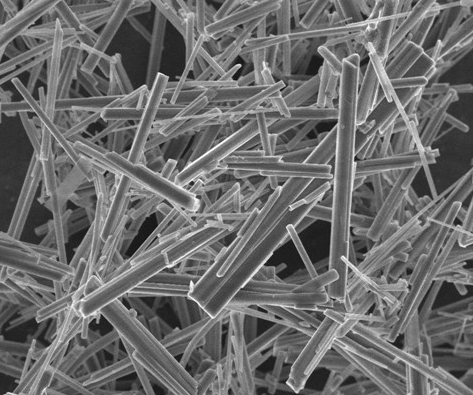
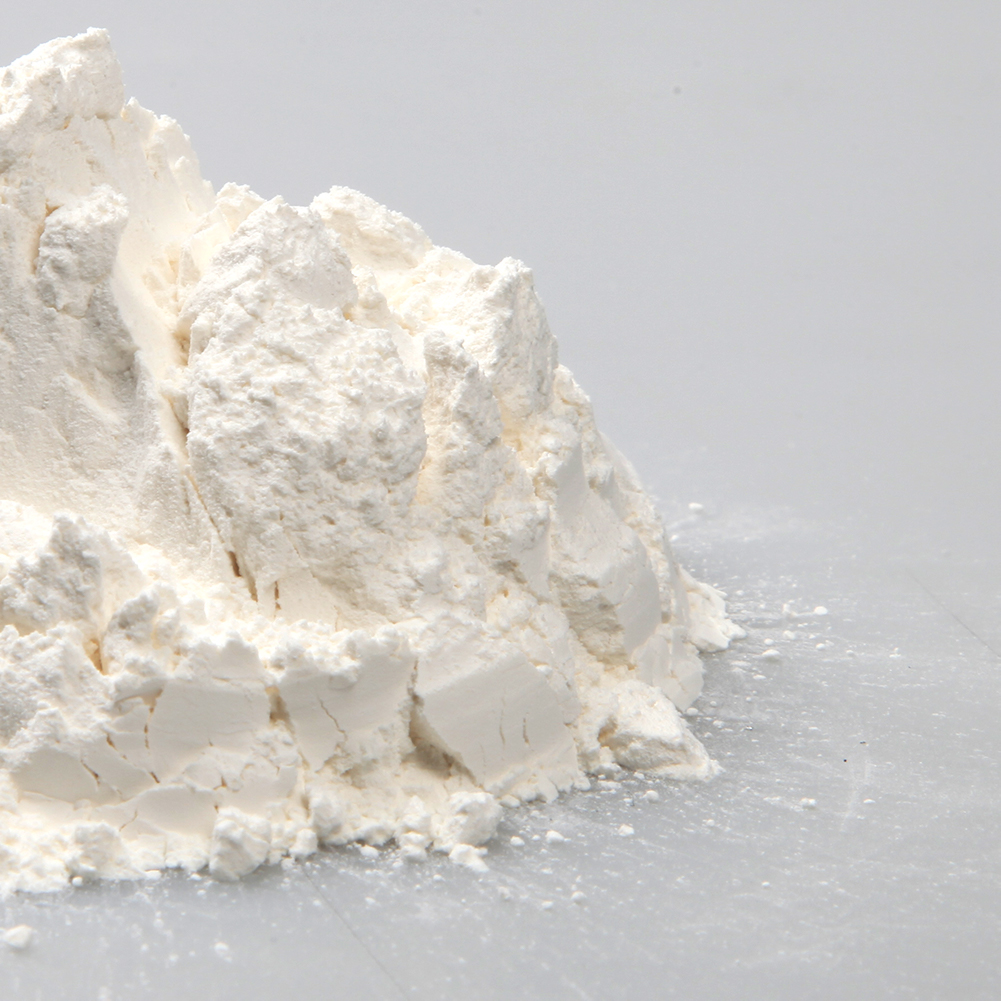
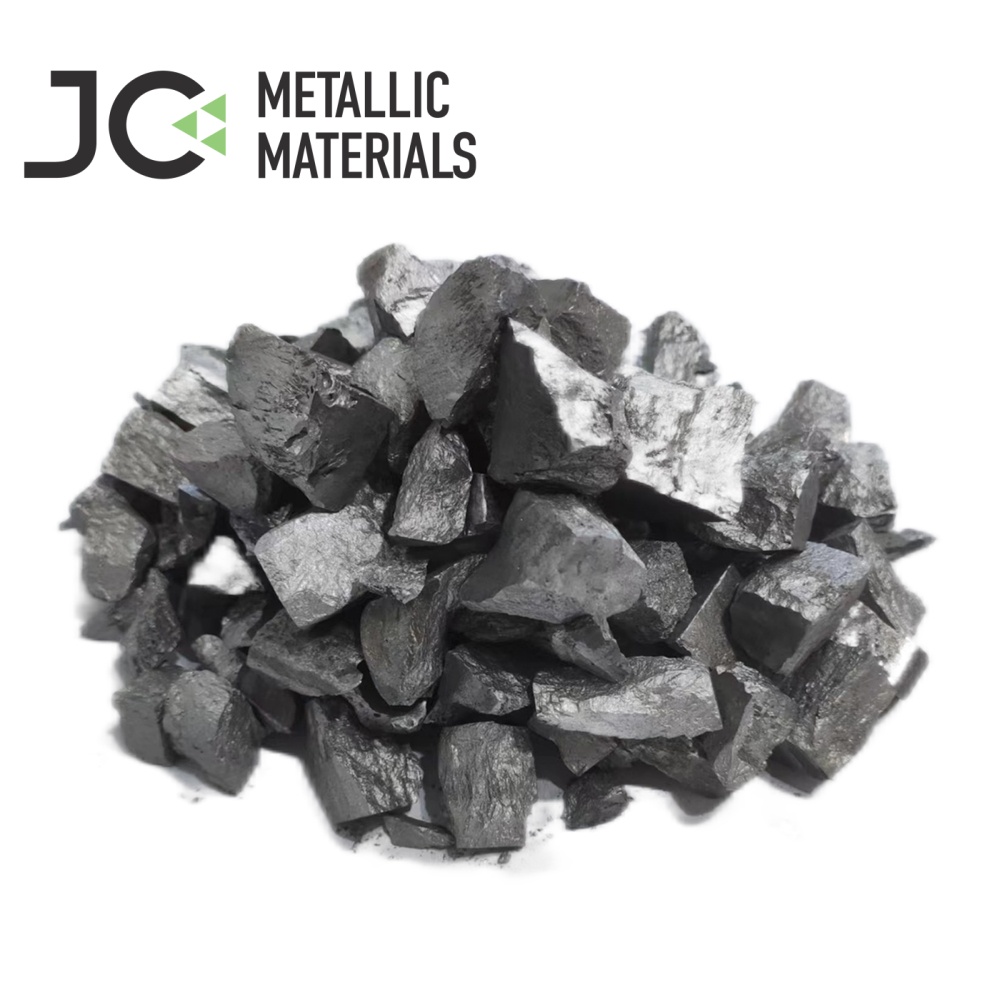
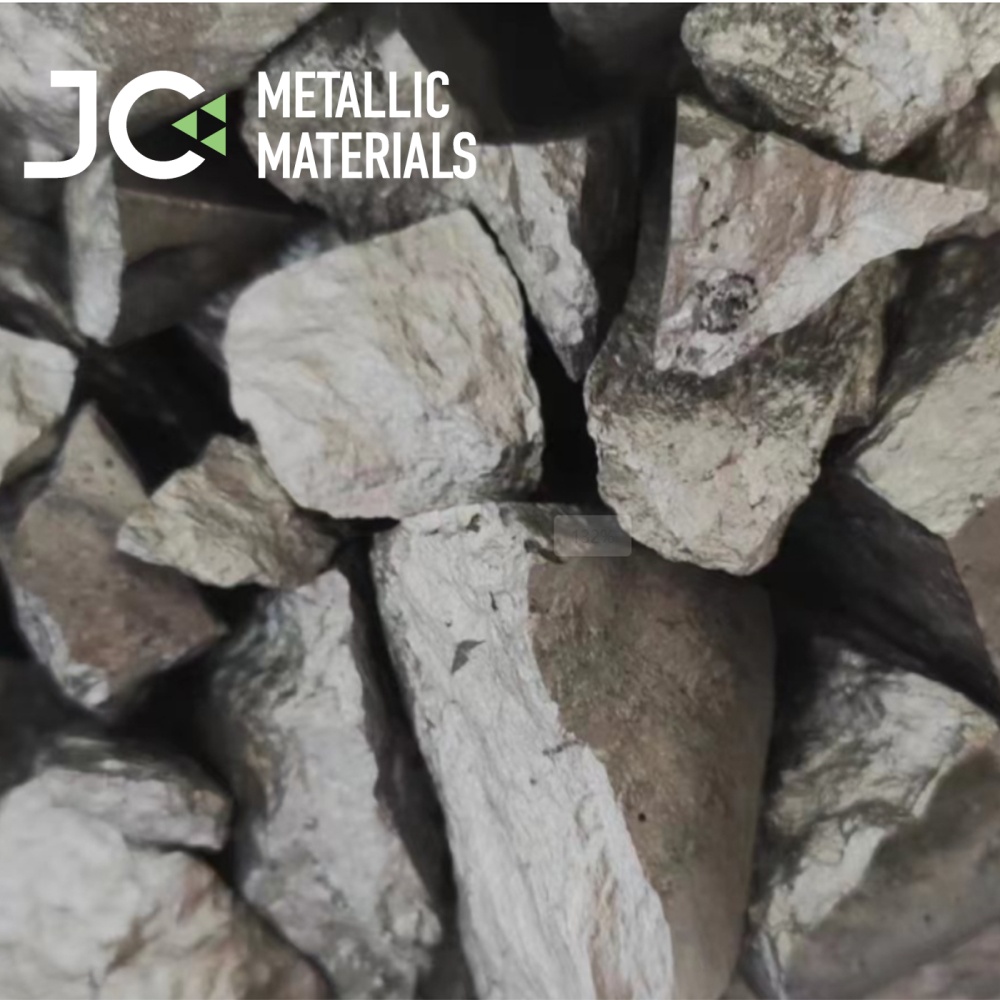
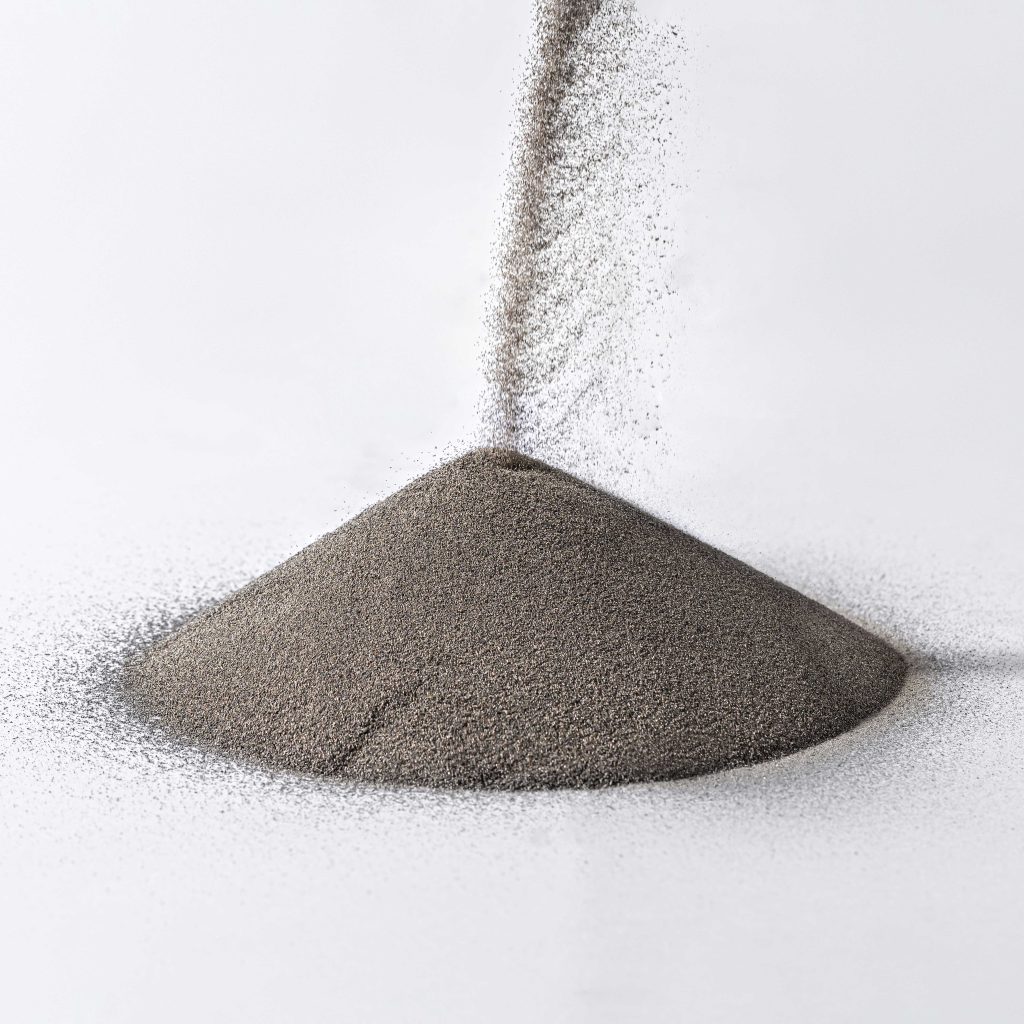
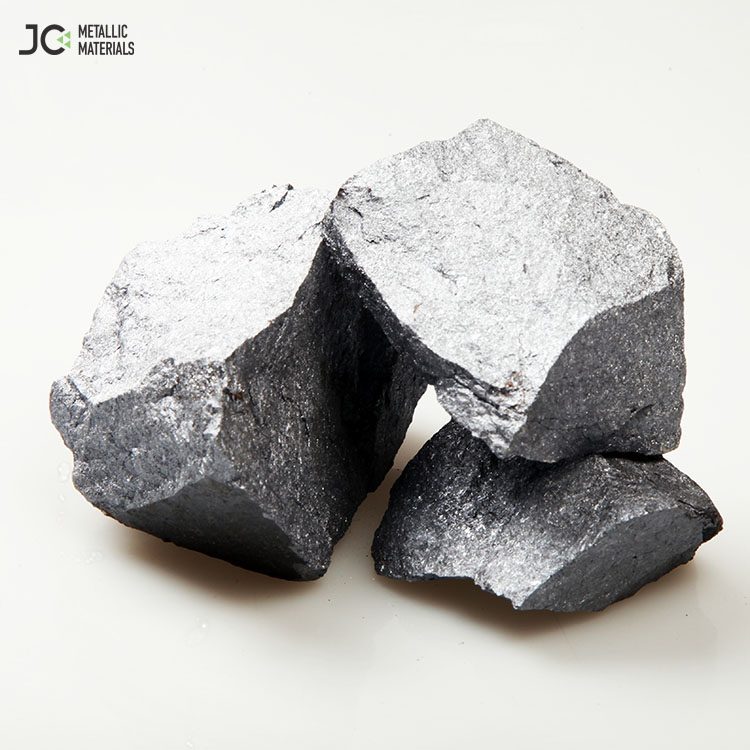
Mesh magnesium powder is used across several specialized industrial processes. Its performance depends strongly on purity, particle size, and particle distribution. Buyers need suitable specifications for each application.
Choosing the correct mesh size can improve processing efficiency and material consistency. Industrial buyers should also evaluate supplier quality, packaging, testing, and bulk supply capabilities before placing large orders.
This guide explains magnesium powder mesh sizes, particle selection, industrial applications, quality factors, and important purchasing considerations for B2B buyers.
What Is Mesh Magnesium Powder?
Mesh magnesium powder is finely processed magnesium metal divided according to particle size. The mesh number indicates how fine or coarse the powder particles are.
Higher mesh numbers generally represent smaller particles. Lower mesh numbers generally represent larger particles. However, mesh specifications can vary depending on the screening standard and supplier.
For industrial purchasing, buyers should not rely on the mesh number alone. Particle size distribution, purity, morphology, and chemical composition should also be confirmed.
Understanding Magnesium Powder Mesh Sizes
Mesh size provides a practical way to classify magnesium powder according to particle dimensions. It helps manufacturers select material suitable for specific processing requirements.
| Mesh Size | Approx. Particle Size | Particle Type | Typical Industrial Use |
| 10 Mesh | ~2,000 μm | Very Coarse | Basic material processing |
| 20 Mesh | ~850 μm | Coarse | General industrial processing |
| 30 Mesh | ~600 μm | Coarse | Metallurgical processes |
| 40 Mesh | ~425 μm | Coarse | Material preparation |
| 50 Mesh | ~300 μm | Medium | Industrial blending |
| 60 Mesh | ~250 μm | Medium | General manufacturing |
| 80 Mesh | ~180 μm | Medium Fine | Powder processing |
| 100 Mesh | ~150 μm | Fine | Specialized processing |
| 120 Mesh | ~125 μm | Fine | Controlled material blending |
| 150 Mesh | ~106 μm | Fine | Technical applications |
| 200 Mesh | ~75 μm | Very Fine | Precision processing |
These particle sizes are approximate standard sieve openings. Actual magnesium powder particle size distribution can vary by screening method, production process, and supplier specifications. Buyers can also review ASTM B214 for sieve analysis of metal powders when defining particle size testing requirements.
Key Properties of Mesh Magnesium Powder
Mesh magnesium powder has several important properties that influence its industrial performance and application suitability. Its purity, particle size, mesh grade, chemical composition, reactivity, and surface characteristics determine how effectively it performs during processing.
The main properties include:
Magnesium Purity: Purity directly affects material performance and consistency. Industrial applications may require specific magnesium content and controlled impurity levels.
Particle Size Distribution: Particle size distribution shows how consistently the powder particles are distributed. A controlled distribution can support predictable processing results.
Particle Shape: Particle morphology can influence flowability, packing, surface area, and processing behavior. Buyers should request relevant technical information when morphology is important.
Bulk Density: Bulk density affects storage, transportation, feeding, and material handling. It should be evaluated according to the intended production process.
Surface Area: Smaller particles generally provide greater surface area. This characteristic can influence interactions and processing behavior in certain applications.
Moisture Content: Moisture control is important for maintaining powder quality during storage and transportation. Buyers should confirm suitable packaging and storage requirements.
Industrial Applications of Magnesium Powder
Magnesium powder is used across diverse industrial sectors because of its lightweight properties, chemical reactivity, and controlled particle characteristics. Its applications include metallurgy, chemical processing, pyrotechnics, welding, thermal processes, and specialized manufacturing operations.
Metallurgical Applications
Magnesium powder is used in selected metallurgical processes and specialized material production. Its characteristics make it useful where controlled magnesium content is required.
Chemical Manufacturing
Certain chemical processes use magnesium powder as a raw material or processing component. Required purity and particle size depend on the specific chemical process.
Welding and Fabrication
Magnesium based materials are used in specialized fabrication and joining applications. Powder specifications must match the technical requirements of the process.
Aerospace Applications
Magnesium materials are valued for their lightweight characteristics. Specialized aerospace applications may require carefully controlled powder specifications and quality standards.
Automotive Manufacturing
Magnesium is important in lightweight material development and selected automotive manufacturing processes. Consistent material quality is essential for industrial production.
Research and Laboratory Applications
Research facilities may require magnesium powder with specific purity and particle size ranges. Small batch and custom specifications are often important for technical testing.
How Mesh Size Affects Magnesium Powder Performance
Because mesh size affects particle size and surface area, it can significantly influence:
Metallurgy & Alloying
Magnesium powder supports controlled alloying and metallurgical processing across various industrial applications.
Finer mesh improves:
- Better mixing with metallic materials
- More uniform material distribution
- Greater surface exposure during processing
Coarser mesh:
- Easier material handling
- Better suitability for certain bulk processes
- More controlled powder flow
Chemical Processing
Magnesium powder supports controlled reactions and material processing in chemical industries.
Finer mesh contributes to:
- Faster interaction in suitable processes
- Improved dispersion
- Greater surface contact
Coarser mesh:
- Easier storage and handling
- Lower surface exposure
- Suitable for processes requiring larger particles
- Welding & Industrial Applications
Finer powders:
Finer powders provide greater surface area and improved material interaction.
- Improve material distribution
- Support controlled mixing
- Provide greater surface contact
Coarser powders:
- Improve handling characteristics
- Reduce excessive powder dust
- Support applications requiring larger particle sizes
Step by Step Guide to Selecting the Right Mesh Magnesium Powder
Choosing the right mesh magnesium powder requires careful evaluation of particle size, purity, quality, application needs, and supplier capabilities. A structured buying process helps industrial buyers reduce quality risks and ensure consistent bulk supply.
1: Define Your Application
Start by identifying how the magnesium powder will be used in your production process. The application determines required particle size, purity, processing characteristics, and quality specifications.
2: Select the Required Mesh Size
Choose the mesh size according to your specific processing requirements. Consider particle diameter, surface area, handling behavior, and the level of material consistency required for production.
3: Confirm Magnesium Purity
Determine the magnesium purity required for your application before requesting quotations. Also define acceptable impurity limits to ensure the powder meets your technical and production standards.
4: Check Particle Size Distribution
Ask suppliers for detailed particle size distribution data rather than relying only on the stated mesh number. Consistent particle distribution supports predictable processing and stable production results.
5: Request Samples and Documents
Request product samples before placing large orders. Review technical specifications, chemical composition, particle size data, test reports, and Certificates of Analysis to verify product suitability.
6: Evaluate Supplier Capabilities
Compare suppliers based on manufacturing experience, production capacity, quality control, customization options, packaging, and bulk supply capabilities. Reliable suppliers should maintain consistent specifications across repeated orders.
7: Confirm Pricing and Delivery Terms
Evaluate quotations based on product specifications, order quantity, packaging, delivery schedule, and payment terms. Confirm all technical requirements before finalizing the purchase and signing the supply agreement.
Magnesium Powder Quality Specifications Buyers Should Check
Industrial buyers should verify key magnesium powder specifications before purchasing. These checks help confirm product consistency, application suitability, quality standards, and reliable performance across bulk production batches.
Magnesium Purity
- Check magnesium purity and acceptable impurity limits carefully.
- Higher purity may be required for specialized industrial applications and technical manufacturing processes.
Particle Size
- Confirm the required mesh size and actual particle diameter.
- Correct particle sizing helps maintain consistent processing, blending, and material performance.
Distribución del tamaño de las partículas
- Review particle size distribution data before ordering.
- Consistent particle distribution helps manufacturers achieve predictable processing results and stable product quality.
Chemical Composition
- Request complete chemical composition information from the supplier.
- This helps buyers identify impurities that could affect processing performance or final product quality.
Moisture Content
- Check moisture content before purchasing magnesium powder in bulk.
- Controlled moisture levels help maintain material quality during transportation, storage, and industrial processing.
Certificate of Analysis
- Request a batch specific Certificate of Analysis from the supplier.
- It provides important quality data and helps verify compliance with agreed technical specifications.
These specifications help buyers compare suppliers more accurately and reduce quality risks. Always confirm technical requirements before approving samples, bulk orders, and long term supply agreements.
Buyers can also review relevant ASTM standards for metal powder testing and quality control when defining testing requirements.
Magnesium Powder Testing and Quality Control Methods
Magnesium powder testing verifies purity, particle size, chemical composition, moisture, and physical properties. Quality control helps manufacturers maintain consistent batches, meet buyer specifications, and support reliable performance across different industrial applications.
Purity Testing
Purity testing determines magnesium content and identifies unwanted elements. Buyers can confirm whether the powder meets required chemical specifications for industrial applications.
Particle Size Analysis
Particle size analysis measures powder dimensions and distribution. This confirms whether the supplied mesh grade matches the buyer’s specified requirements and supports standardized particle size evaluation.
Buyers should also understand recognized particle size analysis methods. ASTM B822 covers particle size distribution testing for metal powders.
Chemical Composition Testing
Chemical analysis identifies magnesium and other elements present in the powder. It helps detect impurities that could influence processing or performance.
Moisture Testing
Moisture testing determines water content within the powder. Controlled moisture levels help maintain material quality during storage, transportation, and industrial processing.
Batch Consistency Testing
Batch testing compares quality characteristics between production lots. Consistent results help buyers maintain stable manufacturing processes and reduce unexpected material variations.
Certificate of Analysis
A Certificate of Analysis provides batch specific test results and quality information. Buyers can use it to verify compliance with agreed technical specifications.
Effective testing and quality control give global buyers greater confidence in magnesium powder consistency. These practices also reduce quality risks, support production stability, and strengthen long term supplier relationships.
Common Mistakes When Buying Mesh Magnesium Powder
Industrial buyers can face quality, performance, and cost issues when selecting mesh magnesium powder without carefully reviewing technical specifications. Understanding common purchasing mistakes helps manufacturers choose suitable powder grades and maintain consistent production results.
- Choosing Only by Price: The lowest price may not provide the required purity or particle consistency.
- Ignoring Particle Distribution: The stated mesh size may not fully explain the actual particle distribution.
- Not Checking Purity:Uncontrolled impurities can affect specific industrial processes.
- Skipping Quality Documents: Technical documentation helps verify product specifications and batch quality.
- Overlooking Packaging: Unsuitable packaging can create quality and handling problems during transportation.
- Failing to Test Samples: Sample testing helps confirm product suitability before large orders.
Avoiding these common purchasing mistakes helps buyers select mesh magnesium powder with suitable purity, particle size, and consistency. Careful specification checks can improve production reliability, reduce material waste, and support better long term sourcing decisions.
Why Global Buyers Prioritize Mesh Magnesium Powder Quality
Global buyers prioritize mesh magnesium powder quality because consistent specifications support reliable production. Purity, particle size, chemical composition, and batch consistency can directly influence processing efficiency, product performance, and purchasing confidence.
Consistent Particle Size
Consistent particle size supports predictable processing, mixing, and material behavior across different production batches and international manufacturing environments.
Controlled Purity
High and controlled purity helps buyers maintain product quality while reducing unwanted impurities that may affect specific industrial processes.
Reliable Performance
Consistent powder specifications help manufacturers achieve stable performance, especially when magnesium powder is used repeatedly in demanding industrial applications.
Better Production Efficiency
Suitable mesh sizes can improve processing efficiency by supporting appropriate handling, feeding, mixing, and material distribution during manufacturing operations.
Reduced Quality Risks
Reliable quality control reduces the risk of inconsistent batches, production interruptions, rejected materials, and additional costs for international buyers.
Long Term Supply
Global buyers prefer suppliers capable of maintaining consistent quality across repeated orders, supporting stable production planning and long term business relationships.
High quality mesh magnesium powder gives international buyers greater confidence in material consistency and supplier reliability. Strong specifications also support smoother procurement, production planning, quality control, and long term supply relationships.
Explore Chengdu Jinchun Metallic Materials Co., Ltd. Resources
Discover more technical resources from Chengdu Jinchun Metallic Materials Co., Ltd. covering magnesium powder, metal powders, industrial applications, supplier selection, manufacturing, and global sourcing considerations.
An Ultimate Buying Guide: How to Choose a Metal Powder Manufacturer?
Top 7 Titanium Powder Manufacturers in China
Top 10 Chromium Carbide Powder Manufacturers in China
Global Demand for Chromium Carbide Powder in Heavy Industries
2026 Expert Guide: Top 7 Trusted Alloy Powder Manufacturers in China for Global Sourcing
Step-by-Step Guide to Import Thermal Spray Powder
Bronzing Powder: Manufacturing Process, Types, Applications and Buying Guide
Comparing the Cost and Benefits of Magnesium Oxide Powder vs. Zinc Oxide
Why Chengdu Is the Hub for High-Quality Ferroalloy Powders
Final Thoughts
Mesh magnesium powder selection requires more than choosing a specific mesh number. Particle size, purity, distribution, morphology, and application requirements all influence product suitability.
Industrial buyers should evaluate suppliers based on quality control, technical documentation, customization capability, packaging, production capacity, and batch consistency.
A clear specification sheet and sample testing can reduce purchasing risks. These steps also help buyers establish reliable long term magnesium powder supply.
Preguntas frecuentes
Q1: What is mesh magnesium powder?
Answer: Mesh magnesium powder is finely processed magnesium classified by particle size. The mesh number indicates powder fineness, while actual particle distribution may vary depending on manufacturing and screening methods.
Q2: What does mesh size mean in magnesium powder?
Answer: Mesh size describes how fine or coarse magnesium powder particles are. Higher mesh numbers generally indicate smaller particles, while lower mesh numbers represent larger particles.
Q3: How do I choose the right mesh size?
Answer: Select mesh size according to your application, processing method, surface area requirements, and handling needs. Always confirm the supplier’s actual particle size distribution before making a bulk purchase.
Q4: Why is particle size important for magnesium powder?
Answer: Particle size can affect surface area, processing behavior, mixing, feeding, and material consistency. Selecting an unsuitable size may create processing challenges or produce inconsistent manufacturing results.
Q5: What magnesium purity should buyers choose?
Answer: Required purity depends on the intended industrial application. Buyers should establish magnesium content and acceptable impurity limits according to technical requirements before requesting samples or bulk quotations.
Q6: Can suppliers provide custom mesh magnesium powder?
Answer: Many manufacturers can provide customized particle size ranges based on production capabilities. Buyers should provide detailed technical specifications, required quantity, purity, and application information for accurate customization.
Q7: What quality documents should buyers request?
Answer: Buyers should request technical specifications, chemical composition data, particle size information, test reports, and Certificates of Analysis. These documents help verify product quality and compliance with agreed requirements.
Q8: Should buyers test magnesium powder samples?
Yes, sample testing is recommended before large purchases. It allows buyers to evaluate purity, particle characteristics, processing suitability, and consistency before committing to commercial production quantities.
Q9: How should magnesium powder be packaged?
Answer: Packaging should be selected according to supplier recommendations and applicable safety requirements. Buyers should confirm packaging specifications, labeling, storage conditions, and transportation requirements before completing international orders.
Q10: How can buyers choose a reliable supplier?
Answer: Evaluate manufacturing experience, quality control, production capacity, technical support, customization capability, documentation, and bulk supply performance. Comparing samples and specifications can help identify a suitable long term supplier.