 Spanish
  English
  French
  Japanese
  Korean
  Vietnamese
  Thai
Thai  Portuguese
  German
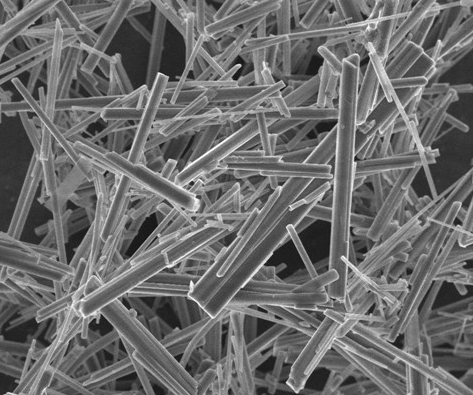
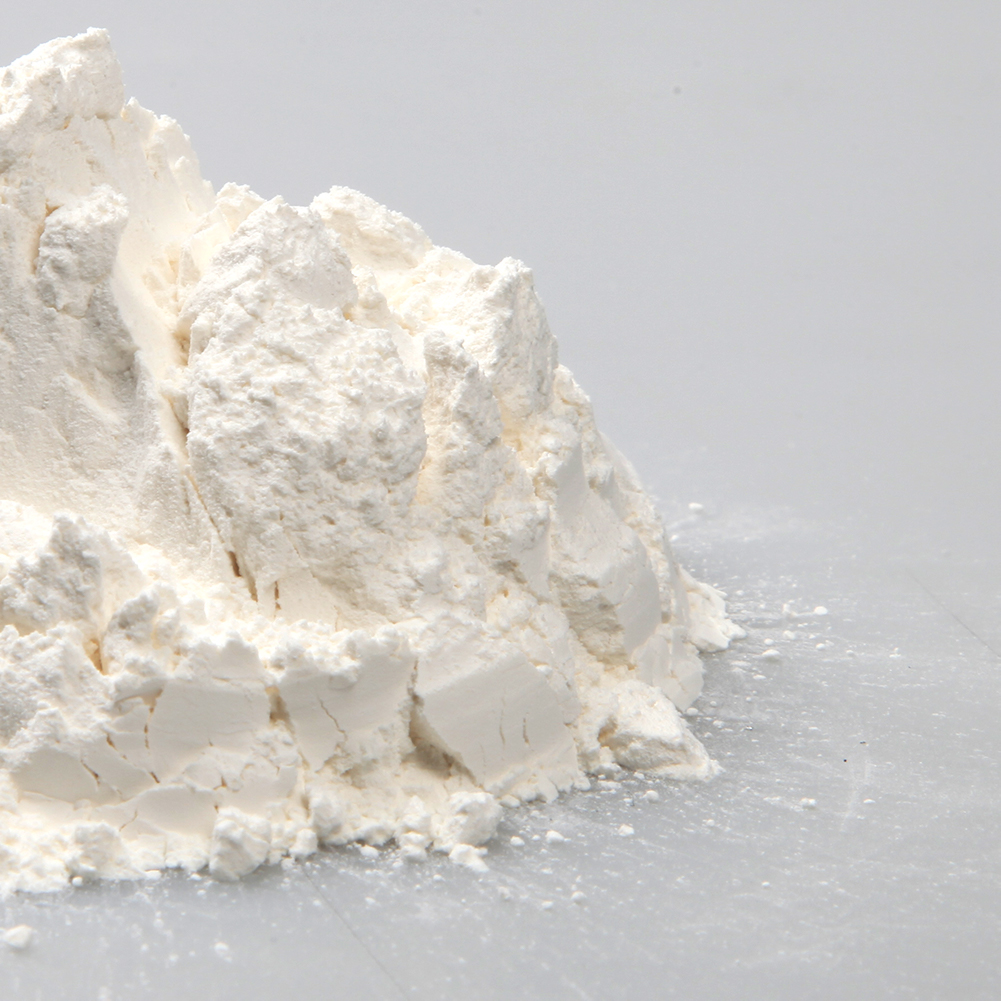
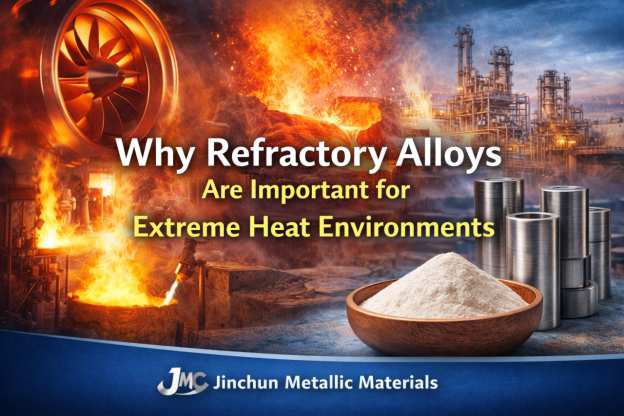
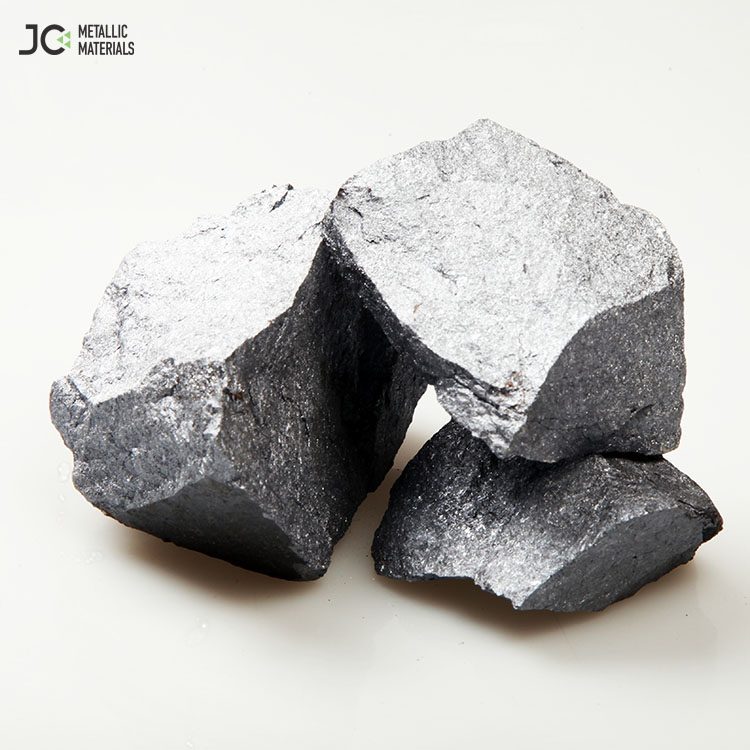
In extreme industrial environments, where temperatures can exceed 1000°C, material selection becomes a critical engineering decision rather than a routine choice. Conventional metals such as steel or aluminum begin to lose their strength, deform, or oxidize rapidly under such conditions. This is where refractory alloys play a decisive role.
Refractory alloys are specifically engineered to withstand extreme heat, mechanical stress, and corrosive environments without compromising structural integrity. These materials are not only used to survive harsh conditions but to ensure consistent performance over extended operational cycles.
Industries such as aerospace, power generation, metallurgy, and chemical processing rely heavily on refractory metal alloys to maintain operational continuity. Without these materials, many high-temperature processes would either become inefficient or completely unfeasible.
In this article, our team explores high-temperature alloys, covering their overview, types, core performance attributes, and advantages over conventional metals. We will also explore critical applications, emerging technologies, and key challenges in modern industrial environments.
Quick Insight
Refractory alloys are high-performance materials designed to withstand extreme temperatures, making them essential for industries that operate under intense thermal and mechanical stress.
Key Insights
- Designed for high-temperature resistance above 1000°C
- Maintain mechanical strength under thermal stress
- Widely used in aerospace, energy, and metallurgy industries
- Improve equipment lifespan and operational safety
- Resistant to oxidation and corrosion in harsh environments
- Critical for high-performance industrial applications
What Are Refractory Alloys?
Refractory alloys are metal alloys composed primarily of elements such as tungsten, molybdenum, tantalum, and niobium. These materials are characterized by their extremely high melting points and ability to retain strength at elevated temperatures.
Unlike traditional alloys, extreme temperature alloys are specifically engineered for environments where heat, pressure, and chemical exposure are beyond standard material limits. Their performance is not only defined by heat resistance but also by stability under continuous thermal cycling.
Types of Refractory Alloys
Refractory alloys are categorized based on their base metals and performance characteristics. Each type offers unique properties suitable for specific high-temperature industrial and engineering applications worldwide.
| Alloy Type | Key Composition | Core Strength | Common Applications |
| Tungsten-Based | Tungsten with rhenium or alloys | Extremely high melting point and strength | Aerospace, rocket nozzles, furnace parts |
| Molybdenum-Based | Molybdenum with titanium, zirconium | Excellent creep resistance and thermal stability | Power plants, metal processing, furnaces |
| Niobium-Based | Niobium with hafnium, titanium | Lightweight with strong heat resistance | Jet engines, aerospace structural parts |
| Tantalum-Based | Tantalum with tungsten or hafnium | Superior corrosion and oxidation resistance | Chemical processing, medical, electronics |
| Rhenium-Based | Rhenium mixed with tungsten | Exceptional high-temperature strength | Aerospace, thermocouples, turbine engines |
| Chromium-Based | Chromium with nickel or iron | Good oxidation resistance at elevated temperatures | Coatings, industrial heating systems |
Core Properties of Refractory Alloys
Refractory metal alloys offer exceptional performance in extreme heat conditions. Their unique composition provides strength, stability, and resistance against damage, making them essential for demanding industrial and engineering applications.
| Property | Description | Industrial Impact |
| High melting point | >2000°C | Suitable for extreme heat |
| Thermal stability | Maintains structure | Prevents deformation |
| Oxidation resistance | Withstands harsh environments | Extends lifespan |
| Mechanical strength | Strong under stress | Improves reliability |
| Corrosion resistance | Resists chemical damage | Reduces maintenance |
Why Refractory Alloys Matter in Extreme Heat Environments
1. Structural Integrity Under High Temperature
Extreme temperature alloys maintain their strength even when exposed to extreme heat. This prevents deformation, cracking, or failure in critical applications.
2. Resistance to Thermal Shock
Rapid temperature changes can damage most materials. Refractory metal alloys are designed to handle thermal expansion and contraction without losing performance.
3. Enhanced Equipment Lifespan
Using advanced alloy materials reduces wear and tear, minimizing maintenance costs and increasing equipment durability.
4. Safety and Operational Stability
High-temperature processes can be hazardous. Reliable materials reduce risks and ensure stable operations.
Why Conventional Materials Fail in Extreme Conditions
To understand the importance of high-performance alloys, it is essential to compare them with traditional materials.
- Steel begins to lose strength at temperatures above 500–600°C
- Aluminum alloys deform at relatively low temperatures
- Standard alloys are prone to oxidation and corrosion
These limitations make conventional materials unsuitable for high-temperature industrial applications. Refractory alloys bridge this gap by offering both thermal and mechanical reliability.
Industrial Applications: Where Performance Matters Most
Aerospace Engineering
In aerospace, components such as turbine blades, rocket nozzles, and heat shields operate under extreme thermal stress. Aerospace heat-resistant materials ensure these components maintain structural integrity during high-speed and high-temperature operations.
Power Generation and Energy Sector
Power plants, especially those using gas turbines or nuclear reactors, require materials that can withstand continuous high temperatures. Thermal resistant metals improve efficiency and reduce maintenance frequency.
Metallurgical Processes
Furnaces used for metal smelting and refining operate at extremely high temperatures. Refractory metal alloys are used in furnace linings, heating elements, and structural components to ensure long-term durability.
Chemical Processing Industry
In chemical plants, equipment is exposed to both heat and aggressive chemical environments. Refractory alloys provide resistance to both factors, making them ideal for reactors and processing units.
The Economic Impact of Material Selection
Choosing the right material is not just a technical decision but it has significant economic implications.
Using refractory metal alloys may involve higher initial costs, but they offer long-term benefits such as:
- Reduced maintenance and downtime
- Longer equipment lifespan
- Improved operational efficiency
- Lower risk of failure
For B2B buyers and engineers, this translates into better return on investment and more reliable operations.
Challenges in Using Refractory Alloys
Despite their superior performance, refractory alloys are not without limitations. Understanding these challenges is essential for making informed decisions.
1. High Production and Material Cost
Refractory metals such as tungsten and tantalum are expensive due to limited availability and complex extraction processes. This increases the overall cost of alloy production.
2. Difficult Manufacturing and Machinability
These alloys are hard and brittle at room temperature, making them difficult to machine and process. Specialized techniques such as powder metallurgy are often required.
3. Oxidation at Ultra-High Temperatures
Although refractory alloys resist heat, some are susceptible to oxidation at extremely high temperatures unless protected by coatings or controlled environments.
Advanced Solutions to Overcome Limitations
To address these challenges, manufacturers are adopting innovative approaches:
- Protective coatings to improve oxidation resistance
- Alloying techniques to enhance ductility
- Powder metallurgy for precise material control
- Additive manufacturing for complex designs
These advancements are making refractory metal alloys more accessible and efficient for industrial use.
How to Select the Right Refractory Alloy
Choosing the right alloy requires a balance between performance, cost, and application requirements.
Key Selection Factors
Operating Temperature
Different alloys perform better at different temperature ranges. Selecting the correct material ensures optimal performance.
Mechanical Load Requirements
Applications involving heavy loads require alloys with high strength and creep resistance.
Environmental Conditions
Exposure to oxygen, chemicals, or vacuum conditions influences material selection.
Cost vs Performance Trade-Off
While high-end alloys offer better performance, businesses must evaluate whether the added cost aligns with operational needs.
Comparative Overview of Common Refractory Alloys
| Alloy | Key Feature | Typical Application |
| Tungsten | Highest melting point | Aerospace, defense |
| Molibdeno | Good strength & conductivity | Furnaces, electronics |
| Tantalum | Excellent corrosion resistance | Chemical processing |
| Niobium | Good ductility | Aerospace components |
Distinct Advantages of Refractory Alloys Over Standard Metals
Refractory alloys differ significantly from conventional metals in composition, performance, and industrial applications. The table below highlights their unique advantages and critical differences for extreme heat environments.
| Feature | Refractory Alloys | Conventional Metals | Industrial Impact |
| High-Temperature Resistance | Maintains strength at extreme heat | Weakens and deforms under high heat | Critical for aerospace, energy, and furnaces |
| Mechanical Strength | Exceptional under thermal and mechanical stress | Often loses strength quickly | Ensures durability and long-term reliability |
| Oxidation & Corrosion Resistance | Highly resistant to chemical degradation | Prone to corrosion at elevated temperatures | Reduces maintenance and replacement costs |
| Thermal Fatigue & Creep Resistance | Minimal deformation under prolonged heat | Experiences slow deformation or creep | Ensures stable performance over long periods |
| Operational Efficiency | Maintains consistent performance in harsh conditions | Performance varies significantly | Supports high-precision and critical applications |
Critical Applications in Extreme Heat Environments
Refractory metals play a vital role in high-temperature industries worldwide. Their strength and stability make them essential for demanding applications where conventional materials cannot perform reliably under extreme conditions.
- Aerospace Engineering:Used in rocket engines, jet components, and heat shields.
- Power Generation Systems:Applied in turbines, reactors, and high-temperature equipment.
- Metallurgical Processing:Essential for furnaces, crucibles, and metal refining operations.
- Electronics Industry:Used in semiconductors, filaments, and electrical components.
- Chemical Processing:Ideal for handling corrosive substances in extreme environments.
- Defense and Military:Used in missiles, armor systems, and advanced weapon technologies.
Future Trends in Refractory Alloys
The development of lightweight refractory alloys is gaining momentum, especially in aerospace and energy sectors. These materials aim to reduce overall system weight while maintaining high-temperature performance, improving efficiency and reducing operational costs.
Advanced coating technologies are also evolving to enhance oxidation resistance and extend material lifespan. These coatings allow advanced alloy materials to perform more effectively in extreme environments, reducing maintenance requirements and improving long-term reliability.
Additionally, the adoption of advanced manufacturing methods such as powder metallurgy and additive manufacturing is increasing. These technologies enable precise material control, complex component design, and improved performance, supporting the growing demand for high-efficiency industrial solutions.
Why Should You Choose Us?
Chengdu Jinchun Metallic Materials Co. leads in high-quality refractory alloys and metals. Our advanced production, technical expertise, and consistent reliability make us the ideal partner for demanding industrial applications.
- Exceptional Product Quality:We provide premium metals and alloys that meet international industrial standards consistently.
- Advanced Manufacturing Technology:Our facilities use state-of-the-art equipment for precise, high-performance material production.
- Global Supply Capability: Reliable supply chains ensure timely delivery for domestic and international clients.
- Expert Technical Support:Experienced engineers provide guidance on material selection, processing, and application optimization.
- Commitment to Innovation:We continuously develop advanced alloys to meet evolving industry demands efficiently.
Final Thoughts
Refractory alloys are the backbone of high-temperature industrial innovation. Their ability to withstand extreme conditions makes them indispensable in modern engineering and manufacturing.
While they present certain challenges, advancements in technology and processing methods continue to improve their accessibility and performance.
For businesses operating in extreme environments, the strategic use of advanced alloy materials is not just beneficial. It is essential for achieving reliability, efficiency, and long-term success.
Jinchun Metallic Materials provides high-quality refractory alloy materials designed to meet demanding industrial requirements, with strong production capabilities and strict quality control standards.
Explore our product range and connect with our team to find the right material solution for your application.
Frequently Asked Questions (FAQs)
Q1: What are refractory alloys and how do they work?
Answer: Advanced alloy materials are high-performance materials designed for extreme temperatures. They maintain strength and stability under intense heat. Their unique composition allows them to resist deformation, ensuring reliable performance in demanding industrial environments.
Q2: Why are refractory metal alloys important in extreme heat environments?
Answer: Refractory metal alloys are essential where extreme heat can damage conventional materials. They provide stability, strength, and resistance to thermal stress. Industries rely on them to ensure safety, efficiency, and long-term performance.
Q3: How do refractory alloys differ from conventional metals?
Answer: High-performance alloys outperform conventional metals in high-temperature environments. They maintain strength and resist deformation under heat. Unlike standard metals, they offer better durability, oxidation resistance, and long-term reliability in extreme conditions.
Q4: How do refractory metal alloys resist high temperatures?
Answer: Refractory metal alloys resist high temperatures due to their strong atomic structure and high melting points. Their composition prevents deformation and maintains stability, allowing them to perform efficiently under continuous extreme heat conditions.
Q5: Are refractory metal alloys cost-effective for industrial use?
Answer: Durable high-temperature materials may have higher initial costs compared to conventional materials. However, their durability and long service life reduce maintenance and replacement expenses, making them cost-effective for long-term industrial applications.