
 Japanese
  English
  French
  Korean
  Spanish
  Vietnamese
  Thai
Thai  Portuguese
  German
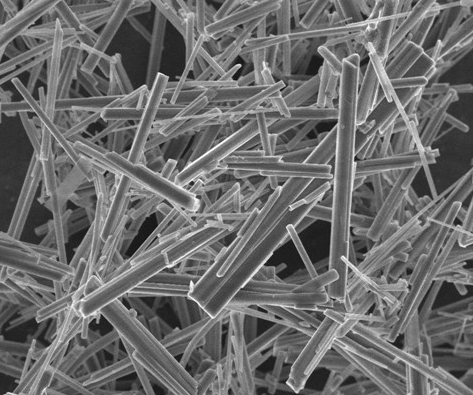
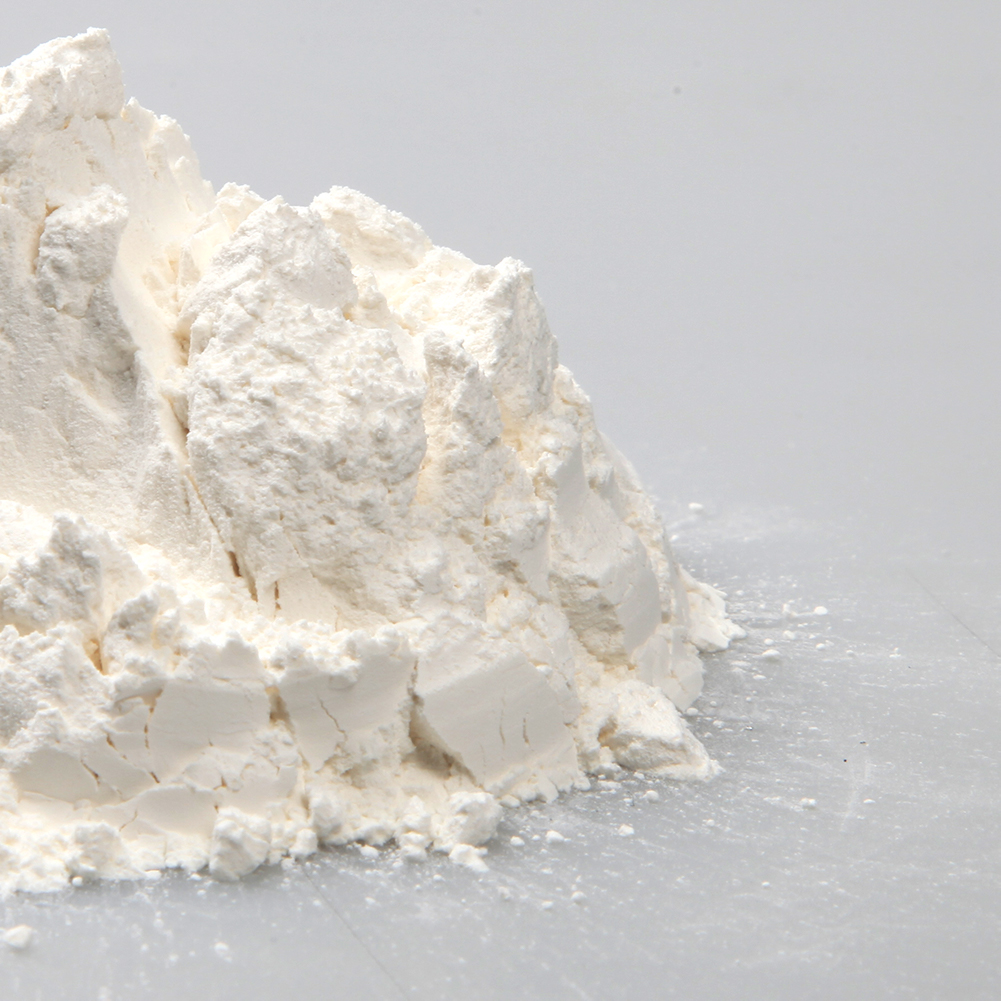
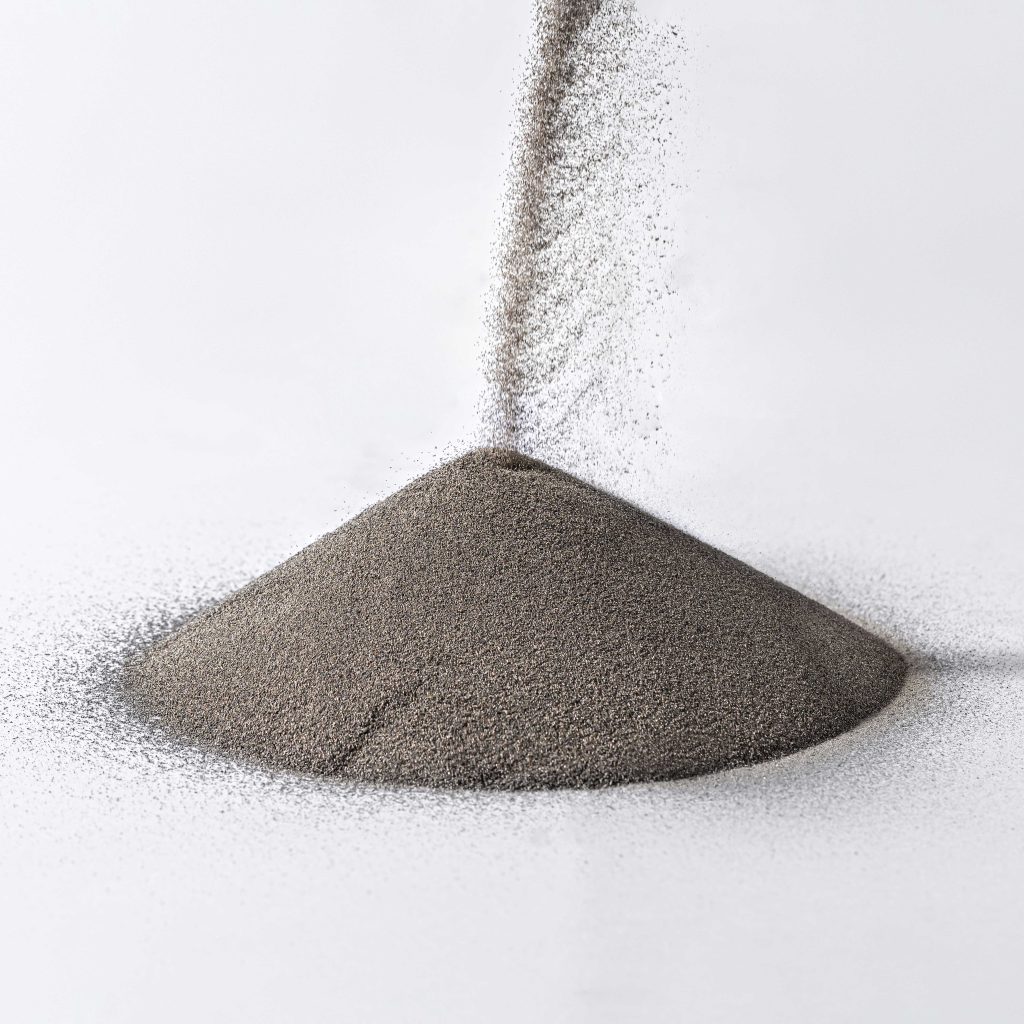
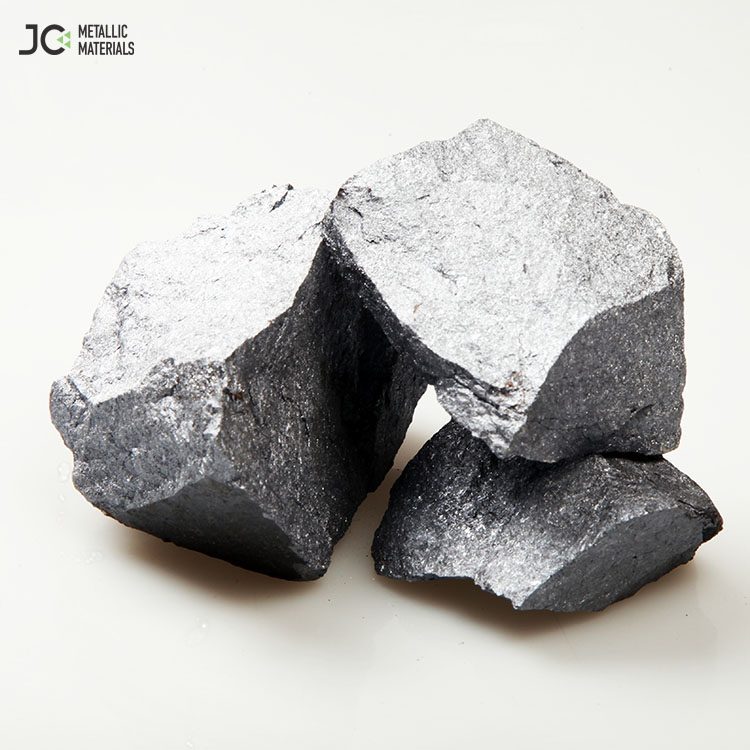
Copper metal powder is a high-demand industrial raw material used across global manufacturing sectors. It is a critical raw material used across multiple industrial sectors. It is used in powder metallurgy, electronics, automotive manufacturing, chemical processing, and additive manufacturing. It is extremely valuable to manufacturers all over the world. Due to its superior electrical conductivity, thermal performance, corrosion resistance, and sintering behavior.
As global demand grows, more buyers are looking to foreign suppliers to ensure consistent quality and competitive pricing. On the other hand, importing copper powder demands technical specifications, supplier evaluation, regulatory compliance, logistics, and risk management.
In these article, our team will give a comprehensive and detailed buying guide before importing the copper metal powder from China. We will explore its definition, properties, uses, and why should you import from China. These guide is really helpful for our buyers, distributors, and wholesalers all around the world.
What is Copper Metal Powder?
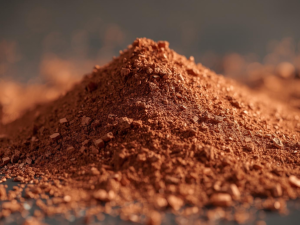
Copper metal powder is a finely processed copper material manufactured through atomization, electrolysis, or chemical reduction methods. It offers excellent electrical and thermal conductivity, strong corrosion resistance, and reliable antimicrobial properties. Manufacturers precisely control particle size and shape during production. This flexibility makes copper powder ideal for electronics, powder metallurgy, chemical processing, and advanced industrial applications.
Main Properties of Copper Metal Powder
1: Excellent Electrical Conductivity
Copper powder has high electrical conductivity for various applications.
- Ensures efficient current flow in electronics and electrical components.
- Ideal for conductive coatings, contacts, and wiring systems.
- Reduces energy loss and improves device performance.
2: Superior Thermal Conductivity
Copper powder efficiently transfers heat in industrial and electronic uses.
- Supports thermal management in electronic devices and machinery.
- Improves heat dissipation in sintered and printed components.
- Enhances durability of products exposed to high temperatures.
3: Corrosion Resistance
Copper powder resists oxidation and corrosion under diverse conditions.
- Increases lifespan of components in industrial and automotive applications.
- Suitable for chemical environments and exposed metal surfaces.
- Minimizes maintenance and replacement costs for manufacturers.
4: Controlled Particle Size and Shape
Copper powder is manufactured with precise particle size and morphology.
Enables uniform sintering, coatings, and additive manufacturing applications.
Provides consistent flow and packing properties for industrial processes.
Tailored particle shapes enhance performance in specialized applications.
5: Antimicrobial Properties
Copper metal powder inhibits microbial growth in specific applications.
- Ideal for medical devices, healthcare equipment, and hygiene products.
- Adds functional value to surfaces exposed to bacteria and viruses.
- Supports safety and compliance in regulated environments.
Read Our Comprehensive Step-by-Step B2B Guide: How to Import Chromium Alloy?
Main Uses of Copper Metal Powder
1: Electrical and Electronics Industry
Copper powder is extensively used in electrical and electronics manufacturing because of its excellent conductivity and heat dissipation properties. Common applications include:
- Conductive Coatings: Applied in circuit boards and electronic assemblies.
- Electromagnetic Shielding: Protects sensitive devices from signal interference.
- Sintered Components:Used for electrical contacts connectors and terminals.
2: Powder Metallurgy Industry
Copper powder plays a vital role in powder metallurgy for producing durable and precision engineered components. Typical applications include:
- Sintered Bearings: Used in automotive and industrial machinery.
- Bushings and Gears: Provide strength wear resistance and lubrication.
- Structural Parts:Manufactured with controlled density and porosity.
3: Automotive Industry
The automotive sector relies on copper metal powder for both electrical and mechanical applications. Key uses include:
- Brake and Clutch Materials: Enhances heat resistance and friction control.
- Electrical Components:Used in motors sensors and wiring systems.
- Sintered Automotive Parts:Improves durability and performance reliability.
4: Chemical and Industrial Applications
Copper metal powder is commonly used in chemical processing and industrial manufacturing. Major applications include:
- Catalysts: Supports chemical reactions in industrial processes.
- Pigments and Additives: Used in coatings and surface treatments.
- Antimicrobial Materials: Applied in industrial and sanitary environments.
5: Additive Manufacturing and Surface Coatings
With advancing technologies, copper metal powder is increasingly used in modern manufacturing methods. Common applications include:
- 3D Printing: Produces conductive and thermal management components.
- Thermal Spray Coatings:Improves surface conductivity and heat transfer.
- Specialty Coatings: Enhances wear resistance and surface performance.
An Ultimate Buying Guide: How to Choose a Reliable Copper Metal Powder Manufacturers in China?
Before importing copper metal powder, it requires careful planning and clear strategy. Each step ensures quality, compliance, and cost-efficient sourcing for industrial buyers.
Following a structured process helps reduce risks and improves long-term supplier relationships:
Step 1: Define Your Own Requirements
Start by specifying the required purity and particle size. Determine the shape, density, and flow properties needed. Identify the main applications and end-use industry. Clearly list performance expectations and material tolerances. Document all technical specifications for supplier reference. Well-defined requirements reduce misunderstandings and production errors. This ensures the supplier provides accurate product suggestions.
Step 2: Identify Reliable Suppliers
Research suppliers with proven experience and export capabilities. Check company background, production capacity, and technology used. Review certifications, past client feedback, and references carefully. Shortlist manufacturers who meet quality standards consistently. Evaluate their ability to handle bulk and repeat orders. Communication responsiveness is essential for smooth collaboration. Choose suppliers with a reliable reputation in the industry.
Step 3: Verify Certifications and Compliance
Confirm ISO, REACH, and RoHS or other standards. Ensure suppliers meet both local and international regulations. Check documentation for traceability and batch quality control. Compliance verification prevents legal issues or shipment delays. Verify environmental, safety, and handling certifications for materials. Certified suppliers demonstrate reliability and industrial credibility. Proper compliance ensures smooth import and operational processes.
Step 4: Request Samples
Ask for representative samples from shortlisted suppliers first. Test samples for particle size, purity, and flowability. Review the Material Safety Data Sheet provided by supplier. Conduct performance trials in your intended application environment. Ensure samples meet technical and industrial requirements fully. Approve or reject based on laboratory or in-house results. Sampling prevents costly mistakes in bulk orders.
Step 5: Price Negotiation and MOQ
Request detailed quotations including unit price and packaging costs. Discuss minimum order quantity based on production and storage needs. Negotiate bulk order discounts for long-term supply stability. Compare prices from multiple suppliers to identify competitiveness. Include shipping, insurance, and customs costs in evaluation. Finalize terms clearly in a written agreement. Negotiation ensures cost-effective and reliable sourcing strategy.
Step 6: Confirm Packaging and Labeling
Ensure packaging protects against moisture, oxidation, and physical damage. Verify correct labeling with batch number, net weight, and material type. Choose suitable containers like drums, bags, or vacuum-sealed packs. Packaging should support safe transport and storage conditions. Proper labeling improves traceability and regulatory compliance. Confirm pallets, crates, or bulk transport arrangements. Quality packaging safeguards material integrity during transit.
Step 7: Discuss About After Sales Services
Confirm warranty, replacement, and defect handling policies clearly. Ensure suppliers provide technical guidance for proper material usage. Discuss response time and support for urgent issues. Verify availability of documentation and product updates. Good after-sales support strengthens long-term supplier relationships. Reliable service reduces operational risks and production downtime. Establish expectations before finalizing the purchase agreement.
Read Our Manufacturing Guide: How Metallic Copper Powder is Manufactured?
Why should you import Metal Powder from China?
China is a leading global supplier of copper metal powder in the world. Chinese suppliers deliver high-quality, reliable materials with consistent grades and strict quality control. These materials support for industrial manufacturing, electronics, metallurgy, automotive, and precision engineering applications worldwide.
- Wide Range of Grades: Offers multiple copper powder grades tailored for specific industrial needs. Ideal for electronics, powder metallurgy, coatings, and chemical processes.
- Strict Quality Control: Implements rigorous testing to guarantee uniformity in every batch. Complies with international ISO standards and industry regulations.
- Industrial Applications Support: Supplies materials for metallurgy, electronics, automotive, and precision engineering. Enables production of sintered components, conductive coatings, and catalysts.
- Efficient Import Process: Provides timely delivery through reliable logistics and shipping solutions. Competitive pricing ensures cost savings on bulk orders.
- Trusted by Global Buyers:International companies rely on Chinese suppliers for stable supply. Professional services and consistent performance strengthen long-term partnerships.
Read Our Guide About Tungsten Carbide Vs Titanium: Which One is Essential For Your Use?
Why Chengdu Jinchun Metallic Materials Co., Ltd. is Your Next Reliable Metal Powder Partner?
成都金春金属材料有限公司 supplies high-quality copper powders for industrial needs.
- Chengdu Jinchun Metallic Materialsoffers multiple grades with reliable performance.
- Our company has strict quality control ensures consistent results in production.
- Our materials support metallurgy, electronics, and precision engineering.
- Our import process guarantees timely delivery, cost savings, and long-term operational reliability.
Many global buyers trust our company for stable supply and dependable service.
Final Thoughts
Copper metal powder is an essential material across multiple industries due to its excellent conductivity, antimicrobial properties, and versatile applications. It is widely used in electronics, medical devices, and additive manufacturing, delivering reliable performance and efficiency.
For buyers seeking a trusted supplier, 成都金春金属材料有限公司 provides high-quality copper metal powder tailored to specific industrial needs. Contact us today to explore our products and discover how they can enhance your manufacturing and business operations.
