 Japanese
  English
  French
  Korean
  Spanish
  Vietnamese
  Thai
Thai  Portuguese
  German

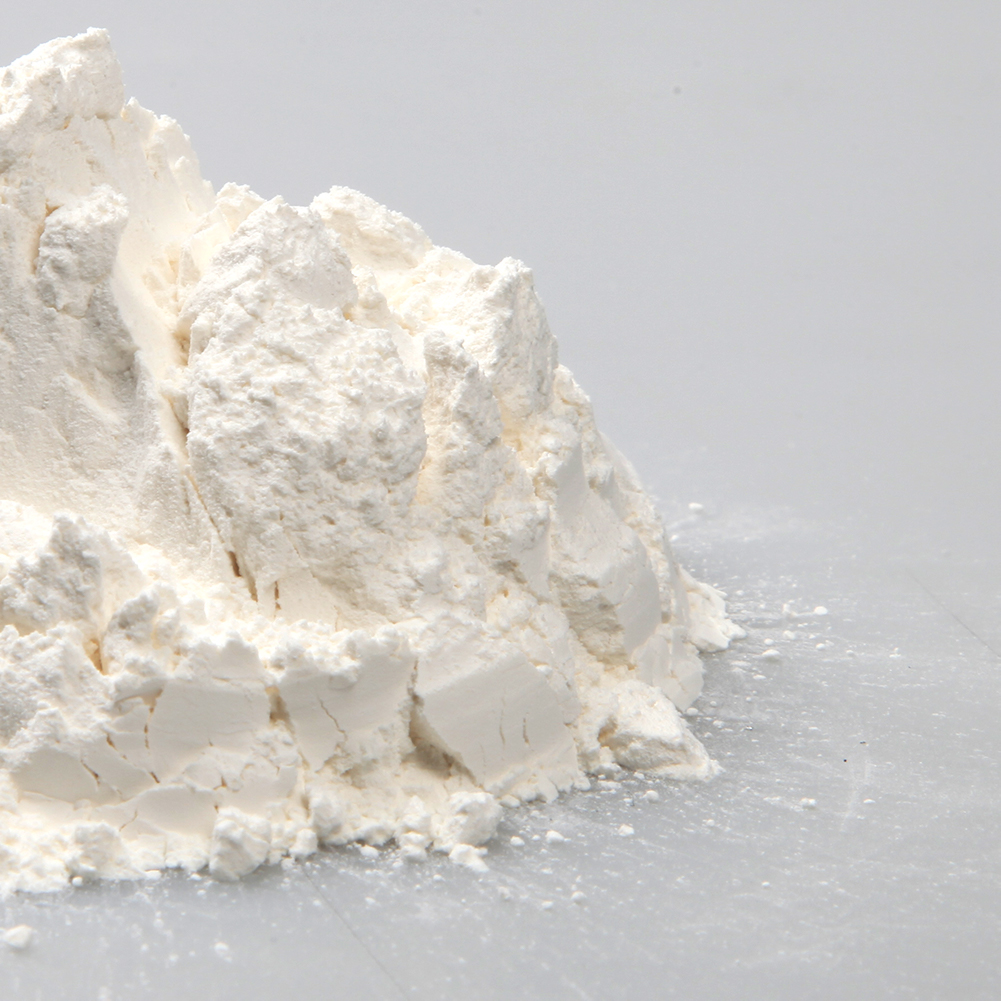
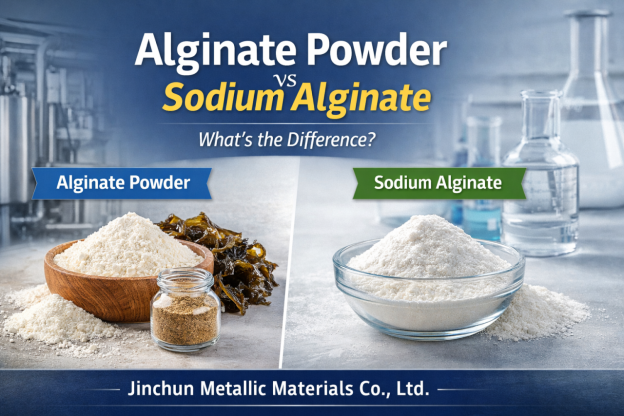
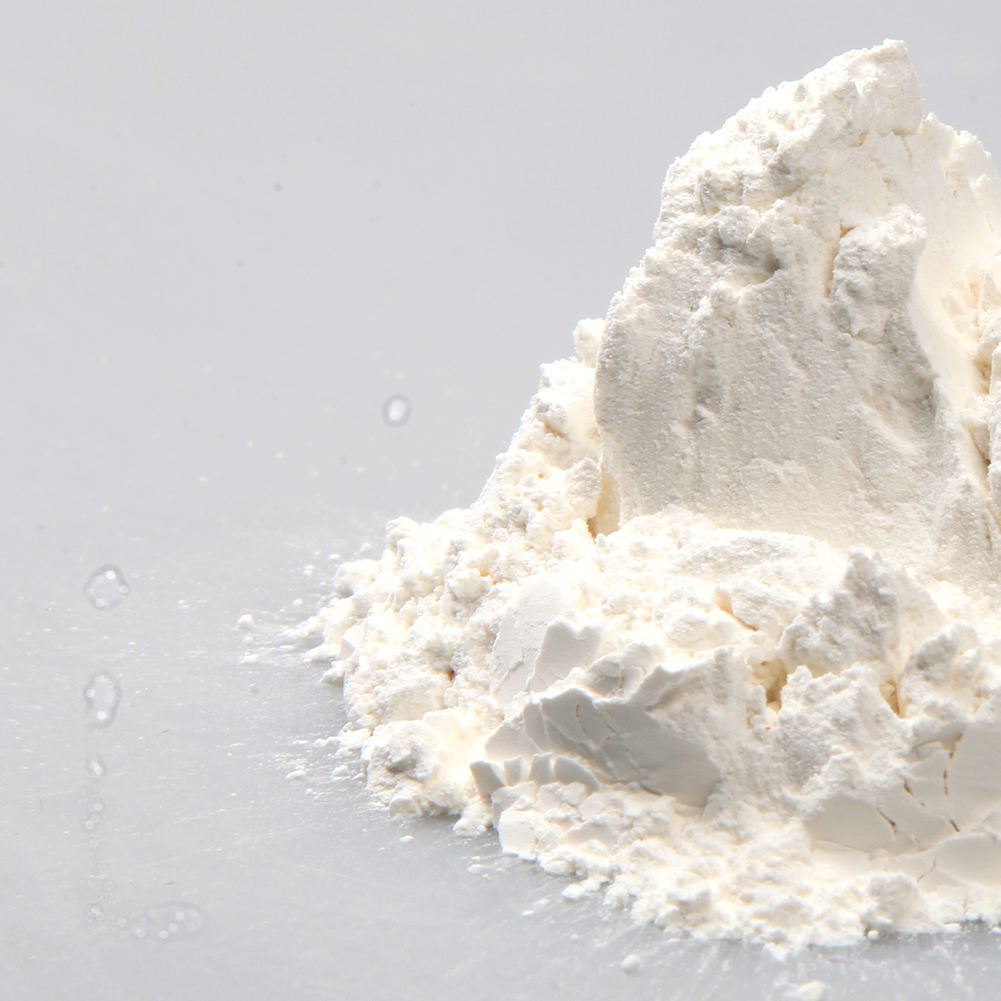
Alginate materials play a critical role in multiple industries, especially food, pharmaceuticals, and textiles. China has become a major global supplier due to its strong seaweed processing capabilities.
Alginate powder and sodium alginate are both derived from natural seaweed sources. They are widely used as thickening, stabilizing, and gelling agents across various industrial and commercial applications.
This comparison of alginate powder vs sodium alginate helps buyers make informed decisions based on performance, cost, and application requirements.
The table below highlights the key differences between alginate powder and sodium alginate for quick comparison.
| Feature | Alginate Powder | Sodium Alginate |
| Definition | General form of alginic acid derivatives | Refined sodium salt of alginic acid |
| Processing Level | Raw or semi-processed material | Fully processed and standardized product |
| Solubility | Low or variable solubility | Highly soluble in water |
| Chemical Form | May contain mixed alginate compounds | Pure sodium alginate compound |
| Viscosity Control | Less predictable | Highly controlled and consistent |
| Gel Formation | Limited or indirect | Strong gel formation with calcium ions |
| Industrial Use | Used as base material for further processing | Used directly in industrial applications |
| Food Applications | Rarely used directly | Widely used in food as thickener and stabilizer |
| Cost | Lower initial cost | Higher due to refinement and consistency |
| Consistency | Depends on processing quality | Standardized and reliable performance |
What is Alginate Powder?
Alginate powder is a general term referring to alginic acid derivatives extracted from brown seaweed. It may include different alginate forms depending on processing and intended industrial applications.
This material is often used as a raw or semi-processed ingredient before chemical conversion. It serves as a base material for producing various alginate salts, including sodium alginate.
What is Sodium Alginate?
Sodium alginate is a refined, water-soluble salt derived from alginic acid. It is specifically processed to deliver consistent viscosity, stability, and functional performance in industrial applications.
This compound is widely used due to its excellent thickening and gelling properties. It is considered the most commercially utilized form of alginate in global markets.
Alginate Powder vs Sodium Alginate: Key Differences
Alginate powder and sodium alginate differ in composition, solubility, and functionality. These differences affect their performance, usage, and suitability across food, pharmaceutical, and various industrial applications worldwide.
1: Source and Composition Differences
Both alginate and sodium alginate originate from brown seaweed species. However, sodium alginate undergoes additional chemical processing to convert alginic acid into a soluble sodium salt.
Alginate powder may contain varying compositions depending on extraction and refinement levels. Sodium alginate offers more standardized chemical composition for consistent industrial performance.
2: Physical Form and Solubility Differences
Alginate powder may appear in different forms depending on processing levels. Some forms are less soluble and require further refinement before industrial use.
Sodium alginate is highly soluble in water and forms viscous solutions quickly. This property makes it highly suitable for applications requiring stable and uniform consistency.
3: Viscosity Grades and Performance Differences
Alginate products are available in low, medium, and high viscosity grades for different applications. Each grade behaves differently under temperature, pH conditions, and mechanical processing environments.
Sodium alginate provides consistent viscosity control, making it suitable for precise formulations. This is especially important in food processing, textile printing, and pharmaceutical production systems.
4: Functional Properties Comparison
Alginate provides basic thickening and stabilizing properties depending on its composition. Its performance can vary based on purity, particle size, and processing method.
Sodium alginate delivers superior functionality with predictable viscosity and gel formation. It reacts efficiently with calcium ions to form stable gels in various applications.
5: Chemical Structure and Molecular Differences
According to the Food and Agriculture Organization, alginate is widely recognized as a safe and effective food additive used globally.
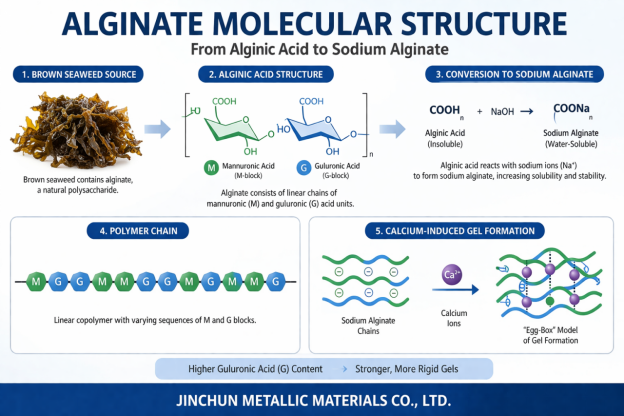
Alginate consists of linear polysaccharide chains composed of mannuronic and guluronic acid units. Sodium alginate forms when alginic acid reacts with sodium ions, increasing water solubility and stability.
These molecular differences directly influence viscosity, gel strength, and reactivity with calcium ions. Higher guluronic content generally produces stronger gels, which is critical in industrial applications.
6: Industrial Applications Comparison
Alginate powder is commonly used as a raw material in industrial processing. It is often further refined into specific alginate derivatives for targeted applications.
Sodium alginate is directly used in industries such as food processing, pharmaceuticals, and textiles. Its ready-to-use nature makes it highly preferred for commercial production.
7: Role of Sodium Alginate in Textile Printing Industry
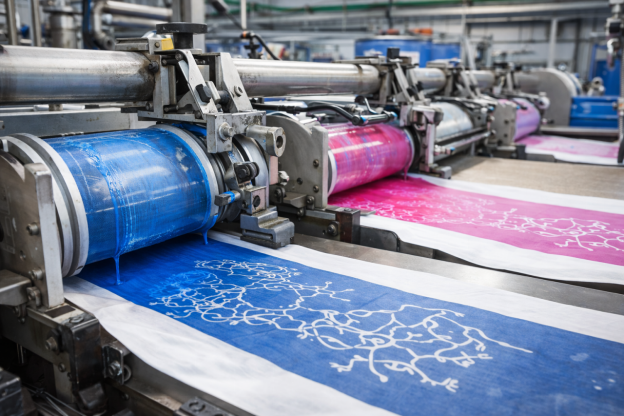
Sodium alginate is widely used as a thickener in reactive dye textile printing processes. It ensures uniform dye distribution and prevents color bleeding during fabric printing operations.
Alginate metal powder is rarely used directly in textile printing without further processing. Sodium alginate remains the preferred choice due to its stability and compatibility with dyes.
8: Food Industry Usage Differences

In the food industry, alginate powder is rarely used in its basic form. It is typically converted into sodium alginate before being applied in food formulations.
Sodium alginate is widely used as a thickener, stabilizer, and gelling agent. It is commonly found in dairy products, sauces, and modern culinary techniques.
9: Pharmaceutical and Cosmetic Applications
Alginate powder serves as a base material for producing pharmaceutical-grade alginates. It plays an indirect role in drug delivery and formulation processes.
Sodium alginate is directly used in pharmaceutical and cosmetic products. It acts as a binder, film-former, and controlled-release agent in various formulations.
10: Pricing and Availability Comparison
Alginate metal powder is generally more affordable due to lower processing requirements. However, additional refinement costs may apply depending on the intended application.
Sodium alginate is priced higher due to its refined and standardized quality. Its widespread availability makes it easy to source from global suppliers.
MOQ, Bulk Supply, and Export Considerations
Most alginate suppliers offer flexible minimum order quantities depending on product specifications and customization needs. Bulk buyers often benefit from better pricing, stable supply, and priority production scheduling.
Export-ready suppliers provide professional packaging, labeling, and logistics support for international shipments. This ensures smooth delivery, reduced risk, and improved supply chain efficiency.
If you are searching for an alginate supplier for bulk orders, it is important to evaluate quality standards and production capacity.
Common Mistakes When Choosing Alginate Products
Many buyers focus only on price without evaluating product quality and consistency. This can lead to unstable performance and higher long-term production costs.
Another common mistake is ignoring viscosity specifications and application requirements during sourcing. Choosing the wrong grade can negatively impact product quality and customer satisfaction.
Which One Should You Choose?
Understanding the difference between alginate and sodium alginate helps businesses choose the right material for specific industrial applications.
If you are a manufacturer requiring raw material for further processing, alginate powder may be suitable. It offers flexibility for customized chemical modifications and industrial applications.
For direct use in production, sodium alginate is the better choice. It provides consistent performance, easier handling, and reliable results in commercial environments.
How to Choose the Right Alginate Supplier for Bulk Orders?
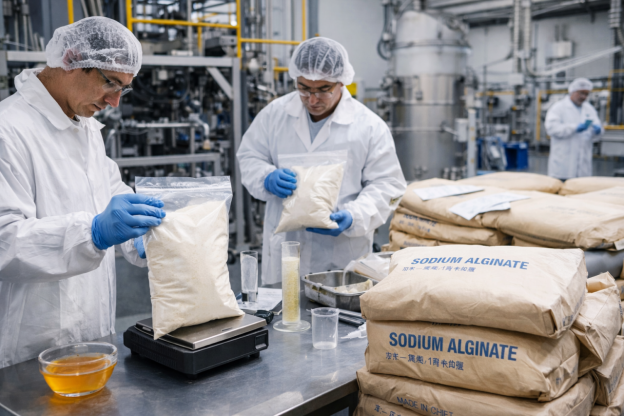
Choosing the right supplier ensures consistent quality, stable supply, and compliance with international standards. This is especially important for food and pharmaceutical-grade alginate products.
Working with Jinchun Metallic Materials Co., Ltd. ensures access to high-quality alginate products with strict quality control and reliable export experience. Our company provides customization, technical support, and competitive pricing for global buyers.
A reliable supplier should offer flexible MOQ, strong production capacity, and global shipping support. These factors help businesses scale efficiently and maintain consistent product quality.
Always work with manufacturers that follow a strict quality control process to ensure product consistency and safety.
Final Thoughts
Alginate powder and sodium alginate play different roles across industrial and commercial supply chains worldwide. Choosing the right material depends on your business model, production process, and end-use application. Strategic sourcing can significantly impact product quality and profitability.
Our alginate solutions are trusted by global buyers in the food, textile, and pharmaceutical industries.
If you are looking for a trusted alginate supplier for bulk orders, we are here to help. We provide high-quality alginate products with OEM customization, competitive pricing, and global export support.
Contact us today to discuss your requirements and get a tailored solution for your business. Let’s build a long-term partnership to support your growth and market expansion.
よくあるご質問
What is the main difference between alginate powder and sodium alginate?
The main difference is that alginate metal powder is a broader raw material form. Sodium alginate is a refined, water-soluble derivative used directly in industrial applications.
Is sodium alginate better than alginate powder for industrial use?
Yes, sodium alginate is generally better for direct industrial use. Because it offers consistent viscosity, better solubility, and reliable performance across food, pharmaceutical, and textile applications.
Can alginate powder be converted into sodium alginate?
Yes, alginate powder can be chemically processed to produce sodium alginate. This conversion improves solubility and makes it suitable for commercial and industrial applications.
Which industries commonly use sodium alginate?
Sodium alginate is widely used in the food industry, pharmaceuticals, cosmetics, and textile printing due to its thickening, stabilizing, and gelling properties.
How do I choose between alginate powder and sodium alginate for my business?
You should choose alginate metal powder if you need raw material for further processing. Choose sodium alginate if you require a ready-to-use solution for consistent production results.