 Japanese
  English
  French
  Korean
  Spanish
  Vietnamese
  Thai
Thai  Portuguese
  German

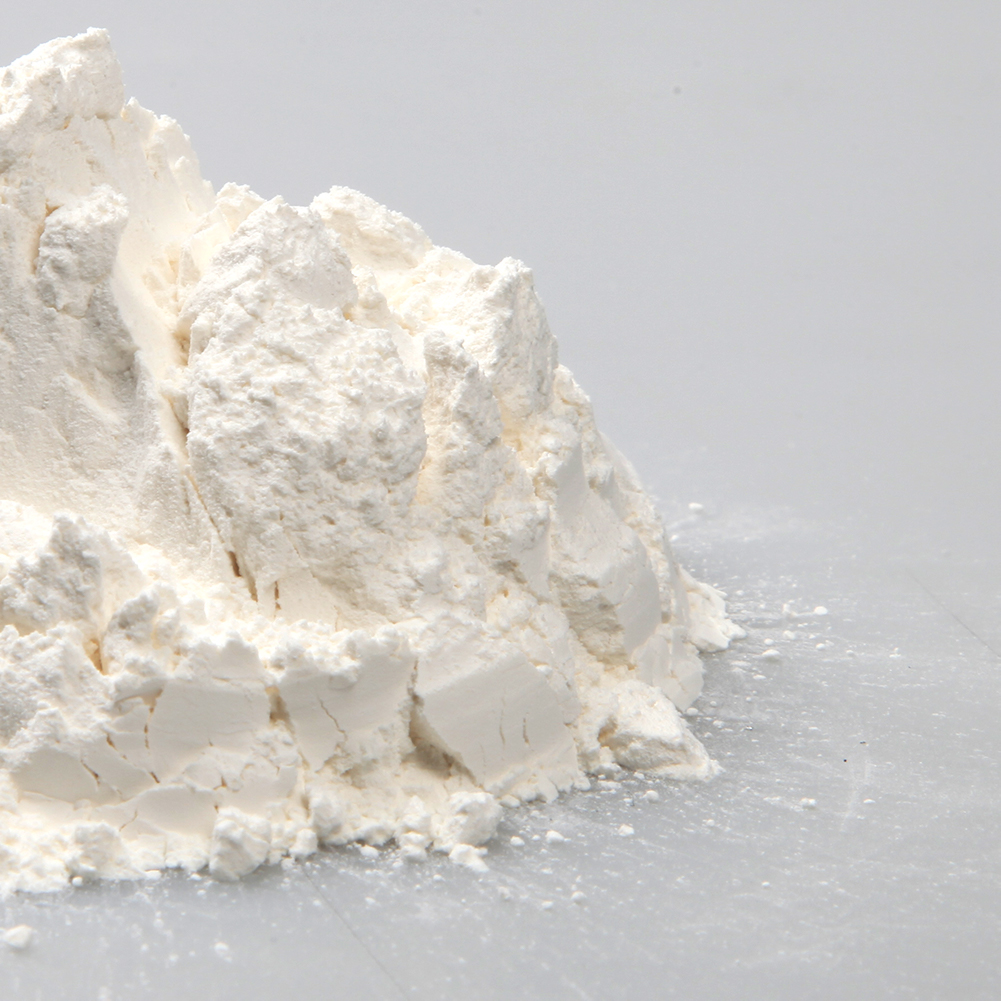
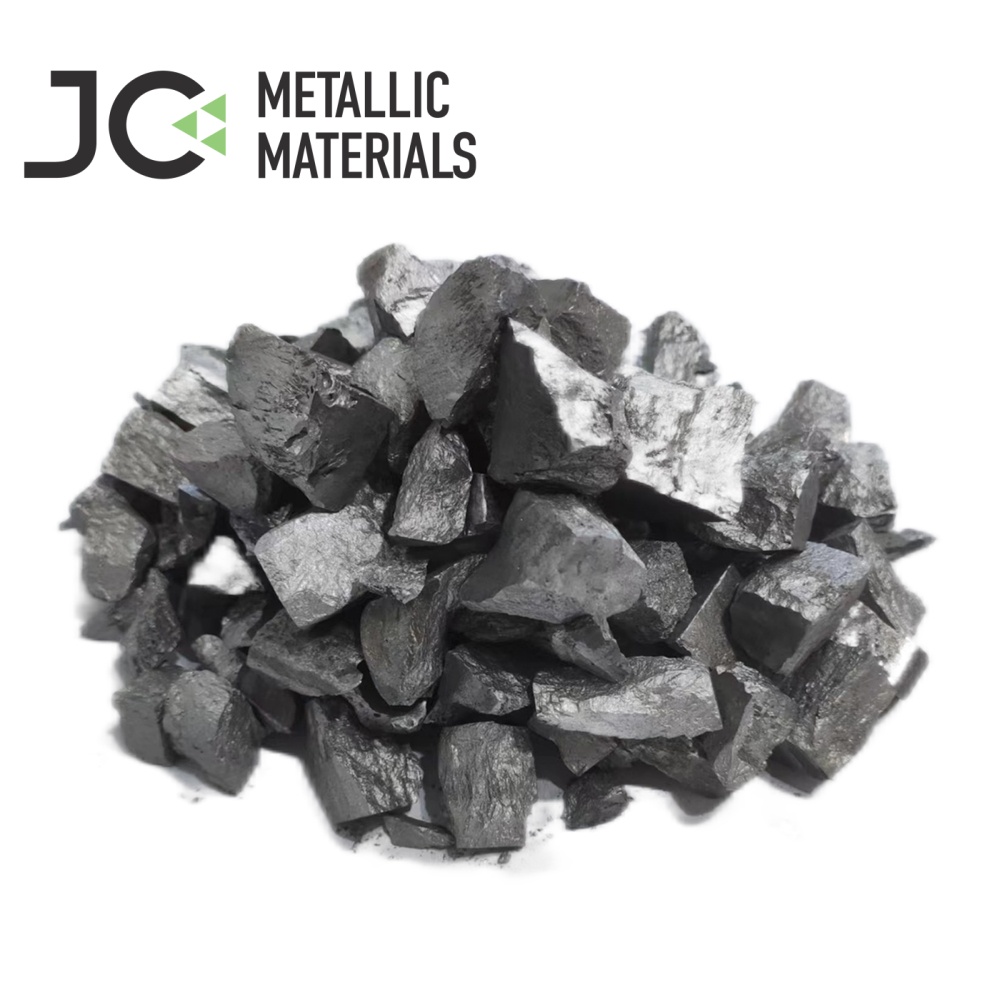
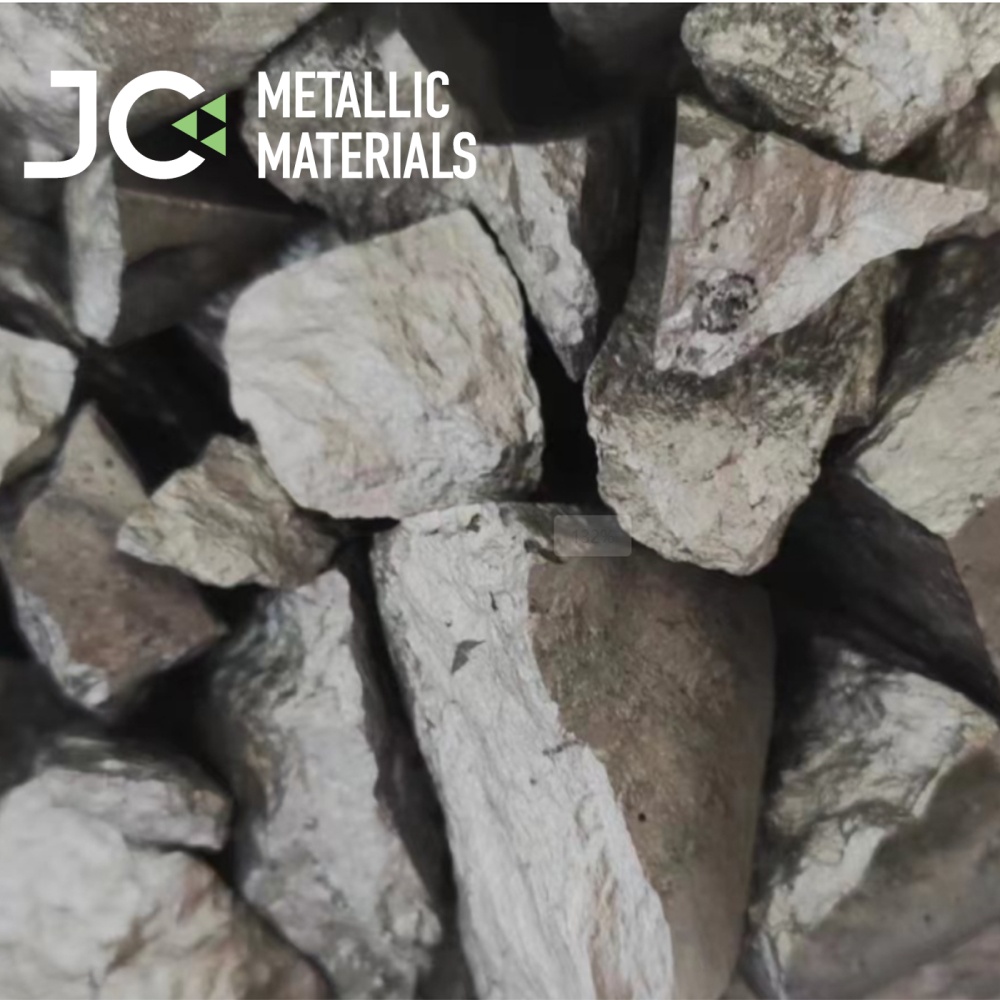
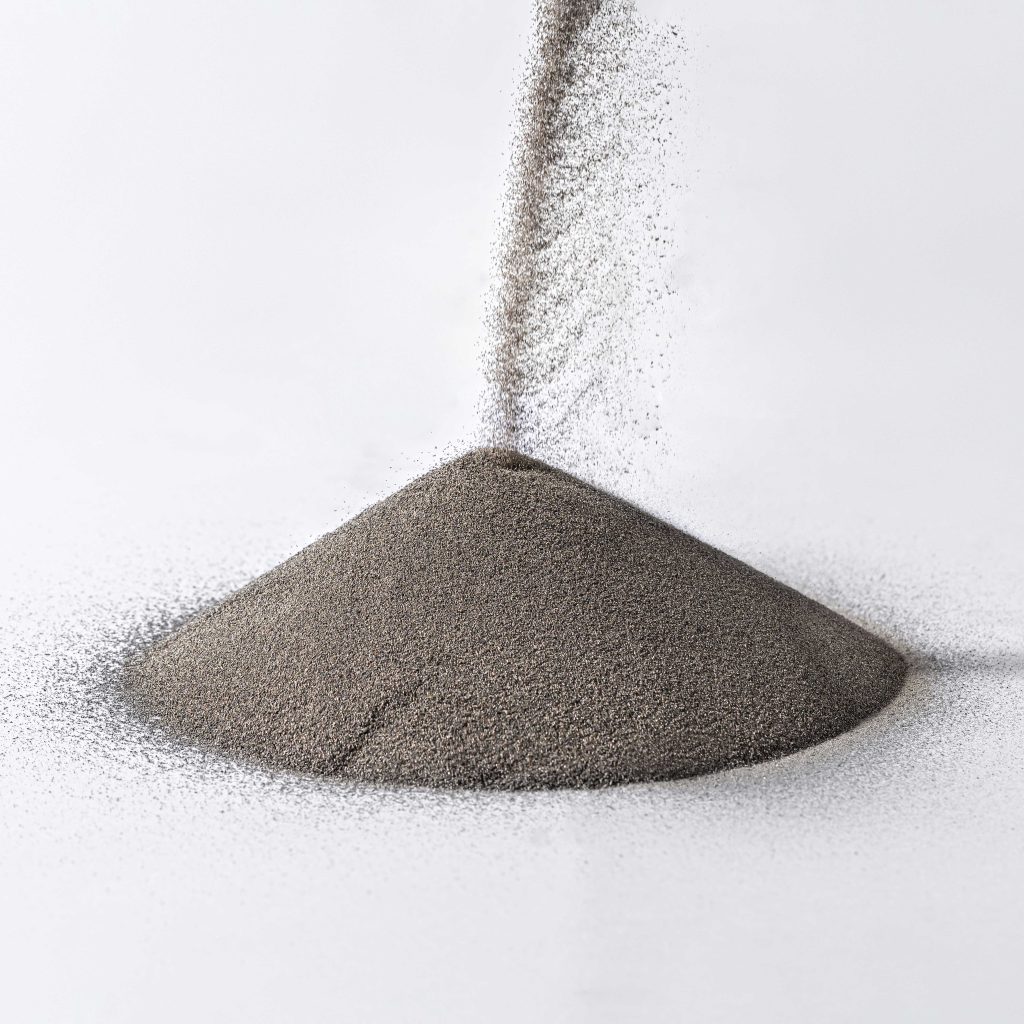
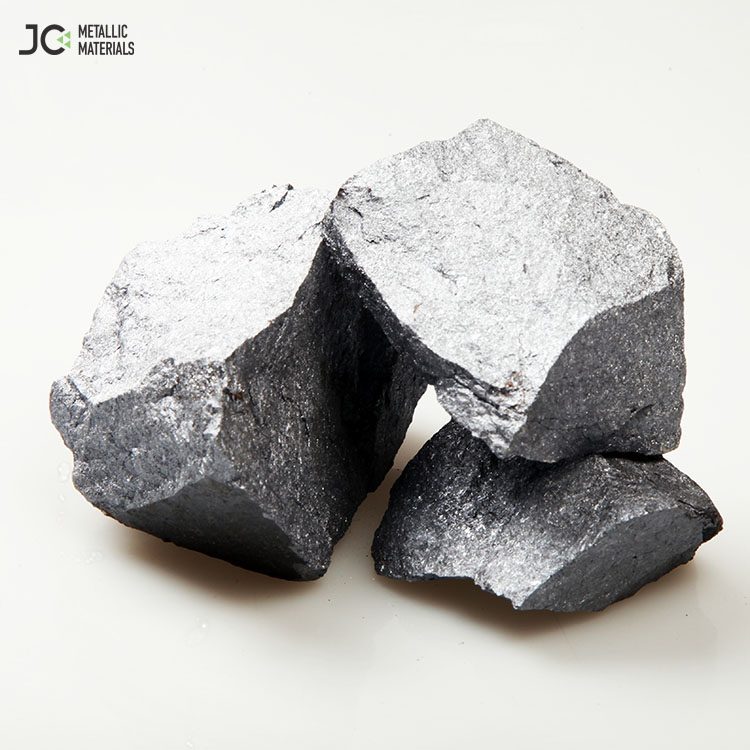
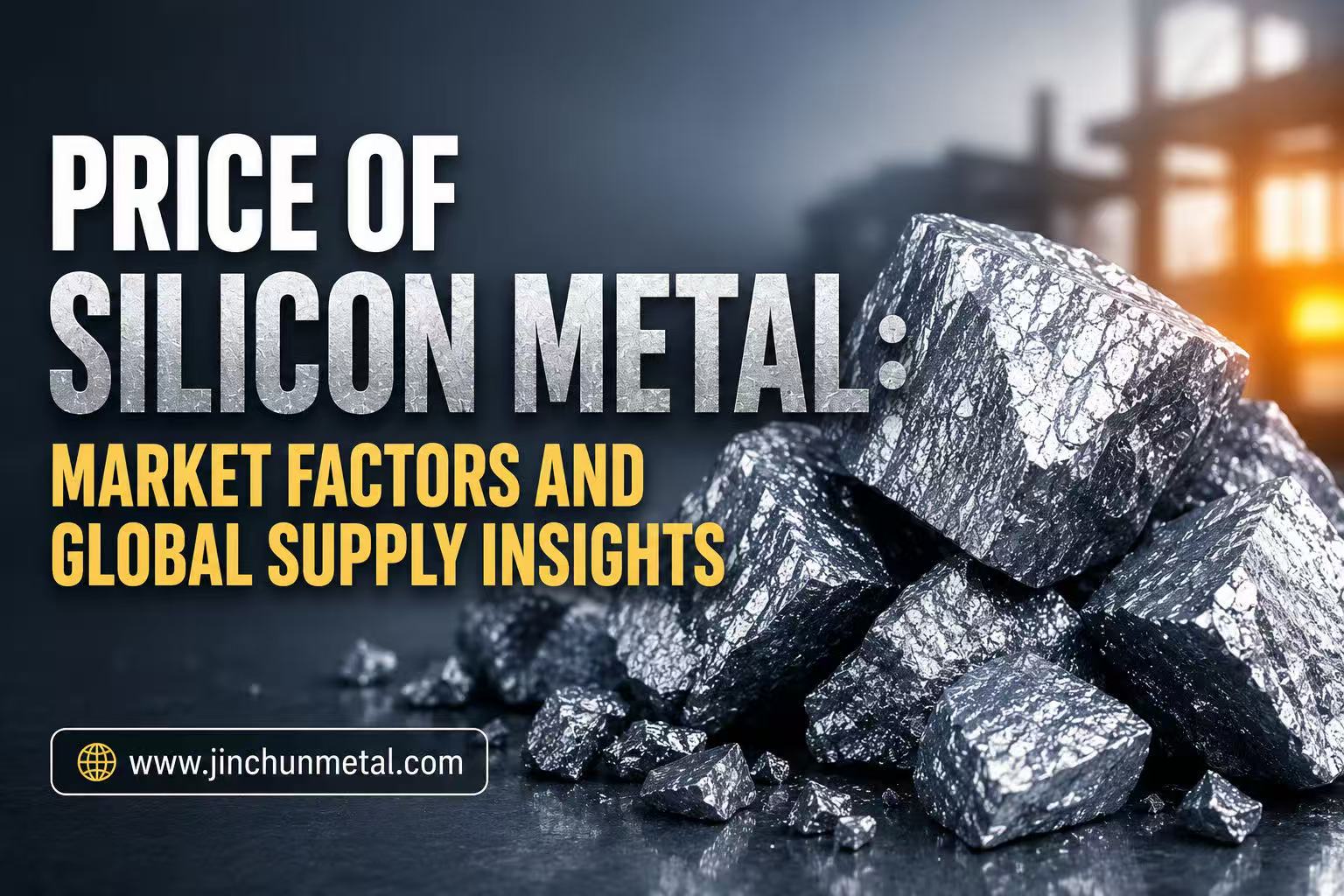
Silicon metal is an essential industrial material used across several manufacturing sectors. It supports aluminum alloys, silicone products, chemicals, solar applications, and semiconductor-related industries. As global industrial activity changes, the price of silicon metal can also move significantly.
Silicon metal pricing depends on several connected factors. Energy costs, raw material availability, production capacity, downstream demand, logistics, trade policies, and inventory levels can all influence market prices.
For B2B buyers, understanding these factors is important. It helps companies evaluate supplier quotations, control procurement costs, and build more reliable long-term sourcing strategies.
What Is Silicon Metal?
Silicon metal is a high-purity silicon material generally produced from quartz or quartzite through an energy-intensive furnace process. It is commonly produced in submerged-arc electric furnaces at very high temperatures.
Unlike ferrosilicon, silicon metal is mainly used for aluminum alloying and chemical production. It is also an important feedstock for silicone manufacturing and can be further processed into high-purity silicon for solar and semiconductor applications.
Different grades contain different levels of silicon and impurities. Therefore, buyers should always specify the required grade before requesting quotations.
How Is the Price of Silicon Metal Determined?
The price of silicon metal is not controlled by one single factor. It reflects the balance between production costs, available supply, and downstream demand.
When production costs increase, suppliers may raise their offers. When supply becomes excessive, producers may reduce prices to remain competitive.
This makes silicon metal a market-sensitive industrial material. Regional prices can also differ because of freight costs, tariffs, energy prices, and local supply conditions.
Key Factors Affecting Silicon Metal Price
1. Electricity and Energy Costs
The U.S. Geological Survey electricity requirements report highlights the substantial electricity consumption associated with silicon metal production.
Electricity is one of the most important cost factors in silicon metal production.
Manufacturers operate high-temperature electric furnaces. These furnaces require significant amounts of electricity during production.
When electricity prices rise, manufacturing costs can increase. Producers may then reduce operating rates or adjust selling prices.
Regions with stable and competitive electricity supplies can therefore have a production-cost advantage.
2. Quartz and Raw Material Availability
Quartz and quartzite are important raw materials for silicon metal production.
The quality of quartz can influence furnace efficiency and final product quality. Producers also require carbon-based reducing materials during manufacturing.
If suitable raw materials become more expensive, production costs can increase.
For this reason, changes in upstream raw material markets can eventually affect silicon metal quotations.
3. Production Capacity
Production capacity has a direct relationship with market supply.
When manufacturers operate more furnaces, available material can increase. If demand does not grow at the same pace, inventories may rise.
Higher inventories can create downward price pressure.
Conversely, production cuts can reduce availability. Recent Chinese market reports noted that production reductions supported silicon metal prices during August 2026.
4. China’s Dominant Supply Position
China is the most important country in the global silicon metal supply chain.
USGS estimated that China accounted for 87% of global silicon metal production in 2024. Its 2026 Mineral Commodity Summaries also estimated that China represented almost 80% of total global silicon-material production in 2025.
This concentration gives Chinese production a major influence on international supply.
Changes in Chinese electricity costs, furnace operating rates, environmental policies, domestic demand, and production restrictions can therefore affect global prices.
5. Silicon Metal Demand From Aluminum Alloys
Aluminum alloy production is one of the major applications for silicon metal.
Silicon improves important characteristics of aluminum alloys. These alloys are widely used in automotive components, construction, machinery, and other industrial products.
When aluminum production increases, silicon metal consumption can also rise.
Strong automotive and industrial manufacturing activity can therefore provide additional support to silicon metal demand.
6. Silicon Metal Demand From Silicone Products
Silicone manufacturing represents another important demand segment.
Silicone materials are used in construction, electronics, automotive products, healthcare, consumer goods, and industrial applications.
Higher silicone production generally creates additional demand for silicon metal.
However, weak downstream orders can have the opposite effect. Manufacturers may reduce inventories and postpone new purchases when market conditions become uncertain.
7. Impact of Solar and Polysilicon Markets
The solar industry has become an important part of the silicon value chain.
Silicon metal can be processed into high-purity silicon and polysilicon. These materials are then used in photovoltaic and semiconductor applications.
However, the relationship is not always straightforward.
If polysilicon markets experience oversupply, producers may reduce output. This can weaken their demand for silicon metal.
Recent 2026 market reports have continued to highlight oversupply concerns in China’s polysilicon market.
8. Global Silicon Metal Supply Insights
The global silicon metal market is highly concentrated.
China remains the dominant producer, while other countries contribute smaller volumes. This concentration creates an important sourcing consideration for international buyers.
A strong Chinese supply base can support competitive pricing. However, heavy dependence on one major producing country can also increase exposure to policy changes, energy disruptions, environmental restrictions, and logistics problems.
Therefore, companies with large silicon metal requirements should evaluate supplier diversification.
9. Regional Silicon Metal Market Factors
Actual prices vary according to grade, purity, quantity, origin, delivery terms, and market conditions.
| Region | Major Price Factors | Key Consideration |
| 中国 | Electricity, production, domestic demand | Major global supply source |
| Europe | Imports, energy, regulations | Import and energy costs matter |
| North America | Imports, tariffs, logistics | Regional premiums can be significant |
| India | Imports, aluminum demand, freight | Growing industrial consumption |
| Southeast Asia | Imports, manufacturing demand | Dependent on regional supply |
10. Major Factors Buyers Should Monitor
Before purchasing silicon metal, buyers should monitor the following:
- Chinese production levels
- Furnace operating rates
- Electricity prices
- Quartz availability
- Raw material costs
- Aluminum demand
- Silicone demand
- Polysilicon conditions
- Solar industry activity
- Inventory levels
- Import tariffs
- Freight costs
- Currency movements
- Supplier capacity
- Delivery schedules
These indicators can provide a clearer picture of future purchasing conditions.
Planning Silicon Metal Purchases for Better Value
Buying silicon metal at a competitive price requires more than finding the lowest quotation. Product specifications, order timing, delivery terms, and supplier capabilities can all affect the final purchasing value.
B2B buyers should compare offers from qualified manufacturers and review the complete commercial terms. This approach helps companies identify suitable suppliers while avoiding unexpected purchasing costs.
Match Product Specifications With Application Needs
Different industrial applications may require different silicon content and impurity limits. Buyers should define these requirements clearly before requesting quotations.
A precise specification helps suppliers provide comparable offers. It also reduces the risk of purchasing material that does not meet production requirements.
Review Order Quantity and Purchasing Timing
Order quantity can influence commercial terms and overall procurement costs. However, larger purchases should match actual production requirements.
Buyers should also consider market conditions and inventory levels when planning orders. A suitable purchasing schedule can help balance price opportunities with storage costs.
Compare Delivery Terms and Total Cost
Delivery terms can significantly affect the final cost of imported silicon metal. Buyers should review freight, insurance, duties, and other applicable charges.
Comparing the complete purchasing cost provides a clearer view of supplier value. It also helps companies avoid choosing an offer that appears cheaper but costs more after delivery.
Assess Supplier Capability and Quality Support
A competitive quotation should be supported by dependable product quality and supply capability. Buyers should review production capacity, technical documentation, and delivery performance.
Clear communication and consistent specifications can help reduce procurement problems. These factors are especially important for companies planning regular or long-term purchases.
Silicon Metal Sourcing: Quality, Cost, and Supply Considerations
Selecting the right silicon metal supplier requires careful evaluation of product quality, purchasing costs, and supply capability. These factors can influence production efficiency and long-term procurement planning.
1: Product Quality and Grade Requirements
Silicon metal grades are defined by silicon content and impurity limits, with specifications varying according to the intended industrial application, according to the U.S. International Trade Commission silicon metal report.
Different applications may require specific silicon content and impurity limits. Buyers should confirm these requirements before requesting quotations.
Clear specifications help ensure that the supplied material matches production needs. They also make supplier comparisons more accurate.
2: Purchasing Costs and Delivery Terms
The final purchasing cost depends on more than the product quotation. Freight, insurance, import duties, and delivery terms can affect the overall expense.
Buyers should review these costs together when comparing suppliers. This helps companies identify suitable offers and avoid unexpected purchasing expenses.
3: Supply Reliability and Order Planning
Consistent supply is important for companies with regular silicon metal requirements. Buyers should review supplier capacity, delivery schedules, and quality documentation.
Planning orders according to production needs can also support better inventory management. A reliable sourcing approach helps reduce procurement disruptions and maintain stable material availability.
Silicon Metal Price Trends in 2026
The 2026 market has shown mixed signals.
Recent SMM market analysis reported that silicon metal prices strengthened slightly in early August before stabilizing. Production cuts provided support, while some bullish photovoltaic-related factors had already been reflected in prices.
At the same time, other market indicators continue to show pressure from supply and downstream demand conditions.
This means buyers should avoid assuming that prices will move continuously in one direction.
Instead, procurement teams should monitor production, inventory, energy costs, and downstream demand together.
Why Choose Jinchun Metal for Silicon Metal Supply?
Jinchun Metal provides silicon metal solutions for industrial buyers seeking consistent quality and dependable supply. Buyers can discuss required grades, silicon content, impurity limits, particle specifications, packaging, and order quantities according to their application needs.
The company focuses on supporting B2B buyers with product specifications and supply solutions suited to different industrial requirements. This makes Jinchun Metal a potential sourcing partner for companies looking to evaluate quality, pricing, and long-term supply reliability together.
Key Advantages
- Consistent silicon metal specifications
- Different grade and purity requirements
- Customized supply solutions
- Quality-focused production
- B2B order support
- Reliable sourcing for industrial applications
Before placing a bulk order, buyers should confirm the required grade, chemical composition, quantity, delivery terms, and quality documentation with the supplier.
Related Silicon Metal Resources
For more insights, explore our related resources on silicon metal, metal powders, and industrial material solutions.
Why Purity Matters in Micron Silicon Powder
Pure Silicon Metal Powder vs Silicon Alloy Powder: Key Differences and Industrial Uses
Why Powder Metallurgy is Transforming Modern Manufacturing
Why Metal Powder is Essential for Additive Manufacturing?
Silicon Powder Applications in Electronics and Alloys: Made in China
Global Export of Metal Powders from Chengdu China
High-Carbon vs Low-Carbon Ferrochrome Powders: China Export Insights
Chromium Carbide Powder for Surface Protection: Middle East Applications
Diamond Tools & Powder Metallurgy Materials Exported from Chengdu
Final Thoughts
The price of silicon metal depends on several connected market factors. Energy costs, raw material availability, production capacity, downstream demand, and global supply conditions all influence purchasing decisions.
China’s dominant supply position makes its production and market developments important for international buyers. However, regional freight, tariffs, and delivery costs can also affect the final quotation.
For B2B buyers, the best sourcing strategy goes beyond finding the lowest price. Comparing specifications, evaluating supplier reliability, and understanding total landed cost can support better purchasing decisions.
By monitoring market conditions and building dependable supplier relationships, companies can manage price changes more effectively. This approach helps maintain stable silicon metal supplies while supporting long-term procurement planning.
Frequently Asked Questions
What factors have the biggest impact on silicon metal price?
Energy costs, raw material availability, production levels, downstream demand, inventories, freight, tariffs, and regional supply conditions are among the major factors influencing silicon metal prices.
Why does electricity affect silicon metal prices?
Silicon metal production requires high-temperature electric furnaces and substantial electricity consumption. Higher electricity costs can increase production expenses and place upward pressure on supplier quotations.
Why is China important to the silicon metal market?
China has a dominant position in global silicon metal production. Changes in Chinese production, electricity costs, environmental policies, and domestic demand can therefore influence international supply and pricing.
Does silicon metal grade affect its price?
Yes. Different grades contain different silicon levels and impurity limits. Higher-purity or specialized grades may have different production costs and market values than standard commercial grades.
How should B2B buyers compare silicon metal quotations?
Buyers should compare the same grade, specifications, quantity, origin, delivery terms, freight, duties, and other costs. Comparing only the factory price may not show the actual purchasing cost.
What is the difference between factory price and landed cost?
Factory price represents the supplier’s product quotation before additional purchasing expenses. Landed costs can include freight, insurance, duties, port charges, inland transportation, taxes, and other applicable costs.
Can aluminum demand influence silicon metal prices?
Yes. Silicon metal is widely used in aluminum alloy production. When aluminum manufacturing and related industrial activity increase, silicon metal demand can also rise.
How does polysilicon demand affect silicon metal?
Silicon metal is part of the polysilicon value chain. Strong polysilicon production can support silicon metal demand, while polysilicon oversupply may reduce production and weaken upstream demand.
How can buyers manage silicon metal price volatility?
Buyers can monitor energy costs, production levels, inventories, downstream demand, freight rates, and trade policies. Comparing multiple suppliers and planning purchases carefully can also reduce procurement risks.
What should buyers consider besides silicon metal price?
Buyers should also evaluate chemical composition, product consistency, supplier reliability, production capacity, quality documentation, delivery performance, packaging, and long-term supply capability.