
 Japanese
  English
  French
  Korean
  Spanish
  Vietnamese
  Thai
Thai  Portuguese
  German
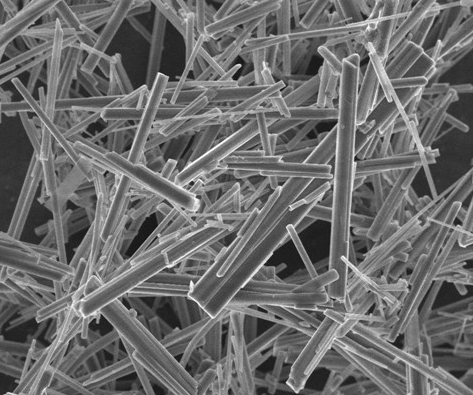
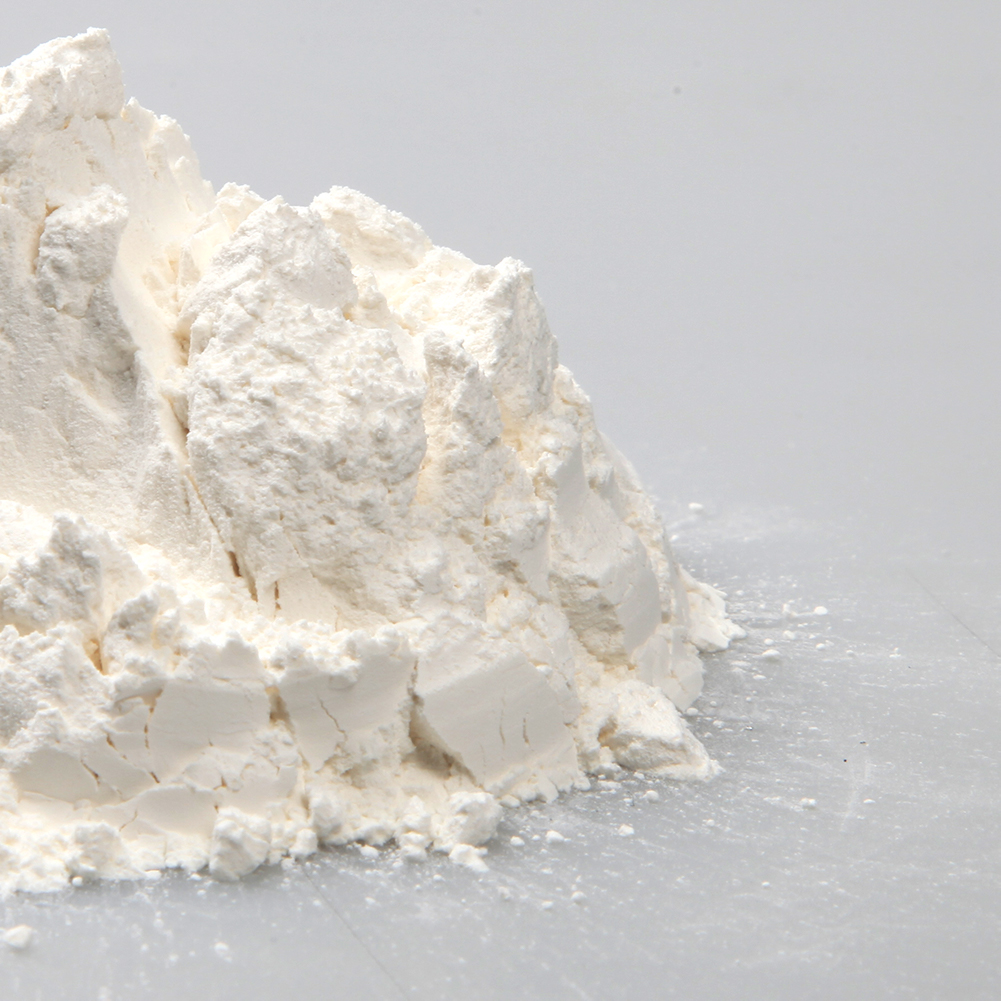
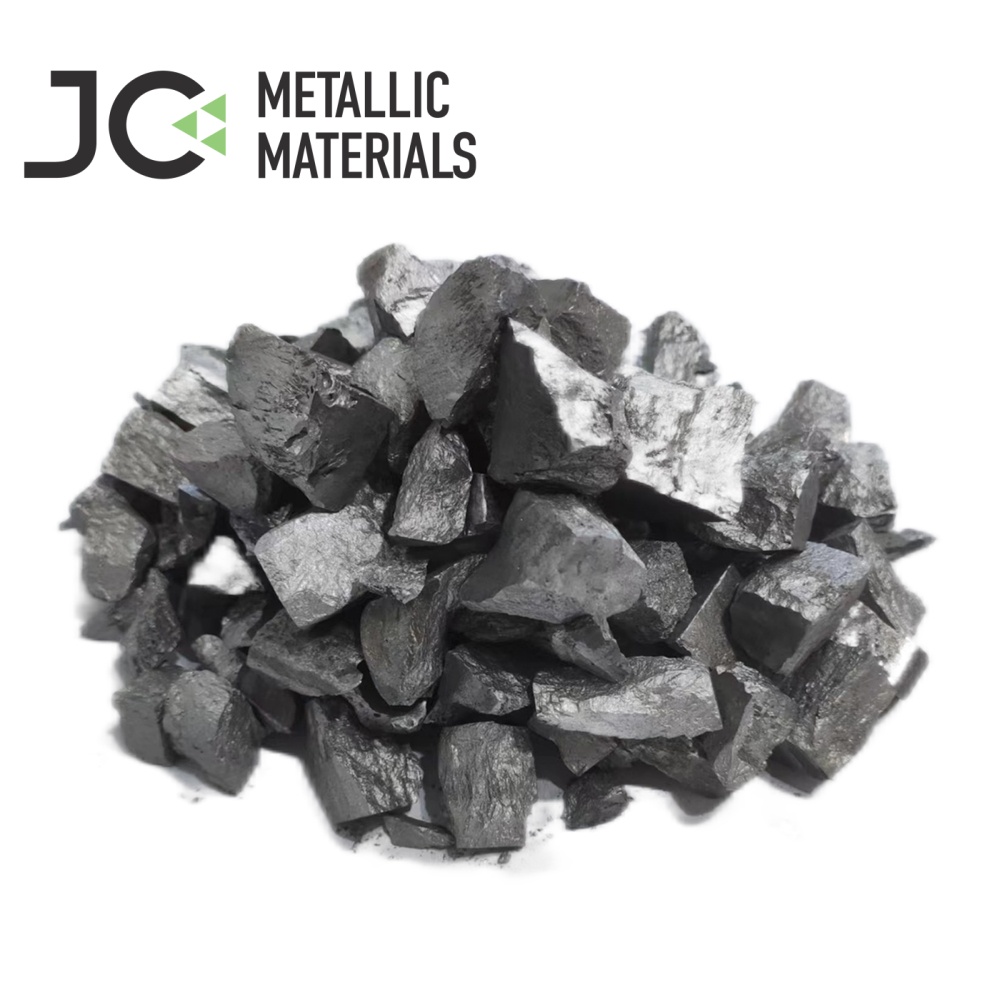
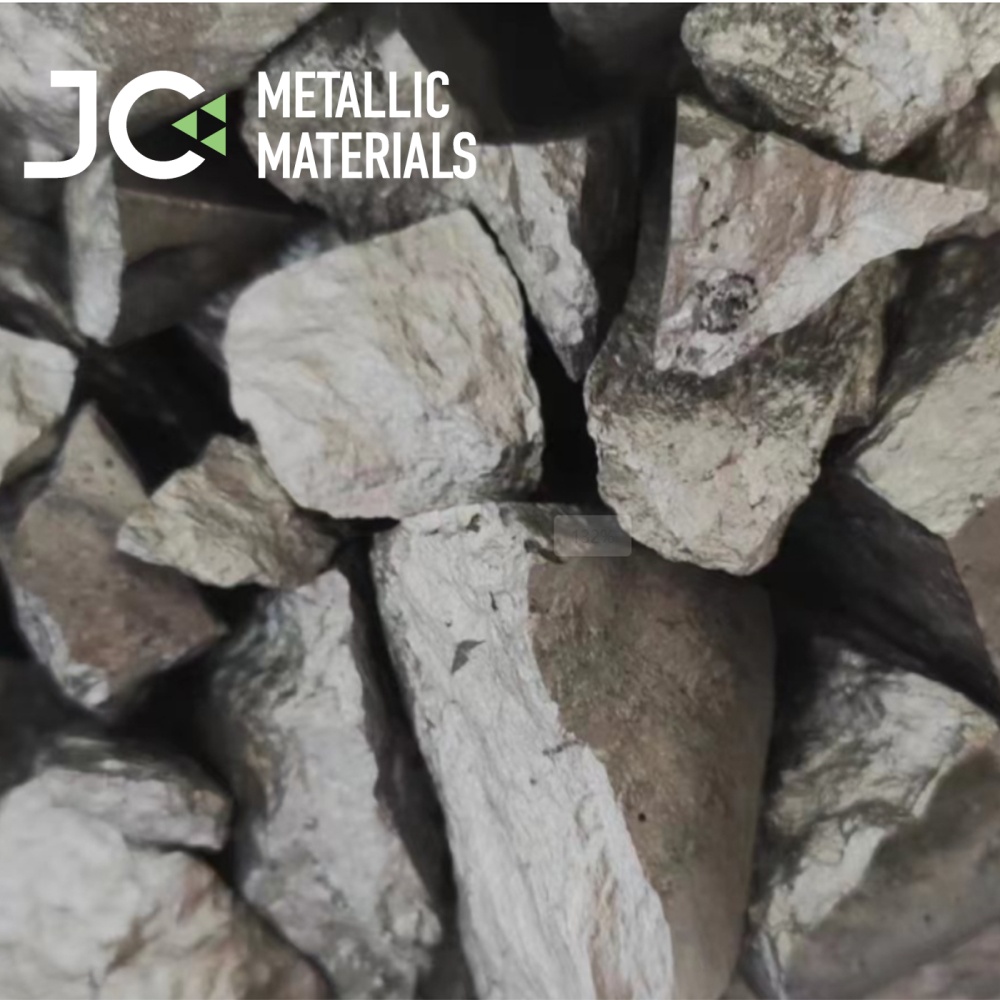
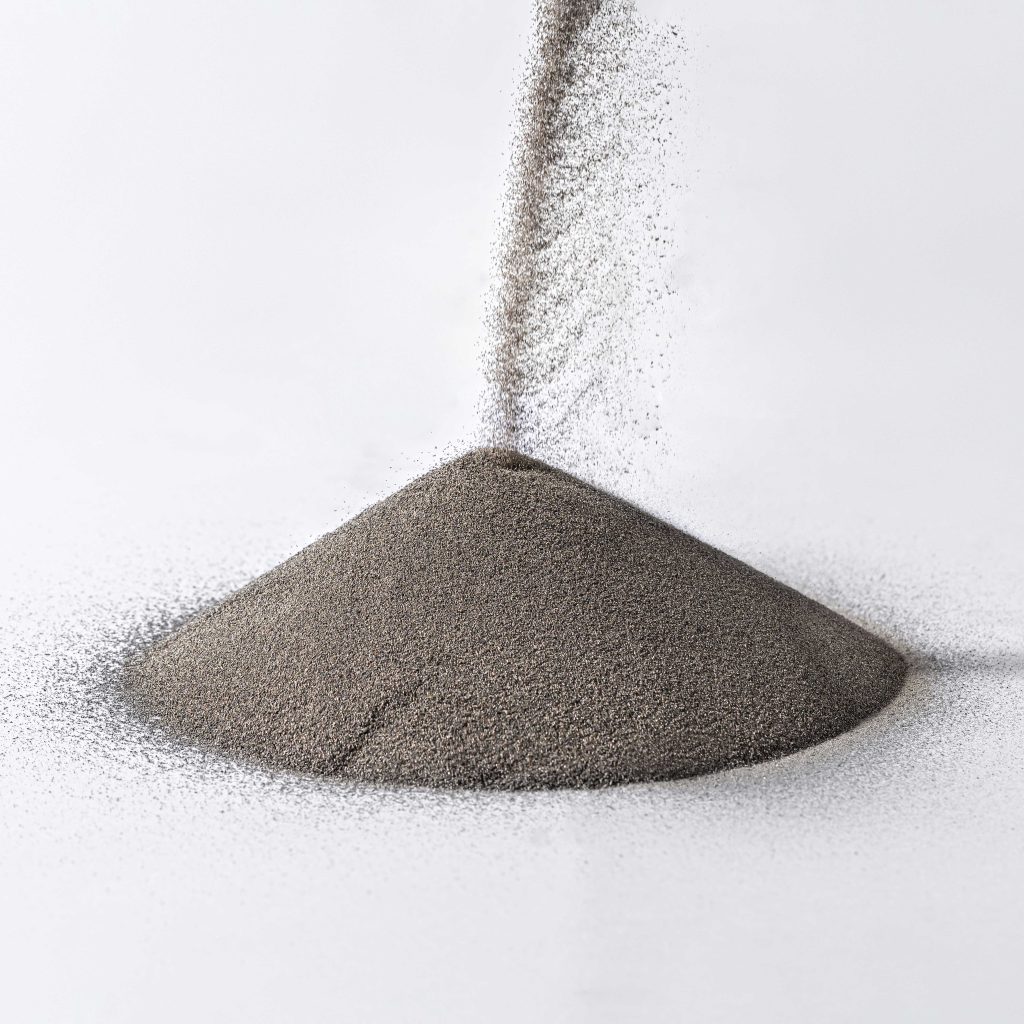
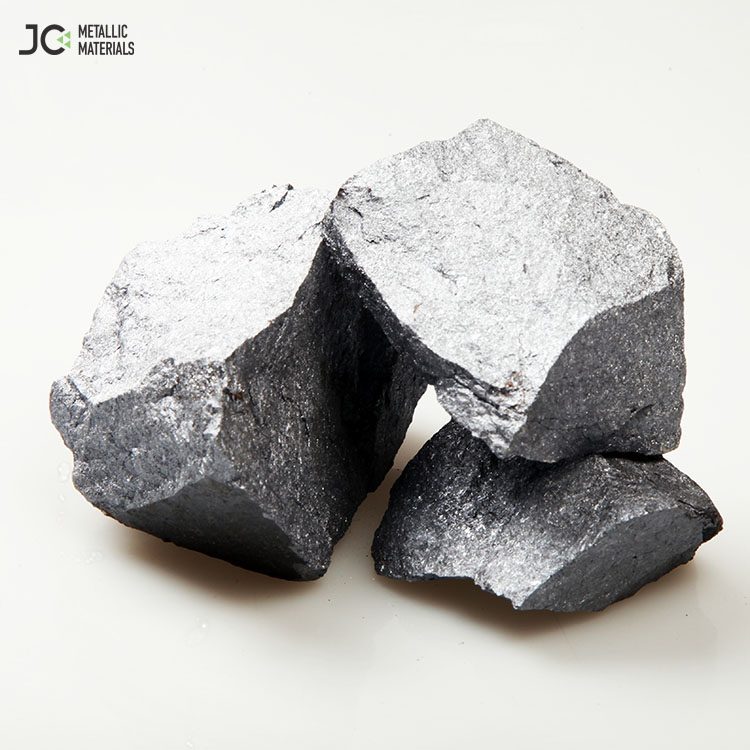
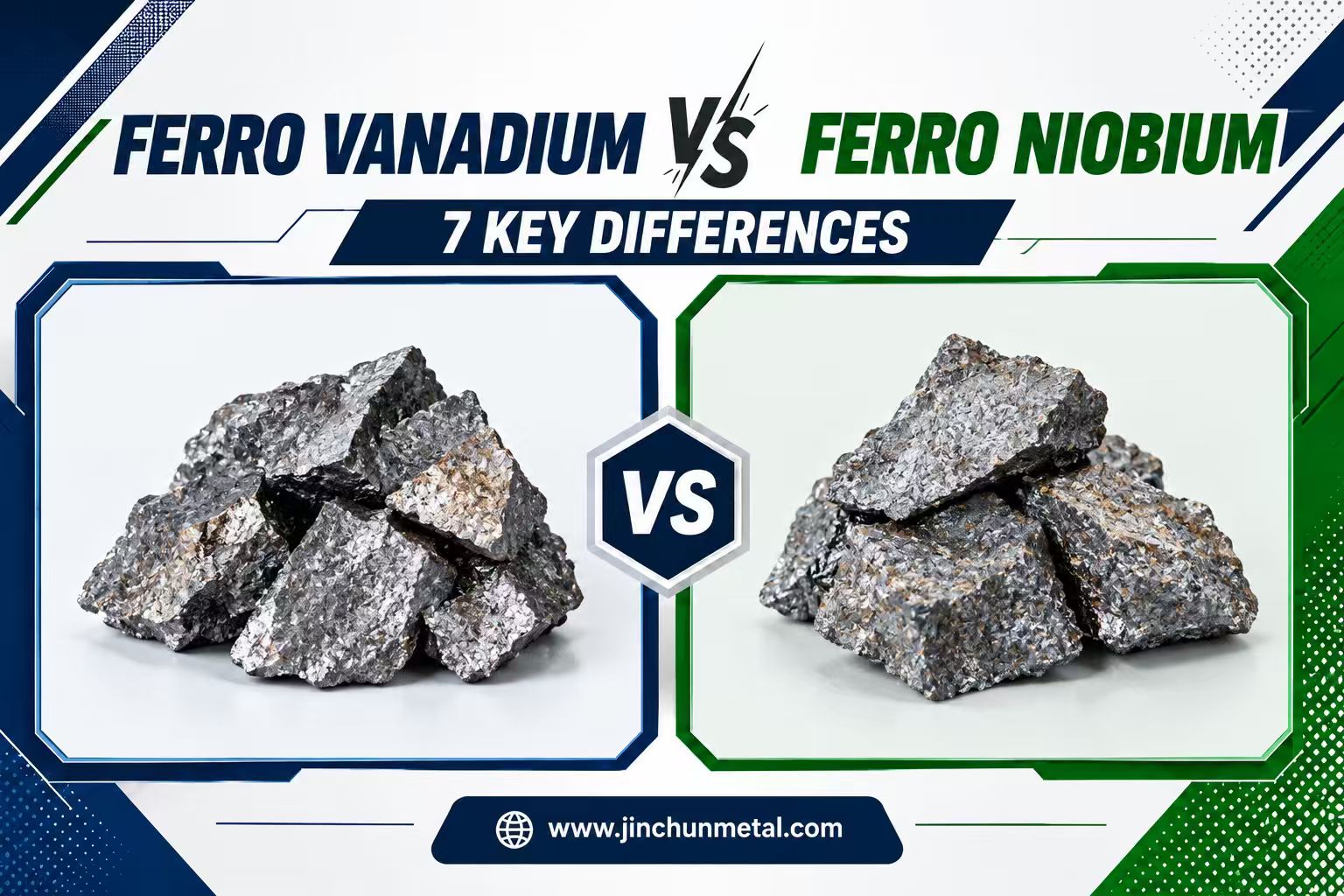
Ferroalloys play an important role in modern steel production. They help manufacturers adjust the chemical composition, strength, toughness, hardness, and microstructure of different steel grades. Ferro vanadium vs ferro biobium are two important alloying materials used for producing high-performance steels.
Although both alloys can improve the strength and structural properties of steel, they do not work in exactly the same way. Their chemical composition, precipitation behavior, grain refinement effects, applications, processing requirements, and market factors can differ significantly.
Understanding these differences helps steel manufacturers select a suitable ferroalloy for a specific production process and final application. The choice depends on factors such as the required mechanical properties, steel grade, rolling conditions, alloy addition rate, and production cost.
In this guide, we explains 7 key differences between ferro vanadium and ferro niobium, including their composition, properties, applications, and effects on steel performance. We also highlights the key factors buyers should consider when selecting the right ferroalloy for specific steelmaking requirements.
What Is Ferro Vanadium?
Ferro vanadium is a ferroalloy containing vanadium and iron. It is primarily used as a vanadium additive during steel production. Commercial grades can vary in vanadium content, with common specifications containing approximately 40% to 80% vanadium.
Vanadium has a strong affinity for carbon and nitrogen. When added to steel, it can form stable vanadium carbides and nitrides.
Ferro vanadium is particularly important in the production of high-strength low-alloy steels, tool steels, high-speed steels, and certain specialty steels.
Both can improve steel properties through precipitation strengthening and grain refinement.
Its ability to improve strength without requiring extremely high alloy additions makes it valuable for structural and engineering applications.
What Is Ferro Niobium?
Ferro niobium is a ferroalloy made primarily from iron and niobium. It is one of the main commercial sources of niobium used in steelmaking.
Ferro niobium is commonly produced with a niobium content around 60% to 70%, although specifications can vary according to supplier, application, and applicable standards.
Niobium has a strong effect on the microstructure of steel. Small additions can form niobium carbides and carbonitrides, which restrict grain growth and contribute to precipitation strengthening.
Ferro niobium is widely used in high-strength low-alloy steels, pipeline steels, automotive steels, structural steels, and other advanced steel grades.
Because relatively small quantities of niobium can produce significant metallurgical effects, ferro niobium is often used where precise microstructural control is required.
Quick Comparison Table: Ferro Vanadium vs Ferro Niobium
The table demonstrates that both alloys have overlapping applications but different metallurgical roles.
| Factor | Ferro Vanadium | Ferro Niobium |
| Main Alloying Element | バナジウム | Niobium |
| Main Metallurgical Role | Precipitation strengthening and grain control | Grain refinement and precipitation strengthening |
| Important Compounds | Vanadium carbides and nitrides | Niobium carbides and nitrides |
| Strengthening Effect | Strength and hardness improvement | Strength and fine-grain improvement |
| Processing Influence | Strong precipitation response | Strong recrystallization and grain-control effect |
| Common Applications | HSLA, tool, structural and engineering steels | HSLA, pipeline, automotive and structural steels |
| Main Selection Consideration | Strength, hardness and wear resistance | Grain refinement, strength and toughness |
1. Main Alloying Element
The first and most obvious difference is the alloying element supplied by each ferroalloy.
Ferro vanadium provides vanadium (V), while ferro niobium provides niobium (Nb).
Vanadium can combine with carbon and nitrogen to form vanadium carbides and nitrides. These compounds contribute to precipitation strengthening and grain refinement.
Niobium also forms carbides and carbonitrides. However, niobium is especially effective at controlling austenite grain growth and influencing recrystallization during thermomechanical processing.
| Alloy | Main Element | Chemical Symbol | Primary Metallurgical Role |
| Ferro Vanadium | バナジウム | V | Strengthening and grain refinement |
| Ferro Niobium | Niobium | Nb | Grain refinement and precipitation strengthening |
The selection therefore starts with the desired metallurgical effect rather than simply choosing the alloy with the highest alloying-element content.
For steel producers, the target grade and processing route should determine which alloy is appropriate.
2. Effect on Steel Strength
Both ferro vanadium and ferro niobium can increase the strength of steel, but they achieve this through somewhat different mechanisms.
Vanadium contributes to precipitation strengthening through the formation of fine vanadium carbides and nitrides. These particles can impede dislocation movement and increase the strength of the steel.
Niobium is also highly effective for precipitation strengthening. Niobium carbides and carbonitrides can form during controlled processing and help produce a refined microstructure.
The actual strengthening effect depends on several factors, including:
- Alloy addition level
- Carbon and nitrogen content
- Steel chemistry
- Cooling conditions
- Rolling temperature
- Heat treatment
- Precipitate size and distribution
- Thermomechanical processing
Therefore, it is not accurate to assume that one ferroalloy will always produce stronger steel than the other.
For structural and HSLA steels, both alloys can provide substantial strength improvements when properly controlled.
3. Grain Refinement Behavior
Grain refinement is another important difference between ferro vanadium and ferro niobium.
Fine grains generally contribute to improved strength and toughness. Both vanadium and niobium can help control grain size through carbide and nitride formation.
Ferro niobium is particularly important in controlled rolling processes. Niobium-containing precipitates can delay recrystallization and restrict austenite grain growth during hot processing.
This makes niobium especially valuable in many HSLA and microalloyed steels where controlled thermomechanical processing is used.
Vanadium also contributes to grain refinement. Its precipitates can restrict grain growth and contribute to a refined ferritic structure during controlled cooling.
However, the effectiveness of each element depends heavily on processing conditions.
| Property | Ferro Vanadium | Ferro Niobium |
| Grain refinement | Strong | Strong |
| Austenite recrystallization control | Moderate to strong | Particularly significant |
| Carbide formation | Strong | Srong |
| Nitride formation | Strong | Strong |
| Suitability for microalloyed steel | High | High |
For manufacturers using controlled rolling technology, niobium may be selected when precise control of recrystallization and austenite grain structure is required.
4. Typical Steel Applications
Ferro vanadium and ferro niobium are used in different combinations of steel grades and industrial applications.
Ferro Vanadium Applications
Ferro vanadium is commonly used in:
- High-strength low-alloy steel
- Tool steel
- High-speed steel
- Automotive components
- Structural steel
- Wear-resistant steel
- Engineering steel
- Certain specialty alloy steels
Vanadium is also valued in steels requiring high hardness, wear resistance, and strength.
Tool and high-speed steels can benefit from vanadium-containing hard phases that contribute to wear resistance and high-temperature performance.
Ferro Niobium Applications
Ferro niobium is widely used in:
- Pipeline steel
- Automotive steel
- Structural steel
- HSLA steel
- High-strength plate
- Construction steel
- Heavy equipment steel
- Pressure-related applications
Niobium is particularly important in advanced HSLA steels where high strength, toughness, weldability, and reduced material weight are important.
For example, pipeline steels can use niobium microalloying to achieve a combination of strength and toughness while maintaining suitable processing characteristics.
5. Influence on Toughness and Weldability
Steel manufacturers often need to balance strength with toughness and weldability. Increasing strength alone does not necessarily produce the best steel for a particular application.
Ferro niobium is widely associated with HSLA steel grades where strength and toughness must be balanced.
Controlled niobium additions can help produce fine microstructures, which may improve mechanical performance. This is especially useful for structural and pipeline applications where toughness is an important requirement.
Ferro vanadium can also contribute to a refined microstructure and improved mechanical properties. However, the effect depends on alloy content and the specific steelmaking and heat-treatment process.
Weldability is another consideration.
Microalloyed steels must be designed carefully because alloying additions can influence the heat-affected zone during welding. Carbon content, carbon equivalent, cooling rate, plate thickness, and microalloying elements all affect weld performance.
Weldability depends on steel composition, heat input, and microstructural changes, so manufacturers should evaluate these factors using relevant research on the weldability of vanadium-microalloyed steels.
Therefore, steel producers should evaluate the complete composition instead of selecting ferro vanadium or ferro niobium based on a single property.
6. Alloy Addition and Metallurgical Efficiency
Another important difference is the amount of alloying element typically required to achieve a desired effect.
Niobium can have a significant metallurgical effect at relatively low concentrations. In many HSLA steels, niobium additions are measured in fractions of a percent rather than several percentage points.
Vanadium can also be effective at relatively low additions, particularly because its carbides and nitrides have strong strengthening effects.
The required addition depends on:
- Target steel grade
- Carbon concentration
- Nitrogen concentration
- Processing temperature
- Rolling schedule
- Cooling rate
- Desired mechanical properties
- Alloy recovery
- Final product dimensions
This means the purchase quantity of ferroalloy should not be determined simply by comparing the percentage of V or Nb in the products.
Steelmakers should calculate the required elemental addition and account for expected recovery during melting and refining.
A material with a higher nominal alloy content is not automatically more economical if its recovery, particle size, composition, or consistency is unsuitable for the production process.
7. Cost and Purchasing Considerations
Cost is an important factor when comparing ferro vanadium and ferro niobium, but direct price comparison can be misleading.
The two ferroalloys contain different elements and serve different metallurgical functions. Their market prices can also change according to raw material availability, production costs, demand, energy prices, logistics, and regional market conditions.
For industrial buyers, the more useful calculation is the cost of achieving the required metallurgical result.
When evaluating ferroalloy suppliers, buyers should consider:
- Alloying element content
- Chemical composition
- Impurity levels
- Particle or lump size
- Production standard
- Alloy recovery
- Batch consistency
- Packaging
- Minimum order quantity
- Delivery time
- Shipping cost
- Supplier quality control
A low purchase price may not provide the lowest overall production cost if the material has inconsistent chemistry or poor recovery.
For this reason, steel manufacturers normally evaluate technical specifications alongside the quoted price.
How to Choose Between Ferro Vanadium and Ferro Niobium?
Choosing between ferro vanadium and ferro niobium should begin with the required steel properties.
1. Identify the Target Steel Grade
Start with the applicable steel specification. The standard may define limits for carbon, manganese, vanadium, niobium, and other alloying elements.
This provides the initial basis for alloy selection.
2. Determine the Required Mechanical Properties
Consider the required:
- Yield strength
- Tensile strength
- Impact toughness
- Hardness
- Fatigue performance
- Wear resistance
- Weldability
Different alloying strategies may be appropriate depending on the final product.
3. Review the Production Process
Steel processing has a major influence on microalloy performance.
Consider whether the production process includes:
- Controlled rolling
- Accelerated cooling
- Normalizing
- Quenching and tempering
- Continuous casting
- Heat treatment
Niobium can be particularly useful in controlled thermomechanical processing because of its influence on recrystallization and grain growth.
4. Check Chemical Compatibility
The interaction between microalloying elements and carbon, nitrogen, titanium, aluminum, and other elements should be considered.
The same ferroalloy addition can behave differently in different steel chemistries.
5. Compare Total Production Cost
Do not compare only the purchase price per metric ton.
Calculate the expected alloy recovery, required addition rate, yield impact, processing requirements, and final product performance.
This provides a more meaningful comparison between ferro vanadium and ferro niobium.
Can Ferro Vanadium and Ferro Niobium Be Used Together?
Yes. Ferro vanadium and ferro niobium can be used together in some steelmaking applications when the steel composition and processing strategy require both alloying elements.
Combining vanadium and niobium can provide complementary metallurgical effects. For example, niobium can contribute strongly to grain refinement and controlled recrystallization, while vanadium can provide precipitation strengthening during later stages of processing.
However, combining microalloying elements requires careful control.
Excessive alloy additions may increase costs without producing proportional performance improvements. The interaction between alloying elements also depends on carbon and nitrogen availability, processing temperatures, and cooling conditions.
Steelmakers should therefore determine the optimum chemistry through metallurgical calculations, production trials, and applicable material standards.
Common Mistakes When Buying Ferroalloys
Industrial buyers can face several problems when selecting ferro vanadium or ferro niobium.
Ignoring Chemical Composition
Two products with similar names can have different elemental contents and impurity levels. Buyers should always check the supplier’s chemical specification and certificate of analysis.
Comparing Price Only
The lowest quoted price does not necessarily represent the lowest production cost. Alloy recovery and consistency can have a major impact on actual consumption.
Selecting an Alloy Without Considering Processing
Microalloying elements interact with rolling, cooling, and heat-treatment conditions. Selecting an alloy without reviewing the production route can lead to disappointing results.
Overlooking Particle Size
Ferroalloy size can affect melting behavior, dissolution, handling, and recovery. The preferred size should match the steelmaking process.
Not Checking Batch Consistency
Consistent chemistry is essential for controlled steel production. Buyers should consider supplier quality systems and batch testing before placing regular orders.
Source Ferro Vanadium and Ferro Niobium from Jinchun Metal
Chengdu Jinchun Metallic Materials Co., Ltd. supplies Ferro Vanadium and Ferro Niobium powders for industrial and steelmaking applications.
Buyers can contact the Jinchun team with their required grade, composition, particle size, and quantity to request a competitive quotation based on their specific requirements.
Contact Jinchun Metal for a Quote
Related Guides on Ferroalloys and Metal Powders
Explore these related guides to understand ferroalloy selection, metal powder properties, and industrial applications. These resources can help steel manufacturers compare material specifications and make informed purchasing decisions.
10 Questions Every Buyer Should Ask Before Choosing a Metal Powder Supplier
What to Look for in an Alloy Powder Manufacturer
Top 10 Molybdenum Powder Manufacturers in China
Sodium Carboxymethyl Cellulose: Properties, Uses & Supplier Buying Guide (2026)
Calcium Alginate: Manufacturing Process, Uses & Supplier Selection Guide
Top 7 Trusted Alloy Powder Manufacturers in China
Why Welding Powder Is Important for Industrial Welding
Top 7 Potassium Titanate Manufacturers in China
Why Powder Metallurgy is Transforming Modern Manufacturing
Final Thoughts
Ferro vanadium and ferro niobium are both important ferroalloys for producing high-performance steels, but their metallurgical roles are different. Ferro Vanadium is strongly associated with precipitation strengthening, hardness, and wear resistance, while Ferro Niobium is widely valued for grain refinement, recrystallization control, and high-strength steel production.
The right choice depends on the steel grade, required mechanical properties, production process, alloy addition rate, and overall cost.
For consistent results, steel manufacturers should select ferroalloys according to technical requirements and purchase them from suppliers that can provide stable composition, reliable quality, and dependable supply.
Frequently Asked Questions
What is the main difference between Ferro Vanadium and Ferro Niobium?
Ferro Vanadium supplies vanadium to steel, while Ferro Niobium supplies niobium. Both improve strength and grain structure through different metallurgical mechanisms.
How does Ferro Vanadium improve steel properties?
Ferro Vanadium improves steel strength, hardness, wear resistance, and grain refinement by forming stable vanadium carbides and nitrides during processing.
How does Ferro Niobium improve steel performance?
Ferro Niobium improves strength, toughness, and grain refinement while controlling recrystallization through niobium carbides and carbonitrides during controlled steel processing.
Is Ferro Vanadium used in HSLA steel?
Yes, Ferro Vanadium is widely used in HSLA steel to increase strength and improve grain refinement through controlled precipitation during manufacturing.
Why is Ferro Niobium important for pipeline steel?
Ferro Niobium helps pipeline steel achieve high strength, toughness, and refined grain structures while supporting controlled processing and improved overall performance.
Which ferro alloy provides better grain refinement?
Both alloys can refine steel grains, but Ferro Niobium is particularly effective for controlling austenite grain growth during controlled thermomechanical processing.
What factors affect Ferro Vanadium prices?
Ferro Vanadium prices depend on vanadium content, raw material costs, market demand, production expenses, energy prices, availability, and transportation conditions.
What factors affect Ferro Niobium prices?
Ferro Niobium prices are influenced by niobium availability, alloy composition, production costs, global demand, energy expenses, logistics, and market conditions.
Can Ferro Vanadium and Ferro Niobium be substituted for each other?
They are not directly interchangeable because vanadium and niobium provide different metallurgical effects. Selection depends on steel grade, chemistry, processing, and required properties.
What should buyers check before purchasing ferro alloys?
Buyers should check chemical composition, alloy content, impurity levels, particle size, certifications, batch consistency, supplier reliability, packaging, and delivery requirements.
