 Japanese
  English
  French
  Korean
  Spanish
  Vietnamese
  Thai
Thai  Portuguese
  German
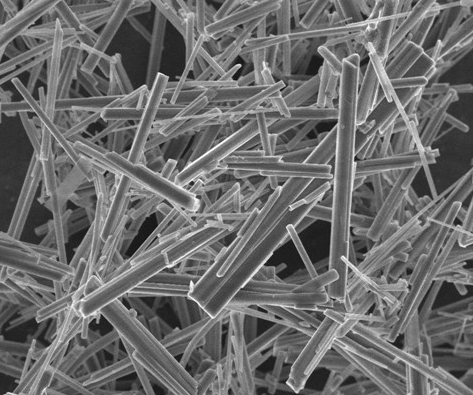

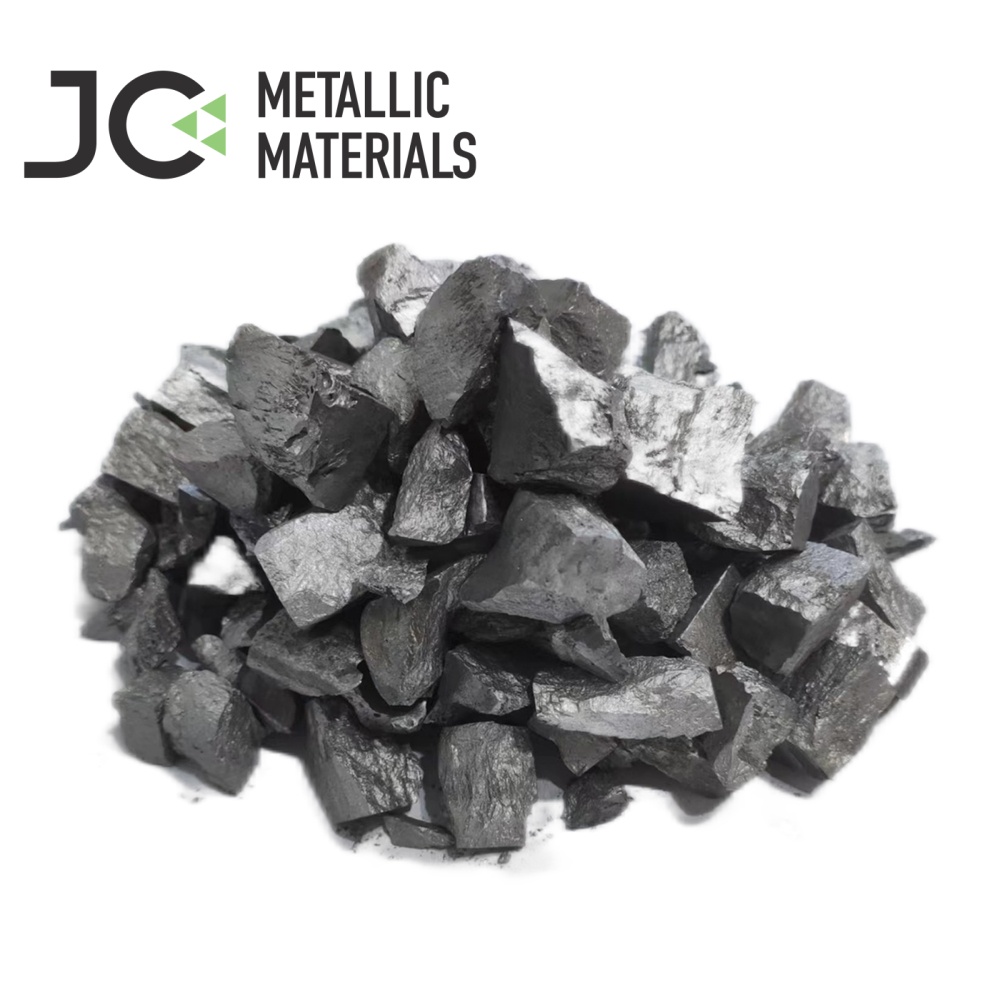
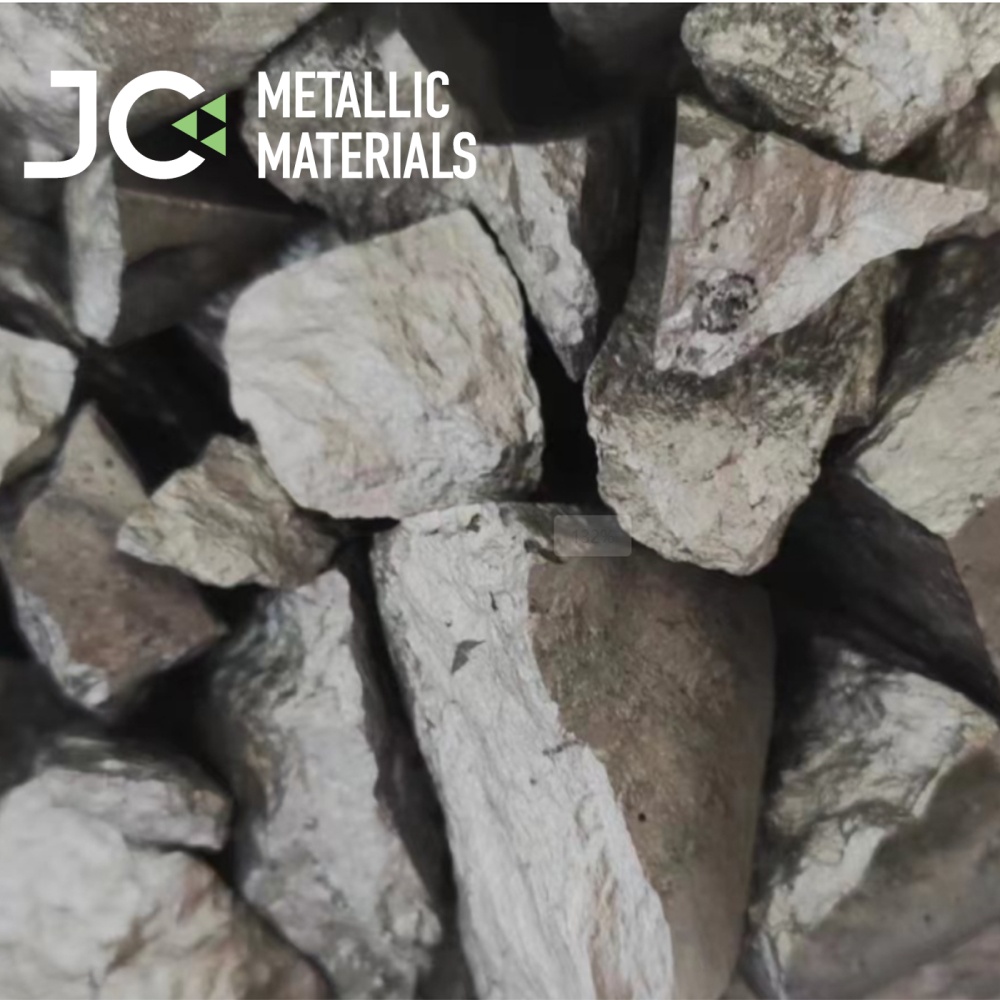
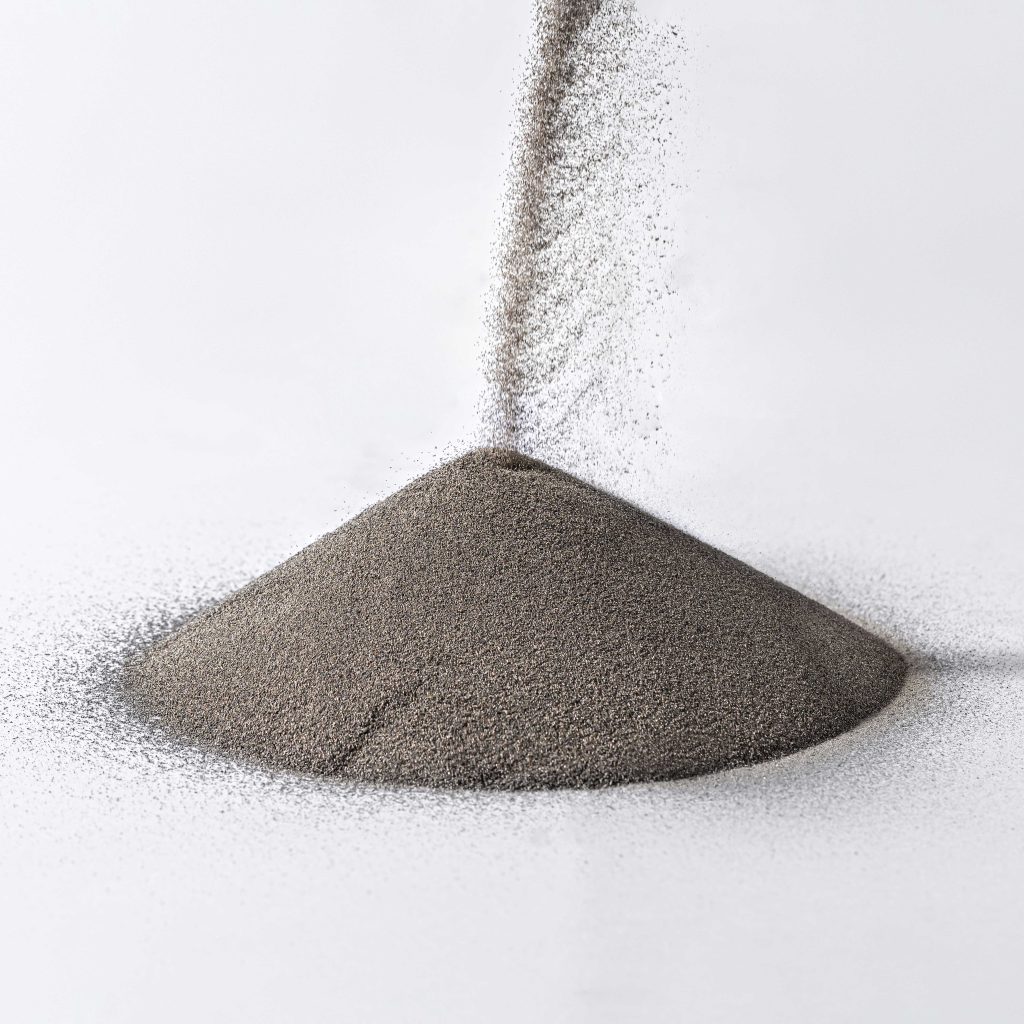
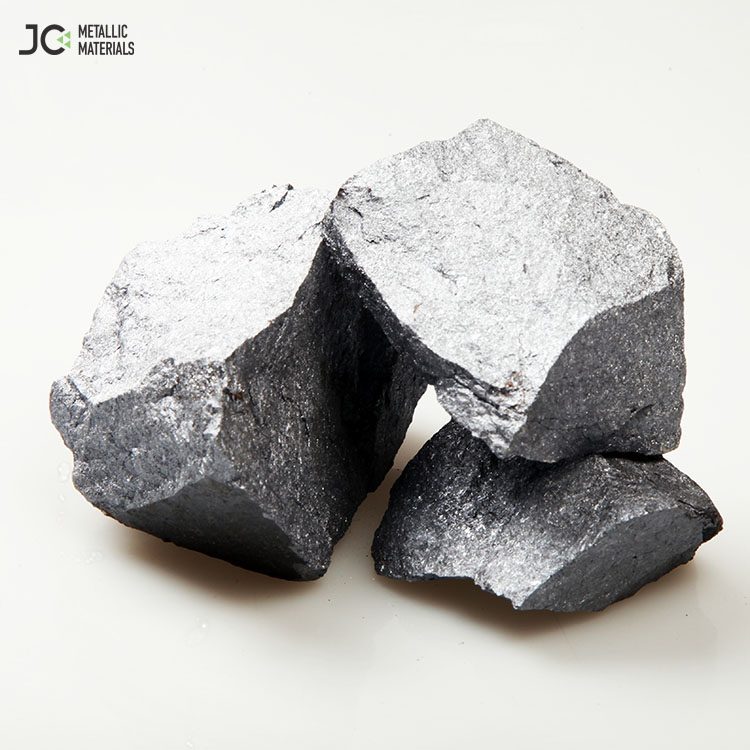

High performance alloys are essential materials in modern engineering industries. They are made by combining metals like nickel and titanium. These alloys deliver superior strength under extreme operating conditions. Modern industries demand materials that perform well in harsh environments. They handle heat, pressure, and corrosion without losing structural integrity. This makes them highly valuable across advanced engineering and manufacturing sectors.
In the next part, we will explain high performance alloys with its key properties and role in safety. We will discuss how to choose the right high performance alloys. We will cover supplier selection, material testing, and cost considerations. This will help engineers improve efficiency, safety, and durability in their projects.
Understanding High Performance Alloys
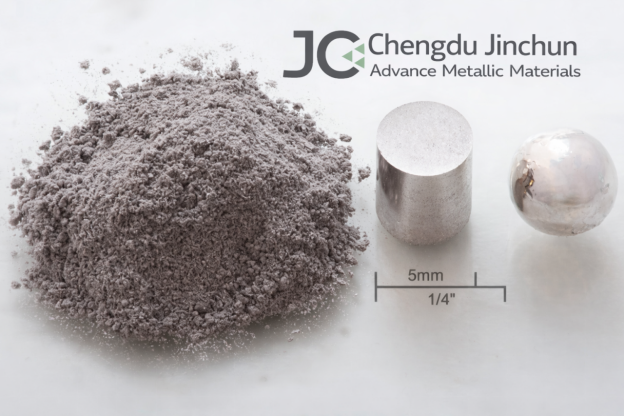
High performance alloys are advanced materials designed for demanding applications. They are created by combining metals to improve performance. These alloys offer high strength under extreme mechanical stress.
They resist heat and maintain stability at elevated temperatures. They also provide excellent corrosion resistance in harsh environments. Common examples include nickel alloys, titanium alloys, and cobalt alloys.
Key Properties of High Performance Alloys
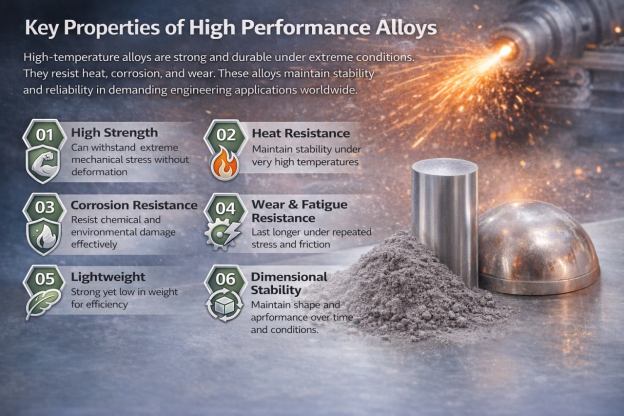
High-temperature alloys are strong and durable under extreme conditions. They resist heat, corrosion, and wear. These alloys maintain stability and reliability in demanding engineering applications worldwide.
- High Strength:Can withstand extreme mechanical stress without deformation
- Heat Resistance:Maintain stability under very high temperatures
- Corrosion Resistance:Resist chemical and environmental damage effectively
- Wear and Fatigue Resistance:Last longer under repeated stress and friction
- Lightweight:Strong yet low in weight for efficiency
- Dimensional Stability:Maintain shape and performance over time and conditions
Role in Safety and Reliability
Superalloys ensure safety and reliability in engineering systems. They prevent failures, maintain strength, and support critical components. Engineers rely on them for long-term durability and stable performance.
- Preventing System Failures:Reduces risk of breakdowns in critical operations
- Enhancing Structural Integrity:Maintains strength under heavy loads and stress
- Critical Engineering Applications:Essential for aerospace, automotive, and industrial machinery
- Consistent Performance:Ensures materials perform reliably over long periods
- Minimizing Maintenance Needs:Less frequent repairs and lower downtime
- Improved Operational Safety:Protects workers and equipment in demanding environments
These alloys protect equipment and workers by preventing failures. They reduce downtime, improve reliability, and maintain consistent structural integrity.
Common Alloys Used in Engineering
Superalloys are widely used in engineering applications. They provide strength, durability, and resistance, making them essential for modern industrial and manufacturing needs.
- Stainless Steel Alloys:Strong corrosion resistance and durability
- Aluminum Alloys:Lightweight with good strength and flexibility
- Titanium Alloys:High strength with excellent heat resistance
- Nickel Alloys:Ideal for extreme temperatures and harsh environments
- Copper Alloys:Good electrical conductivity and corrosion resistance
- Cobalt Alloys:Superior wear resistance and high-temperature performance
Advanced Alloys Compared to Conventional Materials
Advanced alloys offer better performance than conventional materials in demanding environments. They provide higher strength, improved durability, and superior resistance, making them essential for modern engineering applications.
| Feature | High Performance Alloys | Conventional Materials |
| Strength | Very high strength under extreme conditions | Moderate strength |
| Heat Resistance | Excellent performance at high temperatures | Limited heat resistance |
| Corrosion Resistance | Strong resistance in harsh environments | Prone to corrosion over time |
| Durability | Long lifespan with minimal wear | Shorter lifespan |
| Weight Efficiency | High strength-to-weight ratio | Lower efficiency |
| Maintenance Requirement | Low maintenance due to stability | Requires frequent maintenance |
Optimizing Engineering with Lightweight Material Solutions
Superalloys offer lightweight solutions for engineering. They reduce weight, improve efficiency, and maintain strength in advanced industrial applications.
- Aerospace Applications:Reduce aircraft weight and improve flight performance
- Automotive Industry Use:Lower vehicle weight for better efficiency
- Improved Fuel Efficiency:Less weight leads to reduced fuel consumption
- High Strength-to-Weight Ratio:Strong materials with minimal added mass
- Enhanced Design Flexibility:Enable complex and optimized engineering designs
- Reduced Emissions Impact:Lightweight materials help lower carbon emissions
Read More: Global Demand for Chromium Carbide Powder in Heavy Industries
Integration with Smart Engineering Systems
Superalloys are compatible with modern smart engineering systems. They support sensors and monitoring devices embedded in machinery. These alloys ensure accurate performance under real-time operational conditions. Engineers rely on them for precision and efficiency.
They enhance Industry 4.0 applications and automated systems. Smart components maintain stability even under stress. Advanced Materials improve reliability and safety in complex operations. Their integration reduces downtime and optimizes manufacturing processes for advanced engineering solutions.
Thermal Fatigue Resistance in Engineering Materials
Thermal fatigue occurs when materials repeatedly heat and cool. This process can weaken metals. High-temperature alloys resist damage, maintaining strength and stability under such cycles.
- Prevents cracking and structural damage over time
- Ensures long-term durability in extreme environments
- Critical for turbines, engines, and high-temperature components
- Maintains mechanical performance under thermal stress
- Reduces maintenance needs and replacement costs
Turbine blades use alloys with high thermal fatigue resistance to withstand constant heating and cooling cycles.
Challenges and Considerations
High-temperature alloys are expensive compared to conventional materials. Their complex manufacturing requires advanced equipment and skilled labor. Material selection can be challenging for specific applications. Engineers must balance cost, performance, and availability for optimal results. Supply chain reliability is also critical.
Processing these alloys can be difficult due to hardness and toughness. Machining and welding require specialized techniques to prevent defects. Long lead times may affect project schedules. Recycling and reusability are limited compared to traditional metals. Proper planning ensures high performance and efficiency in engineering applications.
Read More: Why Metal Powder is Essential for Additive Manufacturing?
Future Scope of High Performance Alloys
High-temperature alloys will play a key role in future engineering. Emerging technologies demand stronger, smarter, and more efficient materials.
- Emerging Technologies:Support advanced aerospace, automotive, and energy applications
- AI-Driven Material Design:Accelerates creation of optimized, custom alloys
- Next-Generation Engineering Solutions:Enable lighter, stronger, and more durable components
- Sustainability Focus:Reduce environmental impact through efficient material use
- Advanced Manufacturing Compatibility:Ideal for additive manufacturing and automated production systems
Final Thoughts
High performance alloys are vital for modern engineering industries. They provide strength, durability, and reliability under extreme conditions. These materials improve safety, efficiency, and long-term performance. Engineers increasingly rely on them for advanced, demanding, and innovative applications worldwide.
Choose high performance alloys from 成都金春金属材料有限公司 Enhance durability, efficiency, and reliability in your engineering projects.
Contact us today for premium materials and expert solutions.
Most Asked Questions
Q1: How do high performance alloys differ from conventional metals?
Answer: High performance alloys offer superior strength, corrosion resistance, and heat tolerance compared to conventional metals. They maintain performance under extreme conditions, making them ideal for advanced engineering and high-stress industrial applications.
Q2: Can high-temperature alloys be used in aerospace applications?
Answer: Yes, advanced materials are essential in aerospace. They reduce weight, resist extreme temperatures, and maintain structural integrity. Components like turbine blades, airframes, and engines benefit from their reliability and efficiency.
Q3: How do High-Temperature Alloys impact fuel efficiency?
Answer: Lightweight high-temperature alloys reduce vehicle and aircraft weight. This lowers fuel consumption, improves efficiency, and decreases emissions. Industries like automotive and aerospace rely on these alloys for energy-saving designs.
Q4: Can high performance alloys be recycled?
Answer: Yes, many superalloys can be recycled. Specialized processes recover metals without losing performance. Recycling reduces environmental impact and material costs, promoting sustainability in aerospace, automotive, and industrial applications.
Q5: Which companies are leading suppliers of high performance alloys?
Answer: Leading suppliers include Chengdu Jinchun Metallic Materials Co., Ltd., specialty metal manufacturers in Europe, Japan, and the USA. We provide high-quality alloys for aerospace, automotive, and industrial applications worldwide.