
 Thai
 English
 French
 Japanese
 Korean
 Spanish
 Vietnamese
 Portuguese
 German

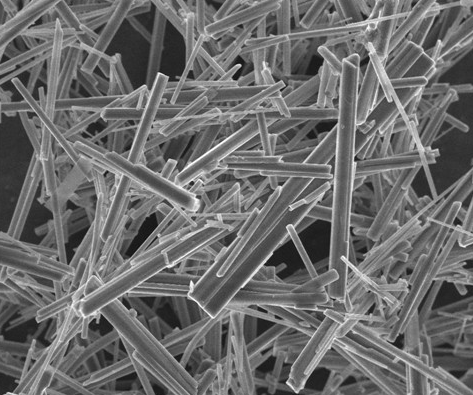
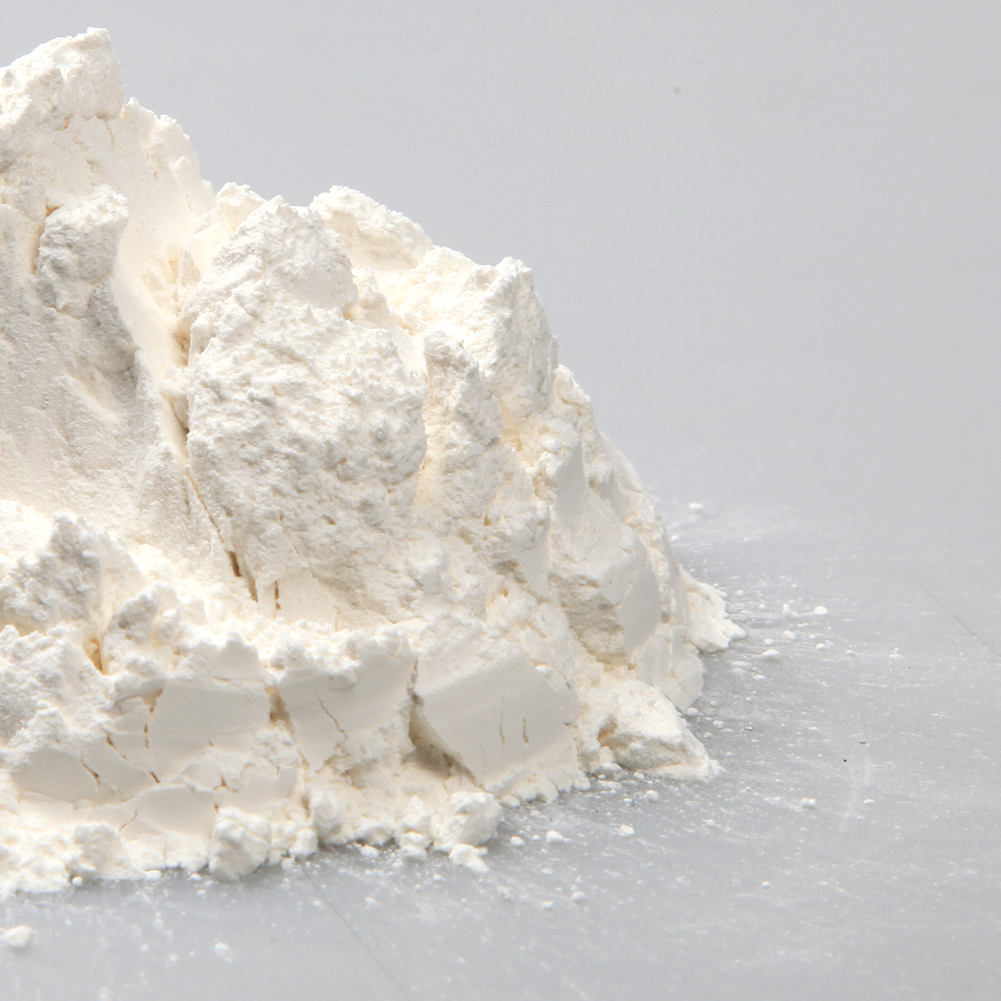
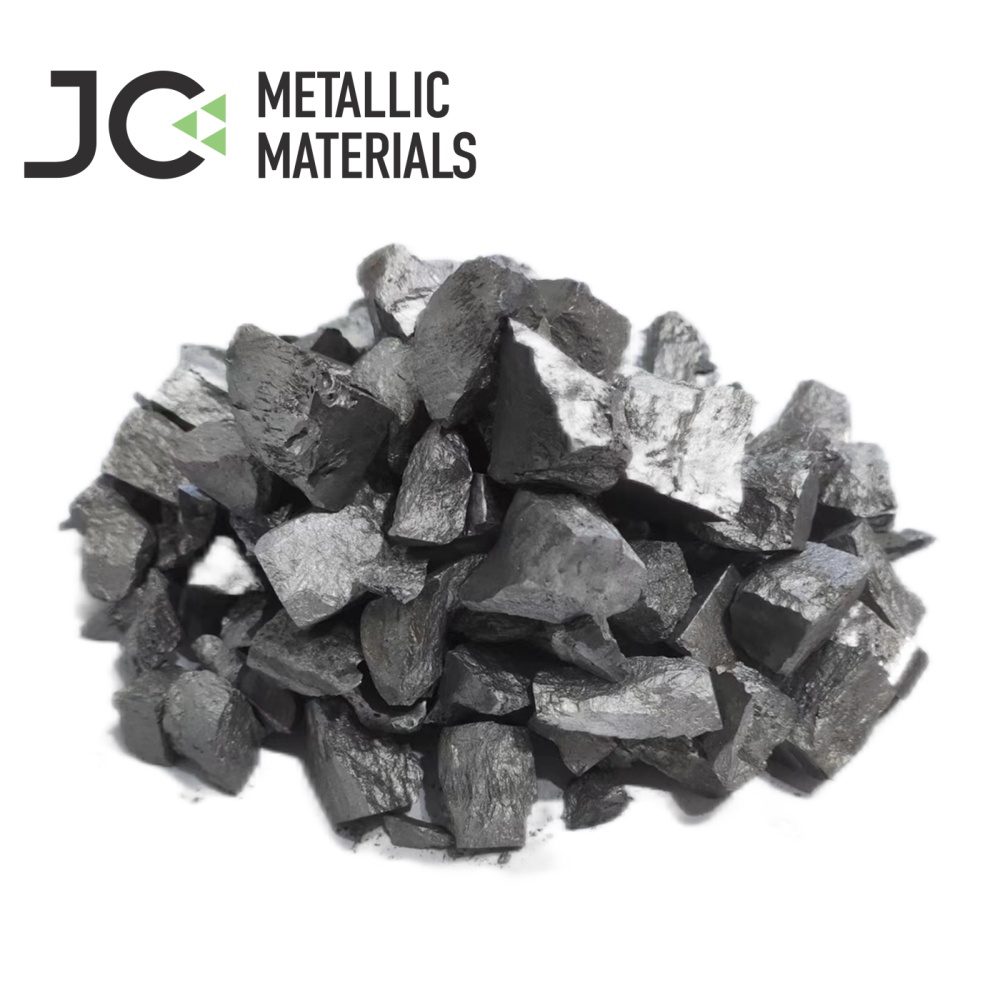
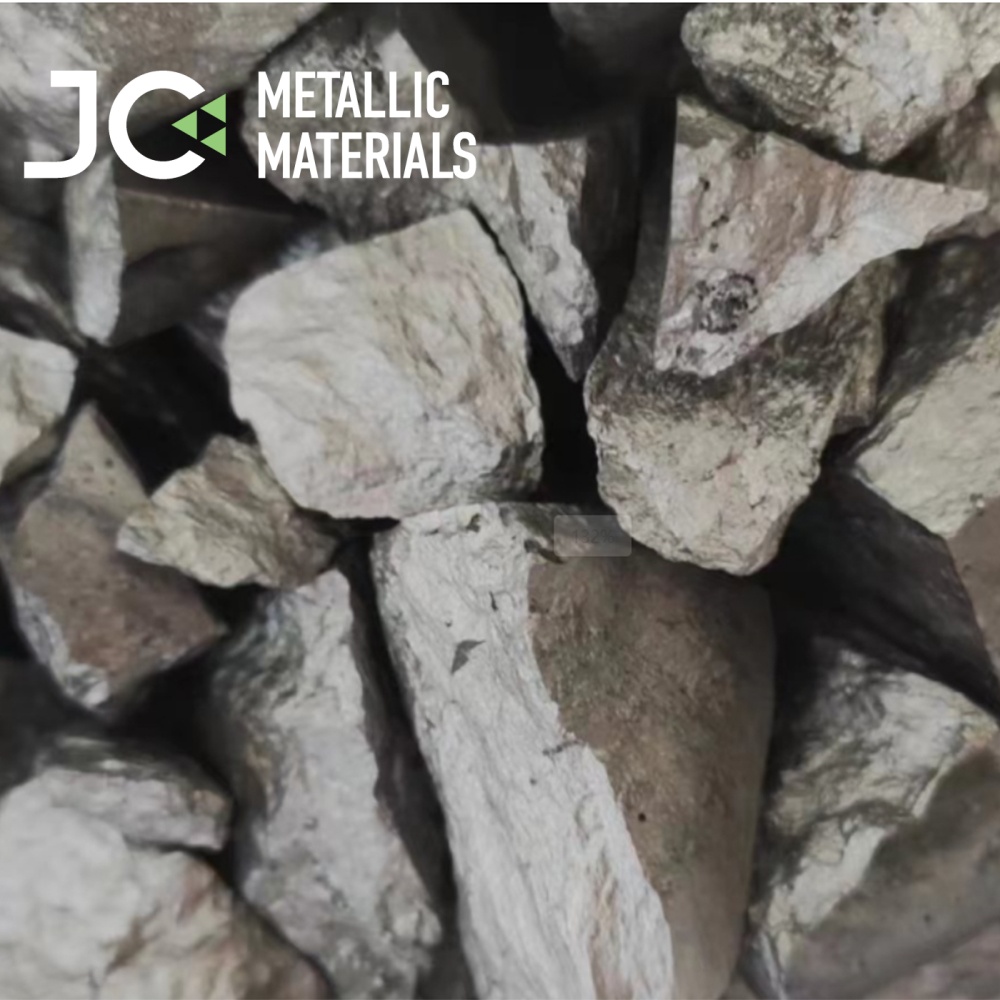
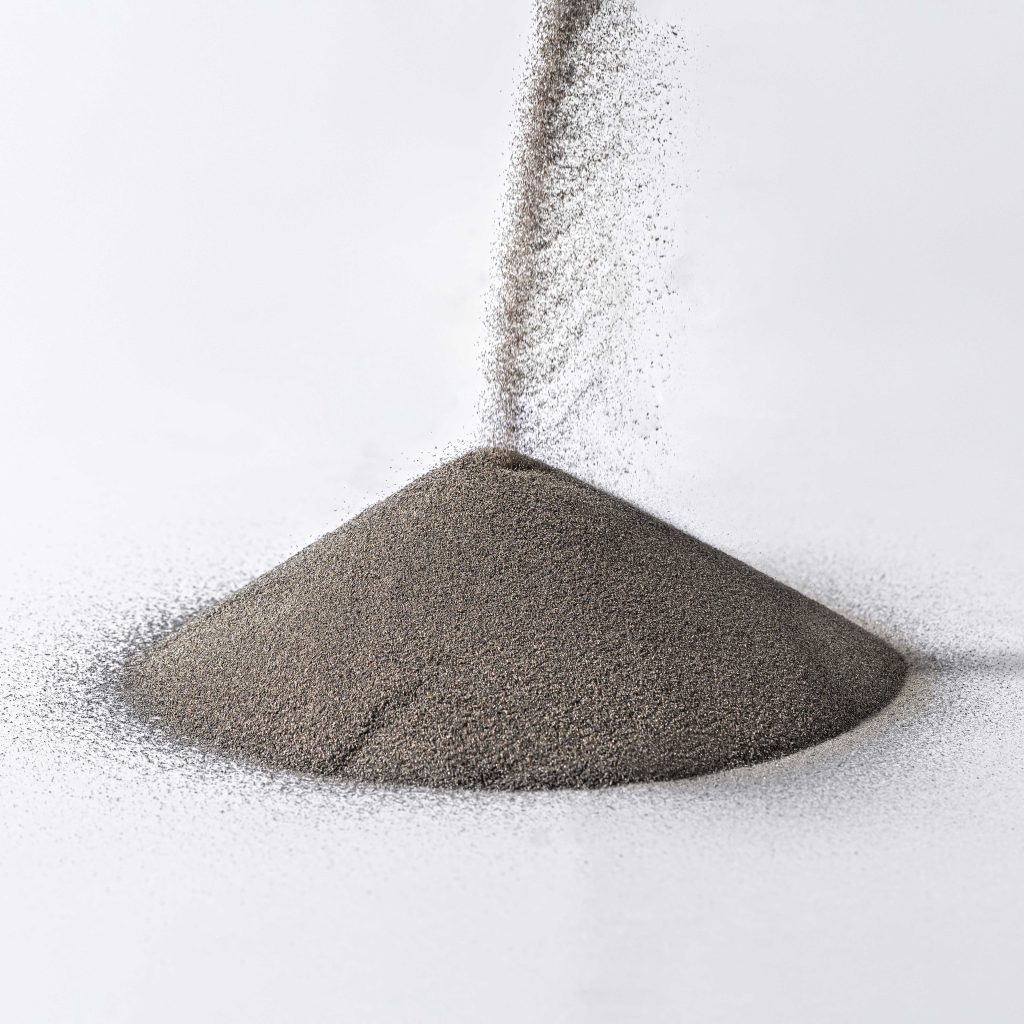
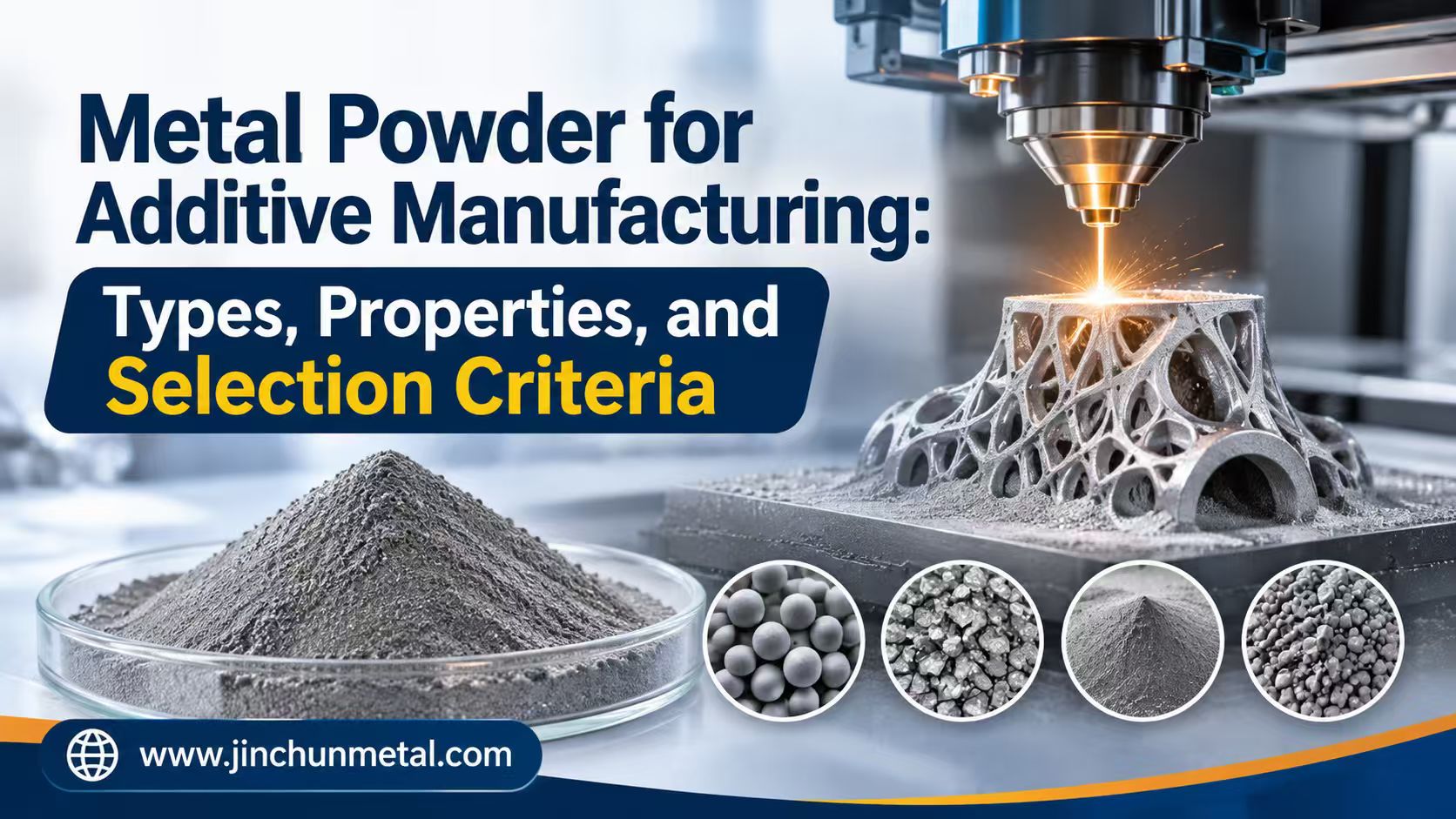
By using metal powders in additive manufacturing, manufacturers can produce complex metal components with high precision, reduced material waste, and greater design flexibility. Different metal powders, such as stainless steel, titanium alloys, aluminum alloys, and nickel-based alloys, offer different mechanical properties and manufacturing advantages.
In this article, we’ll walk you through the key points below:
- What is metal powder for additive manufacturing?
- What are the common types of metal powders?
- What are the important properties of metal powders?
- How does metal powder affect additive manufacturing quality?
- How to select the right metal powder for additive manufacturing?
Next, let’s delve deeper into each key point in the following sections.
What Is Metal Powder for Additive Manufacturing?
In short, metal powder for additive manufacturing consists of fine metallic particles used to produce three-dimensional components through layer-by-layer manufacturing processes.
Unlike traditional machining, which removes material from a solid workpiece, additive manufacturing builds components by depositing and bonding successive layers of metal powder according to a digital design.
These powders are commonly used in technologies such as Selective Laser Melting (SLM), Direct Metal Laser Sintering (DMLS), and Electron Beam Melting (EBM).
For a better understanding of the importance of metal powder in 3D printing processes, you can read this article: Why Metal Powder Is Essential for Additive Manufacturing?
What Are the Common Types of Metal Powders for Additive Manufacturing?
Different metal powders are selected according to the mechanical properties, operating conditions, and applications of the final components.
- Stainless Steel Powder: Stainless steel powders, such as 316L and 17-4PH, offer good corrosion resistance, strength, and durability. They are widely used in medical equipment, automotive components, industrial machinery, and aerospace applications.
- Titanium Alloy Powder:Titanium alloy powders, particularly Ti-6Al-4V, provide an excellent strength-to-weight ratio, corrosion resistance, and biocompatibility. They are commonly used in aerospace structures, medical implants, and high-performance engineering components.
- Aluminum Alloy Powder: Aluminum powders, including AlSi10Mg, are lightweight and provide good thermal conductivity and mechanical strength. They are suitable for automotive parts, aerospace components, and lightweight industrial structures.
- Nickel-Based Alloy Powder:Nickel-based powders, such as Inconel 625 and Inconel 718, maintain excellent mechanical properties at elevated temperatures. They are frequently used in gas turbines, aerospace engines, and chemical processing equipment.
- Cobalt-Chromium Powder: Cobalt-chromium powders offer high wear resistance, corrosion resistance, and strength. They are commonly used for dental restorations, medical implants, and high-performance industrial components.
For more information about the industrial uses of metal powders in aerospace manufacturing, you can read this article: Top 10 Metal Powder Applications In The Aerospace Industry
What Are the Important Properties of Metal Powders?
Before selecting metal powder for additive manufacturing, manufacturers should understand several important material properties.
Particle Size Distribution: Particle size affects powder spreading, packing density, and layer formation. Consistent particle sizes help produce uniform powder layers during printing.
Flowability: Good flowability allows metal powder to move smoothly through the feeding system and spread evenly across the build platform.
Sphericity: Spherical particles generally provide better flowability and packing characteristics than irregularly shaped particles, making them suitable for many powder bed fusion processes.
Chemical Composition: The chemical composition determines the final component’s mechanical properties, corrosion resistance, and performance under different operating conditions.
Oxygen Content: Excessive oxygen can affect the material’s ductility and mechanical performance. Therefore, oxygen levels must remain within the specified limits for the selected alloy.
How Does Metal Powder Affect Additive Manufacturing Quality?
Metal powder quality directly affects the accuracy, surface finish, mechanical strength, and overall performance of 3D-printed components. The following table explains the key factors and their effects on additive manufacturing quality.
| Metal Powder Factor | Effect on Additive Manufacturing Quality |
| Particle Size Distribution | Consistent particle sizes help produce uniform powder layers, improving dimensional accuracy and surface finish. |
| Powder Flowability | Good flowability ensures even powder distribution, reducing uneven layers and printing defects. |
| Particle Shape | Spherical particles improve powder spreading and packing density, supporting consistent printing results. |
| Chemical Composition | Proper alloy composition determines the final component’s strength, corrosion resistance, hardness, and thermal properties. |
| Oxygen Content | Excessive oxygen can cause oxidation and reduce ductility, negatively affecting the mechanical properties of printed components. |
| Powder Moisture | Moisture contamination can affect powder flowability and increase the risk of defects during the printing process. |
| Powder Reusability | Repeated powder use can change particle characteristics and chemical composition, potentially affecting the consistency and quality of printed components. |
How to Select the Right Metal Powder for Additive Manufacturing?
When selecting metal powder for additive manufacturing, there are several important factors to consider.
Next, we will guide you through six essential selection criteria:
1. Determine the required material
First, identify the mechanical and chemical requirements of your final component. Stainless steel is suitable for corrosion-resistant applications, while titanium alloys are preferred for lightweight, high-strength components.
2. Check particle size distribution
Different additive manufacturing technologies require different powder particle sizes. For example, laser powder bed fusion commonly uses fine powders, often around 15–45 μm, although the exact range depends on the machine and process requirements.
3. Evaluate powder flowability
Select powder with suitable flow characteristics to ensure consistent spreading and feeding. Poor flowability can result in uneven layers and printing defects.
4. Check chemical composition
Review the material certificate and chemical composition before purchasing. Ensure that the alloy meets the required specifications for elements such as chromium, nickel, titanium, and oxygen.
5. Consider powder manufacturing methods
Gas atomization is widely used to produce spherical metal powders with good flowability. Water atomization generally produces more irregular particles and may be suitable for applications with different powder requirements.
6. Confirm supplier quality and consistency
Finally, choose a supplier that can provide consistent powder batches, material certificates, particle size reports, and relevant quality documentation. Reliable technical support is also important for long-term manufacturing requirements.
Conclusion
In short, metal powder quality plays an important role in determining the strength, accuracy, and overall performance of additive manufacturing components. Choosing the right alloy, particle size, and powder characteristics helps manufacturers achieve consistent printing results and produce high-quality metal parts.
At Chengdu Jinchun Metallic Materials Co., Ltd., we are committed to providing quality metal powder materials for different industrial applications. If you are looking for a reliable metal powder supplier or need assistance selecting the right material for your project, visit Jinchun Metal and contact our team for professional support.
Frequently Asked Questions
Which metal powders are commonly used in additive manufacturing?
Stainless steel, titanium alloys, aluminum alloys, nickel-based alloys, and cobalt-chromium powders are commonly used in metal additive manufacturing.
What is the ideal particle size for metal 3D printing?
The ideal particle size depends on the printing technology. Laser powder bed fusion commonly uses particles between approximately 15 and 45 μm.
Why is powder flowability important?
Good flowability helps distribute metal powder evenly across the build platform, supporting consistent layer formation and reducing printing defects.
Which metal powder is best for aerospace applications?
Titanium alloys and nickel-based superalloys are widely used because of their high strength, lightweight properties, and excellent high-temperature performance.
What is gas atomized metal powder?
Gas atomization is a powder production process in which molten metal is broken into fine droplets using high-pressure gas, producing relatively spherical particles.
Can metal powder be reused in additive manufacturing?
Yes, metal powder can often be reused after proper sieving and quality inspection. However, its chemical composition and physical properties must remain within acceptable limits.
How should metal powder be stored?
Metal powders should be stored in sealed containers under controlled environmental conditions to prevent moisture absorption, oxidation, and contamination.
https://www.jinchunmetal.com/?s=Metal+Powder+for+Additive+Manufacturing