 Thai
Thai  English
  French
  Japanese
  Korean
  Spanish
  Vietnamese
  Portuguese
  German
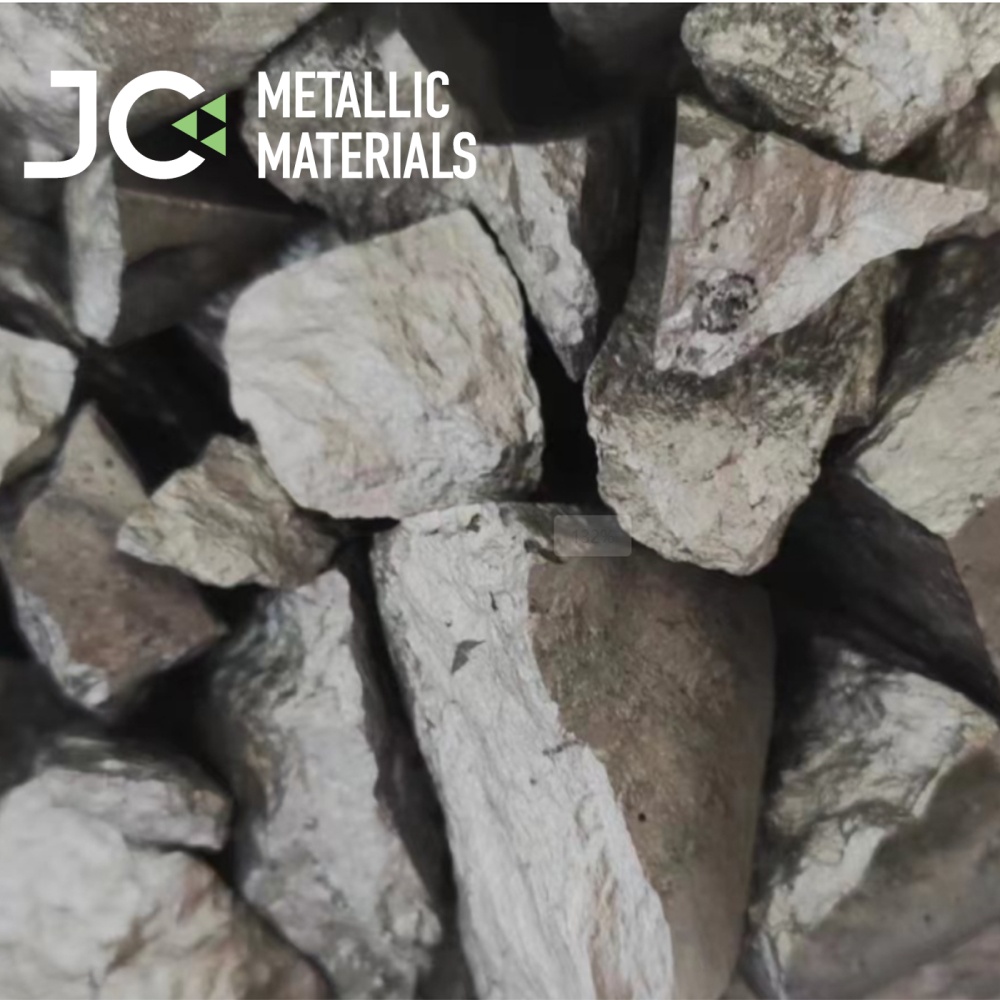
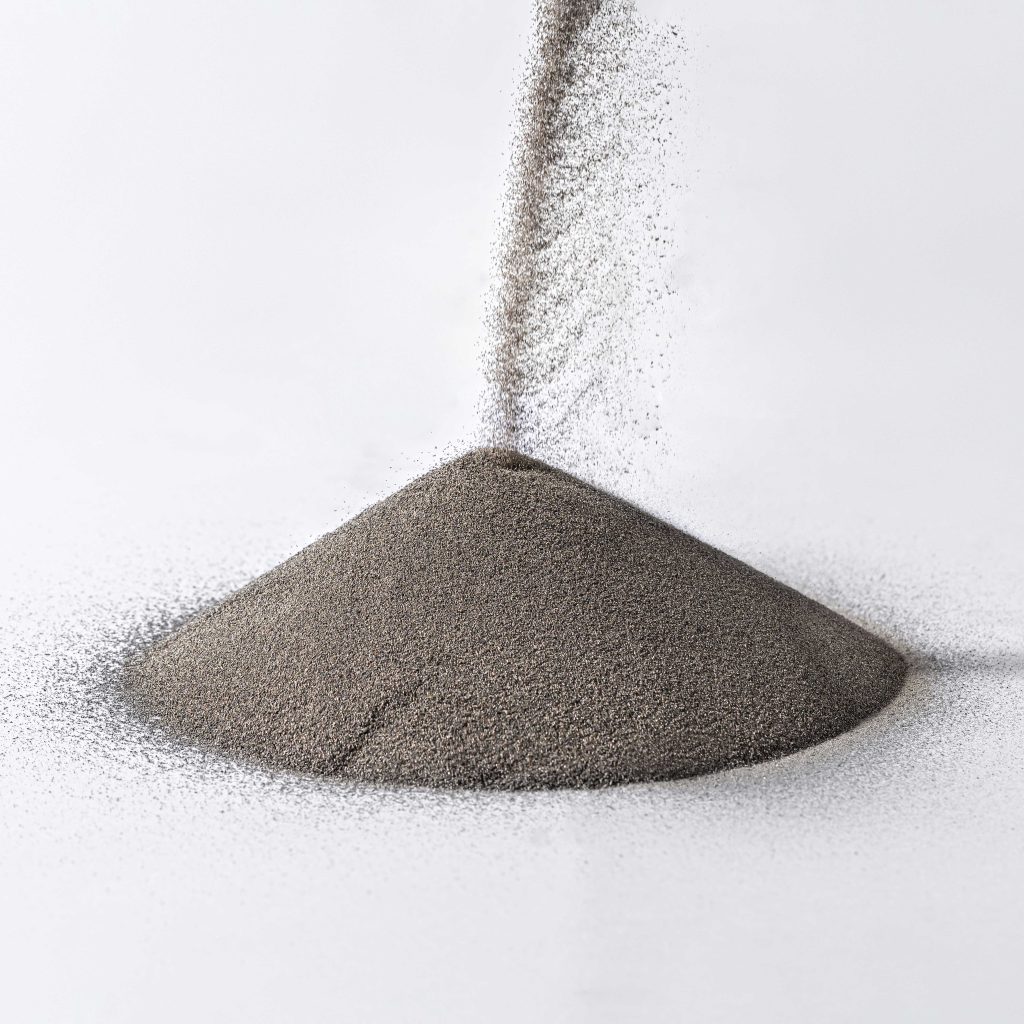
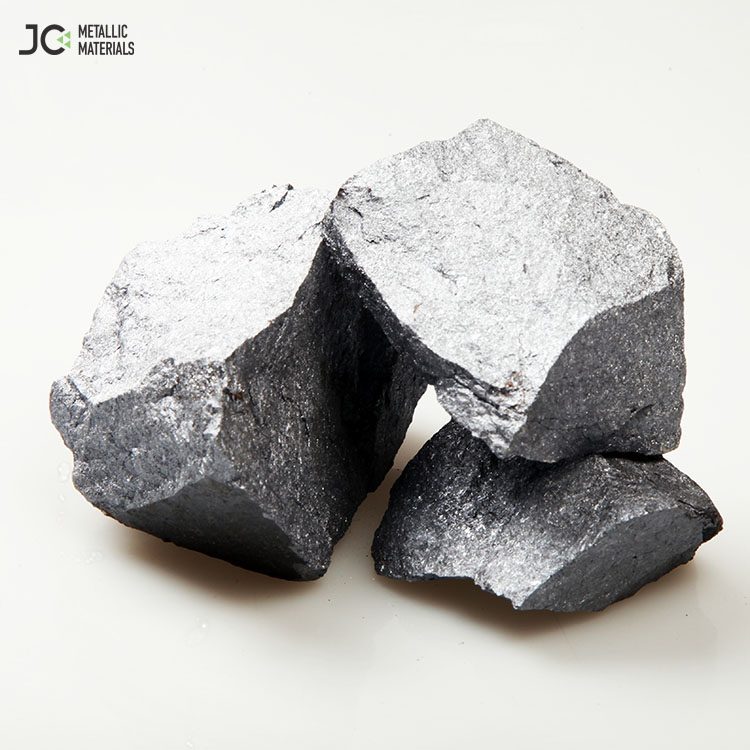
When using spherical powder in metal injection molding and 3D printing, particle consistency and flow performance are extremely important, and material purity also plays a critical role.
High-quality spherical powder improves powder flowability, enhances density uniformity, and supports better printing accuracy during metal injection molding and additive manufacturing processes.
In this blog post, you will learn:
- What is spherical powder?
- Why is spherical powder important for metal injection molding and 3D printing?
- Different types of spherical metal powders.
- Spherical Powder vs Irregular Powder: Which One Performs Better?
- How does spherical powder improve manufacturing performance and product quality?
- How to choose the right spherical powder supplier for industrial applications?
- Quality Testing Guide: Check Spherical Powder Performance Before Purchasing
- Common Spherical Powder Production Challenges and Their Industrial Solutions
- Why Manufacturers Choose Chengdu Jinchun Metallic Materials Co., Ltd. for Spherical Powder Solutions
What Is Spherical Metal Powder?
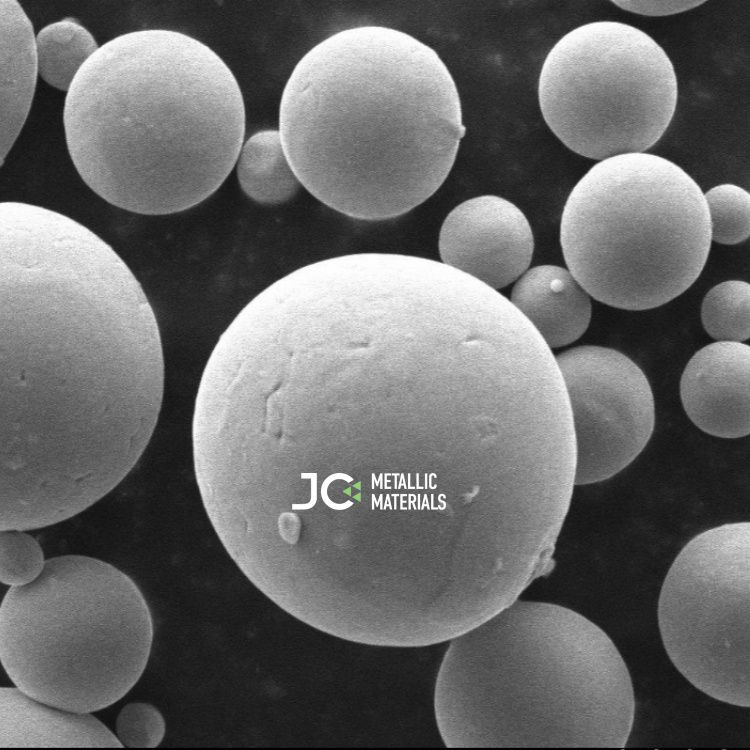
Spherical metal powder refers to metal particles with smooth, rounded surface morphology produced through advanced atomization technologies.
Unlike irregular or angular powders, spherical particles provide lower inter-particle friction and improved flowability during processing. Common production methods include gas atomization and plasma atomization.
Particle shape directly influences powder spreading, packing density, sintering performance, and dimensional accuracy in powder-based manufacturing systems.
Aerospace, medical, automotive, electronics, and industrial tooling industries heavily rely on spherical powder technologies for high-performance component manufacturing.
Why is spherical powder important for metal injection molding and 3D printing performance?
Spherical powder improves material flowability during metal injection molding and 3D printing processes. Its uniform particle shape supports better powder spreading, higher packing density, and smoother production performance, helping manufacturers achieve improved dimensional accuracy and consistent final product quality in industrial applications.
In metal injection molding, spherical powder reduces friction between particles and supports more stable mold filling performance. This helps manufacturers improve component density, reduce internal defects, and increase production efficiency while maintaining reliable mechanical properties across complex industrial metal parts manufacturing operations.
For metal 3D printing applications, spherical powder improves layer distribution and enhances laser melting consistency during additive manufacturing processes. Better powder performance supports stronger printed structures, smoother surface finishes, reduced material waste, and higher printing precision for advanced industrial manufacturing environments worldwide.
Different types of spherical powder
Different types of spherical powder are used across metal injection molding and 3D printing industries. Each powder type offers unique material properties, particle performance, and manufacturing advantages for specific industrial production requirements and advanced additive manufacturing applications worldwide.
Spherical Stainless Steel Powder
Spherical stainless steel powder provides excellent corrosion resistance, strong mechanical performance, and stable powder flowability. It is widely used in aerospace, industrial machinery, and precision metal injection molding manufacturing applications globally.
Spherical Titanium Powder
Spherical titanium powder offers lightweight properties, high strength, and superior heat resistance for demanding industrial applications. Manufacturers commonly use it in aerospace components, automotive parts, and advanced metal additive manufacturing operations worldwide.
Spherical Nickel-Based Alloy Powder
Spherical nickel alloy powder delivers outstanding thermal stability and corrosion resistance under extreme operating environments. It supports high-performance industrial applications including turbine components, chemical processing systems, and complex industrial 3D printing projects globally.
Spherical Cobalt Chrome Powder
Spherical cobalt chrome powder provides exceptional wear resistance, hardness, and biocompatibility for industrial and medical manufacturing applications. It is commonly used for dental products, aerospace components, and precision metal additive manufacturing processes internationally.
Spherical Powder vs Irregular Powder: Which One Performs Better?
Manufacturers often compare spherical powder and irregular powder before selecting materials. Both powder types serve industrial manufacturing applications. However, their performance differences are significant across metal injection molding and 3D printing processes.
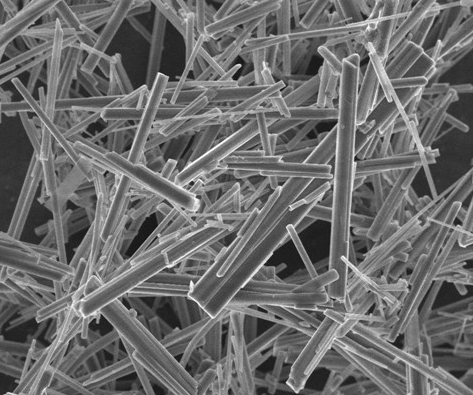
Spherical powder provides smoother particle surfaces and consistent rounded morphology. Irregular powder contains angular and jagged particle structures. These shape differences directly affect flowability, packing density, and final product quality.
| Performance Factor | Spherical Powder | Irregular Powder |
| Flowability | Excellent | Poor |
| Packing Density | High (60–64%) | Low (50–55%) |
| Surface Finish | Smooth and clean | Rough and uneven |
| Defect Rate | Low | High |
| Recyclability | Excellent | Poor |
Spherical powder delivers higher flowability, better packing density, stronger components, and smoother surface finishes. Manufacturers seeking reliable production quality should always choose spherical powder over irregular alternatives.
How to choose the right spherical powder for metal injection molding and 3D printing applications?
Selecting the right spherical powder is important for achieving stable production quality, better printing accuracy, and reliable mechanical performance. Manufacturers should evaluate multiple technical factors before choosing spherical powder for industrial manufacturing applications.
1: Check Particle Size Distribution
Uniform particle size improves powder flowability and supports stable layer spreading during metal injection molding and 3D printing processes. Consistent particle distribution also helps manufacturers achieve smoother surface quality and better production efficiency.
2: Evaluate Powder Flowability
Good flowability supports easier powder movement during industrial manufacturing operations. High-flow spherical powder improves mold filling performance, reduces powder blockage risks, and supports consistent printing accuracy across complex industrial component production processes.
3: Review Material Purity Levels
High-purity spherical powder reduces contamination risks during manufacturing operations. Cleaner material composition improves mechanical properties, enhances final product quality, and supports better thermal stability for demanding industrial and additive manufacturing applications worldwide.
4: Analyze Packing Density Performance
Higher packing density supports stronger component structures and reduces internal porosity during production processes. Dense powder arrangement improves printing consistency, mechanical strength, and dimensional stability across advanced industrial manufacturing and metal injection molding applications.
5: Check Compatibility with Equipment
Manufacturers should select spherical powder compatible with their molding systems or 3D printing equipment. Proper compatibility improves production efficiency, reduces machine wear, and supports smoother industrial manufacturing operations without unnecessary technical processing problems.
6: Evaluate Thermal Performance
Good thermal performance supports stable melting behavior during additive manufacturing operations. Heat-resistant spherical powder improves printing precision, strengthens final components, and reduces production defects caused by unstable temperature distribution during industrial processing applications.
7: Choose a Reliable Supplier
Reliable spherical powder suppliers provide stable material quality, technical support, and industrial certifications. Trusted manufacturers help buyers maintain production consistency, reduce material risks, and achieve long-term manufacturing performance for global industrial applications successfully.
Quality Testing Guide: Check Spherical Powder Performance Before Purchasing
Testing spherical powder quality before purchasing helps manufacturers reduce production risks, improve component consistency, and achieve better metal injection molding and 3D printing performance across industrial manufacturing operations worldwide.
Particle Size Check: Ensure Uniform Powder Distribution
Uniform particle size supports stable powder flowability, better layer spreading, and improved manufacturing consistency during industrial production processes.
Flowability Testing: Improve Powder Movement Performance
Good flowability reduces powder blockage risks and supports smoother processing during metal injection molding and additive manufacturing operations.
Purity Analysis: Reduce Material Contamination Risks
High-purity spherical powder improves mechanical properties and supports cleaner industrial manufacturing performance with fewer production defects.
Density Evaluation: Achieve Stronger Component Structures
Higher packing density supports stronger metal components and improves dimensional stability during advanced industrial manufacturing applications worldwide.
Surface Inspection: Maintain Consistent Particle Shape Quality
Smooth spherical particle surfaces improve powder spreading performance and support better printing precision during industrial manufacturing processes.
Common Spherical Powder Production Challenges and Their Industrial Solutions
Spherical powder manufacturing requires strict quality control to maintain stable particle shape, purity, and powder performance.
Manufacturers often face production challenges that directly affect metal injection molding and 3D printing efficiency and final product quality.
- Irregular Particle Shape:Poor atomization control can create uneven powder particles during production.
- Low Powder Flowability: Moisture contamination and inconsistent particle size reduce powder movement performance.
- High Oxygen Content:Improper production environments may increase oxidation during powder manufacturing processes.
- Particle Size Inconsistency:Unstable processing conditions can produce uneven powder distribution and lower manufacturing precision.
- Surface Contamination Problems:Contaminated raw materials may affect powder purity and industrial manufacturing performance.
Manufacturers can improve spherical powder quality through advanced atomization technology, strict quality testing, controlled production environments, and reliable raw material selection to support stable metal injection molding and additive manufacturing performance worldwide.
Why Manufacturers Choose Chengdu Jinchun Metallic Materials Co., Ltd. for Spherical Powder Solutions
Chengdu Jinchun Metallic Materials Co., Ltd. supplies high-quality spherical powder solutions for metal injection molding and 3D printing industries. Manufacturers worldwide choose our company for reliable material performance, stable production quality, and professional industrial support services.
- Stable Powder Quality:Consistent spherical powder performance supports reliable manufacturing results.
- Advanced Production Technology:Modern manufacturing equipment improves powder precision and material consistency.
- Wide Material Selection: Multiple spherical metal powder options support different industrial applications.
- Global Industrial Supply:International supply capabilities support manufacturers across worldwide industrial markets.
- Professional Technical Support: Experienced support teams help buyers choose suitable powder solutions.
Chengdu Jinchun Metallic Materials Co., Ltd. provides reliable spherical powder solutions for metal injection molding and 3D printing industries worldwide.
Chengdu Jinchun Metallic Materials Co., Ltd. supports global manufacturers with high-quality spherical powder products and dependable industrial supply solutions.
Final Thoughts
Spherical powder plays an important role in improving production quality, material consistency, and manufacturing efficiency in metal injection molding and 3D printing industries. Choosing high-quality spherical powder helps manufacturers achieve better precision, stronger components, and reliable industrial performance.
Looking for reliable spherical powder solutions for metal injection molding and 3D printing applications? Contact Chengdu Jinchun Metallic Materials Co., Ltd. today for professional industrial support and global supply services.
คำถามและคำตอบอย่างรวดเร็ว
Q1: What is spherical powder used for in industrial manufacturing?
Answer: Spherical powder is commonly used in metal injection molding and metal 3D printing applications because it improves powder flowability, printing precision, packing density, and final product quality during industrial manufacturing processes.
Q2: Why is spherical powder better for 3D printing?
Answer: Spherical powder provides smoother layer distribution and stable melting performance during additive manufacturing. Its uniform particle shape improves printing accuracy, reduces defects, and supports stronger printed metal components in industrial production environments.
Q3: Which industries commonly use spherical metal powder?
Answer: Industries including aerospace, automotive, medical devices, energy, and industrial machinery widely use spherical metal powder for metal injection molding and additive manufacturing applications requiring high precision and strong mechanical performance.
Q4: What materials are available in spherical powder form?
Answer: Common spherical powder materials include stainless steel, titanium, cobalt chrome, nickel-based alloys, aluminum alloys, and tool steel powders used across advanced industrial manufacturing and metal additive manufacturing applications worldwide.
Q5: How does spherical powder improve metal injection molding performance?
Answer: Spherical powder improves mold filling efficiency, reduces friction between particles, and supports better density distribution. This helps manufacturers achieve improved product consistency and higher production efficiency during metal injection molding operations.
Q6: What factors should buyers check before purchasing spherical powder?
Answer: Buyers should evaluate particle size distribution, powder purity, flowability, packing density, thermal performance, and supplier reliability before selecting spherical powder for industrial manufacturing and additive manufacturing applications.
Q7: Can spherical powder reduce manufacturing defects?
Answer: Yes, high-quality spherical powder helps reduce porosity, uneven melting, powder blockage, and surface defects during manufacturing operations. Better powder consistency supports stable production quality and improved industrial component performance.
Q8: How should spherical metal powder be stored?
Answer: Spherical metal powder should be stored in dry, sealed, and contamination-free environments. Proper storage conditions help maintain powder quality, prevent moisture absorption, and support long-term industrial manufacturing performance.