 Vietnamese
  English
  French
  Japanese
  Korean
  Spanish
  Thai
Thai  Portuguese
  German
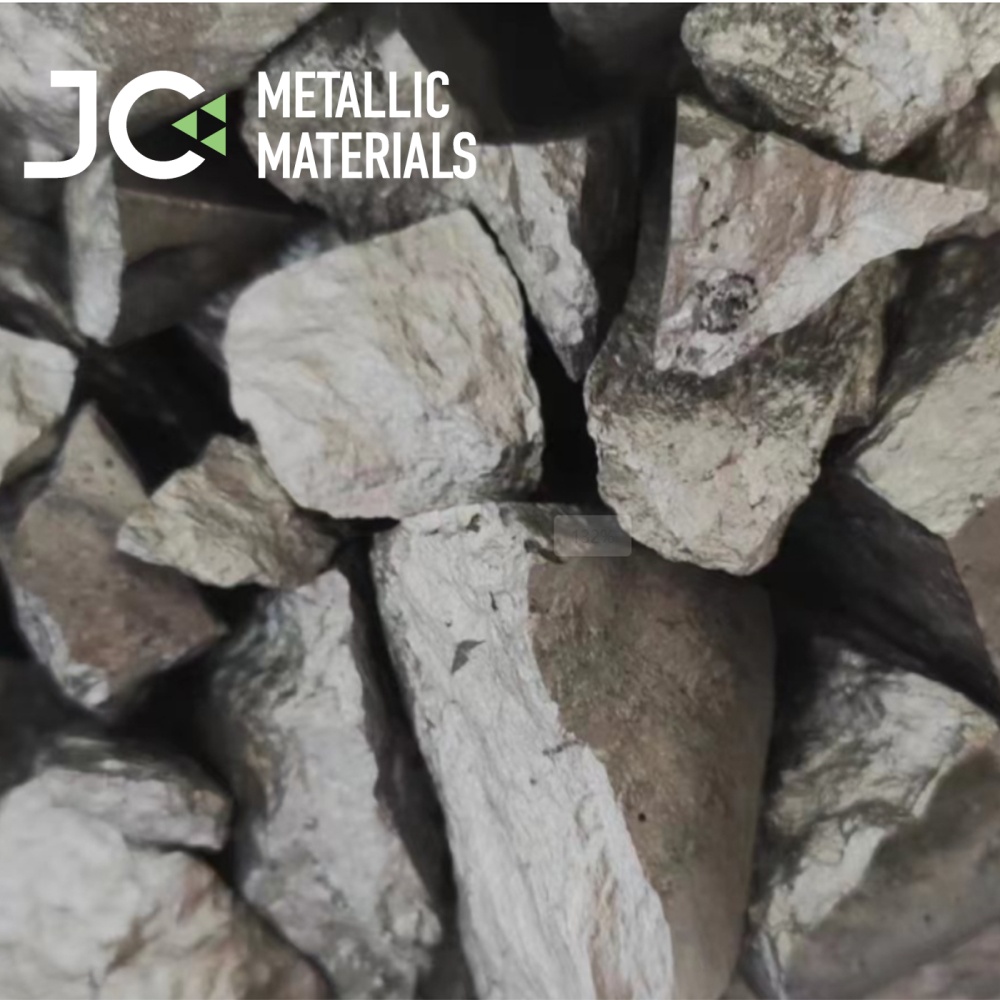
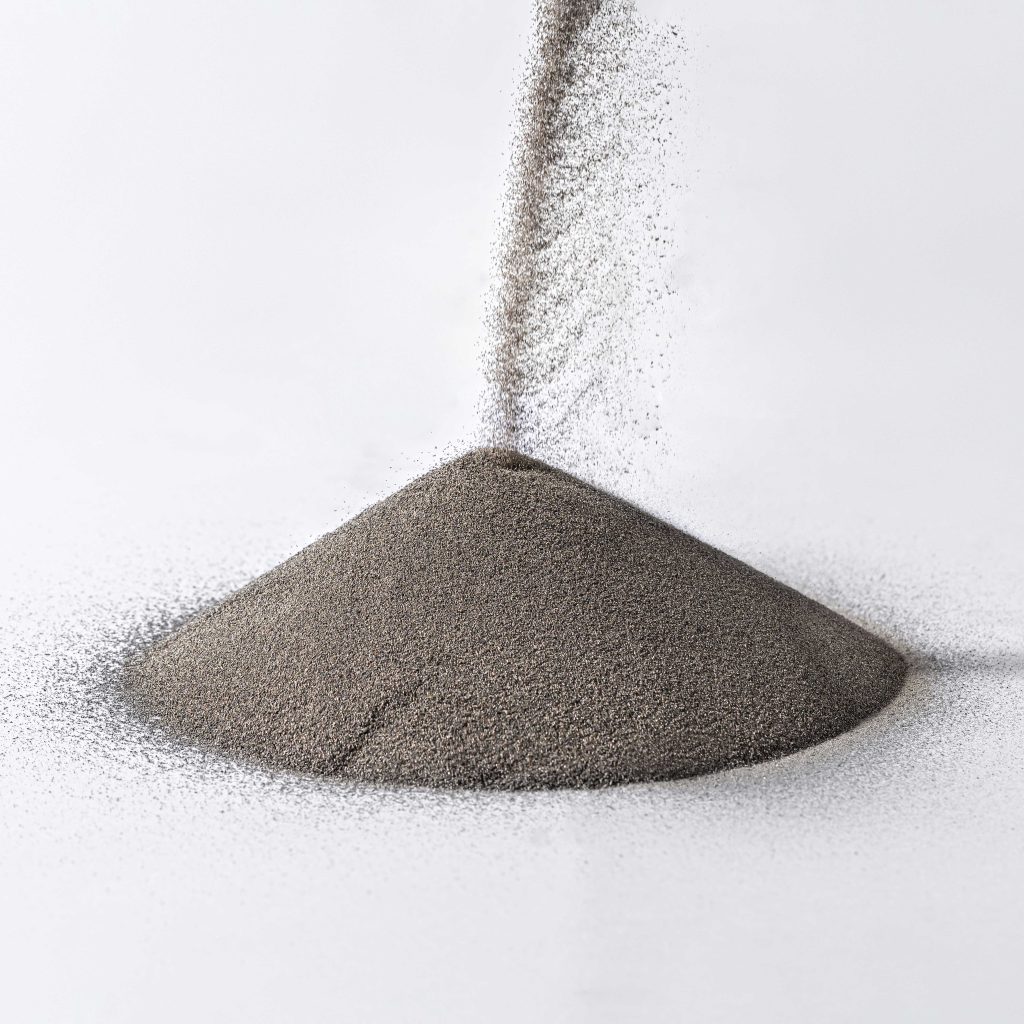
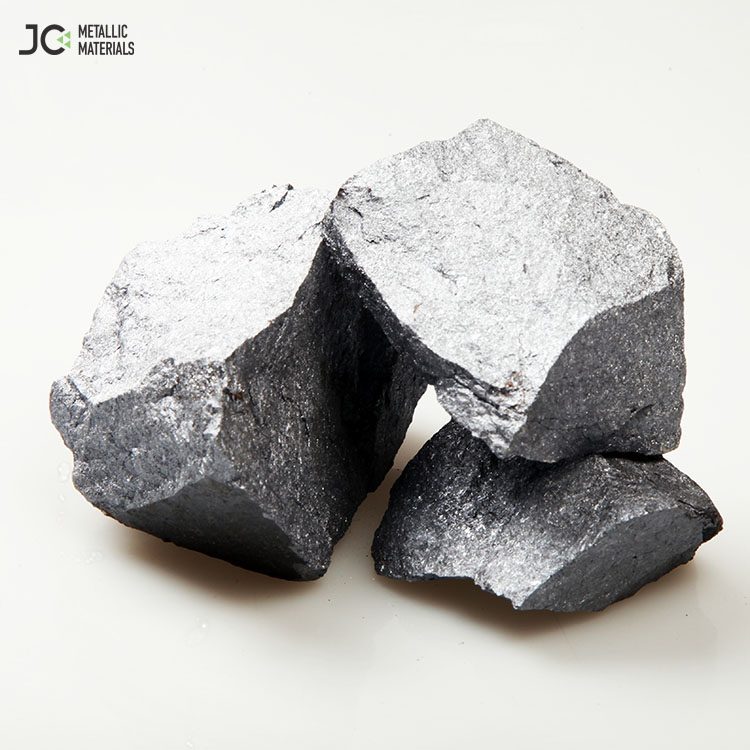
In high-temperature industrial environments, material performance becomes a critical factor in determining efficiency, safety, and long-term reliability. Conventional metals such as steel and aluminum often fail under extreme heat, losing strength, deforming, or oxidizing rapidly. This limitation has led to the increasing reliance on refractory metals, which are specifically engineered to perform under intense thermal and mechanical stress.
Refractory metals are widely used in industries such as aerospace, energy, metallurgy, and advanced manufacturing, where maintaining structural integrity at elevated temperatures is essential. Their ability to resist heat, wear, and corrosion makes them a key material choice for applications where failure is not an option and consistent performance is required.
In this article, our experts explore refractory metals, their key properties, industrial applications, and comparison with engineering metals. It also covers advantages, supplier selection factors, and future technological developments in detail.
What Are Refractory Metals?
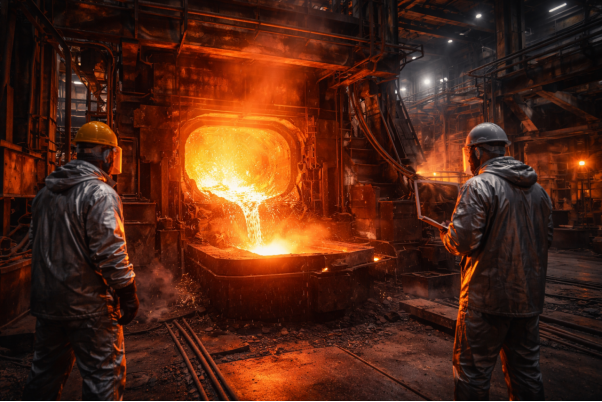
Refractory metals are a group of metallic elements characterized by extremely high melting points and strong resistance to wear, deformation, and corrosion at elevated temperatures.
The most commonly used refractory materials include tungsten, molybdenum, tantalum, niobium, and rhenium. These materials are typically used in applications where conventional metals cannot perform due to thermal or mechanical limitations.
Unlike standard industrial metals, refractory materials are designed for performance in extreme environments, often exceeding temperatures of 1000°C. Their stability under such conditions makes them essential in high-performance engineering systems.
Types of Refractory Metals and Their Roles
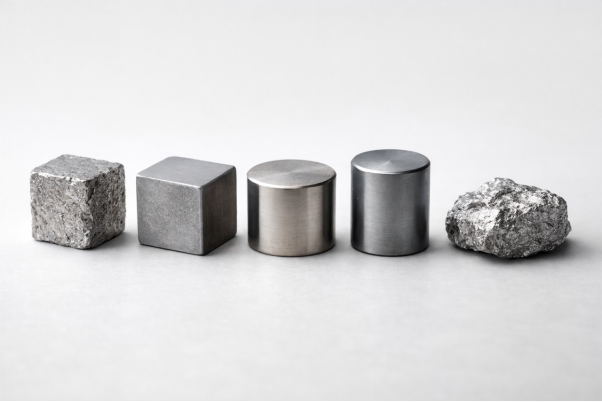
Each refractory metal has unique characteristics that make it suitable for specific applications.
Tungsten
Tungsten is known for its extremely high melting point and density. It is widely used in aerospace, defense, and high-temperature furnaces. Its ability to withstand intense heat makes it indispensable in critical applications.
Molybdenum
Molybdenum offers a balance between strength, thermal conductivity, and cost efficiency. It is commonly used in heating elements, electronics, and industrial equipment.
Tantalum
Tantalum is highly resistant to corrosion, especially in acidic environments. It is often used in chemical processing and medical applications.
Niobium
Niobium is valued for its ductility and is often used in aerospace components and superconducting materials.
Rhenium
Rhenium is used in high-performance alloys, particularly in aerospace applications where extreme heat resistance is required.
Performance Comparison Table
| Metal | Key Strength | Typical Use |
| Tungsten | Highest heat resistance | Aerospace, furnaces |
| Molybdenum | Cost-effective strength | Industrial heating |
| Tantalum | Corrosion resistance | Chemical processing |
| Niobium | Flexibility | Aerospace |
| Rhenium | High-performance alloying | Jet engines |
Key Properties of Refractory Metals
The performance of refractory metals is defined by a combination of physical and chemical properties that make them uniquely suited for extreme environments.
1. Extremely High Melting Points
One of the defining features of refractory materials is their high melting point. For example, tungsten has a melting point above 3400°C, making it one of the most heat-resistant metals available. This allows these materials to operate in environments where most metals would melt or fail.
2. Thermal Stability Under Continuous Heat
Refractory metals maintain their structural integrity even under prolonged exposure to high temperatures. This makes them suitable for applications that require continuous operation without performance degradation.
3. High Mechanical Strength
Unlike conventional metals that soften under heat, high-temperature metals retain their strength at elevated temperatures. This property is essential for load-bearing applications in extreme conditions.
4. Resistance to Wear and Deformation
These metals exhibit excellent resistance to mechanical wear and thermal deformation. This ensures dimensional stability, even under fluctuating temperature conditions.
5. Corrosion and Chemical Resistance
Certain refractory metals, particularly tantalum, offer exceptional resistance to corrosion. This makes them ideal for use in chemically aggressive environments such as reactors and processing equipment.
Why Conventional Metals Are Not Enough
To fully understand the importance of heat-resistant metals, it is essential to examine the limitations of standard materials.
- Steel begins to lose strength at relatively moderate temperatures
- Aluminum deforms easily under heat
- Common alloys are prone to oxidation and corrosion
These limitations restrict their use in high-temperature applications. High-performance metals fill this gap by providing both thermal resistance and mechanical reliability, enabling industries to operate at higher efficiency levels.
Industrial Applications of Refractory Metals
Refractory metals are widely used across industries where extreme heat, mechanical stress, and chemical exposure are common. Their unique properties enable reliable performance in conditions where conventional materials fail.
Aerospace Industry

In aerospace applications, components such as turbine blades, rocket nozzles, and heat shields operate under extremely high temperatures and pressure. Refractory metals are essential in these environments because they maintain structural integrity and resist thermal degradation.
Their use improves engine efficiency, enhances safety, and allows aerospace systems to operate at higher performance levels.
Energy and Power Generation
Power plants, particularly those using gas turbines or nuclear reactors, require materials that can withstand continuous high temperatures. Refractory metals are used in critical components such as heat exchangers and turbine systems.
Their ability to handle thermal stress helps improve energy efficiency and reduce maintenance costs, making them a valuable investment for energy companies.
Metallurgical Industry
In metal processing and refining, furnaces operate at extremely high temperatures. High-temperature metals are used in furnace linings, heating elements, and structural components to ensure durability and long service life.
Their resistance to heat and wear allows for continuous operation, improving production efficiency in metallurgical processes.
Electronics and Semiconductor Industry
Refractory metals are also used in electronic components due to their excellent thermal and electrical conductivity. They are commonly found in semiconductors, electrical contacts, and high-temperature wiring systems.
Their stability ensures consistent performance even under high thermal loads, which is critical for modern electronics.
Chemical Processing Industry
In chemical environments, materials must resist both heat and corrosion. Refractory materials, particularly tantalum, are highly resistant to aggressive chemicals.
This makes them suitable for reactors, pipelines, and processing equipment used in chemical manufacturing.
Challenges in Using Refractory Metals
Despite their advantages, refractory metals present several challenges that must be carefully managed.
High Material Cost
Refractory metals are expensive due to their limited availability and complex extraction processes. This can increase the overall cost of industrial projects.
Difficult Processing and Machining
These metals are hard and brittle at room temperature, making them difficult to machine and fabricate. Specialized manufacturing techniques are often required.
Oxidation at Extreme Temperatures
Although high-temperature metals are heat-resistant, some can oxidize when exposed to oxygen at very high temperatures. Protective coatings or controlled environments are often needed to address this issue.
Comparison with Other Engineering Metals
Refractory metals are compared with engineering metals to highlight their performance in heat resistance, strength, and industrial applications.
| Property | Refractory Metals | Stainless Steel | Aluminum |
| Melting Point | Extremely high | Medium | Low |
| Heat Resistance | Excellent | Good | Fair |
| Strength at High Temp | Very strong | Moderate | Weak |
| Corrosion Resistance | Good | Excellent | Good |
| Density | Very high | Medium | Low |
| Industrial Use | Extreme environments | General applications | Lightweight structures |
How to Choose the Right Refractory Metal Supplier (B2B Buying Guide)?
Selecting a refractory metal supplier is a strategic decision that directly impacts product quality, operational stability, and long-term cost efficiency. Instead of evaluating suppliers randomly, B2B buyers should follow a structured selection process to minimize risks and ensure reliable sourcing.
Step 1: Define Application Requirements Clearly
Before contacting suppliers, identify your exact requirements, including operating temperature, material grade, mechanical load, and environmental conditions. Clear specifications help avoid mismatched materials and ensure better supplier alignment.
Step 2: Evaluate Material Quality and Certifications
Always verify product quality through certifications such as ISO standards and material test reports. High-purity refractory materials with consistent properties are essential for maintaining performance in extreme environments.
Step 3: Assess Production Capacity and Scalability
Choose suppliers with strong manufacturing capabilities and the ability to handle bulk orders. A scalable supplier ensures uninterrupted supply, especially for large industrial projects or long-term contracts.
Step 4: Review Technical Expertise and Support
Experienced suppliers provide valuable technical guidance, helping buyers select the correct material grade and specifications. This reduces errors and improves overall application performance.
Step 5: Compare Pricing with Long-Term Value
Do not focus only on the lowest price. Evaluate cost in relation to quality, consistency, and reliability. A slightly higher price often results in better performance and lower long-term operational costs.
Step 6: Analyze Delivery Reliability and Logistics
Timely delivery is critical for maintaining production schedules. Select suppliers with efficient logistics systems, international shipping experience, and reliable lead times to avoid delays.
Step 7: Build Long-Term Supplier Partnerships
Instead of one-time purchases, focus on developing long-term relationships with trusted suppliers. This ensures stable pricing, consistent quality, and priority support for future requirements.
Future of Refractory Metals in Technology
As industries continue to push performance limits, refractory metals are becoming essential for next-generation technologies due to their heat resistance, strength, and durability. They are increasingly used in advanced sectors where material reliability directly impacts innovation and efficiency. Their role is expanding beyond traditional applications into modern high-performance systems.
- Aerospace systems: Support high-temperature components in aircraft and space technologies
- Advanced electronics:Enable stable performance in miniaturized, high-power devices
- Energy sector: Used in nuclear systems and emerging renewable technologies
- Medical field: Applied in implants and precision surgical instruments
- Defense applications: Improve durability in high-stress military environments
- Industrial automation: Enhance performance of smart manufacturing systems
Additional Resources and Related Insights
To further expand your understanding of high-temperature materials and industrial applications, explore the following related resources and in-depth guides.
Titanium Carbide: Key Properties, Applications, and Buying Guide
Silicon Powder: Types, Applications and Top Suppliers in China
An Ultimate Buying Guide: How to Choose a Ferro Vanadium?
How Titanium Carbide Is Manufactured for Cutting Tool Applications
Final Thoughts
Refractory metals are essential for industries operating in extreme heat environments, providing unmatched strength, stability, and durability. Their performance directly impacts efficiency, safety, and equipment lifespan, making them a critical material choice for modern high-temperature industrial applications and long-term operational reliability.
If your business operates in high-temperature environments, selecting the right refractory metal is crucial.
Jinchun Metallic Materials offers reliable, high-quality solutions tailored to industrial needs.
Visit our website to explore products and connect with our team for expert support today.
Frequently Asked Questions (FAQs)
Q1: What are high-temperature metals?
Answer: High-temperature metals are specialized materials designed to withstand extreme heat, mechanical stress, and harsh environments without losing strength or stability.
Q2: Which materials are used for extreme heat applications?
Answer: Materials such as tungsten, molybdenum, tantalum, and niobium are commonly used due to their ability to perform under high thermal conditions.
Q3: Why are heat-resistant alloys important in industry?
Answer: These materials maintain structural integrity at elevated temperatures, ensuring safe and efficient operation in demanding industrial environments.
Q4: What industries rely on high-performance metals?
Answer: Industries such as aerospace, energy, metallurgy, electronics, and chemical processing depend on these materials for reliable high-temperature performance.
Q5: What is the main benefit of thermal-resistant materials?
Answer: Their key advantage is maintaining strength and durability under extreme heat, reducing equipment failure and improving operational efficiency.
Q6: Are high-temperature materials resistant to corrosion?
Answer: Yes, many of these materials offer strong resistance to corrosion, especially in chemically aggressive environments.
Q7: What are the limitations of heat-resistant metals?
Answer: They can be expensive, difficult to process, and may require protective coatings to prevent oxidation in certain conditions.
Q8: How do advanced engineering materials compare to standard metals?
Answer: They outperform standard metals in extreme conditions by offering better heat resistance, strength, and long-term durability.
Q9: How should buyers evaluate high-performance material suppliers?
Answer: Buyers should consider quality standards, certifications, production capacity, technical expertise, pricing, and delivery reliability.
Q10: What is the future of high-temperature materials in industry?
Answer: These materials will play a key role in advanced technologies such as aerospace systems, energy solutions, and high-performance manufacturing.