 Vietnamese
  English
  French
  Japanese
  Korean
  Spanish
  Thai
Thai  Portuguese
  German
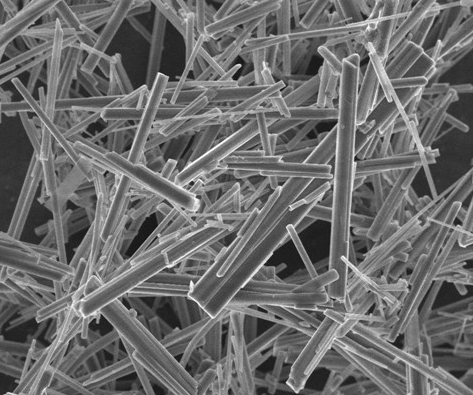
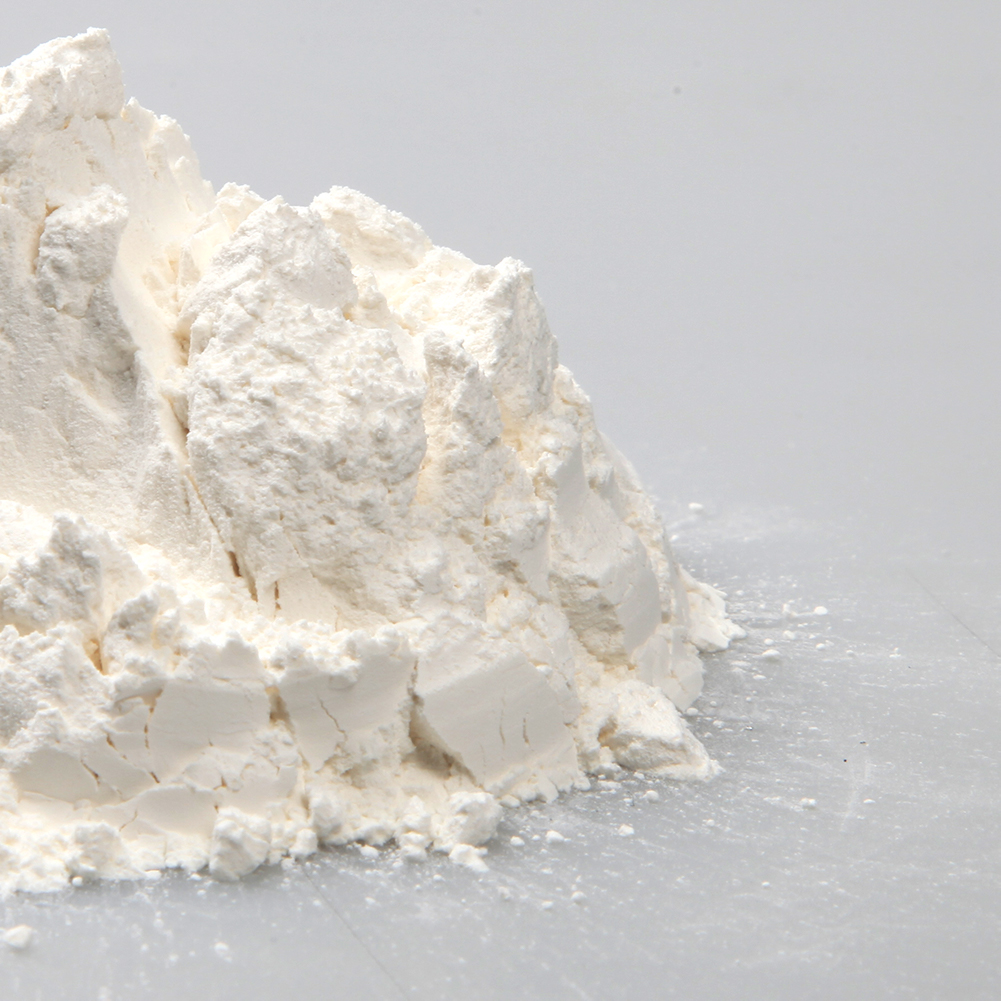
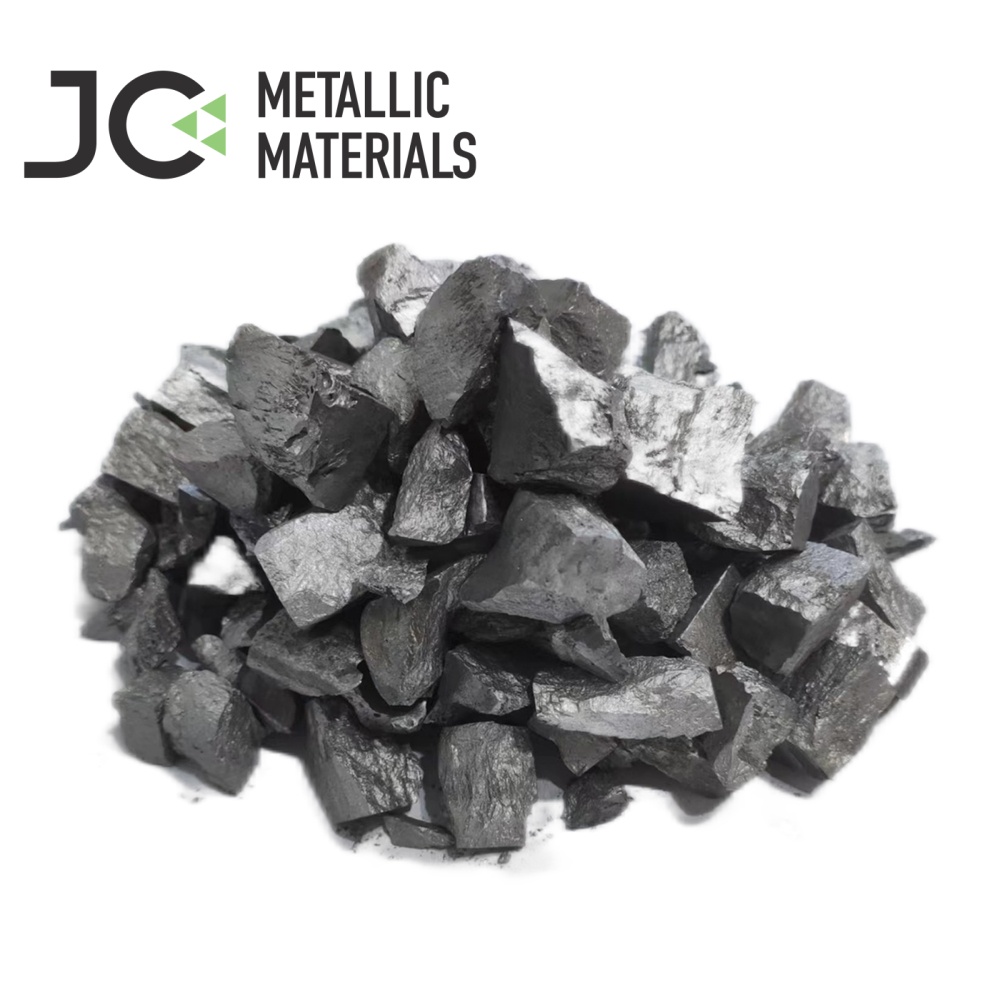
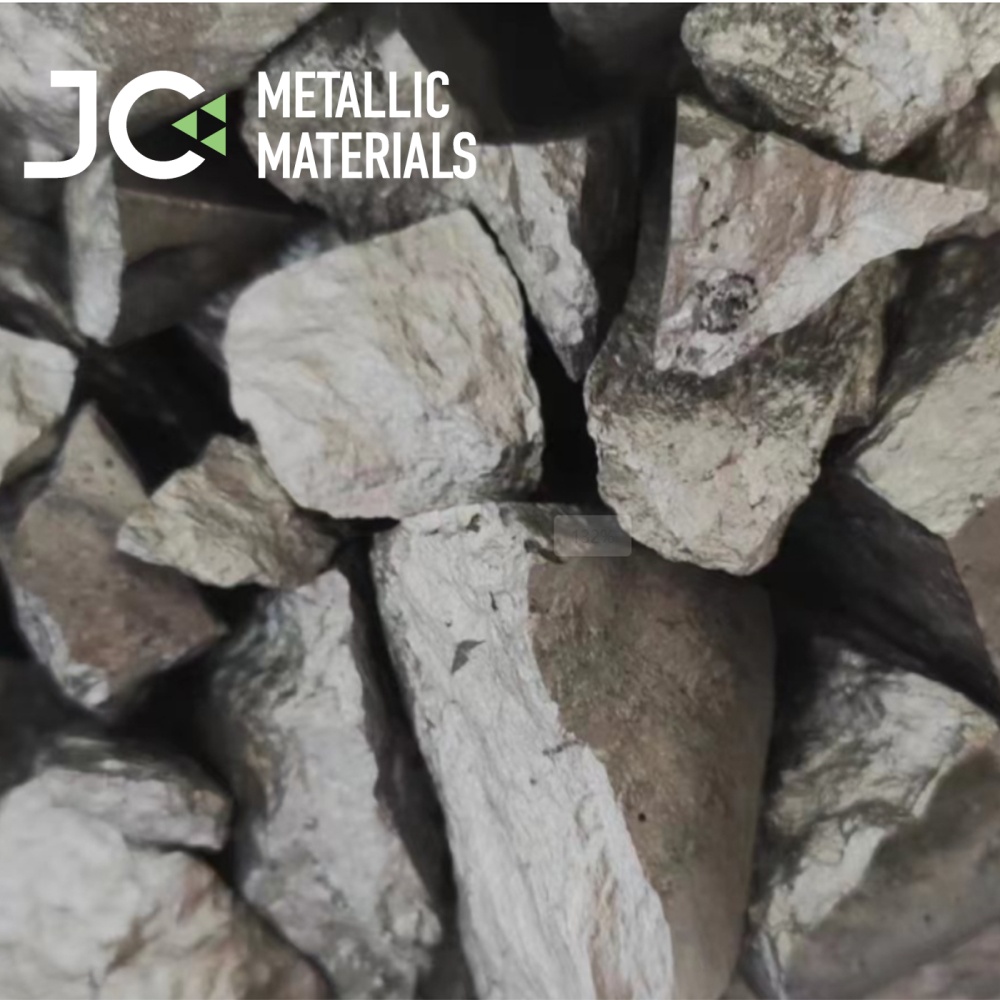
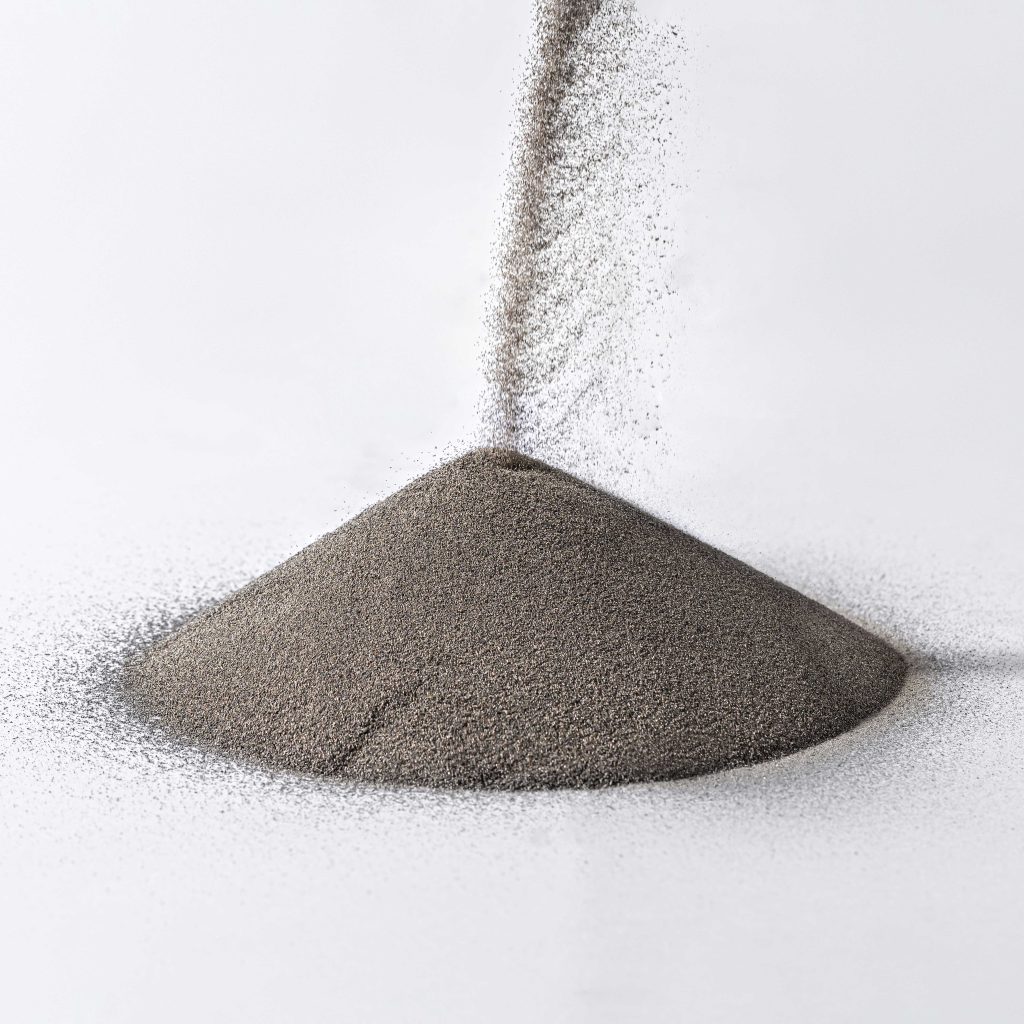
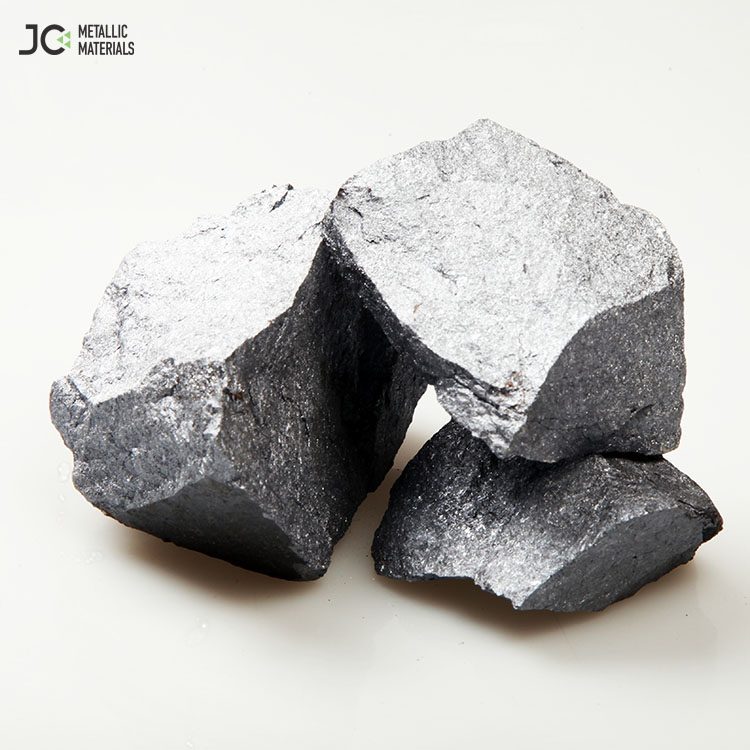
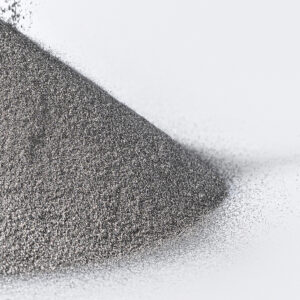
Ferrochrome powder is an important ferroalloy material used in stainless steel, specialty steel, welding, hardfacing, and other metallurgical applications. It provides chromium that improves corrosion resistance, hardness, oxidation resistance, and overall alloy performance.
However, not every ferrochrome powder grade provides the same results. High carbon ferrochrome powder and low carbon ferrochrome powder differ mainly in carbon content, production characteristics, cost, and suitable applications.
For industrial buyers, choosing between these two grades requires more than comparing chromium percentages. Carbon level, particle size, chemical impurities, application requirements, refining conditions, and overall processing costs can all affect the final decision.
This guide explains the major differences between high carbon and low carbon ferrochrome powder. It also covers their applications, important specifications, purchasing considerations, and practical selection criteria.
What Is Ferrochrome Powder?
Ferrochrome powder is a powdered ferroalloy containing mainly chromium and iron, along with controlled amounts of carbon, silicon, sulfur, phosphorus, and other elements.
Ferrochrome is primarily used as a chromium source in steel and alloy production. Chromium can improve corrosion resistance, hardness, wear resistance, oxidation resistance, and high temperature performance.
The powder form offers advantages in applications requiring controlled feeding, blending, coating, powder metallurgy, welding formulations, and specialized alloying processes.
The exact chemical composition varies according to the ferrochrome grade and manufacturing process. Therefore, industrial buyers should always evaluate the supplier’s technical specification and Certificate of Analysis before purchasing.
What Is High Carbon Ferrochrome Powder?
High carbon ferrochrome powder is a ferrochrome grade containing a relatively high percentage of carbon. Commercial compositions can vary, but high carbon ferrochrome commonly contains approximately 4% to 9% carbon, together with a high chromium concentration.
It is generally produced through the reduction of chromite ore using carbonaceous reducing agents at high temperatures. After production, the ferrochrome can be crushed, screened, and processed into different particle sizes.
High carbon ferrochrome is widely used because it provides an economical source of chromium. The additional carbon is acceptable in applications where the final alloy chemistry can accommodate it or where subsequent refining can control carbon levels.
Main Characteristics of High Carbon Ferrochrome Powder
High carbon ferrochrome powder combines high chromium content with controlled carbon levels, making it suitable for various metallurgical applications.
- Provides efficient chromium addition for steel and alloy production.
- Contains relatively high carbon, supporting applications where carbon pickup is acceptable.
- Delivers chromium effectively during controlled metallurgical processing and alloy production.
- Chromium and carbon support hardness and wear resistance in suitable applications.
- Commonly used in stainless steel, high chromium steel, welding, and hardfacing applications.
High carbon ferrochrome powder offers a practical balance between chromium content, performance, and cost. Its suitability depends on carbon tolerance, alloy chemistry, particle size, and specific production requirements.
What Is Low Carbon Ferrochrome Powder?
Low carbon ferrochrome powder is produced to provide chromium while introducing significantly less carbon into the final alloy.
Depending on the grade and supplier specification, low carbon ferrochrome can contain carbon levels well below those found in conventional high carbon grades. Some specialized grades are produced with extremely low carbon levels for demanding alloy applications.
Low carbon ferrochrome is commonly manufactured by refining ferrochrome or through processes designed to reduce carbon while maintaining the required chromium concentration.
Its main advantage is better carbon control during alloy production.
Main Characteristics of Low Carbon Ferrochrome Powder
Low carbon ferrochrome powder provides high chromium content while minimizing carbon pickup, making it suitable for precise alloying and carbon sensitive applications.
- Contains significantly reduced carbon, supporting strict alloy chemistry control.
- Provides effective chromium addition for steel and specialized alloy production.
- Helps manufacturers maintain targeted carbon levels during final alloy adjustment.
- Supports applications requiring accurate and consistent chemical composition.
- Suitable for stainless steel, specialty steels, and carbon sensitive alloy systems.
Low carbon ferrochrome powder is valuable where chromium addition must occur without excessive carbon increase. Its performance depends on purity, particle size, composition, and consistent supplier quality.
High Carbon vs Low Carbon Ferrochrome Powder
The most important difference between these materials is their carbon concentration. However, this difference affects cost, refining requirements, alloy chemistry, and application suitability.
| Parameter | High Carbon Ferrochrome Powder | Low Carbon Ferrochrome Powder |
| Chromium content | Generally high | Generally high |
| Carbon content | Relatively high | Relatively low |
| Chromium addition | Excellent | Excellent |
| Carbon control | More difficult | Easier |
| Typical cost | Lower | Higher |
| Stainless steel use | Very common | Used for carbon sensitive grades |
| Specialty alloys | Selected based on chemistry | Highly suitable |
| Refining requirement | May require carbon adjustment | Lower carbon adjustment requirement |
| Hardfacing | Commonly used | Used for specialized formulations |
| Precision alloying | Less suitable | More suitable |
The exact composition depends on the supplier, grade, production process, and intended application. Buyers should therefore compare actual test certificates rather than relying only on generic material descriptions.
Key Chemical Composition Differences
Chemical composition is one of the most important factors when selecting ferrochrome powder.
Chromium Content
Chromium is the primary alloying element provided by ferrochrome. Higher chromium content can improve alloying efficiency because less ferrochrome may be required to achieve a particular chromium target.
Carbon Content
High carbon ferrochrome introduces a greater amount of carbon into the melt. This can be acceptable for many conventional steelmaking applications.
Silicon Content
Silicon is another important specification. Excessive silicon may affect the chemistry and refining requirements of certain alloys.
Sulfur and Phosphorus
Sulfur and phosphorus should also be controlled because excessive amounts can negatively affect certain steel properties and processing conditions.
Trace Elements
Depending on the application, buyers may also need information about elements such as titanium, aluminum, and other residual components.
Why Carbon Content Matters in Ferrochrome Powder
Understanding stainless steel standards is important when selecting ferrochrome because different grades require specific control of chromium, carbon, and other alloying elements.
Carbon plays an important role during steel and alloy production. It is not simply a secondary specification.
When high carbon ferrochrome is added to molten metal, it contributes both chromium and carbon. If the production process includes effective decarburization, this carbon can be reduced during refining.
However, some steel grades have strict carbon limits. Excessive carbon can make it difficult to achieve the desired final composition.
This is where low carbon ferrochrome becomes valuable.
It allows manufacturers to increase chromium levels while minimizing additional carbon pickup. This can simplify final chemistry control and reduce the need for aggressive decarburization.
Therefore, the correct ferrochrome grade depends heavily on the carbon tolerance of the final alloy.
Applications of High Carbon Ferrochrome Powder
High carbon ferrochrome powder is widely used across conventional metallurgical applications.
Stainless Steel Manufacturing
Stainless steel is one of the largest applications for ferrochrome. Chromium improves the corrosion resistance of stainless steel by helping form a protective chromium rich oxide layer on the material surface.
High carbon ferrochrome offers an economical way to introduce chromium into the melt.
High Chromium Steel
High chromium steels require significant chromium additions to achieve specific mechanical and corrosion resistant properties.
High carbon ferrochrome can provide the necessary chromium while also contributing carbon to the alloy.
Welding Electrodes
Ferrochrome powder can be incorporated into certain welding electrodes and welding consumable formulations.
The chromium contribution can help produce weld deposits with improved hardness, wear resistance, and corrosion resistance.
Hardfacing Materials
Hardfacing materials are designed to protect surfaces against abrasion, erosion, impact, and wear.
The combination of chromium and carbon can support the formation of hard phases within specific hardfacing compositions.
Ferroalloy Production
High carbon ferrochrome can also serve as a feedstock or alloying material in various ferroalloy and metallurgical processes.
Its relatively low cost makes it attractive for large volume applications.
Applications of Low Carbon Ferrochrome Powder
Low carbon ferrochrome is particularly useful where carbon control is critical.
Carbon Sensitive Stainless Steel
Some stainless steel grades require strict control of carbon content.
In such cases, low carbon ferrochrome can provide chromium without introducing excessive carbon.
Specialty Steel
Specialty steel manufacturers often require precise control of multiple alloying elements.
Low carbon ferrochrome can help maintain chromium levels while keeping carbon within the required specification.
Superalloys
Some high performance alloys require controlled chemical compositions because they operate under demanding temperature, stress, or corrosion conditions.
Low carbon ferrochrome can be selected for applications where chromium addition must be carefully controlled.
Final Chromium Adjustment
Low carbon ferrochrome can be particularly useful during the final stages of alloy production.
Manufacturers can add chromium without creating a large increase in carbon concentration.
Precision Alloying
Where chemical tolerances are narrow, low carbon ferrochrome provides better control than conventional high carbon grades.
How Particle Size Affects Ferrochrome Powder Selection
Chemical composition is not the only factor that matters.
Particle size can strongly influence powder handling and process performance.
Fine ferrochrome powder may offer faster reaction or dissolution characteristics in some processes. Coarser powder can provide better handling and may reduce dust generation.
The correct particle size depends on the application.
Important particle size specifications may include:
- Mesh size
- Average particle diameter
- Particle size distribution
- Maximum particle size
- Minimum particle size
- Powder flow characteristics
- Bulk density
For welding, blending, powder metallurgy, and specialized alloying, particle size requirements may be very different.
Therefore, buyers should specify the required particle size before placing an order.
How to Choose the Right Ferrochrome Powder
Selecting the correct ferrochrome powder should begin with the final product requirements.
Determine the Required Chromium Level: First, identify the target chromium percentage in the finished alloy. This helps determine how much ferrochrome powder is required.
Check Carbon Tolerance: Determine the maximum acceptable carbon level in the final material. If carbon tolerance is high, high carbon ferrochrome may be suitable.
Evaluate the Refining Process: Consider how effectively your production process can remove excess carbon. Processes with strong decarburization capabilities may accommodate high carbon ferrochrome more easily.
Select the Correct Particle Size: Choose a powder size that matches your feeding, mixing, melting, or coating process. Do not assume that one particle size works for every application.
Check Impurity Limits: Review silicon, sulfur, phosphorus, and other relevant elements. The acceptable limits depend on the final alloy specification.
Review the Certificate of Analysis: A Certificate of Analysis should verify the actual composition of the supplied material.
Consider Batch Consistency: Consistent chemistry is essential for repeatable production. Ask suppliers about their quality control procedures and batch testing.
Quality Parameters Buyers Should Check: Before purchasing ferrochrome powder, industrial buyers should evaluate several technical parameters.
Chemical Composition: Confirm chromium, carbon, silicon, sulfur, phosphorus, and relevant trace elements.
Particle Size: Ensure the supplied powder matches the required mesh or particle distribution.
High Carbon Ferrochrome Powder: Advantages and Limitations
High carbon ferrochrome powder is widely used as an economical chromium source in steelmaking and alloy production. Its high carbon content offers specific benefits, but it can also create limitations when strict carbon control is required. Understanding both aspects helps buyers select suitable grades for their applications.
Advantages
- Economical chromium source
- Widely available
- Suitable for large scale alloy production
- High chromium concentration
- Useful in stainless steel manufacturing
- Suitable for hardfacing applications
- Can provide chromium and carbon simultaneously
Limitations
- Higher carbon pickup
- Less suitable for strict carbon limits
- May require additional refining
- Final chemistry can be more difficult to control
- Not ideal for every specialty alloy
- Low Carbon Ferrochrome Powder: Advantages and Limitations
Advantages
- Better carbon control
- Suitable for carbon sensitive alloys
- Useful for specialty steel production
- Good for final chromium adjustment
- Supports precise alloy chemistry
- Suitable for demanding metallurgical applications
Limitations
- Generally higher purchase cost
- Additional processing may increase production cost
- May not be necessary for applications with high carbon tolerance
- Grade selection requires careful chemical evaluation
Cost Considerations When Buying Ferrochrome Powder
Price is an important procurement factor, but it should not be the only consideration. High carbon ferrochrome is generally more economical because it requires less processing to produce.
Low carbon ferrochrome typically costs more because carbon reduction requires additional processing. However, a lower purchase price does not necessarily mean lower overall production cost.
For example, using high carbon ferrochrome in a carbon sensitive alloy may require additional refining. This can increase energy consumption, processing time, and material losses.
Therefore, buyers should evaluate total alloying cost instead of simply comparing the price per kilogram.
Common Mistakes When Buying Ferrochrome Powder
Buying ferrochrome powder requires careful evaluation of composition, particle size, quality, and supplier reliability. Avoiding common purchasing mistakes helps ensure consistent performance, controlled alloy chemistry, and reliable production results.
Choosing Only by Price
Selecting the cheapest ferrochrome powder can create quality and processing problems. Buyers should compare technical specifications and total production costs before making a purchase.
Ignoring Carbon Content
Different ferrochrome grades contain different carbon levels. Ignoring carbon content can affect final alloy chemistry and make carbon control more difficult.
Overlooking Particle Size
Particle size directly affects powder handling, feeding, and processing efficiency. Buyers should confirm the required mesh range and particle size distribution before ordering.
Skipping Quality Documentation
Purchasing without proper technical documentation can increase material quality risks. Always request a Certificate of Analysis and verify important chemical composition values.
Not Checking Supplier Consistency
A supplier may provide good quality in one batch but inconsistent material later. Evaluate production capability, quality control, and batch consistency before establishing long term supply.
How to Evaluate a Ferrochrome Powder Supplier?
A reliable ferrochrome powder supplier should meet your required chemical, physical, and quality specifications consistently. Buyers should evaluate product composition, particle size, documentation, production capability, packaging, and supply reliability before establishing a long term procurement relationship.
- Chemical Consistency: Verify chromium, carbon, silicon, sulfur, and phosphorus levels across batches.
- Particle Size:Confirm the powder size and distribution match your processing requirements.
- Quality Testing: Check whether the supplier performs regular laboratory testing and quality inspections.
- Technical Documentation: Request a detailed specification sheet and Certificate of Analysis for each batch.
- Production Capability: Evaluate production capacity, equipment, quality systems, and ability to handle large orders.
- Supply Reliability: Review packaging, delivery performance, order consistency, and ability to maintain agreed specifications.
Choosing a supplier based on technical reliability rather than price alone helps reduce production risks. Consistent ferrochrome quality supports stable alloy chemistry, predictable processing, and dependable final product performance.
Buyers can also review industry resources to better understand chromium applications, responsible sourcing, and developments across the global chromium industry.
High Carbon vs Low Carbon Ferrochrome: Which One Should You Choose?
High carbon ferrochrome is suitable for applications where additional carbon can be tolerated during alloy production. It provides an economical chromium source for stainless steel, high chromium steel, welding, and hardfacing applications while supporting efficient large scale metallurgical processing requirements.
Low carbon ferrochrome is preferred when strict carbon control is essential. It provides chromium with minimal carbon pickup, making it suitable for specialty steels, carbon sensitive stainless steel grades, precision alloying, and final chromium adjustment during controlled metallurgical production processes.
The right choice depends on your final alloy chemistry, carbon tolerance, refining process, particle size, and overall production cost. Buyers should compare technical specifications carefully and select a supplier capable of delivering consistent ferrochrome powder quality across multiple production batches.
Related Ferrochrome Powder Resources
For more detailed information, explore these related resources covering ferrochrome powder specifications, applications, selection, and purchasing considerations.
Alginate Powder vs Sodium Alginate: What’s the Difference?
Why High Performance Alloys Are Important for Modern Engineering
What Is CMC Powder? Uses in Food, Textile, and Industrial Processing
2026 Expert Guide: Top 7 Trusted Alloy Powder Manufacturers in China for Global Sourcing
Step-by-Step Guide to Import Thermal Spray Powder
Why Welding Powder Is Important for Industrial Welding
Top 7 Potassium Titanate Manufacturers in China
Why Powder Metallurgy is Transforming Modern Manufacturing
Why Metal Powder is Essential for Additive Manufacturing?
2026 Industry Guide: Top 7 Best Iron Powder Manufacturers in China for Global Buyers
Final Thoughts
Choosing between high carbon and low carbon ferrochrome powder depends on your alloy requirements, carbon limits, refining process, and application. High carbon grades offer economical chromium addition, while low carbon grades provide better carbon control. Industrial buyers should evaluate composition, particle size, quality consistency, documentation, and total processing costs before purchasing.
Hỏi nhanh
Q1: What is the main difference between high carbon and low carbon ferrochrome powder?
Answer: The primary difference is carbon content. High carbon ferrochrome contains significantly more carbon, while low carbon ferrochrome is refined to reduce carbon. This makes low carbon grades more suitable for applications requiring strict control over final alloy chemistry.
Q2: Which ferrochrome powder is better for stainless steel?
Answer: Both grades can be used. High carbon ferrochrome is widely used in conventional stainless steel production because of its cost efficiency. Low carbon ferrochrome is preferred when the stainless steel grade has strict carbon limitations.
Q3: What is high carbon ferrochrome powder used for?
Answer: High carbon ferrochrome powder is used in stainless steel, high chromium steel, welding electrodes, hardfacing materials, and other chromium alloying applications. It is particularly useful when additional carbon can be accommodated during the production process.
Q4: What is low carbon ferrochrome powder used for?
Answer: Low carbon ferrochrome powder is used for carbon sensitive stainless steel, specialty steels, precision alloying, final chromium adjustment, and selected high performance alloy applications where carbon control is important.
Q5: Does particle size matter in ferrochrome powder?
Answer: Yes, particle size can affect powder feeding, mixing, reaction behavior, handling, and material efficiency. Buyers should select particle size according to their specific process and request a defined particle size distribution from the supplier.
Q6: Is low carbon ferrochrome more expensive?
Answer: Generally, yes. Low carbon ferrochrome requires additional processing to reduce carbon. However, its higher purchase price can be justified when it reduces downstream refining requirements or helps manufacturers meet strict carbon specifications.
Q7: What specifications should buyers request?
Answer: Buyers should request chromium, carbon, silicon, sulfur, phosphorus, particle size, moisture, bulk density, packaging, and batch consistency information. A Certificate of Analysis should also be requested for quality verification.
Q8: Can high carbon ferrochrome be used for specialty steel?
Answer: It can be used when the specialty steel specification allows the additional carbon. However, when carbon limits are very strict, low carbon ferrochrome is generally a better choice because it provides greater control over final alloy chemistry.
Q9: How should industrial buyers compare ferrochrome suppliers?
Answer: Compare suppliers based on chemical consistency, particle size control, documentation, quality testing, production capability, packaging, customization, and delivery reliability. Price should be evaluated together with total processing and alloying costs.
Q10: Which ferrochrome powder is more suitable for precise alloying?
Answer: Low carbon ferrochrome powder is generally more suitable for precise alloying because it allows chromium to be added while minimizing unwanted carbon pickup. This is particularly valuable for specialty steels and carbon sensitive alloy systems.