 Vietnamese
  English
  French
  Japanese
  Korean
  Spanish
  Thai
Thai  Portuguese
  German
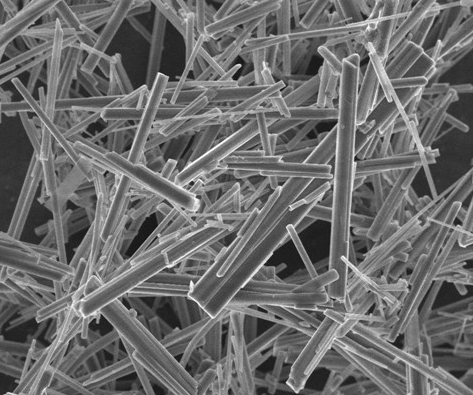
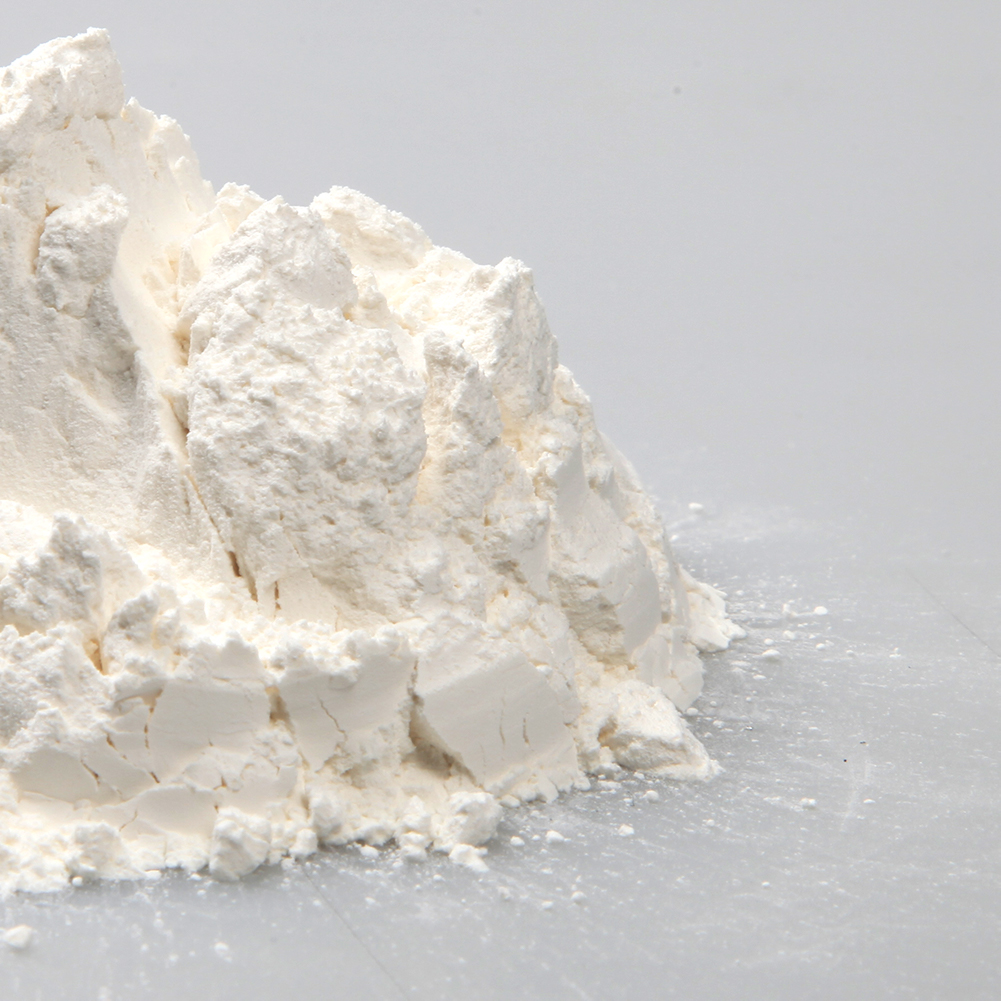
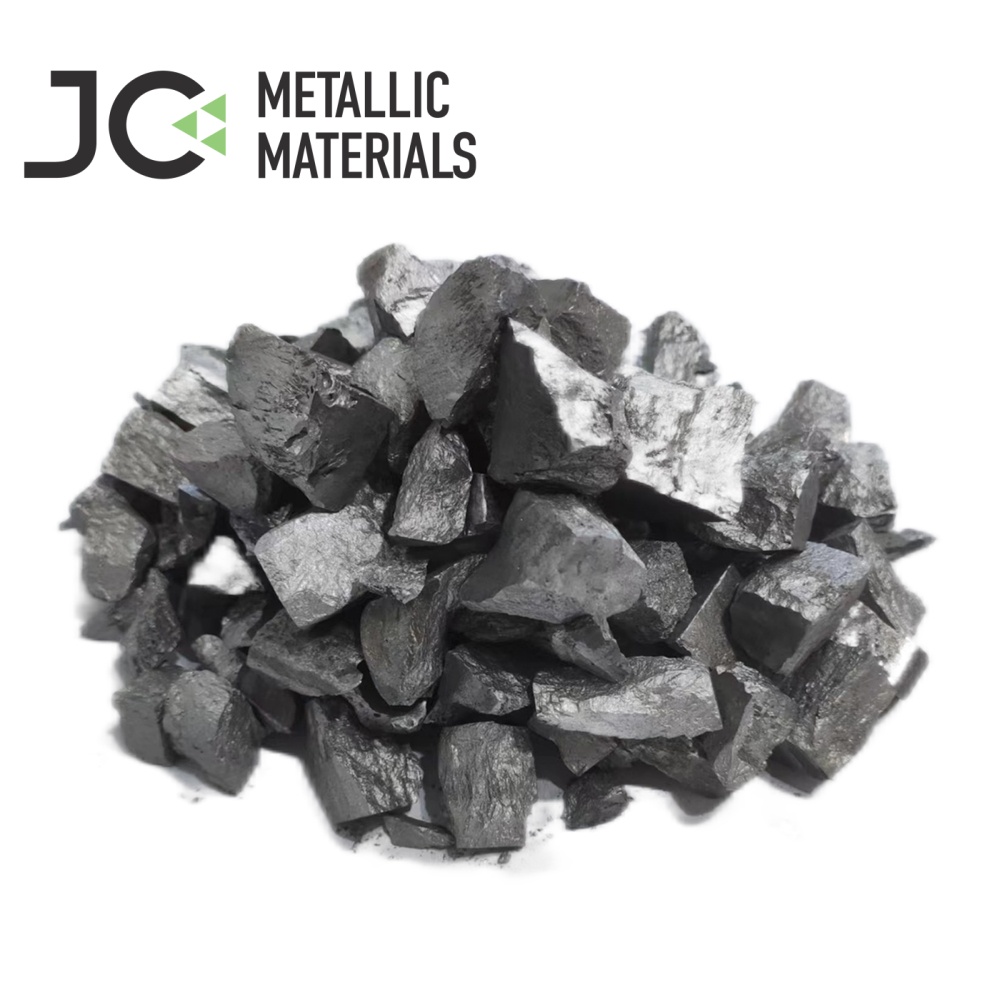
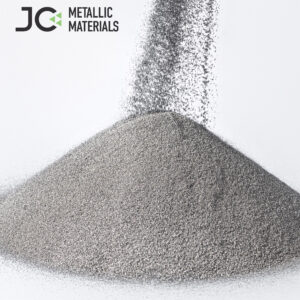
Choosing the right alloy powder manufacturer is an important decision for industrial buyers. Powder quality affects production efficiency, product performance, and overall manufacturing costs. A reliable supplier must provide more than competitive prices. They should offer consistent quality, technical support, and dependable delivery.
Different industries require different alloy powder properties. These may include particle size, chemical composition, purity, flowability, and thermal performance. The right manufacturer should understand these requirements and provide suitable solutions.
This guide explains what to look for in an alloy powder manufacturer. It covers quality control, manufacturing capabilities, customization, certifications, packaging, pricing, and supplier reliability. These factors can help buyers make better purchasing decisions.
1. Understand Your Alloy Powder Requirements
Before choosing a manufacturer, define your application requirements. Different manufacturing processes need different powder characteristics. A powder suitable for thermal spraying may not work well for additive manufacturing.
Start by identifying the alloy composition you need. Common alloy powder materials include nickel alloys, cobalt alloys, iron alloys, aluminum alloys, and copper alloys. Each material offers different mechanical and thermal properties.
Consider the manufacturing process where the powder will be used. Common applications include metal injection molding, thermal spraying, additive manufacturing, powder metallurgy, and surface coating.
You should also identify the required particle size range. Powder particles may need to be fine, medium, or coarse. The correct size depends on the application and equipment.
Other important requirements include:
- Chemical composition
- Powder purity
- Particle size distribution
- Particle shape
- Flowability
- Apparent density
- Packaging requirements
- Required monthly volume
A clear specification helps manufacturers provide accurate quotations. It also reduces the risk of receiving unsuitable material.
2. Check the Manufacturer’s Product Range
A strong alloy powder manufacturer should offer a suitable range of materials. This allows buyers to find products for different applications from one reliable supplier.
Manufacturers may produce powders based on iron, nickel, cobalt, aluminum, copper, and other alloy systems. Some suppliers also offer specialized compositions for demanding industrial environments.
A broad product range can indicate strong technical knowledge. However, product variety alone does not guarantee quality. Buyers should also check whether the manufacturer produces these materials regularly.
Ask whether the supplier can provide:
- Standard alloy powder grades
- Custom alloy compositions
- Different particle size ranges
- Fine and coarse powder options
- Research and development samples
- Bulk industrial quantities
A manufacturer with flexible product options can better support changing production requirements.
3. Evaluate Chemical Composition Control
Chemical composition is one of the most important factors in alloy powder quality. Small changes in alloy composition can affect hardness, corrosion resistance, strength, and thermal performance.
A reliable manufacturer should control the composition of every production batch. They should use suitable testing methods to verify the presence of major and minor alloying elements.
For example, nickel-based powders may contain chromium, molybdenum, iron, and other elements. The exact composition affects the powder’s performance in high-temperature and corrosive environments.
Ask the manufacturer for a chemical composition report. This report should clearly identify the material grade and measured element percentages.
Important questions include:
- Is the composition tested for every batch?
- Are raw materials carefully selected?
- Can the manufacturer meet customer-specific composition limits?
- Are test results included with shipment documents?
- How are composition variations controlled?
Consistent chemical composition helps manufacturers achieve stable production results.
4. Review Powder Manufacturing Technology
The manufacturing method directly affects powder characteristics. Different production technologies create powders with different shapes, sizes, and performance properties.
Common alloy powder production methods include gas atomization, water atomization, plasma atomization, and mechanical alloying. Each method has specific advantages.
Gas atomization can produce powders with relatively spherical particles. These powders often offer good flowability and are widely used in additive manufacturing and thermal spraying.
Water atomization may produce irregularly shaped particles. These powders are commonly used in powder metallurgy and other industrial applications.
Mechanical alloying can help produce specialized powder compositions. It is useful when manufacturers need specific material structures or properties.
When evaluating a manufacturer, ask about their production technology. You should also understand why that method is suitable for your application.
A capable manufacturer should explain:
- Which production method they use
- Why it suits your material
- How particle size is controlled
- How contamination is minimized
- How production consistency is maintained
The right manufacturing technology can improve powder performance and production reliability.
5. Examine Particle Size Distribution
Particle size distribution affects how alloy powder behaves during processing. It can influence flowability, packing density, melting behavior, and surface finish.
Buyers can also refer to ISO 4497 for metallic powder particle size testing when evaluating suitable particle-size measurement practices. This information should match your equipment and application requirements.
For example, additive manufacturing may require a carefully controlled powder size distribution. Thermal spraying may require a different range depending on the coating equipment.
Ask whether the manufacturer can provide different particle size options. Also check whether the powder is screened or classified before packaging.
Important considerations include:
- Minimum particle size
- Maximum particle size
- Average particle size
- Particle size distribution
- Oversized particle content
- Fine particle content
Consistent particle size helps maintain stable processing conditions. It also reduces production problems caused by unsuitable powder particles.
6. Check Particle Shape and Flowability
Particle shape is another important factor when selecting an alloy powder manufacturer. Powder particles may be spherical, irregular, or partially spherical.
Spherical particles often provide better flowability. They can move more easily through feeding systems and may improve powder spreading during processing.
Irregular particles may offer better packing characteristics in certain applications. However, they can sometimes create flow problems.
Flowability depends on several factors, including:
- Particle shape
- Particle size
- Surface texture
- Moisture content
- Powder composition
- Storage conditions
A reliable manufacturer should test flowability using suitable industry methods. They should also explain how their powder performs in the intended application.
Ask for technical data related to powder flow. If possible, request a sample for testing in your own equipment.
7. Verify Quality Control Procedures
Quality control is essential for consistent alloy powder production. A manufacturer should have clear procedures for inspecting raw materials, monitoring production, and testing finished powder.
Quality control should begin before manufacturing starts. Raw materials must meet the required specifications. Poor raw materials can affect the final powder’s composition and performance.
During production, manufacturers should monitor important process conditions. These may include atomization parameters, cooling conditions, powder collection, and screening.
Finished powder should also undergo testing. The exact tests depend on the material and application.
Common quality checks include:
- Chemical composition analysis
- Particle size testing
- Moisture testing
- Flowability testing
- Apparent density testing
- Morphology analysis
- Contamination testing
Ask the manufacturer how these tests are performed. A professional supplier should be able to explain its quality control system clearly.
8. Evaluate Technical Support
Technical support can be valuable when selecting and using alloy powder. A manufacturer should understand how its products perform in different applications.
A technical team can help buyers select suitable materials. They may also provide guidance on powder handling, storage, and processing.
For additive manufacturing applications, buyers can also review ISO/ASTM 52907 metal powder characterization methods for guidance on powder properties and documentation. It can help reduce trial-and-error during product development.
Ask whether the manufacturer provides:
- Material selection guidance
- Product recommendations
- Processing support
- Sample testing
- Technical documentation
- Troubleshooting assistance
A supplier that offers technical support can provide more value than a supplier focused only on price.
9. Review Certifications and Industry Standards
Certifications can provide useful information about a manufacturer’s quality management system. However, buyers should check whether the certification is relevant to their application.
Common certifications may include ISO 9001 quality management standards, which provide a recognized framework for quality management systems. Some manufacturers may also hold certifications related to environmental management or specific industrial requirements.
Ask the manufacturer for current certification documents. You should also check whether their production processes follow relevant industry standards.
Important questions include:
- Does the manufacturer have a quality management system?
- Are certifications current?
- Are testing methods documented?
- Can the manufacturer support customer audits?
- Do products meet applicable industry standards?
Certifications do not replace product testing. However, they can provide additional confidence in the supplier’s management processes.
Key Questions to Ask an Alloy Powder Manufacturer
Before placing an order, ask the manufacturer these important questions:
- What alloy powder grades do you produce?
- What manufacturing technology do you use?
- Can you provide custom alloy compositions?
- How do you control chemical composition?
- What particle size ranges are available?
- Can you provide a certificate of analysis?
- What quality tests are performed?
- What is your monthly production capacity?
- What are your standard lead times?
- Can you provide samples before bulk orders?
- How do you protect powder during shipping?
- What technical support do you offer?
The answers can help you compare manufacturers more effectively.
Common Mistakes When Choosing an Alloy Powder Manufacturer
Many buyers focus only on price when selecting a supplier. This can create problems later.
One common mistake is choosing a manufacturer without checking product specifications. A powder may look suitable but fail during production.
Another mistake is ignoring documentation. Without proper test reports, buyers may struggle to verify material quality.
Some buyers also overlook delivery reliability. A low-cost supplier may not be suitable if shipments arrive late.
Other common mistakes include:
- Ordering large quantities without samples
- Ignoring particle size requirements
- Failing to check packaging
- Not confirming custom specifications
- Choosing suppliers without technical support
- Comparing prices without considering total cost
Avoiding these mistakes can help reduce purchasing risks.
How to Compare Alloy Powder Manufacturers
A structured comparison can make supplier selection easier. Start by creating a list of potential manufacturers.
Then compare their products, capabilities, and commercial terms. Use the same requirements for every supplier.
You can create a comparison table with the following factors:
| Evaluation Factor | What to Check |
| Product Range | Available alloy grades and particle sizes |
| Quality Control | Testing procedures and batch consistency |
| Manufacturing Technology | Atomization or other production methods |
| Customization | Ability to meet specific requirements |
| Documentation | Certificates, technical data, and safety information |
| Production Capacity | Ability to support your order volume |
| Delivery | Lead times and shipping reliability |
| Hỗ trợ kỹ thuật | Product selection and troubleshooting assistance |
| Pricing | Total cost and commercial terms |
This approach helps buyers make decisions based on evidence rather than assumptions.
Why Choose Jinchun Metal for Alloy Powder Solutions?
Jinchun Metal provides alloy powder solutions for industrial applications and manufacturing requirements. We focus on consistent material quality, precise specifications, and reliable supply. Our approach combines technical understanding with customer-focused service to support different production needs.
We understand that alloy powder performance depends on chemical composition, particle size, and application requirements. Our team works with buyers to identify suitable material specifications and provide practical solutions. We aim to support customers throughout the sourcing process, from product selection to order fulfillment.
For businesses seeking a dependable alloy powder supplier, Jinchun Metal offers a professional approach to quality, communication, and long-term cooperation. We focus on building lasting partnerships through consistent products and responsive service.
Related Alloy Powder Solutions
You can explore our related alloy powder solutions to find suitable materials, specifications, and industrial options for your specific manufacturing requirements.
Why Metal Powder is Essential for Additive Manufacturing?
An Ultimate Buying Guide: How to Choose a Metal Powder Manufacturer?
Top 10 Chromium Carbide Powder Manufacturers in China
Sodium Carboxymethyl Cellulose: Properties, Uses & Supplier Buying Guide (2026)
Why Welding Powder Is Important for Industrial Welding
Why Powder Metallurgy is Transforming Modern Manufacturing
Global Demand for Chromium Carbide Powder in Heavy Industries
Titanium Carbide: Key Properties, Applications, and Buying Guide
Silicon Powder: Types, Applications and Top Suppliers in China
Overview of Silicon Powder: A Guide to their Properties, Preparation, Uses, and Challenges
Final Thought
Choosing the right alloy powder manufacturer requires careful evaluation. Buyers should consider product quality, manufacturing technology, testing, customization, and delivery reliability.
A trusted alloy powder manufacturer can become a valuable long-term partner. With the right supplier, businesses can improve production efficiency, reduce risks, and achieve more consistent results.
Frequently Asked Questions
What should I check before choosing an alloy powder manufacturer?
Check manufacturing experience, material quality, particle size control, certifications, testing capabilities, production capacity, customization options, and export experience before selecting a manufacturer.
Why is particle size important in alloy powder?
Particle size affects flowability, packing density, sintering behavior, melting performance, and final product quality. Manufacturers should provide consistent particle size distribution for reliable industrial results.
Can alloy powder manufacturers provide customized specifications?
Yes, many manufacturers offer customized alloy compositions, particle sizes, shapes, and packaging. Custom solutions help buyers meet specific production requirements and application needs.
How can I verify the quality of alloy powder?
Request material certificates, chemical composition reports, particle size analysis, and quality inspection documents. Independent laboratory testing can also confirm whether the powder meets required specifications.
What certifications should an alloy powder manufacturer have?
Look for relevant quality management and production certifications, such as ISO certification. Industry-specific standards may also apply depending on the alloy powder’s intended application.
Why is manufacturing capacity important for alloy powder buyers?
Reliable production capacity helps manufacturers maintain consistent supply and meet large-volume orders. It also reduces delays when buyers require regular shipments or long-term supply agreements.
Can alloy powder manufacturers support international buyers?
Experienced manufacturers can support international buyers through export documentation, suitable packaging, shipping coordination, and technical communication. This makes global procurement easier and more reliable.
How does technical support benefit alloy powder buyers?
Technical support helps buyers select suitable powder grades, particle sizes, and compositions. It can also improve processing results and reduce material waste during industrial production.
What packaging options are available for alloy powders?
Packaging depends on the material and application. Common options include sealed bags, drums, containers, and moisture-resistant packaging designed to protect powder quality during storage and transportation.
Why should buyers consider long-term partnerships with alloy powder manufacturers?
Long-term partnerships can provide stable supply, consistent quality, customized solutions, better communication, and improved purchasing efficiency. They are especially valuable for businesses with recurring alloy powder requirements.