 Vietnamese
 English
 French
 Japanese
 Korean
 Spanish
 Thai
 Portuguese
 German

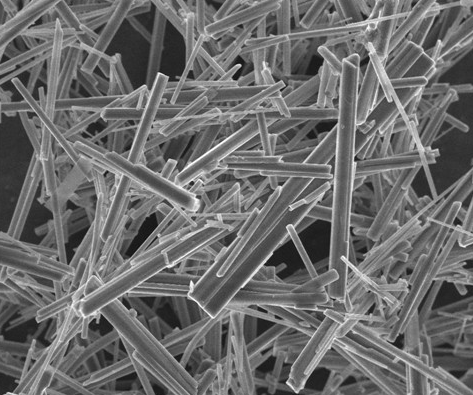
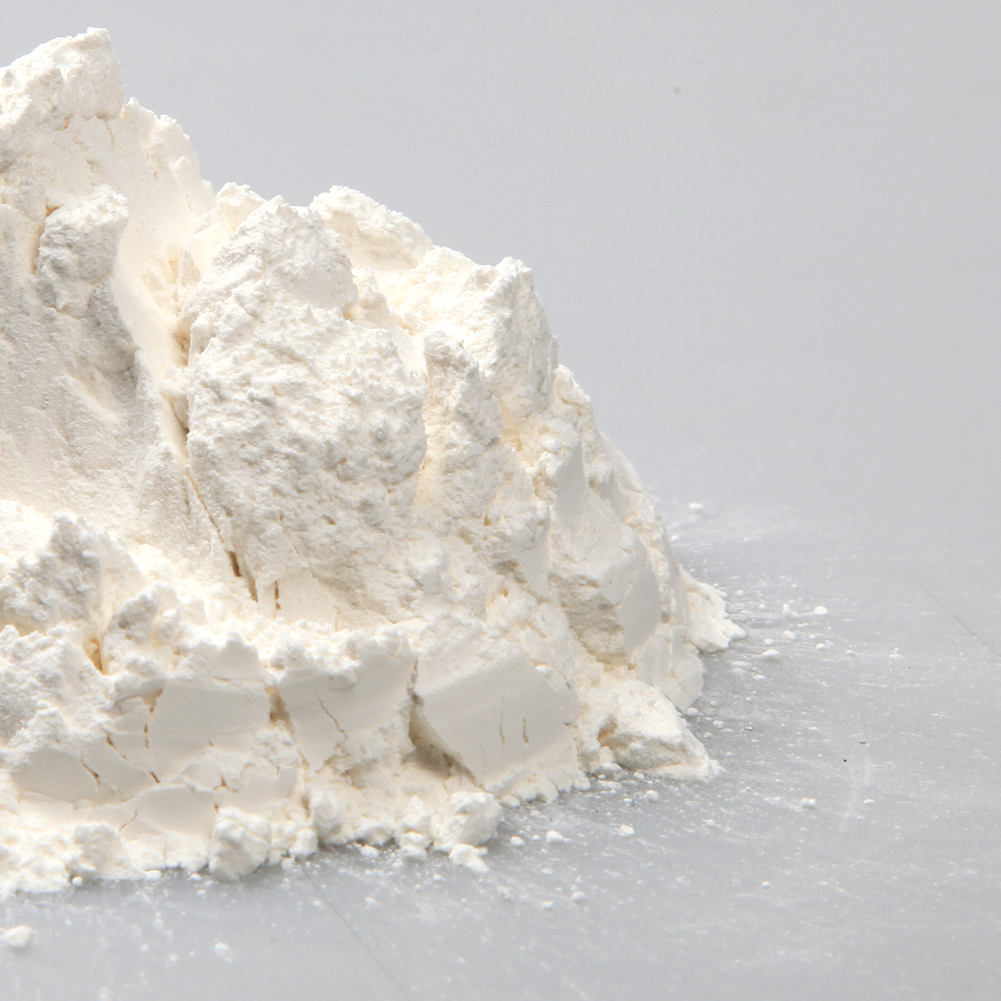
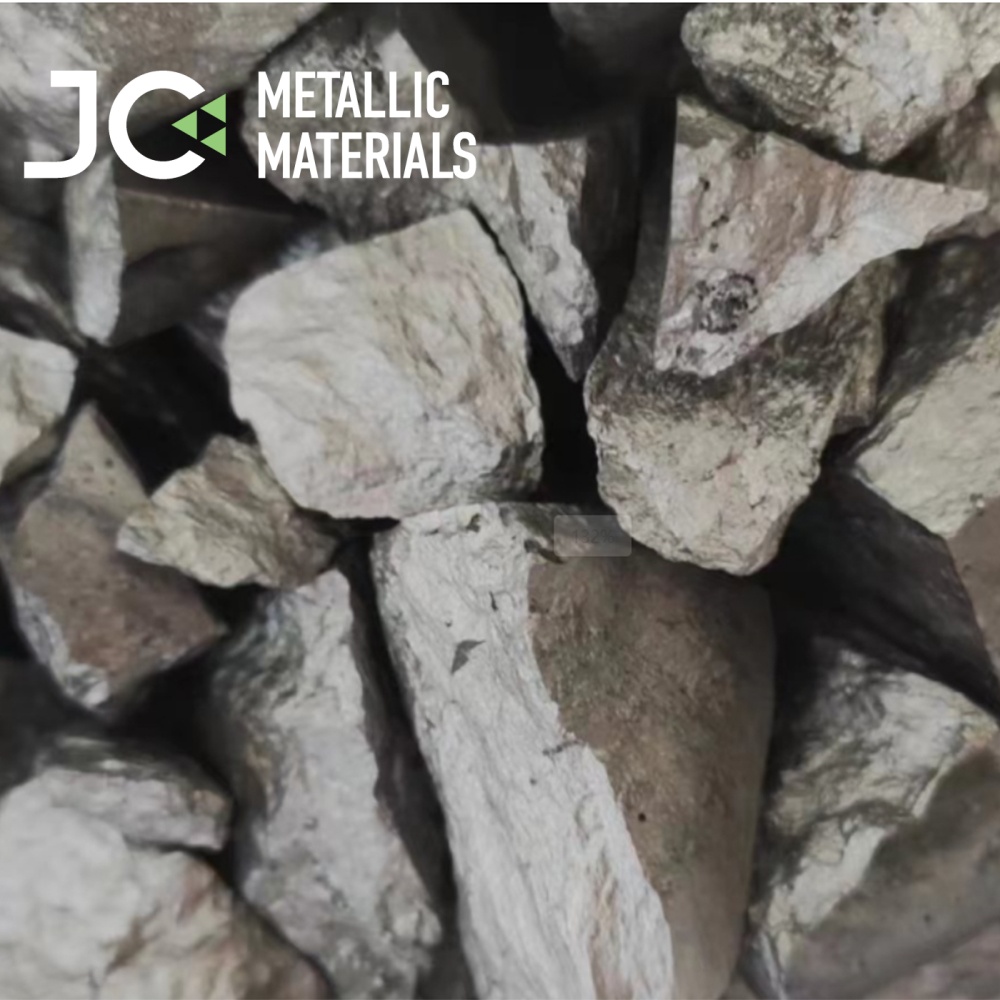
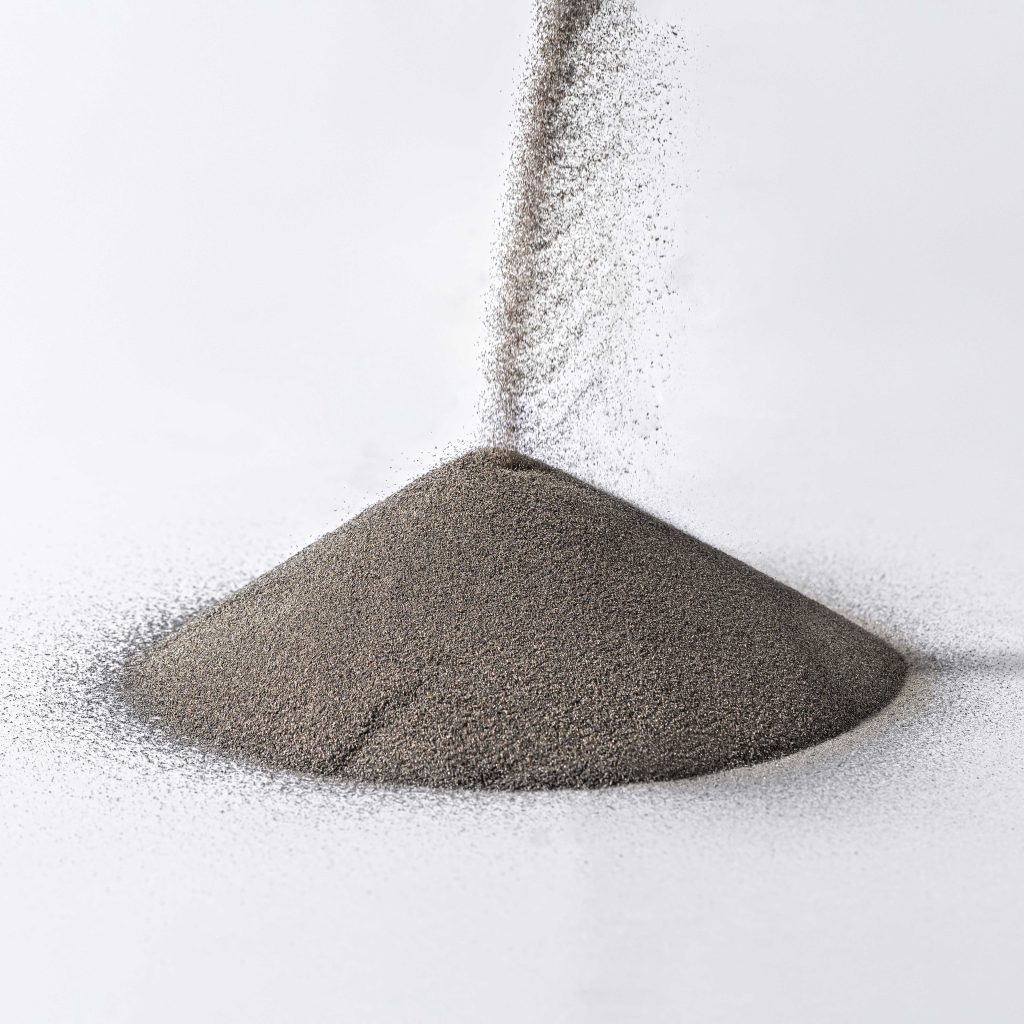
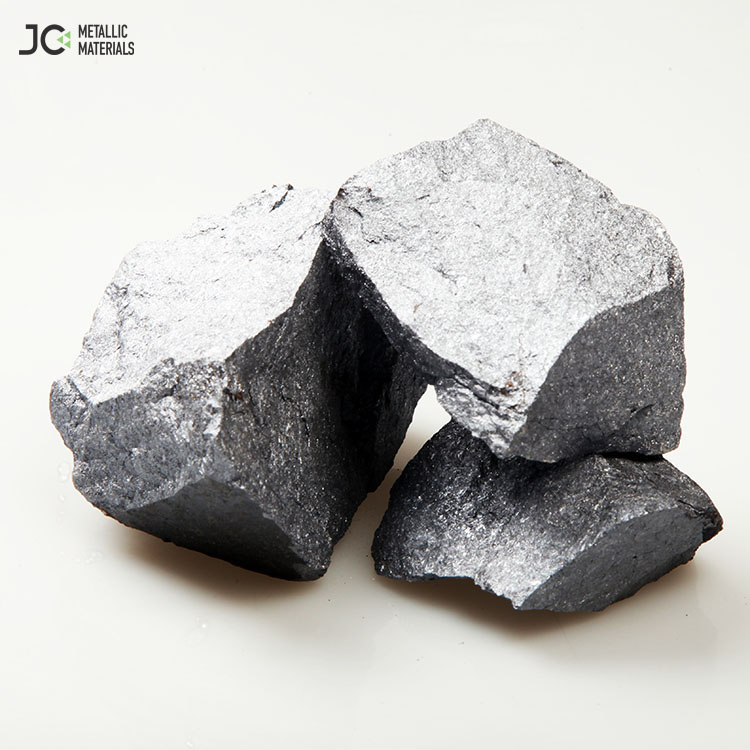
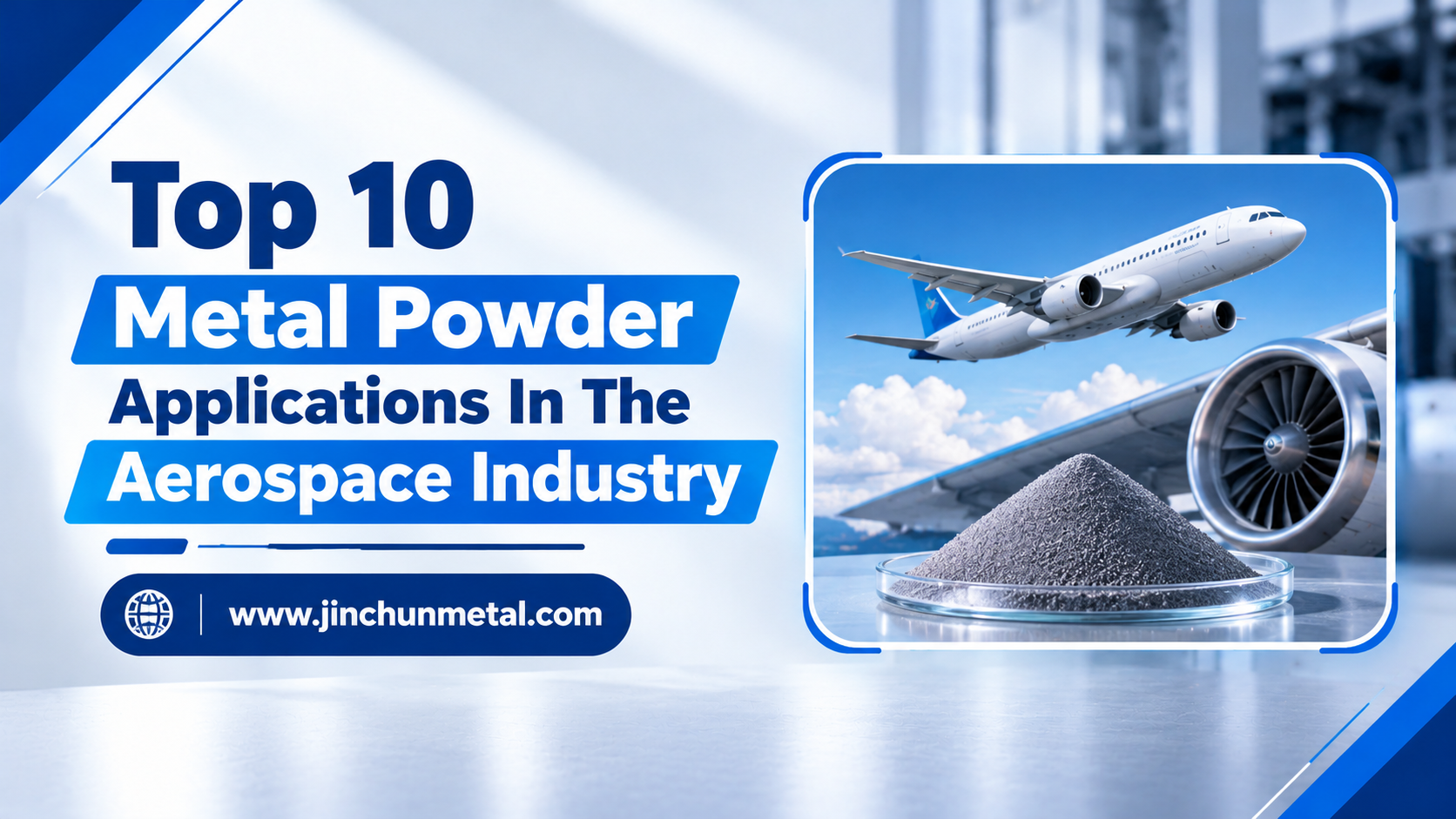
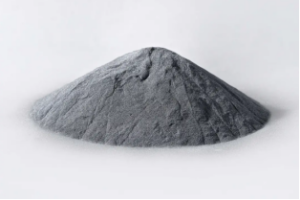
The aerospace industry requires materials that deliver high strength, low weight, thermal stability, and reliable performance under demanding operating conditions. Aircraft engines, structural components, spacecraft, and satellite systems must withstand mechanical stress, temperature fluctuations, vibration, and environmental exposure. Metal powders help manufacturers develop specialized materials and components that meet these requirements.
Unlike conventional metal processing, powder-based manufacturing offers greater control over material composition, particle characteristics, and component geometry. Depending on the alloy and manufacturing method, metal powders can support additive manufacturing, powder metallurgy, thermal spraying, metal injection molding, and other advanced production processes. These capabilities make them valuable for aerospace applications where conventional manufacturing may involve excessive material waste or complex machining operations.
This article explores the top 10 metal powder applications in the aerospace industry, including aircraft engine components, lightweight structural parts, thermal protection systems, and rocket propulsion equipment. It also explains the metal powders commonly used in these applications and the factors aerospace manufacturers should consider when selecting suitable powder materials.
Why Metal Powders Matter In Aerospace Manufacturing?
Aerospace components must meet demanding requirements for strength, weight, reliability, and dimensional accuracy. Metal powders help manufacturers produce specialized materials and geometries that may be difficult to achieve through conventional manufacturing alone.
Three characteristics make metal powders particularly valuable:
- Material flexibility: Manufacturers can select titanium, nickel, aluminum, copper, and other alloy systems for specific engineering requirements.
- Design flexibility:Powder-based processes can produce complex geometries, internal channels, and selected lightweight structures.
- Manufacturing control:Proper powder specifications help maintain consistent composition and predictable processing behavior.
However, metal powder does not automatically guarantee aerospace-quality performance. The final result depends on the alloy, manufacturing process, heat treatment, inspection, and qualification requirements.
1. Additive Manufacturing Of Aerospace Components
Additive manufacturing is a major application of metal powder in aerospace engineering. It enables manufacturers to produce complex components directly from digital designs, often reducing material waste and machining requirements.
Metal powder bed fusion builds components layer by layer and supports the production of complex geometries for specialized engineering applications.
Processes such as laser powder bed fusion (LPBF) and electron beam powder bed fusion (EB-PBF) build components layer by layer. Aerospace applications include fuel nozzles, brackets, ducts, heat exchangers, and selected engine parts with complex internal channels.
Common metal powders include:
- Titanium alloy powder:For lightweight structural components.
- Nickel-based superalloy powder: For selected high-temperature engine parts.
- Aluminum alloy powder: For lightweight components requiring reduced mass.
- Cobalt-chromium alloy powder: For specialized strength and wear resistance.
Powder particle size, flowability, chemical composition, and oxygen content affect printing quality and final component properties. Manufacturers must also control heat treatment, surface finishing, and inspection to meet aerospace performance requirements.
2. Jet Engine Turbine Blades And Vanes
Metal powders are used to manufacture selected turbine components that operate under extreme temperatures and mechanical stress. Nickel-based superalloys are particularly important because they offer high-temperature strength, oxidation resistance, and creep resistance.
Powder-based manufacturing methods can support complex component geometries and specialized material structures. However, conventional casting remains widely used for many turbine blades, depending on the component design and alloy requirements.
Common materials include:
- Nickel-based superalloy powder: For high-temperature engine components.
- Cobalt-based alloy powder: For selected hot-section and wear-resistant parts.
- Titanium alloy powder: For suitable lower-temperature engine components.
Material selection depends on operating temperature, stress levels, oxidation exposure, and manufacturing qualification. Critical turbine parts require strict inspection and process control.
3. Aircraft Structural Components And Lightweight Parts
Aircraft manufacturers use metal powder to produce lightweight structural components that help reduce overall aircraft mass. Lower component weight can improve fuel efficiency and increase payload capacity when supported by suitable aircraft design.
Titanium alloys are valuable for structural parts requiring high strength and corrosion resistance. Aluminum alloys can also be used for selected lightweight components, while other alloys serve applications with more demanding mechanical requirements.
Common metal powders include:
- Titanium alloy powder: For brackets, fittings, and structural parts.
- Aluminum alloy powder: For lightweight components with suitable strength requirements.
- Nickel-based alloy powder: For selected structures exposed to elevated temperatures.
Manufacturers evaluate strength-to-weight ratio, fatigue performance, dimensional accuracy, and material consistency. Each component must satisfy the applicable aerospace design and qualification requirements.
4. Rocket Engine Combustion Chambers And Nozzles
Rocket engines require materials that withstand high temperatures, intense heat transfer, pressure, and thermal cycling. Metal powder supports the production of selected combustion chambers, injector components, and nozzle structures with complex internal cooling channels.
Additive manufacturing can create cooling passages that are difficult to produce through conventional machining. Copper alloys are useful where thermal conductivity is essential, while nickel-based alloys suit certain high-temperature applications.
Common metal powders include:
- Copper alloy powder: For components requiring efficient heat transfer.
- Nickel-based alloy powder: For selected high-temperature structures.
- Stainless steel powder: For suitable pressure-bearing and structural components.
Powder purity, thermal properties, and processing consistency affect component reliability. Finished parts require careful inspection and testing because defects can compromise performance under extreme operating conditions.
5. Thermal Spray Coatings For Aerospace Components
Thermal spraying applies protective material layers to aerospace components to improve wear resistance, oxidation resistance, and surface durability. Metal powders are heated and propelled onto prepared surfaces, where they form a coating with application-specific properties.
The thermal spraying process uses heated or softened materials to form protective coatings that can improve wear resistance, corrosion protection, and component durability.
These coatings can protect turbine components, landing gear parts, and other surfaces exposed to demanding service conditions. The selected coating material depends on operating temperature, substrate compatibility, and the expected wear mechanism.
Common coating powders include:
- Nickel-based alloy powder: For corrosion and high-temperature protection.
- Cobalt-based alloy powder: For selected wear-resistant surfaces.
- Chromium-based alloy powder: For applications requiring surface hardness and wear resistance.
- Molybdenum powder: For specific friction and wear-control applications.
Particle size, powder composition, coating thickness, and spray parameters influence coating quality. Proper surface preparation and adhesion testing are also essential for reliable aerospace performance.
6. Aircraft Landing Gear And Wear-Resistant Parts
Landing gear components experience repeated impact, heavy mechanical loads, friction, and environmental exposure during aircraft operation. Metal powder technologies can support the manufacture or surface treatment of selected parts that require high strength and wear resistance.
Powder metallurgy and additive manufacturing are suitable for certain specialized components, while conventional forging and machining remain important for critical landing gear structures. Material choice depends on the component’s load-bearing role and qualification requirements.
Common materials include:
- Steel alloy powder: For selected high-strength components.
- Titanium alloy powder: For suitable lightweight structural parts.
- Cobalt-based alloy powder: For selected wear-resistant applications.
Manufacturers assess fatigue strength, fracture toughness, dimensional accuracy, and surface integrity. Components subjected to repeated loading require rigorous testing to reduce the risk of premature failure.
7. Aerospace Bearings And Bushings
Bearings and bushings help control friction, support movement, and reduce wear in aerospace mechanical systems. Metal powder can be processed into specialized bearing materials, including porous structures that retain lubricant or alloys designed for particular operating conditions.
Powder metallurgy offers control over material composition and porosity. However, the final material must match the required load, speed, temperature, lubrication method, and service environment.
Common powder materials include:
- Bronze powder: For selected self-lubricating bushings.
- Stainless steel powder: For suitable corrosion-resistant bearing components.
- Iron-based alloy powder: For specific structural and wear-related applications.
- Copper-based powder: For components requiring suitable friction and thermal properties.
Porosity, hardness, dimensional stability, and wear resistance affect service performance. Aerospace applications require material testing and component qualification appropriate to the intended operating conditions.
8. Satellite Components And Spacecraft Hardware
Satellites and spacecraft use metal components that must remain reliable under launch loads, vibration, temperature changes, and demanding space conditions. Metal powder supports the production of selected brackets, housings, mounting structures, and specialized
thermal-management components.
Additive manufacturing is particularly useful when designers need complex geometries or lightweight structures. Titanium and aluminum alloys can reduce mass, while selected copper alloys support thermal-management applications.
Common metal powders include:
- Titanium alloy powder: For lightweight, high-strength spacecraft structures.
- Aluminum alloy powder: For selected lightweight housings and brackets.
- Copper alloy powder: For components requiring efficient heat transfer.
- Stainless steel powder: For suitable structural and equipment parts.
Manufacturers must consider vibration resistance, dimensional stability, thermal expansion, and material compatibility. Qualification may also include environmental testing to confirm that components meet mission-specific requirements.
9. Aerospace Electrical Contacts And Conductive Components
Metal powders are used in selected electrical contacts, conductive components, and specialized electronic hardware for aerospace systems. These materials must provide suitable electrical conductivity, contact reliability, and resistance to oxidation or wear.
Powder metallurgy can produce controlled material compositions and specialized contact structures. The best material depends on current load, operating temperature, contact pressure, and the electrical system’s design requirements.
Common metal powders include:
- Copper powder: For conductive components and electrical contact materials.
- Silver powder: For applications requiring high electrical conductivity.
- Tungsten-based powder: For specialized contacts exposed to demanding electrical conditions.
- Nickel powder: For selected conductive alloys and electronic components.
Electrical conductivity, contact resistance, hardness, and oxidation behavior influence performance. Aerospace manufacturers also evaluate thermal stability and durability to ensure reliable operation under expected service conditions.
10. Aircraft Repair And Surface Restoration
Metal powder supports selected aerospace repair and surface restoration processes. Thermal spraying and laser-based deposition can rebuild worn surfaces, restore component dimensions, or apply protective coatings without replacing every affected part.
The suitability of a repair method depends on the component’s material, damage type, service history, and approved maintenance procedures. Not every aerospace component can be repaired using powder-based techniques.
Common metal powders include:
- Nickel-based alloy powder:For selected high-temperature and corrosion-resistant repairs.
- Cobalt-based alloy powder:For suitable wear-resistant surface restoration.
- Stainless steel powder:For specific corrosion-resistant repairs.
- Titanium alloy powder: For qualified applications involving compatible titanium components.
Successful restoration depends on powder compatibility, deposition parameters, bonding quality, and dimensional control. Repaired components must undergo the required inspection and testing before returning to service.
How To Choose Metal Powder For Aerospace Applications
Selecting metal powder requires a clear understanding of the component’s function, manufacturing process, and performance requirements. Buyers should evaluate the following factors before requesting a quotation.
1. Define The Component’s Operating Conditions
Identify the expected temperature, mechanical loading, corrosion exposure, friction, and service environment. These requirements help narrow the choice of alloy and determine which material properties matter most.
2. Match The Alloy To The Application
Different aerospace applications require different material characteristics. Titanium alloys are useful for selected lightweight structures, nickel-based superalloys serve demanding high-temperature environments, and copper alloys support applications requiring efficient heat transfer.
Do not select an alloy solely because it is commonly used in aerospace. Confirm that its properties match the actual component requirements.
3. Confirm Manufacturing Process Compatibility
Specify whether the powder will be used for laser powder bed fusion, electron beam processing, powder metallurgy, thermal spraying, or another qualified process.
Particle size, morphology, apparent density, flowability, and other requirements may differ substantially between processes. A supplier should confirm that the offered powder is suitable for the intended manufacturing method.
4. Request Technical Data And Test Reports
Review the powder specification before placing an order. Depending on the application, useful documents may include:
- Chemical composition and impurity analysis.
- Particle size distribution.
- Powder morphology and flowability data.
- Batch-specific certificate of analysis.
- Relevant handling and storage instructions.
Additional tests or qualification documents may be necessary for safety-critical aerospace components.
5. Evaluate Batch Consistency And Supply Capability
Consistent powder quality is important for repeatable manufacturing results. Buyers should ask about production controls, batch traceability, packaging, storage conditions, and the supplier’s ability to meet recurring volume requirements.
For development projects, consider requesting a sample for evaluation before committing to larger quantities.
6. Compare Total Cost Rather Than Price Alone
Metal powder costs depend on alloy composition, production method, particle size, purity, testing, and order quantity. A lower-priced material may not be economical if it causes processing problems or fails to meet the required specification.
Compare quotations against the same technical requirements. Confirm material grade, particle size range, documentation, packaging, and delivery conditions before making a purchasing decision.
Challenges In Aerospace Metal Powder Manufacturing
Although metal powder enables advanced manufacturing techniques, aerospace applications also involve technical and commercial challenges.
- Strict quality requirements:Critical components require careful material control and process validation.
- High material costs:Specialized alloys and narrow particle size specifications can increase procurement costs.
- Process sensitivity: Powder condition, equipment parameters, and post-processing influence final component quality.
- Qualification requirements: New materials and manufacturing routes may require extensive testing before approval.
- Storage and handling: Moisture, contamination, and unsuitable handling can compromise powder characteristics.
Manufacturers and buyers can reduce these risks by defining clear specifications, reviewing supplier documentation, and validating materials before production.
Future Developments In Aerospace Metal Powder Applications
Aerospace metal powder technology continues to develop alongside additive manufacturing, materials engineering, and digital production systems. Research focuses on improving process consistency, expanding qualified alloy options, and producing components with more efficient geometries.
Several developments are particularly relevant:
- More complex component designs:Improved additive manufacturing capabilities support internal passages and optimized geometries.
- Better process monitoring:In-process monitoring can help manufacturers detect irregularities and improve production control.
- Advanced alloy development: New alloy formulations aim to address specific combinations of strength, temperature resistance, and weight.
- Powder reuse management:Controlled reuse procedures can help reduce material waste where the process and qualification requirements permit it.
- Improved material traceability: Digital records can strengthen control over powder batches, processing history, and inspection results.
These developments do not eliminate the need for testing and qualification. Aerospace adoption still depends on demonstrated component performance and compliance with applicable engineering requirements.
Related Metal Powder Guides
Explore these related guides to learn more about metal powder manufacturing processes, material selection, and industrial applications. These resources can help buyers understand powder characteristics and choose suitable materials for their specific production requirements.
Top 10 Metal Powder Manufacturers in China
How To Select Ferro Chrome Powder?
Ferro Vanadium VS Ferro Niobium: 7 Key Differences
10 Questions Every Buyer Should Ask Before Choosing a Metal Powder Supplier
What to Look for in an Alloy Powder Manufacturer
Price of Silicon Metal: Market Factors and Global Supply Insights
Chromium Carbide Price: What Drives Global Market Value?
Choosing the Right Nickel Powder for Welding Consumables: A Complete Buyer’s Guide
Chromium Oxide Powder Selection Guide for Industrial Buyers
Mesh Magnesium Powder: Particle Size Selection, Industrial Applications, and Buying Guide
Final Thoughts
Metal powder supports a wide range of aerospace applications, including additive manufacturing, engine components, spacecraft structures, protective coatings, electrical contacts, and specialized repair processes. The right material depends on the component’s operating environment, manufacturing method, and required mechanical or thermal properties.
For buyers, successful sourcing begins with clear technical specifications and reliable documentation. Particle size, chemical composition, powder morphology, batch consistency, and traceability should all be evaluated before production.
Chengdu Jinchun Metallic Materials Co., Ltd. supplies metal materials for industrial applications. Visit Jinchun Metal to explore available materials and discuss your metal powder requirements with the team.
Frequently Asked Questions
What Are The Main Applications Of Metal Powder In Aerospace?
Metal powder is used in aerospace additive manufacturing, engine components, lightweight structures, rocket propulsion systems, protective coatings, electrical contacts, and specialized component repair.
Which Metal Powders Are Commonly Used In Aerospace Manufacturing?
Common materials include titanium alloys, nickel-based superalloys, aluminum alloys, stainless steel, copper alloys, and cobalt-based alloys. Selection depends on application requirements.
Why Is Titanium Alloy Powder Used In Aerospace?
Titanium alloy powder offers a high strength-to-weight ratio and good corrosion resistance. It is used in selected aircraft structures, brackets, fittings, and spacecraft components.
How Is Metal Powder Used In Aerospace Additive Manufacturing?
Metal powder is processed layer by layer using technologies such as laser powder bed fusion. This method produces selected components with complex geometries and internal features.
Which Metal Powders Are Suitable For High-Temperature Aerospace Applications?
Nickel-based superalloys are widely used for selected high-temperature applications because they retain useful mechanical properties under demanding thermal conditions.
How Does Metal Powder Improve Aerospace Component Design?
Powder-based manufacturing can produce complex geometries, internal channels, and optimized structures. These capabilities may reduce material waste and component weight when properly engineered.
What Powder Properties Matter Most For Aerospace Applications?
Important properties include chemical composition, particle size distribution, morphology, flowability, oxygen content, and moisture control. Requirements vary by manufacturing process and alloy.
Can Metal Powder Be Used To Repair Aerospace Components?
Yes. Qualified thermal spraying and laser-based deposition processes can restore selected surfaces or dimensions. Suitability depends on component design, damage, and approved maintenance procedures.
How Should Buyers Evaluate Aerospace Metal Powder Suppliers?
Buyers should assess alloy specifications, batch consistency, chemical analysis, particle size data, traceability, packaging, and relevant quality documentation before placing an order.
Why Is Metal Powder Quality Important In Aerospace Manufacturing?
Powder quality influences processing stability, defect formation, and final component properties. Consistent materials and appropriate process qualification help manufacturers meet demanding aerospace performance requirements.