 Spanish
  English
  French
  Japanese
  Korean
  Vietnamese
  Thai
Thai  Portuguese
  German
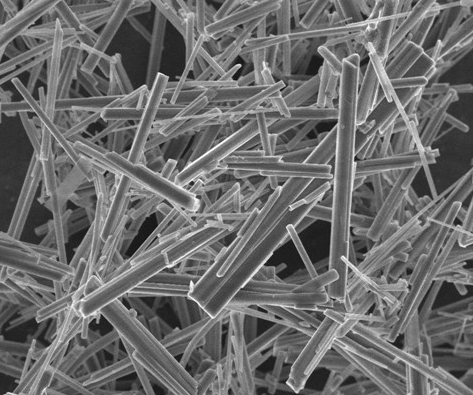
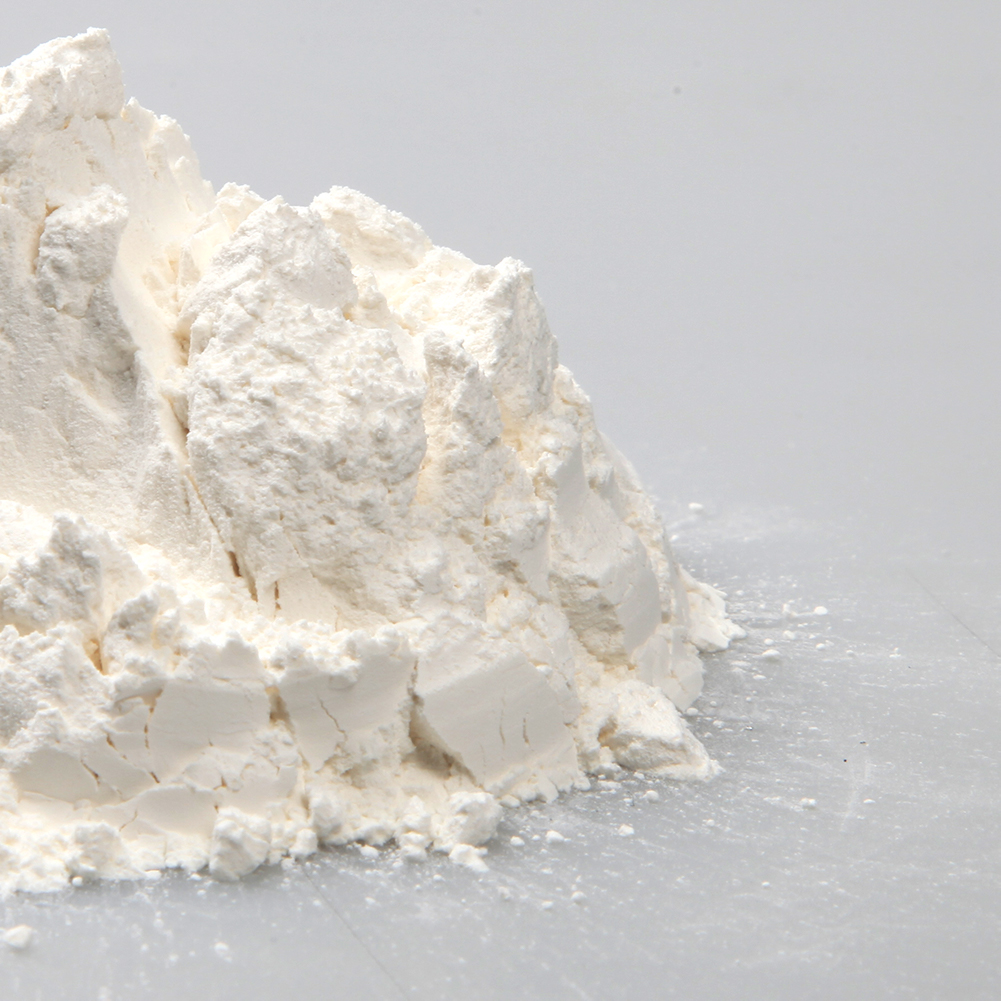
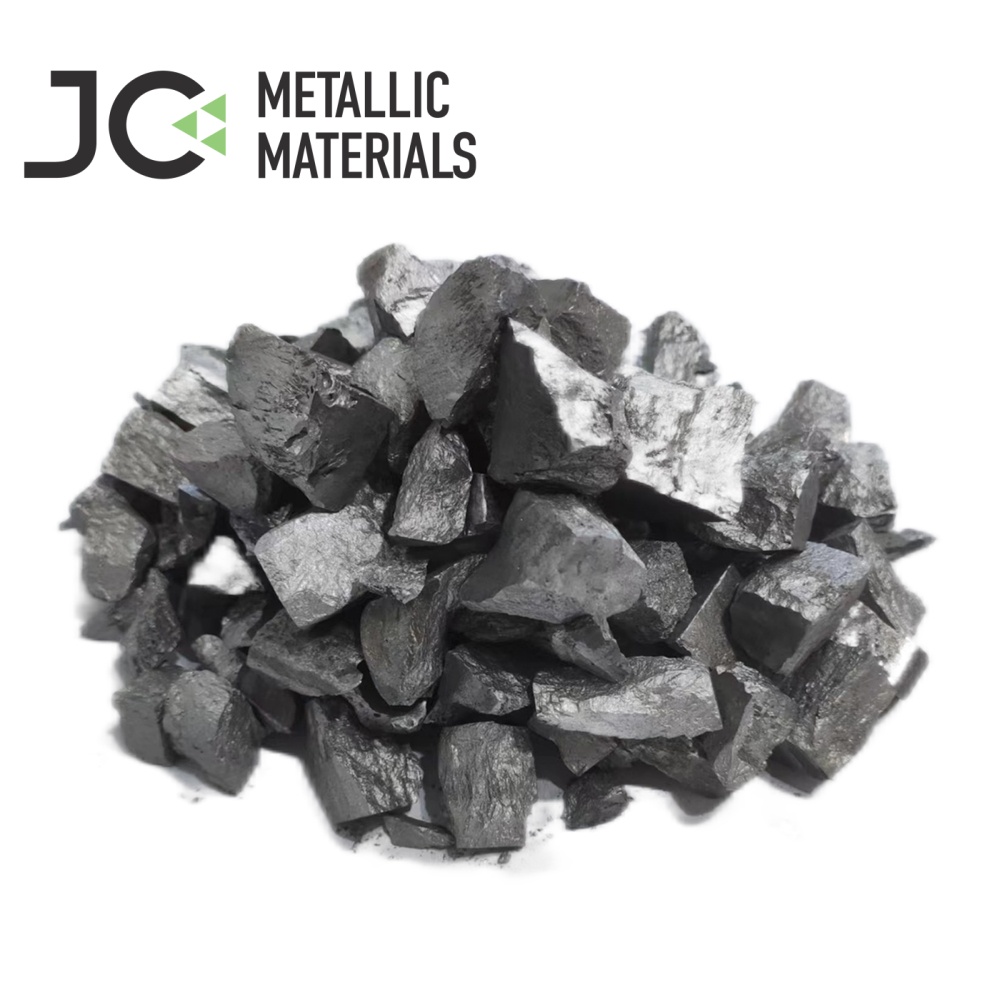
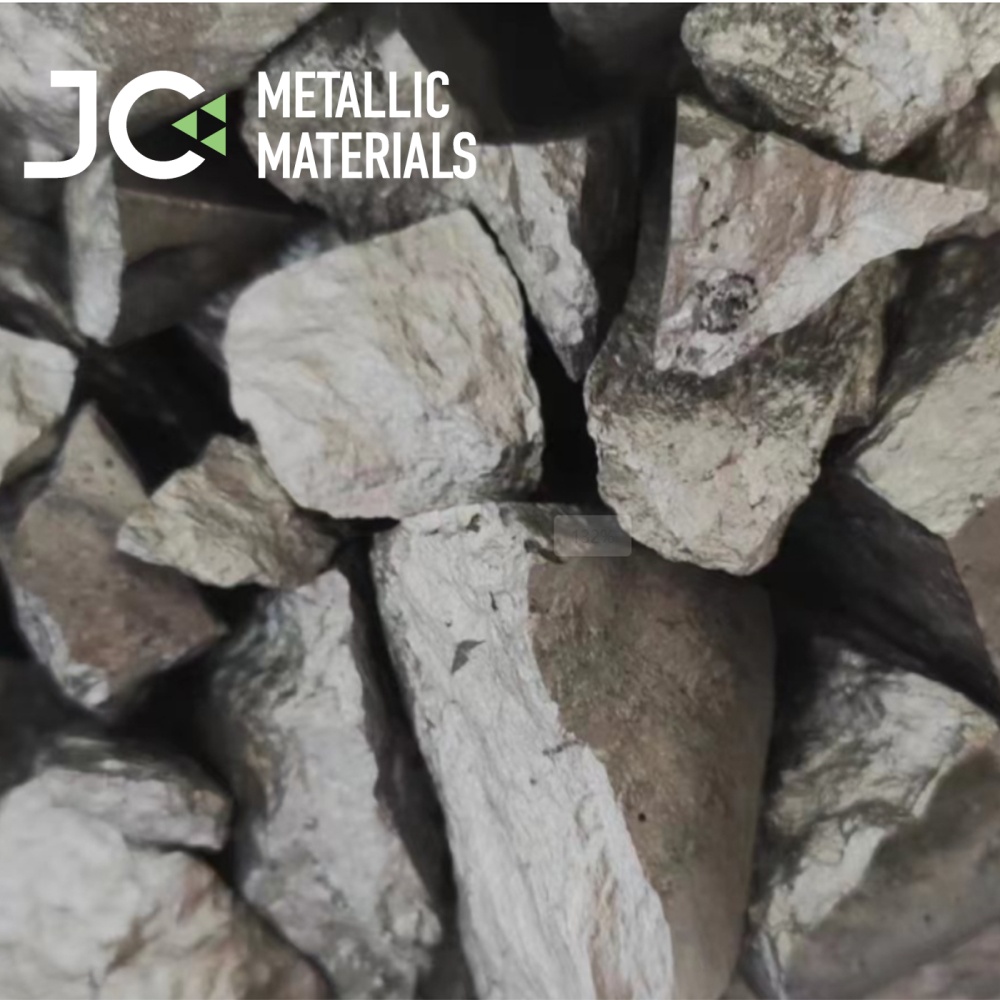
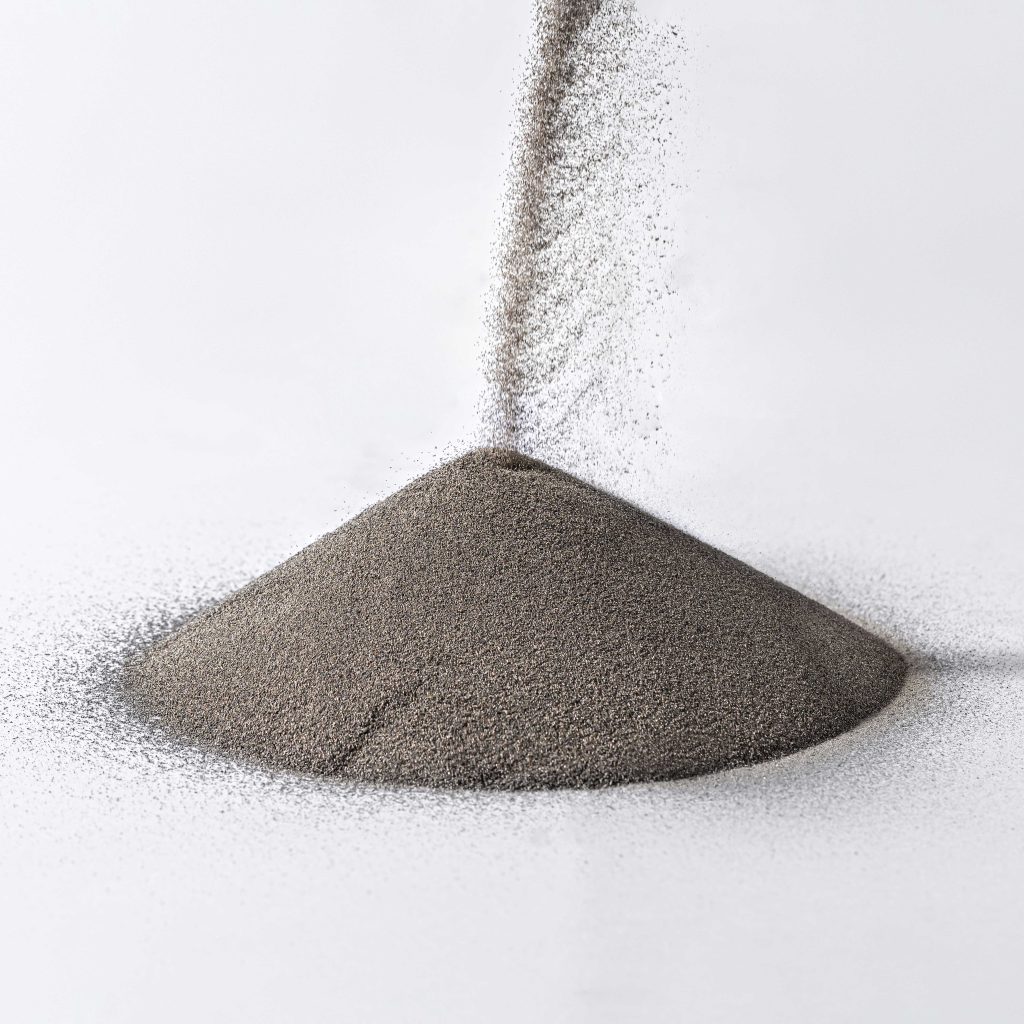
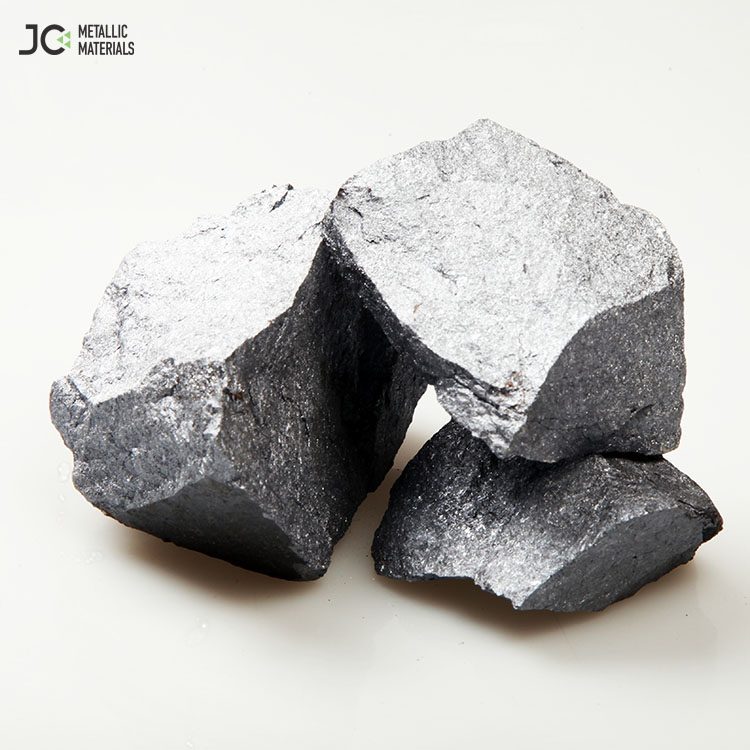
Rare earth fluoride is an important class of advanced inorganic materials used in high performance engineering applications. These compounds combine the unique characteristics of rare earth elements with the chemical and structural properties of fluoride materials.
Their low phonon energy, optical behavior, chemical stability, and tunable composition make them valuable for specialized applications. These include laser materials, optical components, phosphors, advanced ceramics, sensors, and photonic technologies.
As industries demand materials with higher purity and more predictable performance, rare earth fluoride is gaining greater attention in advanced material engineering. Selecting the correct composition, purity, particle size, and processing characteristics is essential for achieving consistent results.
What Is Rare Earth Fluoride?
Rare earth fluoride refers to fluoride compounds containing rare earth elements such as lanthanum, cerium, neodymium, samarium, europium, gadolinium, terbium, dysprosium, erbium, ytterbium, and yttrium.
Rare earth elements have distinct chemical and physical characteristics that influence the behavior of their fluoride compounds.
These materials can exist in different crystal structures and compositions. Their properties depend on the selected rare earth element, fluoride chemistry, crystal structure, particle characteristics, and manufacturing process.
Earth fluorides may be supplied as powders, crystalline materials, nanoparticles, or specially processed compounds. Each form can serve different engineering requirements.
For industrial applications, material selection should therefore begin with the specific performance requirements of the final product.
Why Is Rare Earth Fluoride Important in Material Engineering?
Advanced engineering applications often require materials that provide controlled optical, thermal, chemical, and physical properties.
Earth fluoride can meet several of these requirements because its properties can be modified through composition and controlled processing.
Low Phonon Energy
- Many earth fluoride hosts have relatively low phonon energy.
- This characteristic is important for optical materials because it can help reduce nonradiative energy losses.
- This makes fluoride based host materials attractive for certain luminescent and laser applications.
Optical Performance
- The electronic characteristics of rare earth elements play an important role in their optical and functional behavior.
- Rare earth ions can produce characteristic electronic transitions when incorporated into suitable fluoride hosts.
- This behavior allows engineers to develop materials with specific absorption and emission characteristics.
Chemical Stability
- Selected rare fluorides offer useful chemical stability under appropriate operating conditions.
- This can support applications where material durability is important.
High Purity Potential
- High purity is especially important in optical and electronic applications.
- Trace impurities can influence luminescence, absorption, conductivity, and other performance characteristics.
Key Properties of Rare Earth Fluoride
Earth fluoride offers a combination of optical, chemical, thermal, and physical properties that make it valuable for advanced material engineering. These characteristics vary according to composition, purity, crystal structure, and particle characteristics.
| Property | Importance in Engineering | Selection Consideration |
| Chemical purity | Supports consistent performance | Impurity limits |
| Composition | Determines functional properties | Rare earth element |
| Crystal structure | Influences optical and physical behavior | Required phase |
| Particle size | Affects processing and dispersion | Average size and distribution |
| Morphology | Influences powder behavior | Particle shape |
| Thermal stability | Supports demanding environments | Processing temperature |
| Chemical stability | Supports service reliability | Operating environment |
| Moisture content | Influences storage and processing | Packaging requirements |
Understanding these properties helps industrial buyers select suitable earth fluoride grades. Evaluating purity, structure, particle characteristics, and application requirements together can improve processing consistency and final material performance.
Chemical composition and molecular characteristics should be reviewed carefully when evaluating fluoride based materials for specialized applications.
Rare Earth Fluoride in Optical Material Engineering
Optical engineering is one of the most important application areas for rare fluoride materials.
Rare earth ions can provide specific optical transitions. When incorporated into suitable fluoride hosts, they can generate controlled luminescence and energy transfer behavior.
This makes earth fluoride useful in the development of:
- Optical components
- Laser materials
- Photonic devices
- Optical sensors
- Luminescent materials
- Specialty glass and ceramics
- Infrared optical systems
Advanced materials research continues to support the development of specialized materials for demanding optical, thermal, and engineering environments.
The selected host material and rare earth dopant can significantly influence the final optical response.
Why Purity Matters for Rare Earth Fluoride
Rare earth fluoride purity directly affects material performance in advanced engineering applications. Low impurity levels help maintain predictable optical, chemical, thermal, and physical properties during demanding manufacturing processes.
For industrial buyers, purity should match the application requirements. Optical and laser materials often require tighter impurity control because trace contaminants can influence emission, absorption, and overall performance.
- Optical Performance:High purity supports consistent light transmission and emission characteristics.
- Impurity Control: Lower contamination helps prevent unwanted chemical and optical effects.
- Material Consistency: Stable purity supports predictable performance across production batches.
- Laser Applications:Controlled impurities can help maintain efficient optical transitions and energy transfer.
- Thermal Behavior:Purity can influence material stability during high temperature processing.
- Production Reliability: Consistent high purity reduces variations during large scale manufacturing.
Selecting the right purity grade helps manufacturers achieve reliable results and minimize performance variations. Buyers should always review impurity specifications, testing data, and certificates before purchasing earth fluoride.
How to Choose the Right Rare Earth Fluoride
Choosing the right earth fluoride requires careful evaluation of composition, purity, particle size, crystal structure, and application requirements. A suitable grade can improve processing consistency and final material performance.
1: Define the Application
Start by identifying the final application and required performance. Laser materials, ceramics, phosphors, optical components, and sensors may require different earth fluoride specifications.
2: Select the Rare Earth Element
Determine the appropriate rare earth element based on the desired optical, chemical, or physical properties. Different elements provide different characteristics, making composition selection important for achieving targeted performance.
3: Set Purity Requirements
Establish the required purity level according to application sensitivity. High performance optical and laser applications may require stricter impurity limits to maintain consistent emission, absorption, and overall material performance.
4: Specify Particle Characteristics
Evaluate particle size, particle size distribution, morphology, and surface characteristics. These properties influence powder dispersion, mixing, reaction behavior, sintering, and processing consistency across different manufacturing applications.
5: Confirm Crystal Structure
Check whether the material provides the required crystal phase and structural characteristics. Crystal structure can influence optical behavior, thermal stability, chemical performance, and suitability for specific engineering applications.
6: Review Quality Documentation
Request a Certificate of Analysis and relevant testing data from the supplier. Documentation should confirm chemical composition, purity, impurities, particle characteristics, and other agreed technical specifications.
7: Evaluate Supplier Consistency
Assess the supplier’s manufacturing capabilities, quality control procedures, batch consistency, packaging, and technical support. Reliable supply and stable material quality are essential for continuous industrial production.
Common Challenges When Using Rare Earth Fluoride
Rare earth fluoride offers valuable properties, but manufacturers may face processing and quality challenges. Proper material selection, handling, storage, and quality control are important for achieving consistent results.
These challenges can become more noticeable in high performance applications where small variations may affect material behavior. Understanding common issues helps buyers select suitable grades and improve production reliability.
- Powder Agglomeration:Fine earth fluoride particles may form agglomerates, affecting dispersion, mixing, and processing uniformity.
- Moisture Exposure:Improper storage can introduce moisture, potentially changing powder characteristics and reducing handling consistency.
- Impurity Control:Trace contaminants may influence optical, chemical, thermal, or physical performance in sensitive applications.
- Particle Variation: Inconsistent particle size distribution can create differences in mixing, reaction, and sintering behavior.
- Batch Consistency: Variations between production batches may affect final product quality and manufacturing performance.
- Processing Conditions:Incorrect temperature, mixing, or heat treatment conditions can influence material structure and performance.
Proper quality control can minimize these challenges during production and storage. Buyers should evaluate supplier testing, packaging, manufacturing consistency, and technical specifications before selecting rare earth fluoride for industrial applications.
Rare Earth Fluoride vs Conventional Fluoride Materials
Rare fluoride and conventional fluoride materials can serve different engineering purposes. Their differences in composition, optical behavior, functional properties, and application potential make material selection important for specific industrial requirements.
| Factor | Rare Earth Fluoride | Conventional Fluoride |
| Composition | Contains rare earth elements | Generally lacks rare earth ions |
| Optical behavior | Can provide specialized luminescence | More limited depending on material |
| Doping potential | Suitable for rare earth ion systems | Depends on composition |
| Advanced applications | Strong potential | Application dependent |
| Material cost | Often higher | May be lower |
| Engineering focus | Optical and functional performance | Chemical and general material properties |
The better material depends on the intended application and performance requirements. Earth fluoride is generally preferred for specialized applications, while conventional fluorides may offer practical solutions for broader industrial uses.
Emerging Trends in Rare Earth Fluoride Technology
Rare earth fluoride is expected to gain importance as advanced industries demand materials with improved optical, thermal, chemical, and functional performance. Research is focusing on more efficient and application specific material systems.
Emerging manufacturing technologies are also improving particle control, purity, morphology, and material consistency. These developments can support new applications across photonics, lasers, ceramics, sensing, and other high performance technologies.
- Advanced Optical Materials:Development of improved fluoride materials can support more efficient optical and photonic systems.
- Nanostructured Materials: Nanoscale earth fluoride may provide enhanced surface properties and controlled optical performance.
- Laser Technology:Research may improve fluoride based materials for advanced laser and infrared applications.
- High Purity Grades:Better purification technologies can produce materials with lower impurity levels for sensitive applications.
- Advanced Ceramics: Improved powder characteristics may support stronger and more reliable specialized ceramic materials.
- Smart Material Systems:Earth fluoride may contribute to emerging sensors, photonic devices, and other functional material technologies.
Future progress will depend on improved synthesis methods, precise composition control, and better powder engineering. These advances can expand earth fluoride applications while improving performance, consistency, and manufacturing efficiency.
Related Advanced Material Solutions
Explore our advanced material solutions for high purity powders, specialized fluoride compounds, and other materials used in demanding industrial applications.
Sodium Carboxymethyl Cellulose: Properties, Uses & Supplier Buying Guide (2026)
Carboxymethyl Cellulose Powder: Uses, Benefits & Industry Applications Explained
Chromium Metal Powder: Properties, Applications & How to Choose the Right Supplier
Calcium Alginate: Manufacturing Process, Uses & Supplier Selection Guide
Calcium Alginate vs Silver Alginate: 7 Key Differences You Should Know
What Is Sodium Alginate? Applications, Properties & Industrial Uses Guide (2026)
China’s Role in Supplying Sodium Alginate Powder to Global Industries
Why Refractory Alloys Are Important for Extreme Heat Environments
What Are Refractory Metals? Properties and Industrial Applications
Top 7 Molybdenum Powder Manufacturers in China
Final Thought
Rare earth fluoride provides valuable optical, chemical, and thermal properties for advanced material engineering. Its controlled composition and high purity make it suitable for demanding applications where material consistency and performance are essential.
With proper particle size, crystal structure, and quality control, rare earth fluoride can support reliable results in lasers, ceramics, phosphors, sensors, and other high performance industrial technologies.
Preguntas frecuentes
Q1: What is rare earth fluoride used for?
Answer: Rare earth fluoride is used in advanced optical materials, laser systems, phosphors, ceramics, sensors, photonic devices, and other specialized engineering applications requiring controlled optical or physical properties.
Q2: Why is high purity important for rare earth fluoride?
Answer: High purity helps reduce unwanted effects caused by trace impurities. This is especially important for optical, laser, photonic, and other applications where small chemical variations can influence material performance.
Q3: Which properties should buyers evaluate?
Answer: Buyers should evaluate chemical purity, composition, crystal phase, particle size, particle distribution, morphology, moisture content, thermal behavior, packaging, and batch consistency.
Q4: Can rare earth fluoride be used in laser materials?
Answer: Yes, Selected earth fluoride compositions can serve as host materials or components in specialized laser systems. The appropriate material depends on the active rare earth ion and required emission characteristics.
Q5: Why does particle size matter?
Answer: Particle size affects powder mixing, dispersion, surface area, reaction behavior, sintering, and agglomeration. The ideal particle size depends on the intended manufacturing process and final application.
Q6: How should rare earth fluoride be stored?
Answer: Rare fluoride powder should generally be stored in clean, sealed packaging under suitable environmental conditions. Protection from moisture and contamination is important for maintaining consistent powder quality.
Q7: Is rare earth fluoride suitable for advanced ceramics?
Answer: Yes, Selected rare fluoride materials can be used in specialized ceramic formulations, additives, or precursor systems. Particle characteristics and thermal behavior should be evaluated before production.
Q8: How can buyers verify material quality?
Answer: Buyers can request a Certificate of Analysis and relevant test data covering chemical composition, impurities, particle size, moisture, crystal phase, and other application specific requirements.