 Japanese
  English
  French
  Korean
  Spanish
  Vietnamese
  Thai
Thai  Portuguese
  German
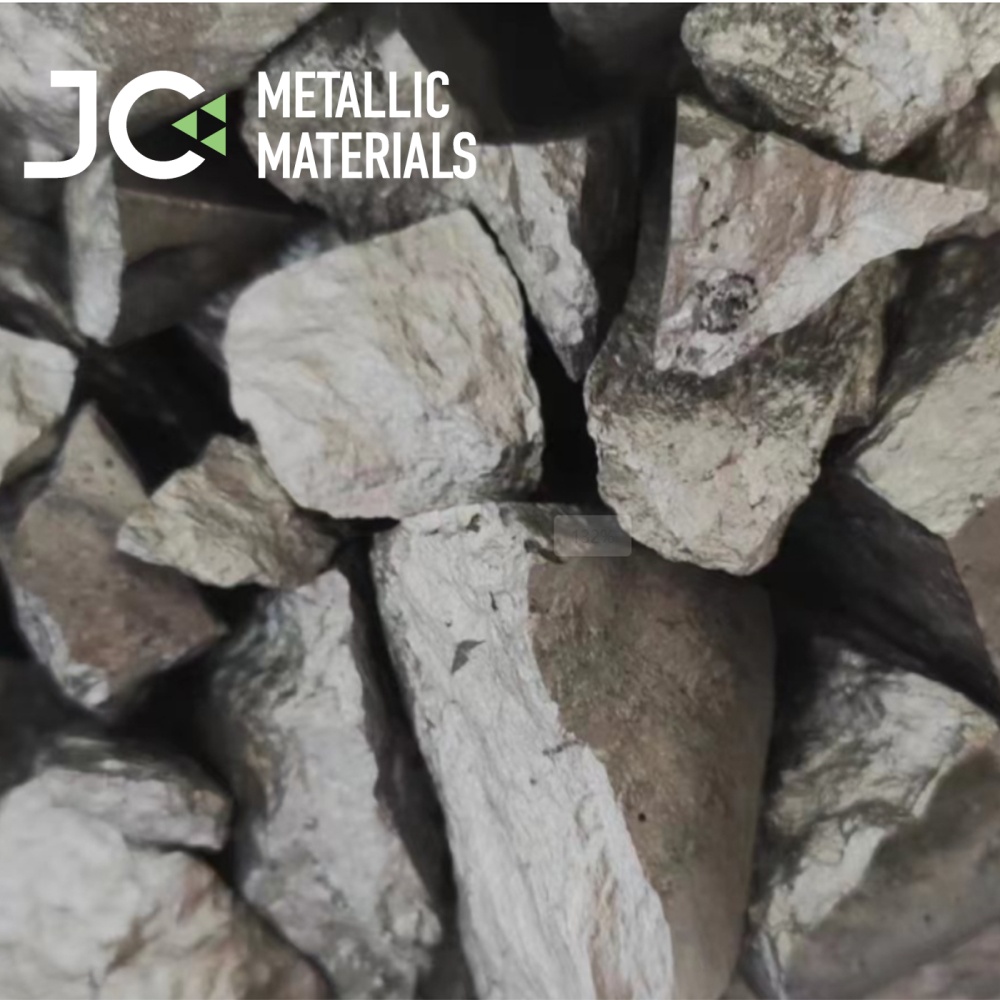
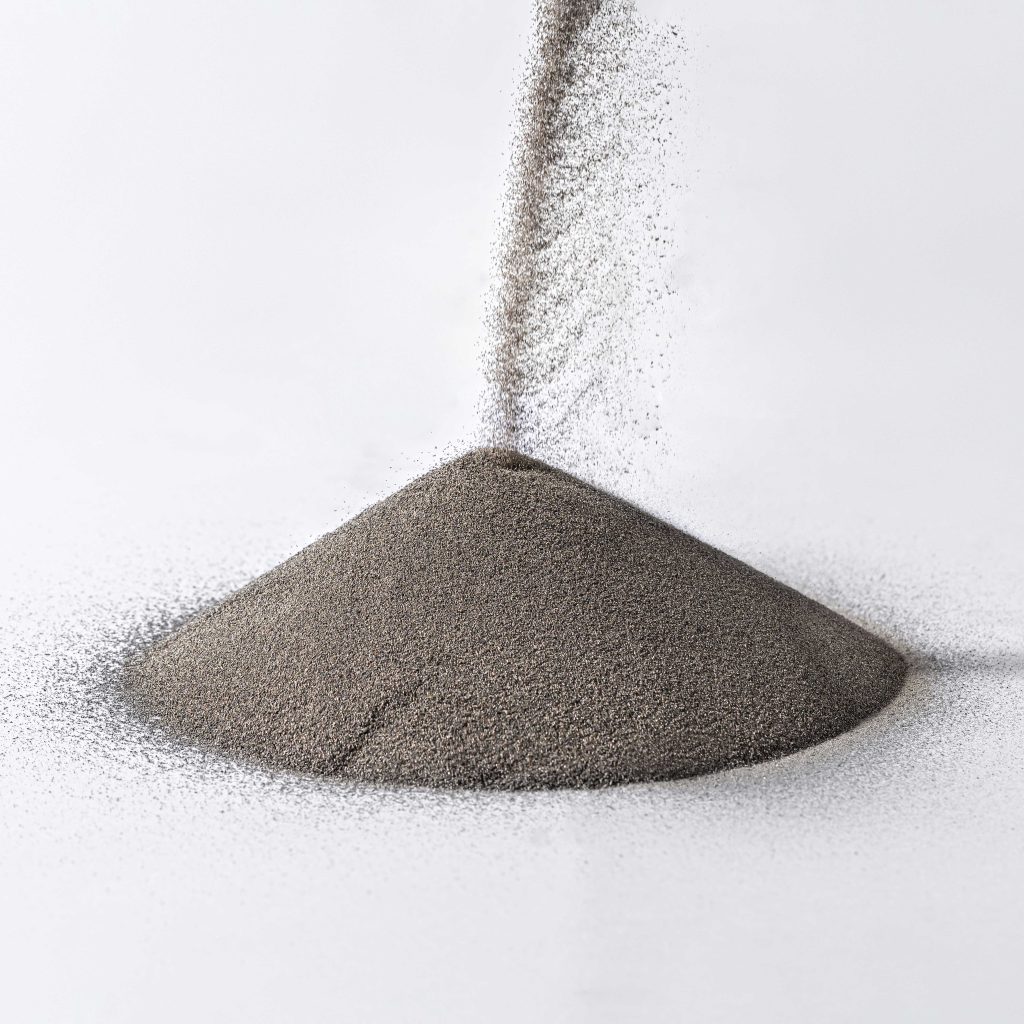
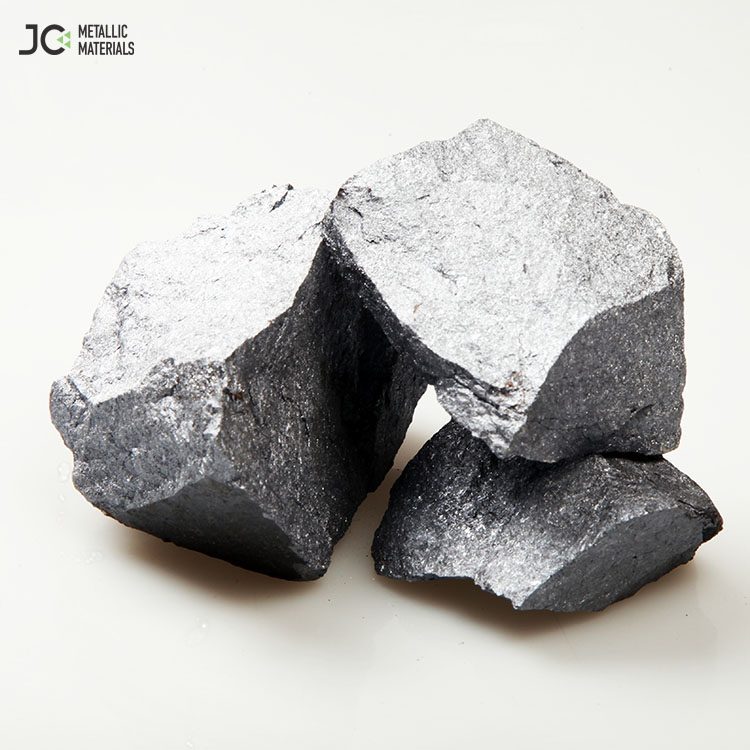
成都金春金属材料有限公司 supplies advanced carbide materials globally. Our company specializes in producing high-quality tungsten carbide vs titanium carbide powders. We provides reliable carbide solutions for B2B buyers consistently. Our team helps buyers to choose correct carbide grades confidently.
Choosing between tungsten carbide vs titanium carbide requires careful evaluation. Both deliver exceptional strength for demanding engineering applications. Many industries rely on these materials for critical components. Each material offers unique advantages for specific performance needs. Choosing the right carbide ensures better performance and durability.
In this guide, we will deliver an information about tungsten carbide vs titanium carbide. This comparison explains properties, applications, and selection guidance clearly. After reading our blog, you will be able to selecting the right powder for your operations becomes simple and clear.
What is Tungsten Carbide?
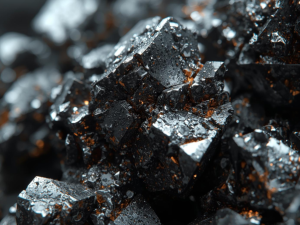
Tungsten carbide is a strong industrial compound. It combines tungsten and carbon elements. The material delivers exceptional hardness and durability. It withstands heavy pressure and abrasive wear. Industries use tungsten carbide for tools. It supports cutting, drilling, and shaping tasks. Its reliability ensures consistent high-performance output.
Types of Tungsten Carbide
1: Cemented Tungsten Carbide
Cemented tungsten carbide combines carbide grains with metal binders. It offers strong wear resistance in demanding applications. This material performs reliably under heat. It provides excellent durability.
2: Ultra-Fine Tungsten Carbide
Ultra-fine tungsten carbide offers very high density. It maintains stability under intense industrial pressure. This grade enhances performance for specialized tools. It ensures smoother cutting and shaping operations.
3: Cobalt-Bonded Tungsten Carbide
Cobalt-bonded tungsten carbide improves toughness effectively. It withstands sudden impacts during industrial processes. This type is ideal for strong drilling tools. It delivers reliable performance under heavy load.
Read Our Guide: Why Spherical Powder Is Preferred in the Electronics Industry
Key Features of Tungsten Carbide
- Extreme Hardness:Provides exceptional hardness suitable for tough industrial applications.
- High Wear Resistance: Resists abrasion effectively during long-term operational use.
- Excellent Heat Resistance:Maintains strong performance under very high working temperatures.
- High Density:Offers impressive mass and rigidity for demanding operations.
- Strong Compressive Strength:Handles heavy pressure loads without structural deformation.
- Dimensional Stability:Maintains accurate shape during high heat machining tasks.
Pros and Cons of Tungsten Carbide
Pros
- Extremely hard and durable for heavy industrial applications.
- Provides excellent wear resistance under abrasive working conditions.
- Maintains strength and performance at very high temperatures.
- Offers long service life with minimal performance loss.
- Delivers high precision and stability in machining operations.
Cons
- More brittle compared to many engineering metals.
- Higher production cost than standard steel materials.
- Difficult to machine without specialized equipment.
What is Titanium Carbide?
Titanium carbide is a hard, ceramic-like compound. It is made from titanium and carbon atoms. It offers exceptional hardness and a very high melting temperature. It provides excellent wear resistance for demanding applications. Industries use it for cutting tools and coatings. It is also applied in aerospace and high-performance components.
Types of Titanium Carbide
1: Powdered Titanium Carbide
Powdered titanium carbide offers controlled particle size distribution. It ensures stable performance in many industrial applications. This type supports reliable strength during high-temperature operations.
2: Sintered Titanium Carbide
Sintered titanium carbide forms dense, strong industrial components. It delivers toughness for heavy machinery applications. This type performs reliably under extreme heat conditions.
3: Composite Titanium Carbide
Composite titanium carbide combines carbide with tough reinforcements. It offers excellent stability for demanding industrial environments. This type supports strong durability in advanced engineering applications.
Read Our Guide: How Titanium Carbide Is Manufactured for Cutting Tool Applications?
Key Features of Titanium Carbide
- Extreme Hardness:Offers exceptional hardness suitable for heavy-duty applications.
- High Wear Resistance:Resists abrasion, friction, and surface damage effectively.
- High Melting Point:Maintains strength under extremely high temperatures.
- Excellent Thermal Stability:Performs reliably in demanding thermal environments.
- Strong Chemical Resistance:Resists corrosion, oxidation, and chemical attack.
- High Electrical Conductivity:Supports advanced electronic and industrial applications.
Pros and Cons of Titanium Carbide
Pros
- Extremely hard and highly wear-resistant material.
- Performs well under high temperatures and pressure.
- Provides long life for industrial cutting tools.
- Offers excellent chemical and corrosion resistance.
- Delivers stable performance in high-speed machining.
Cons
- More brittle than many metal-based carbides.
- Not as tough as tungsten carbide overall.
- Production cost can be relatively higher.
Read Our Guide: Is Titanium Boron Alloy Powder Ideal for High-Strength Structural Components?
An Ultimate Buying Guide: How to Choose Tungsten Carbide Vs Titanium Carbide?
Carbide materials play critical roles in modern industrial manufacturing. They enhance cutting efficiency, wear resistance, and tool durability. Selecting the right tungsten carbide vs titanium carbide improves performance consistency significantly. It also reduces operational costs and replacement frequency.
1: Understanding Carbide Materials
Tungsten carbide vs titanium carbide differ in composition. These differences affect density, hardness, and thermal behavior. Each carbide responds uniquely to mechanical stress. Understanding fundamentals helps buyers make informed material decisions.
2: Key Physical and Mechanical Properties
Hardness, toughness, and wear resistance define carbide performance. Density influences weight sensitive industrial applications significantly. Thermal stability determines performance under elevated operating temperatures. Mechanical properties guide suitability across demanding operational environments.
3: Performance Comparison: Tungsten Carbide vs Titanium Carbide
Tungsten carbide offers superior wear resistance and toughness. Titanium carbide performs better under high temperature conditions. Oxidation resistance favors titanium carbide in extreme heat. Performance comparison ensures proper material selection accuracy.
4: Application-Based Selection Guide
Application requirements determine which carbide material performs best. Heavy abrasion favors tungsten carbide based solutions. High temperature environments suit titanium carbide applications. Matching applications prevents premature failure and inefficiency.
5: Cost and Lifecycle Analysis
Initial cost should not drive carbide purchasing decisions. Lifecycle value includes durability, maintenance, and downtime reduction. Tungsten carbide offers longer service life advantages. Titanium carbide reduces costs in thermal applications.
6: Manufacturing and Processing Considerations
Processing methods influence final carbide material performance consistency. Sintering quality affects strength and structural reliability. Particle size control ensures predictable application behavior. Manufacturing precision supports long term operational stability.
Final Thoughts
Choosing between tungsten carbide vs titanium carbide ultimately depends on your specific application requirements. Tungsten carbide is preferred for extreme hardness, superior wear resistance, and heavy duty machining or mining environments. Titanium carbide offers advantages in lower density, higher oxidation resistance, and applications requiring improved thermal stability.
If you require expert guidance in selecting the right tungsten carbide vs titanium carbide material for your industrial or manufacturing needs, 成都金春金属材料有限公司 is your trusted partner. Contact our team today to discuss your application, request technical data, or receive a competitive quotation customized to your project requirements.
Most Asked Questions About Tungsten Carbide Vs Titanium Carbide
Q1: What is the main difference between tungsten carbide vs titanium carbide?
Answer: Titanium carbide is lighter and offers excellent temperature stability. Tungsten carbide provides higher hardness and better wear resistance. Each material suits specific industrial applications differently.
Q2: Which performs better in high-temperature environments?
Answer: Titanium carbide resists heat and maintains shape effectively. It works well in aerospace and high-speed machining. Tungsten carbide can lose strength under extreme heat.
Q3: Which material is ideal for lightweight applications?
Answer: Titanium carbide is perfect for lightweight and fast applications. It reduces weight while maintaining strength and durability. Tungsten carbide is heavier and better for heavy loads.
Q4: Are both materials equally durable in real use?
Answer: Tungsten carbide lasts longer in abrasive environments reliably. Titanium carbide performs well at high speed and temperature. Durability depends on workload and specific application conditions.
Q5: Can both tungsten carbide vs titanium carbide serve similar industrial needs?
Answer: Yes, both materials are used in machining and tooling. Each material provides specific benefits for different applications. Engineers choose based on hardness, weight, and heat resistance.
Q6: Which material has a higher overall cost?
Answer: Tungsten carbide costs more due to hardness and density. Titanium carbide is relatively affordable for lightweight applications. Cost varies depending on production complexity and industrial needs.