 Thai
Thai  English
  French
  Japanese
  Korean
  Spanish
  Vietnamese
  Portuguese
  German

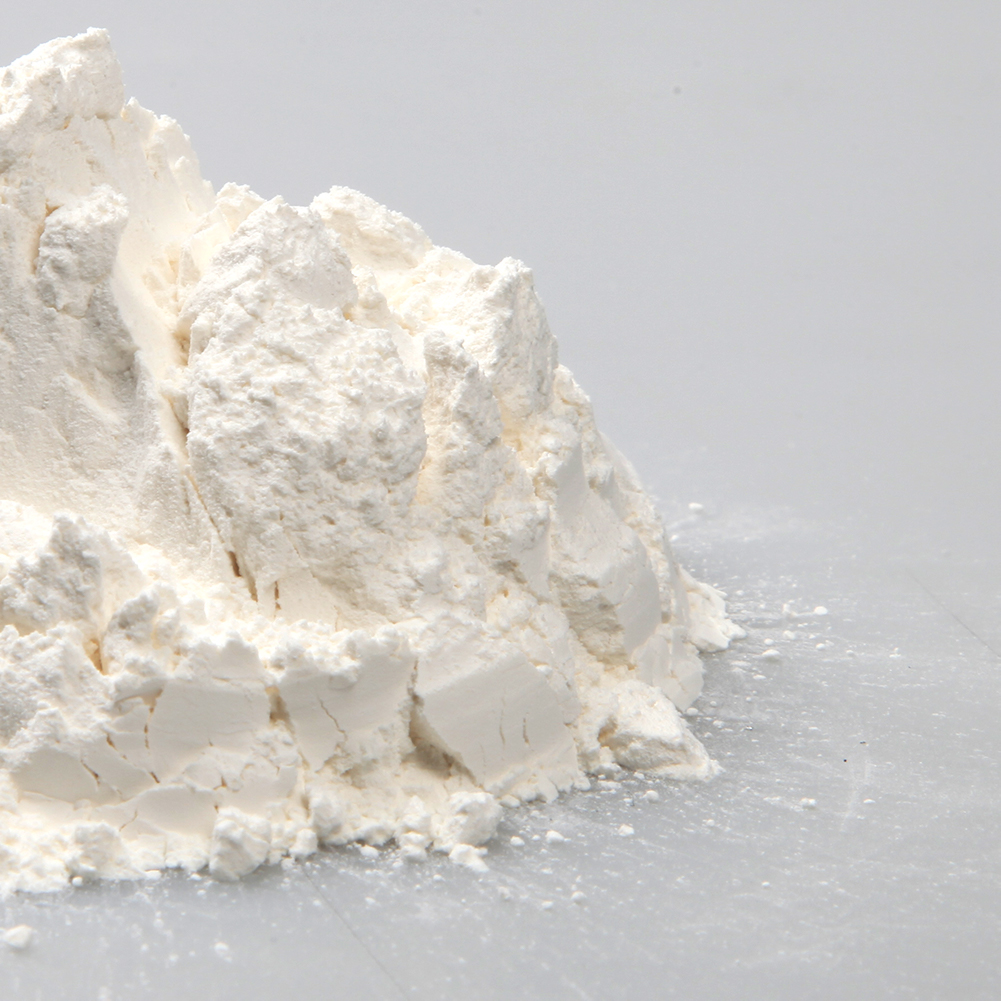
Chromium oxide powder is an important industrial material used across pigments, catalysts, refractories, ceramics, and other demanding manufacturing processes. Selecting the correct grade requires careful evaluation of technical specifications, application requirements, and supplier capabilities.
For industrial buyers, product selection should go beyond price and nominal purity. Particle size, chemical composition, processing behavior, documentation, packaging, and batch consistency can all influence procurement decisions and final manufacturing performance.
This guide explains the major factors that buyers should evaluate before purchasing chromium oxide powder. It also provides a practical buying process for manufacturers, distributors, importers, and industrial procurement teams.
What Is Chromium Oxide Powder?
Chromium oxide powder is an inorganic compound commonly represented by the chemical formula Cr₂O₃. It is also known as chromium(III) oxide and is generally recognized by its characteristic green color.
Chromium(III) oxide is also identified as a refined form of chromium material, while the USGS Chromium Statistics and Information provides additional information on chromium supply, demand, material flow, and industrial uses.
The material is valued for properties including high hardness, high-temperature resistance, chemical stability, and resistance to acidic and alkaline environments. These characteristics support its use in several industrial applications.
Jinchun Metal currently lists Chromium Oxide Green as a powder product with Cr₂O₃ purity of 99.6% and available sizes including 100 mesh, 200 mesh, and 325 mesh.
Its combination of purity, durability, and controlled particle size makes chromium oxide powder suitable for manufacturers requiring consistent performance, reliable processing, and stable material quality across industrial applications.
Why Chromium Oxide Powder Selection Matters for Industrial Buyers
Different industrial applications require different chromium powder specifications. Selecting the correct grade helps manufacturers achieve consistent performance, efficient processing, and reliable final product quality.
- Application Requirements: Different manufacturing processes need specific powder characteristics to achieve required performance, stability, and processing efficiency.
- Particle Size:Proper particle size supports uniform dispersion, smoother processing, and consistent material performance during manufacturing operations.
- Purity Level: Higher purity helps minimize impurities and contamination risks that could affect finished product quality.
- Quality Consistency:Consistent specifications help manufacturers maintain stable production results and predictable performance across multiple batches.
- Supplier Comparison:Clear specifications allow buyers to compare suppliers based on purity, particle size, consistency, and overall product quality.
For industrial buyers, chromium oxide powder selection should consider application needs and technical specifications. Evaluating purity, particle size, consistency, and supplier reliability supports better purchasing decisions and stable production.
Chromium Oxide Powder Grades and Industrial Specifications
Chromium oxide powder is supplied in different grades based on purity, particle size, chemical composition, processing requirements, and intended industrial application. These factors influence performance, consistency, and suitability for specific manufacturing processes.
Industrial buyers should establish the required specification before requesting quotations from suppliers. This approach helps prevent suppliers from offering technically different products under similar product names and makes product comparisons more accurate.
The specification should normally define Cr₂O₃ content, particle size, impurity limits, packaging requirements, testing documents, and application specific requirements. Clear specifications also help buyers communicate technical expectations effectively.
Jinchun Metal lists its Chromium Oxide Green with 99.6% Cr₂O₃ content and mesh options including 100, 200, and 325 mesh. These options provide buyers with different particle size choices.
Industrial buyers can also refer to ISO 4621: Chrome Oxide Green Pigments — Specifications and Methods of Test when reviewing standardized specifications and testing considerations for chromium oxide green pigments
Key Chemical Impurities to Check in Chromium Oxide Powder
Chemical impurities can influence material performance when chromium oxide is used in applications with strict composition requirements. Buyers should therefore review the complete chemical analysis rather than checking Cr₂O₃ alone.
The following parameters can help procurement teams establish a more complete material specification.
| Chemical Parameter | Specification Requirement | Buyer Evaluation Point |
| Chromium Oxide | Minimum purity percentage | Confirm that the stated purity meets the required material grade. |
| Iron Oxide | Maximum allowable content | Check compliance with the application’s impurity limits. |
| Silicon Dioxide | Maximum allowable content | Verify that the level remains within the agreed specification. |
| Calcium Oxide | Maximum allowable content | Compare the reported level with application requirements. |
| Copper Oxide | Maximum allowable content | Review the concentration where strict impurity control is required. |
| Nickel Oxide | Maximum allowable content | Confirm that nickel content remains within the specified limit. |
| Sodium Oxide | Maximum allowable content | Check batch consistency and compliance with the material specification. |
| Aluminum Oxide | Maximum allowable content | Ensure the impurity level meets the buyer’s required specification. |
A supplier’s chemical specification should match the buyer’s actual application requirements. Jinchun Metal’s published Chromium Oxide Green specification lists Cr₂O₃ at 99.6% alongside limits for Fe₂O₃, SiO₂, CaO, CuO, NiO, Na₂O, and Al₂O₃.
Buyers comparing chromium materials can also review USGS Chromium Statistics and Information for broader information about chromium production, processing, and material flow.
Matching Chromium Oxide Purity With Application Requirements
Chromium oxide purity should match the intended application, processing conditions, performance requirements, and acceptable impurity levels. Industrial buyers should define these factors before selecting a suitable powder grade.
A higher Cr₂O₃ content may support demanding applications, but maximum purity is not always necessary. Buyers should balance technical requirements, impurity tolerance, product consistency, and procurement costs carefully.
- Application requirements
- Impurity tolerance
- Processing conditions
- Performance expectations
- Cost considerations
- Batch consistency
- Testing documentation
Matching chromium oxide purity with application requirements helps buyers avoid unsuitable grades and unnecessary expenses. Clear purity targets also improve supplier comparisons, sample evaluation, quality control, and long-term procurement consistency.
Purity and composition requirements should always be matched with the intended application. Buyers evaluating chromium oxide specifications can refer to ISO 4621: Chrome Oxide Green Pigments for internationally recognized specification and testing information.
How to Choose the Right Particle Size for Chromium Oxide Powder
Particle size is an important specification when selecting chromium powder for industrial applications. It can influence dispersion, mixing, packing density, surface interaction, processing efficiency, and final product consistency.
The appropriate particle size depends on the manufacturing process and application requirements. Buyers should consider the required mesh size, particle size distribution, and processing conditions instead of selecting a grade based only on the mesh number.
Mesh designation provides a practical reference for comparing powder grades. However, mesh alone may not fully describe the particle size distribution. For applications requiring tighter control, buyers should request detailed particle size data from the supplier.
Jinchun Metal offers Chromium Oxide Green in different particle size options, including 100 mesh, 200 mesh, and 325 mesh, allowing buyers to select a specification according to their processing and application requirements.
Understanding Particle Distribution Data for Industrial Quality Control
Particle size distribution provides detailed information about how chromium oxide particles are spread across different size ranges. Buyers can use this data to evaluate powder consistency, processing behavior, and quality between production batches.
- D10 Value: Shows the particle size below which 10% of particles are measured.
- D50 Value: Represents the median particle size within the powder distribution.
- D90 Value: Indicates the particle size below which 90% of particles are measured.
- Size Range: Shows the overall spread between smaller and larger particles.
- Distribution Uniformity:Helps evaluate consistency across different particle size ranges.
- Batch Comparison: Supports quality control by comparing particle distribution between production batches.
Reviewing particle distribution data helps industrial buyers identify variations that mesh specifications alone may not show. Consistent distribution supports predictable processing, stable product quality, and better control across repeated chromium powder orders.
For laboratory evaluation of chromium oxide content, buyers can also review the ASTM E342-24 Standard Test Method for Determination of Chromium Oxide in Chrome Ores, which provides a standardized analytical method for chromium oxide determination.
How to Select Chromium Oxide Powder for Different Industrial Applications
Chromium oxide powder serves different industrial applications, and each use may require specific chemical and physical characteristics. Buyers should align purity, particle size, impurities, and consistency with the intended manufacturing process.
| Application | Key Specifications | Buyer Focus |
| Pigments | Purity, color, particle size | Color consistency |
| Coatings | Purity, dispersion | Uniform dispersion |
| Printing Inks | Particle size, purity | Smooth mixing |
| Ceramics | Purity, particle distribution | Formulation compatibility |
| Refractories | Purity, particle size | Thermal performance |
| Catalyst | Composition, particle size | Surface characteristics |
| Chemical Processing | Purity, impurities | Batch consistency |
Selecting chromium oxide for a specific application requires more than comparing the product name or stated purity. Buyers should evaluate application requirements, technical specifications, testing data, and batch consistency before purchasing.
What Powder Handling Characteristics Matter During Processing?
Chromium oxide powder handling characteristics can affect feeding, mixing, dispersion, packing, and storage. Industrial buyers should evaluate these physical properties according to their equipment, formulation, and specific production requirements.
- Flowability: Supports smooth movement through feeding and processing equipment.
- Bulk Density: Influences powder volume, packing, and material handling.
- Moisture Content: Helps maintain stable storage and processing conditions.
- Particle Morphology: Affects packing, mixing, and overall powder behavior.
- Dispersibility: Determines how uniformly the powder distributes within formulations.
- Storage Stability: Helps maintain consistent handling characteristics during storage.
Evaluating powder handling characteristics before bulk purchasing can reduce processing issues and improve production consistency. Buyers should define the most important physical parameters according to their manufacturing process and equipment requirements.
How to Interpret a Chromium Oxide Powder CoA
A Certificate of Analysis (CoA) confirms test results for a specific chromium powder batch. Buyers should verify the product name, batch number, testing date, and reported chemical composition before accepting the material.
The CoA should clearly list key parameters such as Cr₂O₃ purity, impurity levels, particle size, moisture content, and other agreed specifications. Reported results should match the buyer’s technical requirements and purchasing specifications.
Buyers should compare the CoA with the supplier’s technical data sheet and purchase order. Any differences in specifications, testing methods, reported values, or product grades should be clarified before shipment approval to prevent quality issues.
A complete CoA supports batch traceability and quality verification during procurement. For repeated chromium oxide purchases, consistent document review helps buyers monitor supplier performance and maintain stable material quality across different production batches.
What Quality Tests Should Industrial Buyers Request?
Quality testing provides evidence that supplied chromium powder matches the agreed specification. The exact testing program should reflect the intended application and purchasing requirements.
Buyers can request relevant testing for:
- Chemical composition
- Cr₂O₃ purity
- Particle size
- Particle distribution
- Moisture
- Bulk density
- Appearance
- Batch consistency
For repeat industrial orders, batch-specific testing is especially useful. It allows procurement teams to compare delivered material against approved samples and previously accepted production lots.
For chromium oxide testing, ASTM E342-24 provides an active standard for determining Cr₂O₃ content in chromium-bearing ores and can serve as a reference when discussing analytical testing requirements with laboratories.
Which Supplier Specifications Should Buyers Compare?
Supplier specifications define the technical and commercial requirements a supplier must meet. Buyers should compare purity, particle size, impurity limits, testing, packaging, and consistency to reduce quality risks and support dependable procurement decisions.
Comparing chromium oxide suppliers requires more than checking quoted prices. Buyers should evaluate product specifications, quality controls, testing support, production capacity, packaging, and documentation to identify reliable long term supply partners.
| Supplier Factor | What to Check | Buyer Priority | Evidence |
| Product Quality | Purity, size | High | TDS |
| Chemical Control | Impurity limits | High | CoA |
| Testing | Test methods | High | Reports |
| Production Capacity | Supply volume | Medium | Capacity data |
| Packaging | Packing options | Medium | Packaging details |
| Quality System | Quality controls | High | Certifications |
Jinchun Metal describes itself as a metal powder manufacturer offering ferroalloy powders, non-ferrous powders, rare earth materials, and other metal-related products with multiple powder processing capabilities.
How to Package and Store Chromium Oxide Powder Properly
Chromium oxide powder requires suitable packaging to maintain material quality during transportation and storage. Buyers should consider shipment quantity, handling methods, storage conditions, and contamination control when selecting packaging options.
Packaging specifications should clearly define the material type, package weight, sealing method, labeling requirements, and palletization needs. These details help ensure safer handling and consistent material protection throughout the supply chain.
Jinchun Metal states that its Chromium Oxide Green can be supplied in paper bags or iron drums. Buyers should confirm the preferred packaging format according to their transportation and storage requirements.
Proper storage should minimize exposure to moisture, contamination, and unsuitable environmental conditions. Buyers should also maintain sealed packaging and appropriate warehouse conditions to preserve chromium oxide powder quality until production use.
Step-by-Step Buying Guide for Chromium Oxide Powder
A structured purchasing process helps industrial buyers define material requirements before contacting suppliers. Clear specifications make quotations easier to compare and support accurate sample evaluation, quality verification, and final order approval.
1: Define the Application
Identify the specific manufacturing process, final product, operating conditions, and performance requirements where chromium oxide powder will be used to establish suitable material specifications.
2: Set Purity and Impurity Requirements
Determine the required Cr₂O₃ purity and maximum impurity limits according to application requirements, performance expectations, and the chemical composition needed for consistent production results.
3: Select Particle Size
Choose the required mesh size or micron range according to mixing, dispersion, processing, packing, and other particle size requirements within the intended manufacturing process.
4: Review Supplier Documents
Request the Technical Data Sheet, Certificate of Analysis, Safety Data Sheet, specifications, testing reports, and relevant quality documents for detailed material and supplier verification.
5: Request and Test Samples
Obtain representative samples before placing a bulk order. Test the material under actual or representative production conditions to evaluate quality, compatibility, processing behavior, and performance.
6: Compare Supplier Offers
Compare suppliers based on equivalent purity, particle size, impurity limits, packaging, documentation, quantity, testing support, delivery terms, and overall technical suitability rather than price alone.
7: Confirm Final Order Specifications
Finalize all technical and commercial requirements before ordering, including purity, particle size, packaging, quantity, testing, documentation, delivery terms, and approved sample specifications.
Following these steps helps procurement teams reduce specification gaps and supplier-related risks. A clearly approved sample should remain the reference standard for subsequent bulk orders whenever practical.
What Should Buyers Check Before Ordering Samples?
Samples allow manufacturers to verify whether the proposed chromium oxide powder works within their actual process. They should be evaluated against measurable requirements rather than general appearance alone.
Before requesting samples, buyers should confirm:
- Purity specification
- Particle size
- Chemical composition
- Intended application
- Sample quantity
- Packaging
- Test documentation
- Batch identification
After testing, buyers should record the approved sample specification for future purchase comparisons.
Explore More Metal Powder Solutions from Chengdu Jinchun Metallic Materials Co., Ltd.
Chengdu Jinchun Metallic Materials Co., Ltd. provides reliable metal powder solutions for industrial buyers, offering controlled purity, particle sizes, consistent quality, and material options for demanding manufacturing and surface treatment applications.
Chromium Metal Powder: Properties, Applications & How to Choose the Right Supplier
Step-by-Step Guide to Import Thermal Spray Powder
Chromium Carbide Powder for Surface Protection: Middle East Applications
Why Metal Powder is Essential for Additive Manufacturing?
How Spherical Powder Improves Performance in Metal Injection Molding and 3D Printing
Global Export of Metal Powders from Chengdu China
Silicon Powder Applications in Electronics and Alloys: Made in China
Top 7 Titanium Powder Manufacturers in China
Zirconium Powder: Uses, Production Methods, Applications & Industrial Buying Guide
Vanadium Powder: Properties, Applications & Supplier Selection Guide
Final Thoughts
Selecting the right chromium oxide powder requires careful evaluation of purity, particle size, chemical composition, packaging, documentation, and supplier capability. Clear specifications and sample testing help buyers reduce risks and improve production consistency.
For reliable Chromium Oxide Green sourcing, buyers should compare technical specifications, request samples, verify quality documents, and confirm application suitability before ordering. Jinchun Metal provides chromium oxide specifications and powder processing capabilities for industrial requirements.
คำถามและคำตอบอย่างรวดเร็ว
Q1: What is chromium oxide powder used for?
Answer: Chromium oxide powder is widely used in pigments, coatings, ceramics, refractories, plastics, printing inks, catalysts, and chemical applications. The required grade depends on the specific manufacturing process and performance requirements.
Q2: What is the chemical formula of chromium oxide?
Answer: Chromium(III) oxide has the chemical formula Cr₂O₃. It is commonly supplied as a green powder and is valued for chemical stability, hardness, heat resistance, and consistent performance across demanding industrial applications.
Q3: How should buyers select chromium oxide purity?
Answer: Buyers should select purity according to application requirements, impurity tolerance, and production conditions. A defined minimum Cr₂O₃ content helps establish consistent specifications and enables accurate supplier and quotation comparisons.
Q4: Why is particle size important for chromium powder?
Answer: Particle size influences mixing, dispersion, packing, feeding, and processing behavior. Buyers should select suitable mesh or micron ranges according to production requirements and request particle size distribution data for applications requiring tighter control.
Q5: Which chemical impurities should buyers check?
Answer: Buyers should review impurities including iron oxide, silicon dioxide, calcium oxide, copper oxide, nickel oxide, sodium oxide, and aluminum oxide. Maximum limits should reflect application requirements and agreed technical specifications.
Q6: What documents should buyers request from suppliers?
Answer: Buyers should request a Technical Data Sheet, Certificate of Analysis, Safety Data Sheet, chemical composition report, particle size information, packaging details, and relevant quality documents to support material verification and procurement.
Q7: Should chromium oxide powder be sample tested before bulk purchasing?
Answer: Yes. Sample testing allows manufacturers to evaluate chemical composition, particle characteristics, dispersion, processing behavior, and application compatibility. Approval before bulk purchasing can reduce quality risks and specification differences.
Q8: How should buyers compare chromium oxide powder suppliers?
Answer: Buyers should compare suppliers using equivalent specifications, including purity, particle size, impurities, testing, documentation, packaging, production capacity, lead time, and consistency rather than evaluating quotations based on price alone.
Q9: What packaging options are available for chromium powder?
Answer: Packaging options depend on supplier capabilities, order quantity, transportation conditions, and customer requirements. Jinchun Metal lists paper bags and iron drums for Chromium Oxide Green, subject to specific order confirmation.
Q10: Why is batch consistency important when purchasing chromium powder?
Answer: Batch consistency helps manufacturers maintain stable processing conditions and final product quality. Buyers should establish approved specifications, review batch documentation, and verify subsequent deliveries remain within agreed chemical and physical limits.