 English
  French
  Japanese
  Korean
  Spanish
  Vietnamese
  Thai
Thai  Portuguese
  German

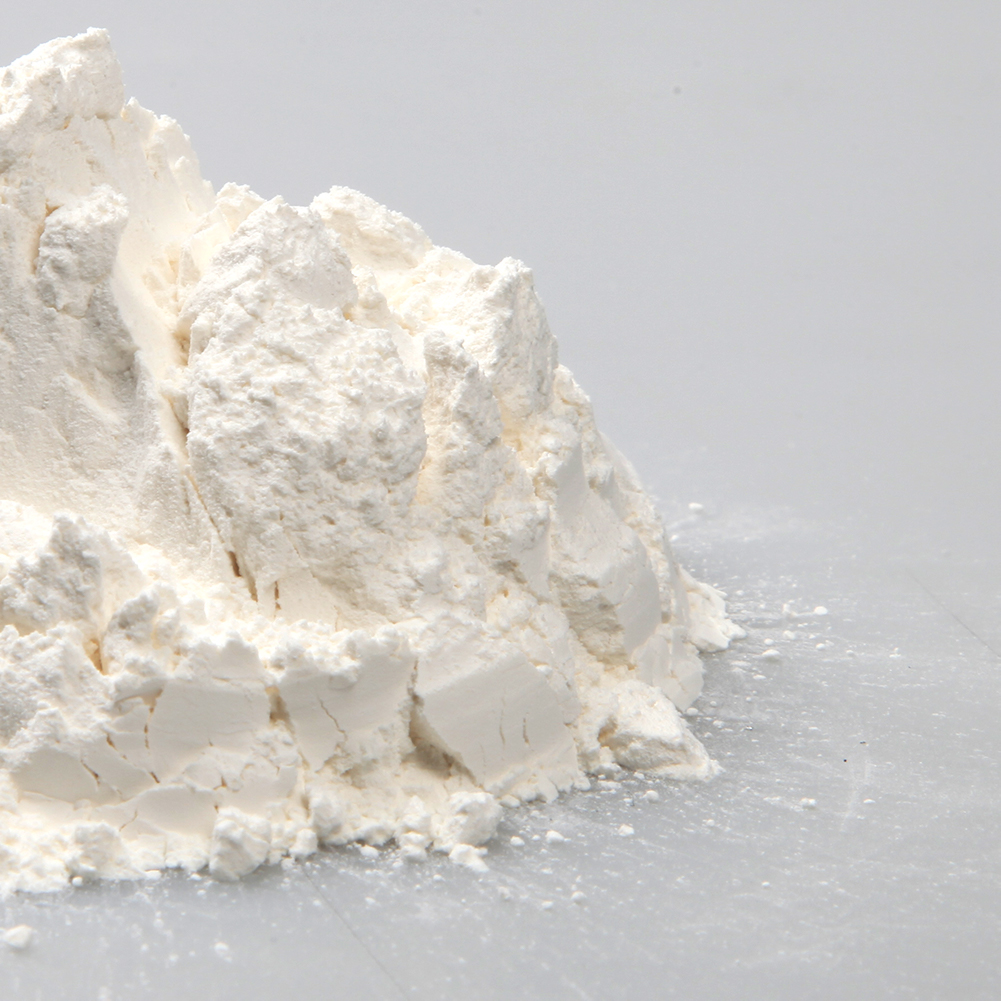
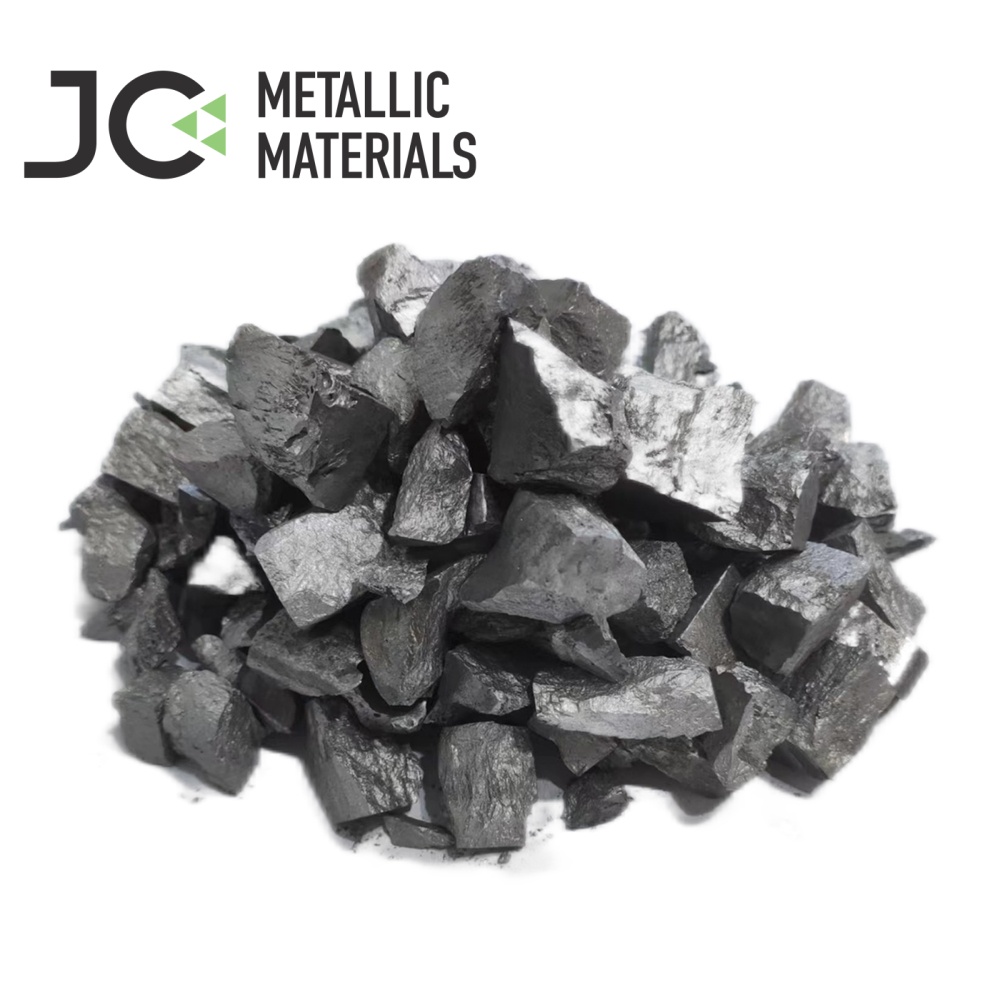
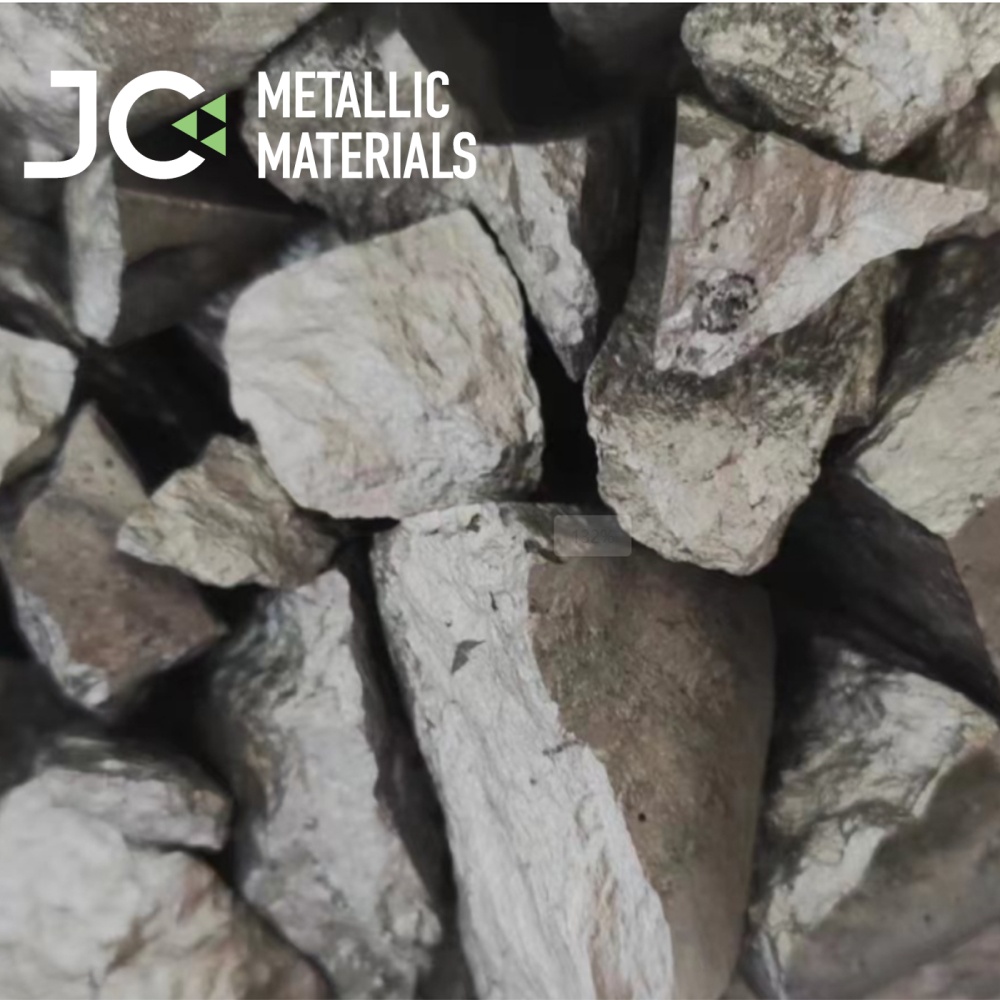
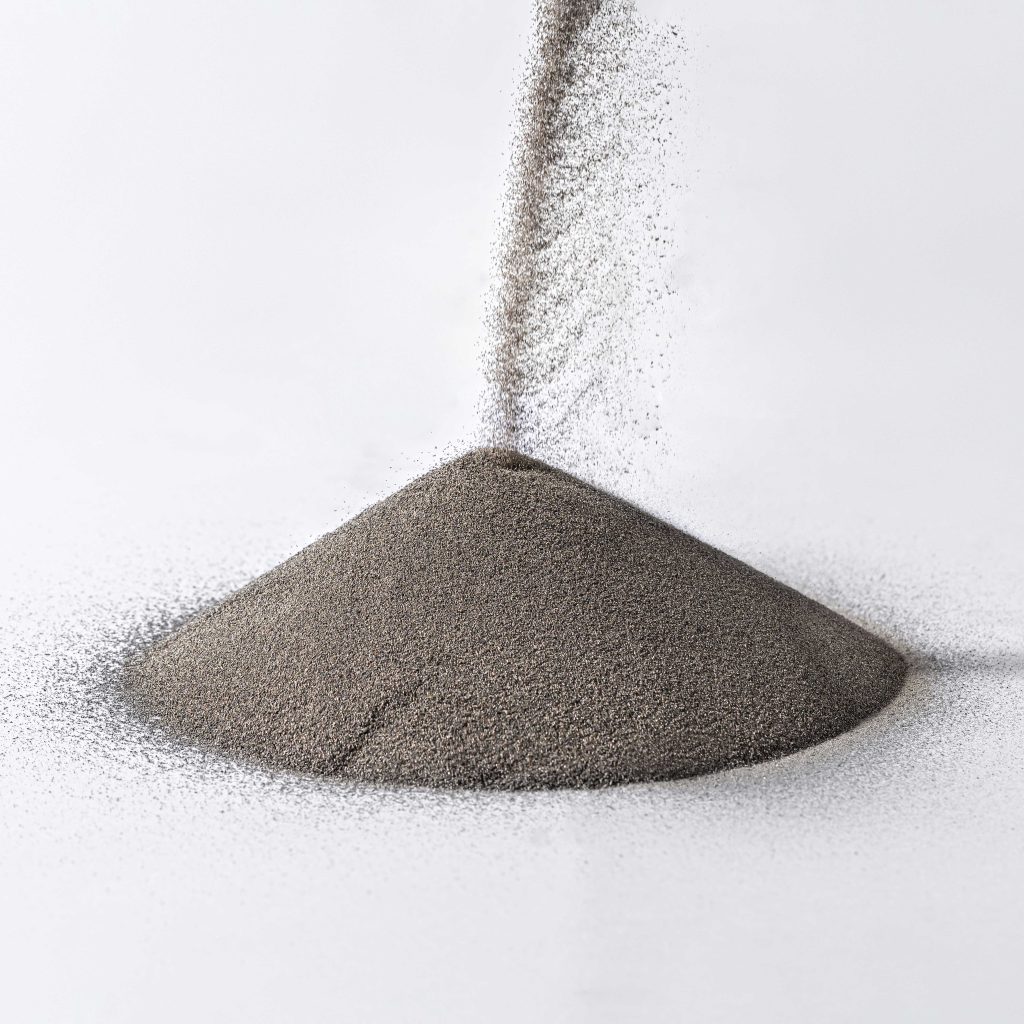
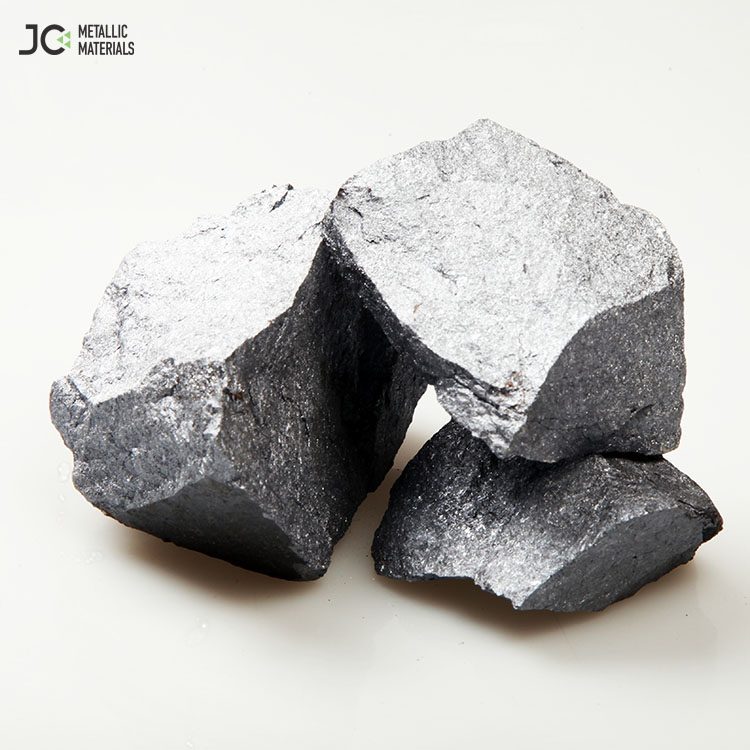

Chromium carbide is a high-performance material valued across industries for its exceptional hardness, wear resistance, and thermal stability. It is widely used in coatings and components operating under demanding conditions where abrasion, erosion, and elevated temperatures can reduce service life.
The global market value of chromium carbide is influenced by several interconnected factors rather than a single fixed price. Raw materials, manufacturing requirements, product specifications, regional supply conditions, industrial demand, and logistics can all affect the final cost.
For buyers and procurement teams, understanding these price drivers makes supplier comparisons easier, supports better purchasing decisions, and helps balance material quality, performance requirements, and overall procurement costs.
What Is Chromium Carbide?
Chromium carbide is a hard ceramic material formed from chromium and carbon. It is known for excellent wear resistance, hardness, corrosion resistance, and stability at elevated temperatures, making it suitable for demanding industrial environments.
One of the most common forms is chromium carbide, Cr₃C₂, which is frequently used in thermal spray powders and wear-resistant coatings. It can help protect industrial components against abrasion, erosion, and other forms of surface damage.
Different chromium carbide products may vary in purity, particle size, composition, and manufacturing method. These differences influence their performance, application suitability, and market price, making accurate specifications important when comparing available materials.
What Drives Chromium Carbide Price?
Chromium carbide prices are determined by several technical and market-related factors. Raw material availability, purity, particle size, production methods, energy costs, industrial demand, and transportation expenses all contribute to differences between grades, suppliers, and global regions.
1: Raw Material Costs
Changes in chromium-containing feedstock and carbon material prices directly influence production expenses, making raw material availability a major driver of chromium carbide pricing.
2: Purity Requirements
Higher purity often requires stricter material control, advanced processing, and additional testing, which can increase manufacturing costs and overall market value.
3: Particle Size
Fine or tightly controlled particle-size distributions may require additional milling and classification, increasing processing complexity and the final powder price.
4: Manufacturing Technology
Different production technologies influence efficiency, product consistency, powder characteristics, and operating costs, creating noticeable price differences between manufacturers and product grades.
5: Market Demand
Strong demand from industrial sectors can increase pricing pressure, particularly when available production capacity and material supply cannot expand quickly enough.
6: Logistics Costs
Freight charges, packaging, insurance, customs requirements, and delivery distances can significantly affect the final landed cost paid by international buyers.
Together, these factors explain why chromium carbide does not have one universal market price. Buyers should evaluate product specifications and total procurement costs before comparing supplier quotations.
How Raw Material Costs Affect Chromium Carbide Price
Raw material costs form a major part of chromium carbide production expenses. Changes in chromium feedstock availability, carbon sources, transportation, and energy requirements can quickly influence manufacturing costs and cause suppliers to adjust their market quotations.
- Chromium Feedstock: Higher chromium feedstock prices generally increase production expenses and can directly raise the market price of chromium carbide powders.
- Carbon Sources: The quality, availability, and cost of carbon materials can influence reaction efficiency, product composition, and overall manufacturing expenses.
- Material Availability: Limited availability of suitable raw materials can create supply pressure, increasing procurement costs and affecting manufacturer pricing strategies.
- Energy Requirements: High-temperature production consumes significant energy, so rising electricity or fuel costs can increase chromium carbide manufacturing expenses.
- Transportation Costs: Moving raw materials from mining or processing locations to production facilities can add significant costs to the overall supply chain.
- Currency Changes: Exchange-rate fluctuations can affect imported feedstock costs and create pricing differences for manufacturers purchasing materials through international markets.
When raw material costs change, chromium carbide prices may follow quickly. Buyers should therefore monitor broader material markets rather than expecting quotations to remain permanently stable.
Manufacturing Factors That Influence Market Value
Manufacturing plays an important role in determining chromium carbide market value. Production technology, processing complexity, quality control, energy consumption, and equipment efficiency can influence product consistency and significantly affect the final price offered to buyers.
Production Technology: Advanced production methods can improve consistency and performance but may require specialized equipment and increase manufacturing expenses.
Particle Processing: Crushing, milling, and classification create application-specific powder characteristics while adding processing time, equipment use, and operational costs.
Quality Control: Chemical analysis, particle-size testing, and batch inspections help ensure consistent quality but can increase overall production expenses.
Production Scale: Large-scale manufacturing may reduce unit costs through better equipment utilization, while smaller batches often carry higher expenses.
Equipment Efficiency: Modern and efficient production equipment can reduce waste, energy use, and processing time, supporting more competitive chromium carbide pricing.
Customized Grades: Special compositions, particle sizes, and customer specifications often require additional processing, making customized chromium carbide products more expensive.
Manufacturing differences explain why similar chromium carbide products can have different prices. Buyers should compare technical specifications and quality consistency instead of relying only on basic product descriptions.
Regional Factors Affecting Chromium Carbide Price
Chromium carbide prices can vary significantly between global regions because production costs, industrial activity, raw material access, energy expenses, and supply chain conditions are not the same everywhere. Local manufacturing capacity also influences supplier competition.
China and other major manufacturing regions may offer different pricing advantages based on production scale and supply access. Meanwhile, import dependence, freight costs, regulations, and currency movements can increase regional procurement costs.
| Region | Key Factors Affecting Price |
| China | Production capacity, raw materials, energy costs |
| Asia-Pacific | Industrial demand, manufacturing activity, logistics |
| Europe | Energy prices, regulations, imports |
| North America | Import costs, industrial demand, transportation |
| Other Regions | Limited supply, freight, distributor margins |
Regional price differences make it important for international buyers to compare total landed costs. A lower factory quotation may become less competitive after freight, duties, insurance, and local handling charges.
Chromium Carbide Price Comparison: What Should Buyers Check?
Comparing chromium carbide prices requires more than selecting the lowest quotation. Buyers should first confirm that each supplier is offering the same grade, purity, composition, particle size, and product characteristics.
Commercial terms also matter because packaging, certifications, shipping, delivery conditions, and order quantity can change the final procurement cost. A complete comparison helps buyers identify better long-term value rather than simply the cheapest initial offer.
| Comparison Factor | What Buyers Should Check |
| Chemical Composition | Chromium and carbon content |
| Purity | Impurity levels and consistency |
| Particle Size | Required size range and distribution |
| Manufacturing Quality | Production method and consistency |
| Certifications | Testing documents and quality records |
| Order Quantity | Minimum order and volume pricing |
| Packaging | Protection and handling requirements |
| Delivery Terms | Freight and final landed cost |
A structured comparison reduces purchasing risks and helps buyers choose materials that meet technical requirements. The best supplier offers competitive pricing while maintaining consistent quality, reliable delivery, and suitable specifications.
Why the Lowest Price Is Not Always the Best Choice
The lowest chromium carbide price may appear attractive, but it can sometimes hide differences in purity, particle size, consistency, testing, or delivery reliability. Buyers should evaluate overall value and application performance before making purchasing decisions.
Check Material Quality
Low-priced products may not provide the required chemical purity, consistent composition, or performance needed for demanding industrial applications.
Review Specifications
Always confirm that particle size, composition, and technical characteristics match your application requirements before comparing supplier prices.
Consider Consistency
Inconsistent batches can create production problems, reduce coating quality, and increase waste, potentially creating higher costs over time.
Verify Testing
Reliable test reports and quality documentation help confirm material characteristics and reduce the risk of receiving unsuitable chromium carbide.
Evaluate Delivery
Delayed shipments can disrupt production schedules, creating additional operational costs that may outweigh the initial savings from a cheaper product.
Calculate Total Cost
Freight, duties, handling, processing losses, and potential performance issues should be included when comparing overall procurement costs.
The best purchasing decision balances price with quality, consistency, performance, and delivery reliability. A moderately priced material can provide greater long-term value than the cheapest available alternative.
How Buyers Can Get a Better Chromium Carbide Price
Buyers can improve chromium carbide procurement costs by planning purchases carefully and comparing suppliers effectively. Clear specifications, larger order volumes, long-term relationships, and accurate total-cost calculations can help secure more competitive pricing.
- Define Specifications: Clear technical requirements prevent unnecessary upgrades and help suppliers provide accurate quotations for the exact chromium carbide grade needed.
- Increase Order Volume: Larger purchase quantities can reduce unit costs by improving production efficiency and allowing suppliers to offer volume-based pricing.
- Compare Suppliers: Requesting comparable quotations from qualified suppliers helps buyers understand market pricing and identify competitive purchasing opportunities.
- Use Long-Term Contracts: Regular purchasing agreements can improve price stability, strengthen supplier relationships, and support better commercial terms over time.
- Optimize Logistics:Selecting suitable delivery terms and consolidating shipments can reduce freight, handling, and other transportation-related procurement expenses.
- Review Total Cost:Compare landed costs rather than factory prices alone to identify the genuinely most economical supplier for your destination.
A better chromium carbide price does not always mean choosing the cheapest supplier. Careful planning, optimized specifications, reliable partnerships, and efficient logistics can deliver stronger long-term purchasing value.
Chromium Carbide Price Trends and Market Outlook
Chromium carbide price trends depend on changing industrial conditions and production costs. Future market movements will likely reflect raw material availability, energy prices, manufacturing capacity, global demand, technological developments, and international supply chain conditions.
Raw Material Trends: Changes in chromium-related feedstock prices can directly influence manufacturing costs and future chromium carbide market quotations.
Energy Costs: Electricity and fuel expenses remain important because high-temperature production can significantly increase overall operating costs.
Industrial Demand: Growth in wear-resistant applications and advanced industrial sectors may support continued demand for chromium carbide materials.
Production Capacity: New manufacturing capacity can improve supply availability, while limited capacity may create stronger upward pressure on prices.
Supply Chain Changes: Freight costs, trade policies, and transportation disruptions can affect international availability and final landed material costs.
Technology Development: Improved manufacturing technologies may enhance quality and efficiency, potentially changing the cost structure of future chromium carbide production.
The market outlook remains closely connected to industrial demand and production economics. Buyers who monitor these factors can respond more effectively to price changes and make better long-term sourcing decisions.
Related Chromium Carbide Solutions
Explore our chromium carbide powder solutions for reliable quality, consistent performance, and industrial applications.
Chromium Oxide Powder Selection Guide for Industrial Buyers
Chromium Metal Powder: Properties, Applications & How to Choose the Right Supplier
2026 Expert Guide: Top 7 Trusted Alloy Powder Manufacturers in China for Global Sourcing
Why Metal Powder is Essential for Additive Manufacturing?
Global Demand for Chromium Carbide Powder in Heavy Industries
Chromium Carbide Powder for Surface Protection: Middle East Applications
High-Carbon vs Low-Carbon Ferrochrome Powders: China Export Insights
Ferro Vanadium Powder in Steel Production: China’s Industrial Edge
Choosing the Right Metal Coating Powders Supplier for Industrial Use
Silicon Powder Applications in Electronics and Alloys: Made in China
Final Thoughts
Chromium carbide prices are shaped by a combination of material, manufacturing, and market factors. Rather than focusing only on the lowest quotation, buyers should consider specifications, quality, order volume, logistics, and total landed cost. A strategic sourcing approach can improve procurement value, reduce risk, and support reliable long-term industrial performance.
Frequently Asked Questions
Q1: What is the main factor affecting chromium carbide price?
Raw material costs are a major factor, but purity, particle size, manufacturing technology, energy expenses, market demand, order quantity, quality requirements, and logistics also influence the final chromium carbide price.
Q2. Why do chromium carbide prices vary between suppliers?
Prices vary because suppliers may use different raw materials, production technologies, quality-control procedures, particle specifications, packaging standards, and commercial terms. Regional manufacturing and logistics costs also create significant differences.
Q3. Does purity affect chromium carbide price?
Yes. Higher-purity chromium carbide may require better raw material control, stricter processing, and additional testing. However, buyers should select the appropriate purity level based on actual application requirements.
Q4. How does particle size affect chromium carbide cost?
Fine, narrow, or customized particle-size ranges may require additional milling and classification. These extra processing requirements can increase production complexity and make specialized chromium carbide powders more expensive.
Q5. How can buyers get a better chromium carbide price?
Buyers can improve pricing through clear specifications, larger order volumes, long-term supplier relationships, supplier comparisons, efficient logistics, and evaluating total landed costs rather than only factory quotations.