 English
  French
  Japanese
  Korean
  Spanish
  Vietnamese
  Thai
Thai  Portuguese
  German
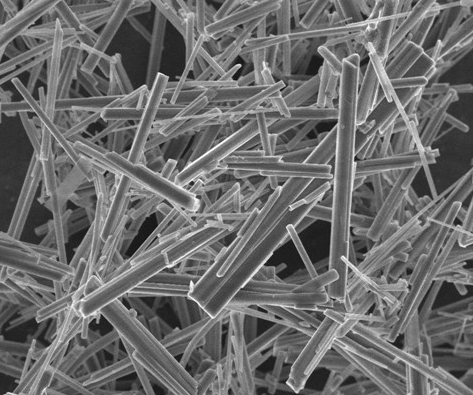
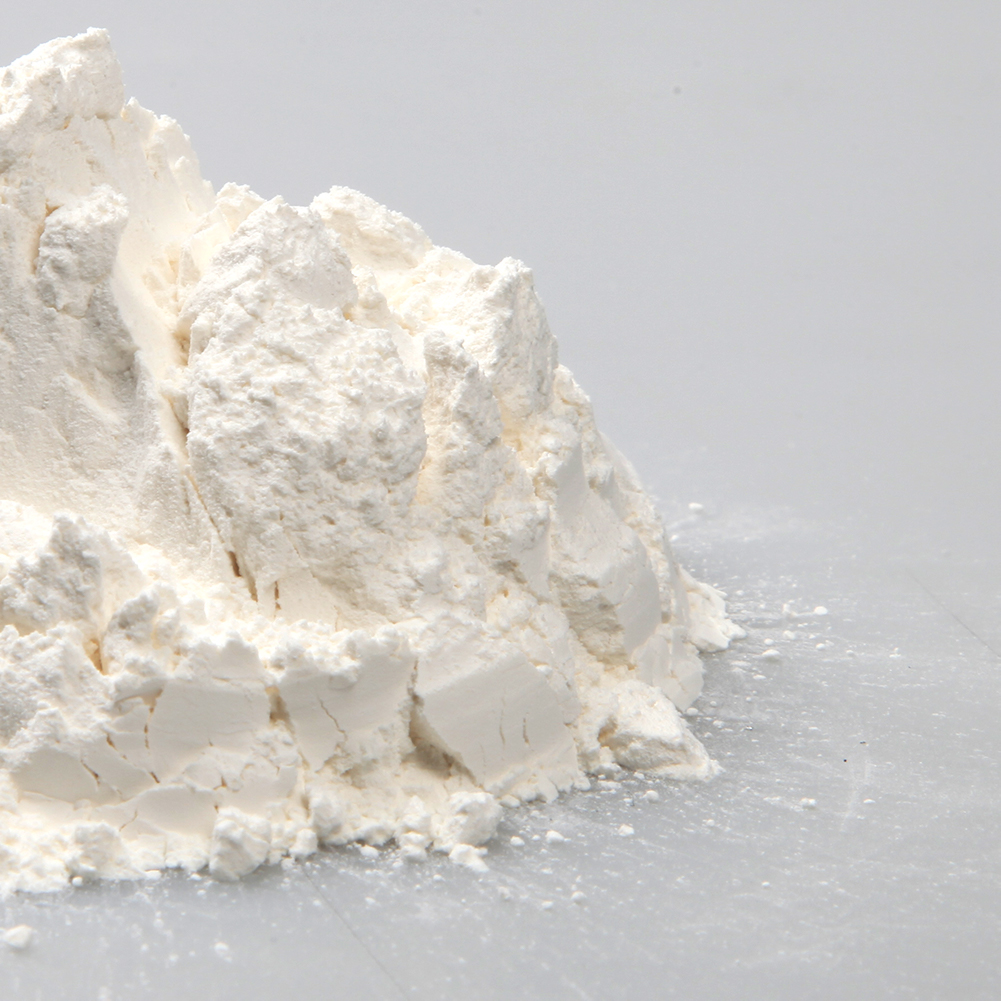
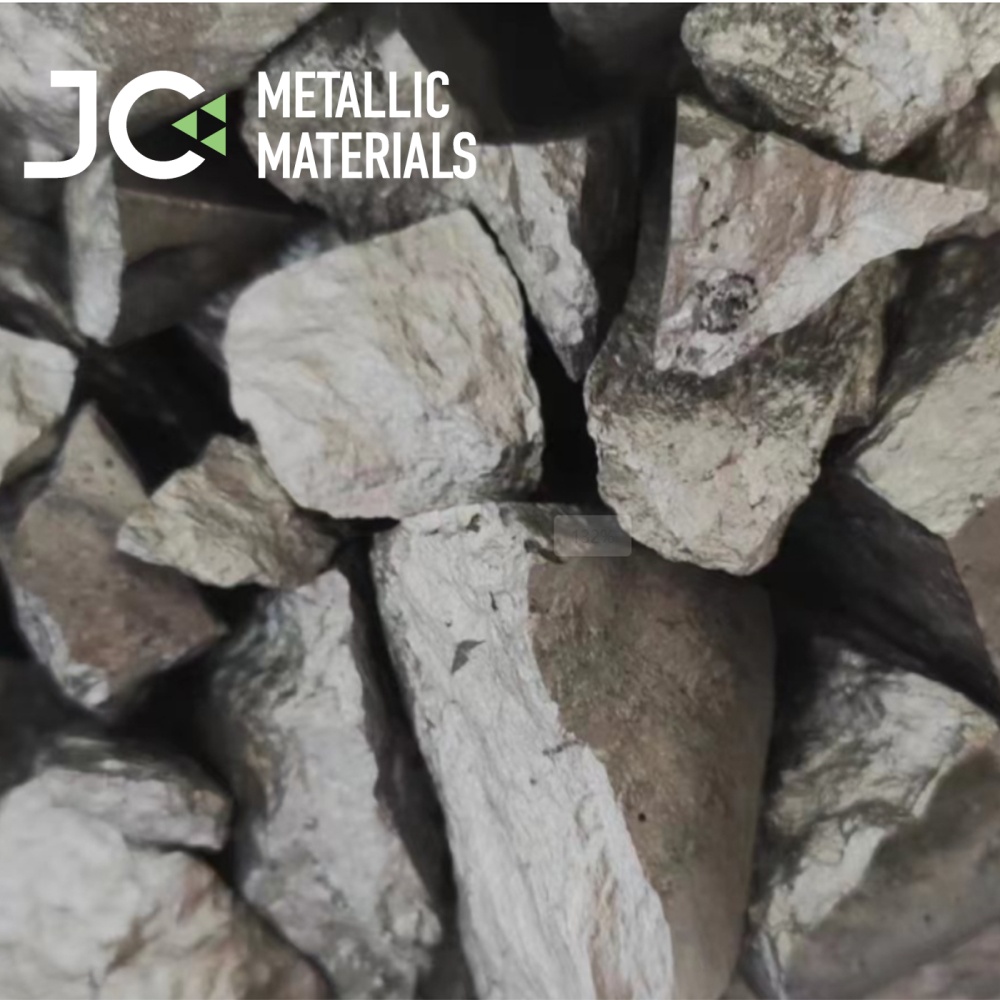
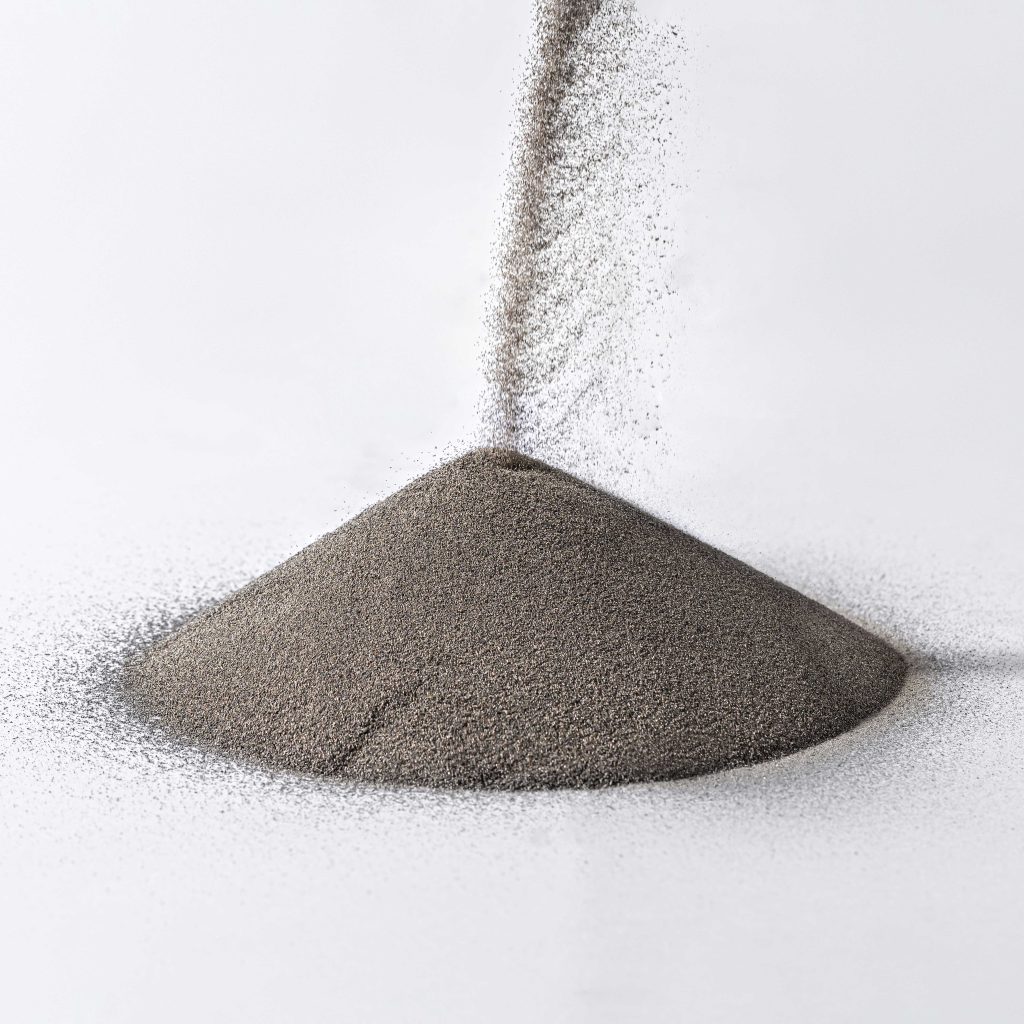
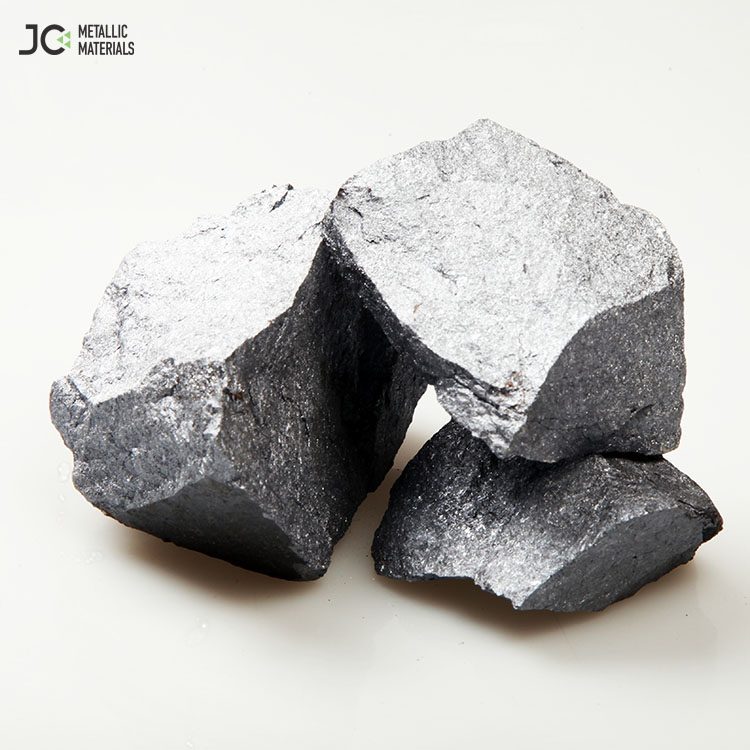
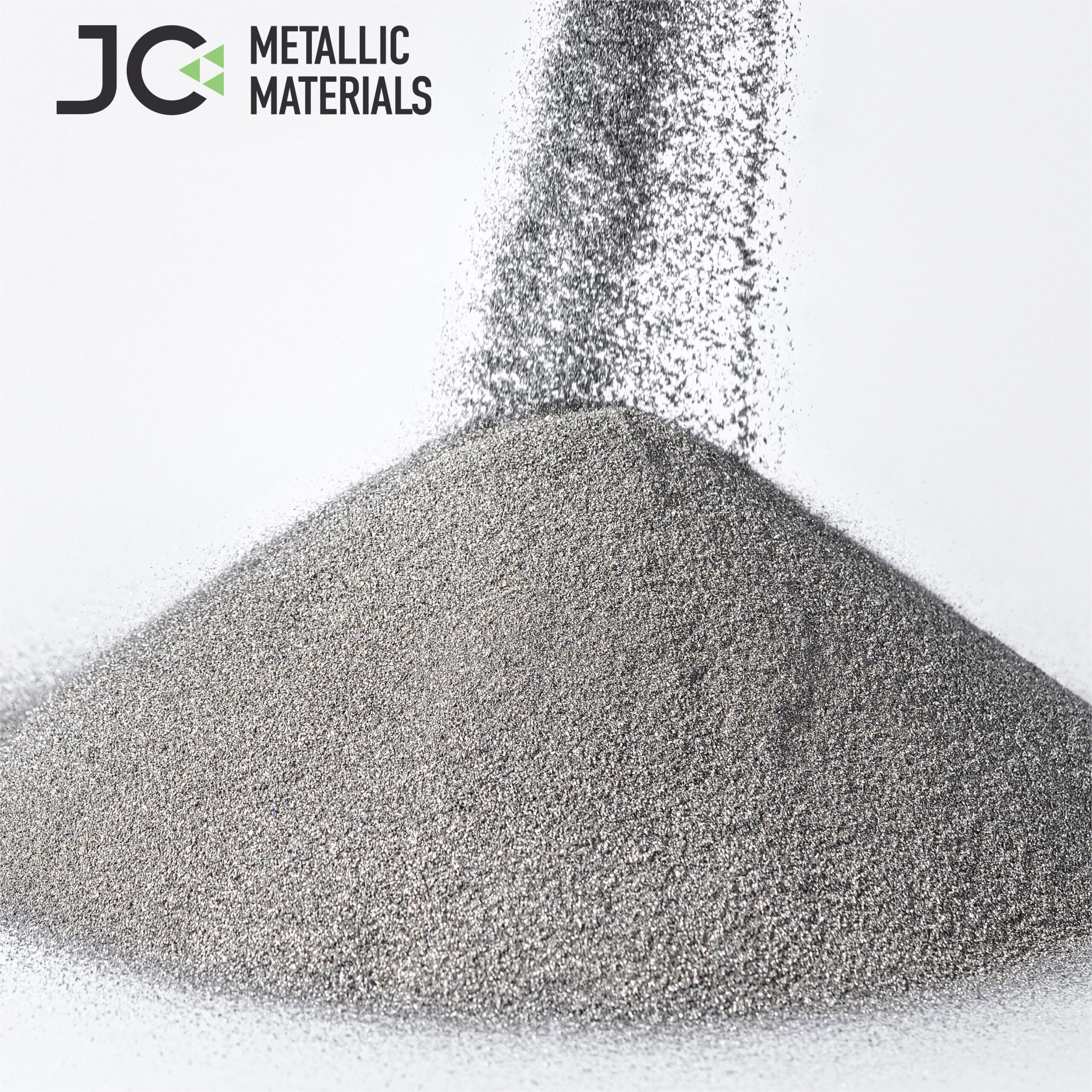
Aluminum powder is an essential industrial material known for its lightweight properties, excellent conductivity, and corrosion resistance. It is widely used in powder metallurgy, aerospace, automotive, thermal spraying, and additive manufacturing applications.
Choosing the right aluminum powder requires evaluating purity, particle size, production method, and quality consistency. The correct specification helps improve manufacturing efficiency, reduce production costs, and ensure reliable product performance.
This guide explains aluminum powder from an industrial procurement perspective. You’ll learn about market demand, manufacturing technologies, particle morphology, industrial applications, quality evaluation methods, procurement strategies, and practical considerations for selecting a reliable aluminum powder supplier.
Aluminum Powder Market Overview
Aluminum powder has become a critical material for manufacturers seeking lightweight, high-performance, and energy-efficient production solutions. Growing demand from industries such as automotive, aerospace, electronics, thermal spraying, renewable energy, and additive manufacturing has significantly expanded the global aluminum powder market.
Continuous technological innovation has also increased the need for powders with higher purity, tighter particle size control, and consistent production quality. China remains one of the world’s leading aluminum powder manufacturing hubs due to its integrated supply chain, advanced production equipment, competitive manufacturing costs, and strong export capabilities.
Today, industrial buyers increasingly prioritize reliable suppliers that offer customized particle sizes, stable product quality, comprehensive technical documentation, and dependable global delivery services.
Key Factors That Influence Aluminum Powder Performance
Several technical factors influence the performance of aluminum powder during manufacturing and processing. Evaluating these characteristics helps manufacturers improve product quality, production efficiency, and application performance while minimizing operational challenges.
- Purity Level: Higher purity improves material performance and reduces contamination.
- Particle Size: Uniform particle size ensures consistent processing and product quality.
- Particle Shape:Particle morphology affects flowability, packing density, and application efficiency.
- Flowability:Good flow characteristics support stable automated manufacturing processes.
- Bulk Density:Proper density improves powder handling, storage, and mold filling performance.
- Moisture Content:Low moisture prevents agglomeration, oxidation, and quality degradation.
Understanding these performance factors enables industrial buyers to select aluminum powder that meets their production requirements. Choosing the right specifications ensures consistent quality, improved efficiency, and reliable manufacturing results.
Industrial Uses of Aluminum Powder
Aluminum powder is widely used across modern industries due to its lightweight properties, high conductivity, corrosion resistance, and excellent processing performance. Selecting the appropriate powder specification helps manufacturers achieve better product quality and production efficiency.
Powder Metallurgy
Aluminum powder is used to manufacture lightweight metal components through powder metallurgy. It improves material strength, dimensional accuracy, and production efficiency for automotive, machinery, and industrial engineering applications.
Thermal Spray Coatings
Thermal spray industries use aluminum powder to produce protective coatings that enhance corrosion resistance, wear resistance, and service life for industrial equipment operating in harsh environments.
Additive Manufacturing (3D Printing)
Gas-atomized aluminum powder is widely used in metal 3D printing. Its excellent flowability and uniform particle size enable manufacturers to produce precise, lightweight, and complex components.
Chemical Industry
The chemical industry utilizes aluminum powder in catalysts, specialty chemicals, and various industrial reactions. Its controlled particle size and high purity ensure consistent chemical performance and processing efficiency.
Aerospace Manufacturing
Aerospace manufacturers use high-purity aluminum powder to produce lightweight structural parts with excellent mechanical properties, helping improve fuel efficiency and overall aircraft performance.
Aluminum Powder vs Other Aluminum Materials
Choosing the right aluminum material depends on your application and production requirements. The comparison below highlights the key differences between commonly used aluminum materials.
| Material | Form | Applications | Key Advantages |
| Aluminum Powder | Fine powder | Powder metallurgy, 3D printing, coatings | Lightweight, versatile, easy to process |
| Aluminum Granules | Coarse granules | Alloy making, metal melting | Easy handling, low dust |
| Aluminum Paste | Paste | Paints, coatings, inks | High reflectivity, smooth finish |
| Aluminum Pellets | Solid pellets | Recycling, alloy production | Easy storage and transportation |
| Aluminum Foil | Thin sheets | Packaging, insulation | Flexible and corrosion resistant |
Each aluminum material is designed for different applications. Selecting the right form helps improve production efficiency, product quality, and overall manufacturing performance.
Key Benefits of Aluminum Powder in Industrial Applications
Aluminum powder is valued across multiple industries for its unique physical and chemical properties. Its versatility, durability, and processing efficiency make it an essential material for modern manufacturing and engineering applications.
- Lightweight Performance:Reduces component weight while maintaining excellent mechanical strength for various industrial products.
- Excellent Conductivity:Provides efficient thermal and electrical conductivity for electronics and specialized manufacturing applications.
- Corrosion Resistance: Naturally resists corrosion, improving product durability and reducing long-term maintenance requirements.
- Versatile Processing:Supports powder metallurgy, thermal spraying, additive manufacturing, and other advanced production technologies.
- Cost-Effective Solution:Enhances production efficiency, minimizes material waste, and lowers overall manufacturing costs.
These advantages make aluminum powder a preferred material for manufacturers seeking reliable performance and efficient production. Choosing the right specification further improves product quality and supports long-term industrial success.
How to Choose a Reliable Aluminum Powder Supplier
Choosing a reliable aluminum powder supplier is essential for maintaining consistent product quality, stable supply, and efficient manufacturing operations. Evaluating several key factors helps businesses build a dependable and long-term sourcing partnership.
Assess Manufacturing Experience
Choose a supplier with extensive manufacturing experience in aluminum powder production. Experienced manufacturers typically have advanced production processes, better quality management, and a stronger understanding of diverse industrial application requirements.
Evaluate Product Quality
Review the supplier’s product quality by checking purity, particle size distribution, particle morphology, and batch consistency. High-quality aluminum powder ensures reliable performance and reduces manufacturing defects.
Verify Quality Certifications
Ensure the supplier provides recognized certifications and technical documents such as COA, TDS, SDS/MSDS, and ISO certifications. These documents confirm product quality and compliance with industry standards.
Check Production Capacity
Select a supplier with sufficient production capacity to meet your current and future demand. Consistent production capability helps avoid supply disruptions and ensures timely order fulfillment.
Review Customization Capabilities
A reliable supplier should offer customized particle sizes, purity levels, and packaging options to match different industrial applications. Custom solutions improve manufacturing efficiency and product performance.
Assess Export & Logistics Support
For international buyers, evaluate the supplier’s export experience, packaging standards, shipping methods, and documentation support. Efficient logistics help ensure safe delivery and minimize procurement delays.
Evaluate Technical Support
Choose a supplier that provides responsive technical assistance before and after purchase. Professional support helps buyers select suitable aluminum powder specifications and resolve application-related challenges efficiently.
Aluminum Powder Specifications
The technical specifications of aluminum powder vary depending on its intended application. Buyers should verify these specifications before placing bulk orders to ensure compatibility with their manufacturing requirements.
| Parameter | Typical Specification |
| Purity | 99.0–99.9% |
| Particle Shape | Spherical, Flake, Irregular |
| Particle Size | 10–300 μm (Custom Available) |
| Color | Silver Gray |
| Density | Depends on Grade |
| Packaging | 1 kg, 5 kg, 25 kg Drums/Bags |
| Customization | Available |
Future Trends in Aluminum Powder Industry
As industrial technologies continue to evolve, aluminum powder is finding new opportunities across advanced manufacturing sectors. Future innovations will focus on improving material performance, production efficiency, and sustainability to meet the changing demands of global industries.
- Lightweight Vehicles:Increasing demand for lightweight automotive and EV components.
- Battery Technology:Growing applications in advanced energy storage systems.
- Additive Manufacturing:Rising adoption in precision metal 3D printing.
- Green Manufacturing: Greater use of recycled materials and sustainable production.
- Advanced Coatings:Expanding demand for durable thermal spray coatings.
- Smart Material Innovation: Development of specialized powders for high-performance applications.
As these trends continue to develop, aluminum powder will play an increasingly important role in modern manufacturing. Partnering with an innovative and reliable supplier will help businesses stay competitive and meet future industry demands.
Why Global Buyers Choose Jinchun Metal
Selecting a dependable supplier is just as important as choosing the right aluminum powder specification. Global buyers prefer manufacturers that deliver consistent quality, technical expertise, reliable supply, and professional customer support throughout the procurement process.
High-Purity Products
Manufactures aluminum powder with controlled purity levels suitable for diverse industrial applications.
Advanced Manufacturing
Utilizes modern production technologies to ensure consistent particle size and stable product quality.
Strict Quality Control
Every production batch undergoes comprehensive inspection to maintain reliable quality and consistent performance.
Customized Solutions
Provides customized particle sizes, specifications, and packaging according to different customer requirements.
Global Export Experience
Supplies aluminum powder to international customers with efficient logistics and professional export services.
Professional Technical Support
Offers responsive technical assistance to help customers select suitable aluminum powder for their manufacturing applications.
With a strong focus on product quality, customer satisfaction, and continuous innovation, Jinchun Metal remains a trusted aluminum powder supplier for manufacturers, distributors, and industrial buyers worldwide.
Final Thoughts
Aluminum powder plays a vital role in modern manufacturing due to its lightweight properties, excellent conductivity, and wide industrial applications. Selecting the appropriate powder specification and partnering with a reliable supplier are essential for achieving consistent production quality and long-term operational efficiency.
By understanding aluminum powder characteristics, manufacturing methods, and supplier capabilities, businesses can make informed purchasing decisions that support sustainable growth and competitive manufacturing performance.
Ready to source high-quality aluminum powder? Jinchun Metal offers multiple grades, customized particle sizes, and reliable worldwide supply for diverse industrial applications. Reach out to our experts today for personalized recommendations and pricing.
FAQs
Q1: What is aluminum powder used for?
Answer: Aluminum powder is widely used in powder metallurgy, thermal spray coatings, additive manufacturing, aerospace, automotive, electronics, and chemical industries due to its lightweight properties, corrosion resistance, and excellent conductivity.
Q2: What are the main types of aluminum powder?
Answer: The most common types include atomized aluminum powder, flake aluminum powder, spherical aluminum powder, irregular aluminum powder, and nano aluminum powder. Each type is designed for specific industrial applications.
Q3: How do I choose the right aluminum powder grade?
Answer: Select the appropriate grade by evaluating factors such as purity, particle size, particle shape, production method, and your intended application to ensure optimal manufacturing performance.
Q4: Which industries commonly use aluminum powder?
Answer: Aluminum powder is widely used in aerospace, automotive, powder metallurgy, thermal spraying, electronics, chemical processing, refractory materials, and metal 3D printing industries.
Q5: What factors affect aluminum powder quality?
Answer: Key quality factors include chemical purity, particle size distribution, particle morphology, flowability, bulk density, moisture content, and production consistency.
Q6: Why is particle size important in aluminum powder?
Answer: Particle size influences flowability, packing density, processing efficiency, and final product quality. Choosing the correct particle size helps improve manufacturing accuracy and overall performance.
Q7: How should aluminum powder be stored?
Answer: Aluminum powder should be stored in a cool, dry, and well-ventilated area using sealed, moisture-proof packaging to prevent oxidation, contamination, and quality deterioration.
Q8: What certifications should a reliable aluminum powder supplier provide?
Answer: A reputable supplier should provide documents such as a Certificate of Analysis (COA), Technical Data Sheet (TDS), Safety Data Sheet (SDS/MSDS), and relevant quality certifications like ISO standards.
Q9: What should I consider when selecting an aluminum powder supplier?
Answer: Consider the supplier’s manufacturing experience, quality control system, production capacity, customization capabilities, export experience, technical support, and ability to provide consistent product quality.
Q10: Why choose Jinchun Metal as your aluminum powder supplier?
Answer: Jinchun Metal offers high-quality aluminum powder, strict quality control, customized particle size options, reliable global supply, and professional technical support to meet diverse industrial manufacturing requirements.