
 English
 French
 Japanese
 Korean
 Spanish
 Vietnamese
 Thai
 Portuguese
 German

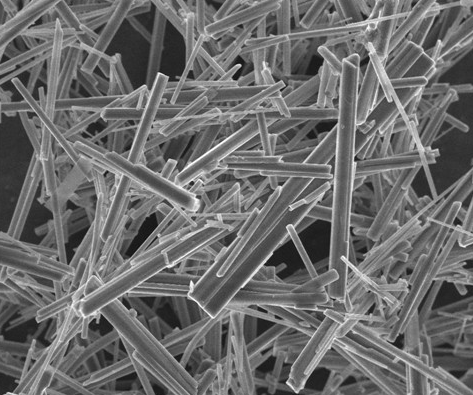
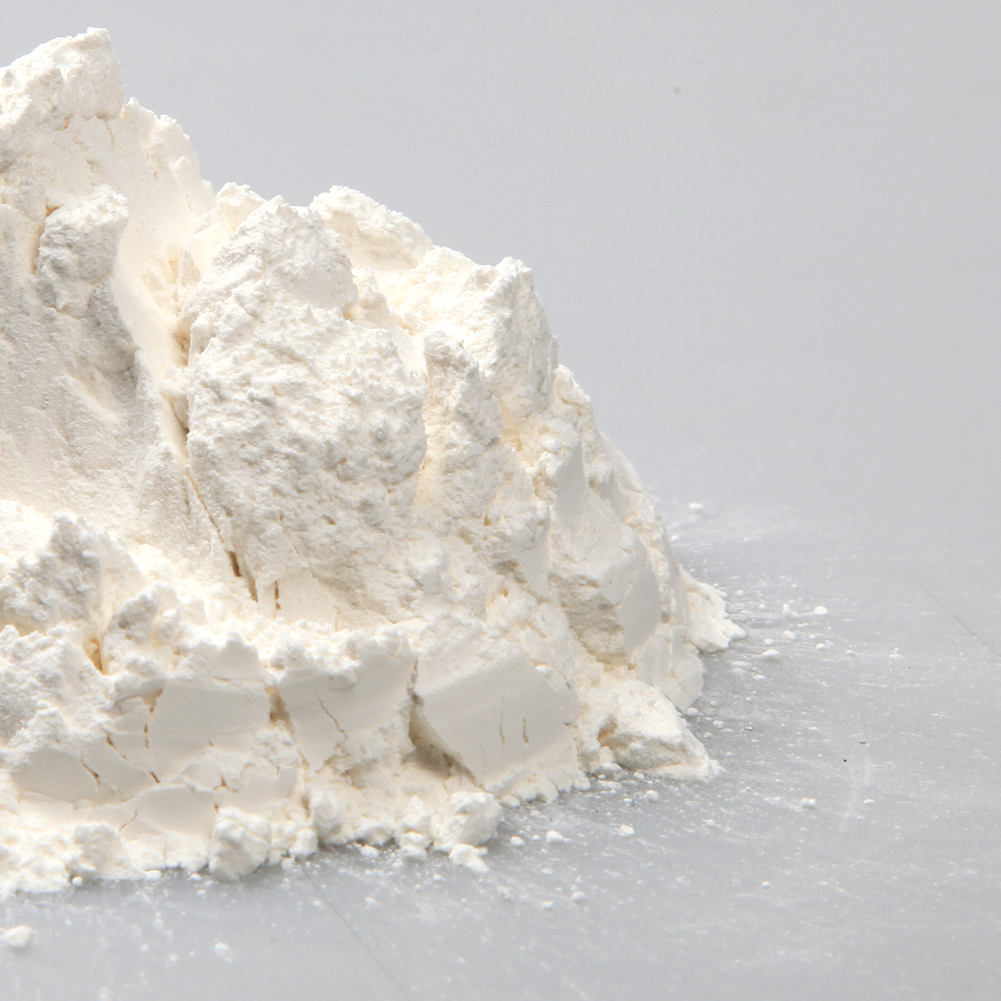
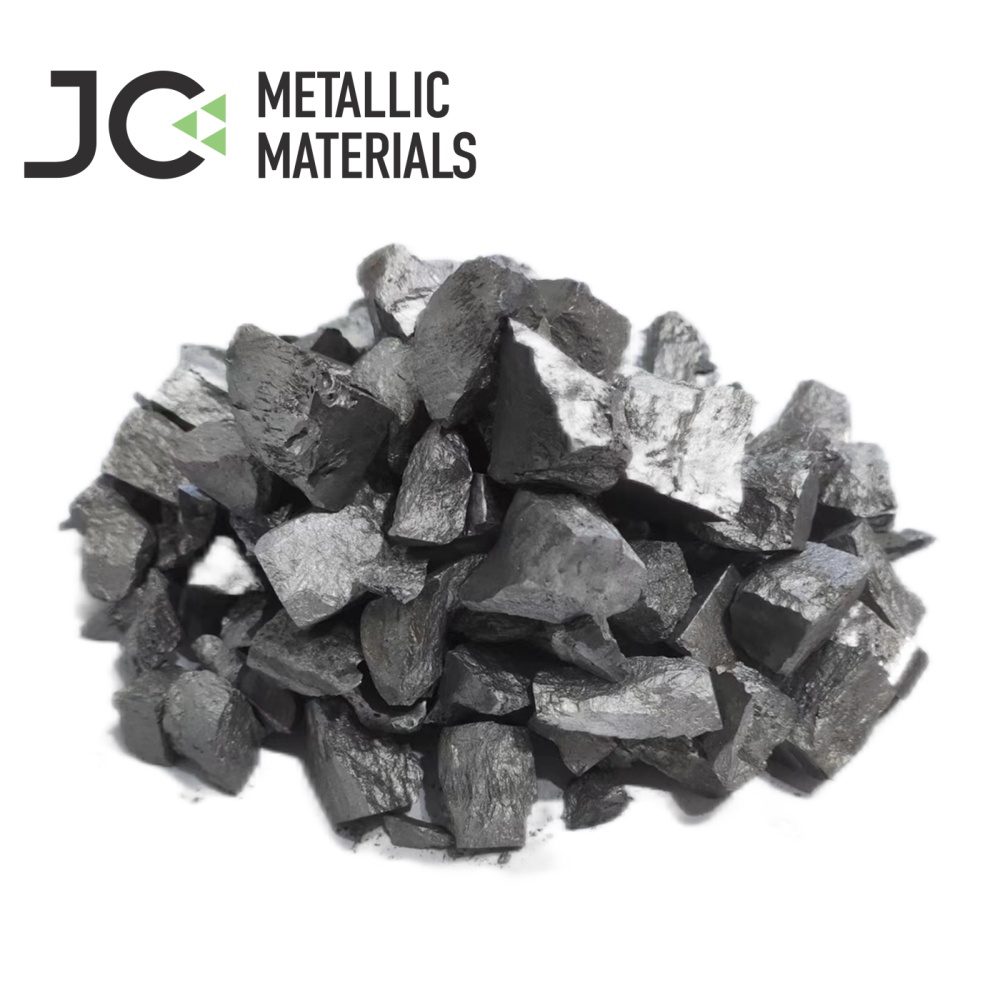
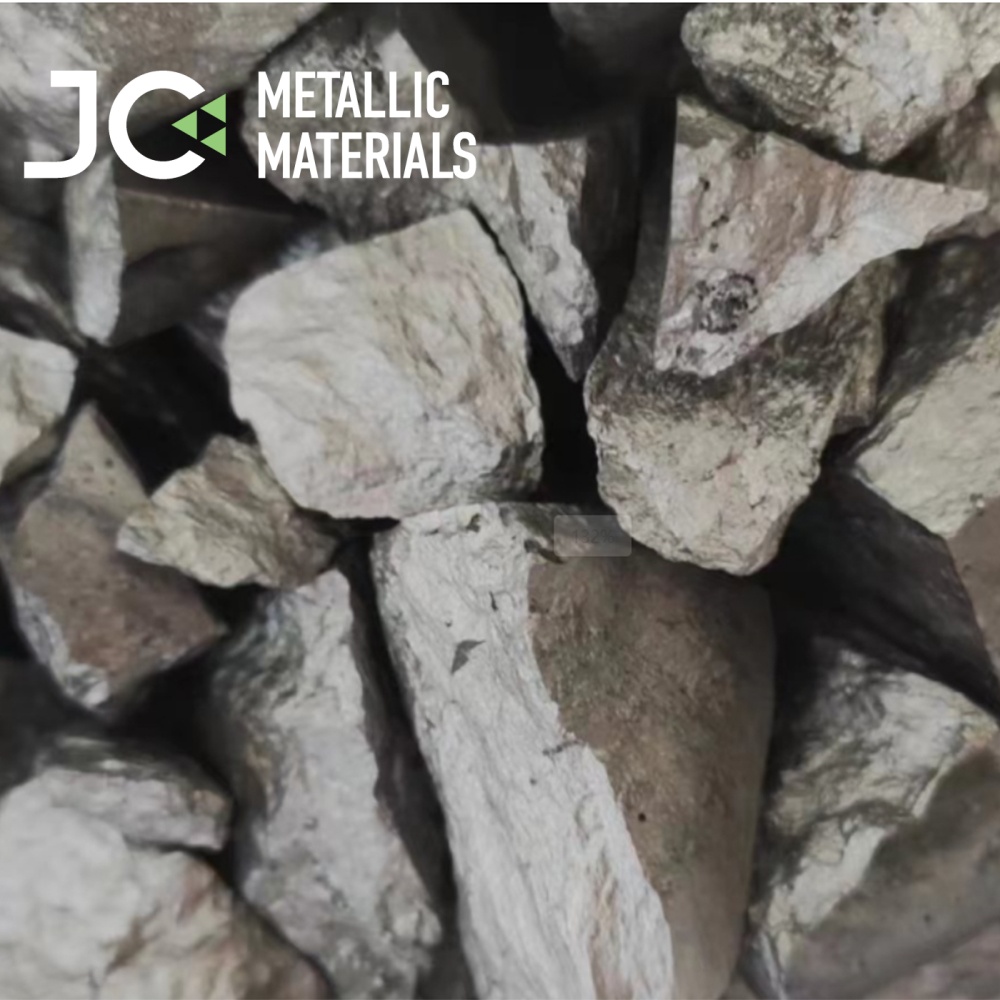
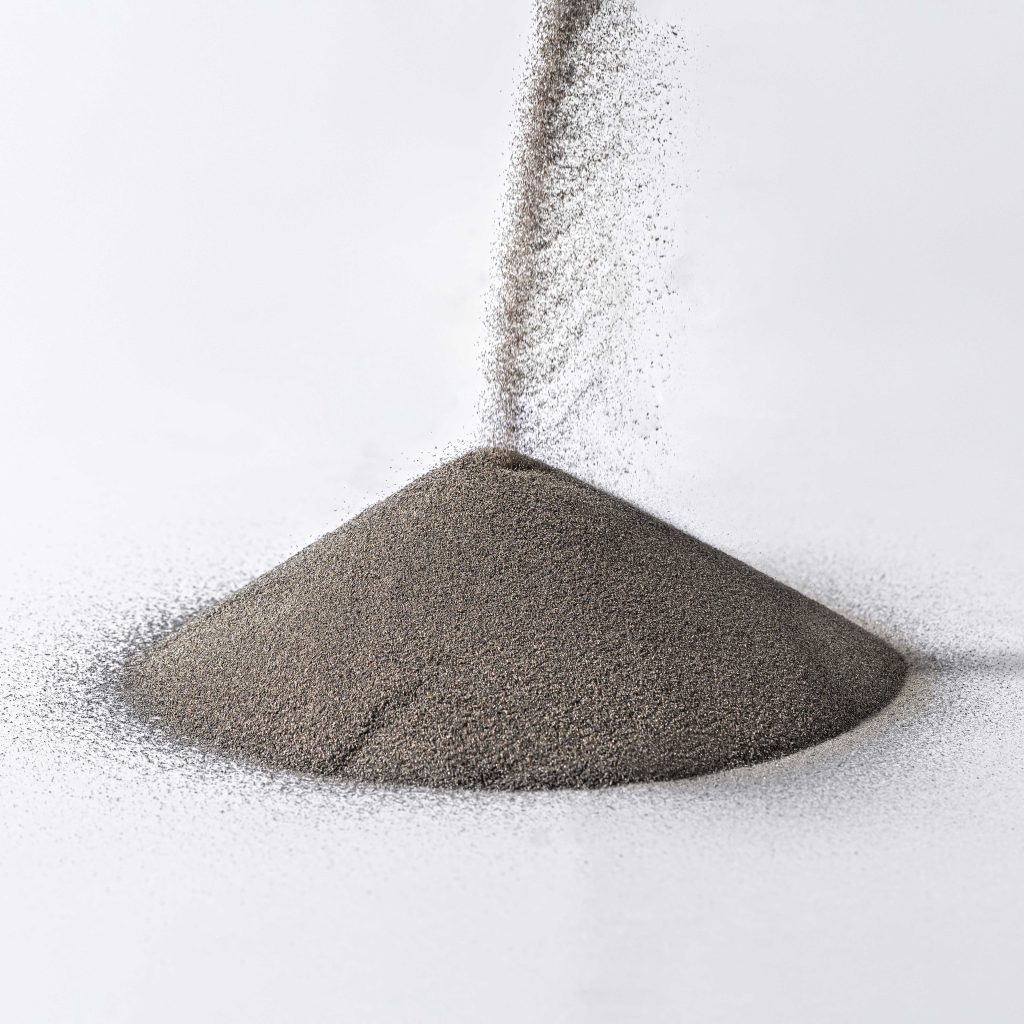
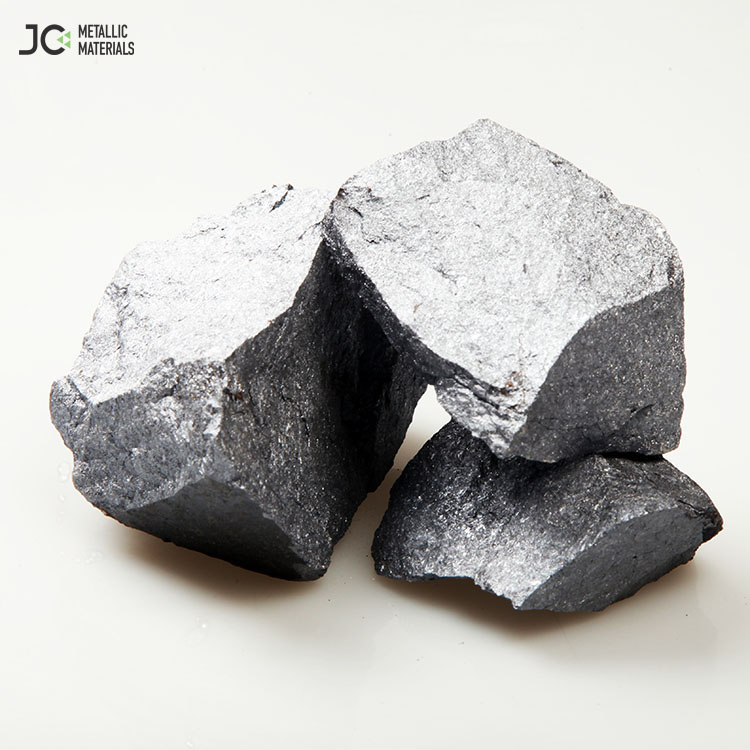
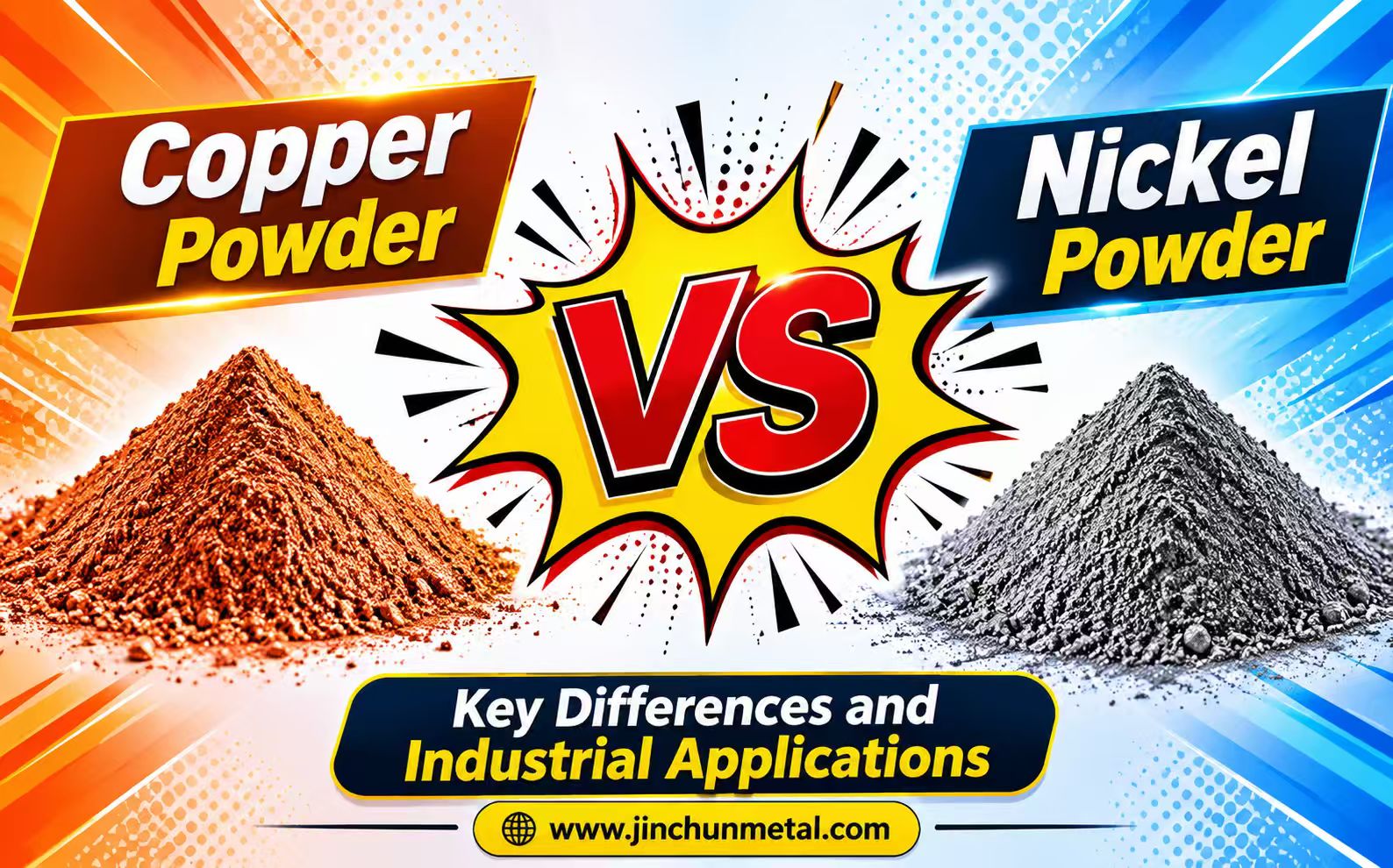
Metal powders play an important role in modern industrial manufacturing. Copper powder and nickel powder are widely used across electronics, automotive, aerospace, and chemical industries. Both materials offer distinct physical and chemical properties. These differences influence their performance, processing requirements, and industrial suitability.
Copper powder is particularly valued for its excellent electrical and thermal conductivity. Manufacturers use it in conductive materials, powder metallurgy, and specialized coatings. Nickel powder offers different advantages, including magnetic characteristics, high-temperature performance, and catalytic activity. These properties make it suitable for several advanced manufacturing applications.
For industrial buyers, selecting the right metal powder requires careful technical evaluation. Factors such as chemical purity, particle size, morphology, and application requirements influence material selection.
This guide compares copper powder and nickel powder, highlighting their key differences, industrial applications, and important purchasing considerations.
Understanding Copper Powder and Nickel Powder
Copper powder and nickel powder are important materials in advanced manufacturing. Both offer different physical, chemical, and functional characteristics. Their composition and particle properties determine suitability across various industrial applications.
Copper Powder: Composition and Material Characteristics
Copper powder is a finely divided metallic material with a reddish-brown appearance. It provides excellent electrical and thermal conductivity. These characteristics make it suitable for electronics, powder metallurgy, conductive coatings, and thermal management applications.
Its performance depends on several material characteristics:
- Chemical Composition:Primarily consists of metallic copper with controlled impurities.
- Electrical Properties:Provides excellent conductivity for electronic manufacturing.
- Thermal Performance: Supports efficient heat transfer in industrial components.
- Particle Morphology:Available in spherical, irregular, and dendritic forms.
- Oxidation Behavior:Requires suitable storage to minimize surface oxidation.
For applications requiring specific particle shapes and sizes, explore our spherical metal powders for different industrial requirements.
Nickel Powder: Composition and Material Characteristics
The Nickel Institute explains nickel’s physical properties, including its magnetic behavior, melting point, and density, which influence its industrial applications.
Nickel powder is a metallic material featuring a silvery-white appearance. It offers useful magnetic properties, thermal stability, and corrosion resistance. Manufacturers use it in battery materials, catalysts, specialized alloys, and advanced industrial components.
Its important characteristics include:
- Chemical Composition:Primarily contains metallic nickel with controlled impurities.
- Magnetic Properties: Exhibits ferromagnetic behavior under suitable conditions.
- Thermal Performance: Offers a higher melting point than copper.
- Particle Morphology:Available in spherical, irregular, and other specialized forms.
- Chemical Stability:Provides useful resistance in various industrial environments.
- Material Selection Insight:Copper powder is particularly suitable for conductivity-focused applications.
Nickel powder is preferable when magnetic properties or higher-temperature performance are required. Final selection should depend on actual production specifications.
Copper Powder vs Nickel Powder: A Technical Comparison
Copper powder and nickel powder differ in several important technical properties. These differences influence their processing behavior, industrial performance, and application suitability. Manufacturers should evaluate these characteristics before selecting materials for specific production requirements.
| Technical Parameter | Copper Powder | Nickel Powder |
| Chemical Symbol | Cu | Ni |
| Atomic Number | 29 | 28 |
| Appearance | Reddish-brown | Silvery-white |
| Atomic Weight | 63.55 | 58.69 |
| Density | 8.96 g/cm³ | 8.90 g/cm³ |
| Melting Point | 1,084.6°C | 1,455°C |
| Electrical Conductivity | Excellent | Comparatively lower |
| Thermal Conductivity | Approximately 401 W/m·K | Approximately 91 W/m·K |
| Magnetic Behavior | Non-ferromagnetic | Ferromagnetic |
| Main Industrial Strength | Electrical conductivity | Magnetic and thermal performance |
Conductivity values represent approximate bulk-metal properties at room temperature, not guaranteed powder performance.
Industrial Applications: Where Does Each Powder Perform Best?
Copper powder and nickel powder serve different manufacturing requirements across multiple industries. Their unique characteristics support specialized production processes and industrial applications. Understanding these uses helps manufacturers select suitable materials for specific operational needs.
Electronics and Electrical Manufacturing
Copper powder is widely used in conductive materials, electronic pastes, and specialized electrical components. Its excellent conductivity supports efficient electrical transmission and thermal management. Nickel powder, however, is used in selected electronic components, conductive formulations, and magnetic materials.
- Copper Applications:Conductive inks, electronic pastes, and electrical components.
- Nickel Applications:Magnetic components, electronic materials, and specialized coatings.
Automotive and Transportation Industry
Both materials contribute to automotive manufacturing through different applications. Copper powder supports electrical components, friction materials, and thermal management solutions. Nickel powder is valuable in battery-related materials, specialized alloys, and selected automotive components.
- Copper Applications: Electrical contacts, brake materials, and thermal components.
- Nickel Applications:Battery materials, alloy components, and protective coatings.
Aerospace and Advanced Manufacturing
Copper powder supports aerospace applications requiring effective heat transfer and electrical conductivity. Nickel powder plays an important role in advanced alloy development. Its high-temperature performance makes nickel-based materials valuable for demanding aerospace environments.
- Copper Applications:Thermal management components and conductive materials.
- Nickel Applications:High-temperature alloys and specialized powder-based components.
Chemical Processing and Surface Engineering
Copper powder supports selected chemical formulations and specialized industrial coatings. Nickel powder offers catalytic properties for several chemical reactions. It also contributes to protective coatings requiring suitable corrosion resistance.
- Copper Applications:Chemical formulations and conductive surface coatings.
- Nickel Applications: Industrial catalysts and protective metal coatings.
Powder Metallurgy and Precision Components
Copper powder supports manufacturing processes requiring conductivity and effective sintering characteristics. Nickel powder contributes to specialized alloys and engineered components. Both materials can improve production flexibility when selected according to technical requirements.
- Copper Applications:Sintered bearings, mechanical components, and electrical parts.
- Nickel Applications:Alloy components, precision parts, and specialized materials.
Performance Advantages and Application Limitations
Copper and nickel powders offer distinct industrial benefits. However, their limitations influence application suitability and manufacturing performance.
Advantages of Copper Powder
- High Conductivity:Supports efficient electrical transmission.
- Thermal Performance:Provides effective heat transfer.
- Versatility:Supports coatings and powder metallurgy.
Advantages of Nickel Powder
- Magnetic Properties: Supports specialized magnetic components.
- Temperature Resistance:Performs well under elevated temperatures.
- Corrosion Resistance:Supports demanding industrial environments.
Technical Limitations
| Factor | Copper Powder | Nickel Powder |
| Oxidation | Requires protection | Can oxidize |
| Conductivity | Excellent | Comparatively lower |
| Melting Point | Lower | Higher |
| Handling | Requires dust control | Requires exposure controls |
Material Selection Considerations
Copper suits conductivity-focused applications, while nickel supports magnetic and high-temperature requirements. Buyers should evaluate technical specifications before selecting either material.
Which Metal Powder Should Industrial Manufacturers Choose?
Selecting between copper and nickel powder depends on specific manufacturing requirements. Each material offers different advantages for industrial applications.
1: For Electrical Conductivity Requirements
Copper powder is preferable for conductive components, electronic materials, and electrical applications. Its superior conductivity supports efficient performance.
2: For Magnetic and High-Temperature Applications
Nickel powder is suitable for magnetic materials and specialized high-temperature applications. Its ferromagnetic properties and higher melting point provide important advantages.
3: For Corrosion and Chemical Resistance
Nickel powder offers useful corrosion resistance in many industrial environments. Copper also performs well under suitable environmental conditions.
4: For Specialized Manufacturing Processes
Copper supports conductive formulations and sintered components. Nickel contributes to specialized alloys, catalysts, and engineered materials.
Selection Recommendation: Manufacturers should compare material properties, production requirements, and operating conditions before finalizing their powder selection.
Factors That Influence Metal Powder Selection
Selecting suitable metal powder requires evaluating several technical and commercial factors. These considerations directly influence manufacturing quality and material performance.
- Chemical Purity: Verify composition and acceptable impurity levels.
- Particle Size:Match particle distribution with production requirements.
- Particle Morphology:Evaluate shape, flowability, and packing characteristics.
- Processing Compatibility:Ensure suitability for intended manufacturing techniques.
- Quality Consistency: Review inspection reports and material specifications.
- Supply Availability:Consider supplier capacity and purchasing requirements.
Proper material evaluation helps manufacturers maintain production consistency and reduce procurement risks.
Manufacturers can explore our range of metal powder products to find materials suitable for different industrial manufacturing requirements.
Bulk Purchasing Considerations for Industrial Buyers
Industrial buyers should evaluate supplier capabilities beyond material pricing. Proper procurement planning supports reliable supply and consistent manufacturing quality.
Material Specifications and Documentation
Confirm chemical composition, particle size, purity, and relevant testing documentation before purchasing.
Order Quantities and Supply Capacity
Evaluate minimum order quantities, production capacity, and availability for recurring bulk requirements.
Packaging, Storage, and Transportation
Ensure appropriate packaging protects metal powders against moisture, contamination, and handling risks.
Quality Control and Technical Support
Choose suppliers offering consistent inspection procedures, technical documentation, and responsive communication.
You can also explore our metal and alloy powder products to review available materials and customized powder solutions.
Why Jinchun Metal for Industrial Metal Powder Requirements?
Jinchun Metal specializes in industrial metal powder supply and material solutions. The company focuses on supporting manufacturers with suitable product specifications and procurement requirements.
- Material Specifications:Support application-specific material selection.
- Particle Size:Discuss suitable particle-size requirements.
- Quality Control:Prioritize consistent material specifications.
- Customized Solutions: Address specialized industrial requirements.
- Bulk Supply:Support larger procurement requirements.
- Technical Support: Provide product-related purchasing guidance.
Industrial buyers should communicate their technical specifications before requesting quotations. Proper evaluation helps establish reliable and long-term supplier relationships.
Final Thoughts
Copper powder and nickel powder serve different industrial requirements. Copper excels in electrical and thermal conductivity, while nickel offers magnetic properties and higher-temperature performance.
Manufacturers should evaluate material specifications, processing conditions, and application requirements before purchasing. Selecting suitable materials and reliable suppliers helps maintain consistent production quality.
Frequently Asked Questions
Q1: What makes copper powder different from nickel powder?
Answer: Copper offers excellent electrical conductivity, while nickel provides magnetic properties and higher-temperature resistance. Their applications depend on specific manufacturing requirements.
Q2: Which powder provides better electrical conductivity?
Answer: Copper powder provides significantly better electrical conductivity than nickel powder. It is commonly preferred for conductive materials and electronic manufacturing.
Q3: Why is nickel powder used in magnetic applications?
Answer: Nickel powder exhibits ferromagnetic properties, making it suitable for specialized magnetic components, electronic materials, and industrial applications.
Q4: Which metal powder performs better at high temperatures?
Answer: Nickel powder has a higher melting point than copper. Therefore, it is more suitable for many elevated-temperature applications.
Q5: Can copper and nickel powders be alloyed?
Answer: Yes, both powders can be combined to develop copper-nickel alloys. Their composition depends on required mechanical and chemical properties.
Q6: What determines industrial metal powder quality?
Answer: Chemical purity, particle size, morphology, and consistency determine powder quality. Proper testing helps verify material specifications.
Q7: Which powder is suitable for powder metallurgy?
Answer: Both materials support powder metallurgy applications. Selection depends on component requirements, processing conditions, and desired final properties.
Q8: How does particle morphology affect manufacturing?
Answer: Particle morphology influences flowability, packing density, and processing behavior. Suitable particle shapes improve manufacturing consistency.
Q9: What should buyers check before bulk purchasing?
Answer: Buyers should verify purity, particle size, packaging, quality documentation, and supplier capacity before placing bulk orders.
Q10: How can manufacturers select a reliable powder supplier?
Answer: Manufacturers should evaluate product specifications, quality controls, technical support, and supply capabilities when selecting suppliers.
