 German
  English
  French
  Japanese
  Korean
  Spanish
  Vietnamese
  Thai
Thai  Portuguese
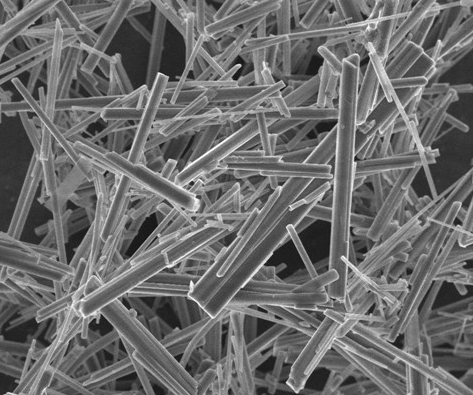
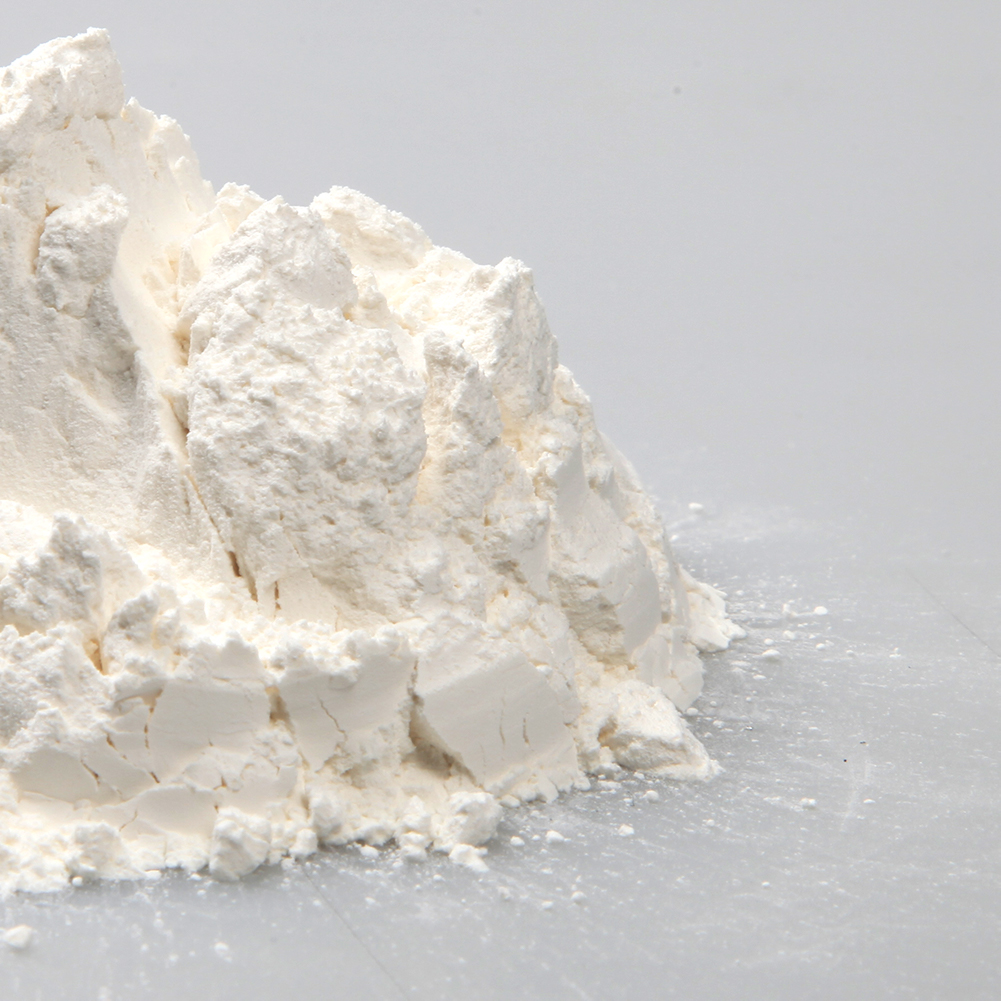
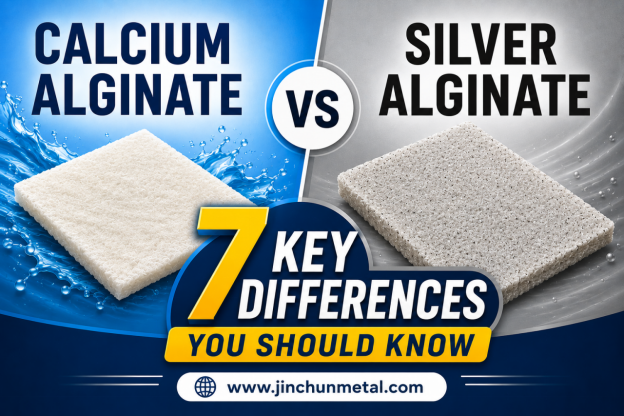
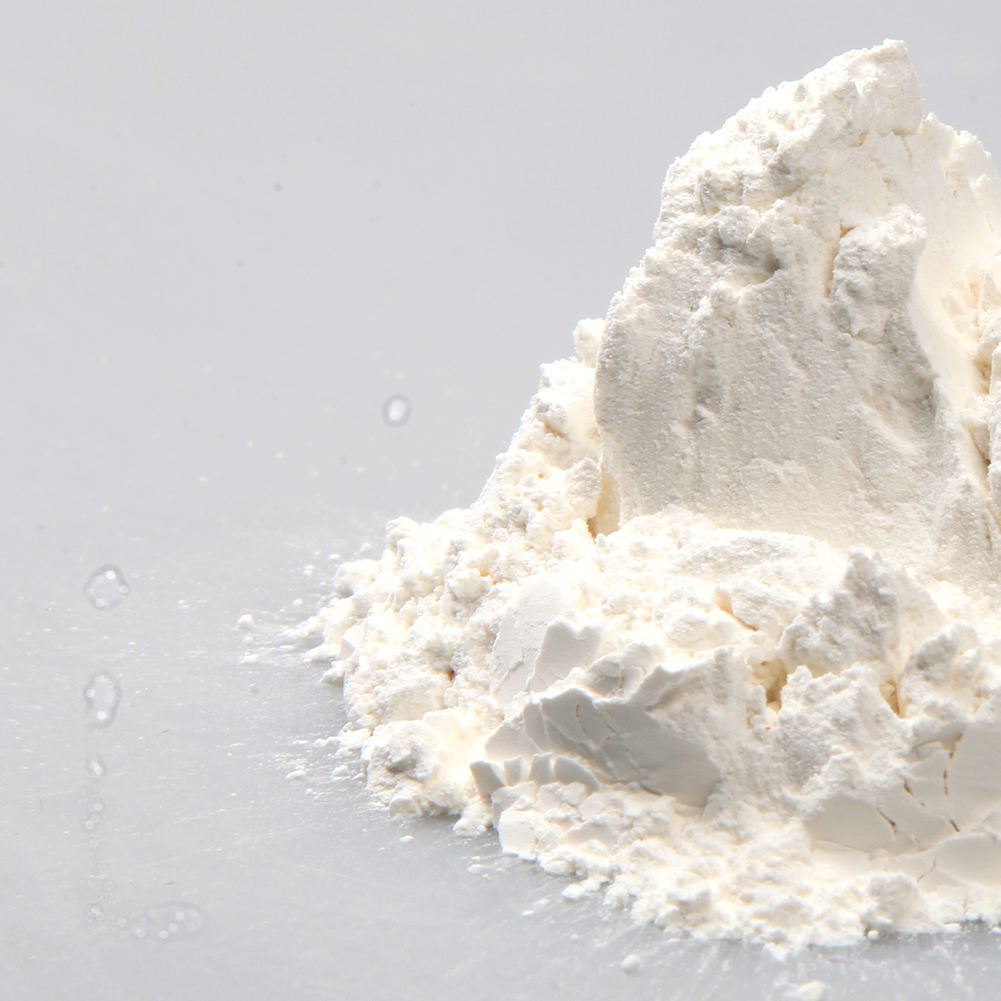
Advanced wound care materials now play an important role in modern healthcare systems. Calcium alginate and silver alginate dressings improve moisture control, wound protection, and tissue recovery. Hospitals, clinics, and medical manufacturers increasingly use these materials for reliable wound management and patient safety.
Both materials support wound healing effectively. However, their antibacterial performance, infection-control capability, and medical applications differ significantly. Understanding these differences helps healthcare professionals and industrial buyers select suitable wound care materials for different treatment requirements.
This guide explains the major differences between calcium alginate and silver alginate. Readers will learn about composition, applications, advantages, wound healing performance, selection factors, and industrial importance in modern healthcare industries.
What Is Calcium Alginate?
Calcium alginate is a natural wound dressing material made from seaweed-derived alginate fibers combined with calcium ions. It absorbs wound exudate and forms a soft gel that helps maintain a moist healing environment.
This dressing supports faster wound healing and improves patient comfort during treatment. Calcium alginate products are commonly used for moderate to heavily exuding wounds, surgical wounds, pressure ulcers, diabetic ulcers, and general wound care applications.
What Is Silver Alginate?
Silver alginate is an advanced wound dressing combining alginate fibers with antimicrobial silver ions. It absorbs wound exudate while releasing silver ions that help control bacterial growth. This dressing supports infection prevention and improves wound protection in high-risk medical conditions.
Silver alginate products are commonly used for infected wounds, diabetic ulcers, severe burns, and advanced clinical wound management applications.
To learn more about the base material used in both dressings, read our detailed guide: What Is Sodium Alginate? Applications, Properties & Industrial Uses Guide (2026)
Main Difference Between Calcium Alginate and Silver Alginate
Calcium alginate and silver alginate both support modern wound care treatment. However, their antibacterial capability, absorption performance, medical applications, and healing protection advantages differ significantly in healthcare and clinical environments.
| Factor | Calcium Alginate | Silver Alginate | Main Benefit |
| Composition | Calcium salts | Alginate with silver ions | Specialized wound care |
| Antibacterial Properties | No antimicrobial protection | Strong antibacterial activity | Infection reduction |
| Absorption Performance | High absorption | High absorption | Moist wound healing |
| Infection Control | Basic wound protection | Advanced bacterial control | Safer healing |
| Healing Environment | Moist healing support | Moist healing with protection | Faster recovery support |
| Medical Applications | General wounds | Infected wounds | Better treatment matching |
| Cost Difference | Lower cost | Higher cost | Advanced clinical value |
| Dressing Change Frequency | Standard replacement | Depends on infection severity | Flexible treatment management |
Key Differences Between Calcium Alginate and Silver Alginate
1: Material Composition
Calcium alginate contains natural calcium salts extracted from seaweed materials. Silver alginate combines alginate fibers with antimicrobial silver ions for advanced wound care applications.
This structural difference directly affects antibacterial performance, infection control capability, and clinical treatment effectiveness in healthcare environments.
For a detailed clinical overview of calcium alginate dressings, visit WCEI Calcium Alginate.
2: Antibacterial Protection
Calcium alginate does not contain antibacterial agents for infection management. Silver alginate continuously releases silver ions that help reduce bacterial growth around wounds.
This antimicrobial capability improves infection prevention while supporting safer wound healing in hospitals and advanced clinical treatment environments.
3: Wound Healing Performance
Both dressings maintain moist wound environments that support tissue recovery. Silver alginate additionally controls bacterial contamination during the healing process.
Calcium alginate mainly focuses on absorption and moisture balance. Silver alginate provides stronger protection for infected or high-risk wounds requiring advanced clinical management.
4: Absorption Capacity
Calcium alginate and silver alginate both absorb large amounts of wound exudate effectively. Their gel-forming structure helps maintain stable moisture conditions around wounds.
Silver alginate additionally provides antimicrobial protection. Both materials perform well for moderate and heavily draining wound management applications.
5: Medical Applications
Calcium alginate commonly treats surgical wounds, pressure ulcers, and minor burns. Silver alginate is mainly used for infected wounds, diabetic ulcers, and severe burns requiring antibacterial protection.
Hospitals often select silver alginate for patients needing advanced infection-control treatment support.
6: Cost and Treatment Value
Calcium alginate products generally cost less because they lack antimicrobial silver technology. Silver alginate dressings have higher production costs due to silver integration and advanced clinical performance.
However, silver alginate may reduce infection-related complications and long-term treatment expenses in complex wound cases.
7: Dressing Replacement Frequency
Calcium alginate dressings usually follow regular replacement schedules based on wound drainage levels. Silver alginate replacement frequency often depends on infection severity and bacterial management requirements.
Healthcare professionals carefully monitor infected wounds to maintain proper healing conditions and treatment effectiveness.
How Calcium Alginate Works in Wound Care?
Calcium alginate supports wound healing through moisture control and fluid absorption. Its gel-forming structure protects damaged tissue, maintains stable healing conditions, and improves patient comfort during modern wound care treatment procedures.
- Fluid Absorption:Absorbs excess wound exudate while maintaining balanced moisture conditions around damaged tissue surfaces.
- Gel Formation:Forms a soft protective gel layer after contacting wound fluid during treatment procedures.
- Moist Healing:Supports moist wound environments that improve tissue recovery and reduce healing complications effectively.
- Tissue Protection:Protects sensitive wound tissue while minimizing additional damage during dressing replacement procedures.
- Patient Comfort:Improves treatment comfort by reducing dressing adhesion and irritation around healing wound areas.
Calcium alginate remains widely used in healthcare because of its strong absorption capability and reliable healing support. Hospitals and medical professionals prefer it for effective wound management and patient safety improvement.
According to wound care experts, silver alginate dressing provides the same high absorption as calcium alginate but with the added benefit of infection control. Learn more at WCEI Alginate Guide.
How Silver Alginate Works in Wound Care?
Silver alginate combines moisture management with antibacterial protection for advanced wound care treatment. Its silver ions help control bacterial growth while maintaining stable healing conditions in infected or high-risk wounds.
- Exudate Absorption:Absorbs wound fluid effectively while maintaining balanced moisture levels around damaged tissue surfaces.
- Silver Ion Release:Releases antimicrobial silver ions that help reduce bacterial growth around infected wound areas.
- Infection Control:Supports infection prevention by limiting bacterial contamination during advanced wound treatment procedures.
- Protective Gel Layer:Forms a soft gel barrier that protects wounds and supports stable healing environments effectively.
- Advanced Healing Support:Improves wound recovery performance while reducing contamination risks in clinical healthcare applications.
Silver alginate is widely used for infected wounds, diabetic ulcers, and severe burns. Healthcare professionals prefer it because of its antibacterial protection and advanced wound healing support capabilities.
Major Uses of Calcium Alginate and Silver Alginate
Calcium alginate and silver alginate are widely used in modern healthcare and industrial sectors.
Their absorption capability, wound protection performance, and healing support advantages make them important medical treatment materials worldwide.
- Surgical Wound Management:Used for managing post-surgical wounds requiring fluid absorption and stable healing support conditions.
- Burn Recovery Applications:Supports moisture balance and wound protection during minor and severe burn recovery procedures.
- Diabetic Ulcer Care:Helps control wound drainage and bacterial contamination in chronic diabetic wound treatment applications.
- Advanced Infection Protection:Silver alginate provides antibacterial protection for infected wounds requiring advanced clinical care management.
- Pharmaceutical and Industrial Uses: Used in pharmaceutical, textile, food, and biomedical industries for stabilizing and material-processing applications.
Both calcium alginate and silver alginate remain essential materials in advanced wound management systems.
Their medical and industrial applications continue expanding because of reliable absorption, protection, and healing support performance.
learn more in our article: China’s Role in Supplying Sodium Alginate Powder to Global Industries
Advantages of Silver Alginate and Calcium Alginate
- Excellent Absorption Performance:Both materials absorb wound exudate effectively while maintaining balanced moisture conditions around damaged tissue.
- Improved Wound Healing Support:Support moist healing environments that help improve tissue recovery and reduce healing complications.
- Strong Wound Protection:Protect wound surfaces from external contamination and reduce additional tissue damage during treatment.
- Comfortable Dressing Performance:Form soft gel layers that improve patient comfort during wound management procedures.
- Advanced Infection Management:Silver alginate provides antibacterial protection while calcium alginate supports stable healing conditions.
- Wide Medical Applications:Used for surgical wounds, burns, diabetic ulcers, pressure ulcers, and advanced clinical wound care treatments.
Calcium Alginate vs Silver Alginate: Which One Is Better?
Calcium alginate works effectively for non infected wounds requiring moisture control and strong absorption performance. Healthcare professionals commonly use it for surgical wounds, pressure ulcers, and general wound healing management applications.
Silver alginate is better for infected wounds because it provides antibacterial protection through silver ions. It helps reduce bacterial contamination while supporting advanced wound healing in complex medical treatment conditions.
The better option depends on wound condition, infection severity, and treatment requirements. Healthcare professionals usually evaluate wound type carefully before selecting calcium alginate or silver alginate for effective clinical wound management.
Common Mistakes Buyers Should Avoid
- Choosing wound dressings without properly evaluating infection severity may reduce treatment effectiveness and increase healing complications significantly.
- Ignoring wound drainage levels often causes incorrect dressing selection and unstable moisture management during wound treatment procedures.
- Selecting low-quality alginate materials may reduce absorption capability and negatively affect clinical wound protection performance and patient safety.
- Using incorrect dressing replacement schedules may increase bacterial contamination risks and delay proper tissue recovery during treatment management.
- Ignoring manufacturer certifications may result in unreliable medical products with inconsistent quality standards and poor healthcare performance.
Why Choose Chengdu Jinchun Metallic Materials Co., Ltd. for Alginate Supply
Chengdu Jinchun Metallic Materials Co. provides reliable alginate supply solutions for industrial and medical applications.
Our company focuses on stable quality control, professional manufacturing standards, and export-oriented production systems.
Our experienced technical team supports customized material requirements for global buyers and industrial projects.
Our company also emphasizes consistent inspection procedures and long-term supply reliability for international customers.
Strong manufacturing capability and professional export support make Chengdu Jinchun Metallic Materials Co., Ltd. a dependable partner for alginate material sourcing and healthcare-related industrial applications worldwide.
Final Thoughts
Calcium alginate and silver alginate both provide important advantages for modern wound care management. Calcium alginate supports moisture balance and cost-effective healing support. Silver alginate delivers stronger antibacterial protection for infected wounds requiring advanced clinical treatment. Selecting the correct dressing improves patient safety, wound healing performance, and healthcare efficiency. Buyers should always choose certified manufacturers with reliable quality control systems.
Contact Chengdu Jinchun Metallic Materials Co., Ltd. today for professional alginate material solutions and global industrial supply support.
FAQs
Q1: What is the main difference between calcium alginate and silver alginate?
Answer: Calcium alginate mainly supports moisture absorption and wound healing. Silver alginate additionally provides antibacterial protection through silver ions for infected wound management applications.
Q2: Is silver alginate better for infected wounds?
Answer: Yes, silver alginate is commonly preferred for infected wounds because it helps reduce bacterial growth and improves advanced wound protection during treatment procedures.
Q3: Where is calcium alginate commonly used?
Answer: Calcium alginate is widely used for surgical wounds, pressure ulcers, minor burns, and general wound care applications requiring strong absorption performance.
Q4: Can silver alginate reduce bacterial contamination?
Answer: Yes, silver alginate releases antimicrobial silver ions that help reduce bacterial contamination and improve infection control during advanced wound healing procedures.
Q5: Which dressing absorbs more wound fluid?
Answer: Both calcium alginate and silver alginate provide excellent absorption capability for moderate and heavily draining wounds in healthcare treatment applications.
Q6: Are alginate dressings suitable for burn treatment?
Answer: Yes, alginate dressings are commonly used for burn management because they maintain moisture balance and support tissue protection during healing procedures.
Q7: How often should alginate dressings be changed?
Answer: Dressing replacement depends on wound condition, infection severity, and drainage level. Healthcare professionals usually determine proper replacement schedules during treatment management.
Q8: Why do hospitals use silver alginate dressings?
Answer: Hospitals prefer silver alginate because it combines strong absorption performance with antibacterial protection for infected and high risk wound care treatments.
Q9: Is calcium alginate more affordable than silver alginate?
Answer: Yes, calcium alginate usually costs less because it does not contain antimicrobial silver technology used in advanced clinical wound care products.
Q10: Why is China a major alginate manufacturing center?
Answer: China has strong seaweed raw material resources, large scale manufacturing capability, competitive production costs, and reliable export supply chains for global alginate industries.