 German
  English
  French
  Japanese
  Korean
  Spanish
  Vietnamese
  Thai
Thai  Portuguese



Sodium carboxymethyl cellulose (CMC) has quietly become one of the most important functional additives in modern manufacturing. It shows up in your morning yogurt, the tablet you swallow with it, the paper this text might be printed on, and thousands of feet underground in oil drilling operations. Few industrial chemicals match its combination of versatility, safety, and cost-effectiveness.
Yet many procurement managers and formulators still treat CMC as a commodity — ordering on price alone without understanding the significant quality differences between grades, suppliers, and production methods. That approach leads to inconsistent results, production delays, and costly reformulations.
This guide is designed to change that. Whether you are sourcing CMC for the first time or looking to improve your current supply chain, you will find everything you need here: what CMC is, how it is made, which grades suit which applications, what to verify before buying, and how to read the market in 2026.
What Is Sodium Carboxymethyl Cellulose?

Sodium carboxymethyl cellulose is a water-soluble polymer derived from cellulose, the structural material found in plant cell walls. Through a controlled chemical process, hydroxyl groups on the cellulose chain are replaced with carboxymethyl groups, producing a compound that dissolves readily in water and forms stable, viscous solutions.
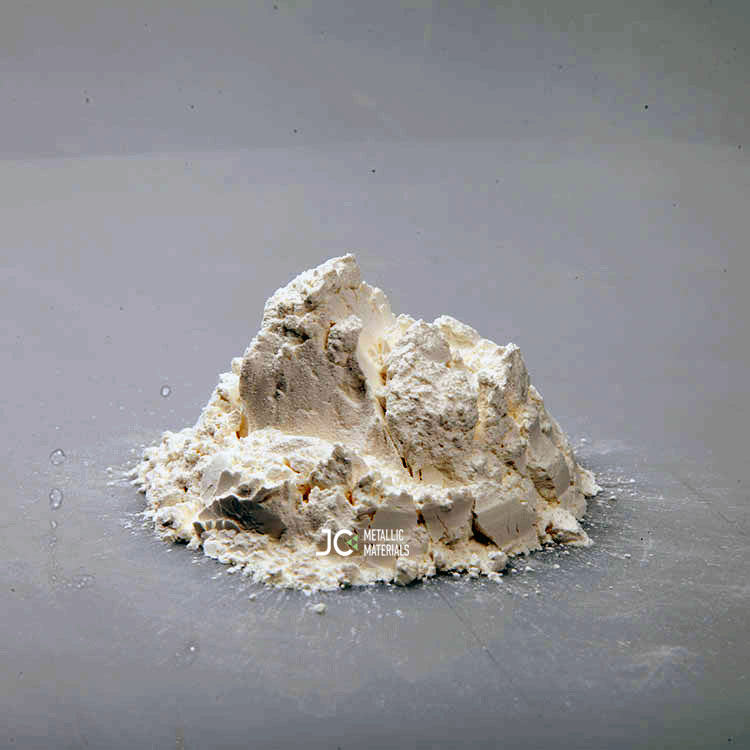
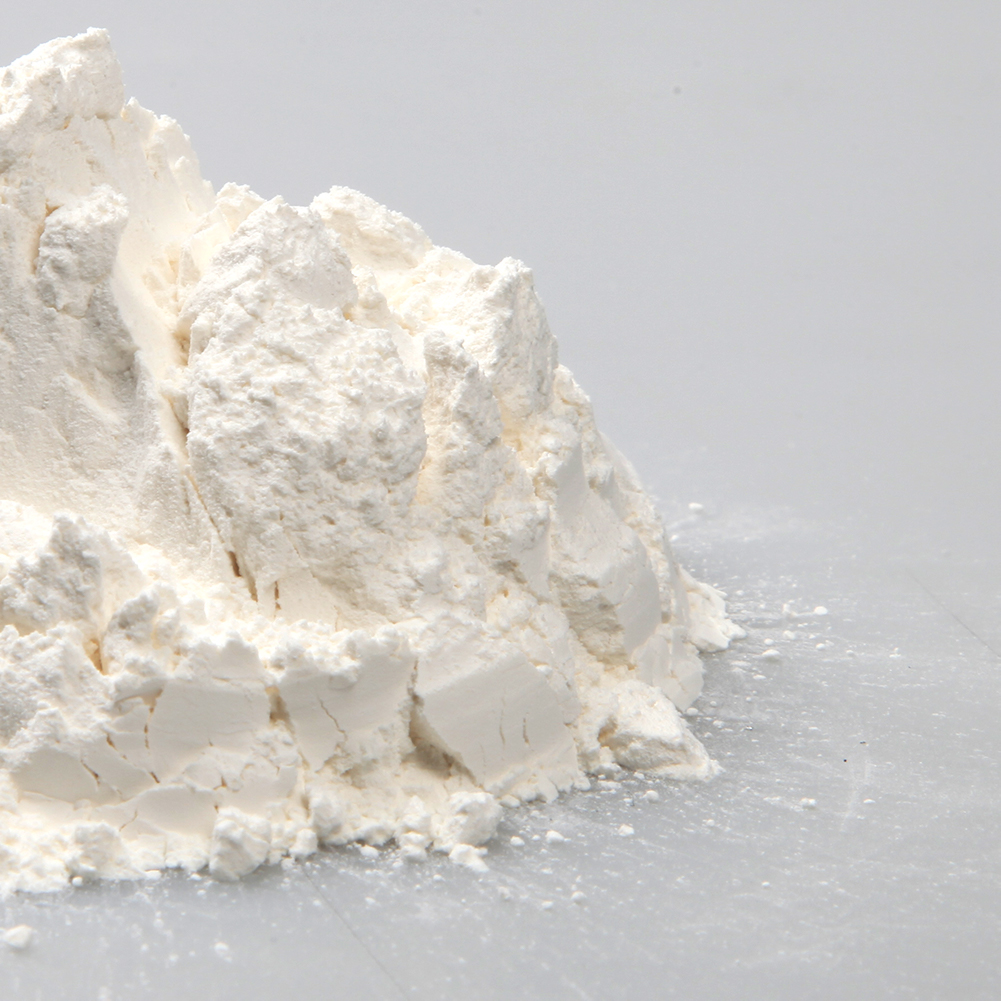
The end product is typically a white or cream-colored powder with no odor and minimal taste. It is non-toxic, biodegradable, and chemically inert under most conditions and properties that make it acceptable for use in food, pharmaceuticals, and personal care products, not just heavy industry.
The defining characteristic of CMC is its ability to modify the rheology of water-based systems. Even at low concentrations of 0.5 to 2%, it can dramatically thicken a solution, stabilize a suspension, or prevent ingredients from separating over time. This explains why a single substance finds applications across such different industries.
Key Physical and Chemical Properties
One property worth special attention is the degree of substitution (DS), which measures how many hydroxyl groups per cellulose unit have been replaced with carboxymethyl groups.
DS values typically range from 0.4 to 1.4. Higher DS values generally improve water solubility and salt tolerance, which is critical for applications like drilling fluids and detergents. Lower DS grades are often sufficient for standard food and paper applications.
Understanding CMC’s core properties helps buyers select the right grade and use it effectively.
| Property | Description | Why It Matters |
| Water Solubility | Dissolves in cold or warm water | Easy to incorporate into formulations |
| Viscosity Range | Adjustable from very low to very high | Tailored to specific process needs |
| Moisture Retention | Binds water within a matrix | Prevents drying, cracking, texture loss |
| Suspension Stability | Keeps particles evenly distributed | Extends shelf life and consistency |
| Film Formation | Creates thin, flexible protective layers | Used in coatings and paper sizing |
| pH Stability | Functional across pH 5–11 | Compatible with acidic and alkaline systems |
| Thermal Stability | Maintains viscosity up to ~80°C | Suitable for hot-process manufacturing |
How Sodium CMC Is Manufactured
Production quality depends heavily on process control at each manufacturing stage. Understanding the process helps buyers ask better questions when evaluating suppliers.
Cellulose Material Preparation
Manufacturers prepare purified cellulose materials before processing to ensure stable chemical reactions and consistent industrial sodium CMC production quality.
Alkali Treatment Process
Cellulose undergoes sodium hydroxide treatment to activate fibers and improve reaction efficiency during industrial sodium carboxymethyl cellulose manufacturing operations.
Etherification Reaction
Manufacturers add monochloroacetic acid to create sodium CMC structure while improving viscosity performance and industrial formulation processing stability.
Drying and Pulverization
Industrial drying systems reduce moisture content before grinding equipment converts sodium CMC into fine commercial industrial powder products.
Quality Inspection and Packaging
Manufacturers perform viscosity testing, purity inspection, and packaging verification before exporting sodium CMC for international industrial commercial applications.
Sodium CMC Grades and Industrial Selection Standards
Different sodium CMC grades support specific industrial applications worldwide. Each grade offers unique viscosity and formulation performance characteristics.
Manufacturers select grades according to industrial processing requirements. Proper grade selection improves production consistency and commercial formulation stability.
| Grade Type | Viscosity Range | Main Applications | Characteristics |
| Food Grade | Medium | Dairy and beverages | High purity |
| Pharmaceutical Grade | Medium to High | Medicine production | Stable formulation performance |
| Industrial Grade | High | Textile and paper | Cost-efficient manufacturing |
| Detergent Grade | Medium | Cleaning products | Strong suspension capability |
| Oil Drilling Grade | High | Drilling fluids | Excellent viscosity control |
| Ceramic Grade | Medium | Ceramic coatings | Reliable bonding capability |
Industrial Sectors That Depend on Sodium Carboxymethyl Cellulose
Sodium carboxymethyl cellulose supports multiple industrial sectors through stable viscosity control, moisture retention capability, suspension performance, and reliable formulation consistency during commercial manufacturing operations worldwide.
- Food Manufacturing:Improves texture consistency and moisture retention in processed foods, beverages, dairy products, and bakery manufacturing applications.
- Pharmaceutical Production: Supports stable tablet formation and liquid medicine suspension performance during pharmaceutical manufacturing operations.
- Oil Drilling Operations:Enhances drilling fluid viscosity and improves lubrication performance during industrial oil extraction activities worldwide.
- Textile Processing: Improves dye consistency and coating stability during industrial textile printing and fabric finishing operations.
- Paper Manufacturing: Supports surface coating performance while improving paper strength and printing quality during commercial production.
These industrial applications demonstrate why sodium carboxymethyl cellulose remains an essential additive for manufacturers requiring stable formulation quality and reliable production efficiency worldwide.
Why Sodium CMC Performs Efficiently in Industrial Formulations
Sodium CMC supports stable industrial formulations through reliable thickening performance, moisture retention capability, suspension stability, and efficient processing behavior across commercial manufacturing environments worldwide.
- Viscosity Control:Improves formulation thickness and supports stable industrial processing consistency during commercial manufacturing operations.
- Moisture Retention: Helps maintain product texture stability while reducing dryness problems during industrial storage conditions.
- Suspension Stability:Prevents ingredient separation and improves formulation uniformity across liquid industrial production systems.
- Fast Water Dissolution:Supports quicker industrial mixing performance while reducing formulation lumping during manufacturing processes.
- Chemical Compatibility:Works efficiently with multiple industrial ingredients across food, chemical, pharmaceutical, and textile manufacturing applications.
These industrial performance advantages make sodium CMC a reliable formulation additive for manufacturers requiring stable production quality and efficient commercial processing operations.
The Hidden Manufacturing Benefits of Industrial Sodium CMC
- Stable Production Performance:Supports consistent industrial formulation quality during large-scale commercial manufacturing operations.
- Improved Mixing Efficiency:Helps manufacturers achieve faster and smoother industrial formulation processing performance.
- Reduced Formulation Separation:Maintains stable ingredient distribution during industrial liquid and chemical manufacturing applications.
- Better Moisture Control:Improves product texture stability while reducing industrial drying and cracking problems.
- Reliable Processing Compatibility:Works efficiently with multiple industrial ingredients across commercial manufacturing environments worldwide.
Technical Inspection Framework Used by Professional Sodium CMC Importers
Professional sodium CMC importers follow strict technical inspection procedures to verify formulation stability, manufacturing quality, and reliable industrial commercial performance worldwide.
1: Viscosity Stability Verification
Professional buyers carefully inspect viscosity stability before purchasing sodium CMC for industrial manufacturing applications. Stable viscosity improves formulation consistency during large-scale commercial production operations worldwide.
High-quality sodium CMC helps manufacturers maintain stable product quality and long-term industrial production reliability.
2: Purity Level Inspection
Professional importers inspect sodium CMC purity before approving industrial bulk orders for commercial manufacturing applications. High-purity materials reduce contamination risks during industrial formulation and production processing operations worldwide.
Reliable purity standards help manufacturers maintain commercial production quality across multiple industrial application environments.
3: Degree of Substitution Analysis
Professional buyers evaluate the degree of substitution before selecting sodium CMC for industrial manufacturing operations. Proper substitution levels improve water solubility and stable formulation performance during commercial processing activities.
High-quality sodium CMC improves formulation compatibility across food, pharmaceutical, textile, and chemical manufacturing industries.
4: Moisture Content Evaluation
Professional importers inspect moisture content before purchasing sodium CMC for industrial manufacturing applications worldwide. Low moisture levels improve storage stability and long-term commercial product performance during transportation operations.
Reliable moisture standards help manufacturers maintain stable industrial quality across commercial production environments.
5: Dissolution Speed Testing
Professional buyers test dissolution speed before selecting sodium CMC for industrial formulation applications worldwide. Fast dissolution improves mixing efficiency during large-scale commercial manufacturing and processing operations.
Reliable sodium CMC supports smooth industrial processing and stable commercial manufacturing performance across multiple applications.
6: Manufacturing Capability Assessment
Professional buyers evaluate manufacturing capability before establishing long-term sodium CMC supply partnerships worldwide. Strong production systems improve industrial consistency and stable commercial bulk supply performance across global markets.
Experienced suppliers help buyers maintain stable commercial supply chains and long-term industrial production reliability.
7: Certification and Laboratory Verification
Professional importers verify certifications and laboratory reports before purchasing sodium CMC for industrial commercial applications worldwide. Certified materials help manufacturers meet international industrial quality and commercial compliance requirements successfully.
Laboratory testing also confirms viscosity stability, purity standards, and reliable formulation performance during production operations.
Why Industrial Buyers Work With Chengdu Jinchun Metallic Materials Co., Ltd.
Chengdu Jinchun Metallic Materials Co., Ltd. provides stable industrial material solutions for global commercial buyers.
Our company maintains reliable manufacturing standards and consistent industrial product quality worldwide.
Professional export support helps international buyers manage smooth commercial supply chain operations efficiently.
Industrial customers benefit from stable bulk supply capability and flexible OEM manufacturing cooperation services.
Our company performs strict quality inspection procedures before exporting industrial materials internationally.
Global buyers prefer Chengdu Jinchun Metallic Materials Co., Ltd. for reliable communication and long-term industrial partnership support.
Final Thoughts
Sodium carboxymethyl cellulose remains one of the most important industrial additives supporting modern manufacturing industries worldwide in 2026. Its thickening capability, moisture retention performance, and suspension stability help improve industrial formulation consistency and commercial manufacturing efficiency across multiple production sectors.
Selecting the right supplier directly affects industrial product quality, manufacturing stability, and long-term commercial supply reliability.
Buyers seeking reliable sodium CMC solutions should cooperate with experienced manufacturers offering certified industrial quality and stable international export capability.
Looking for reliable industrial-grade sodium carboxymethyl cellulose solutions? Contact Chengdu Jinchun Metallic Materials Co., Ltd. today for bulk supply support, OEM cooperation, and professional industrial consultation services.
FAQs
Q1: What is sodium carboxymethyl cellulose used for?
Answer: Sodium carboxymethyl cellulose is widely used as a thickener, stabilizer, suspension additive, and moisture-retention agent across food, pharmaceutical, textile, drilling, paper, and detergent manufacturing industries worldwide.
Q2: Is sodium CMC safe for food applications?
Answer: Food-grade sodium CMC is considered safe when produced under approved industrial manufacturing standards and used according to regulated commercial food processing requirements worldwide.
Q3: Why is viscosity important in sodium CMC?
Answer: Viscosity directly affects formulation thickness, suspension performance, and industrial processing stability during commercial manufacturing operations requiring reliable product consistency and formulation quality.
Q4: Which industries commonly use sodium CMC?
Answer: Food processing, pharmaceuticals, drilling fluids, detergents, textiles, ceramics, and paper manufacturing industries commonly use sodium carboxymethyl cellulose for industrial formulation applications worldwide.
Q5: How should sodium carboxymethyl cellulose be stored?
Answer: Sodium CMC should remain inside dry, sealed packaging away from moisture, excessive humidity, and direct sunlight to maintain stable industrial performance and commercial storage quality.
Q6: Why do global buyers prefer Chinese sodium CMC suppliers?
Answer: Chinese manufacturers provide strong industrial production capability, competitive pricing, export experience, and reliable bulk supply support for international commercial industrial buyers worldwide.