 German
 English
 French
 Japanese
 Korean
 Spanish
 Vietnamese
 Thai
 Portuguese

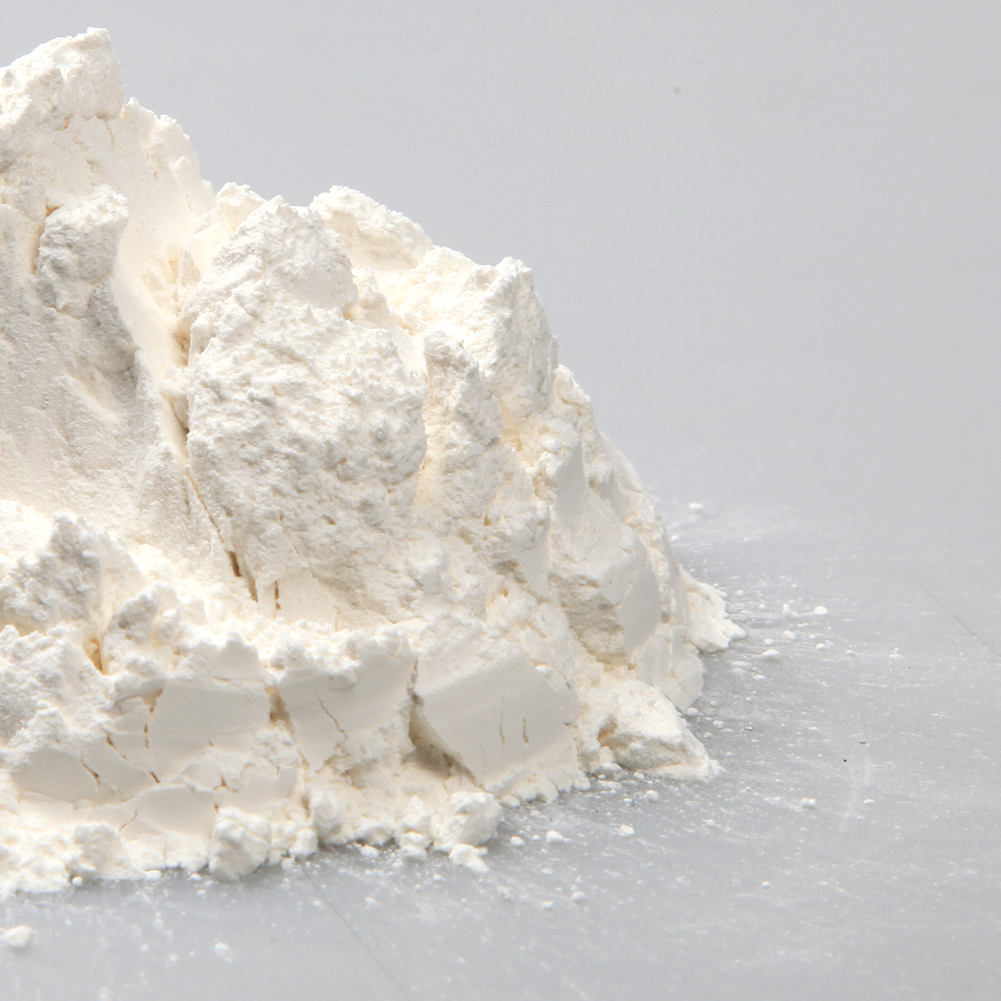
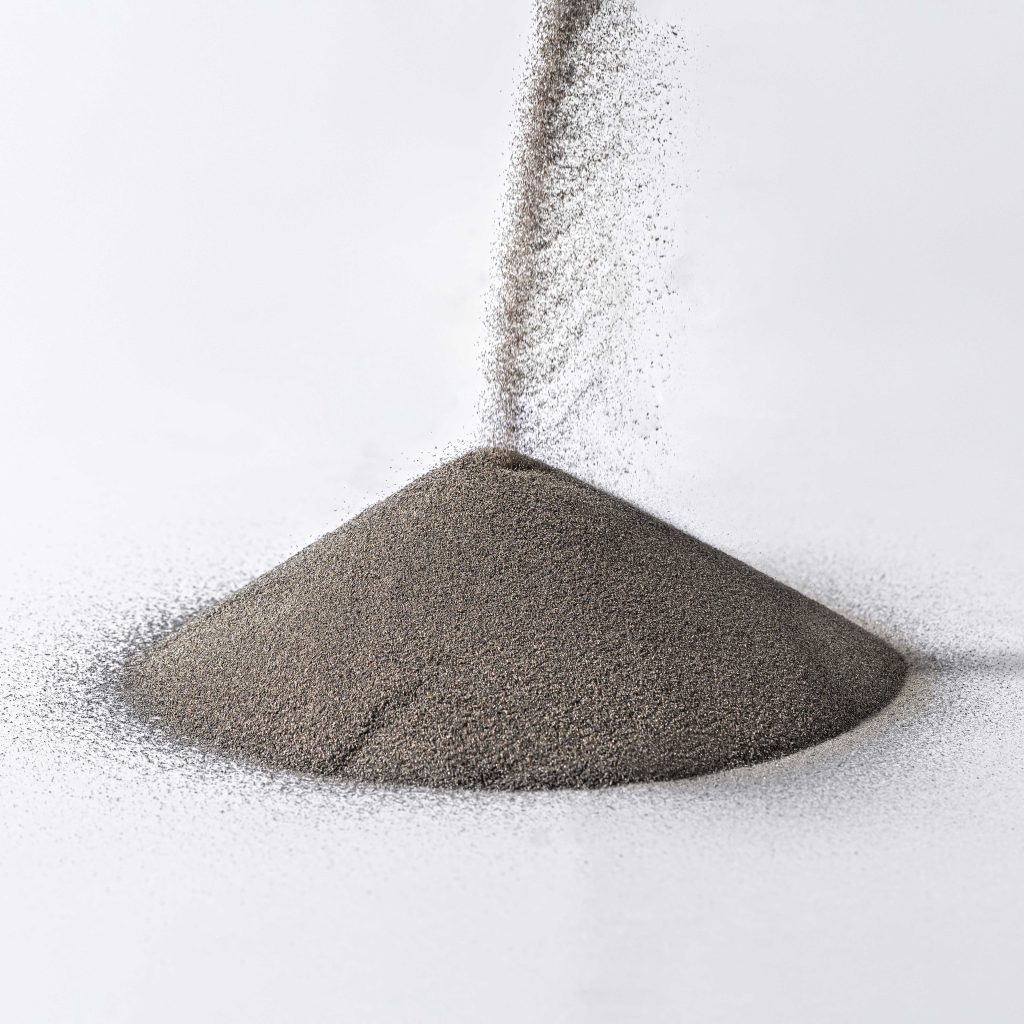
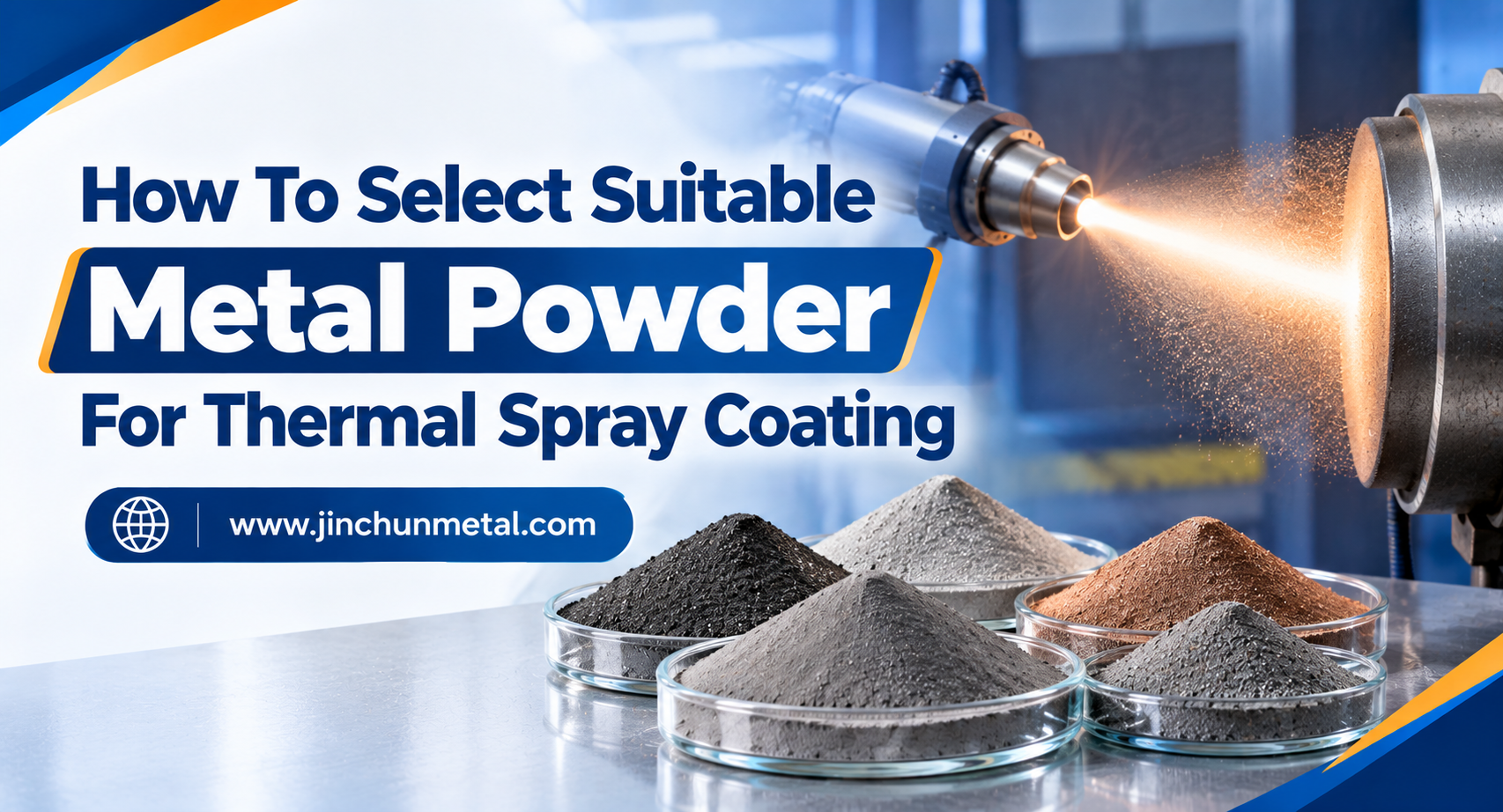
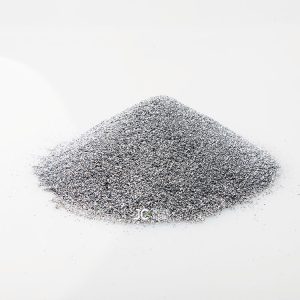
Thermal spray coating is widely used to improve the surface performance of industrial components. It can increase wear resistance, corrosion resistance, hardness, thermal stability, and service life. However, the coating performance depends heavily on the metal powder selected for the spraying process.
Different thermal spray applications require different powder characteristics. A powder suitable for high-temperature environments may not be the best choice for corrosion protection. Similarly, a powder that provides excellent wear resistance may not offer the required bonding or machinability. Material composition, particle size, morphology, hardness, melting behavior, and spraying technology must therefore be considered together.
Today, our team will explains how to select suitable metal powder for thermal spray coating. We will covers the main powder properties, common material options, particle-size requirements, application conditions, spraying processes, and practical selection factors. By the end, buyers and coating engineers can better understand how to match metal powder with specific coating requirements.
What Is Metal Powder Used For Thermal Spray Coating?
Metal powder for thermal spray coating is a finely divided metallic material designed to form a protective or functional coating on a substrate. During thermal spraying, powder particles are heated or partially melted and accelerated toward a prepared surface. The particles flatten and solidify after impact, gradually creating a dense coating.
Common thermal spray processes include:
- Plasma spraying
- HVOF spraying
- HVAF spraying
- Flame spraying
- Cold spraying
- Detonation spraying
- Electric arc spraying
Each process creates different thermal and velocity conditions. As a result, powder characteristics must match the equipment and process parameters.
Common metal and alloy powders include:
- Nickel-based alloys
- Cobalt-based alloys
- Stainless steel powders
- Aluminum powders
- Zinc powders
- Copper powders
- Iron-based alloys
- Nickel-chromium alloys
- Nickel-aluminum powders
- Carbide-based composite powders
The correct material depends on the required coating properties and operating environment.
8 Factors To Consider When Selecting Thermal Spray Metal Powder
Choosing a thermal spray powder should not be based on material name alone. Several interconnected properties determine whether the powder will produce a reliable coating.
1. Consider The Required Coating Performance
The first step is to define what the coating needs to accomplish.
A component exposed to abrasive particles requires a different coating from one exposed to salt water or high temperatures. Some components may require several properties at the same time.
For example:
| Application Requirement | Important Powder Property |
| Wear resistance | Hardness and carbide content |
| Corrosion protection | Chemical resistance |
| High-temperature service | Thermal stability |
| Erosion resistance | Hardness and coating density |
| Dimensional restoration | Deposition efficiency |
| Electrical conductivity | Electrical properties |
| Low friction | Surface and tribological properties |
Defining the primary failure mechanism makes powder selection much easier.
If wear is the main problem, prioritize hardness and microstructural stability. If corrosion is the main concern, chemical composition and environmental compatibility become more important.
2. Match The Powder With The Thermal Spray Process
Not every powder works equally well with every thermal spray technology.
Plasma spraying produces extremely high temperatures and can process materials with relatively high melting points. HVOF and HVAF processes use high-velocity particles to produce dense coatings with comparatively low porosity.
Cold spraying is different because the particles remain mostly solid during deposition. It relies on high particle velocity and plastic deformation to create bonding.
Therefore, powder selection should always consider the intended process.
For example, a powder designed for plasma spraying may have different particle-size and morphology requirements from a powder intended for cold spraying.
Before purchasing powder, confirm:
- Spray equipment type
- Heat source
- Gas composition
- Feed system
- Powder feed rate
- Expected particle temperature
- Expected particle velocity
- Recommended particle-size range
This prevents compatibility problems during production.
3. Select The Correct Particle Size
Particle size has a direct effect on powder feeding, heating, acceleration, melting, and deposition.
Thermal spray powders are generally supplied within controlled particle-size distributions rather than as completely uniform particles. The appropriate range depends on the material and spraying process.
Fine particles heat quickly because they have a high surface-area-to-volume ratio. However, particles that are too fine may create feeding problems, become difficult to control, or experience excessive heating.
Larger particles may require more energy to reach the required temperature. If they remain insufficiently heated, coating adhesion and deposition efficiency can suffer.
A simplified relationship is:
Smaller particles → faster heating
Larger particles → slower heating
However, particle size should never be selected independently from powder morphology and spray parameters.
The supplier should provide a controlled particle-size distribution suitable for the intended thermal spray process.
4. Evaluate Powder Morphology
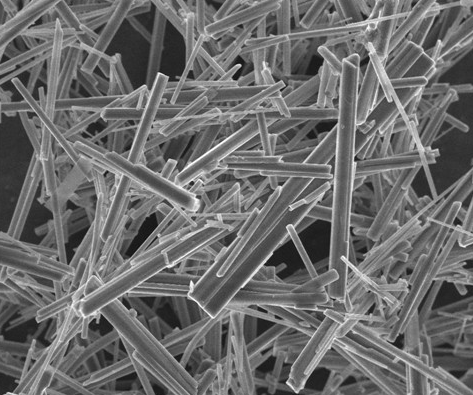
Powder morphology refers to the physical shape and surface characteristics of individual particles.
Common particle shapes include:
- Spherical
- Near-spherical
- Irregular
- Angular
- Agglomerated
Spherical powders generally provide excellent flowability. They can move more consistently through powder-feeding systems and provide stable feeding rates.
Irregular powders can behave differently because their surfaces may create greater friction between particles. This can affect feeding consistency.
For automated thermal spray systems, consistent flow is particularly important. Uneven powder feeding can result in variations in coating thickness, porosity, hardness, and deposition efficiency.
According to ASM International’s guidance on material categories for thermally sprayed coatings, powder characteristics should be evaluated alongside the spraying process and intended application.
However, spherical morphology is not automatically the best option for every application. The manufacturing method, particle-size distribution, material type, and spraying technology must all be considered.
5. Check Chemical Composition
Chemical composition determines many of the final coating’s properties.
Small changes in alloy composition can influence:
- Hardness
- Corrosion resistance
- Oxidation resistance
- Melting behavior
- Thermal stability
- Adhesion
- Wear performance
- Compatibility with the substrate
For example, nickel-based powders are commonly selected when corrosion and high-temperature performance are important. Cobalt-based alloys can be considered for demanding wear and high-temperature applications.
Stainless steel powders may be suitable when a combination of corrosion resistance, mechanical performance, and cost efficiency is required.
The powder specification should clearly identify the major alloying elements and acceptable composition ranges.
For standardized guidance, refer to the ISO recommendations on thermal spray powder chemistry and coating performance when evaluating material composition for wear and corrosion resistance.
A certificate of analysis can also help buyers verify that the supplied powder matches the required specification.
6. Consider Hardness And Wear Resistance
Wear is one of the most common reasons for applying thermal spray coatings.
Industrial components may experience:
- Abrasive wear
- Adhesive wear
- Erosive wear
- Fretting wear
- Sliding wear
- Impact wear
Harder coatings can provide improved resistance against many types of surface damage. However, maximum hardness is not always the best solution.
A coating that is extremely hard may become less suitable where impact toughness is important. The substrate, operating conditions, load, temperature, and type of wear must therefore be evaluated together.
Carbide-containing powders are frequently considered for severe wear environments. Tungsten carbide, chromium carbide, and other hard phases can provide high wear resistance when properly processed.
The best powder is the one that provides the required wear performance while remaining compatible with the thermal spray process.
7. Assess Corrosion And Oxidation Resistance
Corrosion can quickly reduce the service life of industrial components.
Coatings may be exposed to:
- Moisture
- Salt spray
- Acids
- Alkalis
- Chemicals
- Marine environments
- High-temperature gases
- Industrial pollutants
In these conditions, powder composition becomes particularly important.
Nickel-based, stainless steel, aluminum, zinc, and other alloy systems can provide different levels of environmental protection.
The correct choice depends on the specific corrosive medium.
For example, a coating exposed to seawater should be evaluated differently from a coating operating in a dry, high-temperature industrial furnace.
Buyers should provide the powder supplier with detailed environmental information rather than simply requesting a “corrosion-resistant powder.”
8. Consider Powder Purity And Contamination
Powder purity can affect coating quality and consistency.
Unwanted elements, excessive oxides, moisture, or other contaminants can influence melting behavior and coating structure. They may also affect adhesion and mechanical performance.
This is particularly important for applications requiring tight quality control.
Before purchasing metal powder, ask for information about:
- Chemical composition
- Purity level
- Oxygen content
- Moisture
- Particle-size distribution
- Manufacturing method
- Lot consistency
- Applicable standards
Reliable documentation allows engineers to compare powders based on measurable properties rather than marketing descriptions.
Which Metal Powders Are Commonly Used For Thermal Spray Coatings?
Different metal powder systems provide different performance characteristics.
Nickel-Based Metal Powders
Nickel-based powders are widely used where corrosion resistance, high-temperature stability, and mechanical performance are required.
They can be used for components exposed to demanding industrial environments. Depending on the alloy, nickel-based coatings can provide resistance to wear, oxidation, and corrosive conditions.
Typical applications include:
- Industrial machinery
- Pumps
- Valves
- Turbine components
- Oil and gas equipment
- Chemical processing equipment
Cobalt-Based Metal Powders
Cobalt-based alloys are valued for their combination of hardness, wear resistance, and high-temperature performance.
They can be useful in applications where components experience mechanical wear at elevated temperatures.
The specific alloy should be selected according to the operating temperature, wear mechanism, and required hardness.
Stainless Steel Powders
Stainless steel powders can provide a balance between corrosion resistance, mechanical properties, and cost.
They are often considered for general industrial surface protection and dimensional restoration.
Their suitability depends on the stainless steel grade and the specific service environment.
Aluminum And Zinc Powders
Aluminum and zinc powders are commonly considered for corrosion protection, particularly where sacrificial or barrier protection is required.
They are widely associated with protective coatings for steel structures and industrial components.
The choice between aluminum and zinc depends on environmental exposure, required coating characteristics, substrate, and application method.
Carbide-Based Powders
Carbide-containing powders are selected when severe wear resistance is the main requirement.
Common systems include tungsten carbide and chromium carbide combined with metallic binders.
These coatings can provide high hardness and excellent resistance to abrasive and erosive wear.
However, carbide powders require careful process control because excessive heat can influence carbide phases and coating microstructure.
How Particle Size Affects Thermal Spray Coating Quality
Particle size should be treated as a process parameter rather than simply a purchasing specification.
During spraying, particles must receive enough energy to reach the desired thermal and velocity conditions.
If particles are too large, they may not heat sufficiently before reaching the substrate.
If particles are too small, they may become overheated or behave unpredictably during feeding and spraying.
The result can affect:
- Coating density
- Porosity
- Surface roughness
- Deposition efficiency
- Adhesion
- Hardness
- Coating thickness
For this reason, thermal spray powder suppliers normally provide recommended particle-size ranges for specific materials and processes.
The correct size range should be selected based on equipment capabilities and coating requirements.
Powder Manufacturing Method Also Matters
Metal powders can be produced through different manufacturing methods.
Common techniques include:
- Gas atomization
- Water atomization
- Plasma atomization
- Mechanical alloying
- Agglomeration and sintering
- Crushing and classification
The manufacturing method can influence particle morphology, internal structure, flowability, purity, and chemical consistency.
Gas-atomized powders, for example, can produce relatively spherical particles with good flow characteristics. Agglomerated and sintered powders may be used when a controlled combination of materials or phases is required.
Therefore, two powders with similar chemical compositions may still produce different coating results because their physical characteristics differ.
Thermal Spray Powder Selection By Application
A practical way to select powder is to start with the component’s working environment.
This table should be treated as a starting point rather than a universal specification. Actual powder selection should be based on operating conditions and process requirements.
| Anmeldung | Powder Type To Consider | Main Selection Factor |
| Pump components | Nickel or stainless alloys | Corrosion and wear |
| Turbine components | Nickel or cobalt alloys | Heat and oxidation |
| Steel structures | Zinc or aluminum | Corrosion protection |
| Cutting and forming tools | Carbide systems | Extreme wear |
| Valves | Nickel, cobalt, or carbide systems | Wear and corrosion |
| Rollers | Iron, nickel, or carbide systems | Surface wear |
| Oil and gas components | Nickel or carbide systems | Corrosion and erosion |
| Chemical equipment | Nickel or stainless alloys | Chemical resistance |
How To Compare Different Thermal Spray Metal Powders?
When several powders appear suitable, create a technical comparison rather than choosing solely according to price.
Consider these parameters:
- Chemical composition
- Particle-size distribution
- Particle morphology
- Powder purity
- Flowability
- Apparent density
- Hardness
- Melting characteristics
- Spray-process compatibility
- Coating performance
- Batch consistency
- Cost per finished coating area
The final cost should also account for deposition efficiency.
A cheaper powder may not necessarily be more economical if it requires a higher feed rate or produces lower deposition efficiency.
Likewise, a more expensive powder can provide better value if it significantly extends component service life.
Common Mistakes When Choosing Thermal Spray Powder
Choosing Powder Based Only On Price
Low purchase price does not guarantee low coating cost.
Powder consumption, deposition efficiency, processing time, coating life, and component downtime should also be considered.
Ignoring The Spraying Equipment
A powder must be compatible with the spraying process.
Selecting a material without considering the equipment can result in poor melting, feeding problems, or weak coating performance.
Selecting Particle Size Without Testing
A particle-size range that works for one process may not perform equally well in another.
Always follow the supplier’s recommended range and validate the powder under actual process conditions.
Focusing Only On Hardness
High hardness can improve wear resistance, but other properties also matter.
Toughness, adhesion, thermal stability, corrosion resistance, and compatibility with the substrate can be equally important.
Ignoring The Operating Environment
A coating used in a dry workshop has different requirements from one exposed to seawater, chemicals, high temperatures, or abrasive particles.
Environmental conditions should be defined before powder selection.
A Practical Metal Powder Selection Process
A structured selection process can reduce material waste and improve coating consistency.
Step 1: Define The Application
Identify the component, substrate material, operating temperature, load, speed, and service environment.
Step 2: Identify The Main Failure Mechanism
Determine whether the component mainly experiences corrosion, abrasion, erosion, oxidation, friction, impact, or dimensional loss.
Step 3: Select Suitable Alloy Families
Shortlist nickel, cobalt, stainless steel, aluminum, zinc, iron-based, or carbide-containing powders based on the application.
Step 4: Match The Spray Process
Confirm compatibility with HVOF, HVAF, plasma, flame, cold spray, or another thermal spray technology.
Step 5: Define Powder Specifications
Set requirements for chemical composition, particle size, morphology, purity, and flowability.
Step 6: Conduct Coating Trials
Test the selected powder under actual or representative operating conditions.
Measure coating properties such as:
- Hardness
- Adhesion strength
- Porosity
- Thickness
- Surface roughness
- Wear resistance
- Corrosion resistance
Step 7: Evaluate Total Cost
Compare powder price together with consumption, deposition efficiency, processing costs, maintenance intervals, and expected component life.
This process provides a more reliable basis for long-term powder selection.
Why Powder Quality Is Important For Consistent Coatings
Consistency is particularly important for industrial thermal spray applications.
Variations between powder batches can affect feeding behavior and coating properties. A stable powder supply helps maintain consistent processing conditions.
For industrial buyers, supplier evaluation should therefore include more than product specifications.
Consider the supplier’s:
- Manufacturing capabilities
- Quality-control procedures
- Product range
- Testing capabilities
- Batch consistency
- Technical support
- Packaging standards
- Documentation
- Export experience
A supplier capable of maintaining consistent specifications can help reduce production variations and quality issues.
Related Metal Powder Resources
Explore these related guides to learn more about metal powder properties, manufacturing methods, and industrial applications, helping you make more informed material selection decisions.
Top 10 Metal Powder Manufacturers in China
10 Questions Every Buyer Should Ask Before Choosing a Metal Powder Supplier
Choosing the Right Nickel Powder for Welding Consumables: A Complete Buyer’s Guide
How Spherical Powder Improves Performance in Metal Injection Molding and 3D Printing
Carboxymethyl Cellulose Powder: Uses, Benefits & Industry Applications Explained
China’s Role in Supplying Sodium Alginate Powder to Global Industries
Why Refractory Alloys Are Important for Extreme Heat Environments
Why High Performance Alloys Are Important for Modern Engineering
Why Welding Powder Is Important for Industrial Welding
Final Thought
Selecting suitable metal powder for thermal spray coating requires a balance between material properties, spraying technology, operating conditions, and final coating performance. Particle size, morphology, chemical composition, hardness, purity, and thermal behavior all influence the final result.
The right powder should be selected according to the actual application rather than a single property such as price or hardness. Buyers should also consider powder manufacturing quality, batch consistency, process compatibility, and total coating cost before making a purchasing decision.
Chengdu Jinchun Metallic Materials Co. provides metal powder and ferroalloy materials for demanding industrial applications.
Contact Jinchun for product specifications, technical information, and a suitable metal powder recommendation for your application.