
 German
  English
  French
  Japanese
  Korean
  Spanish
  Vietnamese
  Thai
Thai  Portuguese
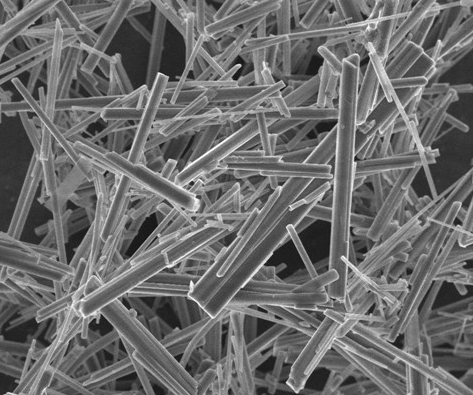
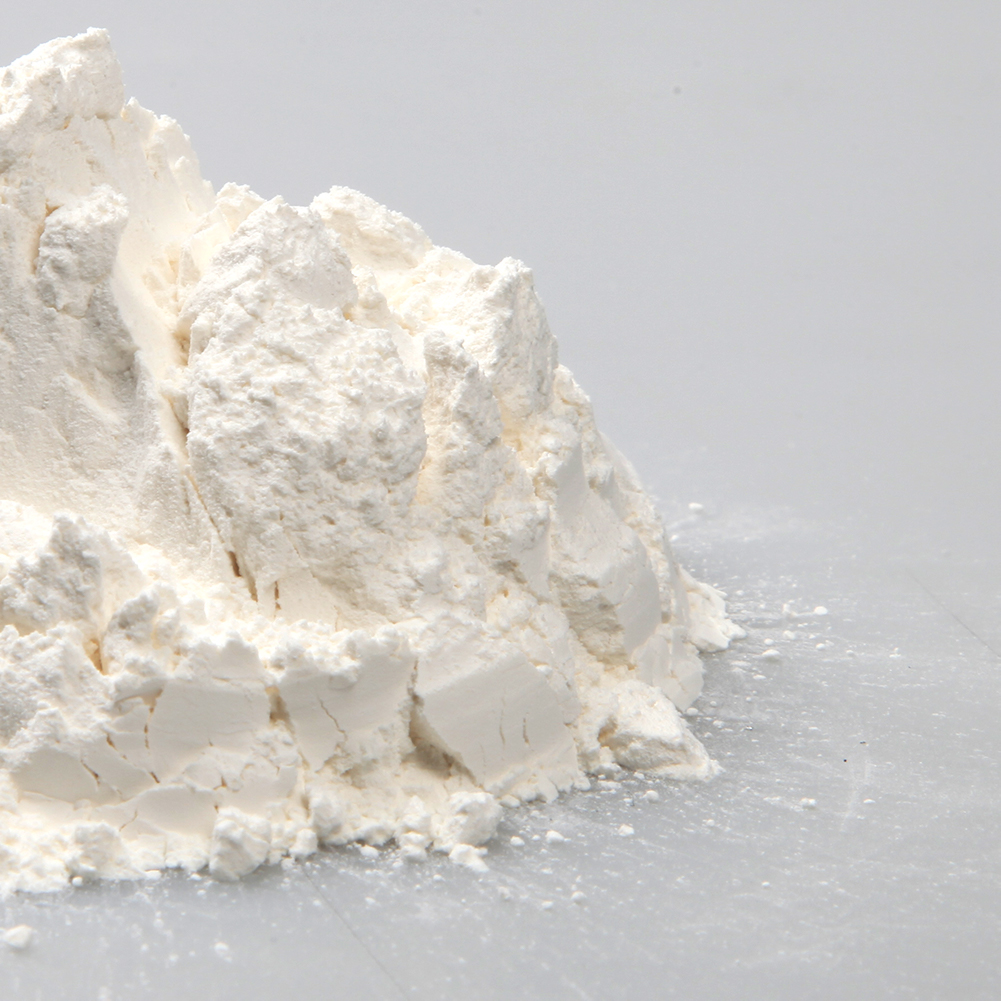
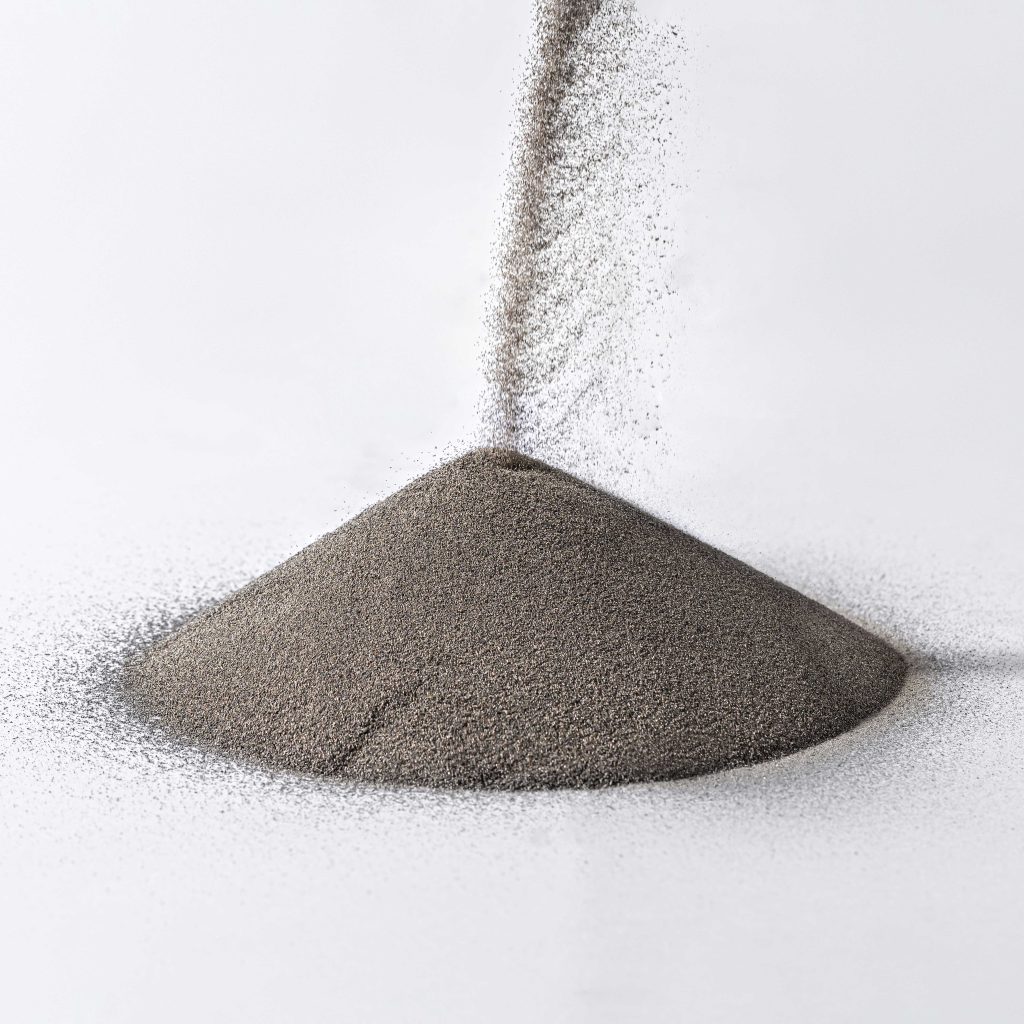
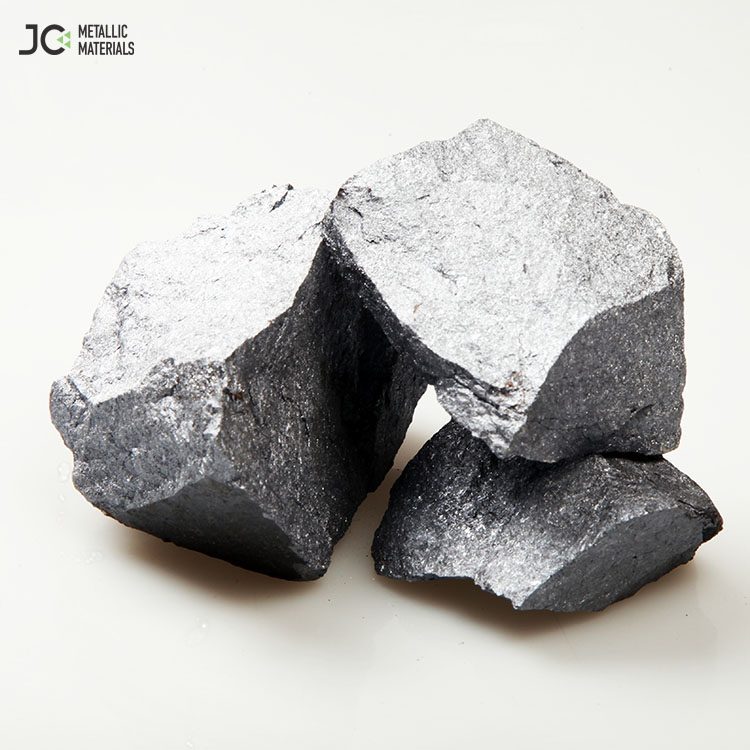
Metal powder has become a cornerstone of additive manufacturing, enabling precise, complex, and high-performance components. Its uniformity, purity, and versatility allow manufacturers to achieve designs impossible with traditional methods, driving innovation across industries. By using metallic powders, companies can reduce waste and lower production costs significantly. Additionally, it supports rapid prototyping, allowing faster product development cycles.
In this article, we explain metal powder in manufacturing. We discuss emerging production methods, types, and advanced technology. We also explore key industry applications, helping businesses understand how to maximize efficiency and quality. This guide helps you choose the right metallic powder and highlights the benefits of working with our company.
What is Metal Powder?
Metal powder is made of finely divided metallic particles. It is produced using methods like atomization, reduction, or electrolysis.
The powders differ in size, shape, and purity. They form the key material for additive manufacturing.
Controlled properties ensure consistent flow and packing. They also provide predictable melting, enabling precise layer-by-layer production of complex components.
Different Types of Metal Powder
Metal powders include iron, stainless steel, aluminum, copper, and titanium. Each type has unique properties that affect flow, packing, and melting in additive manufacturing.
| Metal Alloy Powder Type | Key Properties | Common Applications | Main Advantage |
| Stainless Steel Metal Alloy Powder | Corrosion resistant, strong | Industrial components, tools | High durability |
| Titanium Metal Alloy Powder | Lightweight, high strength | Aerospace parts, medical implants | Excellent strength-to-weight ratio |
| Aluminum Metal Alloy Powder | Lightweight, good conductivity | Automotive parts, aerospace structures | Reduces product weight |
| Nickel-Based Metal Alloy Powder | Heat and oxidation resistant | Turbines, energy equipment | Performs in high temperatures |
| Copper Metal Alloy Powder | High electrical conductivity | Electronics, heat exchangers | Ideal for conductive applications |
Role of Metal Powder in Modern Additive Manufacturing
Metal powder forms the foundation of modern additive manufacturing. Its uniform particle size and controlled properties allow precise, layer-by-layer construction of complex components.
Using metal alloy powder improves accuracy, strength, and surface finish. It also enables rapid prototyping, reduces material waste, and drives innovation across industries.
Metallic powders also expand design possibilities. They allow lightweight structures, intricate geometries, and customized parts without additional tooling.
Emerging Methods in Metallic Powder Production for Additive Manufacturing
New production methods are changing how metal alloy powders are made for additive manufacturing. These techniques produce high-purity, uniform powders that enable strong, precise, and complex 3D-printed parts.
Gaszerstäubung
Molten metal is sprayed into fine droplets, which solidify into spherical particles. This method produces powders with uniform size and high purity. It is widely used in aerospace, automotive, and 3D printing applications.
Plasma Atomization
Metal wire is melted in a high-temperature plasma jet, creating ultra-pure powders with precise particle size. Plasma atomization is ideal for aerospace components and medical implants requiring superior quality.
EIGA (Electrode Induction Melting Gas Atomization)
Metal is melted using induction and then atomized to form spherical powders. EIGA yields high-quality powders suitable for high-performance additive manufacturing applications.
PREP (Plasma Rotating Electrode Process)
A rotating metal rod is melted by plasma, producing powders with excellent sphericity and flowability. PREP powders are commonly used in aerospace, medical, and industrial parts.
Water and Mechanical Atomization
Metal powders are produced by water atomization or by crushing and rounding techniques. These methods are cost-effective and versatile, often used in powder metallurgy and industrial components.
How Advanced Metal Powder Technology is Transforming Additive Manufacturing?
Advanced metal powder technology is reshaping additive manufacturing across industries. Higher-quality powders, uniform particle sizes, and improved flowability allow manufacturers to produce more precise, stronger, and reliable components. This advancement accelerates production and opens new possibilities for complex designs.
- Uniform Particle Size:Ensures consistent layer deposition and smooth surface finishes.
- Enhanced Flowability:Improves printing efficiency and reduces material waste significantly.
- High Purity Metal Alloy Powder:Provides stronger, more reliable components for critical applications.
- Customized Alloys: Enables tailored mechanical properties for specific manufacturing needs.
- Sustainable Powder Practices:Supports recycling and environmentally friendly additive manufacturing processes.
How to Choose High-Quality Metallic Powder for Additive Manufacturing?
Buying the right powdered metals is critical for additive manufacturing success. Quality, particle size, and supplier reliability affect performance. A careful step-by-step approach ensures high-quality components and efficient production.
1: Identify Your Manufacturing Needs
Determine the specific additive manufacturing process you will use. Consider the required strength, durability, and surface finish. This helps in selecting the correct powdered metals for your project.
2: Choose the Right Metallic Powder Type
Select powdered metals suitable for your application. Consider alloys like stainless steel, titanium, or aluminum. Each type offers unique properties for different industrial requirements.
3: Check Particle Size and Distribution
Powdered metals particle size affects flowability and printing accuracy. Choose uniform particles to ensure smooth layers and reliable additive manufacturing performance across your components.
4: Verify Metallic Powder Purity
High-purity powdered metals ensure strong, defect-free components. Impurities can reduce strength and cause printing errors. Always check lab reports or certifications for powder quality.
5: Evaluate Supplier Reliability
Choose a trusted supplier with proven experience. Consistent quality, delivery times, and technical support are essential for uninterrupted additive manufacturing production.
6: Consider Cost and Budget
Compare prices without compromising quality. Premium metal powder may cost more but provides better performance and reduces waste, ensuring long-term savings and manufacturing efficiency.
7: Plan for Storage and Handling
Store metallic powder in a controlled, dry environment. Proper handling prevents contamination, oxidation, or clumping. Follow supplier guidelines for safe and effective storage.
Why Should You Choose Us?
Chengdu Jinchun Metallic Materials Co. offers premium metallic powder, advanced production, diverse range, reliable supply, and expert guidance.
- High-Purity Metal Powder:Ensures strong, reliable components.
- Advanced Production:Uniform particle size for precision printing.
- Wide Range:Materials for diverse applications.
- Reliable Supply: Timely delivery worldwide.
- Expert Guidance:Technical support for optimized results.
Chengdu Jinchun Metallic Materials Co. makes additive manufacturing easier, faster, and more precise for industrial clients worldwide.
Final Thoughts
Metal powder is essential for modern additive manufacturing. It enables precise, strong, and complex components.
Choosing the right type, quality, and supplier ensures consistent results. Advanced powder technologies improve efficiency and reduce waste. Proper handling maximizes performance, making metallic powder a cornerstone of industrial 3D printing.
Partner with Chengdu Jinchun Metallic Materials Co. for premium metallic powders. Request a quote today and ensure high-quality, reliable, and efficient additive manufacturing.
Most Asked Questions
Q1: What is metallic powder in additive manufacturing?
Answer: Metallic powder consists of finely divided metallic particles used as the raw material in 3D printing and additive manufacturing.
Q2: Why is metal powder important for additive manufacturing?
Answer: It enables precise, layer-by-layer construction of complex parts with high strength and accuracy, which is difficult to achieve with traditional methods.
Q3: What properties make metallic powder suitable for 3D printing?
Answer: Uniform particle size, high purity, and good flowability ensure consistent printing, smooth surfaces, and reliable mechanical performance.
Q4: Which metals are commonly used in powder form?
Answer: Iron, stainless steel, aluminum, titanium, and copper are commonly used, each tailored for specific applications and performance requirements.
Q5: How does particle size affect additive manufacturing?
Answer: Smaller and uniform particles improve layer consistency, surface finish, and overall accuracy of 3D-printed components.
Q6: Can metal alloy powders be customized for specific applications?
Answer: Yes, customized alloys can provide tailored mechanical properties for aerospace, medical, automotive, and industrial applications.
Q7: How does metallic powder reduce material waste?
Answer: Additive manufacturing uses only the required material layer by layer, minimizing scrap compared to subtractive manufacturing.
Q8: Are metallic powders recyclable?
Answer: Yes, many modern powders can be recycled and reused, supporting sustainable and cost-effective manufacturing practices.
Q9: What industries benefit most from metal powders in additive manufacturing?
Answer: Aerospace, medical, automotive, and high-precision industrial sectors benefit greatly due to the demand for complex, strong, and lightweight components.
Q10: How does advanced powder technology improve production?
Answer: Technologies like gas atomization, plasma atomization, and PREP produce high-quality, uniform powders, enhancing part performance, efficiency, and precision.
https://www.jinchunmetal.com/?s=Metal+Powder