 German
  English
  French
  Japanese
  Korean
  Spanish
  Vietnamese
  Thai
Thai  Portuguese
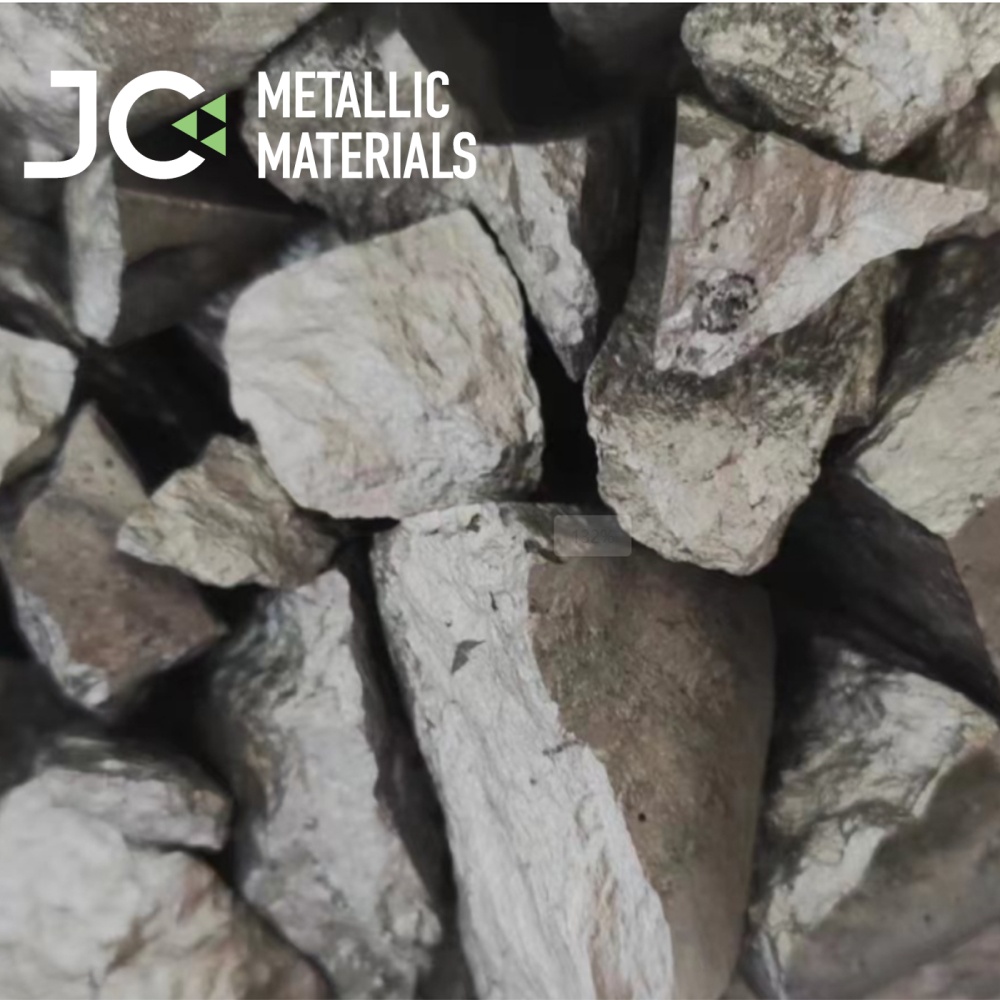
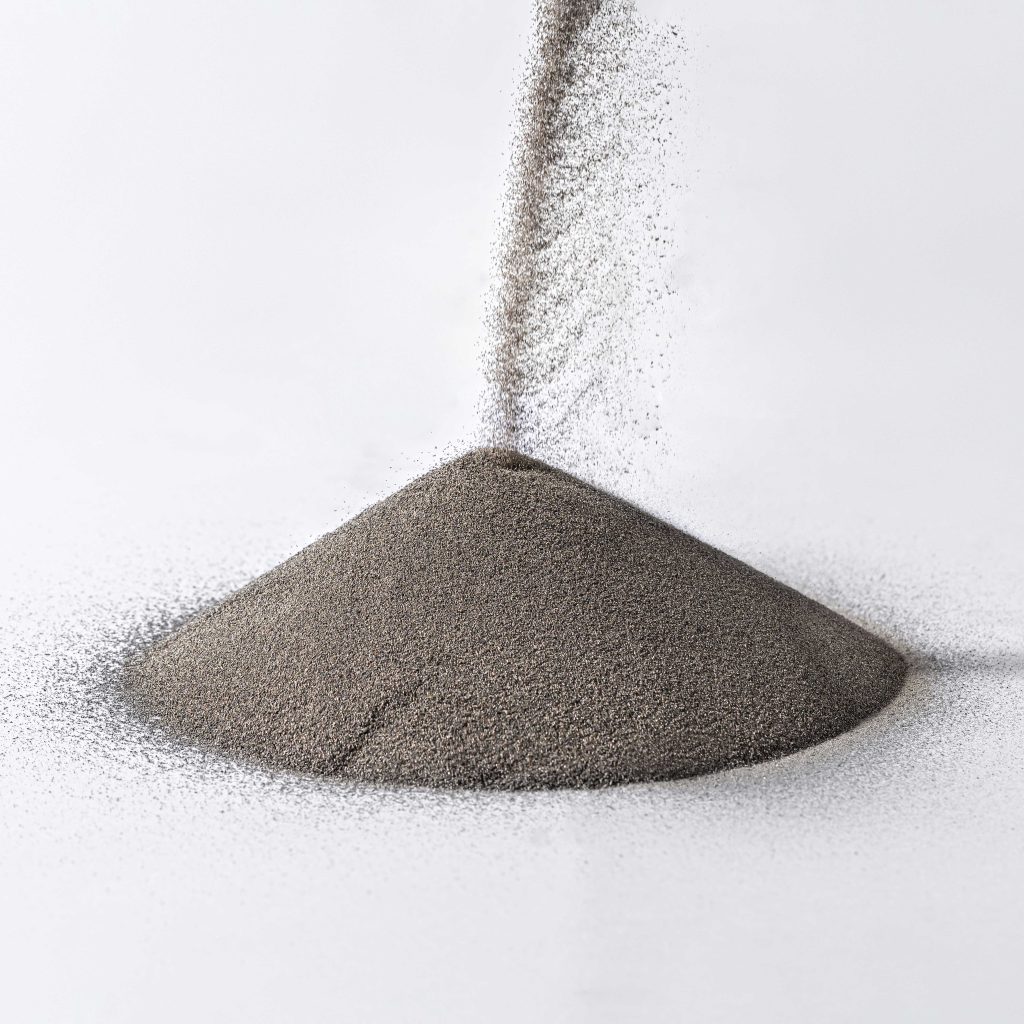
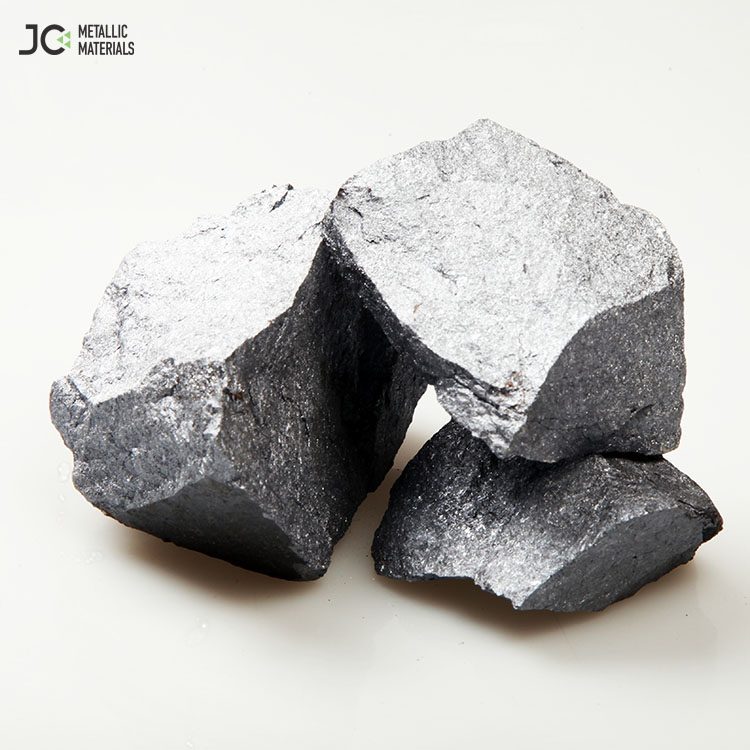
Micron silicon powder is valued for its controlled particle size, chemical composition, and industrial versatility. However, purity plays a critical role in determining material performance, reaction behavior, processing stability, and finished product consistency across demanding applications.
For manufacturers and industrial buyers, selecting silicon powder requires more than checking the stated silicon percentage. Impurity levels, particle distribution, oxygen content, carbon content, and batch consistency can significantly influence production results and material reliability.
This guide explains micron silicon powder purity, common impurities, testing methods, particle size considerations, industrial applications, and key buyer specifications. It helps buyers compare suitable grades, verify quality, reduce contamination risks, and select reliable material for consistent production.
What Is Purity in Micron Silicon Powder?
Purity in micron powder refers to the percentage of silicon present in the material compared with unwanted elements and contaminants. Higher purity generally means better control over chemical composition and application performance.
Micron powder can contain different levels of iron, aluminum, calcium, carbon, oxygen, and other elements. The acceptable concentration depends on the intended application, processing conditions, and required material specifications.
Purity is normally expressed as a percentage, while individual impurities are reported separately. This distinction is important because two powders can have similar silicon percentages but produce different results due to variations in specific impurity levels.
Silicon purity is important across multiple industrial applications, including alloying, chemical production, and high purity material manufacturing. Buyers can also refer to USGS Silicon Statistics and Information for information on global silicon supply, demand, production, and industrial uses.
Importance of Purity in Micron Silicon Powder
Purity affects how silicon powder behaves during processing, chemical reactions, alloy formation, and high temperature applications. Controlled composition helps manufacturers achieve predictable results, stable processing conditions, and consistent material performance across different production batches.
1. Chemical Consistency
High purity silicon powder provides more consistent chemical behavior during industrial reactions. Lower impurity levels reduce unwanted interactions that may affect reaction rates, final composition, processing conditions, and overall production consistency during manufacturing operations.
2. Reaction Performance
Micron silicon particles provide relatively high surface area for chemical reactions. When purity is also controlled, the material can deliver more predictable reaction behavior, supporting better process control and consistent performance in demanding industrial applications.
3. Product Quality
Uncontrolled impurities can influence the physical and chemical properties of finished products. Maintaining suitable silicon purity helps manufacturers minimize composition variations, improve batch consistency, and achieve more reliable product quality during large scale production.
4. Application Reliability
Different industrial applications require specific purity levels based on processing requirements and performance expectations. Selecting a suitable silicon powder grade helps keep impurity concentrations within acceptable limits and reduces potential problems during downstream processing.
5. Specification Compliance
Purity specifications help buyers compare different micron silicon powder grades more accurately. Reviewing silicon content alongside individual impurity levels provides a clearer understanding of material quality and helps ensure compliance with application specific technical requirements.
6. B2B Purchasing Decisions
For B2B buyers, purity should be treated as a core purchasing specification rather than a secondary quality feature. Reviewing complete chemical specifications provides greater confidence than evaluating silicon percentage alone when selecting reliable industrial material suppliers.
Methods for Measuring Silicon Powder Purity
Silicon powder purity is verified through laboratory analysis that measures silicon content and individual impurities. Proper testing helps buyers confirm material quality, compare suppliers, and ensure the supplied micron powder meets agreed technical specifications.
- Sample Preparation: The first step involves preparing a representative silicon powder sample for laboratory testing. Proper sampling ensures the test results accurately reflect the chemical composition and purity of the complete production batch.
- Silicon Content Testing: Laboratories measure the primary silicon content to determine the material’s overall purity level. This value provides buyers with an initial understanding of whether the supplied micron powder meets the required specification.
- ICP Analysis: ICP analysis identifies and measures various metallic impurities present in silicon powder. It provides detailed elemental information and is commonly used when buyers need accurate data about iron, aluminum, calcium, and other contaminants.
- XRF Testing: XRF testing analyzes the elemental composition of silicon powder without extensive sample preparation. It can quickly identify major elements and impurities, making it useful for routine quality control and material verification.
- Oxygen Analysis: Oxygen content can significantly influence silicon powder performance in certain industrial applications. Specialized oxygen analysis helps determine the amount of oxygen present and allows buyers to evaluate material suitability for specific processing requirements.
- Carbon Analysis: Carbon analysis determines the carbon concentration within silicon powder. This measurement is important for applications where carbon levels can affect chemical composition, alloy formation, processing behavior, or the final properties of manufactured products.
- COA Verification: A Certificate of Analysis (COA) provides batch specific chemical composition results. Buyers should compare COA values with agreed specifications, including silicon content and impurities, before accepting large quantities of micron silicon powder.
For B2B buyers, purity testing provides important evidence before purchasing micron powder. Reviewing laboratory results, impurity levels, testing methods, and COA documentation helps reduce quality risks and supports more reliable supplier selection decisions.
Major Impurities Found in Micron Silicon Powder
Different impurities can affect micron powder in different ways. Their impact depends on concentration, particle size, processing temperature, application requirements, and the desired chemical and physical properties of the final product.
Iron and Aluminum
Iron and aluminum are common metallic impurities that can influence alloy chemistry, material composition, and processing behavior. Buyers should monitor their levels carefully when applications require tightly controlled chemical specifications and consistent final product properties.
Calcium and Magnesium
Calcium and magnesium can influence chemical and metallurgical behavior when present at higher concentrations. Controlled levels may be necessary for applications requiring predictable composition, stable processing conditions, and consistent performance during industrial manufacturing operations.
Carbon and Oxygen
Carbon and oxygen can influence silicon powder during high temperature processing and material production. Buyers should review their specific concentration limits because excessive levels may affect chemical composition, surface oxidation, processing behavior, and final product performance.
Other Metallic Impurities
Copper, manganese, chromium, and other metallic elements may require monitoring depending on the application. Even relatively low concentrations can affect material performance when manufacturers require strict chemical composition and consistent processing results.
Buyers seeking additional chemical information can refer to PubChem Silicon Element Information to review silicon’s elemental properties, chemical characteristics, and industrial relevance.
How Purity Affects Silicon Powder Performance
Purity directly influences the performance and processing behavior of micron silicon powder. Controlled impurity levels help manufacturers achieve predictable chemical reactions, stable thermal behavior, consistent alloy formation, and reliable product quality across repeated production batches.
| Performance Factor | Effect of Controlled Purity | Buyer Consideration |
| Chemical Reactivity | Provides more predictable chemical behavior during industrial reactions | Check impurity limits for reaction sensitive applications. |
| Thermal Behaviour | Supports more consistent performance during high temperature processing | Review oxygen, carbon, and metallic impurity levels. |
| Electrical Characteristics | Helps maintain controlled electrical properties where purity is critical | Verify purity grade and specific elemental limits. |
| Metallurgical Performance | Supports targeted alloy chemistry and reduces composition variation. | Check Fe, Al, Ca, and other alloy related impurities.
|
| Process Consistency | Helps maintain stable processing conditions across production batches | Compare COA results between different batches |
| Product Quality | Reduces unwanted composition changes in finished products | Confirm chemical specifications before bulk purchasing |
For B2B buyers, purity should match the specific performance requirements of the application. Evaluating silicon content, individual impurities, particle size, and batch consistency helps manufacturers select suitable powder grades with greater confidence.
Relationship Between Purity and Particle Size
Particle size distribution can influence powder processing behavior and final product performance. Buyers can review ISO 4497:2020 Metallic Powders: Particle Size by Dry Sieving for an established method of determining particle size distribution in metallic powders.
- Surface Area
- Chemical Reactivity
- Dispersion Quality
- Partikelgrößenverteilung
- Processing Behavior
- Application Requirements
For B2B buyers, purity and particle size should be evaluated together when selecting micron silicon powder. Reviewing both specifications helps manufacturers achieve suitable reactivity, consistent processing, controlled dispersion, and reliable final product performance.
How Particle Size and Purity Work Together
Light scattering is another method used to determine particle size distribution in metallic powders. Buyers can refer to ASTM B822-25 Standard Test Method for Particle Size Distribution of Metal Powders by Light Scattering for relevant guidance on particle size analysis.
- Particle Size Distribution: A controlled particle size distribution supports predictable powder flow, mixing, dispersion, and reaction behavior. Buyers should confirm the specified micron range and understand the supplier’s testing method to ensure consistent material characteristics.
- Surface Area and Reactivity: Finer particles provide greater surface area and can react more readily with surrounding materials. Controlled purity becomes important because increased surface exposure may also increase sensitivity to oxidation, contamination, and unwanted chemical interactions.
- Processing Efficiency:Consistent particle size and chemical composition can simplify production control and improve processing efficiency. Variations in either specification may require process adjustments, potentially increasing production challenges and affecting finished product consistency.
- Application Performance: The selected silicon powder grade should balance purity, particle size, processing requirements, and final product properties. Buyers should choose specifications based on application needs rather than automatically selecting the finest or highest purity material.
B2B buyers should evaluate particle size and purity together rather than as separate specifications. Comparing technical data, testing methods, and application requirements helps manufacturers select suitable micron silicon powder with consistent and reliable performance.
Purity Requirements for Different Industrial Applications
Different industries place different demands on silicon powder purity. Metallurgical applications may focus heavily on elemental composition, while chemical and advanced material applications may require tighter impurity control.
Application Wise Purity Considerations:
| Anmeldung | Purity Importance | Main Requirement | Key Concern | Buyer Focus |
| Metallurgy | High | Controlled chemistry | Alloy consistency | Elemental limits |
| Chemical processing | Very high | Low contamination | Reaction control | Impurity profile |
| Ceramics | Medium to high | Stable composition | Product consistency | Chemical grade |
| Refractories | High | Thermal stability | Impurity effects | High temperature behaviour |
| Powder Metallurgy | High | Uniform composition | Process reliability | Process reliability |
| Advanced materials | Very high | Precise chemistry | Performance variation | Detailed analysis |
| Research Applications | Very high | Reproducible composition | Experimental consistency | Batch specific data
|
Application requirements determine the practical purity level required for micron silicon powder. Buyers should define their chemical and particle specifications before comparing suppliers, grades, or quotations.
Industrial Applications of Micron Silicon Powder
Micron silicon powder supports metallurgy and alloying processes where controlled silicon addition helps achieve targeted alloy compositions. Buyers should evaluate silicon content, impurity levels, and batch consistency to maintain predictable production results.
In chemical processing, controlled silicon composition helps minimize unwanted reactions and maintain product chemistry. Fine particle size can improve contact with reactants, making purity, particle distribution, surface condition, and storage important considerations.
For ceramics and refractories, stable chemical composition supports consistent sintering, phase formation, thermal performance, and finished material properties. Impurity control becomes particularly important when processing conditions require precise material behavior.
Manufacturers interested in silicon’s role in clean energy supply chains can also explore the IEA Solar PV Global Supply Chains Report for insights into polysilicon, wafers, cells, modules, production, demand, and global supply-chain considerations.
Factors That Can Reduce Silicon Powder Purity
Purity can be affected at several stages, from raw material selection through processing, packaging, transportation, and storage. Understanding these risks helps buyers identify potential sources of contamination before purchasing.
Raw Material Quality
Inconsistent raw materials can introduce unwanted elements into silicon powder. Suppliers should maintain controlled material specifications and conduct proper incoming quality checks before production.
Milling Contamination
Poorly maintained milling equipment can introduce metallic particles into silicon powder. Suppliers should use suitable machinery and follow regular equipment inspection and maintenance procedures.
Cross Contamination
Shared processing equipment can transfer residues between different materials. Proper cleaning, production separation, and controlled handling procedures help minimize cross contamination during powder manufacturing.
Poor Packaging
Inadequate packaging can expose silicon powder to moisture, oxygen, dust, and external contaminants. Appropriate packaging should protect material quality throughout transportation and storage.
Improper Storage
Unsuitable storage conditions can affect powder quality over extended periods. Buyers should confirm recommended temperature, humidity, handling, and packaging requirements before storing silicon powder.
Purity protection requires control throughout the complete supply chain. Buyers should evaluate raw materials, processing equipment, packaging, storage, and documentation when assessing the reliability of a micron silicon powder supplier.
How Manufacturing Processes Affect Powder Purity
Manufacturing processes directly influence the purity and consistency of micron silicon powder. Controlled equipment, proper handling, and standardized procedures help minimize contamination while maintaining required chemical composition and particle characteristics.
- Equipment Material Selection:Suitable equipment materials help prevent unwanted metallic contamination during crushing, milling, classification, and other powder processing stages.
- Controlled Milling Operations:Properly controlled milling reduces contamination risks while maintaining required particle size, morphology, and powder consistency.
- Equipment Cleaning Procedures: Thorough cleaning between production batches minimizes residual material transfer and helps prevent cross contamination during micron silicon powder processing.
- Process Environment Control: Controlled processing environments reduce exposure to dust, moisture, foreign particles, and other contaminants that may affect powder purity.
- Particle Classification Control: Accurate classification and sieving help maintain consistent particle size distribution while reducing unwanted material from entering the final powder.
- Regular Equipment Maintenance: Routine inspection and maintenance prevent equipment wear from introducing metallic particles or other contaminants into silicon powder during processing.
- Batch Quality Monitoring: Regular chemical and physical testing helps suppliers maintain consistent purity, particle size, and specifications across different production batches.
Effective manufacturing control requires attention throughout every processing stage. Buyers should evaluate equipment, cleaning practices, environmental controls, testing procedures, and batch consistency when assessing micron powder quality.
How Storage and Handling Affect Silicon Powder Quality
Micron silicon powder requires controlled storage and careful handling to maintain its original quality. Proper protection from moisture, oxygen, dust, and environmental exposure helps preserve purity during transportation and storage.
- Use Suitable Packaging
- Control Storage Conditions
- Prevent Moisture Exposure
- Minimize Oxygen Contact
- Protect Against Contamination
- Follow Handling Procedures
- Confirm Supplier Guidelines
Proper storage and handling protect silicon powder quality throughout the supply chain. Buyers should confirm environmental requirements, packaging standards, shelf life, and handling procedures before accepting bulk material deliveries.
How to Verify Micron Silicon Powder Purity
Industrial buyers should verify chemical composition before placing bulk orders. Reviewing specifications, impurity limits, particle size, testing documents, and supplier quality procedures helps confirm whether micron silicon powder meets production requirements and minimizes sourcing risks.
Request Complete Specifications
Obtain detailed chemical and physical specifications covering silicon content, impurity limits, particle size, and other application specific requirements. Avoid relying only on general purity claims or product descriptions.
Check Chemical Composition
Verify silicon percentage and individual impurity concentrations, particularly elements that may affect your manufacturing process. Comparing supplier data with your required specifications helps identify unsuitable material before purchasing.
Verify Particle Size
Confirm the specified micron range and particle size distribution. Chemically suitable powder may still perform poorly when its physical characteristics do not match mixing, dispersion, reaction, or processing requirements.
Request Batch Documentation
Request a batch specific Certificate of Analysis and compare results with agreed specifications. Reviewing multiple batches can also help buyers evaluate supplier consistency for recurring or high volume orders.
Common Mistakes When Buying Micron Silicon Powder
Sourcing micron silicon powder requires more than comparing prices or silicon percentages. Buyers should carefully evaluate chemical composition, impurity levels, particle distribution, testing documents, specifications, and supplier consistency before placing bulk orders.
- Focusing Only on Purity
- Ignoring Individual Impurity Levels
- Overlooking Particle Size Distribution
- Choosing Suppliers Only by Price
- Skipping Laboratory Test Reports
Avoiding these purchasing mistakes helps buyers reduce quality risks and production problems. Clear specifications, reliable testing, complete documentation, and consistent supplier performance support better sourcing decisions for industrial micron silicon powder.
How to Choose the Right Silicon Powder Purity
The correct purity level depends on the application, processing conditions, impurity tolerance, and required final product properties. Buyers should define these requirements before selecting a commercial silicon powder grade.
Buyer Checklist for Selecting Micron Silicon Powder
| Buying Factor | What to Verify | Buyer Priority | Why it Matters |
| Purity Grade | Silicon percentage | Very high | Confirms material quality |
| Impurity Limits | Individual elements | Very high | Controls contamination |
| Particle Size | Required micron range | High | Supports process performance |
| Particle Distribution | Size uniformity | High | Improves consistency |
| Chemical Testing | Available analysis | High | Verifies composition |
| COA | Batch specific report | Very high | Confirms supplied material |
| Supplier Consistency | Repeat quality | Very High | Supports long term sourcing |
| Packaging | Protection method | Medium | Preserves material Quality |
This checklist helps buyers evaluate micron silicon powder from both technical and commercial perspectives. The strongest sourcing decision considers purity, particle characteristics, testing, documentation, packaging, and long term supplier reliability.
Chengdu Jinchun Metallic Materials Co., Ltd. : Reliable Micron Silicon Powder Solutions
Chengdu Jinchun Metallic Materials Co., Ltd. supplies metal powder solutions for industrial applications, with a focus on consistent purity, controlled particle size, reliable quality, and specifications suited to different manufacturing requirements.
Top 7 Titanium Powder Manufacturers in China
Step-by-Step Guide to Import Thermal Spray Powder
Silicon Powder Applications in Electronics and Alloys
Silicon Metal Powder Applications and Uses
2026 Expert Guide: Top 7 Trusted Alloy Powder Manufacturers in China for Global Sourcing
Chromium Metal Powder: Properties, Applications & How to Choose the Right Supplier
Jinchun Metal Products – Metal Materials and Metal Powders
Silicon Metal Powder for Powder Metallurgy
Final Thoughts
Purity plays a vital role in micron silicon powder performance, consistency, and application suitability. Buyers should evaluate silicon content, impurity levels, particle size, testing, and supplier reliability before purchasing. Choose a supplier that provides consistent quality, clear documentation, and specifications aligned with your production requirements.
FAQs
Q1: Why is purity important in micron silicon powder?
Answer: Purity influences chemical behavior, reaction efficiency, metallurgical properties, processing stability, and finished product quality. Controlled impurity levels help manufacturers achieve predictable performance and maintain consistent results across repeated production batches.
Q2: What impurities are commonly found in micron silicon powder?
Answer: Common impurities include iron, aluminum, calcium, carbon, oxygen, copper, chromium, and manganese. Their acceptable concentrations vary according to application requirements, processing conditions, required purity grade, and final product specifications.
Q3: Does higher silicon purity always mean better performance?
Answer: Higher purity does not always guarantee better performance because requirements differ between applications. Buyers should select a suitable purity grade that meets technical requirements without unnecessarily increasing material costs or procurement expenses.
Q4: How is micron silicon powder purity tested?
Answer: Micron silicon powder purity can be evaluated through ICP analysis, XRF testing, oxygen analysis, carbon analysis, and other laboratory methods. These tests identify silicon content and relevant elemental impurities.
Q5: Why should buyers check individual impurity levels?
Answer: Individual impurity levels matter because two powders can have similar silicon percentages but different chemical compositions. Specific elements may influence alloy behavior, chemical reactions, thermal performance, and finished material properties.
Q6: Does particle size affect silicon powder purity?
Answer: Particle size does not directly determine chemical purity, but it can influence powder performance, surface area, and contamination sensitivity. Buyers should evaluate particle size distribution alongside purity for suitable processing characteristics.
Q7: What documents should buyers request from suppliers?
Answer: Buyers should request a detailed Certificate of Analysis, chemical composition report, particle size specifications, laboratory test results, packaging information, and technical documentation confirming compliance with agreed purchasing requirements.
Q8: How can buyers ensure consistent purity in bulk orders?
Answer: Buyers can improve consistency by establishing clear specifications, requesting batch specific COAs, reviewing laboratory results, checking production controls, and evaluating supplier performance across multiple shipments before committing to long term purchasing.
Q9: What purity level should buyers choose for industrial applications?
Answer: The appropriate purity level depends on the intended application, processing conditions, impurity tolerance, and required final product properties. Buyers should define technical requirements before selecting a suitable commercial silicon powder grade.
Q10: How can buyers verify micron silicon powder quality before purchasing?
Answer: Buyers should review complete chemical specifications, individual impurity limits, particle size data, laboratory reports, batch specific COAs, packaging details, and supplier consistency. These checks help reduce quality risks during bulk procurement.