 French
  English
  Japanese
  Korean
  Spanish
  Vietnamese
  Thai
Thai  Portuguese
  German
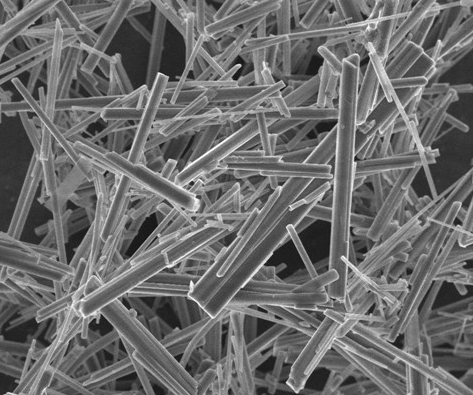
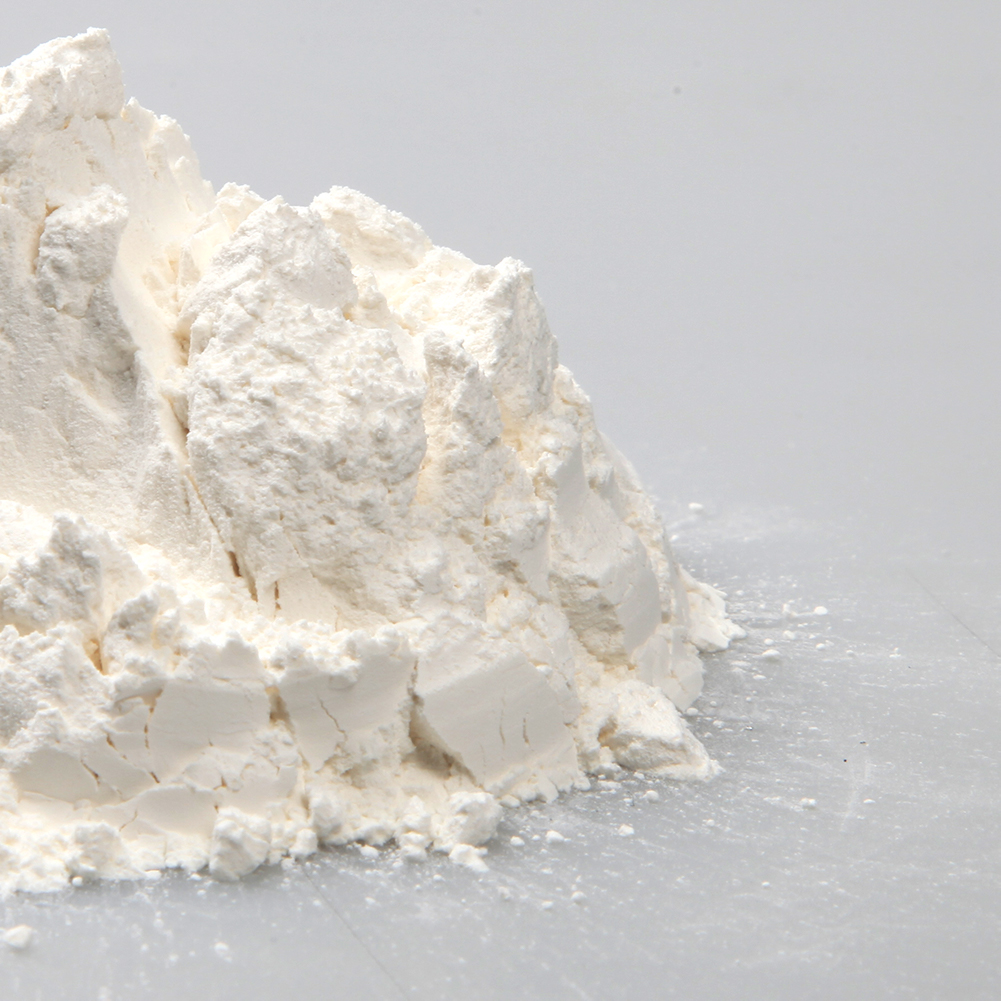
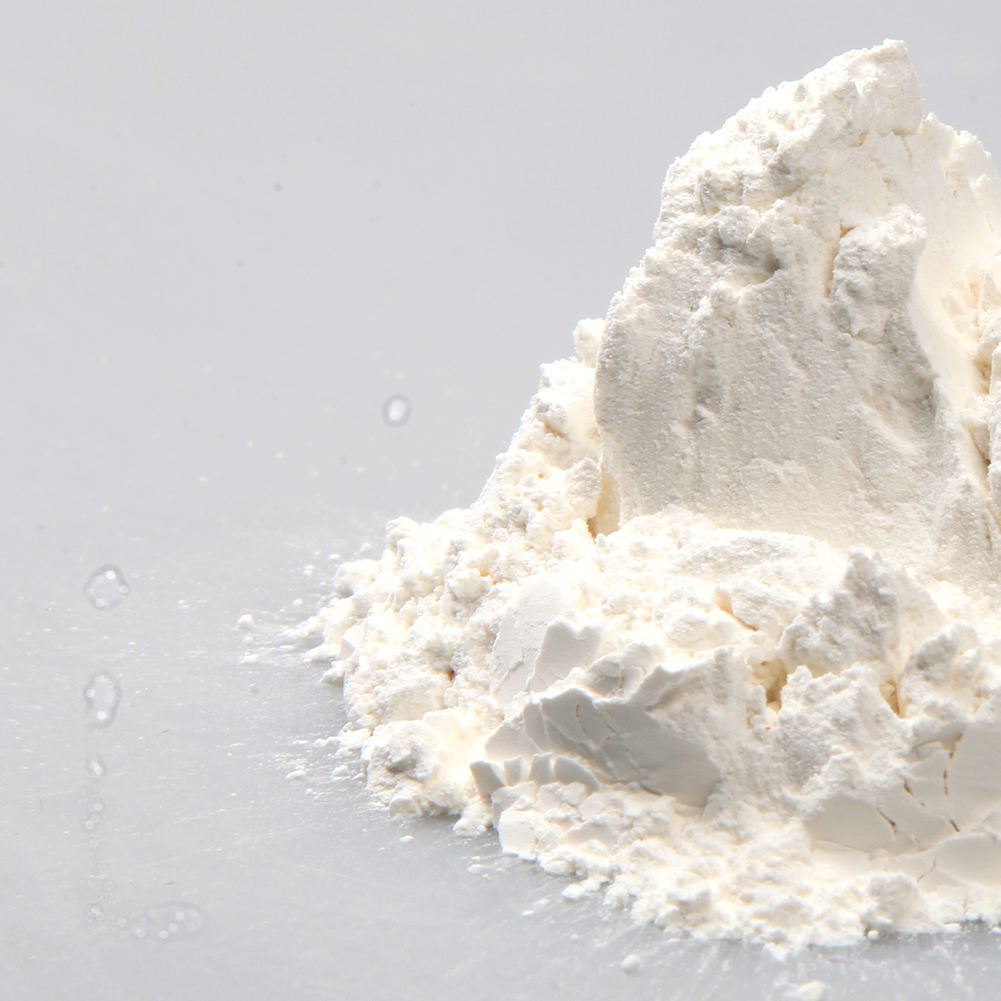
Sodium alginate is a natural polysaccharide extracted from brown seaweed. It is widely used because of its excellent thickening, stabilizing, gelling, and water-retention properties. Due to its non-toxic and biodegradable nature, sodium alginate has become an important material in many industrial sectors worldwide.
Today, sodium alginate is commonly used in food processing, pharmaceuticals, cosmetics, textile printing, paper manufacturing, and construction industries.
In 2026, global demand continues growing because industries prefer sustainable, safe, and high-performance raw materials for industrial production.
In this guide, you will learn everything about sodium alginate, including its properties, manufacturing process, major industrial applications, advantages, limitations, global market trends, and important buying factors for importers and industrial buyers.
Why China Remains the Leading Sodium Alginate Supplier Worldwide
China has become a leading global supplier of sodium alginate because of its strong seaweed resources, advanced manufacturing capabilities, competitive production costs, and large-scale export infrastructure supporting worldwide industrial demand.
Chengdu Jinchun Metallic Materials Co. Ltd. is one of the most trusted Chinese sodium alginate suppliers serving global industrial buyers.
- Abundant Seaweed Resources: China has strong access to high-quality brown seaweed raw materials.
- Advanced Manufacturing Technology:Modern factories support efficient and large-scale sodium alginate production processes.
- Competitive Export Pricing:Lower production costs help Chinese suppliers offer competitive global market prices.
- Large Production Capacity:Chinese manufacturers handle bulk industrial orders for international buyers efficiently.
- Strong Global Supply Chain:Well-developed logistics systems support stable worldwide sodium alginate exports.
With continuous investment in manufacturing technology and export infrastructure, China remains one of the most important sodium alginate production and supply centers serving global industrial markets in 2026.
Quick Overview of Sodium Alginate
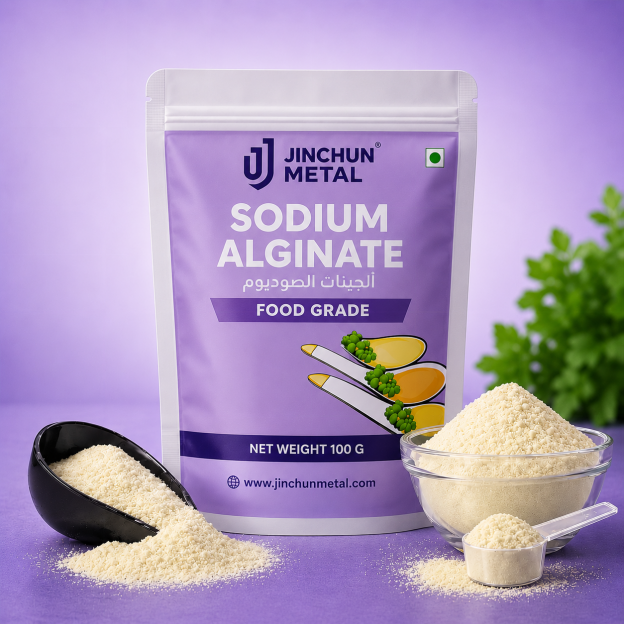
Sodium alginate is a seaweed-based compound known for its strong binding and thickening performance. It easily dissolves in water and helps improve texture, consistency, and stability in many industrial products. Because of its natural origin, sodium alginate is considered a safe and environmentally friendly material.
Sodium alginate will be widely used across food manufacturing, medicine production, cosmetics, textile printing, paper coating, and construction industries. Its multifunctional properties and reliable industrial performance make it an important raw material for manufacturers and global suppliers.
Brown Seaweed to Sodium Alginate Manufacturing Process
Sodium alginate production involves extraction, purification, conversion, drying, and packaging processes.
1: Seaweed Collection
Manufacturers collect brown seaweed from coastal regions because it contains high natural alginate content required for industrial production.
2: Cleaning and Preparation
The harvested seaweed is washed carefully to remove sand, salt, impurities, and unwanted organic materials before processing begins.
3: Alginate Extraction
Processed seaweed is mixed with alkaline chemicals to extract alginic acid and separate useful compounds from raw seaweed material.
4: Sodium Conversion Process
Manufacturers convert alginic acid into sodium alginate through chemical treatment to achieve stable industrial-grade production quality standards.
5: Drying and Packaging
The final sodium alginate powder is dried, filtered, tested, and packed carefully before distribution to global industrial buyers.
Key Physical and Chemical Properties
Sodium alginate offers excellent viscosity control, water absorption, and gel-forming capabilities in industrial production. These physical and chemical properties make it highly suitable for applications requiring stable texture, moisture retention, and formulation consistency.
- High Viscosity:Provides strong thickening performance in liquid formulations.
- Excellent Water Solubility:Dissolves easily in both hot and cold water.
- Good Moisture Retention:Helps maintain product freshness and stability.
- Biodegradable Nature:Environmentally friendly and naturally decomposable material.
Global manufacturers increasingly use sodium alginate because of its biodegradable nature and multifunctional industrial performance.
According to recent industry trends, demand continues rising across food processing, pharmaceuticals, cosmetics, textile printing, and paper manufacturing sectors worldwide.
To understand how high-performance industrial materials behave under extreme conditions, read more about refractory alloys and their importance in extreme heat environments.
Sodium Alginate vs Agar Hydrocolloid vs Carrageenan
Sodium alginate, agar, and carrageenan are widely used hydrocolloids in industrial manufacturing. Each material offers different gelling, thickening, stabilizing, and processing properties depending on specific industrial application requirements.
| Feature | Sodium Alginate | Agar Hydrocolloid | Carrageenan |
| Source | Brown Seaweed | Red Seaweed | Red Seaweed |
| Main Function | Thickening & Stabilizing | Strong Gelling | Stabilizing & Thickening |
| Water Solubility | Excellent | Moderate | Excellent |
| Gel Formation | Calcium-Based | Heat-Based | Heat-Based |
| Common Industries | Food, Pharma, Textile | Food Industry | Dairy & Cosmetics |
| Texture Result | Smooth & Flexible | Firm & Rigid | Soft & Creamy |
Industrial Applications of Sodium Alginate
Sodium alginate is widely used across multiple industries because of its thickening, stabilizing, binding, and moisture-retention properties. Its multifunctional performance supports efficient production and improved product quality worldwide.
- Food Processing:Used for thickening, stabilizing, and texture improvement in food products.
- Pharmaceutical Manufacturing:Applied in tablets, syrups, wound dressings, and drug delivery systems.
- Cosmetic Products:Improves consistency and stability in creams, masks, and skincare products.
- Textile Printing:Used as a thickening agent during reactive dye printing processes.
- Paper Industry:Enhances paper coating quality, surface smoothness, and printing performance.
- Construction Applications:Supports water retention and stabilization in industrial construction materials.
Its industrial versatility and eco-friendly properties continue increasing sodium alginate demand across global manufacturing and commercial production sectors.
Industries looking for reliable raw material suppliers can also explore refractory metals, their properties and industrial applications from Chengdu Jinchun.
Limitations and Challenges of Sodium Alginate
- pH Sensitivity:Performance can decrease under highly acidic conditions.
- Limited Heat Resistance:Excessive heat may reduce viscosity and stability.
- Moisture Absorption Issues:Improper storage can affect product quality and performance.
- Higher Production Cost:More expensive than some synthetic industrial additives.
- Viscosity Control Challenges:Different grades require careful formulation management during manufacturing.
- Calcium Reactivity:Unexpected gel formation may occur when exposed to calcium ions.
Global Sodium Alginate Market Trends 2026
Growing industrial demand and sustainable manufacturing trends continue driving the global sodium alginate market in 2026. Expanding applications across food, pharmaceuticals, cosmetics, textiles, and industrial processing sectors support long-term market growth worldwide.
- Rising Food Industry Demand:Processed food manufacturers increasingly use sodium alginate for texture and stability improvement.
- Pharmaceutical Market Expansion:Growing medical applications continue increasing sodium alginate demand in pharmaceutical manufacturing.
- Eco-Friendly Material Preference:Industries prefer biodegradable additives for sustainable industrial production and environmental compliance.
- Growth in Cosmetic Applications:Skincare and personal care manufacturers increasingly use sodium alginate in cosmetic formulations.
- China’s Export Market Growth:China continues expanding sodium alginate production and global export supply capabilities.
The sodium alginate market is expected to maintain stable global growth as manufacturers increasingly demand multifunctional, biodegradable, and high-performance raw materials for modern industrial production applications in coming years.
Manufacturers sourcing high-performance industrial materials can also check top 7 molybdenum powder manufacturers in China for reliable supply options.
Why Importers Prefer Chengdu Jinchun Metallic Materials Co., Ltd. for Sodium Alginate
Global importers prefer reliable sodium alginate suppliers that provide stable product quality, strong manufacturing capability, competitive pricing, and professional export services. Trusted suppliers help buyers maintain long-term industrial production efficiency worldwide.
- Stable sodium alginate quality for industrial manufacturing applications
- Advanced production facilities supporting large-scale manufacturing capacity
- Competitive global pricing for international industrial buyers
- Strong export experience with worldwide shipping support
- Professional customer service and technical assistance for global clients
Chengdu Jinchun Metallic Materials Co., Ltd. continues strengthening its global supply capabilities by offering reliable industrial materials, stable manufacturing standards, and professional export support for international sodium alginate buyers worldwide.
Final Thoughts
Sodium alginate continues becoming an essential industrial material because of its excellent thickening, stabilizing, and gel-forming performance across multiple industries. With growing global demand for sustainable and high-performance raw materials in 2026, sodium alginate remains widely used in food processing, pharmaceuticals, cosmetics, textiles, and industrial manufacturing.
Choosing reliable suppliers and high-quality products is important for achieving stable industrial production performance and long-term business growth.
Looking for high-quality sodium alginate for industrial applications? Contact Chengdu Jinchun Metallic Materials Co., Ltd. today for reliable supply solutions, competitive pricing, and professional global export support tailored to your manufacturing requirements.
FAQ
Q1: What is sodium alginate and why is it widely used in industrial manufacturing?
Answer: Sodium alginate is a natural polysaccharide extracted from brown seaweed. It is widely used because of its excellent thickening, stabilizing, gelling, and moisture-retention properties across industrial applications.
Q2: What are the primary industrial applications of sodium alginate?
Answer: Sodium alginate is extensively used in food processing, pharmaceuticals, cosmetics, textile printing, paper manufacturing, construction materials, and industrial binding applications worldwide.
Q3: What is the difference between food-grade and industrial-grade sodium alginate?
Answer: Food-grade sodium alginate meets strict safety and purity standards for consumption applications, while industrial-grade sodium alginate is mainly used for technical and manufacturing processes.
Q4: Why is sodium alginate important in food processing applications?
Answer: Sodium alginate helps improve product texture, viscosity, stability, shelf life, and moisture retention in processed food and beverage manufacturing applications.
Q5: How does sodium alginate perform as a gelling agent?
Answer: Sodium alginate forms stable gels when combined with calcium ions, making it highly effective for controlled gel formation and stabilization applications.
Q6: What factors should importers evaluate before purchasing sodium alginate?
Answer: Importers should evaluate product purity, viscosity grade, certifications, production capability, export experience, packaging quality, and supplier reliability before purchasing sodium alginate.
Q7: Why is China considered a leading sodium alginate manufacturing country?
Answer: China dominates sodium alginate manufacturing because of its strong seaweed resources, advanced production technology, competitive pricing, and large-scale export infrastructure.
Q8: Is sodium alginate environmentally friendly?
Answer: Yes, sodium alginate is biodegradable, non-toxic, and naturally derived, making it suitable for sustainable industrial manufacturing applications.
Q9: What industries are driving global sodium alginate market growth in 2026?
Answer: Food processing, pharmaceuticals, cosmetics, textile printing, and eco-friendly industrial manufacturing sectors are significantly driving global sodium alginate demand growth in 2026.
Q10: How should sodium alginate be stored for long-term industrial use?
Answer: Sodium alginate should be stored in sealed moisture-proof packaging under cool, dry, and well-ventilated warehouse conditions to maintain stable product quality.