
 French
 English
 Japanese
 Korean
 Spanish
 Vietnamese
 Thai
 Portuguese
 German

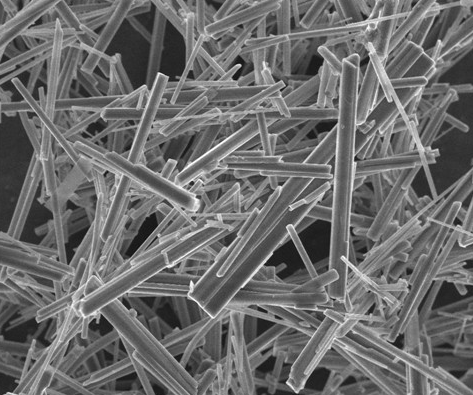
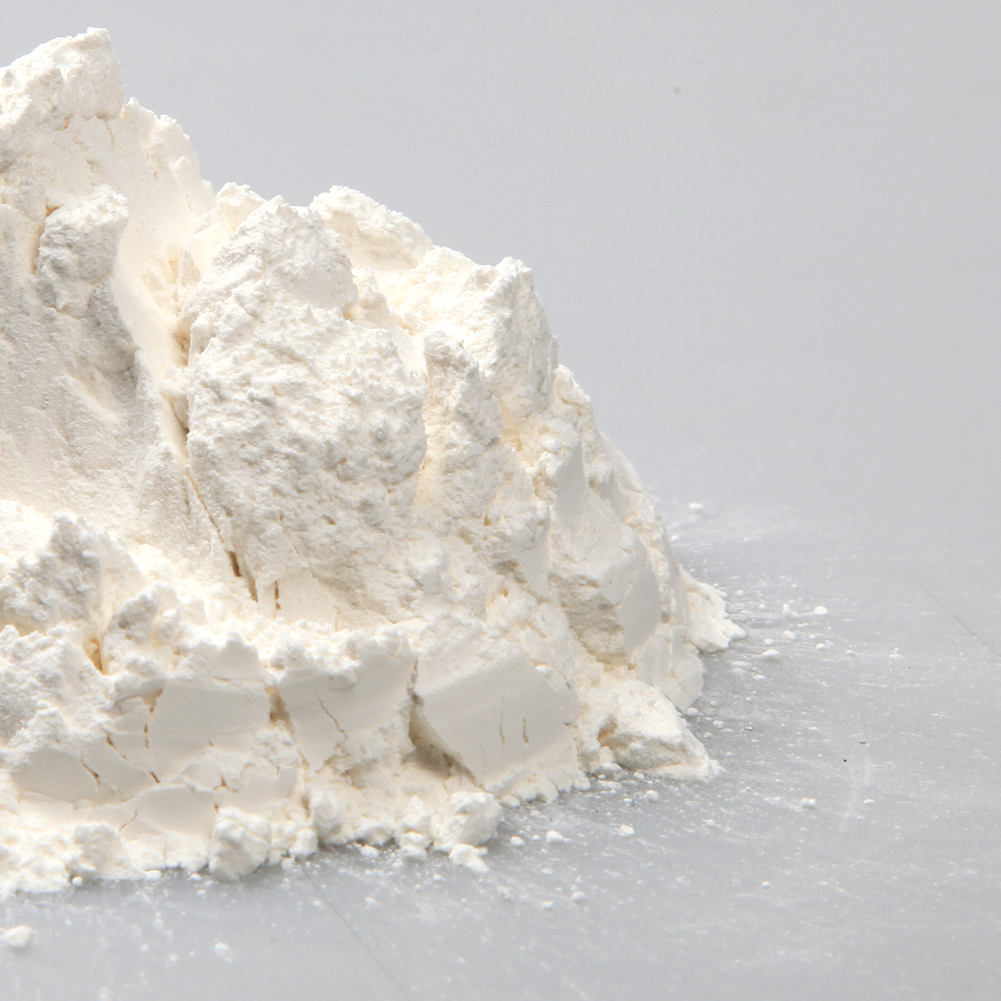
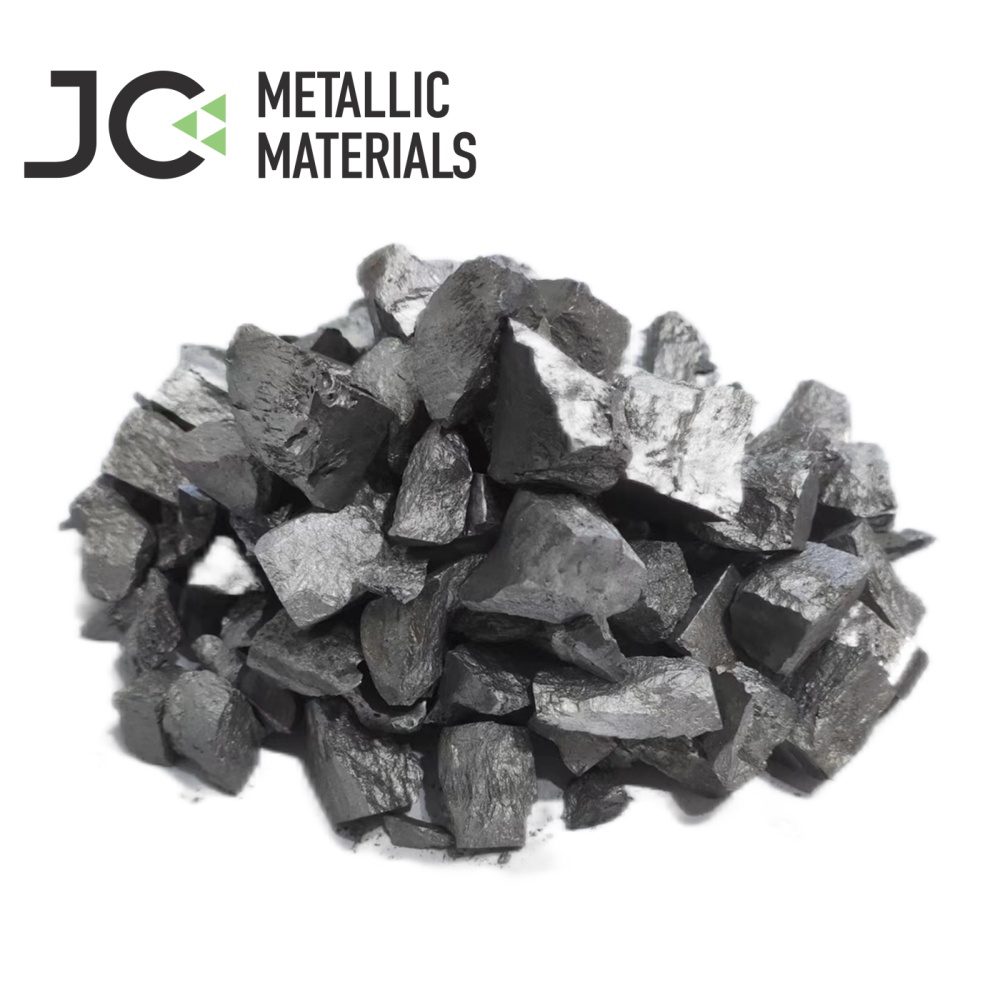
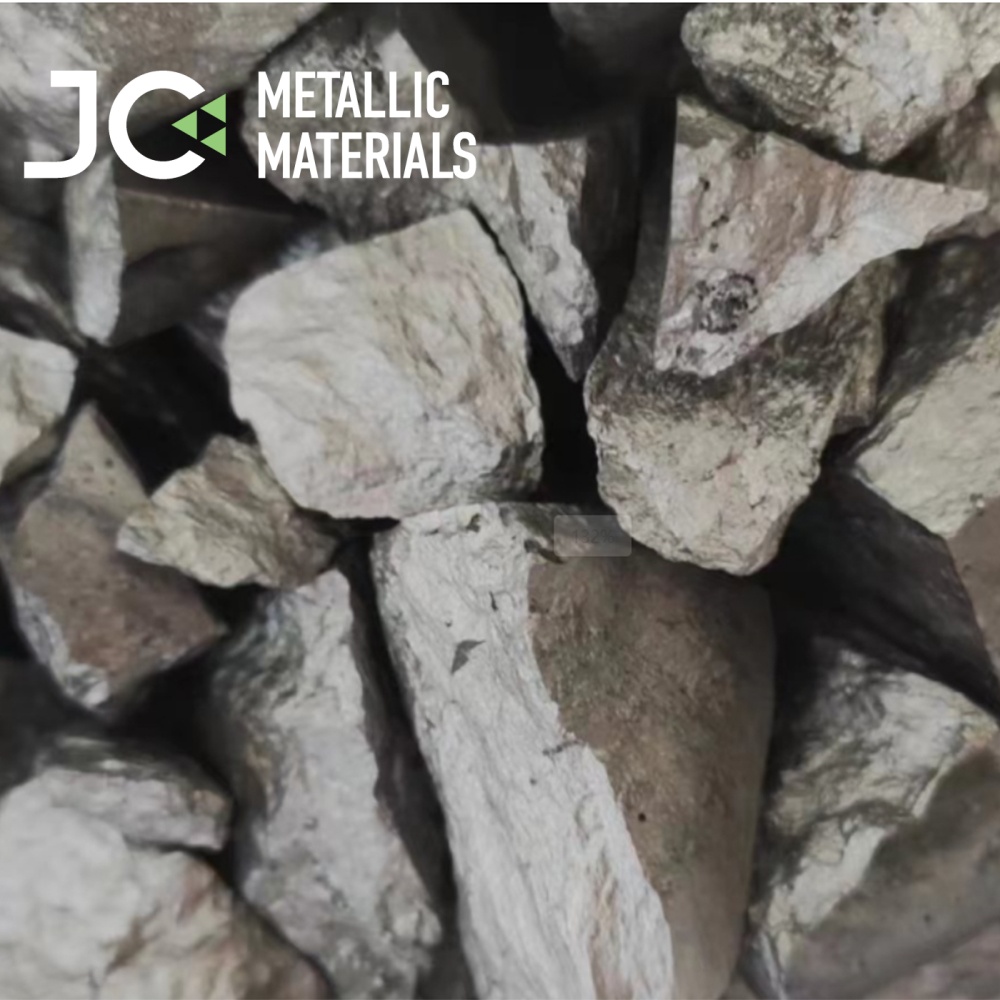
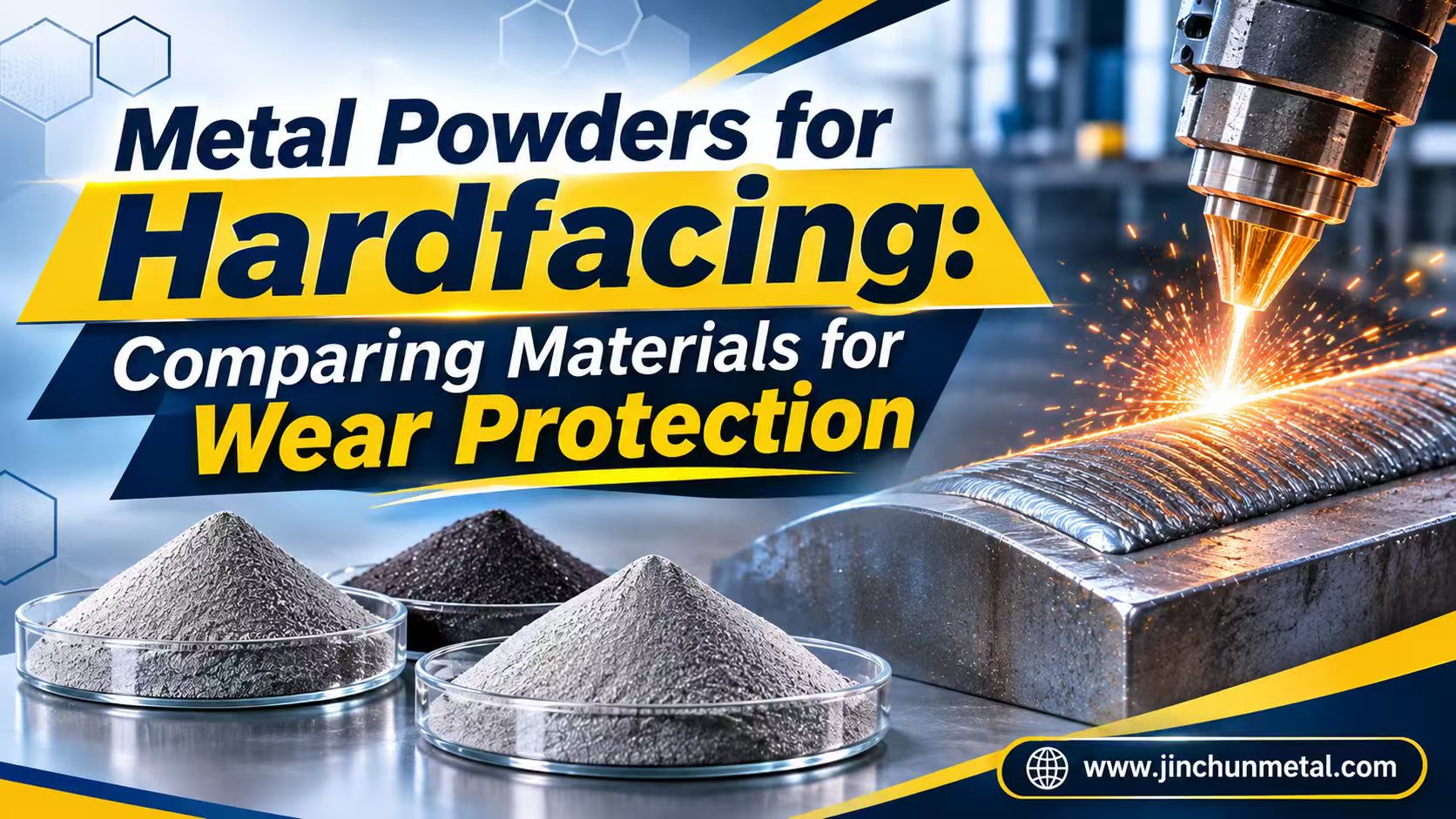
What makes it possible for industrial components to withstand extreme temperatures, surface friction, and demanding operating conditions without losing their performance?
Metal powders play an important role in hardfacing because they create a protective surface layer that helps components resist abrasion, impact, heat, and other demanding working conditions. Different materials provide different levels of hardness, toughness, corrosion resistance, and wear protection, making material selection an important part of the hardfacing process.
Therefore, in this blog post, we’ll take an in-depth look at metal powders for hardfacing. You will learn:
- What metal powders are used for hardfacing
- How different materials provide wear protection
- The key properties of common hardfacing powders
- How to select the right metal powder for your application
You can also explore these hardfacing and weld overlay best practices to understand how material selection, wear conditions, and welding techniques influence coating performance.
What Are Metal Powders for Hardfacing?
Metal powders for hardfacing are specialized metallic materials used to create a protective coating on the surface of industrial components. These powders are deposited onto a base metal through processes such as plasma transferred arc (PTA), laser cladding, thermal spraying, and powder welding.
The main purpose of hardfacing is to improve surface durability without replacing the entire component. Depending on their composition, metal powders can provide resistance to abrasion, impact, corrosion, and high temperatures.
Common materials used for hardfacing include tungsten carbide, nickel-based alloys, cobalt-based alloys, and iron-based alloys. Each material has different mechanical and chemical properties, making it suitable for particular working conditions.
For example, tungsten carbide is commonly selected for applications requiring high hardness and abrasion resistance. Nickel-based powders are useful where corrosion and heat resistance are important, while cobalt-based alloys offer a combination of wear resistance and high-temperature strength.
The selection of a suitable hardfacing powder depends on several factors, including:
- Wear conditions: Whether the component faces abrasion, impact, erosion, or friction.
- Operating temperature: The material must maintain its properties under working temperatures.
- Corrosion exposure: Chemical environments may require nickel- or cobalt-based alloys.
- Base metal compatibility: The powder should bond properly with the substrate.
- Application method: Particle size, flowability, and melting characteristics should match the selected deposition process.
By choosing the appropriate metal powder, manufacturers can improve component performance, reduce maintenance requirements, and extend equipment service life in demanding industrial environments.
For a better understanding of hardfacing processes and the materials used to create wear-resistant coatings, you can explore this technical guide: What Is Hardfacing?
What Are the Main Types of Metal Powders Used for Hardfacing?
Different hardfacing applications require different material properties. The following are some commonly used metal powders for industrial wear protection.
1. Tungsten Carbide Powder
Tungsten carbide powder is widely used in hardfacing applications where components experience severe abrasion and surface erosion. It contains tungsten and carbon, forming an extremely hard compound that provides excellent resistance to material loss.
It is frequently combined with metallic binders such as nickel or cobalt to improve bonding and support the carbide particles within the protective layer.
Main properties
- Extremely high hardness.
- Excellent abrasion resistance.
- Good resistance to erosion.
- Suitable for demanding wear conditions.
Common applications
- Mining equipment.
- Drilling tools.
- Agricultural machinery.
- Oil and gas components.
- Industrial cutting equipment.
For more information about ferro tungsten powders and their role in improving hardness and wear resistance in industrial applications, you can read our blog post: Ferro Tungsten Powders for Wear-Resistant Applications in Australia
2. Nickel-Based Alloy Powder
Nickel-based alloy powders are suitable for hardfacing applications where components require a combination of wear resistance, corrosion protection, and high-temperature performance.
These alloys may contain chromium, boron, silicon, and other elements that influence their hardness and melting characteristics. Some nickel-based self-fluxing alloys can form dense coatings with good metallurgical bonding.
They are particularly useful in environments where moisture, chemicals, and elevated temperatures can damage conventional metal surfaces.
Main properties
- Good corrosion resistance.
- Excellent oxidation resistance.
- Good high-temperature performance.
- Balanced hardness and toughness.
Common applications
- Chemical processing equipment.
- Industrial valves.
- Pump components.
- Furnace parts.
- Marine equipment.
3. Cobalt-Based Alloy Powder
Cobalt-based powders are commonly used in applications involving high temperatures, friction, and repeated mechanical contact. These materials are known for maintaining their hardness and wear resistance under demanding operating conditions.
Cobalt-chromium alloys, including Stellite-type materials, are widely recognized for their resistance to galling, oxidation, and certain forms of corrosion.
Their combination of thermal stability and mechanical durability makes them useful for components that operate under continuous stress.
Main properties
- High-temperature strength.
- Good wear resistance.
- Excellent resistance to galling.
- Good oxidation and corrosion resistance.
Common applications
- Engine valves.
- Industrial valve seats.
- Turbine components.
- Pump shafts.
- High-temperature machinery.
4. Iron-Based Alloy Powder
Iron-based alloy powders are economical options for many hardfacing applications. Their composition can be adjusted with elements such as chromium, carbon, manganese, and molybdenum to achieve different hardness and wear characteristics.
High-chromium iron alloys, for example, are particularly useful in abrasive environments because they contain hard chromium-rich carbides.
These powders are often selected when manufacturers need effective wear protection without the higher material costs associated with nickel- or cobalt-based alloys.
Main properties
- Good abrasion resistance.
- Adjustable hardness.
- Cost-effective material option.
- Suitable for different hardfacing processes.
Common applications
- Crusher components.
- Conveyor equipment.
- Agricultural machinery.
- Cement processing equipment.
- Industrial wear plates.
You can learn more about how manufacturers adjust alloy compositions and material properties according to specific industrial requirements in our blog post: Custom Metal Alloy Powder: How Manufacturers Customize For Your Needs
Comparison of Different Metal Powders for Hardfacing
Choosing the right powder becomes easier when buyers compare the main material properties and application requirements.
| Matériau | Main Strength | Wear Resistance | Common Applications |
| Tungsten Carbide | Extreme hardness | Excellent abrasion resistance | Mining and drilling |
| Nickel-Based | Corrosion and heat resistance | Good to excellent | Valves and pumps |
| Cobalt-Based | High-temperature stability | Excellent under friction and heat | Turbines and engine parts |
| Iron-Based | Cost-effectiveness | Good to excellent, depending on composition | Crushers and wear plates |
How Do Different Metal Powders Improve Wear Protection?
The performance of a hardfacing layer depends on its chemical composition, microstructure, hardness, and resistance to different wear mechanisms.
Here is how different materials help protect industrial components.
1. Resistance to Abrasive Wear
Abrasive wear occurs when hard particles or rough surfaces repeatedly move against a metal component, gradually removing material.
Tungsten carbide and high-chromium iron-based powders are commonly used to reduce this type of damage. Their hard carbide structures help resist cutting, scratching, and surface deformation.
2. Resistance to Impact Wear
Impact wear occurs when components experience repeated mechanical blows or collisions with hard materials.
In these conditions, hardness alone is not enough. The protective layer must also have sufficient toughness to prevent cracking and chipping.
Iron-based and selected cobalt-based alloys can provide a useful balance between hardness and toughness, depending on their composition.
3. Resistance to Corrosion
Industrial components operating in chemical processing, marine, and moisture-rich environments may experience corrosion alongside mechanical wear.
Nickel-based and cobalt-based alloy powders are commonly selected for these conditions. Their alloying elements help form protective surface layers that reduce chemical attack and oxidation.
4. Resistance to High Temperatures
High operating temperatures can reduce material hardness and accelerate oxidation. This makes thermal stability an important consideration in hardfacing applications.
Cobalt-based alloys and selected nickel-based powders can maintain useful mechanical properties at elevated temperatures. They are therefore suitable for components exposed to continuous heat and friction.
Which Hardfacing Process Is Suitable for Metal Powders?
The selected deposition process influences coating quality, material utilization, bonding strength, and production efficiency.
Some common processes include:
| Process | Working Principle | Suitable Materials |
| PTA Hardfacing | Uses a plasma arc to melt powder and substrate surface | Nickel, cobalt, and iron-based powders |
| Laser Cladding | Uses a laser beam to melt powder onto a component | Nickel, cobalt, and iron-based alloys |
| Powder Welding | Uses heat to melt and deposit metallic powder | Iron and nickel-based powders |
| Thermal Spraying | Deposits heated or molten particles onto a surface | Tungsten carbide and selected alloy powders |
PTA hardfacing is commonly used when manufacturers require controlled deposition and strong coating performance.
Laser cladding is suitable for applications requiring precise material deposition and relatively low dilution.
Powder welding can be used for repairing and protecting industrial components with suitable alloy powders.
Thermal spraying is useful when a coating needs to be applied without significantly melting the underlying substrate.
The appropriate process depends on component geometry, coating thickness, production requirements, and the selected powder’s characteristics.
How to Select the Right Metal Powder for Hardfacing?
Selecting the right hardfacing powder requires understanding the actual operating conditions rather than choosing a material based on hardness alone.
Consider the following factors before making a purchase:
- Identify the wear mechanism: Determine whether the component faces abrasion, impact, erosion, corrosion, or a combination of these conditions.
- Check the required hardness:Select a powder that provides sufficient surface hardness without creating an excessively brittle coating.
- Evaluate operating temperature:Consider whether the material can maintain its mechanical properties under the expected working temperature.
- Consider corrosion exposure: For chemical or moisture-rich environments, evaluate nickel- and cobalt-based alloy compositions.
- Check powder specifications:Review particle size distribution, chemical composition, flowability, and powder morphology.
- Match the deposition process: Ensure the powder is compatible with PTA, laser cladding, powder welding, or the selected coating method.
- Evaluate overall cost: Compare material price, deposition efficiency, coating life, and maintenance requirements rather than focusing only on the initial powder cost.
These considerations help manufacturers select a material that provides suitable wear protection while supporting long-term equipment performance.
What Are the Common Applications of Hardfacing Metal Powders?
Hardfacing metal powders are used across industries where equipment operates under demanding mechanical and environmental conditions.
Some important applications include:
- Mining Industry: Crusher teeth, drilling tools, excavator components, and conveyor parts require strong resistance to abrasion and impact.
- Oil and Gas Industry: Drilling equipment, valve components, and pump parts need protection against friction, erosion, and corrosion.
- Agricultural Machinery:Ploughshares, tillage tools, and cutting edges require wear-resistant surfaces when working with soil and abrasive materials.
- Cement Industry: Grinding rollers, crusher components, and material-handling equipment benefit from hardfacing coatings.
- Power Generation:Turbine components, valves, and other high-temperature parts require materials with suitable thermal and wear resistance.
- Steel Manufacturing: Rolling mill components, guide parts, and industrial rollers use hardfacing to reduce surface damage.
The material composition should always be selected according to the specific operating environment and expected service conditions.
Final Thoughts
Selecting the right metal powder is essential for achieving reliable wear protection in hardfacing applications. Tungsten carbide, nickel-based, cobalt-based, and iron-based powders each offer different advantages depending on the operating environment.
Manufacturers should evaluate wear conditions, temperature, corrosion exposure, and deposition requirements before choosing a suitable material. The right selection can improve component durability and reduce long-term maintenance costs.
If you are looking for suitable metal powders for industrial applications, Chengdu Jinchun Metallic Materials Co. Ltd. can help you explore material options and discuss your technical requirements. You can contact Jinchun to request a quotation and receive professional support for your powder selection.
Frequently Asked Questions
Which metal powder is best for hardfacing?
Tungsten carbide is suitable for severe abrasion, while nickel-, cobalt-, and iron-based powders are selected for different combinations of corrosion, impact, and temperature resistance.
Why is tungsten carbide used in hardfacing?
Tungsten carbide offers extremely high hardness and excellent abrasion resistance, making it useful for protecting mining, drilling, and material-handling equipment.
Are nickel-based powders suitable for wear protection?
Yes, nickel-based powders provide good wear, corrosion, and oxidation resistance, particularly in industrial environments involving chemicals and elevated temperatures.
What is the difference between nickel-based and cobalt-based hardfacing powders?
Nickel-based powders offer strong corrosion resistance, while cobalt-based alloys generally provide excellent high-temperature wear resistance and protection against galling.
Can iron-based powders be used for heavy-duty applications?
Yes, selected iron-based alloys provide excellent abrasion resistance and are widely used in crushers, cement plants, mining equipment, and industrial wear plates.
What is PTA hardfacing?
Plasma Transferred Arc (PTA) hardfacing is a powder deposition process that uses a plasma arc to melt metallic powder and bond it to a substrate, forming a protective coating.
What powder properties should buyers check before purchasing?
Buyers should evaluate chemical composition, particle size distribution, hardness, morphology, flowability, and compatibility with the intended deposition process.
How does hardfacing reduce maintenance costs?
Hardfacing protects critical component surfaces against premature wear, reducing replacement frequency, equipment downtime, and maintenance requirements.
https://www.jinchunmetal.com/?s=Metal+Powders+for+Hardfacing