 French
 English
 Japanese
 Korean
 Spanish
 Vietnamese
 Thai
 Portuguese
 German

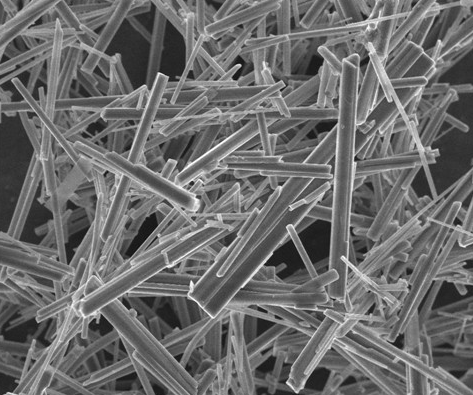
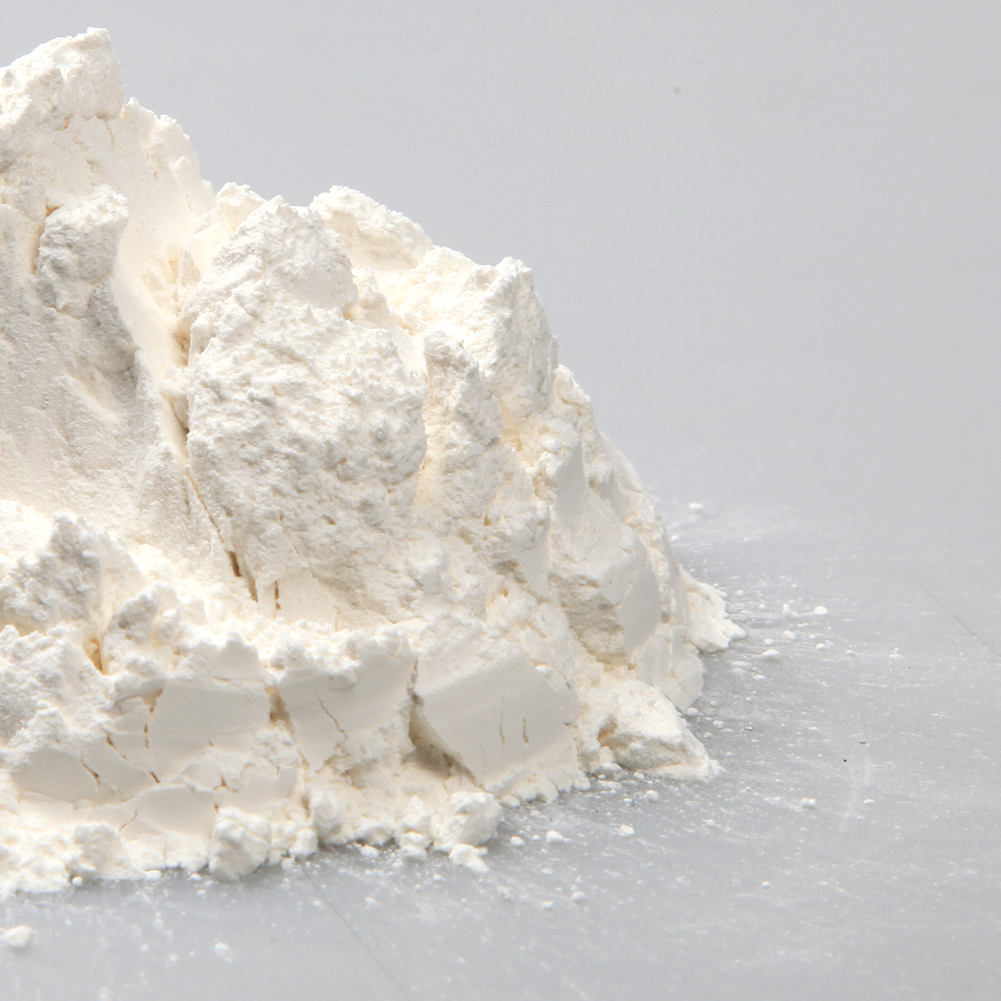
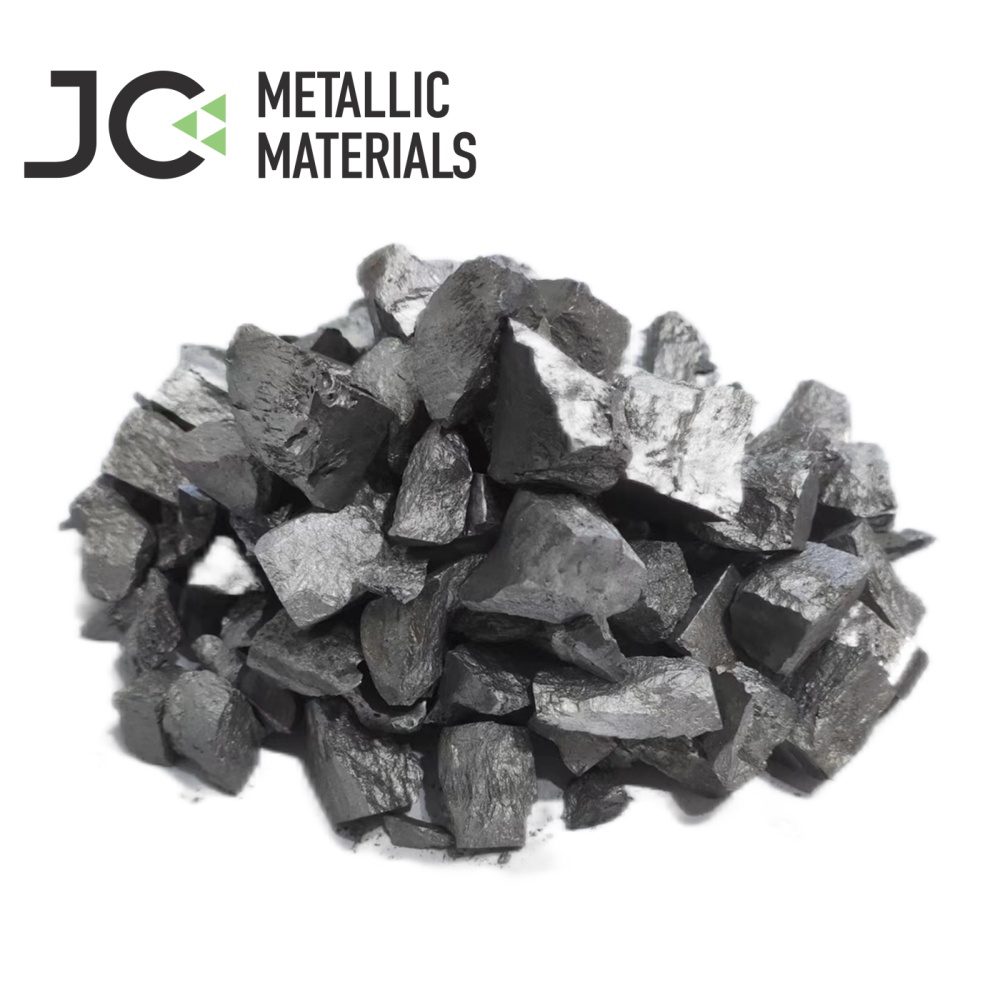
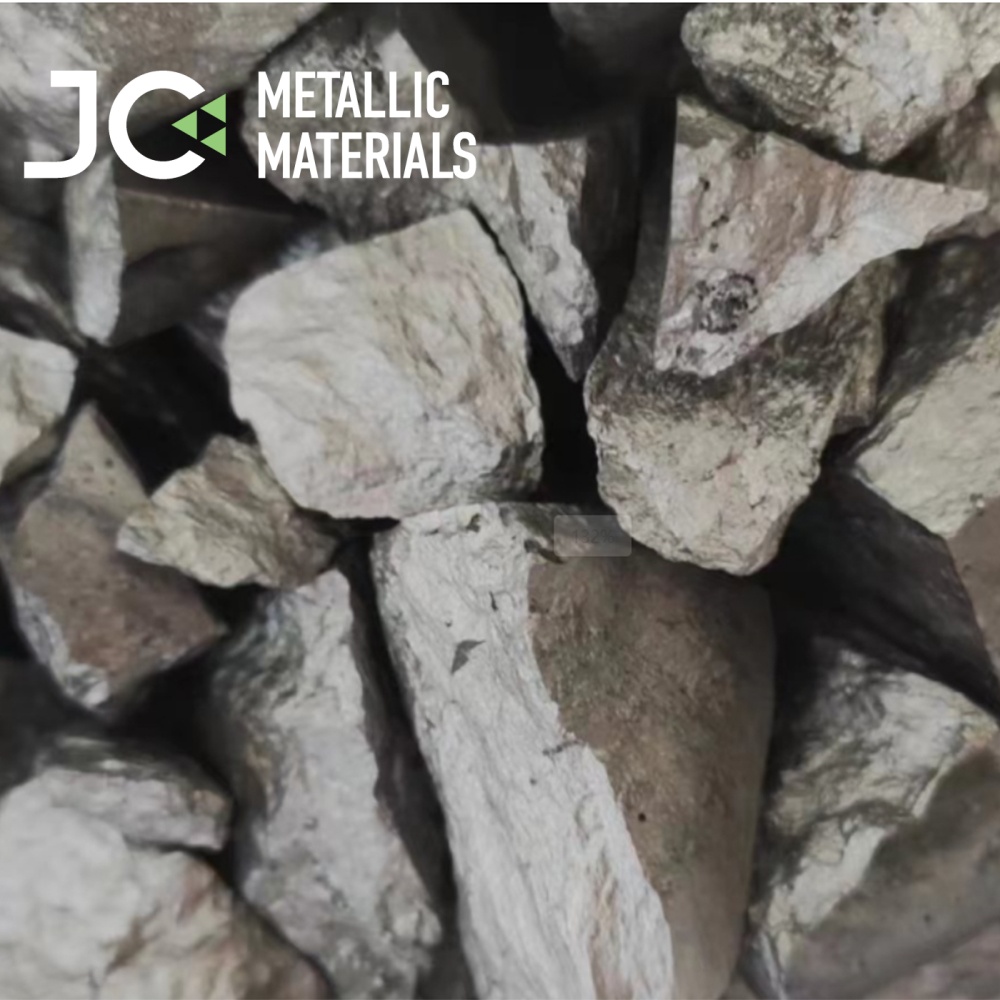
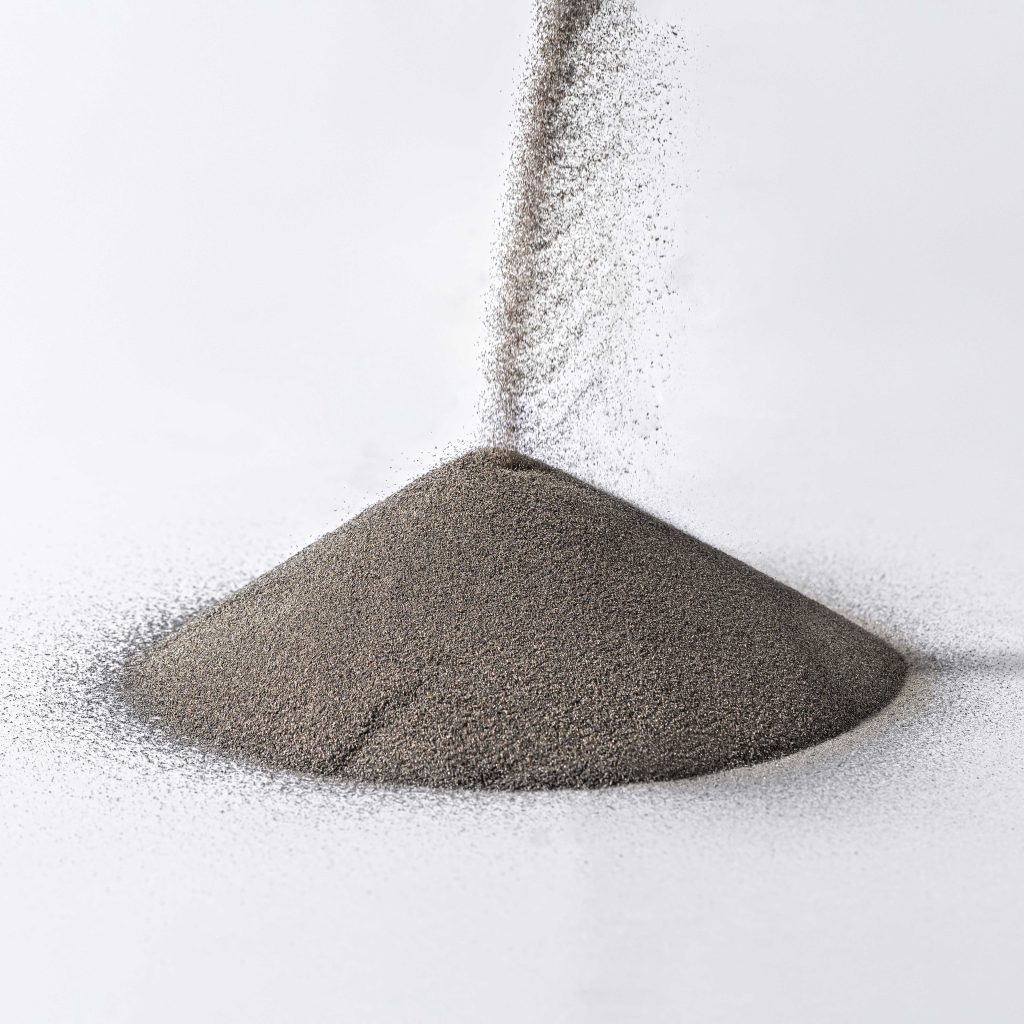
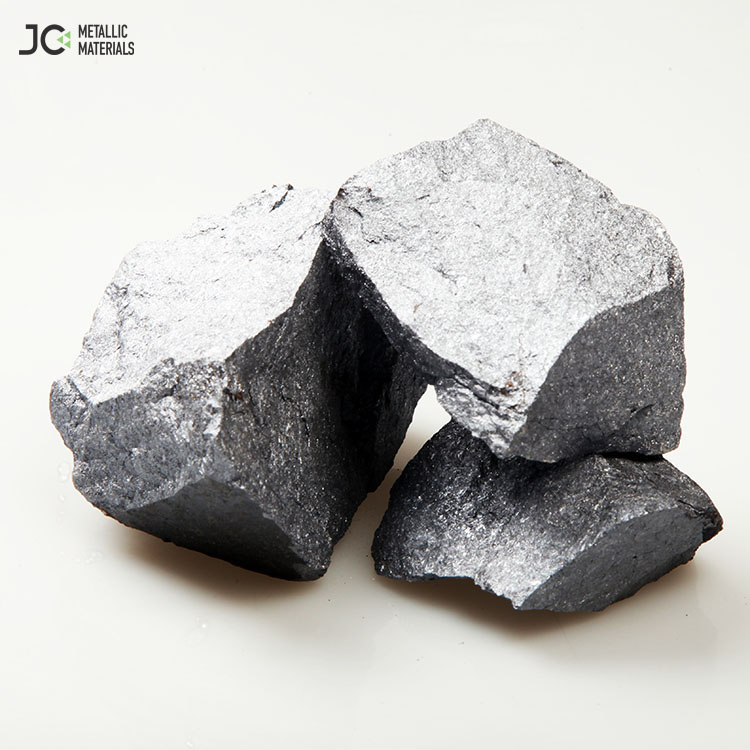
Chromium boride powder is an important material in advanced industrial manufacturing. Its hardness, thermal characteristics, and chemical stability make it relevant to specialized engineering applications. Manufacturers explore chromium-boron materials for protective coatings, advanced ceramics, metallurgical production, and composite development. Understanding their properties helps buyers make better material selection decisions.
Industrial applications often involve demanding conditions, including mechanical wear, elevated temperatures, and chemical exposure. Selecting suitable materials requires careful evaluation of composition, particle size, purity, and processing compatibility. Chromium boride materials offer different characteristics depending on their chemical phases, manufacturing methods, and intended industrial applications.
This guide explores chromium boride powder properties, industrial applications, and material selection factors. It also explains important material differences and helps buyers evaluate product specifications and reliable suppliers, including Jinchun Metallic Materials, for industrial purchasing needs.
What Is Chromium Boride Powder?
Chromium boride powder is a chromium-boron-based material used in specialized industrial and engineering applications. It belongs to the metal boride family, combining chromium with boron to develop materials with useful hardness, thermal characteristics, and chemical stability.
Its composition makes it relevant to advanced ceramics, protective coatings, metallurgy, and composite manufacturing. However, chromium boride materials are available in different chemical phases, and each phase has distinct characteristics.
Chemical Composition and Structure of Chromium Boride
Chromium and boron combine in different proportions to form several chromium boride compounds. The most commonly discussed phases include:
| Matériau | Chemical Formula | Description |
| Chromium Monoboride | CrB | Chromium-based boride compound |
| Chromium Diboride | CrB₂ | Boron-rich chromium compound |
| Chromium-Boron Alloy | Grade-dependent | Commercial chromium-based alloy containing boron |
These differences influence material properties and industrial suitability. Therefore, buyers should confirm the exact chemical composition before selecting a particular grade.
How Is Chromium Boride Powder Manufactured?
Chromium boride powder requires controlled manufacturing methods to achieve suitable composition and particle characteristics. Common production stages include:
- Raw Material Preparation:Selecting suitable chromium and boron-containing materials.
- Material Processing:Using appropriate reactions or alloying techniques.
- Thermal Treatment:Applying controlled temperatures during material formation.
- Powder Processing: Crushing, milling, and classifying materials.
- Quality Inspection:Checking composition, particle size, and product consistency.
These stages help manufacturers achieve the required material specifications for different industrial applications.
Key Properties of Chromium Boride Powder
Chromium boride materials offer useful characteristics for specialized industrial applications. Their hardness, thermal stability, and chemical properties make them relevant to advanced ceramics, coatings, and engineering materials.
High Hardness and Wear Resistance
According to the NIST Ceramics Data Portal, chromium diboride (CrB₂) has documented material properties, including density, hardness, elastic modulus, and melting point.
Chromium boride materials offer high hardness, helping resist surface deformation and mechanical wear.
Common applications include:
- Protective industrial coatings.
- Wear-resistant ceramic components.
- Specialized engineering materials.
High-Temperature Stability
Certain chromium boride compounds are investigated for high-temperature applications.
Key characteristics include:
- Refractory material properties.
- Thermal performance under demanding conditions.
- Suitability for specialized ceramic development.
Corrosion and Chemical Resistance
Chromium boride materials are studied for protective applications.
Important considerations include:
- Chemical exposure resistance.
- Operating temperature.
- Environmental compatibility.
Thermal and Electrical Properties
Some chromium boride compounds demonstrate useful thermal and electrical characteristics.
Potential applications include:
- Conductive ceramic components.
- Advanced engineering materials.
- Specialized industrial systems.
Chemical Stability and Mechanical Strength
Chromium boride compounds offer useful chemical and structural characteristics.
Important factors include:
- Material composition.
- Processing conditions.
- Final application requirements.
You can also explore our blog post: Chromium Carbide Powder: Properties, Applications and How To Choose? to understand another chromium-based material used in wear-resistant industrial applications.
Industrial Applications of Chromium Boride Powder
Chromium boride materials are explored across several industrial sectors. Their hardness, thermal characteristics, and chemical properties support specialized manufacturing and engineering applications.
Wear-Resistant Coatings
Chromium boride materials can contribute to protective coating systems. These coatings help improve surface durability in selected industrial equipment exposed to friction and abrasion.
High-Temperature Ceramic Components
Chromium boride compounds are investigated for advanced ceramics. Their refractory characteristics make them relevant to specialized components operating under demanding thermal conditions.
Metallurgy and Alloy Manufacturing
Chromium-boron materials support specialized metallurgical development. Manufacturers evaluate their composition when producing chromium-based alloys and other materials requiring controlled boron additions.
Thermal Spraying and Surface Engineering
Selected chromium boride compositions are investigated for composite coatings. Their suitability depends on particle characteristics, deposition methods, and compatibility with coating materials.
Advanced Ceramics and Composite Materials
Chromium boride compounds can contribute to specialized ceramic formulations. Researchers evaluate their characteristics when developing advanced composites for demanding engineering applications.
Cutting Tools and Engineering Materials
Chromium boride-containing materials are investigated for specialized engineering components. Their potential suitability depends on hardness, fracture resistance, processing conditions, and operating requirements.
Industrial Surface Protection
Chromium-boron materials may support selected protective systems. Manufacturers evaluate their suitability for equipment exposed to mechanical wear and demanding industrial environments.
For more information about chromium-based industrial materials, read our blog: Chromium Metal Powder: Properties, Applications & How to Choose the Right Supplier.
Chromium Boride vs. Chromium Boron Alloy
Chromium boride compounds and chromium boron alloys have different chemical compositions and material classifications. Understanding these differences helps buyers select suitable materials for their manufacturing requirements.
| Comparison Factor | Chromium Boride | Chromium Boron Alloy |
| Material Type | Chemical compound | Commercial alloy |
| Composition | Chromium and boron | Chromium, boron, and possible impurities |
| Chemical Formula | CrB or CrB₂ | Grade-dependent |
| Boron Content | Defined by chemical phase | Depends on alloy specification |
| Material Structure | Specific boride structure | Depends on alloy composition |
| Industrial Uses | Ceramics, coatings, composites | Metallurgy and specialized material production |
| Selection Criteria | Chemical phase and purity | Elemental composition and grade |
Why Does This Difference Matter?
Buyers should verify the exact material grade, chemical composition, and technical specifications before ordering. This helps prevent material confusion and ensures better compatibility with industrial production requirements.
Importance of Purity Control in Chromium Boride Manufacturing
Purity control helps maintain consistent chromium boride composition. It also supports reliable material quality and industrial application requirements.
Chemical Composition: Controlled chromium and boron content helps maintain consistent material grades.
Impurity Control: Monitoring impurities helps reduce unwanted variations in material characteristics.
Product Consistency: Proper quality control supports uniform specifications across manufacturing batches.
Application Suitability: Suitable purity levels help meet specific industrial application requirements.
Quality Inspection: Chemical analysis and batch testing help verify product specifications.
Proper purity control improves material consistency. Buyers should always review chemical composition and test reports before purchasing.
For additional material selection guidance, explore our article: Chromium Oxide Powder Selection Guide for Industrial Buyers.
How to Evaluate a Reliable Chromium Boride Powder Supplier
Choosing a reliable supplier helps ensure consistent material quality, dependable deliveries, and better purchasing decisions. Buyers should evaluate these eight important factors before placing orders.
1: Check Chemical Composition and Product Specifications
Review the supplier’s chemical composition, boron content, purity, and available grades. Clear specifications help buyers confirm whether the material meets their industrial application requirements.
2: Request Material Test Reports
Ask for material test certificates and batch inspection reports. These documents help verify chemical composition, impurity levels, and product consistency before accepting purchased materials.
3: Evaluate Manufacturing and Quality Control
Examine the supplier’s manufacturing capabilities and quality control procedures. Consistent production standards help reduce material variations and support reliable performance across different industrial batches.
4: Confirm Available Particle Sizes
Check available particle sizes and distribution ranges before ordering. Suitable powder characteristics improve processing compatibility and help manufacturers achieve their required production results.
5: Review Customization Capabilities
Choose suppliers offering suitable composition, particle size, and packaging options. Customization helps manufacturers match chromium boride materials with specific production and application requirements.
6: Check Packaging and Storage Standards
Review packaging materials, moisture protection, and storage recommendations. Proper handling helps maintain powder quality during transportation, warehousing, and long-distance international shipments.
7: Assess Supply Capacity and Delivery Reliability
Evaluate production capacity, available inventory, and delivery schedules. A dependable supplier should support required order quantities and maintain consistent supply for ongoing industrial operations.
8: Compare Pricing and Technical Support
Compare quotations alongside product quality, documentation, and technical assistance. Reliable suppliers provide transparent pricing and helpful communication throughout the purchasing and material selection process.
You can also read our guide on How to Select Ferro Chrome Powder to learn more about evaluating chromium content, chemical composition, particle size, and material specifications.
Bulk Purchasing Considerations for Industrial Buyers
Bulk purchasing chromium boride materials requires careful planning. Buyers should evaluate product specifications, supplier capacity, packaging, pricing, and delivery arrangements before confirming large industrial orders.
Confirm Material Specifications: Verify chemical composition, boron content, purity, and product grade before placing bulk orders.
Evaluate Order Quantities: Select quantities according to production requirements, inventory capacity, and expected material consumption.
Compare Supplier Quotations: Request quotations from multiple suppliers and compare pricing, specifications, and included services.
Review Packaging Options: Choose suitable packaging that protects powder quality during storage and transportation.
Check Delivery Arrangements: Confirm production schedules, shipping methods, estimated delivery times, and international transportation requirements.
Discuss Long-Term Supply: Establish purchasing agreements that support consistent availability and future production requirements.
Effective bulk purchasing combines technical verification, competitive pricing, and reliable supply planning to reduce procurement risks and support uninterrupted industrial production.
Future Developments in Chromium Boride Materials
Growing interest in advanced engineering materials is encouraging further research into chromium boride compounds. Researchers continue exploring their hardness, thermal characteristics, and potential applications in specialized industrial environments.
Advanced coating technologies may create new opportunities for chromium boride materials. Research into ceramic coatings and composite systems could improve surface protection for equipment exposed to demanding operating conditions.
Future material development may focus on composition control, particle engineering, and improved manufacturing methods. These improvements could support more consistent material properties and broader applications across specialized industrial sectors.
Transportation and Packaging Requirements for Chromium Boride Powder by Jinchun Metallic Materials
Jinchun Metallic Materials understands the importance of suitable packaging and transportation. Proper handling helps protect chromium-boron materials during storage, shipment, and delivery.
Suitable Packaging
Select secure packaging to protect powder from contamination and moisture.
Safe Transportation
Use appropriate transportation methods to reduce handling and shipment risks.
Storage Protection
Keep materials sealed and follow recommended storage conditions.
Product Identification
Clearly label packages with product grades and relevant specifications.
Delivery Coordination
Confirm packaging requirements, shipping schedules, and delivery arrangements with Jinchun Metallic Materials.
Why Choose Jinchun Metallic Materials for Chromium-Boron Materials?
Jinchun Metallic Materials specializes in supplying metal and alloy materials for industrial applications.
Buyers can contact our company to discuss chromium-boron material requirements and suitable product specifications.
Our company provides product information to help buyers understand available material grades.
Reviewing composition, physical form, and technical specifications helps customers identify suitable purchasing options.
Industrial buyers should communicate our application requirements before requesting quotations.
We allow the supplier to discuss relevant specifications, order quantities, and potential material suitability.
Clear communication supports better purchasing decisions throughout the sourcing process.
Buyers can discuss packaging preferences, transportation arrangements, and documentation requirements before confirming their orders.
For long-term cooperation, buyers should evaluate product consistency, communication, and supply arrangements. Discussing these factors with Jinchun Metallic Materials can help establish clearer expectations for future procurement.
Final Thoughts
Chromium boride powder offers useful characteristics for specialized industrial applications, including advanced ceramics, protective coatings, and engineering materials. However, selecting the right material requires more than comparing hardness or price.
Buyers should carefully evaluate chemical composition, particle size, purity, processing compatibility, and supplier reliability. Understanding these factors helps manufacturers make informed purchasing decisions and reduce material-related risks.
Working with a knowledgeable supplier also supports better product evaluation, consistent procurement, and long-term industrial planning.
Looking for reliable chromium-boron materials for your industrial requirements? Contact Jinchun Metallic Materials to discuss product specifications, available grades, bulk quantities, and suitable purchasing options.
FAQ
Q1: What Is Chromium Boride Powder Used For?
Answer: Chromium boride powder is explored for specialized industrial applications, including advanced ceramics, protective coatings, and engineering materials. Its suitability depends on chemical composition, material grade, and operating requirements.
Q2: What Are the Main Properties of Chromium Boride Powder?
Answer: Chromium boride materials are known for hardness and useful thermal characteristics. Their actual properties depend on chemical phase, composition, purity, manufacturing conditions, and specific material grade.
Q3: What Is the Difference Between CrB and CrB₂?
Answer: CrB and CrB₂ are different chromium boride compounds with distinct chemical compositions. CrB contains a different chromium-to-boron ratio than CrB₂, influencing their material characteristics.
Q4: Is Chromium Boride Suitable for High-Temperature Applications?
Answer: Certain chromium boride compounds are investigated for high-temperature applications. However, suitability depends on material composition, operating temperature, environmental conditions, and compatibility with other engineering materials.
Q5: What Industries Use Chromium Boride Materials?
Answer: Chromium boride materials are investigated across advanced ceramics, metallurgy, surface engineering, and specialized coating industries. Their application depends on technical requirements and suitable material characteristics.
Q6: What Factors Affect Chromium Boride Powder Quality?
Answer: Powder quality depends on chemical composition, purity, particle size distribution, manufacturing methods, and impurity levels. Proper quality control helps maintain consistency between different production batches.
Q7: Which Particle Size Is Suitable for Chromium Boride Powder?
Answer: Suitable particle size depends on the intended application and manufacturing method. Buyers should discuss particle distribution, processing requirements, and technical specifications before selecting a particular powder grade.
Q8: How Should Chromium Boride Powder Be Stored?
Answer: Chromium boride powder should be stored in suitable sealed packaging under recommended conditions. Buyers should follow supplier instructions to prevent contamination, moisture exposure, and unnecessary material deterioration.
Q9: What Should Buyers Check Before Purchasing Chromium Boride Powder?
Answer: Buyers should verify chemical composition, purity, particle size, product grade, and test documentation. Supplier capabilities, packaging standards, pricing, and delivery reliability also deserve careful evaluation.
Q10: How Can Buyers Find a Reliable Chromium Boride Supplier?
Answer: Buyers should evaluate technical documentation, product consistency, manufacturing capabilities, and communication standards. Comparing quotations and discussing specific requirements can help identify a suitable long-term industrial supplier.