 French
 English
 Japanese
 Korean
 Spanish
 Vietnamese
 Thai
 Portuguese
 German

Are you looking for high-quality ferro vanadium powder for steelmaking but unsure which grade is suitable for your production requirements?
Ferro vanadium powder is widely used in steel manufacturing, with approximately 80% of global vanadium consumption going into steel-related applications. Even small vanadium additions, commonly below 0.15% in microalloyed steel, can improve strength, hardness, toughness, and wear resistance.
In this article, we will cover:
- What is ferro vanadium powder?
- Common ferro vanadium powder grades
- Key applications in steelmaking
- How to select the right ferro vanadium powder for your requirements
What Is Ferro Vanadium Powder?
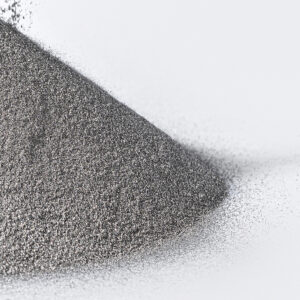
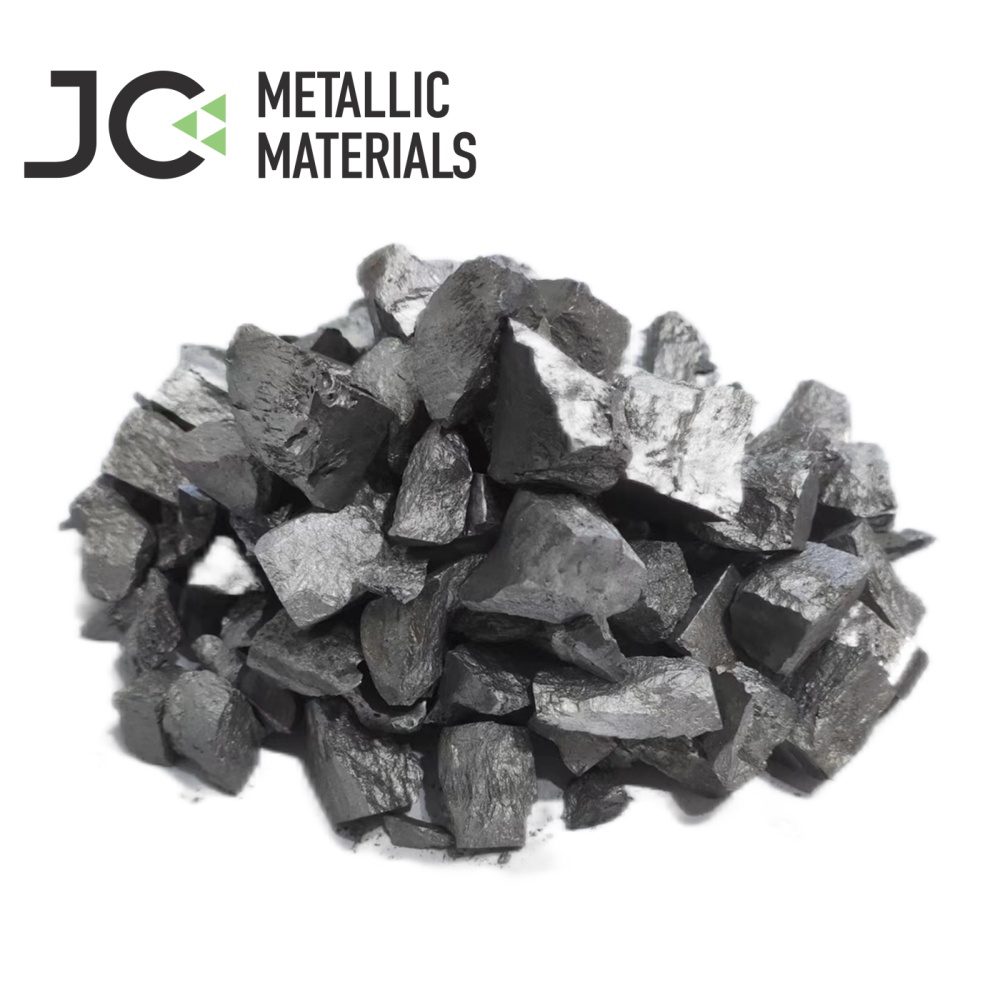
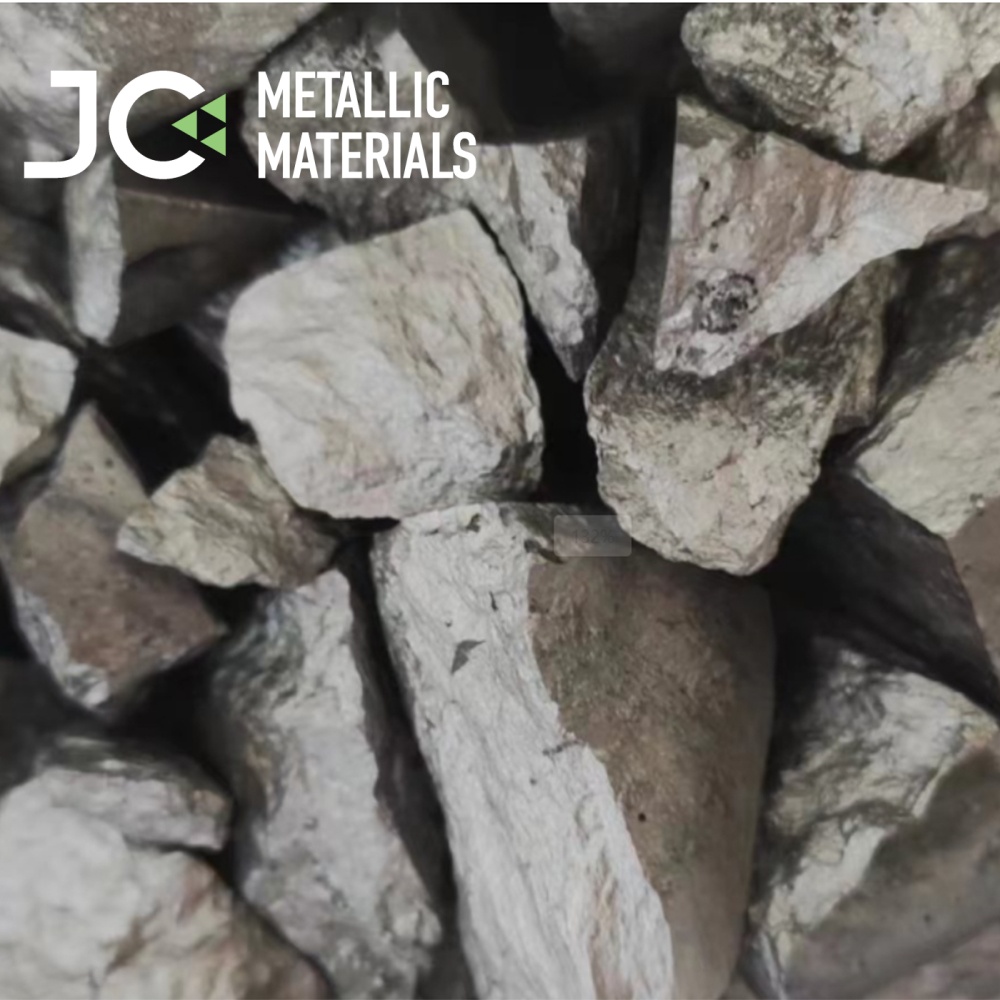
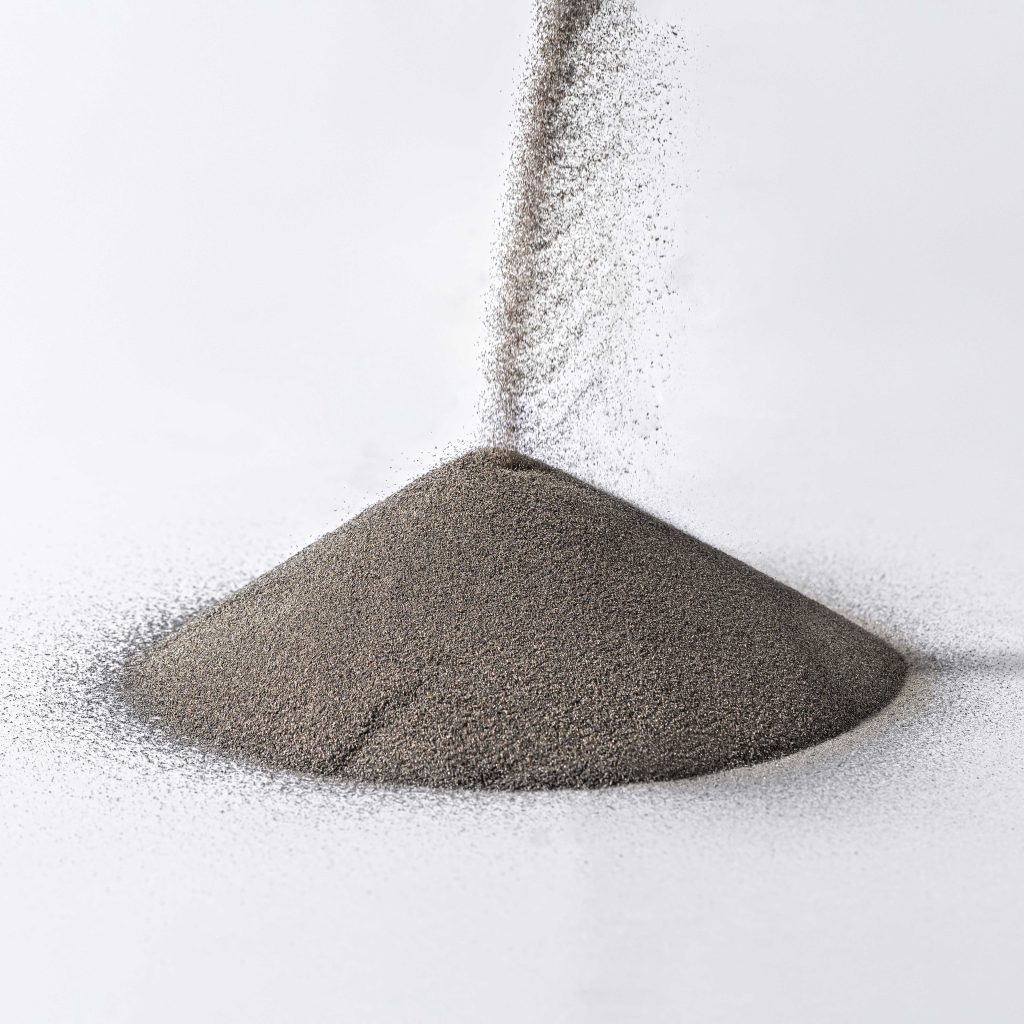
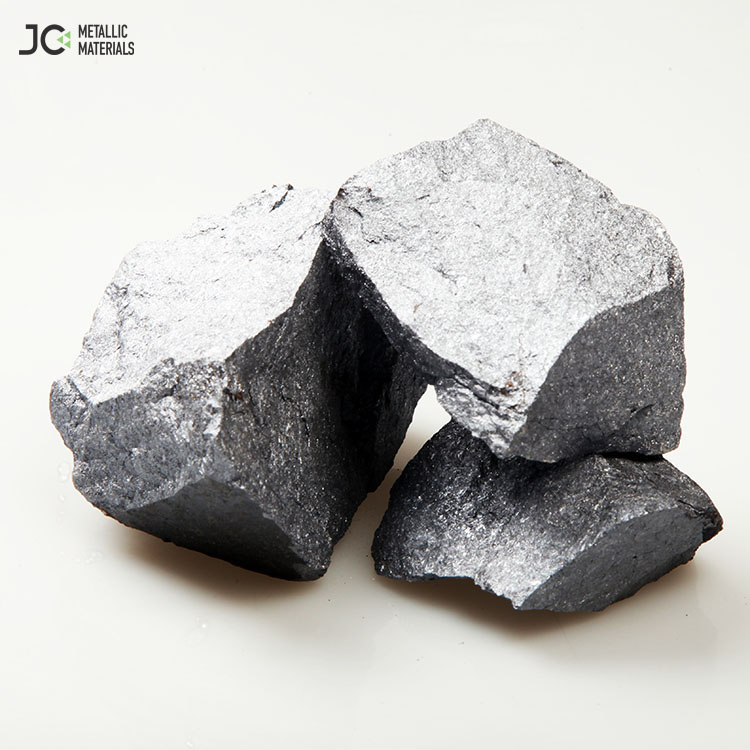
Ferro vanadium powder is an iron-vanadium alloy material containing different percentages of vanadium, commonly ranging from 40% to 85%. It is produced by processing ferrovanadium into fine particles or powder for controlled alloy additions in steel manufacturing.
Unlike ordinary iron powder, ferro vanadium powder acts as a vanadium carrier. When added during steelmaking, it helps form stable vanadium carbides and nitrides, which refine grain structure and improve the mechanical properties of steel.
Its chemical composition, vanadium concentration, particle size, and impurity levels determine its suitability for different steel grades. It is commonly used in high-strength low-alloy (HSLA) steel, structural steel, pipeline steel, reinforcing bars, and tool steel manufacturing.
You can also explore our blog post: Ferro Vanadium Powder in Steel Production: China’s Industrial Edge.
Common Grades of Ferro Vanadium Powder
Ferro vanadium powder is available in several grades depending on its vanadium concentration and chemical composition. The most commonly traded grades include FeV40, FeV50, FeV60, and FeV80. Each grade is selected according to the required alloy composition, steelmaking process, and final product properties.
| Grade | Vanadium (V) Content | Carbon (C) | Silicon (Si) | Main Characteristics |
| FeV40 | 35–50% | ≤0.75% | ≤2.0% | Lower vanadium concentration |
| FeV50 | 48–55% | ≤0.30% | ≤2.0% | General alloying applications |
| FeV60 | 58–65% | ≤0.30% | ≤2.0% | Higher vanadium concentration |
| FeV80 | 77–83% | ≤0.15% | ≤1.5% | High vanadium concentration |
Note: These are indicative composition ranges, not universal specifications. Actual chemical limits depend on the applicable standard and manufacturer.
You can also learn about the differences between two important steelmaking additives in our blog post: Comparing Ferrovanadium and Ferroaluminum Powders in Steel Production
Understanding Different Ferro Vanadium Grades
- FeV40: Contains approximately 35–50% vanadium and is suitable for steelmaking applications requiring a comparatively lower vanadium concentration.
- FeV50: Typically contains 48–55% vanadium. It offers a practical option for general alloying applications.
- FeV60: Contains approximately 58–65% vanadium, making it suitable for applications requiring a higher vanadium addition.
- FeV80: Contains approximately 77–83% vanadium. Its higher concentration allows steelmakers to introduce more vanadium with a smaller quantity of ferroalloy.
When purchasing ferro vanadium powder, buyers should compare the vanadium percentage, carbon and silicon limits, particle size, and impurity levels. A manufacturer’s chemical analysis certificate (COA) helps verify whether the supplied grade meets the required steelmaking specifications.
Key Properties of Ferro Vanadium Powder
The performance of ferro vanadium powder in steelmaking depends on its chemical composition and physical properties. Buyers should evaluate the following numerical specifications before selecting a suitable grade.
- Vanadium Content:Commercial ferro vanadium grades generally contain approximately 40%–85% vanadium. Higher vanadium concentrations allow manufacturers to achieve the required alloy composition with smaller material additions.
- Carbon Content: Carbon levels vary according to the grade and manufacturing specification. For example, FeV80 commonly contains a maximum of approximately 0.15% carbon in certain specifications. Lower carbon levels are important when producing steel with strict carbon requirements.
- Silicon Content:Silicon content can vary from approximately 1.5% to 2.0% in different commercial grades. Buyers should check this value to avoid unwanted changes in the final steel chemistry.
- Density:Ferro vanadium has an approximate density of 6.7–7.0 g/cm³. This physical property is useful when calculating material quantities and managing alloy additions during steel production.
- Melting Point: Its melting temperature is approximately 1,450°C–1,480°C, depending on chemical composition. This property is important when evaluating its behavior during high-temperature steelmaking operations.
- Particle Size:Ferro vanadium powder can be supplied in different particle-size ranges, depending on customer requirements. Common powder specifications may include 0–1 mm, 1–3 mm, and 3–10 mm. Particle size affects handling, feeding, dissolution, and alloy recovery.
Note: The exact chemical composition and physical characteristics may differ between manufacturers and product grades. Always review the product specifications before placing an order.
Key Applications of Ferro Vanadium Powder
Ferro vanadium powder is widely used in steelmaking to improve mechanical strength, hardness, toughness, and wear resistance. Its vanadium content helps manufacturers produce specialized steel grades for construction, transportation, energy, and heavy industries.
You can learn more about the role of vanadium in improving steel strength, toughness, and grain refinement in this technical article: Use of Vanadium in Long Steel Products
| Application | Purpose and Industrial Use |
| HSLA Steel | Used to improve tensile strength and grain refinement. Commonly applied in bridges, buildings, automotive components, and heavy machinery. |
| Structural Steel | Enhances strength and durability in load-bearing beams, columns, and construction components. |
| Pipeline Steel | Improves strength and toughness in pipelines used for transporting oil and natural gas. |
| Reinforcing Bars (Rebar) | Helps increase yield strength, with vanadium-microalloyed rebar commonly designed for 500–600 MPa or higher strength classes. |
| Tool and Wear-Resistant Steel | Improves hardness and wear resistance for cutting tools, drills, dies, mining equipment, and industrial blades. |
You can also read about another important steelmaking additive in our blog: Ferro Niobium Powder for High-Performance Alloys in Europe
How to Select the Right Ferro Vanadium Powder for Your Requirements
Selecting the right ferro vanadium powder is essential for achieving the required steel composition, mechanical properties, and production efficiency. Before purchasing, buyers should evaluate the following five factors.
Step 1: Determine the Required Vanadium Content
First, identify the vanadium concentration needed for your steel production. Commercial grades such as FeV40, FeV50, FeV60, and FeV80 offer different vanadium percentages. Choose a grade that matches your target alloy composition and required vanadium addition.
Step 2: Check Chemical Composition and Purity
Examine the chemical composition before placing an order. Pay attention to vanadium, carbon, silicon, aluminum, phosphorus, and sulfur levels. Lower impurity levels are particularly important when manufacturing steel with strict chemical specifications.
Step 3: Select the Appropriate Particle Size
Particle size affects material handling, feeding, dissolution, and alloy recovery during steelmaking. Discuss the required mesh size or particle-size range with your supplier to ensure compatibility with your production equipment and addition process.
Step 4: Consider Your Steelmaking Application
Different steel products require different alloy compositions. For example, HSLA steel, pipeline steel, reinforcing bars, and tool steel have different vanadium requirements. Select ferro vanadium powder according to the final steel grade and its intended application.
For more information about ferroalloy applications, explore our article: Ferro Titanium Powders from China for Alloy Production Worldwide.
Step 5: Evaluate Supplier Quality and Certifications
Finally, choose a supplier that can provide consistent product quality, technical specifications, and a chemical analysis certificate (COA). Also evaluate production capacity, packaging options, delivery schedules, and compliance with relevant quality standards.
Understanding a manufacturer’s production capabilities is also important when sourcing alloy materials. Learn more about Jinchun’s metal powder manufacturing capabilities.
Final Thoughts
In summary, ferro vanadium powder plays an important role in modern steelmaking by improving strength, hardness, toughness, and wear resistance. Choosing the right grade, vanadium concentration, particle size, and chemical composition is essential for achieving consistent steel quality and production efficiency.
If you are looking for reliable ferro vanadium powder or other metal alloy materials, Chengdu Jinchun Metallic Materials Co. Ltd. can support your material sourcing requirements. Share your required composition and technical specifications with the team to explore a suitable material option for your application.