 French
  English
  Japanese
  Korean
  Spanish
  Vietnamese
  Thai
Thai  Portuguese
  German
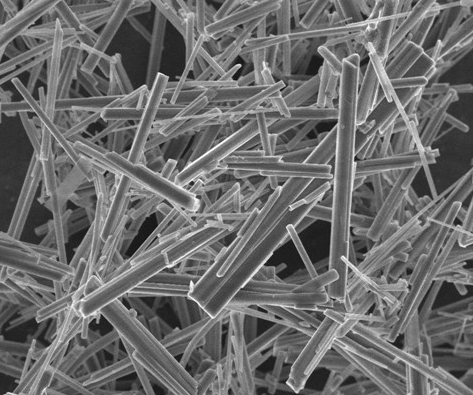
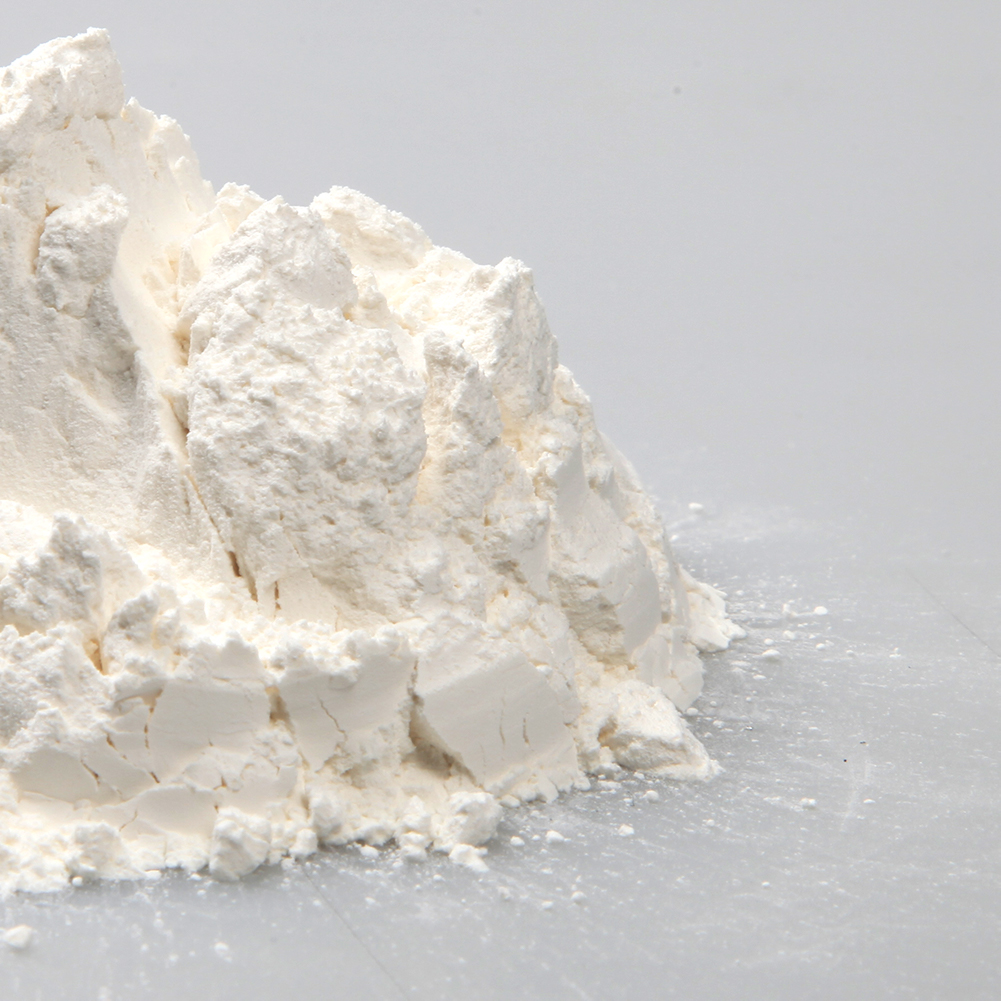
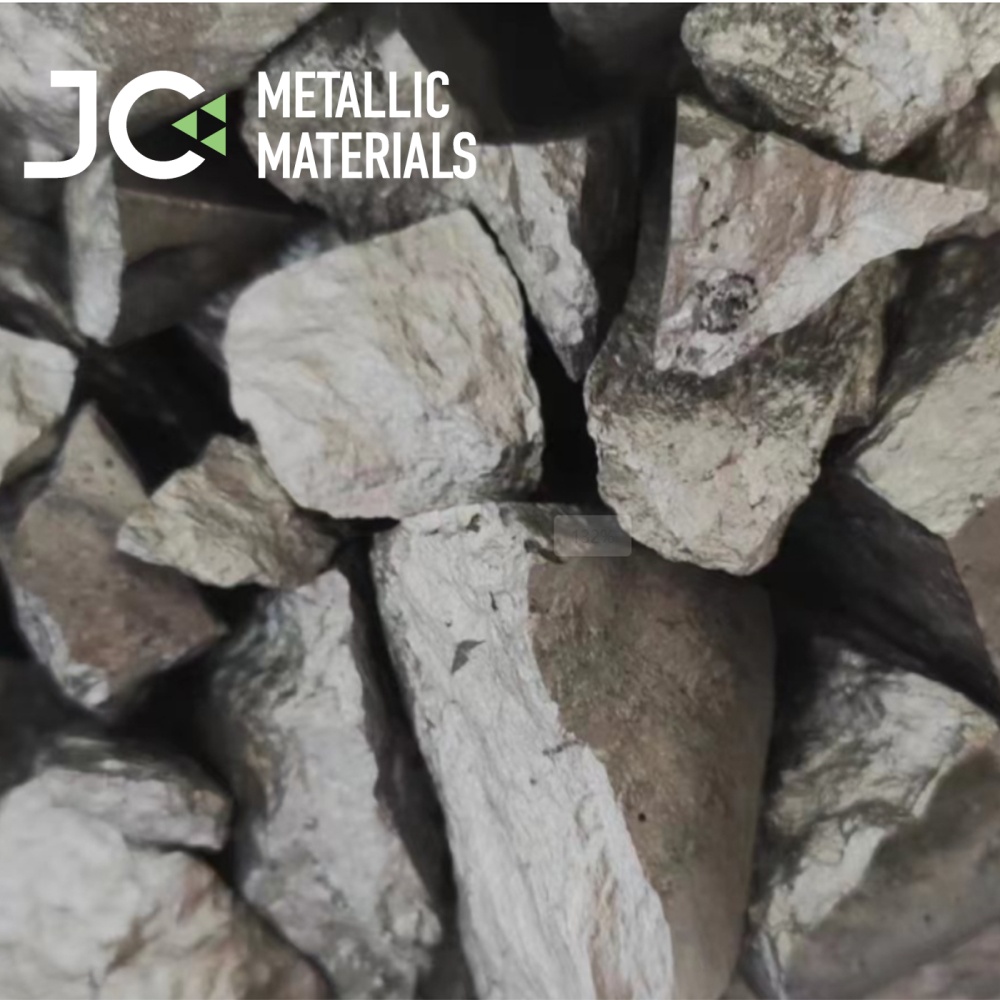
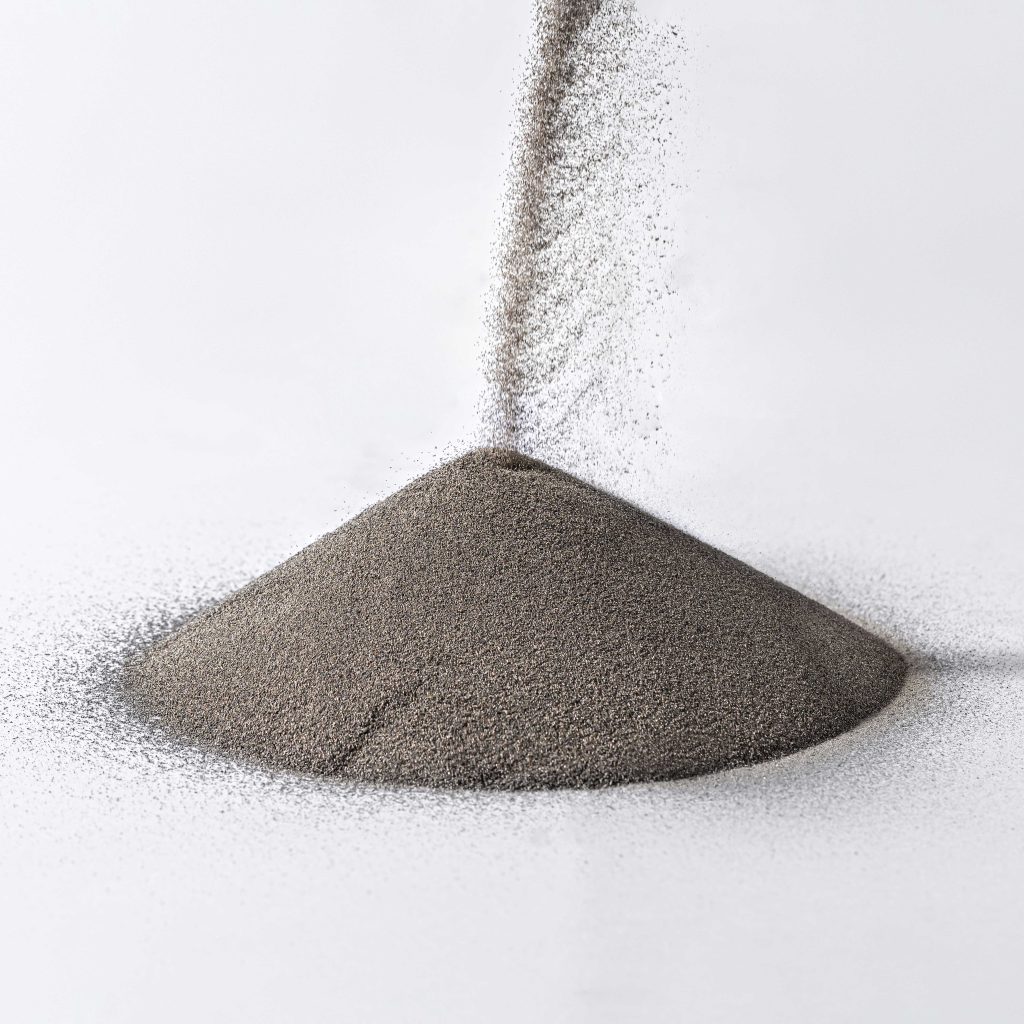
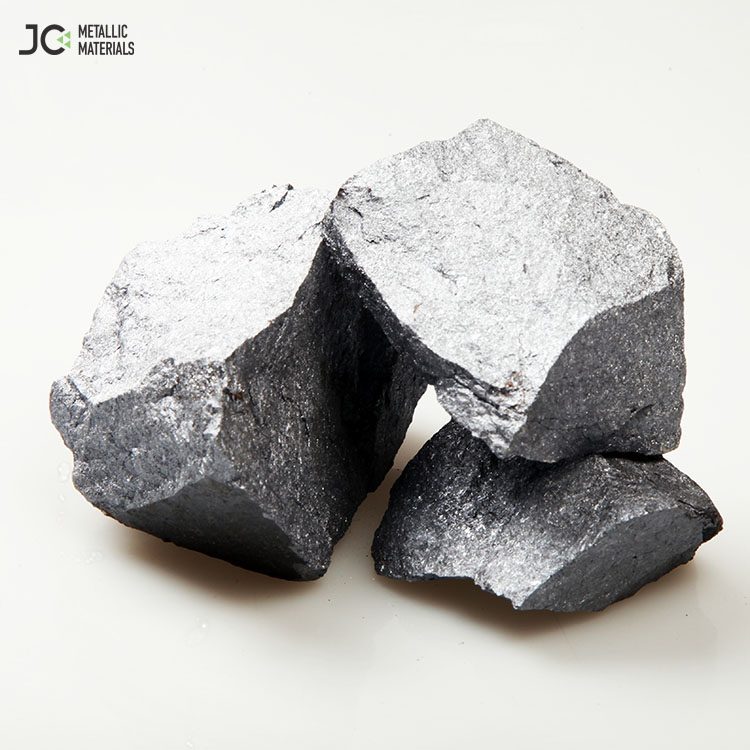
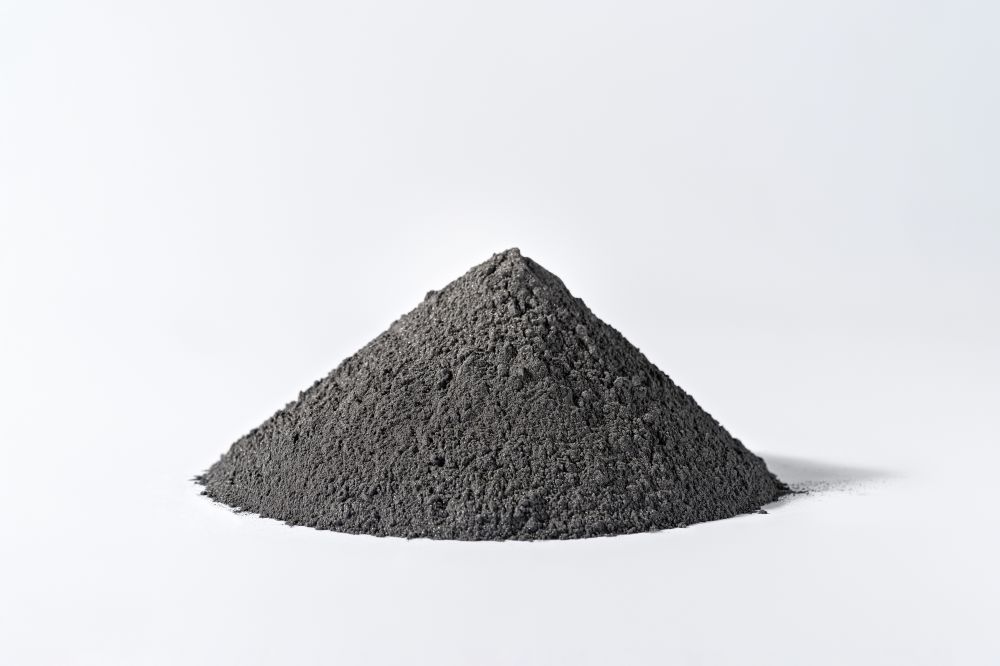
High-performance industries continue to demand advanced materials that deliver strength, durability, and consistent performance under extreme operating conditions. Niobium powder has become an essential material for aerospace, electronics, and metallurgy manufacturers seeking to enhance product quality and operational reliability.
As industrial technologies continue advancing, manufacturers require metal powders that deliver consistent processing, precise engineering results, and dependable material properties. Niobium powder supports efficient production while increasing component durability across diverse manufacturing sectors.
This guide explains the major industrial applications of niobium powder, its key material properties, manufacturing process, technical buying considerations, and supplier selection factors to help industrial buyers make informed purchasing decisions.
Where Niobium Powder Creates the Greatest Industrial Value
Niobium powder supports engineering industries requiring exceptional heat resistance, chemical durability, and mechanical strength. Its advanced properties help manufacturers optimize production, extend equipment service life, and maintain consistent material performance.
Industrial Snapshot
| Industrial Sector | Why Niobium Powder Matters | Main Benefit |
| Aerospace | Heat-resistant superalloys | Longer component life |
| Electronics | Stable electrical performance | Reliable electronic parts |
| Metallurgy | Grain refinement | Higher mechanical strength |
| Medical | Biocompatible material | Safe medical devices |
| Chemical Processing | Corrosion resistance | Extended equipment lifespan |
| Energy | High-temperature stability | Improved operational efficiency |
These advantages make niobium powder an important engineering material for manufacturers seeking dependable performance, higher production efficiency, and reliable components across aerospace, electronics, metallurgy, and other advanced industrial sectors.
What Is Niobium Powder?
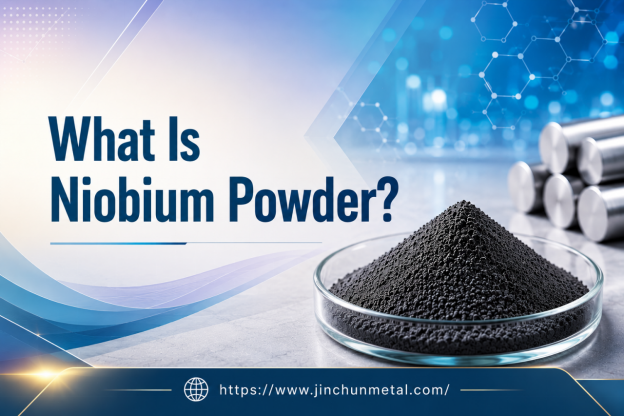
Niobium powder is a finely processed refractory metal powder known for its exceptional strength, corrosion resistance, and thermal stability. It supports demanding industrial manufacturing and advanced engineering applications.
Manufacturers produce niobium powder through controlled refining and powder production processes. These methods ensure high purity, consistent particle characteristics, and reliable material performance for industrial use.
The material is widely used in aerospace, electronics, metallurgy, medical technology, and additive manufacturing. Its excellent physical and chemical properties enhance product durability while supporting dependable performance in demanding industrial environments.
Industrial manufacturers select niobium powder for its excellent alloying capability, stable physical properties, and processing consistency. These characteristics make it suitable for precision components operating in demanding engineering environments.
Manufacturing Journey: From Ore to Precision Powder
Manufacturing niobium powder requires carefully controlled processing stages that ensure high purity, consistent particle characteristics, and reliable performance for industrial applications.
Mining and Raw Material Extraction
The manufacturing process begins with carefully selected niobium-bearing minerals obtained from qualified mining sources.
High-quality raw materials provide the foundation for producing metal powder with stable chemical composition and consistent industrial performance.
Refining and Purification
Raw materials undergo several refining processes to remove unwanted impurities.
Advanced purification technologies increase niobium content while reducing contaminants that could negatively affect mechanical strength, corrosion resistance, and overall product quality.
Metal Reduction Process
Purified niobium compounds are converted into metallic niobium using specialized reduction techniques.
This process ensures high purity and consistent material quality for industrial applications.
Powder Production
Manufacturers produce niobium powder using advanced powder production technologies that generate controlled particle sizes and uniform powder morphology.
Consistent production improves flowability and supports high-quality powder metallurgy and additive manufacturing processes.
Particle Size Classification
After production, the powder is classified into different particle size ranges using precision screening equipment.
Accurate classification allows manufacturers to supply powders that meet the specific requirements of aerospace, electronics, metallurgy, and research industries.
Final Quality Inspection and Packaging
Every production batch undergoes comprehensive laboratory testing before packaging.
Manufacturers verify purity, particle size distribution, chemical composition, and physical characteristics to ensure the powder meets international quality standards and customer specifications.
How Different Industries Utilize Niobium Powder?
From aerospace to advanced electronics, niobium powder serves industries requiring reliable material performance and precision manufacturing. Its versatility enables engineers to develop durable products for increasingly demanding operating conditions.
Aerospace Industry
Aerospace manufacturers use niobium powder to produce high-temperature alloys for aircraft engines, turbine components, and rocket systems. Its excellent heat resistance and mechanical strength improve structural reliability while reducing material fatigue during continuous operation under extreme conditions.
Electronics Industry
Electronic manufacturers incorporate niobium powder into capacitors, semiconductor components, and precision electronic devices. Its stable electrical characteristics improve product reliability, increase operating efficiency, and support consistent performance in demanding electronic applications.
Metallurgical Manufacturing
Steel producers add niobium powder to specialty alloys to refine grain structure and enhance mechanical properties. This process increases strength, toughness, and weldability while maintaining excellent durability for construction, transportation, and heavy industrial equipment.
Medical Technology
The medical industry values niobium powder because of its outstanding biocompatibility and corrosion resistance. Manufacturers use it to produce implants, surgical instruments, and specialized medical equipment requiring long-term stability and reliable performance.
Energy Industry
Power generation systems operate under continuous thermal and mechanical stress. Niobium powder improves heat-resistant alloys used in turbines, superconducting equipment, and advanced energy infrastructure, helping maintain operational efficiency and equipment reliability.
Why Engineers Select Niobium Instead of Conventional Metals
Engineers evaluate materials based on strength, durability, corrosion resistance, and long-term performance rather than cost alone. Niobium powder consistently meets these requirements, making it a preferred choice for manufacturing advanced industrial components.
Compared with many conventional metals, it delivers superior mechanical properties while maintaining reliable performance in demanding environments. Its ability to improve alloy characteristics also supports modern engineering applications where precision and material stability are essential.
Performance Comparison
| Matériau | Heat Resistance | Corrosion Resistance | Density | Common Industrial Applications |
| Niobium Powder | Excellent | Excellent | Medium | Aerospace, Electronics, Metallurgy |
| Titanium Powder | Excellent | Excellent | Low | Aerospace, Medical |
| Tungsten Powder | Outstanding | Good | Very High | High-Temperature Equipment |
| Molybdenum Powder | Very Good | Good | High | Furnaces, Electronics |
| Stainless Steel Powder | Moderate | Good | Medium | General Manufacturing |
Critical Technical Parameters Buyers Must Verify
Evaluating these technical parameters helps buyers select niobium powder that delivers consistent quality, reliable processing, and dependable industrial performance.
Purity Level
Purity directly influences mechanical strength, chemical stability, and overall material performance. High-purity niobium powder helps manufacturers achieve consistent production results while meeting demanding industrial quality requirements.
Distribution de la taille des particules
Uniform particle size improves powder flow, compaction behavior, and sintering efficiency. Buyers should select particle sizes that match their specific manufacturing process and final product requirements.
Higher purity produces more stable mechanical and chemical properties. Industrial applications requiring superior performance generally demand high-purity niobium powder with minimal metallic and non-metallic impurities.
Powder Morphology
Particle shape directly affects flowability, packing density, and manufacturing consistency. Spherical or highly uniform particles generally deliver better processing efficiency than irregular powder particles.
Oxygen Content
Excess oxygen may reduce ductility and mechanical performance. Manufacturers carefully control oxygen levels to maintain stable alloy properties and improve overall production quality.
Flowability
Good flowability allows powder to move consistently through production equipment. This improves filling accuracy, manufacturing efficiency, and product consistency during powder metallurgy and additive manufacturing.
Batch Consistency
Industrial buyers should verify that every production batch maintains identical chemical composition and physical properties. Stable batch consistency reduces production variation and improves long-term manufacturing reliability.
If you are comparing advanced engineering materials, our Zirconium Powder: Uses, Applications & Industrial Buying Guide provides valuable insights into another high-performance refractory metal used across multiple industries.
Performance Benefits of High-Purity Niobium Powder
High-purity niobium powder delivers superior mechanical and chemical performance for demanding industrial applications. Its consistent quality improves manufacturing efficiency, product reliability, and long-term operational stability across multiple industries.
- Superior Material Strength: Improves structural integrity under demanding operating conditions.
- Outstanding Corrosion Resistance:Protects components from aggressive chemical environments.
- Excellent Thermal Stability: Maintains reliable performance at elevated temperatures.
- Consistent Manufacturing Quality:Ensures stable processing and repeatable production results.
- Extended Component Lifespan:Reduces wear while increasing long-term operational reliability.
These advantages allow manufacturers to produce stronger, longer-lasting components while maintaining consistent production standards. High-purity niobium powder supports precision engineering across modern industrial and technological applications.
Companies involved in additive manufacturing can also read our How Spherical Powder Improves Performance in Metal Injection Molding and 3D Printing guide to understand why powder morphology is critical for advanced manufacturing.
Key Factors to Evaluate Before Choosing Niobium Powder
Understanding key material characteristics helps buyers select suitable materials, enhance product quality, and achieve dependable long-term operational performance.
1: Verify Material Purity
High-purity niobium powder delivers consistent mechanical and chemical properties. Verify purity through certified laboratory reports. Select grades that match your application requirements and industry standards.
2: Evaluate Particle Size
Particle size affects flowability, compaction, and sintering performance. Choose a suitable particle range for your manufacturing process. Consistent particle distribution improves finished product quality.
3: Check Powder Morphology
Uniform powder particles improve packing density and processing efficiency. Spherical or consistent particle shapes provide better manufacturing performance. Review morphology specifications before placing bulk orders.
4: Review Quality Certifications
Reliable suppliers provide quality certifications and material test reports. Verify compliance with recognized manufacturing standards. Proper documentation ensures product consistency and dependable industrial performance.
5: Assess Production Capability
Manufacturers should maintain advanced production facilities and stable manufacturing capacity. Consistent production reduces supply risks. Reliable factories support long-term industrial procurement requirements.
6: Confirm Testing Procedures
Comprehensive laboratory testing verifies purity, particle size, and chemical composition. Request inspection reports before purchasing. Thorough testing ensures every production batch meets specified quality requirements.
7: Evaluate Supplier Experience
Choose manufacturers with proven export experience and technical expertise. Experienced suppliers provide reliable support, customized solutions, and consistent product quality for global industrial customers.
Industrial Challenges Solved by Niobium Powder
Niobium powder helps manufacturers overcome critical engineering challenges by improving material strength, corrosion resistance, production efficiency, and long-term component reliability.
1: Components Fail Under Extreme Heat
Solution: High-temperature niobium alloys
Benefit: Components maintain mechanical strength and structural stability during continuous exposure to elevated temperatures.
2: Corrosion Reduces Equipment Life
Solution: Corrosion-resistant niobium materials
Benefit: Industrial equipment operates longer while requiring fewer repairs and lower maintenance costs.
3: Conventional Alloys Lack Strength
Solution: Niobium alloy strengthening
Benefit: Improved tensile strength, toughness, and fatigue resistance without significantly increasing component weight.
4: Complex Parts Are Difficult to Manufacture
Solution: Precision powder metallurgy and additive manufacturing
Benefit: Manufacturers produce intricate components with excellent dimensional accuracy and consistent quality.
5: Inconsistent Material Quality Affects Production
Solution: High-purity niobium powder with stable particle distribution
Benefit: Production remains consistent while reducing rejection rates and improving finished product reliability.
Growing Markets Creating New Opportunities for Niobium Powder
Technological innovation continues to increase the demand for niobium powder across advanced industries. Manufacturers require materials that deliver higher strength, thermal stability, and reliable performance for next-generation applications.
- Advanced Aerospace:Supports lightweight, heat-resistant aircraft components.
- Electric Mobility:Improves high-performance automotive materials.
- Clean Energy Systems:Enhances durability in energy infrastructure.
- Metal Additive Manufacturing:Enables precision production of complex components.
- Next-Generation Electronics:Supports reliable, high-performance electronic devices.
As industrial technologies continue advancing, niobium powder will remain an essential engineering material. Its outstanding performance supports innovation, improves manufacturing efficiency, and meets the growing demands of global high-tech industries.
Why Global Manufacturers Source Niobium Powder from China
Chinese manufacturers have invested heavily in advanced powder metallurgy equipment, automated production lines, and strict quality control systems.
Their ability to produce high-purity niobium powder in large volumes allows buyers to secure reliable supply while maintaining competitive costs.
Many suppliers also provide customized particle sizes, flexible order quantities, technical documentation, and international logistics support, making China one of the leading global sources for industrial metal powders.
China continues to strengthen its position through advanced manufacturing expertise, scalable production capacity, and dependable export capabilities. These strengths help international buyers secure consistent material quality and stable long-term supply.
Why Chengdu Jinchun Metallic Materials Co., Ltd. Is Trusted Worldwide
Selecting the right supplier is essential for achieving consistent product quality and dependable production. Chengdu Jinchun Metallic Materials Co., Ltd. delivers reliable metal powder solutions for diverse industrial applications.
- High Purity Standards:Produces consistent, high-quality niobium powder.
- Advanced Manufacturing:Uses modern production and refining technologies.
- Customized Specifications: Supports various particle sizes and purity requirements.
- Strict Quality Control:Every batch undergoes comprehensive laboratory testing.
- Reliable Global Supply:Delivers stable products with professional export support.
With advanced manufacturing capabilities, strict quality management, and customer-focused service, Chengdu Jinchun Metallic Materials Co., Ltd. remains a dependable partner for global manufacturers seeking premium niobium powder solutions.
Final Thoughts
Niobium powder has become an essential material for aerospace, electronics, metallurgy, energy, and many other advanced industries. Its excellent strength, corrosion resistance, and thermal stability enable manufacturers to produce reliable, high-performance components. Choosing a qualified supplier with advanced production technology and strict quality control ensures consistent material performance while supporting long-term manufacturing success.
Looking for premium Niobium Powder? Contact Chengdu Jinchun Metallic Materials Co., Ltd. for high-quality products and reliable global supply.
FAQ
Q1: What is Niobium Powder used for?
Answer: Niobium powder is used to manufacture aerospace components, electronic devices, specialty alloys, medical equipment, and powder metallurgy products. Its excellent strength, corrosion resistance, and thermal stability improve product performance and service life.
Q2: Why is Niobium Powder important in aerospace applications?
Answer: Niobium powder strengthens high-temperature alloys used in aircraft engines, turbine components, and rocket systems. It improves heat resistance, fatigue strength, and structural reliability while helping reduce component weight in demanding aerospace environments.
Q3: Can Niobium Powder be used in additive manufacturing?
Answer: Yes. Niobium powder is widely used in metal additive manufacturing because of its consistent particle size, good flowability, and excellent sintering characteristics. These properties enable manufacturers to produce complex, high-precision metal components efficiently.
Q4: What purity level is recommended for industrial Niobium Powder?
Answer: The recommended purity depends on the intended application. Aerospace, electronics, and research industries often require higher-purity grades, while general industrial manufacturing may use customized specifications based on technical performance requirements.
Q5: How does particle size affect Niobium Powder performance?
Answer: Particle size directly influences powder flowability, packing density, sintering behavior, and surface finish. Selecting the appropriate particle size improves manufacturing efficiency, product consistency, and the mechanical properties of finished components.
Q6: Which industries benefit most from Niobium Powder?
Answer: Aerospace, electronics, metallurgy, chemical processing, medical technology, energy, automotive manufacturing, and additive manufacturing all benefit from niobium powder because of its exceptional mechanical strength, corrosion resistance, and high-temperature performance.
Q7: What should buyers consider before purchasing Niobium Powder?
Answer: Buyers should evaluate purity, particle size distribution, chemical composition, testing reports, production capability, quality certifications, packaging standards, and supplier experience to ensure the material meets their manufacturing and performance requirements.
Q8: Why choose Chengdu Jinchun Metallic Materials Co., Ltd. for Niobium Powder?
Answer: Chengdu Jinchun Metallic Materials Co., Ltd. provides high-purity Niobium powder, customized specifications, strict quality inspection, stable production capacity, and reliable global supply, helping industrial buyers achieve consistent product quality and dependable long-term sourcing.