
 English
  French
  Japanese
  Korean
  Spanish
  Vietnamese
  Thai
Thai  Portuguese
  German
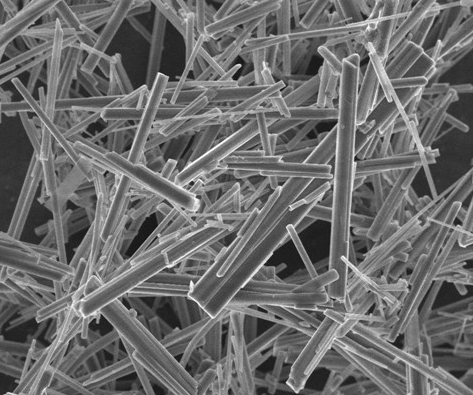
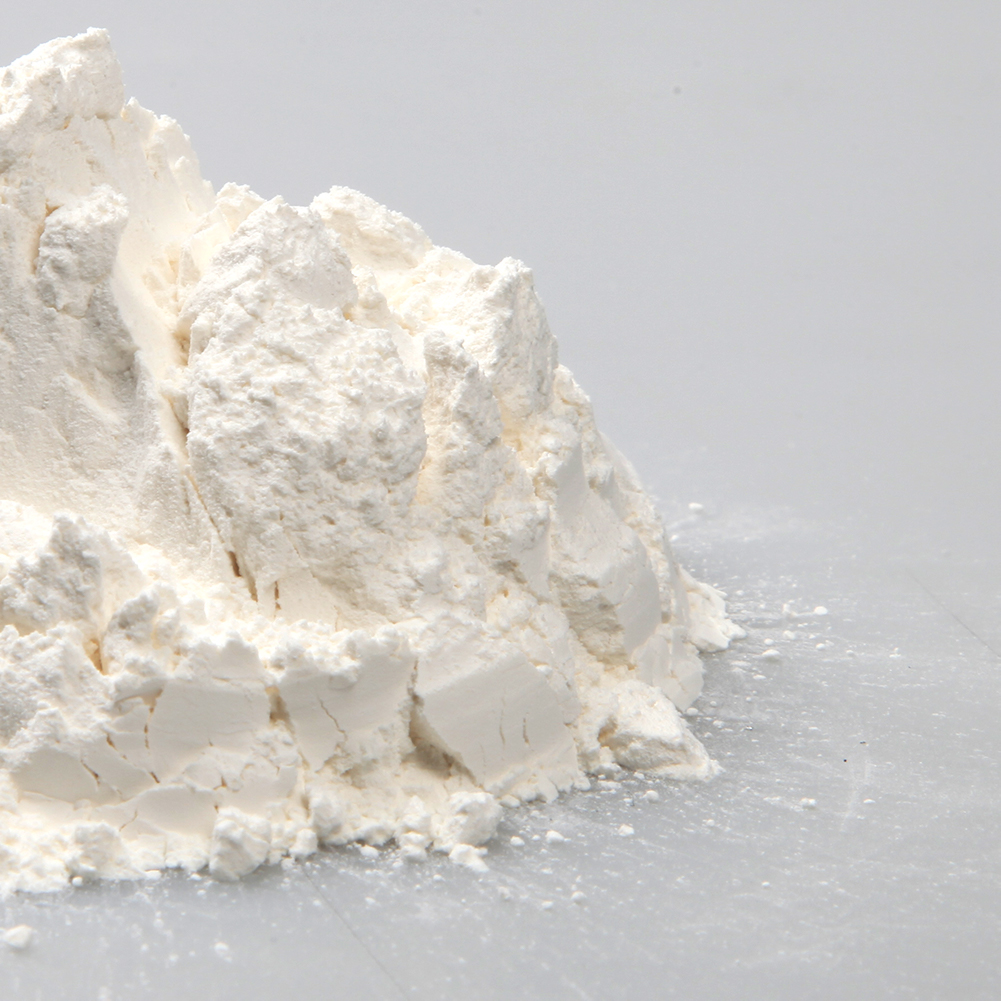
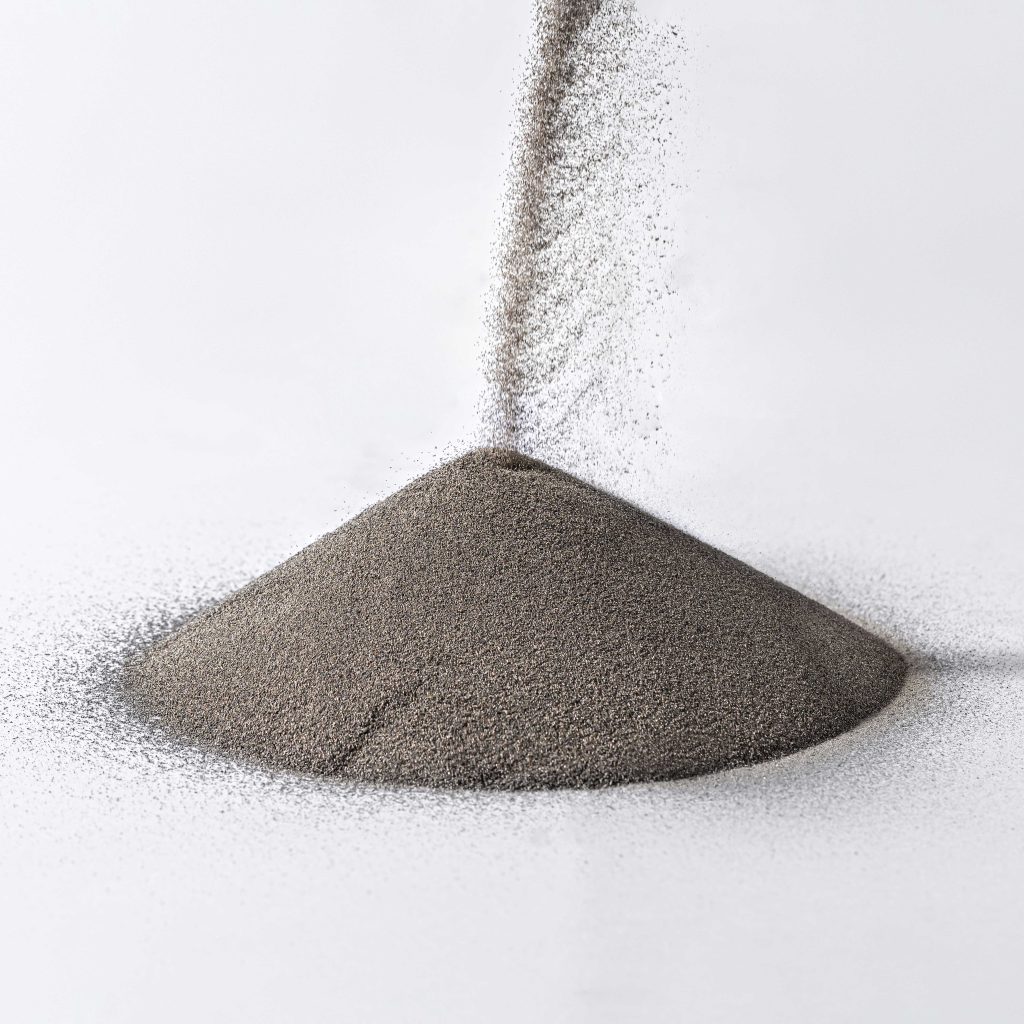
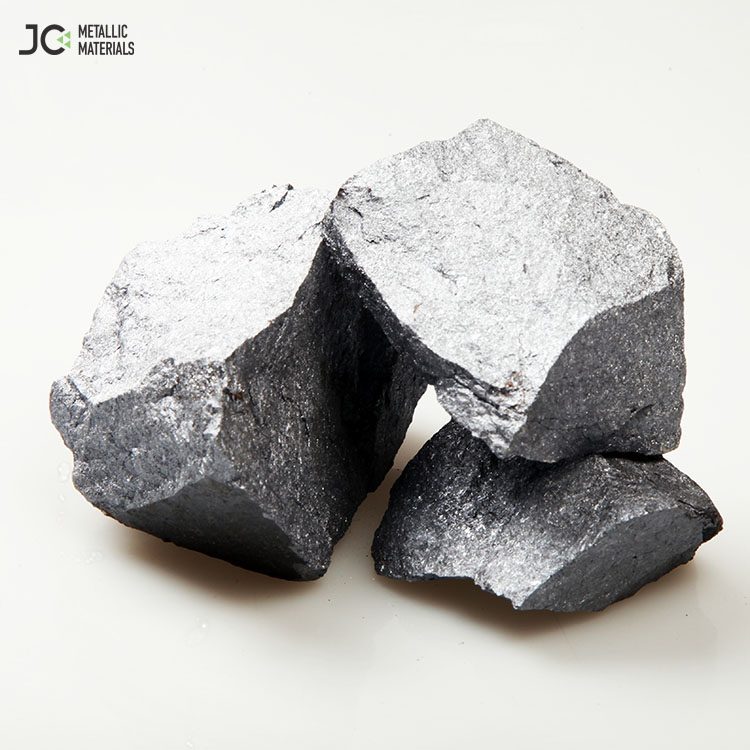
Our company provides high-quality metallic copper powder tailored for industrial needs. B2B buyers trust our products for consistent purity and stable performance. Our company offers reliable supply, ensuring buyers never face production delays. Buyers benefit from technical support that helps them select the right powder. Our pricing is competitive, making procurement more cost-effective for B2B buyers.
Copper powder is a fine metallic material used widely today. It offers excellent conductivity, durability, and versatile performance across industries. Many manufacturing sectors rely on copper powder for critical applications. It supports electronics, metallurgy, additive manufacturing, and chemical processes. Understanding its production methods helps buyers choose suitable material types. Knowledge of manufacturing also ensures better quality and improved performance.
In today’s blog, our team will explore metallic copper powder with its main manufacturing methods, industrial applications, pros and cons etc. After reading our blog, you can confidently choose the powder that best suits your needs.
What is Metallic Copper Powder?
Metallic copper powder is finely ground copper particles used industrially. It appears reddish-brown with a bright metallic shine. The powder offers excellent conductivity for electrical applications. It provides strong thermal performance in demanding manufacturing processes. Industries value copper powder for reliability and versatility. It supports advanced technologies, coatings, and high-performance material production.
Main Manufacturing Methods of Metallic Copper Powder
Metallic copper powder is essential in modern industries. It is produced using different manufacturing methods effectively. Each method influences powder size, shape, and purity. Choosing the right method ensures optimal performance and cost.
1: Electrolytic Deposition Method
The electrolytic deposition method produces extremely high-purity copper powder. Copper anodes dissolve in an electrolytic solution carefully and consistently. Fine copper particles deposit on cathodes under controlled conditions. This method ensures superior quality for industrial and precision applications. It is widely used in electronics, machinery, and specialty industries.
2: Atomization Process
The atomization process forces molten copper through high-pressure streams. Gas or water rapidly solidifies the molten metal into fine powder. It creates uniform particles suitable for multiple industrial purposes across industries.
3: Chemical Reduction Method
The chemical reduction method reduces copper salts using hydrogen or other agents. It forms highly pure, fine copper particles consistently. This method is widely used in electronics and conductive applications.
4: Mechanical Milling Method
Mechanical milling grinds solid copper into fine powder efficiently. High-energy ball mills control particle size for custom applications. It improves material performance for specialized industrial uses.
5: Hydrometallurgical Processing Method
Hydrometallurgical processing dissolves copper ores in chemical solutions. Copper is then precipitated to create consistent powder sizes. This method is ideal for metallurgical and chemical industries.
6: Carbonyl Process
The carbonyl process produces ultra-fine, high-purity copper powder. Copper carbonyl gas forms and decomposes under controlled heat. It is used in precision electronics and premium industrial applications.
You Can Read More: Top 7 Best Bronzing Powder Manufacturers in China
Pros and Cons of Metallic Copper Powder
Pros
- High electrical and thermal conductivity
- Excellent sintering and bonding properties
- Good mechanical strength and durability
- Versatile particle size and purity options
- Cost-effective for industrial applications
Cons
- Prone to oxidation during handling
- Requires controlled storage conditions
- Lower conductivity compared to silver
Industrial Applications of Metallic Copper Powder
- Exceptional Hardness: Extremely hard, second only to diamond.
- Superior Wear Resistance:Maintains integrity under friction, vibration, and impact.
- High Compressive Strength:Endures heavy compressive forces without cracking or bending.
- Extreme Density:Provides stability and reduces risk of loosening.
- Excellent Thermal Resistance:Withstands high temperatures without losing hardness.
Learn More: Titanium Carbide: Key Properties, Applications, and Buying Guide
Key Considerations When Choosing a Metallic Copper Powder Manufacturer
When selecting a reliable metallic copper powder manufacturer, importers and distributors should evaluate the following critical factors to reduce risk and ensure long-term supply stability:
1: Product Purity and Consistency
Confirm that the manufacturer can consistently supply copper powder with stable purity levels, chemical composition, and particle size distribution. Inconsistent quality can negatively impact downstream production and performance.
2: Manufacturing Process Capability
Assess whether the supplier uses appropriate production methods (electrolytic, atomization, chemical reduction) that match your application requirements. A capable manufacturer should clearly explain their process and its advantages.
3: Quality Control and Testing Systems
Verify the presence of in-house testing facilities and standard quality checks, such as particle size analysis, purity testing, and batch traceability. Reliable quality documentation is essential for import compliance.
4: Customization and Specification Flexibility
Choose a manufacturer that can provide custom particle sizes, morphologies, and surface treatments. This is especially important for OEM buyers and specialized industrial applications.
5: Production Capacity and Supply Stability
Ensure the supplier can meet your volume requirements consistently, whether for trial orders or long-term bulk contracts, without delays or shortages.
6: Certifications and Compliance
Check for internationally recognized certifications (such as ISO standards) and the ability to provide material safety data sheets (MSDS), certificates of analysis (COA), and export documentation.
Check Also: A Comprehensive Overview: Boron Carbide
7: Pricing Transparency and Cost Structure
Evaluate whether pricing reflects production quality, raw material sourcing, and processing methods. Transparent pricing helps avoid hidden costs during long-term cooperation.
8: Export Experience and After-Sales Support
Select manufacturers with proven export experience, strong packaging standards, and responsive after-sales communication. Efficient logistics coordination and technical support add significant value for international buyers.
Final Thoughts
Metallic copper powder is essential in modern industries. Its production requires strict control and high-quality standards. Atomization, electrolysis, chemical reduction, and milling each offer unique benefits. These methods define particle shape, size, and performance.
As industries demand more precision, copper powder remains crucial. Understanding the process helps buyers and engineers make informed decisions. Selecting the right powder ensures stronger, cleaner, and more reliable products.
Why Should You Choose Us?
Chengdu Jinchun Metallic Materials Co., Ltd. Materials produce high-quality metallic copper powders. Our company focuses on purity, consistency, and superior performance. Customers rely on them for powder metallurgy, sintered parts, and industrial applications. Our company provides bulk and custom orders globally.
- High-purity metallic copper powder production
- Consistent particle size and performance
- Advanced manufacturing and strict quality control
- Bulk supply and customized specifications available
- Reliable global export and B2B support
Most Asked Questions
Q1: Can copper powder be used for additive manufacturing?
Answer: Yes, copper powder is suitable for 3D printing and additive manufacturing. It allows precise component shapes, excellent conductivity, and high thermal performance for prototyping and industrial applications.
Q2: How do buyers choose the right copper powder type?
Answer: Buyers must consider application, purity, particle size, and cost. Knowledge of manufacturing methods helps select powders for electronics, coatings, sintered parts, or catalysts. This ensures efficiency, performance, and reliability in industrial processes.
Q3: What particle sizes are available?
Answer: Copper powder comes in fine, medium, and coarse particles. Ultra-fine powder is used for electronics. Larger particles are suitable for sintered parts and coatings. Size depends on the intended application.
Q4: Which industries use Copper Powder?
Answer: Electronics, electrical, automotive, and aerospace industries use copper powder. Chemical, metallurgical, and additive manufacturing sectors also apply it. Friction materials and conductive coatings benefit from copper powder versatility.
Q5: Can metallic copper powder be customized for specific applications?
Answer: Yes, manufacturers customize copper powder for specific industrial applications. Customization includes particle size, shape, purity, and surface treatment.
