 Korean
  English
  French
  Japanese
  Spanish
  Vietnamese
  Thai
Thai  Portuguese
  German
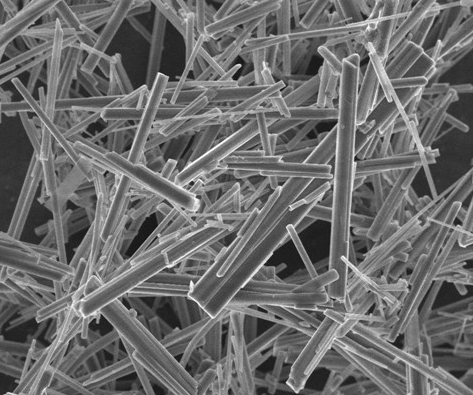
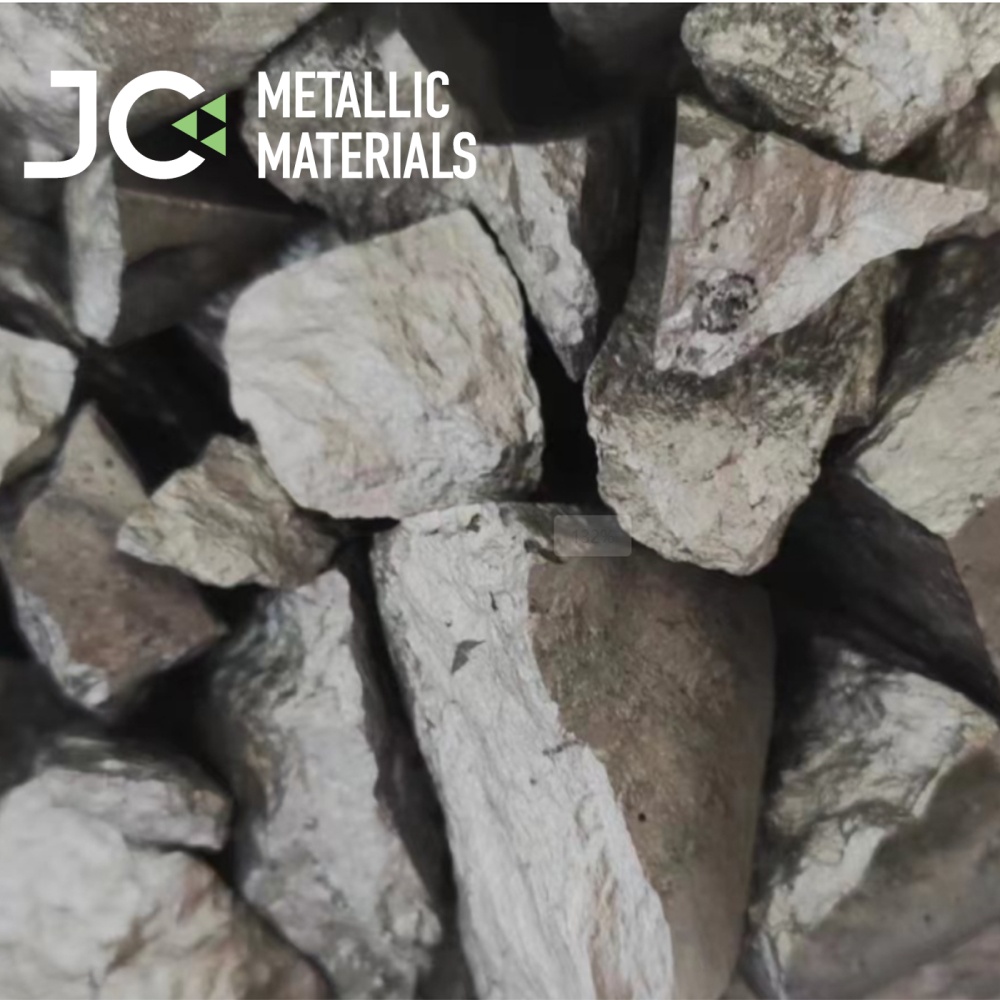
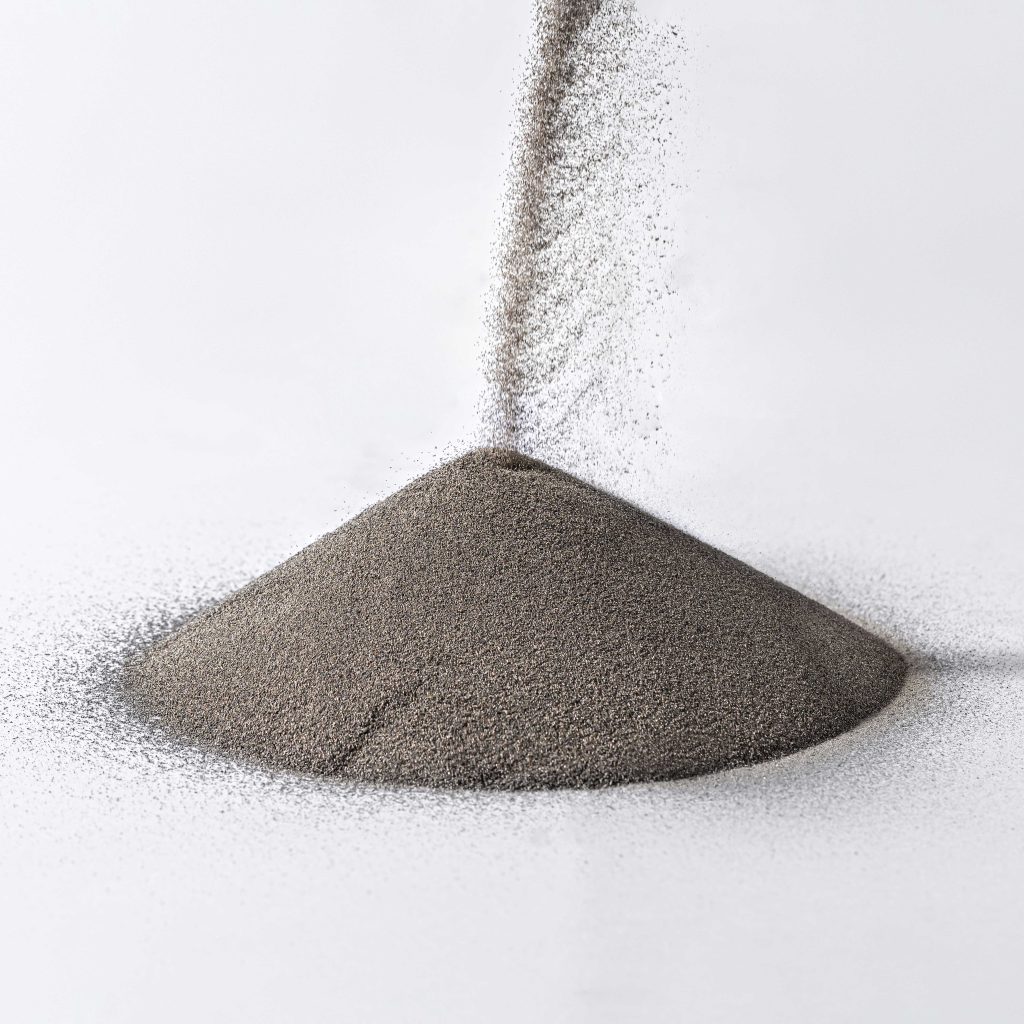
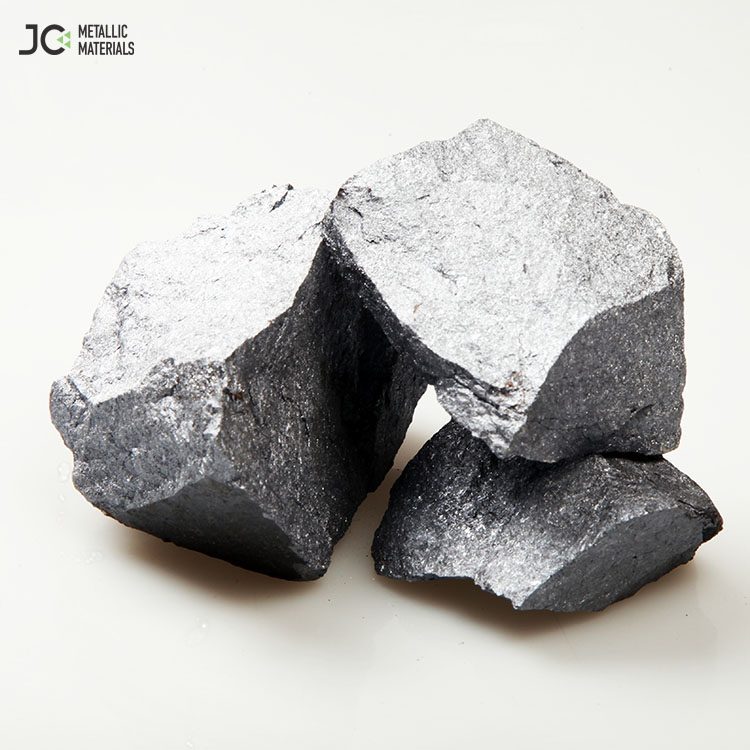
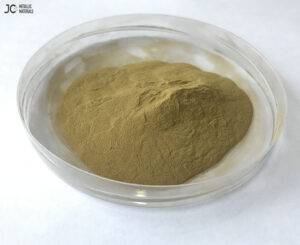
청두 진춘 금속 재료 유한 공사 specializes in advanced brass metal powders. We deliver consistent quality materials for global industrial applications. Our production follows strict standards ensuring reliability and performance. Our experienced team supports customized solutions for diverse manufacturing needs.

Brass metal powder originates from carefully blended copper zinc alloy. It offers reliable conductivity, corrosion resistance and excellent machinability. Many manufacturers use brass powder across industrial sectors. Its surface coating applications enhance durability, wear resistance and appearance. Its importance reflects versatility, affordability and industrial efficiency. B2B buyers benefit from consistent quality and long-term performance.
In this blog, our team will explore the types of brass metal powder, its properties, and industrial applications. We will explore a comprehensive and detailed buying guide before importing brass powder from China. Our blog is helpful for buyers, wholesalers, and distributors.
What is Brass Metal Powder?

Brass metal powder is a finely engineered copper zinc alloy. It provides excellent machinability, corrosion resistance and thermal stability. It has controlled particle size distribution ensures consistent processing and performance. Its highly purity significantly improves efficiency during industrial manufacturing applications. It is ideal for precision engineering components and industrial parts. Its premium brass powder enhances durability, finish dimensional accuracy and reliability.
Types of Brass Metal Powder
Brass powder is available in various industrial forms. Each type offers distinct properties for specific manufacturing needs. Understanding these types helps buyers select suitable materials. Proper selection ensures performance efficiency and long term reliability.
1: Atomized Brass Powder
Atomized powder is produced using advanced atomization methods. It offers uniform particle size and excellent flow characteristics. Manufacturers prefer it for powder metallurgy and precision components. The powder ensures consistent density and reliable mechanical performance. It suits large scale industrial production and automated processing.
2: Electrolytic Brass Powder
Electrolytic powder is manufactured through controlled electrolysis processes. It provides high purity levels and consistent chemical composition. This powder delivers excellent electrical conductivity and surface quality. Industries use it for electronics coatings and specialized applications. Its controlled structure supports reliable and repeatable performance results.
3: Pre-Alloyed Brass Powder
Pre-alloyed powder is alloyed before powder formation. Copper and zinc are blended to achieve uniform composition. It offers stable properties during sintering and manufacturing processes. Powder metallurgy industries favor it for dimensional accuracy. It ensures predictable performance across various industrial applications.
4: Mechanical Alloyed Brass Powder
Mechanical alloyed powder is produced using milling techniques. The process creates fine particles with enhanced bonding properties. It supports customized compositions for specialized industrial requirements. Manufacturers use it for research on advanced components and coatings. This powder provides flexibility in controlled material performance.
You Can Learn More About: Where to Buy High-Quality Tin Powder for Industrial Use
Industrial Applications of Brass Metal Powder
Brass powder supports multiple industries through versatile performance. Its conductivity, durability and machinability enable diverse manufacturing applications. Understanding its uses helps industries maximize efficiency and product reliability.
1: Electrical and Electronics Industry
Brass powder is widely used in electrical and electronics manufacturing due to excellent conductivity and thermal stability. Common applications include:
- Conductive Coatings:Applied on circuit boards and electronic components.
- Electromagnetic Shielding:Reduces interference in sensitive electronic devices.
- Sintered Components:Used for electrical contacts connectors and terminals.
2: Automotive Industry
Brass powder supports automotive manufacturing through durability and wear resistance. Typical applications include:
- Friction Materials:Used in brake pads and clutch components.
- Bushings and Bearings:Ensures smooth operation and reduced friction.
- Electrical Parts:Applied in sensors, switches and connectors.
3: Powder Metallurgy Industry
Powder metallurgy relies on brass powder for precision and consistency. Major applications include:
- Structural Components:Manufactured with controlled density and strength.
- Custom Alloy Parts: Designed for specific mechanical requirements.
- Sintered Mechanical Parts:Used in industrial machinery assemblies.
4: Surface Coatings and Decorative
Brass powder is valued for both protection and appearance. Common uses include:
- Protective Coatings:Enhances corrosion resistance and surface durability.
- Decorative Finishes:Provides metallic shine for architectural products.
- Spray Coatings: Applied on tools equipment and consumer goods.
5: Additive and Advanced Manufacturing
Advanced manufacturing technologies increasingly use brass powder. Key applications include:
- 3D Printing:Produces complex brass components with precision.
- Prototyping: Enables rapid development of functional metal parts.
- Customized Components:Supports low volume and specialized production needs.
You Can Learn More About: Which Graphite Powder Is Best for High-Performance Battery Anodes?
How to Choose the Right Brass Metal Powder?
Brass powder purchasing requires careful evaluation to ensure quality performance, cost efficiency and long term supply reliability for industrial and B2B buyers.
1: Define Application Requirements
Clearly defining application requirements helps buyers select brass powder that meets performance expectations, durability standards and functional industry needs.
- Identify whether electrical mechanical or decorative use is required.
- Determine conductivity strength or surface finish expectations.
- Consider operating environments such as temperature or corrosion exposure.
- Match powder characteristics with final product performance goals.
2: Select Appropriate Brass Composition
Choosing the correct brass composition ensures suitable copper zinc balance achieving required conductivity strength corrosion resistance and manufacturability.
- Evaluate copper zinc ratios based on application demands.
- Higher copper content improves conductivity and appearance.
- Zinc content enhances strength and wear resistance.
- Confirm composition consistency across production batches.
3: Evaluate Particle Size and Shape
Particle size and shape directly influence powder flowability compaction behavior, sintering performance and final component quality.
- Fine particles suit coatings and electronics applications.
- Coarser particles support structural and friction components.
- Spherical powders improve flow and printing accuracy.
- Irregular particles enhance bonding during sintering.
4: Verify Purity and Chemical Consistency
High purity brass powder ensures stable performance reduces defects and meets international quality and regulatory standards.
- Request chemical analysis and purity documentation.
- Check for contamination or unwanted trace elements.
- Ensure compliance with industry or regional standards.
- Confirm consistency between supplied batches.
5: Understand Manufacturing Method
Manufacturing methods influence powder properties affecting performance cost suitability and compatibility with specific production technologies.
- Atomized powders offer uniform particle distribution.
- Electrolytic powders provide higher purity levels.
- Pre alloyed powders ensure stable composition.
- Select the method matching your processing requirements.
You Can Learn More About: Does Alloy Powder Offer Consistent Performance in Additive Manufacturing?
6: Assess Supplier Capabilities
Evaluating supplier capabilities ensures consistent supply quality technical support and long term partnership reliability.
- Review production capacity and quality control systems.
- Check export experience and global client references.
- Confirm ability to customize powder specifications.
- Evaluate technical support and responsiveness.
7: Request Samples and Testing
Sampling and testing reduce procurement risks by validating powder performance before large scale purchasing decisions.
- Request representative samples for evaluation.
- Conduct internal or third party testing.
- Verify performance under real operating conditions.
- Approve samples before finalizing contracts.
8: Review Packaging Logistics and Pricing
Proper packaging logistics and transparent pricing ensure safe delivery cost control and uninterrupted supply chains.
- Confirm moisture resistant and contamination safe packaging.
- Review shipping methods and delivery timelines.
- Compare pricing against quality and service offered.
- Clarify payment terms and after sales support
Final Thoughts
Brass metal powder is highly versatile, durable, and critical for modern industries. Knowing its types, applications, and quality standards helps ensure efficient manufacturing, superior product performance, and long-term reliability across electronics, automotive, and precision engineering sectors. Selecting high-quality brass powder improves productivity, reduces defects, and supports advanced industrial solutions.
Chengdu Jinchun Metallic Materials Co., Ltd. provides premium brass metal powder. Contact us today for high-quality, reliable, and customized powders for all your industrial manufacturing needs.
Most Asked Question
Q1: Can brass metal powder be customized for specific applications?
Answer: Yes, brass powder can be customized for specific applications. Manufacturers adjust copper-to-zinc ratios, particle size, and shape to meet requirements for conductivity, strength, wear resistance, or precision engineering components.
Q2: How does particle size affect performance and processing?
Answer: Particle size significantly affects brass powder’s performance and processing. Finer particles improve surface finish, sintering, and additive manufacturing precision, while coarser particles enhance flowability, compaction, and mechanical strength in industrial applications.
Q3: How is brass metal powder stored and transported safely?
Answer: Brass powder should be stored in dry, moisture-free, and airtight containers to prevent oxidation. During transportation, it must be securely packed, labeled correctly, and handled carefully to avoid contamination or spillage.