
 Korean
 English
 French
 Japanese
 Spanish
 Vietnamese
 Thai
 Portuguese
 German

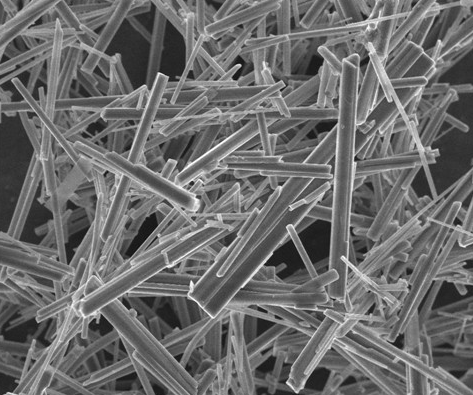
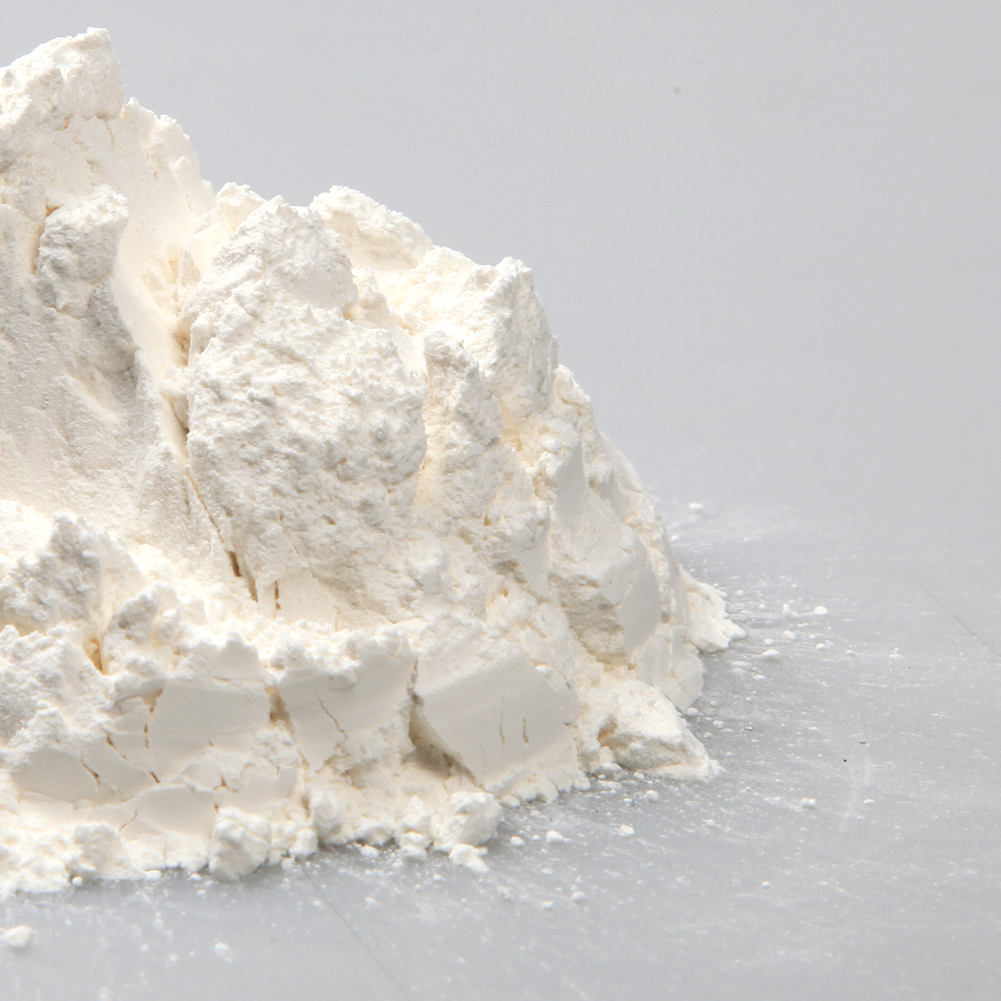
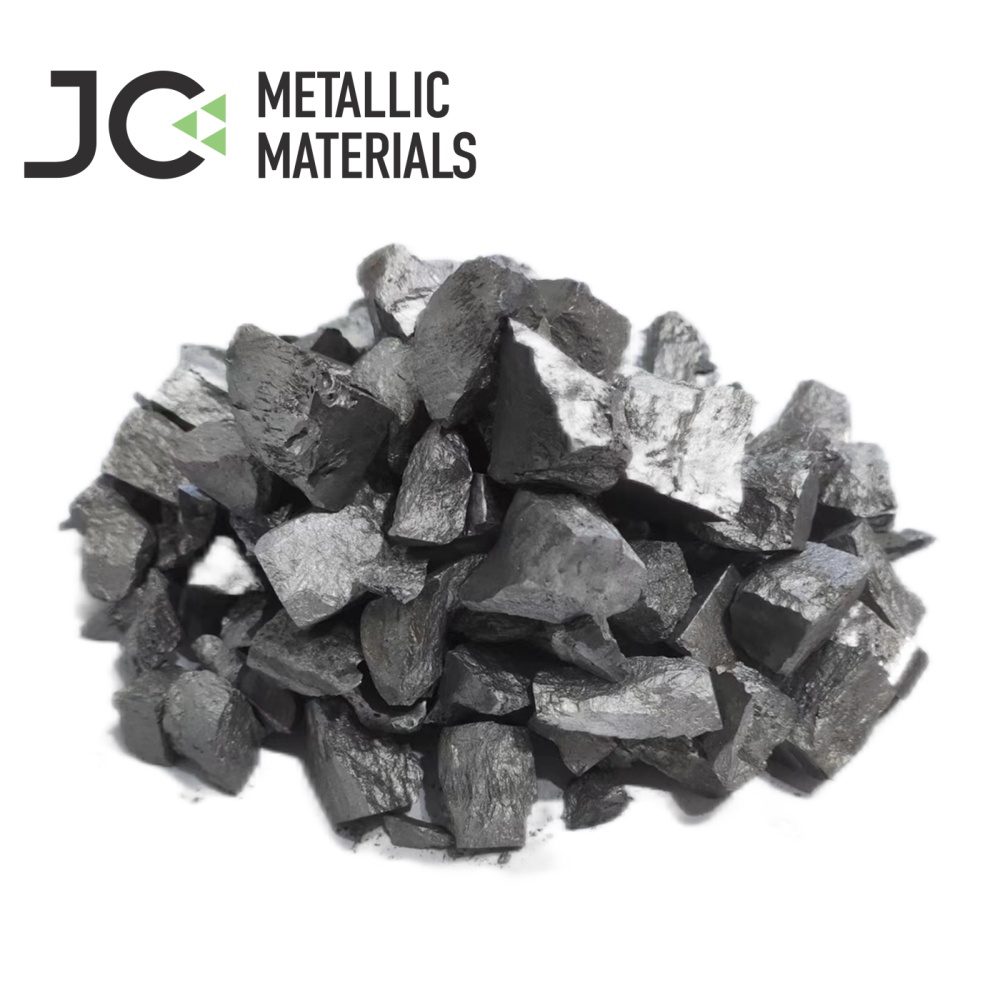
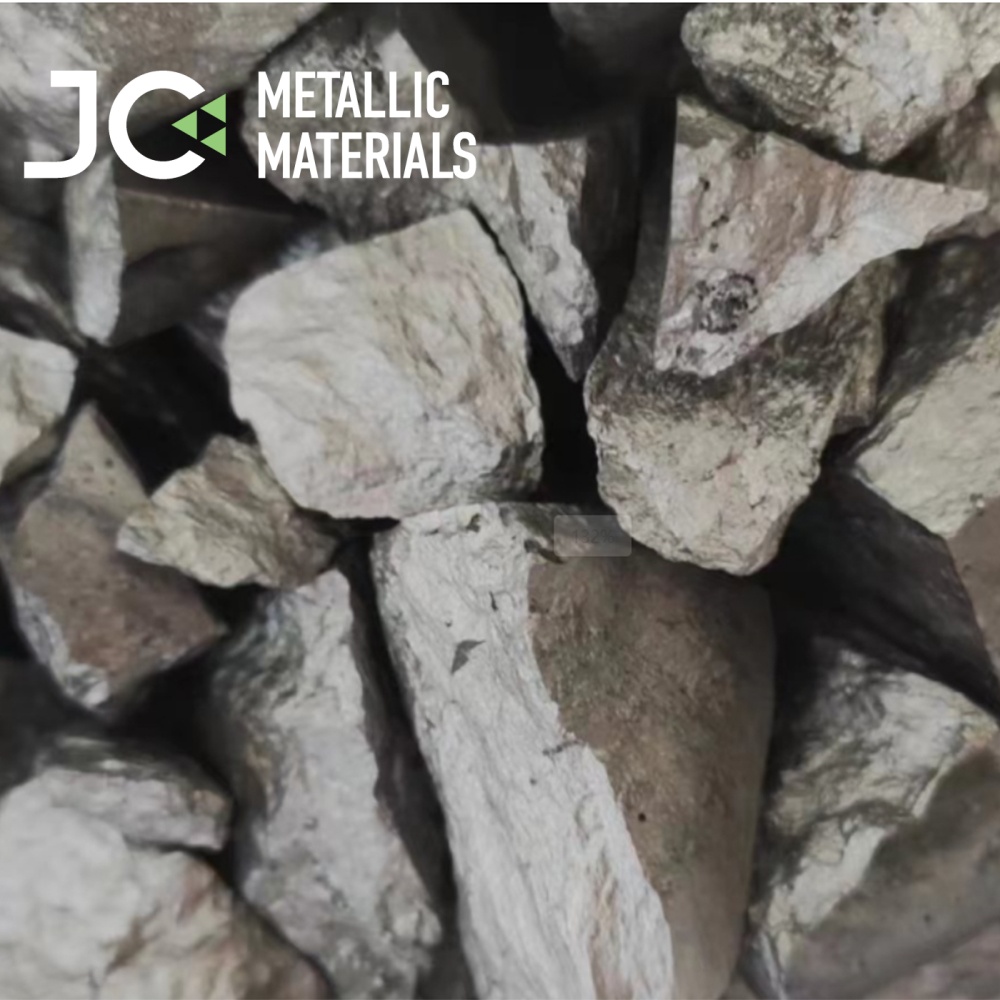
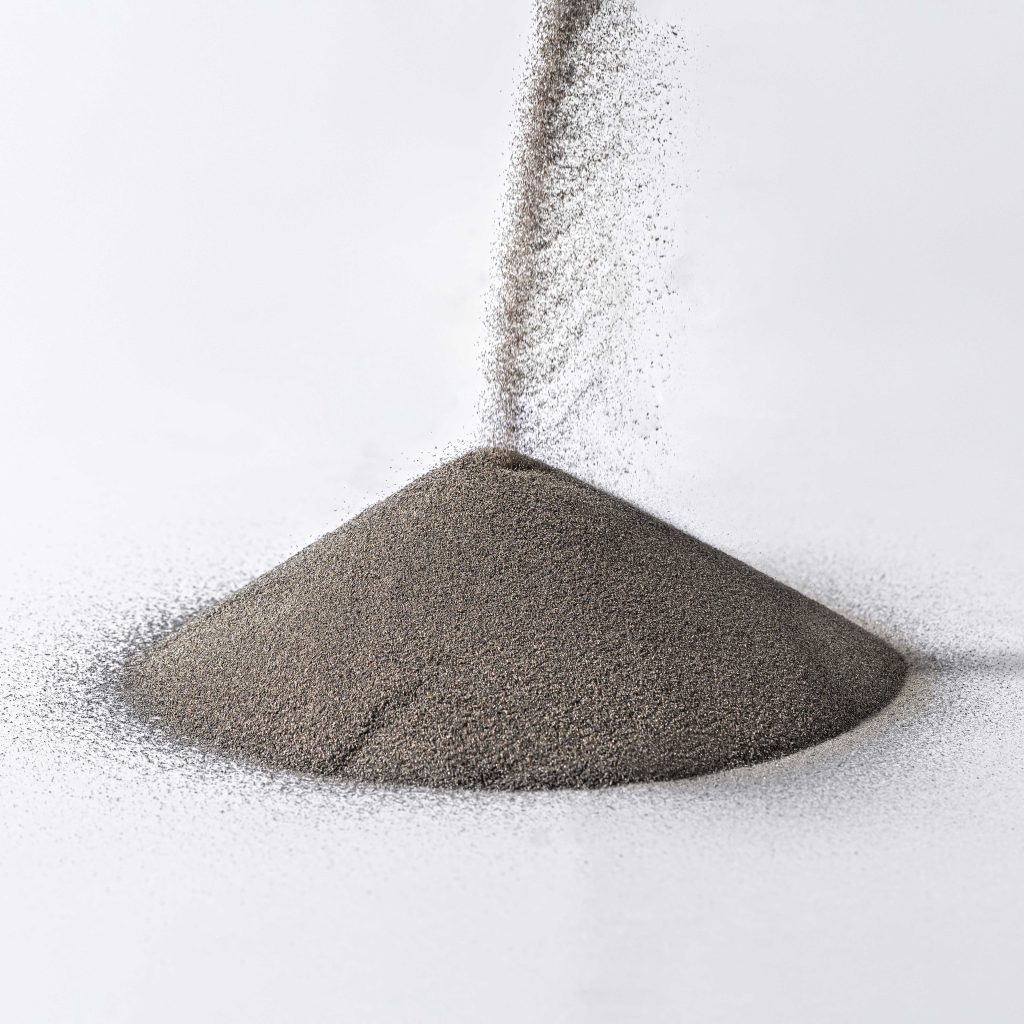
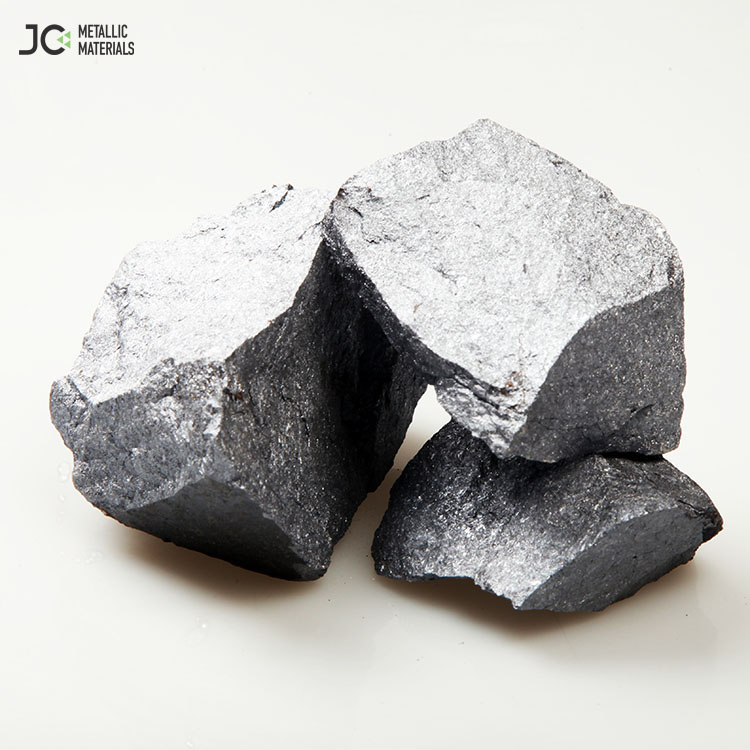
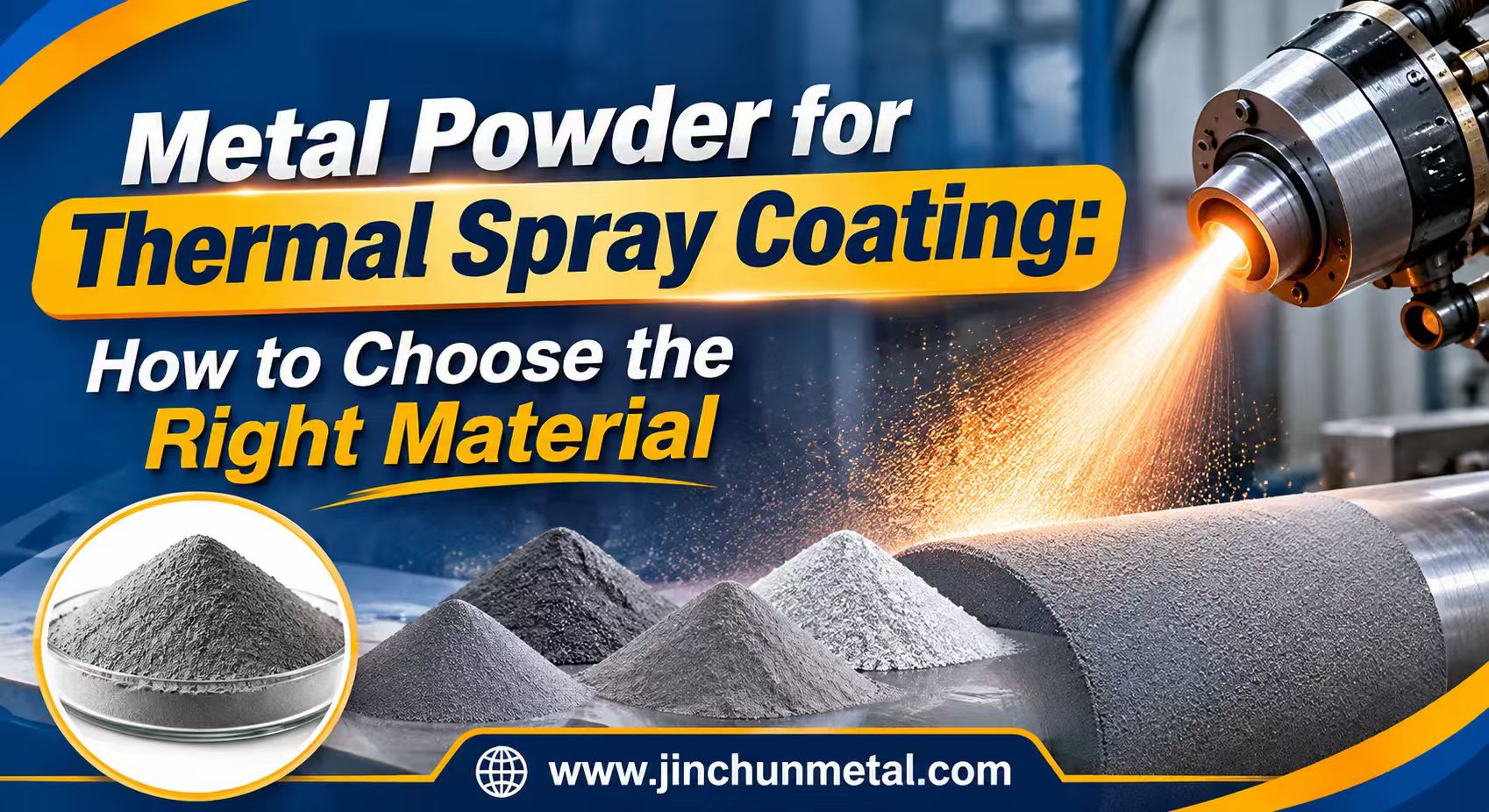
Thermal spray coating is widely used in industrial manufacturing to protect metal components from wear, corrosion, oxidation, and high temperatures. The quality of the coating depends on several factors, including the selected metal powder, particle size, chemical composition, and spraying process. Different metal powders offer different performance characteristics, making material selection an important step in achieving reliable coating results.
Choosing an unsuitable powder can lead to poor coating adhesion, uneven surfaces, and reduced component service life. Therefore, engineers and manufacturers need to understand the properties of different metal powders before making a selection.
In this article, we’ll explain the following key points:
- What is metal powder for thermal spray coating?
- Which metal powders are commonly used?
- What properties should you consider?
- How do you choose the right material for your application?
What Is Metal Powder for Thermal Spray Coating?
Metal powder for thermal spray coating is a specially prepared material used to create protective layers on metal surfaces. During the thermal spraying process, powder particles are heated or softened and accelerated toward a prepared substrate. They impact the surface, flatten, and gradually build up a coating.
These coatings improve the surface properties of industrial components without requiring the entire part to be manufactured from expensive or highly specialized materials.
Thermal spray metal powders are used in several industries, including aerospace, automotive, oil and gas, power generation, and heavy machinery manufacturing. Depending on the application, manufacturers can select powders that provide wear resistance, corrosion protection, oxidation resistance, or thermal stability.
For a better understanding of thermal spraying processes, coating materials, and their industrial applications, you can explore this technical guide by TWI on Thermal Spray Coatings.
Common Types of Metal Powders Used in Thermal Spray Coating
Different metal powders are selected according to the operating environment and required coating performance. Some commonly used materials include:
1. Nickel-Based Alloy Powders
Nickel-based alloy powders are widely used for applications requiring corrosion and oxidation resistance. They perform well in high-temperature environments and help protect components exposed to chemicals, gases, and industrial heat. These powders are commonly used in turbines, chemical processing equipment, and power generation systems.
2. Cobalt-Based Alloy Powders
Cobalt-based powders are known for their hardness, wear resistance, and ability to maintain performance under demanding operating conditions. They are suitable for components exposed to friction, abrasion, and elevated temperatures. Industrial applications include valve components, mechanical parts, and aerospace equipment.
3. Stainless Steel Powders
Stainless steel powders are used when corrosion resistance and surface durability are important. They provide protective coatings for industrial components exposed to moisture, chemicals, and general operating wear. These materials are commonly applied to pumps, shafts, and other machinery parts.
4. Aluminum-Based Powders
Aluminum-based powders are used in applications where oxidation protection and lightweight surface coatings are required. They can help protect certain metal components from environmental exposure and are suitable for selected industrial and engineering applications.
5. Chromium-Based Alloy Powders
Chromium-containing alloy powders are selected for applications requiring hardness, abrasion resistance, and improved surface durability. They are particularly useful for components exposed to repeated contact, friction, and abrasive operating conditions.
If you are looking for reliable suppliers of spherical metal powders, you can explore our blog post: Top 10 Spherical Metal Powder Manufacturers in the World
Important Properties to Consider When Selecting Thermal Spray Metal Powder
Before choosing a metal powder, manufacturers should evaluate its physical and chemical characteristics. These properties directly influence powder feeding, coating formation, and final performance.
| Powder Property | Importance in Thermal Spray Coating |
| 입자 크기 분포 | Affects particle heating, feeding consistency, and coating uniformity. |
| Particle Shape | Influences powder flowability and stable feeding during spraying. |
| Chemical Composition | Determines hardness, corrosion resistance, and other coating properties. |
| Melting Characteristics | Affect how particles respond to the selected spraying process. |
| Powder Flowability | Supports consistent powder delivery and stable coating formation. |
| Oxidation Resistance | Helps maintain coating performance in high-temperature environments. |
For example, irregular particle shapes may affect powder feeding, while an unsuitable particle size can result in inconsistent heating and deposition. Therefore, powder specifications should match the requirements of the selected thermal spray process.
To learn more about the technical requirements for thermal spray powders, including particle size distribution, chemical composition, and flow characteristics, refer to the AWS Specification for Thermal Spray Powder.
How to Choose the Right Metal Powder for Thermal Spray Coating
Selecting the right metal powder requires evaluating the application, operating environment, and required coating properties. Consider the following factors before purchasing.
1. Identify the Operating Environment
First, understand where the coated component will be used. Components exposed to high temperatures may require nickel-based or cobalt-based alloys, while equipment operating in corrosive environments may benefit from suitable stainless steel or nickel-based powders.
2. Determine the Required Coating Properties
Different applications require different surface characteristics. If a component experiences continuous friction, prioritize wear resistance and hardness. For equipment exposed to moisture or chemicals, corrosion resistance should be a major consideration. High-temperature applications also require materials with suitable thermal stability.
3. Match the Powder with the Spraying Process
Not every powder is suitable for every thermal spray technique. HVOF, plasma spraying, flame spraying, and cold spraying have different operating principles and material requirements. Particle size, melting characteristics, and material composition should be compatible with the selected process.
4. Check Powder Quality and Specifications
Always review the powder’s chemical composition, particle size distribution, shape, and flowability. Reliable technical specifications help manufacturers evaluate whether a material meets their application requirements. Consistent powder quality is also important for maintaining repeatable coating results.
5. Consider Cost and Service Life
Purchase price should not be the only selection factor. A lower-cost powder may not provide the required coating durability, potentially increasing maintenance and replacement expenses. Evaluate the expected service life and overall coating performance before making a purchasing decision.
If you want to understand the important factors involved in selecting the right material, you can also read our blog post: How To Select Suitable Metal Powder For Thermal Spray Coating
Common Applications of Thermal Spray Metal Powders
Thermal spray metal powders are used across industries where components require additional surface protection and improved durability.
- Aerospace: Protecting turbine components and other parts exposed to heat and wear.
- Automotive:Improving the surface durability of engine and mechanical components.
- Oil and Gas: Protecting valves, pumps, and equipment exposed to corrosive environments.
- Power Generation: Providing protective coatings for turbines and industrial machinery.
- Heavy Machinery: Reducing wear on shafts, rollers, and other frequently used components.
The selected powder depends on the component material, operating conditions, and required coating performance.
결론
In short, selecting the right metal powder for thermal spray coating is essential for achieving strong, durable, and reliable surface protection. Factors such as chemical composition, particle size, flowability, and operating temperature should be carefully evaluated before choosing a material.
At 청두 진춘 금속 재료 유한 공사, we provide metal powder solutions for different industrial requirements. If you are looking for a reliable metal powder supplier or need assistance with material selection, visit Jinchun Metal and contact our team for further information and support.
https://www.jinchunmetal.com/?s=Metal+Powder+for+Thermal+Spray+Coating