 Korean
  English
  French
  Japanese
  Spanish
  Vietnamese
  Thai
Thai  Portuguese
  German
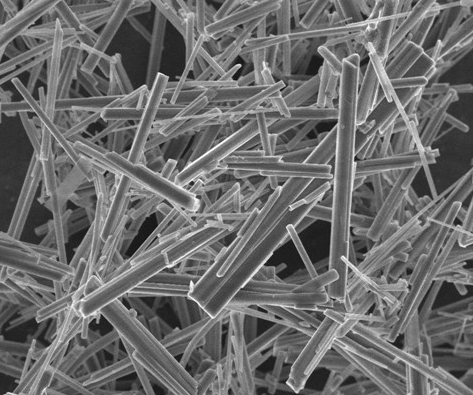
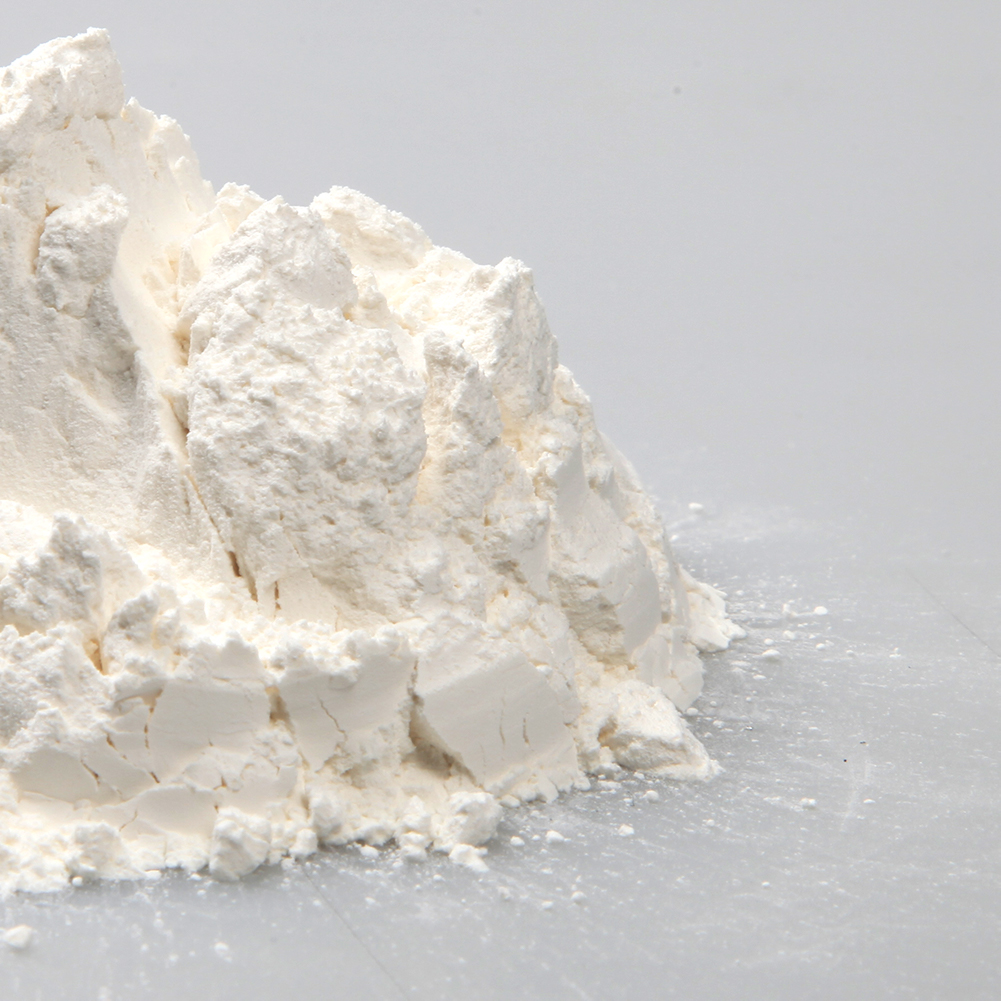
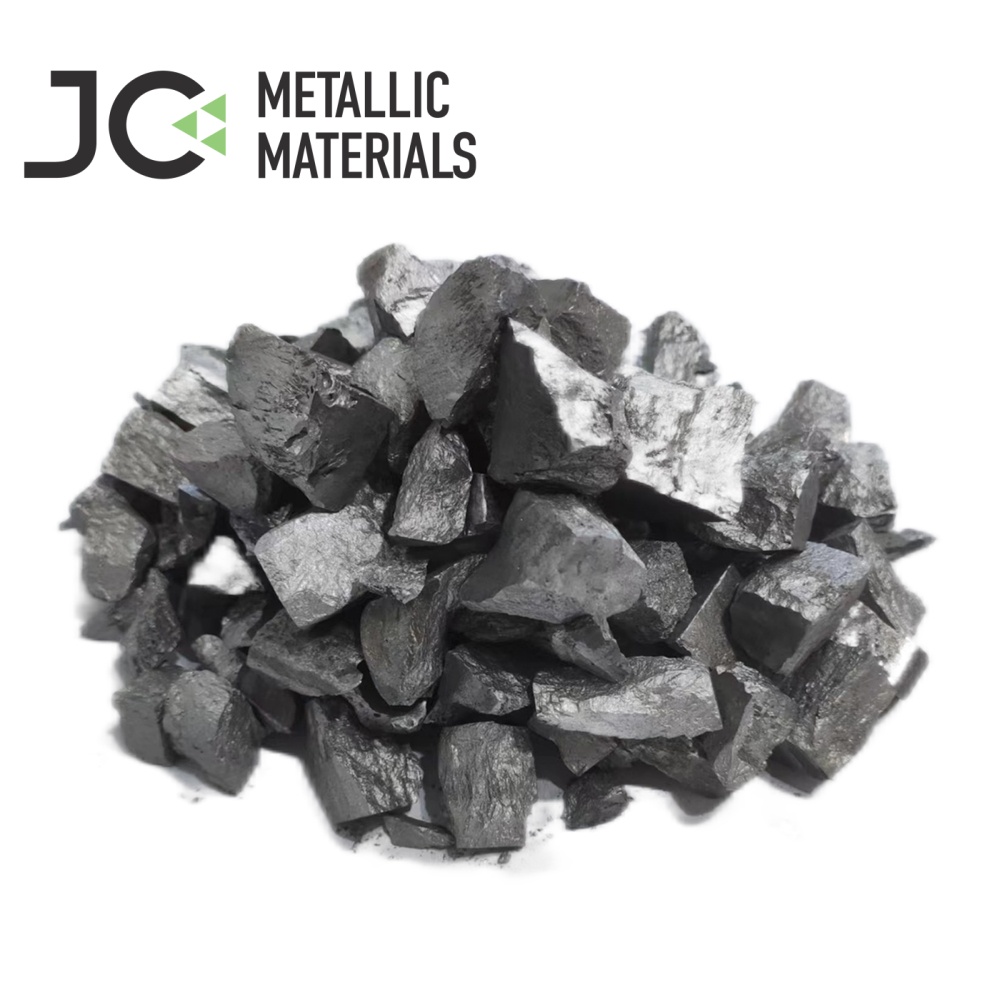
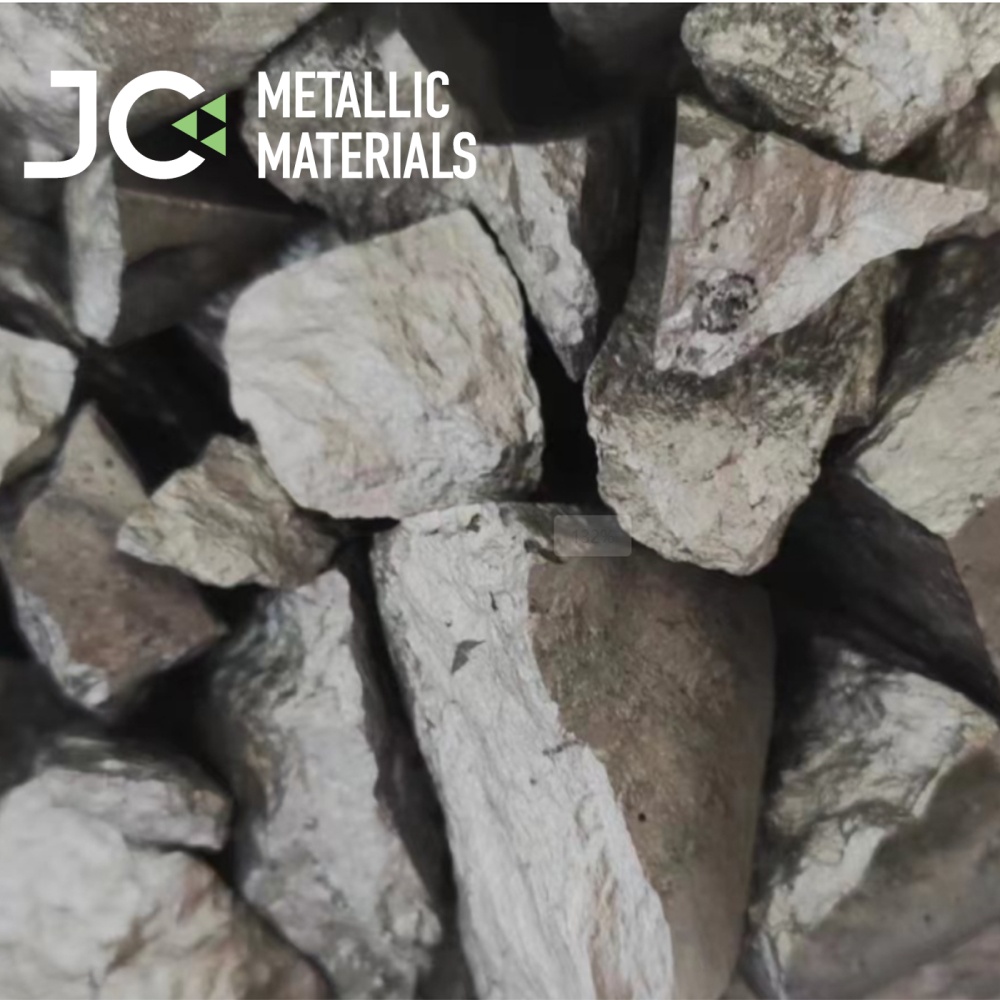
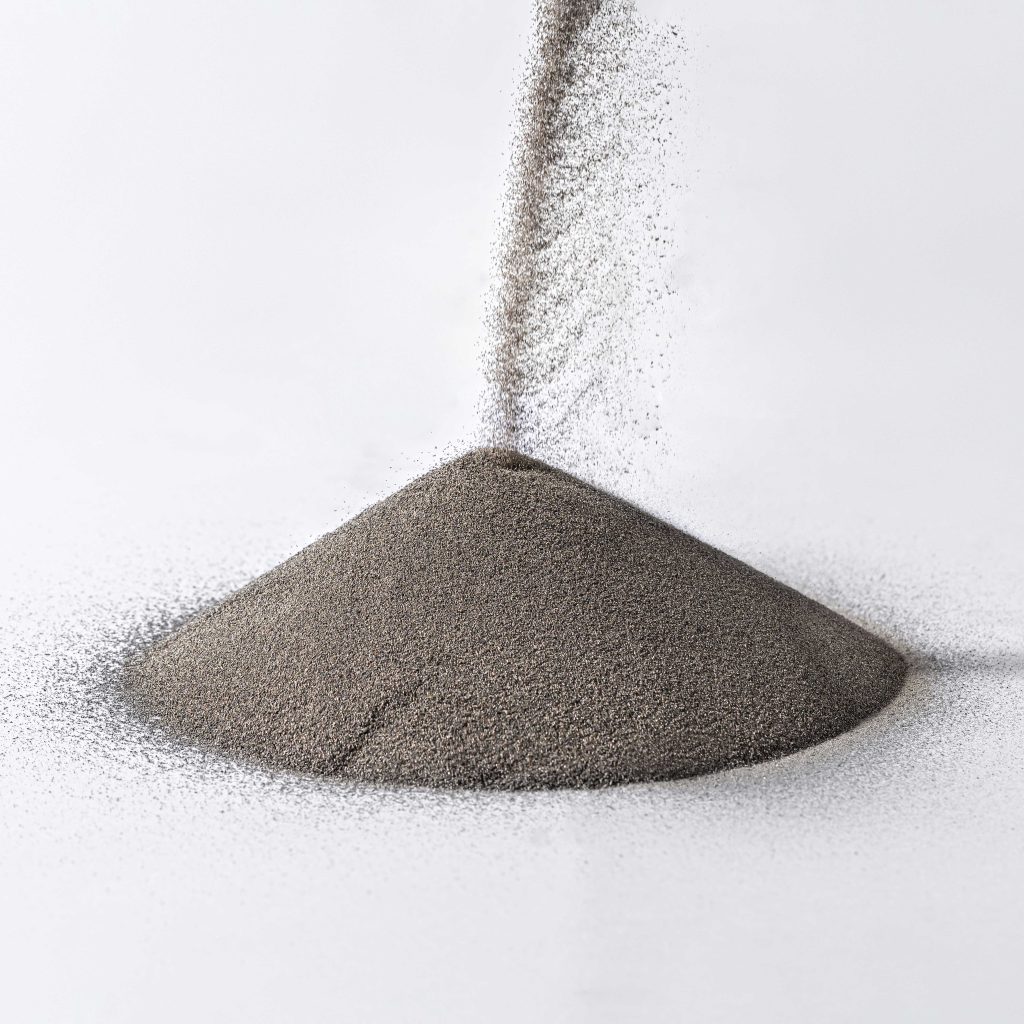
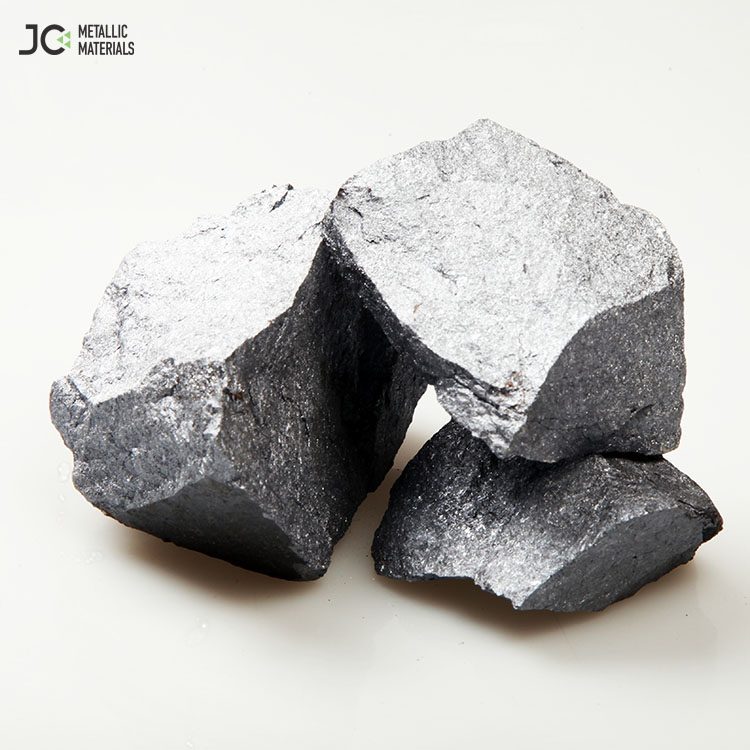
청두 진춘 금속 재료 유한 공사 produces high-quality green and black silicon carbide powders. Our company specializes in industrial and high-tech manufacturing applications. Our metallic powders consistently meet global industrial standards and requirements.
Choosing the right silicon carbide powder is very important. Green and black silicon metallic powders are two of the most widely used high-performance abrasives across global industries. Both deliver impressive hardness, thermal stability, and cutting strength. Each material performs differently depending on its specific application.
In this article,our team will explore the green vs black silicon carbide powders. You will know about their key differences, application and buyer-specific recommendations. After reading our, you can confidently select the powder that best suits your industrial needs.
What is Green Silicon Carbide Powder?
Green silicon carbide is a highly purified SiC powder. It is produced through a controlled process removing impurities. The powder appears light green to emerald in color. It is extremely hard with very sharp cutting edges. High purity ensures excellent thermal conductivity and consistent performance. Green SiC delivers superior precision in grinding and polishing. Industries use it for optical grinding and wafer slicing. It is also ideal for technical ceramics manufacturing tasks.
Types of Green Silicon Carbide Powder
1: Fumed Green Silicon Carbide
Fumed Green SiC contains extremely fine particles for polishing. It is ideal for precision finishing of optical components. This type delivers smooth surfaces with minimal scratches. Industries prefer it for high-accuracy grinding.
2: Grit Green Silicon Carbide
Grit Green SiC contains coarse particles for heavy grinding. It removes material quickly from metals and ceramics. This type works well in industrial cutting. It is effective for abrasive blasting.
3: Micron Green Silicon Carbide
Micron Green SiC contains particles sized precisely in micrometers. It is used for optical grinding and wafer slicing. This type delivers controlled surface finishes. Industries rely on it globally.
Read More: Why Manganese Powder Is Essential in Steel and Battery Industries?
Key Applications of Green Silicon Carbide
- Optical Grinding:Precision finishing of lenses and optical components.
- Wafer Slicing: Semiconductor and solar wafer cutting processes.
- Fine Polishing:High-accuracy polishing for metals, ceramics, and glass.
- Technical Ceramics Manufacturing:Producing advanced ceramics with precise dimensions.
- Electronics Industry:Component finishing and microfabrication tasks.
- Aerospace Components:High-precision parts requiring tight tolerances.
- Automotive Applications: Precision machining of engine parts and tools.
- Laboratory Tools:Polishing and shaping specialized lab instruments.
Pros and Cons of Green Silicon Carbide
Pros
- Very high purity ensures consistent industrial performance.
- Sharp cutting action for precise material removal.
- Best choice for precision finishing and polishing.
- Excellent thermal performance supports high-temperature processes.
Cons
- Brittle and can break under heavy impact.
- More expensive than black silicon carbide powders.
What is Black Silicon Carbide Powder?
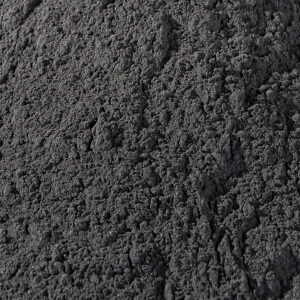
Black silicon carbide is a tough and durable powder. It is widely used industrially as an abrasive material. Black SiC is made using the Acheson furnace method. The powder has a dark grey to deep black color. It contains slightly more impurities than green silicon carbide. Black SiC is less sharp but more impact resistant.It is commonly used in sandblasting and grinding wheels. Industries use it for refractory brick and metal treatment.
Types of Black Silicon Carbide Powder
1: Fused Black Silicon Carbide
Fused Black SiC is produced at extremely high temperatures. It contains slightly higher purity than standard powders. This grade provides enhanced toughness and thermal resistance. Industries use it in grinding wheels.
2: Medium Black Silicon Carbide
Medium Black SiC contains medium-sized particles for precision grinding. It balances material removal speed and surface finish quality. Industries use it in mechanical tools. This grade is cost-effective and reliable.
3: Ultra-Fine Black Silicon Carbide
Ultra-Fine Black SiC contains extremely small particles for precision polishing. It ensures smooth surfaces on metals, ceramics, and glass. This grade is used for electronics and optics applications.
Learn More About Our List of Manufacturers: Top 7 Best Bronzing Powder Manufacturers in China
Key Applications: Black Silicon Metallic Carbide Powder
- Sandblasting:Surface cleaning and preparation of metals and ceramics.
- Grinding Wheels:Used for heavy-duty material removal in industries.
- Refractory Brick Production:Manufacturing heat-resistant bricks for furnaces and kilns.
- Metal Surface Treatment:Polishing, deburring, and finishing metal surfaces effectively.
- Abrasive Blasting:Removing rust, paint, and coatings from various surfaces.
- Industrial Cutting Tools:Enhancing durability and performance of cutting equipment.
- Mechanical Components:Finishing hard metals in automotive and aerospace industries.
- Ceramic Processing:Grinding and shaping technical ceramics efficiently.
Pros and Cons of Black Silicon Carbide
Pros
- Tough and durable for heavy-duty industrial applications.
- Provides excellent impact resistance during abrasive processes.
- More affordable than green silicon carbide powders.
- Widely available for general-purpose grinding and polishing.
Cons
- Less sharp compared to green silicon carbide powders.
- Slightly lower purity may affect precision performance.
- Not ideal for ultra-fine finishing tasks.
Final Thoughts
Green and black powders each serve important industrial roles. Green SiC excels in precision, optics, and delicate surface work. Black SiC performs better in heavy-duty, abrasive, or bulk tasks. Purity, hardness, and thermal performance define their specific advantages.
Choosing the right powder improves efficiency, performance, and product quality. Understanding differences ensures smarter, cost-effective industrial material decisions.
Most Asked Questions
Q1: Which Powder Should You Choose?
Answer: Green SiC is perfect for high-precision and delicate tasks. On the contrary, Black SiC is ideal for heavy-duty grinding and material removal. Choose the powder based on your industry needs, process, and budget. High-tech industries favor green. On the other hand, the general industry commonly uses black.
Q2: Which Industries Commonly Prefer Green Vs Black Silicon Carbide?
Answer: Green SiC is mostly used in high-precision industries. It is preferred for electronics, aerospace, and optical components. Black SiC is widely used in heavy-duty industrial tasks. It works well in automotive, metal finishing, and ceramics.
Q3: Which Powder is Better for Polishing Delicate Surfaces Effectively?
Answer: Green SiC provides extremely fine, precise polishing results. It is ideal for delicate metals, glass, and ceramics. Black SiC is too coarse for delicate surface polishing. It works best on tougher materials needing heavy abrasion.