 Korean
  English
  French
  Japanese
  Spanish
  Vietnamese
  Thai
Thai  Portuguese
  German
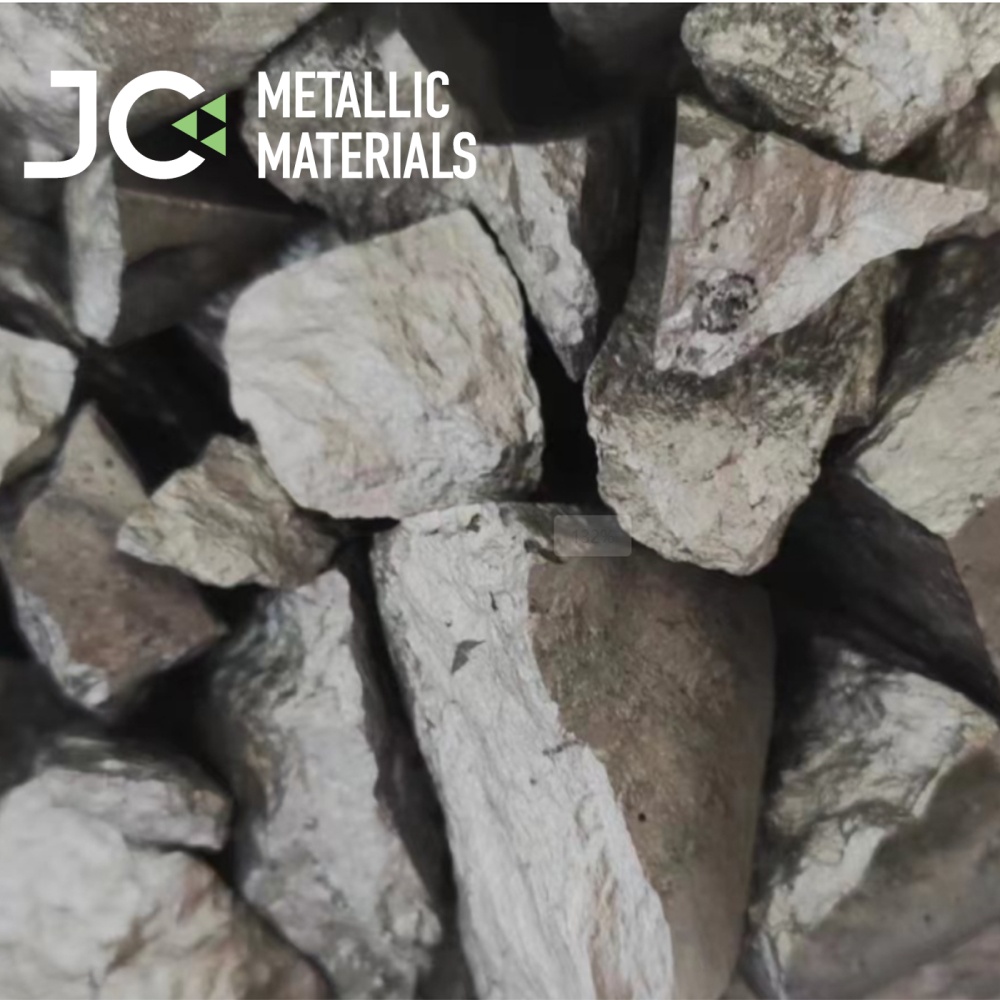
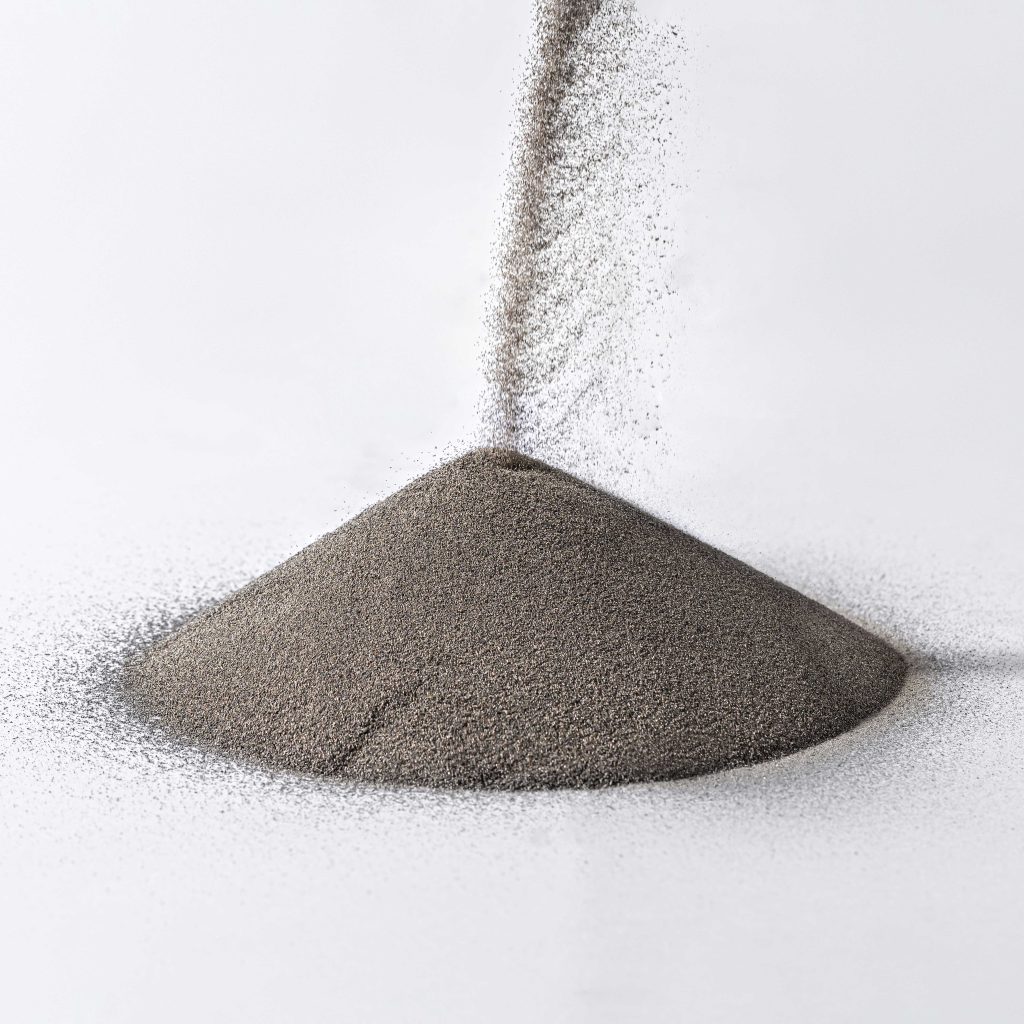
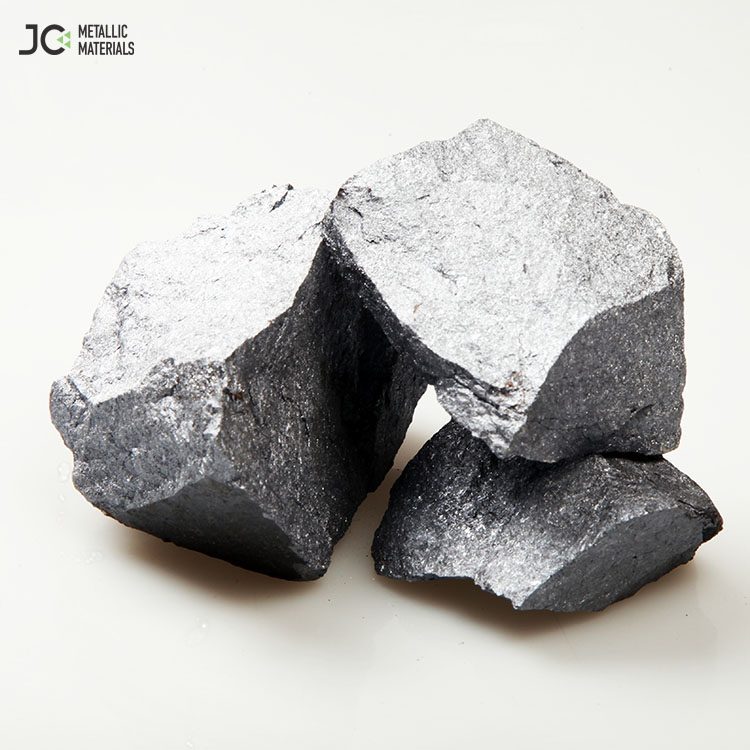
Vanadium powder plays a critical role in modern industrial manufacturing, supporting stronger alloys, advanced energy storage systems, and high-performance aerospace components.
This guide explores vanadium powder properties, manufacturing methods, industrial applications, and key factors buyers should consider when selecting a reliable supplier.
Quick Answer
Vanadium powder is widely used in aerospace, advanced alloys, energy storage systems, and additive manufacturing. Its unique combination of strength, durability, and thermal stability supports high-performance industrial applications.
Key Takeaways
- Improves the strength of alloy materials.
- Offers excellent high-temperature stability.
- Supports advanced aerospace applications.
- Used in energy storage and battery technologies.
- Suitable for additive manufacturing processes.
- Available in different purity levels and particle sizes.
- Supplier quality directly affects product consistency.
- Growing demand is driving global market expansion.
Understanding the Fundamentals of Vanadium Powder
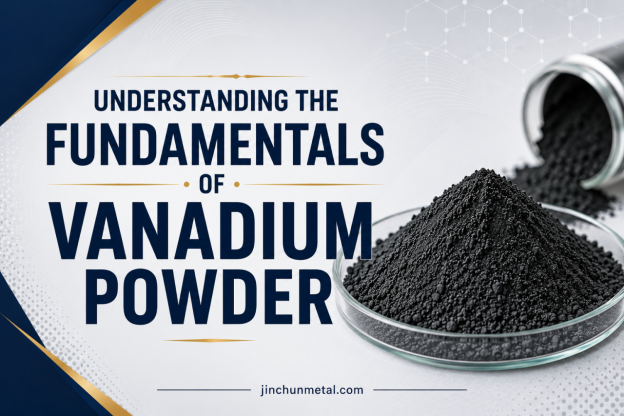
Vanadium is a hard, silvery-grey transition metal with the atomic number 23. In powder form, it becomes a highly versatile industrial material used as an alloying agent, functional additive, and feedstock in advanced manufacturing processes.
It is derived from vanadium-containing ores such as magnetite, as well as from industrial byproducts like steel slag and spent catalysts. Once extracted and refined, the metal is converted into fine powder through controlled manufacturing processes including reduction and atomization.
What makes vanadium powder particularly useful is its ability to improve the mechanical and chemical properties of other materials, especially steel and specialty alloys, without requiring large quantities. Even small additions can produce significant performance gains.
Learn how metal powders like vanadium are exported and distributed to global manufacturers: Global Export of Metal Powders from Chengdu China
Key Characteristics That Define Vanadium Powder Performance
Understanding vanadium powder’s properties helps buyers match the right grade to their specific application requirements.
Technical Snapshot
| Property | Typical Description |
| Appearance | Gray metallic powder |
| Purity Range | 99.0%–99.9%+ |
| Particle Shape | Irregular or spherical |
| Density | 6.11 g/cm³ |
| Melting Point | Approximately 1910°C |
| Common Grades | Industrial, High-Purity, Ultra-High-Purity |
Particle Size and Appearance
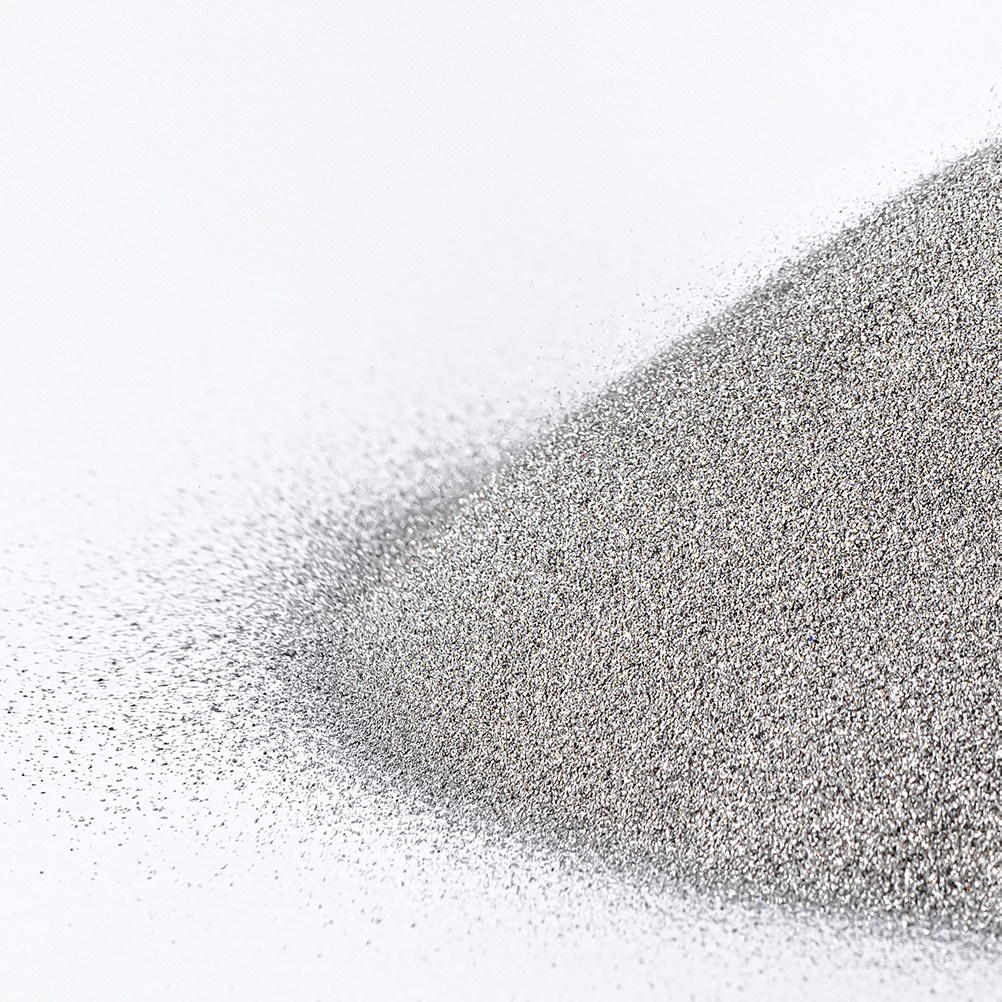
Vanadium powder typically appears as a gray metallic powder. Particle shape can be irregular or spherical depending on the production method used. Atomized grades tend to produce more uniform, spherical particles, which are preferred in additive manufacturing. Reduced grades often have irregular morphology, suitable for alloying and chemical applications.
Particle size ranges vary widely, from sub-micron grades to coarser powders in the range of 45 to 150 microns, depending on the intended use.
Density, Melting Point, and Hardness
Vanadium has a density of approximately 6.11 g/cm³ and a melting point of around 1910°C, making it highly stable under extreme thermal conditions. Its Vickers hardness is approximately 628 HV, which reflects its inherent strength as a base material.
These characteristics make vanadium powder an effective additive in high-temperature alloys and refractory material formulations.
Oxidation States and Chemical Behavior
Vanadium exhibits multiple oxidation states, +2, +3, +4, and +5, which gives it unique chemical flexibility. This property is particularly important in catalytic and electrochemical applications, including vanadium redox flow batteries where the ability to cycle between oxidation states enables energy storage and release.
In powder form, vanadium can oxidize when exposed to air, which is why proper storage and handling are important.
Available Purity Grades
Vanadium powder is commercially available in several purity grades:
- Industrial Grade:Typically 99.0% purity, used in steel alloying and general metallurgical applications
- High-Purity Grade: 5% to 99.9% purity, used in electronics, coatings, and research
- Ultra-High-Purity Grade: 9%+ purity, used in specialized scientific and advanced technology applications
Selecting the correct purity grade is essential because impurities can affect alloy performance, battery efficiency, and coating quality.
Explore how powder metallurgy techniques are transforming the way industrial materials are produced: Why Powder Metallurgy is Transforming Modern Manufacturing
How Industrial-Grade Vanadium Powder Is Produced
Producing consistent, high-quality vanadium powder requires precise control at every stage of manufacturing.
Raw Material Extraction
Vanadium is primarily sourced from vanadiferous magnetite ores, which are among the richest natural vanadium deposits. It is also recovered as a byproduct from petroleum refining residues and steel slag, a practice that improves resource efficiency and reduces production costs.
The quality of the raw material directly affects the final powder’s purity and performance consistency.
Powder Processing Methods
Two main methods are used to convert refined vanadium into powder form:
Aluminothermic Reduction involves reacting vanadium pentoxide (V₂O₅) with aluminum to produce metallic vanadium. The resulting material is then crushed and milled into powder. This method is commonly used for industrial-grade production.
Hydrogen Reduction uses vanadium compounds reduced in a hydrogen atmosphere to produce high-purity metallic powder. This method offers greater purity control and is preferred for advanced applications.
After formation, powders are screened and classified to achieve the required particle size distribution.
Stay informed on global demand patterns for industrial metal powders: Global Demand for Chromium Carbide Powder in Heavy Industries
Quality Control Standards
Reputable manufacturers conduct multiple rounds of testing including chemical composition analysis, particle size distribution measurement, bulk density testing, and moisture content verification before releasing batches for sale.
Certifications such as ISO 9001 provide buyers with confidence that a supplier’s quality management system meets internationally recognized standards.
For a deeper understanding of vanadium’s geological sources and global reserves, refer to the official resource data published by the U.S. Geological Survey: Vanadium Statistics and Information — USGS
Where Vanadium Powder Delivers the Greatest Industrial Value
Vanadium powder’s combination of strength, thermal stability, and chemical versatility makes it useful across a broad range of industries.
Steel Hardening and Alloy Production
This is the largest application area for vanadium globally. Adding small quantities of vanadium, typically 0.1% to 0.2% by weight, to steel significantly improves its tensile strength, hardness, and wear resistance. Vanadium forms fine carbides and nitrides within the steel matrix, which refine grain structure and prevent crack propagation.
High-strength low-alloy steels used in construction, automotive manufacturing, pipelines, and heavy machinery all commonly contain vanadium.
Energy Storage and Vanadium Redox Flow Batteries
Vanadium redox flow batteries are an emerging energy storage technology gaining significant traction in large-scale renewable energy projects. Unlike lithium-ion batteries, they use vanadium ions in different oxidation states dissolved in sulfuric acid electrolyte to store and release electrical energy.
Key advantages include long cycle life, scalability, and the ability to fully discharge without damaging the battery. These qualities make them particularly attractive for grid-scale solar and wind energy storage systems.
For a comprehensive scientific overview of vanadium’s material properties and alloy behavior, ScienceDirect provides detailed technical reference material: Vanadium — Materials Science Overview, ScienceDirect
Aerospace and Defense
Vanadium-containing titanium alloys, particularly Ti-6Al-4V which contains 4% vanadium, are among the most widely used aerospace materials in the world. This alloy offers an excellent strength-to-weight ratio, corrosion resistance, and fatigue performance suitable for aircraft frames, engine components, and structural parts.
Defense applications similarly benefit from vanadium’s contribution to lightweight, high-strength structural materials.
Additive Manufacturing
Vanadium metal powder with controlled particle size distribution and spherical morphology is increasingly used in metal additive manufacturing processes such as selective laser melting and electron beam melting. Its use in titanium alloy powders for 3D printing is especially significant in aerospace and medical device manufacturing.
Consistent flowability and particle size are critical for achieving uniform layer deposition and structural integrity in printed components.
Chemical Catalysts
Vanadium pentoxide derived from vanadium compounds is widely used as a catalyst in the production of sulfuric acid through the contact process. It is also used in the selective catalytic reduction of nitrogen oxides in industrial emission control systems.
Electronics and Specialty Coatings
Vanadium dioxide exhibits a phase transition near room temperature that switches it from an insulator to a conductor, a property being explored for smart windows, thermal switches, and next-generation electronic devices.
Vanadium-based coatings also provide enhanced corrosion protection and surface hardness for industrial tools and components.
Learn why high-performance alloys continue to be essential across modern engineering sectors: Why High Performance Alloys Are Important for Modern Engineering
Vanadium Powder vs Other Industrial Metal Powders
Choosing between metal powders often depends on balancing performance requirements against budget constraints. Here is how Vanadium Metal Powder compares with commonly used alternatives:
| Property | Vanadium Powder | Titanium Powder | Chromium Powder | Molybdenum Powder |
| Strength Contribution | Very High | High | High | Very High |
| Corrosion Resistance | Excellent | Excellent | Good | Very Good |
| High-Temp Performance | Excellent | Good | Very Good | Excellent |
| Battery Applications | Yes (VRFB) | No | No | No |
| Relative Cost | Moderate to High | High | Moderate | High |
| 3D Printing Suitability | Good | Excellent | Limited | Good |
V powder offers an effective balance of strength, thermal stability, and versatility. These advantages make it suitable for aerospace, energy storage, and advanced alloy applications.
How to Choose a Reliable Vanadium Powder Supplier
Selecting the right supplier is essential for ensuring product consistency, technical support, and long-term supply stability. Buyers should evaluate several factors before making purchasing decisions.
- Manufacturing Capacity:A capable supplier should demonstrate stable production capabilities and scalable output capacity.
- Quality Assurance Systems: Robust inspection procedures help maintain product consistency across production batches.
- Export Experience:International supply experience often reflects stronger logistics and customer support capabilities.
- Technical Assistance:Knowledgeable support teams help customers select appropriate grades and specifications.
- Flexible Supply Programs:Reliable suppliers can accommodate varying order quantities and project requirements.
- Stable Supply Chain:Consistent raw material sourcing reduces production disruptions and delivery delays.
- Customer Service Quality:Responsive communication contributes to smoother procurement and project management processes.
Manufacturers that carefully assess supplier capabilities often achieve better product quality, reduced procurement risks, and improved operational efficiency.
Learn why metal powder has become essential for additive manufacturing processes worldwide: Why Metal Powder is Essential for Additive Manufacturing
Future Market Outlook for Vanadium Powder
Global demand for vanadium metal powder continues to increase as manufacturers invest in advanced materials, energy technologies, and high-performance alloys. Expanding industrial applications are creating new opportunities across multiple sectors.
Key Factors Driving Market Growth
- Growth in Energy Storage Technologies:Vanadium-based battery systems are gaining attention for large-scale renewable energy storage projects.
- Expansion of Additive Manufacturing:Metal 3D printing continues increasing demand for high-quality industrial metal powders.
- Rising Demand for High-Strength Alloys:Manufacturers require advanced materials that improve durability and structural performance.
- Aerospace Industry Development:Aircraft and defense sectors continue adopting lightweight, high-performance metal solutions.
- Industrial Infrastructure Investments:Construction and engineering projects support growing consumption of specialty alloy materials.
Global V Powder Market Outlook
| Year | Estimated Market Trend |
| 2022 | Stable Industrial Demand |
| 2025 | Accelerating Market Expansion |
| 2030 | Strong Long-Term Growth Expected |
According to USGS Mineral Commodity Summaries, vanadium demand from steel, energy storage, and aerospace sectors is expected to grow steadily through the coming decade. Read the latest official data here: USGS Vanadium Mineral Commodity Summaries 2024
Regional Market Highlights
Asia-Pacific: Leads global vanadium production and consumption, supported by strong manufacturing activity and growing demand from steel, energy, and industrial sectors.
North America: Growing investments in aerospace, defense, and energy storage technologies continue supporting market demand.
Europe: Increasing focus on renewable energy projects and advanced engineering applications drives consumption.
With demand expanding across energy, aerospace, and advanced manufacturing sectors, vanadium metal powder is expected to remain an important industrial material, creating long-term opportunities for buyers and suppliers worldwide.
Final Thoughts
Vanadium powder has established itself as an important material across some of the most demanding industrial sectors in the world, from aerospace alloys and high-strength steel to grid-scale energy storage and advanced additive manufacturing. Its unique combination of mechanical strength, thermal stability, and electrochemical versatility gives it advantages that few alternative metal powders can replicate across such a broad range of applications.
For buyers, the key to getting value from vanadium metal powder lies in two areas: selecting the correct grade for your specific application, and sourcing from a supplier with verified quality systems, reliable documentation, and the technical capability to support your requirements.
As global demand continues growing through 2030 and beyond, establishing a relationship with a dependable supplier now positions your business to manage supply continuity and maintain production quality over the long term.
Looking for high-quality vanadium powder for aerospace, alloy production, or advanced manufacturing applications? Contact Chengdu Jinchun Metallic Materials Co., Ltd. today for technical support, product specifications, and competitive bulk pricing.
자주 묻는 질문
Q1: What is vanadium powder used for?
Answer: Vanadium metal powder is widely used in aerospace components, specialty steel production, energy storage systems, and additive manufacturing. It is also used in industrial coatings and advanced material research projects.
Q2: What are the main properties of vanadium powder?
Answer: Vanadium metal powder offers excellent strength, corrosion resistance, thermal stability, and wear resistance. These characteristics make it suitable for demanding industrial and engineering applications.
Q3: Which industries commonly use vanadium metal powder ?
Answer: Major industries include aerospace, metallurgy, energy storage, chemical processing, and additive manufacturing. Automotive and advanced engineering sectors also rely on vanadium-based materials.
Q4: Why is vanadium powder added to steel?
Answer: Vanadium helps improve steel hardness, strength, and wear resistance. It also refines grain structure, enhancing durability and overall mechanical performance.
Q5: Is vanadium metal powder suitable for metal 3D printing?
Answer: Yes, vanadium metal powder is used in additive manufacturing applications that require controlled particle size and consistent material quality. It helps achieve reliable printing performance.
Q6: How should vanadium metal powder be stored?
Answer: Vanadium powder should be stored in sealed containers within a clean and dry environment. Proper storage helps prevent contamination and maintain product quality.
Q7: What factors should buyers consider before purchasing vanadium metal powder ?
Answer: Buyers should evaluate purity levels, particle size distribution, certifications, technical documentation, and supplier reputation. Production consistency is also an important consideration.
Q8: How can I choose a reliable vanadium powder supplier?
Answer: A reliable supplier should offer strong manufacturing capabilities, quality control systems, technical support, and export experience. Consistent product quality is equally important.
Q9: What purity levels are available for vanadium powder?
Answer: vanadium metal powder is available in industrial, high-purity, and ultra-high-purity grades. The required purity level depends on the intended application and performance requirements.
Q10: What is the future outlook for the vanadium powder market?
Answer: The vanadium metal powder market is expected to grow steadily due to increasing demand from aerospace, energy storage, advanced alloys, and additive manufacturing industries worldwide.