
 English
  French
  Japanese
  Korean
  Spanish
  Vietnamese
  Thai
Thai  Portuguese
  German
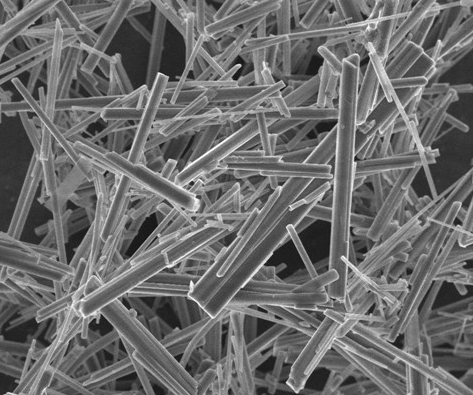
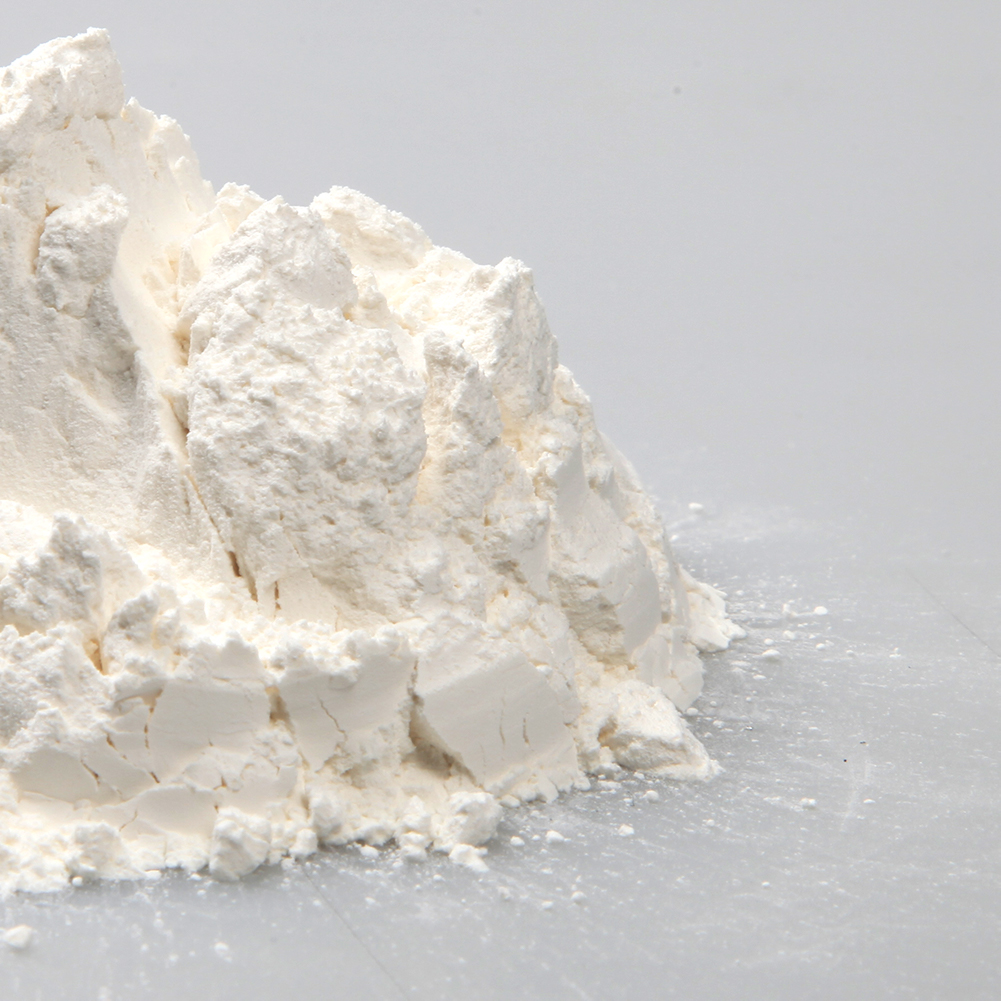
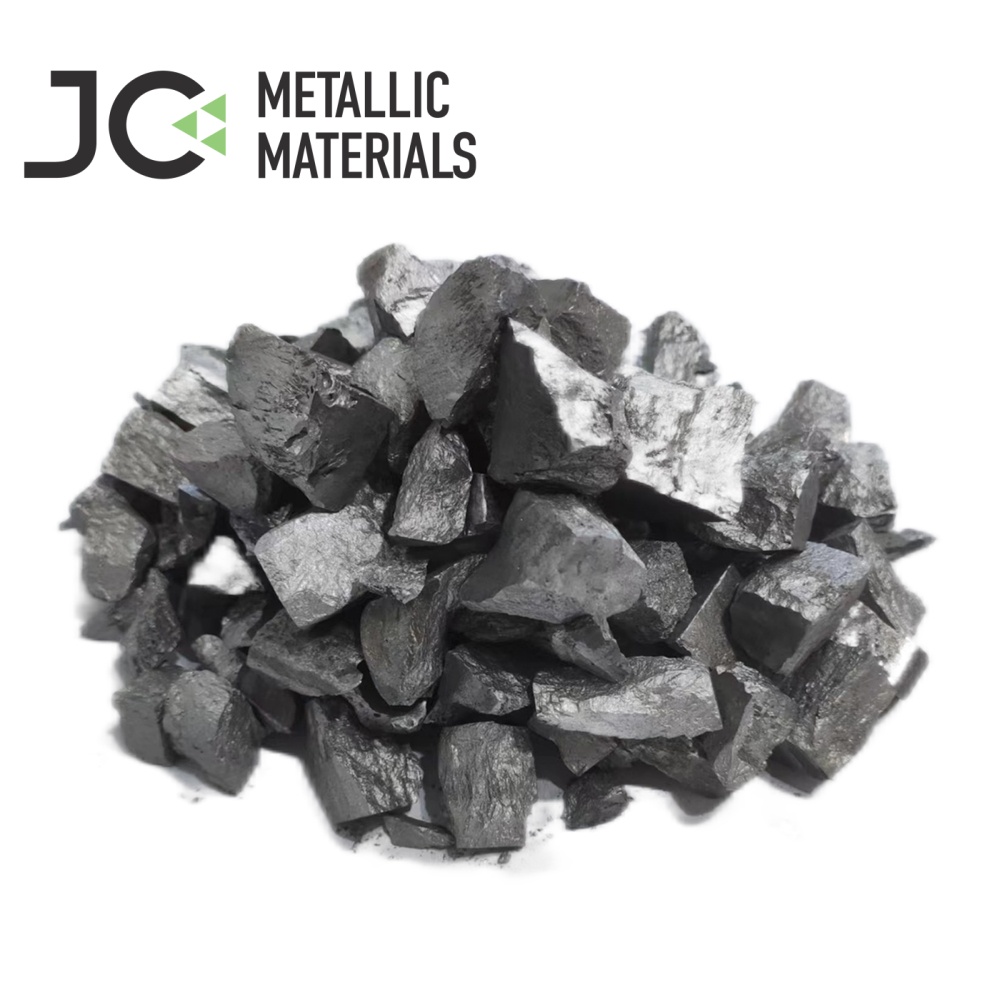
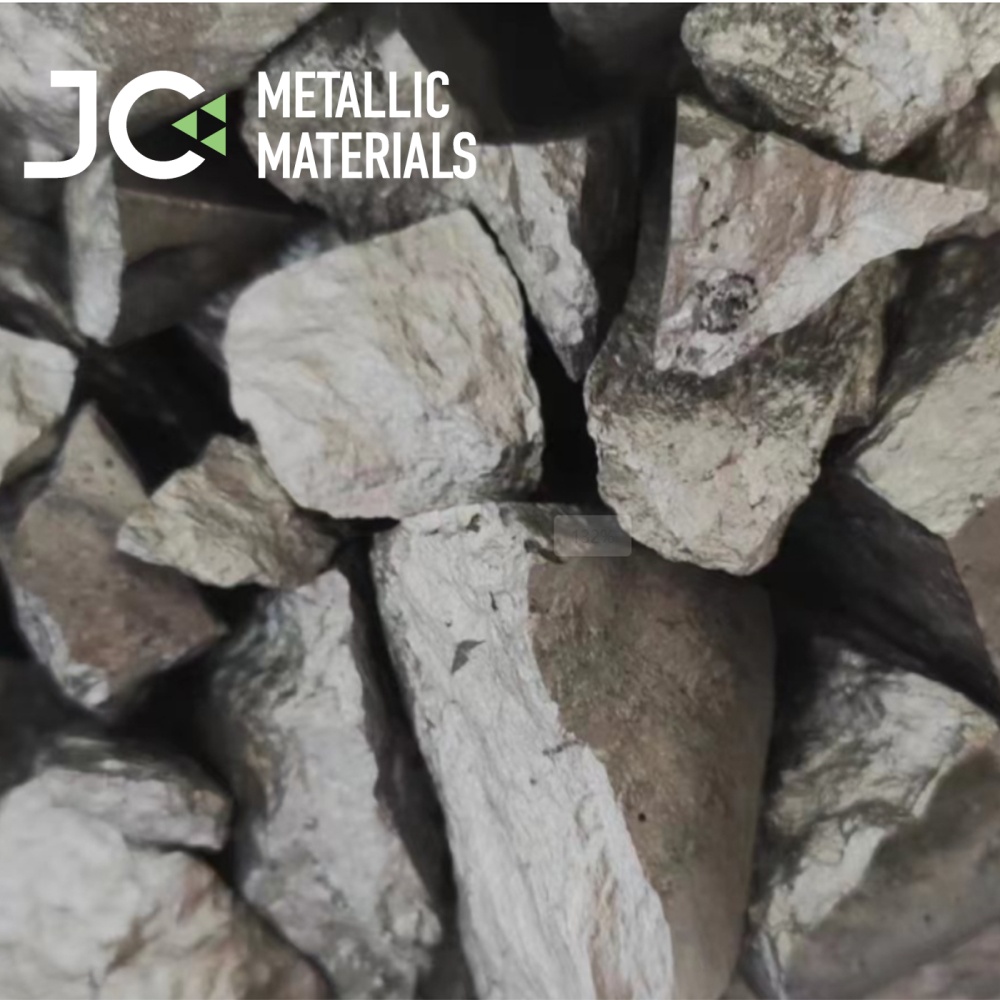
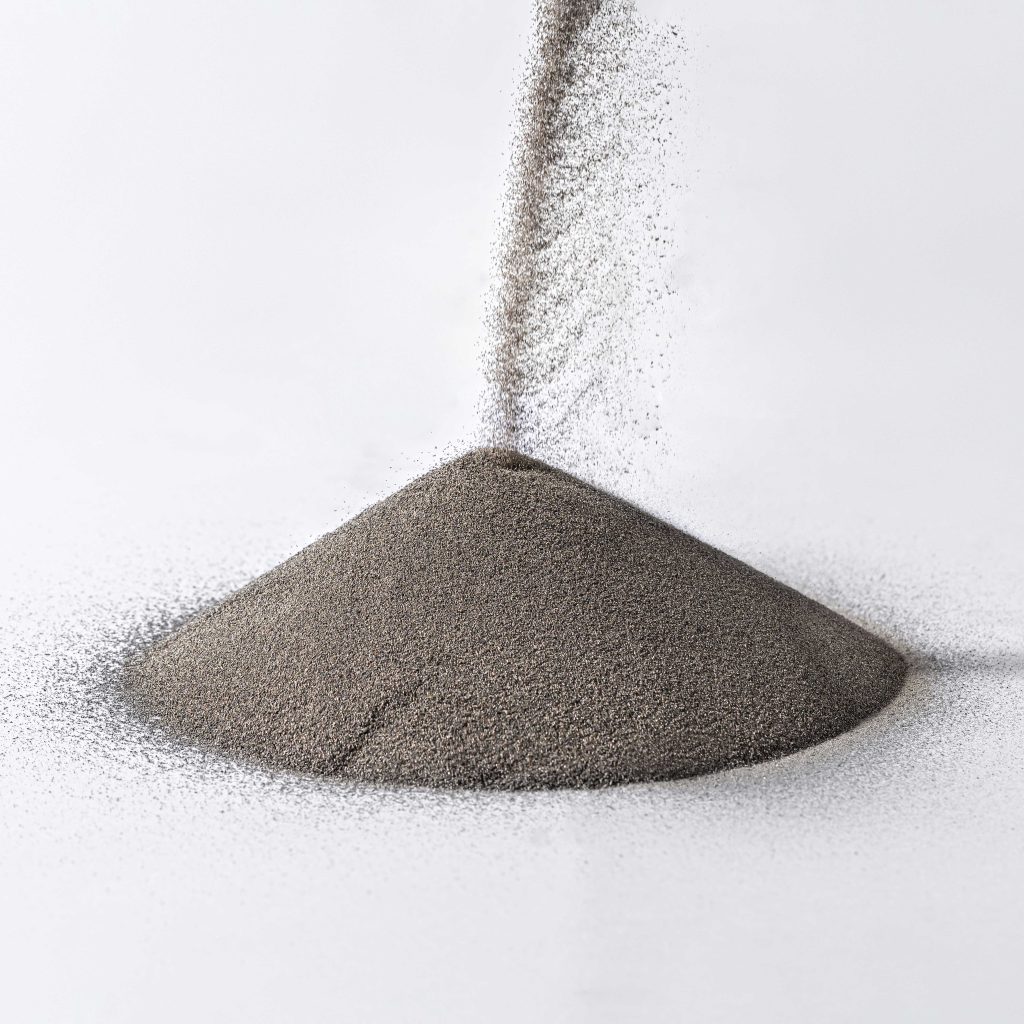
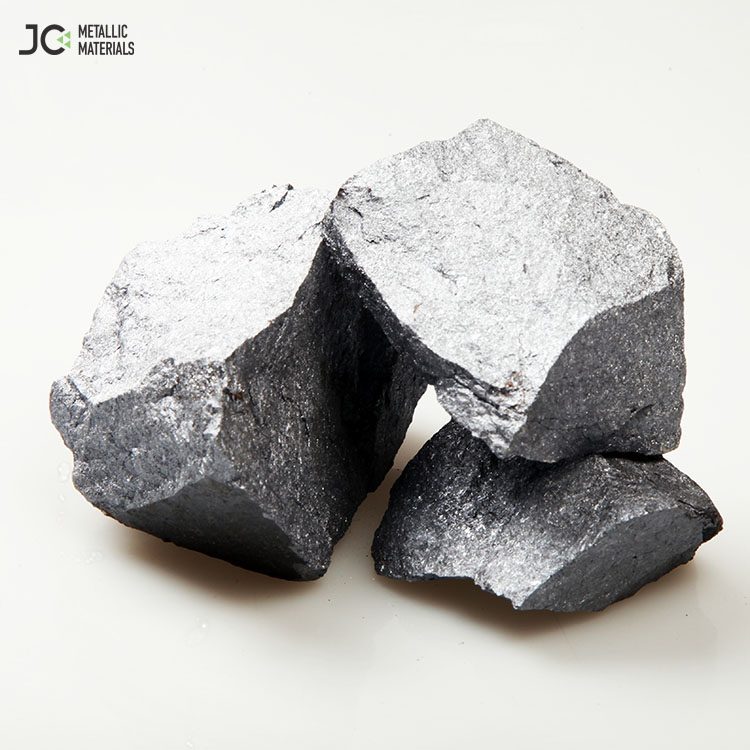

Nickel titanium alloy has become one of the most important advanced engineering materials in modern manufacturing. Industries increasingly rely on this smart alloy because it combines exceptional strength, flexibility, and durability in a single material. From medical technology to aerospace engineering, Nickel Titanium Alloy helps manufacturers develop products that perform reliably under demanding operating conditions.
Unlike conventional metal alloys, nickel titanium alloy offers unique functional properties that improve product precision, service life, and overall efficiency. Its ability to recover its original shape, resist corrosion, and withstand repeated mechanical stress makes it an ideal material for high-performance industrial applications where reliability is essential.
This guide explains the seven key properties that make Nickel Titanium Alloy valuable in modern manufacturing. You will also learn about its industrial applications, manufacturing advantages, material comparisons, selection considerations, and how to choose a reliable supplier for your business.
Why Are High-Tech Industries Investing in Nickel Titanium Alloy
High-tech industries increasingly invest in Nickel Titanium Alloy because it delivers exceptional performance, superior reliability, and innovative functionality. These advantages support advanced manufacturing and improve product quality across demanding applications.
- Smart Material Performance:Supports intelligent movement through unique shape memory and superelastic properties.
- High Product Reliability:Maintains consistent performance under repeated stress and demanding conditions.
- Lightweight Strength:Combines excellent mechanical strength with reduced component weight.
- Long Service Life:Resists wear, corrosion, and fatigue for extended operational durability.
- Precision Engineering:Enables accurate manufacturing of complex, high-performance industrial components.
These advantages make Nickel Titanium Alloy a preferred material for high-tech industries. Its advanced properties support innovation, improve manufacturing efficiency, and ensure reliable performance in critical engineering applications.
Understanding Nickel Titanium Alloy
According to ASM International, Nickel Titanium Alloy is recognized for its unique combination of shape memory, superelasticity, and excellent corrosion resistance in advanced engineering applications.
Nickel alloy, commonly known as Nitinol, is a high-performance shape memory alloy composed primarily of approximately equal amounts of nickel and titanium. Unlike traditional engineering metals, this alloy can return to its original shape after being deformed when exposed to a specific temperature. This remarkable behavior is known as the shape memory effect.
In addition, nickel alloy exhibits outstanding superelasticity, excellent corrosion resistance, and exceptional fatigue performance. These characteristics make it widely used in medical devices, aerospace components, robotics, industrial automation, consumer electronics, and other precision engineering applications where both flexibility and long-term reliability are required.
To better understand the role of nickel in advanced engineering materials, read our detailed guide on Nickel Powder: Types, Properties and Suppliers, which explains its characteristics, production methods, and industrial applications.
7 Key Properties That Make Nickel Titanium Alloy Valuable
Nickel Titanium Alloy possesses several exceptional properties that distinguish it from conventional engineering materials. These characteristics improve product performance, enhance durability, and support reliable manufacturing across diverse industrial applications worldwide.
1: Shape Memory Effect
Nickel Titanium Alloy returns to its original shape after heating following deformation. This unique property enables precise movement, reduces mechanical complexity, and improves reliability in advanced engineering applications.
2: Superelasticity
Nickel Titanium Alloy undergoes significant deformation without permanent damage. It quickly recovers its original form after unloading, making it ideal for flexible, high-performance industrial and medical components.
3: Excellent Corrosion Resistance
A stable oxide layer protects Nickel Titanium Alloy from corrosion in aggressive environments. This improves durability, extends service life, and reduces maintenance across industrial, marine, and medical applications.
Manufacturers interested in corrosion-resistant materials can also explore our guide on Chromium Metal Powder: Properties, Applications & How to Choose the Right Supplier to understand how chromium enhances durability across demanding industrial applications.
4: Outstanding Fatigue Resistance
Nickel Titanium Alloy withstands millions of repeated loading cycles without significant performance loss. Its exceptional fatigue resistance improves component reliability and supports long-term operation in demanding industries.
5: High Strength-to-Weight Ratio
Nickel Titanium Alloy combines lightweight construction with excellent mechanical strength. This balance improves product efficiency, reduces overall weight, and enhances performance in aerospace, automotive, and robotics applications.
6: Excellent Biocompatibility
Nickel Titanium Alloy is highly compatible with human tissues and resists corrosion inside the body. These qualities make it suitable for implants, surgical instruments, and medical devices.
7: Good Wear Resistance and Durability
Nickel Titanium Alloy resists surface wear during continuous operation and mechanical contact. Its durability reduces maintenance requirements, extends component lifespan, and improves overall manufacturing efficiency and reliability.
Nickel Titanium Alloy Properties Summary
The following table summarizes the core properties of Nickel Titanium Alloy and explains how each characteristic contributes to industrial manufacturing performance.
| Property | Industrial Benefit | Typical Applications | Manufacturing Advantage |
| Shape Memory Effect | Returns to original shape after heating | Medical devices, actuators, robotics | Reduces mechanical complexity |
| Superelasticity | Recovers from large deformation | Guidewires, springs, precision connectors | Improves flexibility and reliability |
| Corrosion Resistance | Resists oxidation and chemicals | Marine equipment, medical implants | Extends service life |
| Fatigue Resistance | Withstands repeated loading cycles | Aerospace, automation, industrial machinery | Minimizes component failure |
| High Strength-to-Weight Ratio | Delivers strength with lower weight | Aerospace, automotive, robotics | Enhances efficiency |
| Biocompatibility | Safe for human tissue contact | Stents, orthodontic wires, implants | Supports medical innovation |
| Wear Resistance | Maintains surface integrity | Precision machinery, industrial tools | Reduces maintenance costs |
How These Properties Improve Modern Manufacturing
The unique properties of Nickel Titanium Alloy enhance manufacturing efficiency, improve product reliability, and support innovative engineering solutions. These advantages help industries produce high-performance components with greater precision and durability.
- Enhance Product Reliability:Delivers consistent performance under demanding operating conditions.
- Increase Manufacturing Precision:Supports accurate production of complex engineering components.
- Extend Service Life:Reduces wear and improves long-term component durability.
- Reduce Maintenance Costs:Minimizes repairs through superior material performance.
- Support Advanced Innovations:Enables smart designs across modern manufacturing industries.
By combining multiple advanced properties, Nickel Titanium Alloy helps manufacturers improve product quality, reduce operating costs, and develop innovative solutions that meet the evolving demands of modern industries.
Major Industrial Applications of Nickel Titanium Alloy
Nickel Titanium Alloy serves numerous industries requiring exceptional flexibility, durability, and precision. Its unique properties enable manufacturers to develop innovative products that perform reliably under demanding operating conditions.
1: Medical Devices
Used for stents, guidewires, implants, and surgical instruments requiring flexibility, biocompatibility, and long-term reliability.
2: Aerospace Industry
Applied in actuators, couplings, and aircraft components demanding lightweight construction, fatigue resistance, and dependable performance.
3: Robotics and Automation
Supports robotic actuators and precision mechanisms requiring flexible movement, accurate positioning, and continuous operational reliability.
4: Automotive Engineering
Used in sensors, valves, and actuators to improve efficiency, durability, and overall vehicle performance.
5: Electronics and Precision Engineering
Ideal for miniature sensors, connectors, and precision components requiring stability, flexibility, and high manufacturing accuracy.
These diverse applications demonstrate the versatility of Nickel Titanium Alloy across modern industries. Its advanced material properties continue driving innovation, improving product quality, and supporting long-term manufacturing success worldwide.
Nickel Titanium Alloy vs Traditional Engineering Materials
Selecting the appropriate engineering material requires evaluating multiple performance characteristics rather than focusing only on mechanical strength.
The following comparison highlights how Nickel Titanium Alloy differs from commonly used engineering materials.
| Factor | Nickel Titanium Alloy | Traditional Materials |
| Flexibility | Excellent | Moderate |
| Shape Memory | Yes | No |
| Corrosion Resistance | Excellent | Moderate |
| Fatigue Resistance | Outstanding | Good |
| Weight | Lightweight | Relatively heavier |
| Durability | Excellent | Moderate |
| Common Uses | Medical, Aerospace | Construction, Machinery |
Nickel Titanium Alloy stands apart because it combines multiple advanced characteristics that rarely exist together in conventional engineering materials. While stainless steel and titanium alloys provide excellent corrosion resistance, they cannot recover their original shape after deformation.
Spring steel offers flexibility but lacks the intelligent shape memory behavior and exceptional fatigue resistance found in Nickel Titanium Alloy.
If you are comparing advanced engineering materials for industrial applications, our article on Chromium Metal Powder provides additional insights into material performance, corrosion resistance, and high-temperature applications.
Buyer’s Guide: Selecting the Right Nickel Titanium Alloy
Selecting the right Nickel Titanium Alloy involves more than comparing prices or material grades. Buyers should evaluate manufacturing processes, composition accuracy, quality control, and supplier capabilities to ensure the alloy meets the required mechanical and functional performance.
The following considerations can help manufacturers and procurement teams make informed purchasing decisions.
1: Verify Chemical Composition
Buyers should also review relevant ASTM International material standards to verify composition, testing methods, and quality requirements before purchasing Nickel Titanium Alloy.
The nickel-to-titanium ratio directly influences the alloy’s transformation temperature, superelasticity, and shape memory performance. Even small variations in composition can significantly affect product reliability. Buyers should request certified material specifications and composition reports before placing bulk orders.
| Inspection Item | Recommendation |
| Nickel Content | Verify certified percentage |
| Titanium Content | Confirm material balance |
| Material Certificate | Request Mill Test Certificate (MTC) |
2: Evaluate Heat Treatment Capability
Heat treatment determines the final microstructure and functional properties of Nickel Titanium Alloy. Proper thermal processing improves shape memory behavior, dimensional stability, and fatigue performance. Manufacturers should have controlled furnaces and validated heat treatment procedures to achieve consistent product quality.
| Evaluation Factor | Recommended Practice |
| Furnace Accuracy | Controlled temperature system |
| Heat Treatment Process | Documented procedures |
| Quality Verification | Functional performance testing |
3: Review Manufacturing Process
Different production methods influence material quality, dimensional accuracy, and application suitability. Depending on the final product, manufacturers may use vacuum melting, powder metallurgy, precision machining, or additive manufacturing. Selecting the appropriate process ensures consistent performance while minimizing production defects.
| Manufacturing Method | Best Application |
| Vacuum Melting | High-purity alloys |
| Powder Metallurgy | Complex precision parts |
| CNC Machining | Custom components |
4: Assess Surface Finishing Requirements
Surface quality plays a critical role in corrosion resistance, fatigue life, and product appearance. Medical, aerospace, and precision engineering applications often require polished, passivated, or oxide-controlled surfaces to improve durability and functional performance. Buyers should define finishing requirements before production begins.
| Surface Finish | Typical Application |
| Polished | Medical devices |
| Passivated | Corrosion-sensitive environments |
| Precision Ground | High-accuracy components |
5: Confirm Mechanical Performance Requirements
Each application requires different mechanical characteristics. Buyers should evaluate tensile strength, elongation, hardness, fatigue resistance, and transformation temperature according to their operating environment. Choosing the correct material grade helps maximize performance while reducing future maintenance and replacement costs.
| Performance Factor | Importance |
| Tensile Strength | Structural reliability |
| Fatigue Resistance | Long service life |
| Transformation Temperature | Functional performance |
6: Choose an Experienced Manufacturing Partner
A supplier’s manufacturing capability directly affects product consistency and delivery reliability. Experienced manufacturers invest in advanced production equipment, quality inspection systems, and international certifications. They also provide technical support, customization services, and stable supply chains for long-term business partnerships.
Choosing suppliers that comply with ISO quality management standards helps improve product consistency, traceability, and long-term manufacturing reliability.
| Supplier Capability | Buyer Benefit |
| Advanced Manufacturing | Consistent quality |
| Quality Inspection | Lower defect rates |
| Technical Support | Better engineering solutions |
Buyers evaluating raw material quality can also read our guide on Nickel Powder: Types, Properties and Suppliers to learn the key factors that influence material performance and supplier selection.
Common Challenges When Working with Nickel Titanium Alloy
Although Nickel Titanium Alloy offers exceptional performance, manufacturers should understand several processing challenges before selecting this advanced material.
- Precision machining can be difficult because the alloy exhibits high elasticity and work-hardening behavior during cutting operations.
- Improper heat treatment may alter transformation temperatures, reducing shape memory performance and affecting long-term dimensional stability.
- Nickel Titanium Alloy generally costs more than conventional engineering metals due to complex production processes and strict quality requirements.
- Welding requires specialized techniques because excessive heat may damage the alloy’s microstructure and reduce functional performance.
- Maintaining tight dimensional tolerances demands advanced manufacturing equipment and experienced process control throughout production.
Premium Nickel Titanium Alloy Solutions from Chengdu Jinchun Metallic Materials Co., Ltd.
Chengdu Jinchun Metallic Materials Co., Ltd. supplies premium Nickel Titanium Alloy solutions for global industries. The company emphasizes quality, customization, and reliable manufacturing to meet diverse industrial requirements.
- Premium Material Quality:Produces high-quality Nickel Titanium Alloy with consistent performance.
- Advanced Manufacturing:Utilizes modern production equipment and precision manufacturing technologies.
- Customized Solutions: Provides tailored alloy solutions for diverse industrial applications.
- Strict Quality Control:Implements comprehensive inspection throughout every production stage.
- Global Supply Capability: Supports worldwide customers with reliable export services.
With advanced manufacturing expertise and dependable quality standards, Chengdu Jinchun Metallic Materials Co., Ltd. helps global customers source premium Nickel Titanium Alloy solutions for demanding industrial and engineering applications.
Final Thoughts
Nickel Titanium Alloy continues to transform modern manufacturing through its exceptional performance, durability, and versatility. Selecting a reliable supplier ensures consistent material quality, improved product performance, and long-term value for industrial applications.
Looking for premium Nickel Titanium Alloy solutions? Chengdu Jinchun Metallic Materials Co., Ltd. offers high-quality materials, customized manufacturing, and dependable global supply. Contact our team today to discuss your project requirements and receive expert support.
FAQs
Q1: What forms is Nickel Titanium Alloy available in?
Answer: Nickel Titanium Alloy is available as wire, rod, bar, tube, sheet, plate, and powder. Manufacturers select the appropriate form based on processing methods and application requirements.
Q2: What makes Nickel Titanium Alloy suitable for aerospace applications?
Answer: Its lightweight structure, excellent fatigue resistance, and superior corrosion performance make Nickel Titanium Alloy ideal for aerospace components requiring durability, precision, and reliable operation under demanding conditions.
Q3: Is Nickel Titanium Alloy suitable for medical applications?
Answer: Yes, Nickel Titanium Alloy offers excellent biocompatibility, corrosion resistance, and flexibility. These properties make it suitable for implants, surgical instruments, orthodontic wires, and cardiovascular medical devices.
Q4: Can Nickel Titanium Alloy withstand high temperatures?
Answer: Nickel Titanium Alloy performs well across specific temperature ranges depending on its composition and heat treatment. Manufacturers should select suitable grades according to operating temperature requirements.
Q5: Why is heat treatment important for Nickel Titanium Alloy?
Answer: Heat treatment controls transformation temperature, shape memory behavior, and mechanical properties. Proper processing ensures consistent performance, dimensional stability, and long-term reliability in industrial applications.
Q6: What certifications should buyers look for when purchasing Nickel Titanium Alloy?
Answer: Buyers should verify ISO certifications, material test certificates, chemical composition reports, and quality inspection documents to ensure product consistency, traceability, and compliance with international manufacturing standards.
Q7: How does Nickel Titanium Alloy improve product lifespan?
Answer: Its excellent fatigue resistance, corrosion protection, and wear resistance reduce material degradation. These advantages extend component lifespan while minimizing maintenance costs and unexpected equipment failures.
Q8: Is Nickel Titanium Alloy easy to machine?
Answer: Nickel Titanium Alloy requires specialized machining techniques because of its superelasticity and work-hardening characteristics. Proper tooling and process control improve machining accuracy and surface quality.
Q9: How do buyers choose a reliable Nickel Titanium Alloy manufacturer?
Answer: Buyers should evaluate manufacturing experience, production capability, quality control systems, customization services, certifications, and export experience before selecting a trusted Nickel Titanium Alloy supplier.
Q10: Why is Nickel Titanium Alloy considered a high-value engineering material?
Answer: Nickel Titanium Alloy combines shape memory, superelasticity, corrosion resistance, and durability in one material. These advantages improve product performance and support innovation across advanced manufacturing industries.