
 English
 French
 Japanese
 Korean
 Spanish
 Vietnamese
 Thai
 Portuguese
 German

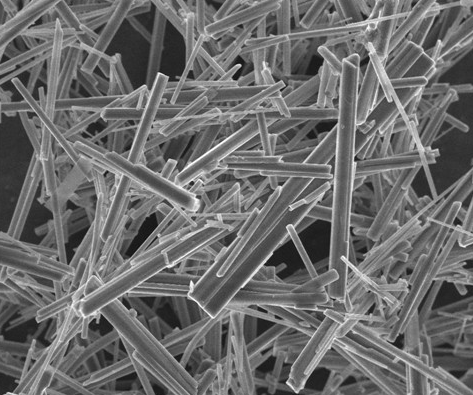
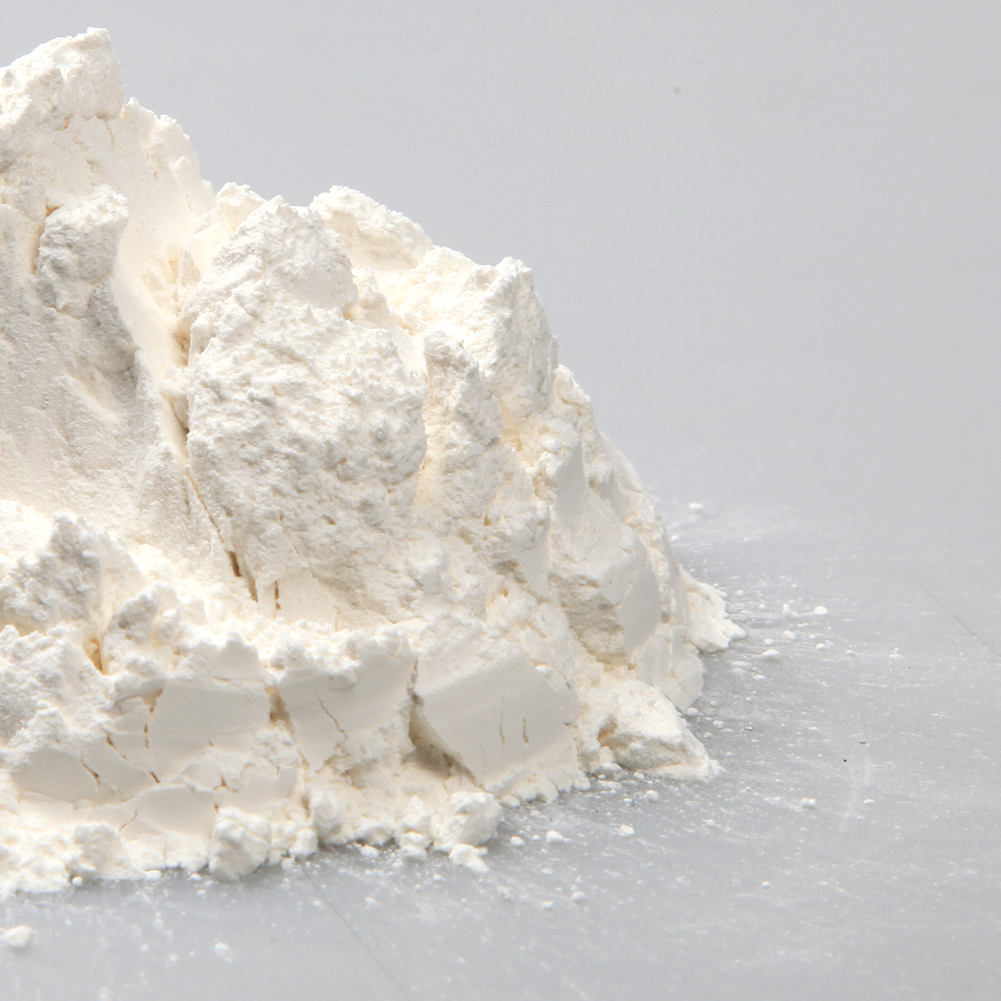
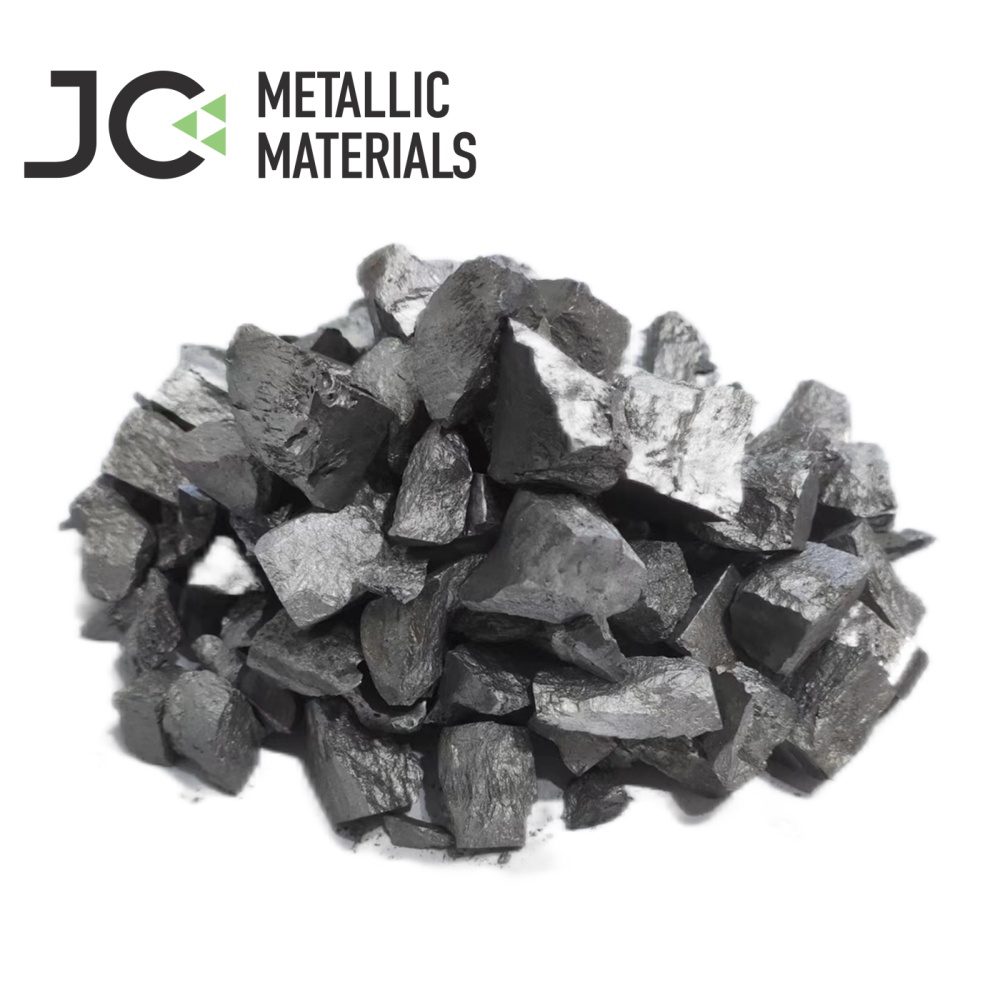
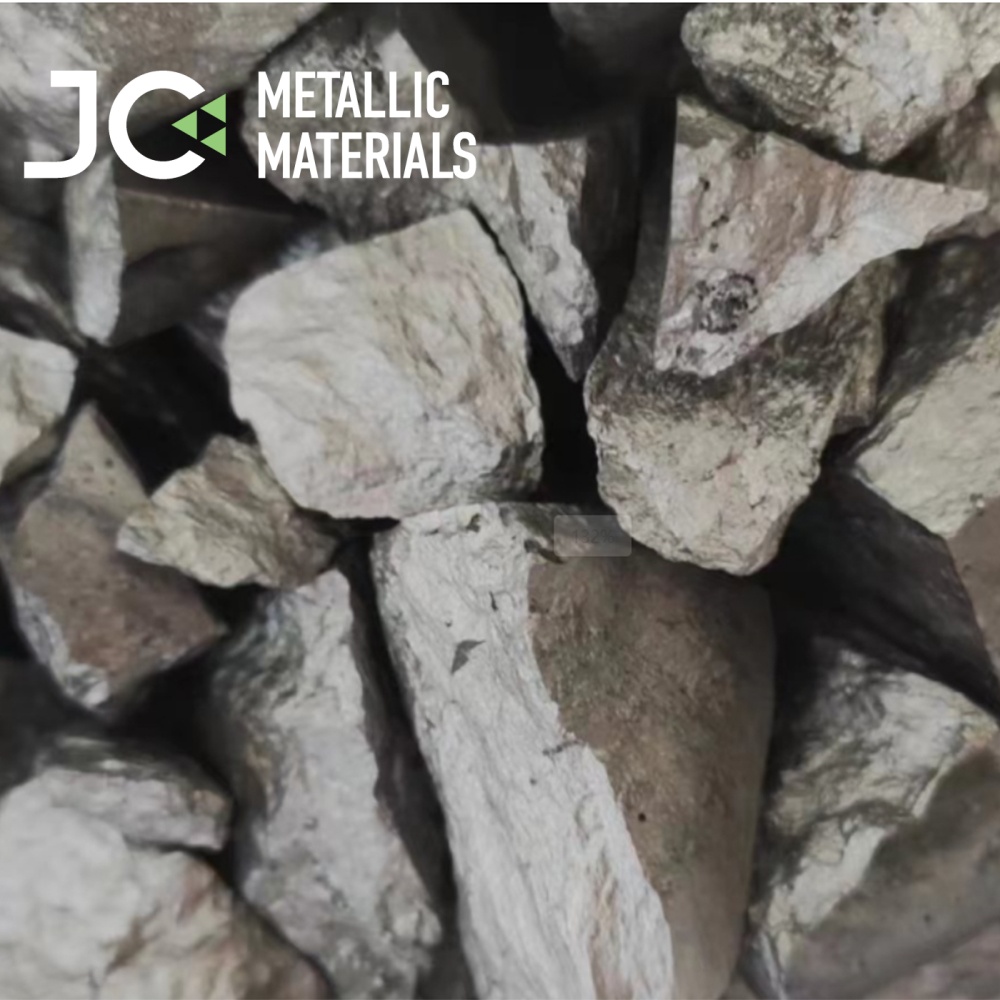
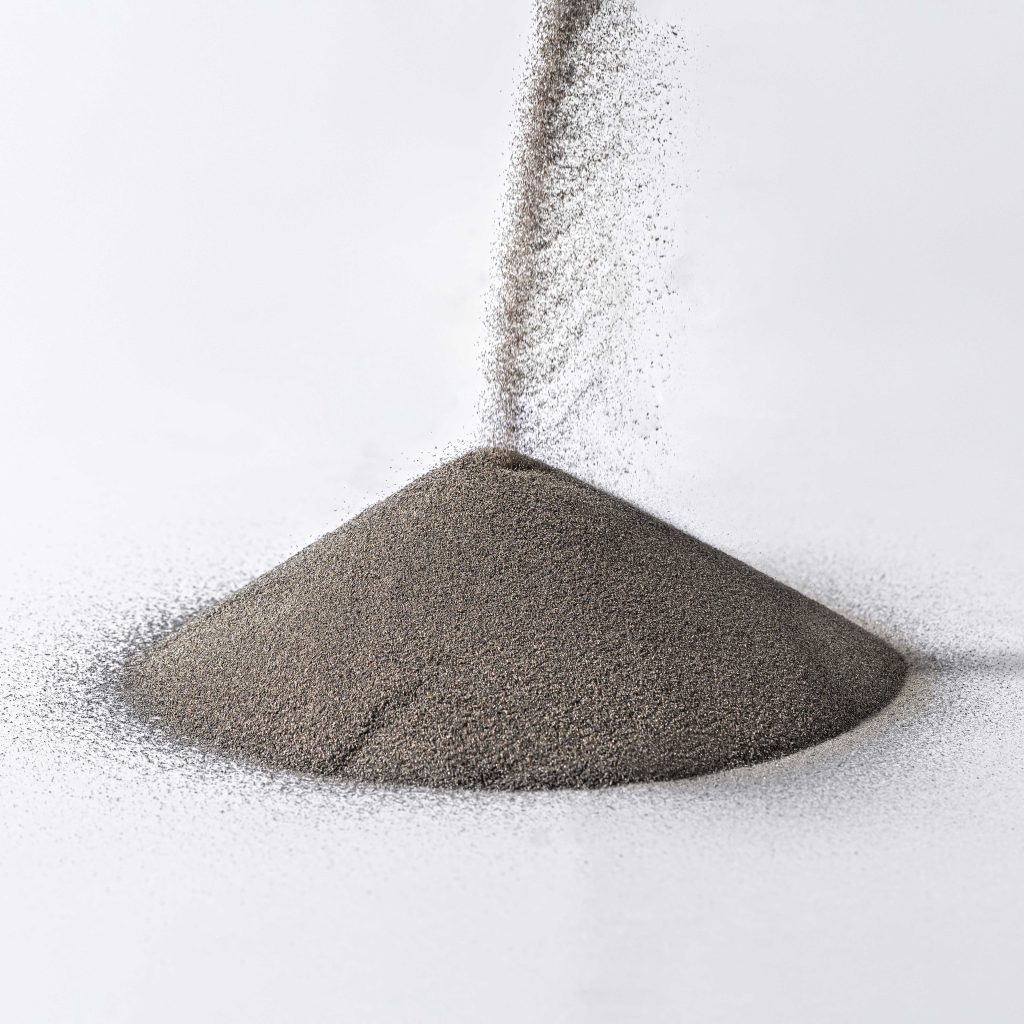
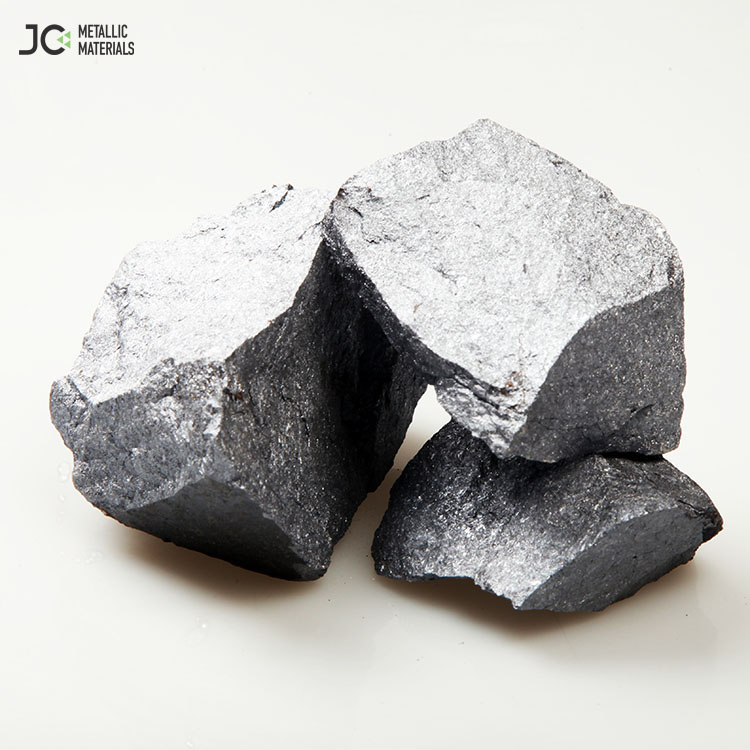
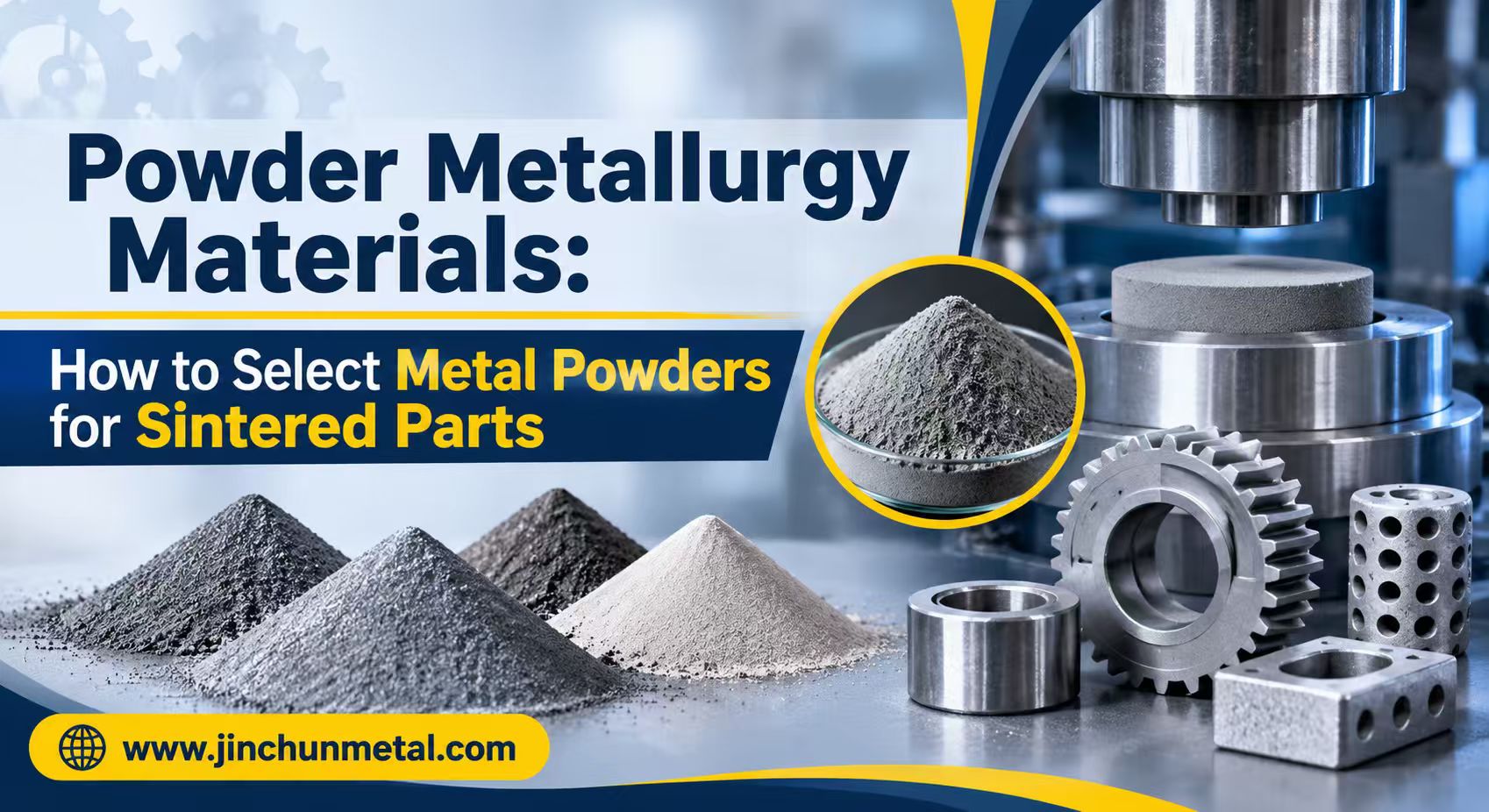
As an engineer, you understand how important material selection is when manufacturing high-quality sintered components. Choosing the wrong metal powder can affect the strength, dimensional accuracy, durability, and overall performance of your finished parts. Finding a suitable material that meets your technical requirements while keeping production costs under control can be challenging.
This decision becomes even more important when manufacturing components for demanding industrial applications. Different metal powders offer different mechanical properties, processing characteristics, and resistance to environmental conditions.
Selecting the right powder metallurgy materials helps manufacturers achieve consistent component quality and improve production efficiency. To make this process easier, we will discuss the essential factors to consider when selecting metal powders for sintered parts.
Understanding Powder Metallurgy Materials
Powder metallurgy is a manufacturing process that uses fine metal powders to produce solid components through compaction and sintering. The selected metal powder is placed into a precision die and compressed under high pressure to create a specific shape. The compacted component is then heated in a controlled furnace below its melting point, allowing the particles to bond together.
For a deeper understanding of conventional powder metallurgy and the press-and-sinter manufacturing process, you can explore this technical resource: Conventional Powder Metallurgy Process
Different metal powders are used depending on the required properties and intended applications. Common materials include iron, stainless steel, copper, bronze, and alloy powders. Each offers different characteristics, such as mechanical strength, corrosion resistance, conductivity, and wear resistance.
Common Metal Powders Used for Sintered Parts
- Iron Powder: Commonly used for automotive gears, structural components, and industrial machinery parts because of its good compressibility and strength.
- Stainless Steel Powder:Suitable for applications requiring corrosion resistance, durability, and reliable mechanical performance.
- Copper Powder: Offers excellent electrical and thermal conductivity, making it suitable for electrical contacts and conductive components.
- Bronze Powder: Provides good wear resistance and is frequently used in bearings and bushings.
- Steel Alloy Powder: Contains additional alloying elements to improve strength, hardness, and other mechanical properties.
You can explore our range of diamond tools and powder metallurgy metal materials to find different metal powders used in specialized manufacturing applications.
5 Key Factors to Consider When Selecting Metal Powders for Sintered Parts
Selecting suitable powder metallurgy materials requires evaluating several technical characteristics.
To explore different metallic materials for industrial manufacturing requirements, you can visit our metal powder products page and learn more about our available powder solutions.
The five important factors to consider include:
- Material properties and composition
- Particle size and distribution
- Compressibility and flowability
- Sintering characteristics
- Application requirements and cost
1. Material Properties and Composition
The mechanical and chemical properties of metal powders directly influence the performance of finished sintered components. Therefore, engineers should first identify the strength, hardness, wear resistance, and corrosion resistance required for their applications.
Different materials offer different advantages. Iron-based powders are commonly used for structural components, while stainless steel powders are preferred when corrosion resistance is important. Copper and bronze powders are suitable for applications requiring conductivity or improved sliding and wear characteristics.
When evaluating material properties, consider the following:
- Tensile Strength:Determines the amount of pulling force a component can withstand before failure.
- Hardness: Measures resistance to indentation, deformation, and surface wear.
- Wear Resistance: Helps determine how well components perform under continuous friction.
- Corrosion Resistance:Indicates the material’s ability to withstand moisture and chemical exposure.
- Chemical Composition: Ensures that alloying elements and impurity levels meet the required material specifications.
Choosing a powder with the appropriate composition helps achieve the desired mechanical performance without unnecessary material costs.
2. Particle Size and Distribution
Particle size plays an important role in determining how metal powders behave during compaction and sintering. It influences powder packing, surface contact, flowability, and the density of finished components.
Fine powders generally provide a larger surface area, which can support particle bonding during sintering. However, excessively fine particles may have poor flow characteristics, making die filling more difficult. Coarser powders typically offer better flowability but may produce different packing and surface characteristics.
Several characteristics should be evaluated:
- Particle Size:The average particle size should match the component design and manufacturing process.
- Particle Distribution: A controlled size distribution helps achieve consistent powder packing.
- Particle Shape: Spherical, irregular, and other particle shapes influence flowability and compressibility.
- Surface Characteristics: Particle surface conditions can affect bonding during the sintering process.
Manufacturers should request particle size distribution data from their powder suppliers to ensure consistent material quality across production batches.
3. Compressibility and Flowability
Compressibility and flowability are two important characteristics that influence the performance of metal powders during manufacturing.
Compressibility refers to the ability of powder to become denser when pressure is applied inside a compaction die. Suitable compressibility helps manufacturers achieve the required green density and dimensional consistency.
Flowability determines how easily metal powder moves and fills the die cavity. Poor flowability can create uneven powder distribution, resulting in density variations and inconsistent component dimensions.
To understand how powder characteristics influence compaction, density, and green strength, you can refer to this technical handbook: Material and Powder Properties
When evaluating these properties, manufacturers should consider:
- Apparent Density: Measures the mass of loose powder occupying a specific volume.
- Green Density: Indicates the density achieved after powder compaction.
- Green Strength: Determines whether compacted parts can withstand handling before sintering.
- Flow Rate: Measures how efficiently powder passes through a standardized testing funnel.
- Compaction Pressure: Determines the pressure required to achieve the desired density.
Selecting powders with suitable compressibility and flowability helps reduce manufacturing defects and supports consistent production quality.
4. Sintering Characteristics and Temperature Compatibility
Different powder metallurgy materials require specific sintering conditions to achieve the desired mechanical and physical properties. Temperature, heating time, and furnace atmosphere influence particle bonding, material density, and final component performance.
For example, iron-based powders are commonly processed in controlled furnace atmospheres to prevent oxidation and support effective particle bonding. Stainless steel powders may require carefully controlled atmospheres to maintain corrosion-resistant properties.
Some important factors to evaluate include:
- Sintering Temperature: The temperature must support effective bonding without causing unwanted melting or deformation.
- Heating Time:Adequate heating time helps develop the required metallurgical bonds between particles.
- Furnace Atmosphere:Controlled atmospheres help minimize oxidation and unwanted chemical reactions.
- Cooling Conditions:Cooling rates can influence the final microstructure and mechanical properties.
Manufacturers should ensure that the selected metal powder is compatible with their available sintering equipment and production conditions. This helps maintain consistent quality while avoiding unnecessary processing adjustments.
5. Application Requirements and Material Cost
The final factor is matching the selected metal powder with the component’s operating environment and overall production budget. A material that performs well in one application may not provide the same results in another.
For example, automotive transmission components may require high strength and wear resistance, while electrical contacts need suitable conductivity. Similarly, industrial bearings may require materials with appropriate friction and wear characteristics.
Consider these requirements before making a final decision:
- Operating Conditions:Evaluate mechanical loads, friction, temperature, and environmental exposure.
- Production Volume: Confirm that the selected powder is suitable for the required manufacturing quantity.
- Material Availability:Check whether the supplier can provide consistent powder grades and quantities.
- Processing Costs: Consider compaction, sintering, machining, and finishing expenses.
- Long-Term Performance:Evaluate component durability and maintenance requirements.
Comparing the total manufacturing cost rather than only the initial powder price helps manufacturers make more practical purchasing decisions.
Final Thoughts
Choosing suitable metal powders requires careful evaluation of material composition, particle characteristics, compressibility, sintering conditions, and application requirements. By considering these factors, manufacturers can improve component performance, reduce production defects, and maintain consistent manufacturing quality.
Working with an experienced metal powder supplier can also simplify material selection and help identify suitable solutions for different industrial applications.
Contact Chengdu Jinchun Metallic Materials Co., Ltd. today to discuss your material requirements and explore suitable metal powder solutions for your manufacturing projects.
https://www.jinchunmetal.com/?s=Powder+Metallurgy+Materials