 English
  French
  Japanese
  Korean
  Spanish
  Vietnamese
  Thai
Thai  Portuguese
  German


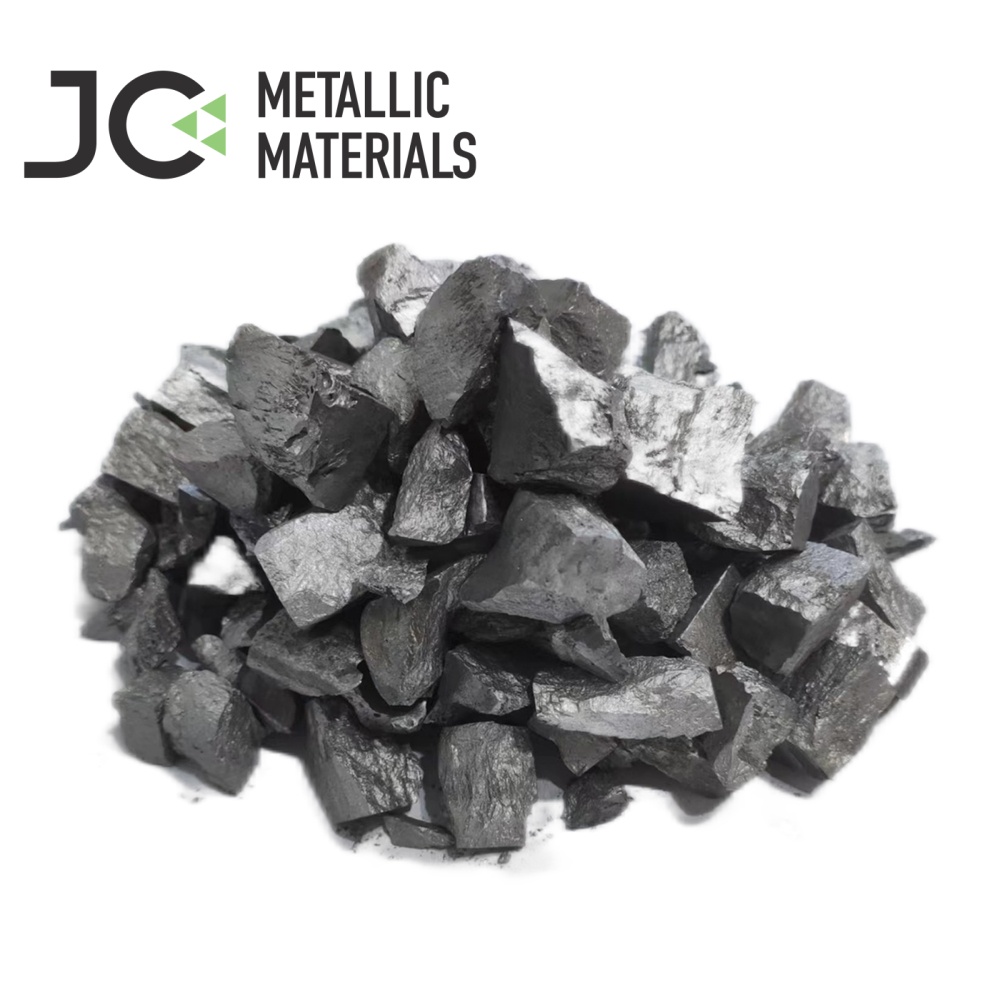
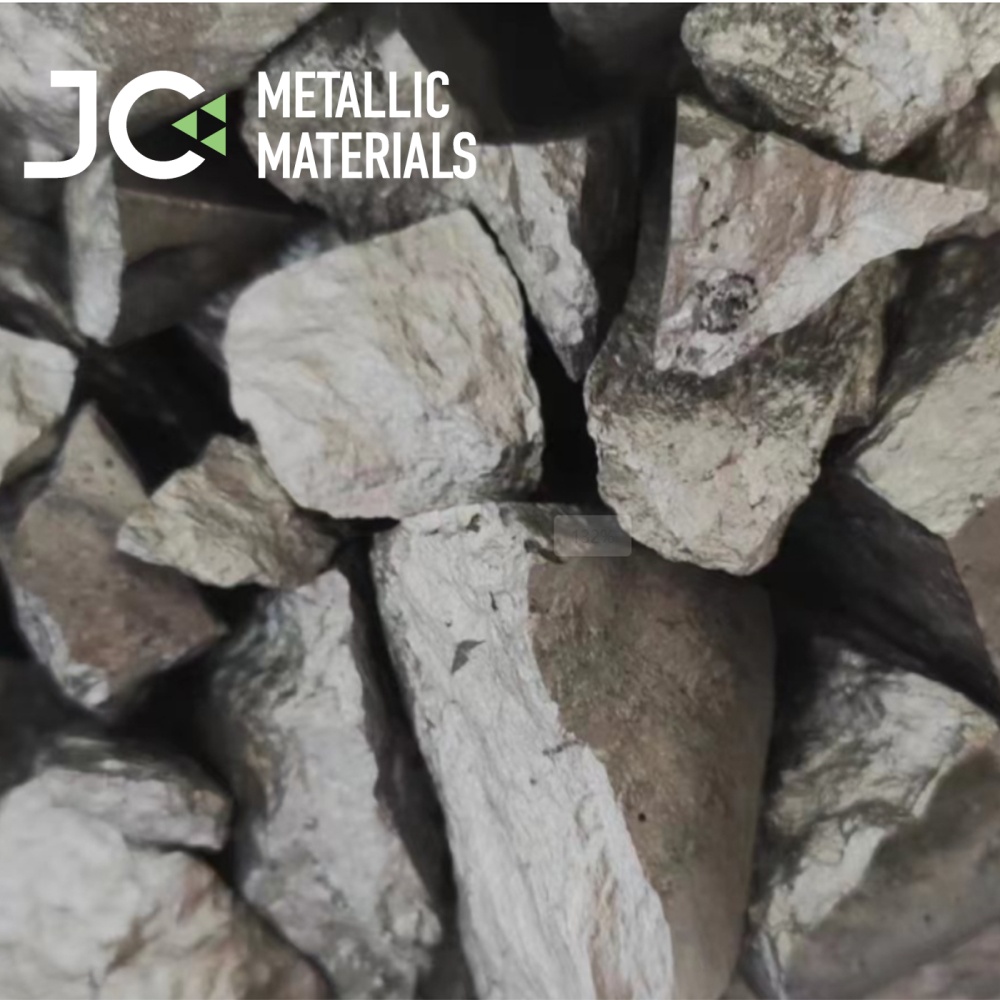
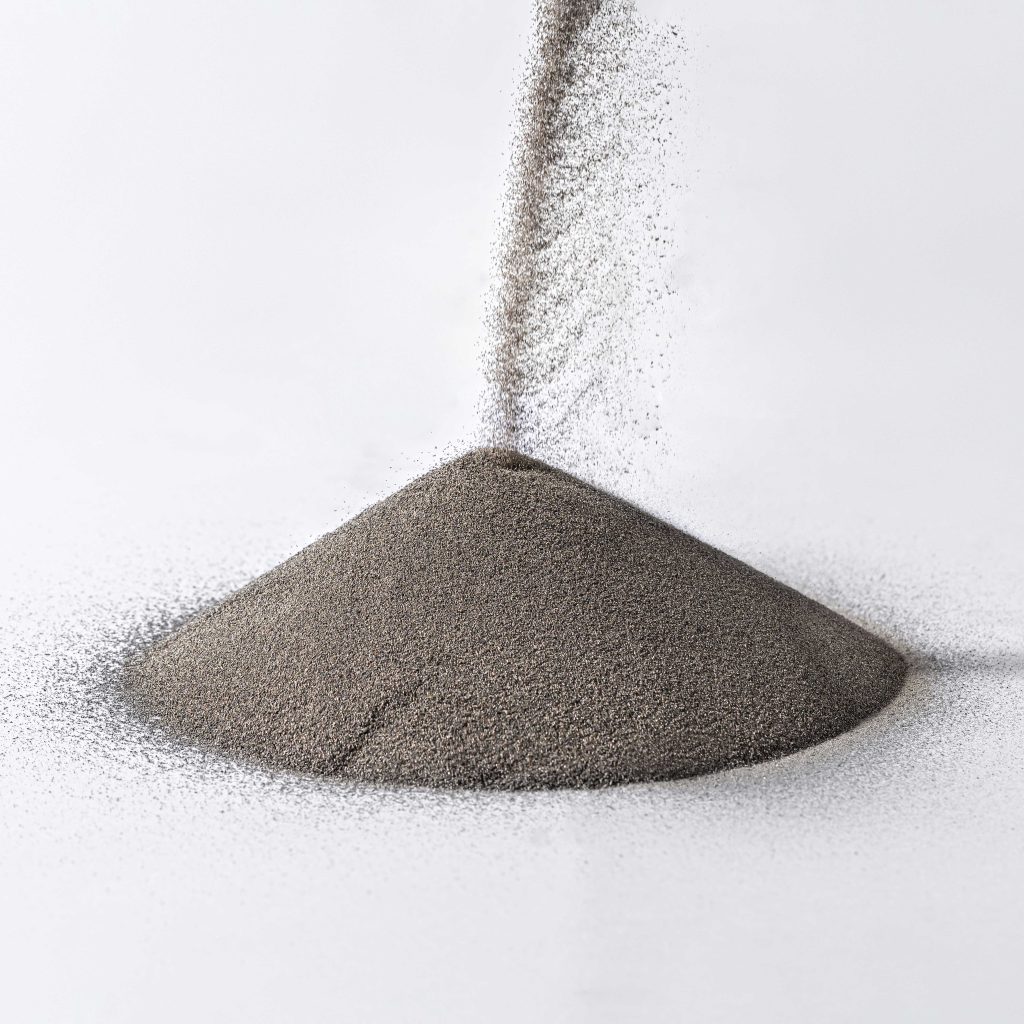
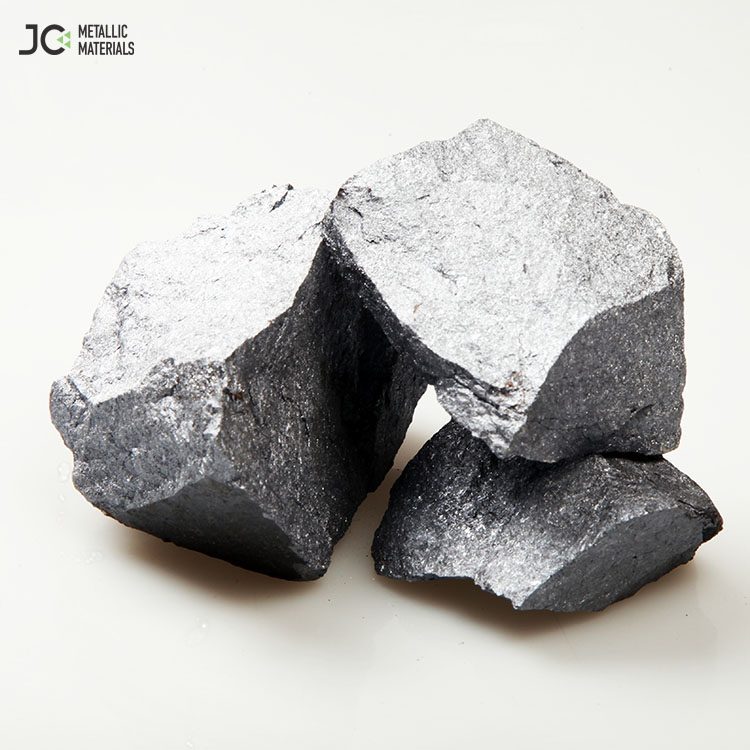
Choosing the right chromium alloy requires understanding industrial needs. Chromium metal alloy supports industries needing strong and durable materials. It provides excellent corrosion resistance in harsh environments. The alloy delivers high thermal stability under extreme heat. Importing gives buyers access to higher-purity materials easily. Global suppliers offer specialized grades for specific applications. Correct sourcing ensures consistent production and long-term reliability.

In today’s blog, our team will explore the chromium alloy types, its applications and buyers-specific recommendations. After reading our blog, you can confidently choose the powder that suits best for your industrial needs. This guide is designed to support informed sourcing decisions for importers, manufacturers, and distributors.
What is a Chromium Alloy?
Chromium alloy combines chromium with several strengthening elements. The alloy is widely used in aerospace engineering. Automotive industries depend on its reliable heat stability. Chemical processing equipment benefits from strong protective qualities. Metal tooling requires its hardness and long-lasting performance. Its wear resistance supports demanding industrial applications worldwide.
Step-by-Step Guide Before Importing of Chromium Metal Alloy
Before going further, you need to know exactly about its types. So, first we will identify the key types of those chromium metal alloys.
Step 1: Identify Your Chromium Alloy Requirements
Define your alloy needs with clear technical details. Choose grade and purity carefully. Select powder, ingot, or block forms. Confirm grain size and packaging requirements. Verify all important industrial certifications.
Learn More: Green vs Black Silicon Carbide Powder: Which Material is Right For You?
Step 2: Types of Chromium Metal Alloy
(a) High-Chromium Metal Alloy
High-chromium metal alloy contains elevated chromium levels for strong protection. It resists corrosion effectively in harsh environments. The alloy delivers stable oxidation control under heat. Industries depend on its long-lasting durability.
(b) Chromium-Molybdenum Alloy
Chromium-molybdenum alloy provides high strength for demanding projects. It handles elevated temperatures with stable performance. The alloy supports pressure vessels safely and efficiently. Power-generation systems benefit from its dependable structure.
(c) Chromium-Carbide Alloy
Chromium-carbide alloy offers exceptional hardness for tough conditions. It provides strong wear resistance in abrasive environments. The alloy is ideal for coating systems. Many industries use it for long-lasting components.
(d) Nickel-Chromium Metal Alloy
Nickel-chromium alloy delivers exceptional heat stability consistently. It maintains oxidation resistance at very high temperatures. Furnace parts rely on its durable structure. Heating elements perform reliably using this strong alloy.
Step 3: Find Reliable Global Suppliers
Search trusted B2B platforms for verified suppliers. Review profiles on leading global websites. Check company history and certifications. Study catalog details closely. Choose suppliers with strong customer feedback.
Step 4: Request and Compare Quotations
Send detailed RFQs to selected suppliers. Include grade and purity information. Add packaging and delivery port details. Compare prices and MOQs carefully. Review lead times and shipping costs.
Step 5: Check Supplier Certifications
Request essential compliance documents from suppliers. Verify ISO and SGS certificates. Confirm RoHS and REACH compliance. Review MSDS safety requirements carefully. Approve suppliers meeting strict quality standards.
Step 6: Evaluate Product Samples
Test samples for hardness and purity. Measure grain size accurately. Compare results with lab reports. Approve samples meeting technical expectations. Proceed only when quality matches requirements.
Check More: Bronzing Powder: Manufacturing Process, Types, Applications and Buying Guide
Step 7: Finalize Contract and Purchase Order
Confirm all pricing and production terms. Agree on shipping and payment conditions. Review packaging standards carefully. Ensure both sides understand responsibilities. Finalize the contract without missing details.
Step 7: Arrange International Shipping
Select shipping method based on urgency. Choose sea freight for low cost. Use air freight for faster delivery. Prepare invoice and packing list. Include origin certificate and MSDS.
Step 8: Complete Customs Clearance
Submit correct documents for smooth clearance. Use accurate HS code always. Check duty rates for your region. Ensure paperwork is error-free. Avoid delays with timely submissions.
Step 9: Receive and Inspect the Shipment
Inspect shipment immediately after arrival. Check weight and packaging condition. Test purity and material reliability. Report issues within forty-eight hours. Keep documentation for future claims.
Key Characteristics of Chromium Alloy
Chromium alloy is known for its exceptional hardness, corrosion resistance, and high-temperature stability. The addition of chromium significantly improves wear resistance and extends the service life of industrial components.
- Offers excellent corrosion resistance in harsh industrial operating conditions.
- Delivers high hardness suitable for demanding wear-intensive applications.
- Provides strong thermal stability under elevated temperature manufacturing environments.
- Ensures long service life for critical engineered metal components.
Pros and Cons of Chromium Metal Alloy
Pros
- Offers strong corrosion resistance in demanding industrial environments.
- Delivers high durability under continuous mechanical stress.
- Provides excellent heat stability during high-temperature operations.
- Maintains strong wear resistance over long service periods.
- Supports extended component life in harsh working conditions.
Cons
- Costs more compared to some standard industrial metals.
- Requires specialized equipment for accurate machining processes.
- May present supply fluctuations in global metal markets.
- Needs careful handling due to hardness and brittleness.
Check More: Top 7 Chromium Nitride Powder Manufacturers in USA
Key Uses of Chromium Metal Alloy
Chromium alloy is widely valued for its corrosion resistance, high strength, and durability in demanding industrial environments. It plays a critical role in improving performance and longevity across multiple manufacturing sectors.
- Stainless and specialty steel production
- Aerospace and automotive components
- Industrial machinery and tooling
- Chemical processing and energy industries
Final Thoughts
Chengdu Jinchun Metallic Materials Co., Ltd. supplies high-quality chromium metal alloys to global B2B buyers. Careful supplier selection ensures consistent and reliable material quality. Buyers must verify certifications before confirming bulk orders. Following structured import steps reduces delays and sourcing risks. With smart planning, chromium metal alloy becomes a dependable industrial solution.
Most Asked Questions
Q1: What is chromium alloy used for?
Answer: Chromium metal alloy is widely used for its high strength and durability. It provides excellent corrosion resistance and heat tolerance for various applications. Industries like automotive, aerospace, and heavy machinery rely on it globally.
Q2: How do I choose the right chromium metal alloy grade?
Answer: Select a grade by considering mechanical strength, corrosion resistance, and temperature tolerance. Ensure it meets your industrial application requirements and long-term operational efficiency for production and manufacturing processes.
Q3: Can chromium metal alloy be imported in different forms?
Answer: Yes, chromium metal alloy is available in powder, ingot, block, or sheet forms, providing flexibility to meet diverse manufacturing needs and specialized production processes across multiple industrial sectors.
Q4: What certifications are necessary for importing chromium metal alloy?
Answer: Ensure the supplier provides ISO 9001, RoHS, REACH, and MSDS certificates. These documents guarantee product quality, regulatory compliance, and hassle-free customs clearance for international B2B chromium metal alloy imports.
Q5: How can I verify chromium metal alloy quality before bulk purchasing?
Answer: Request product samples and perform tests for hardness, purity, and grain uniformity. Compare results with supplier reports to ensure consistent performance and reliability for industrial applications.