 English
  French
  Japanese
  Korean
  Spanish
  Vietnamese
  Thai
Thai  Portuguese
  German
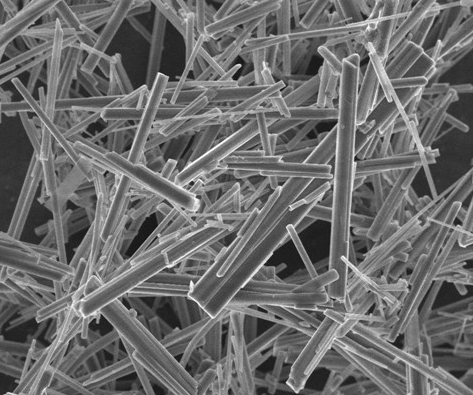
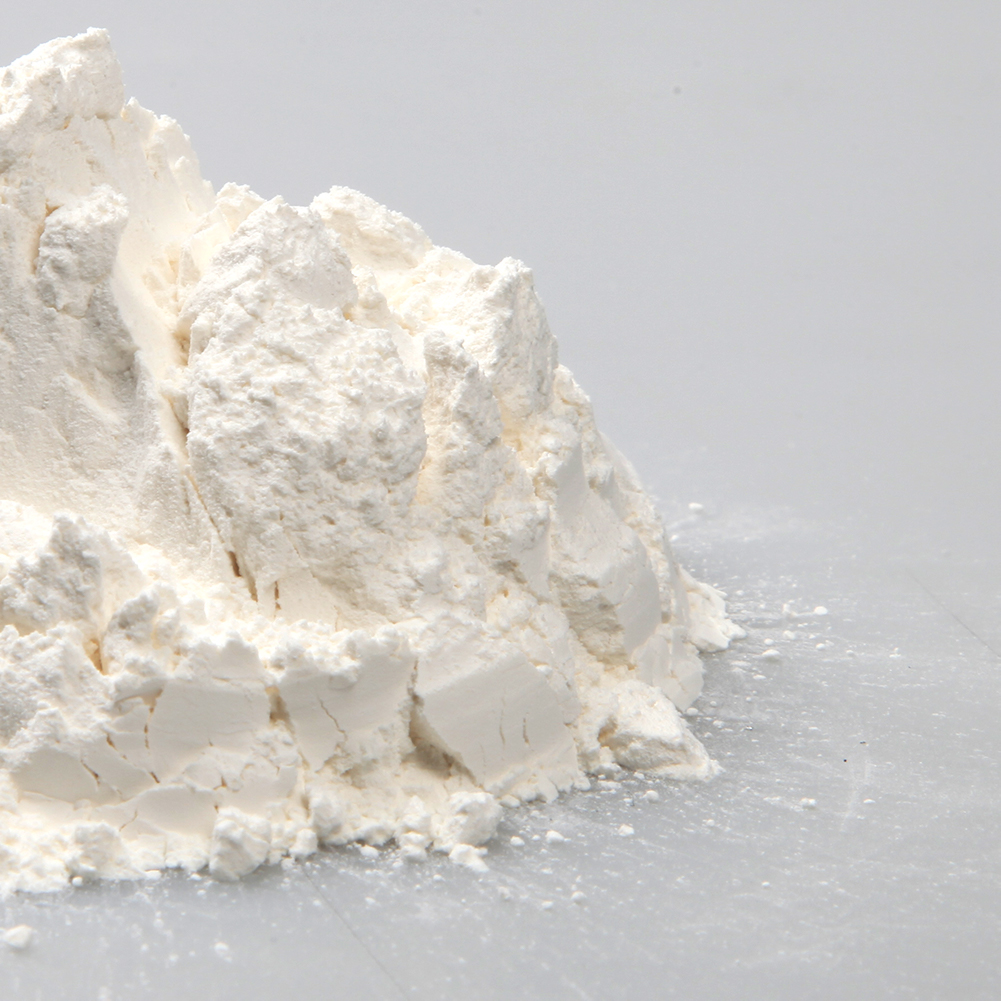
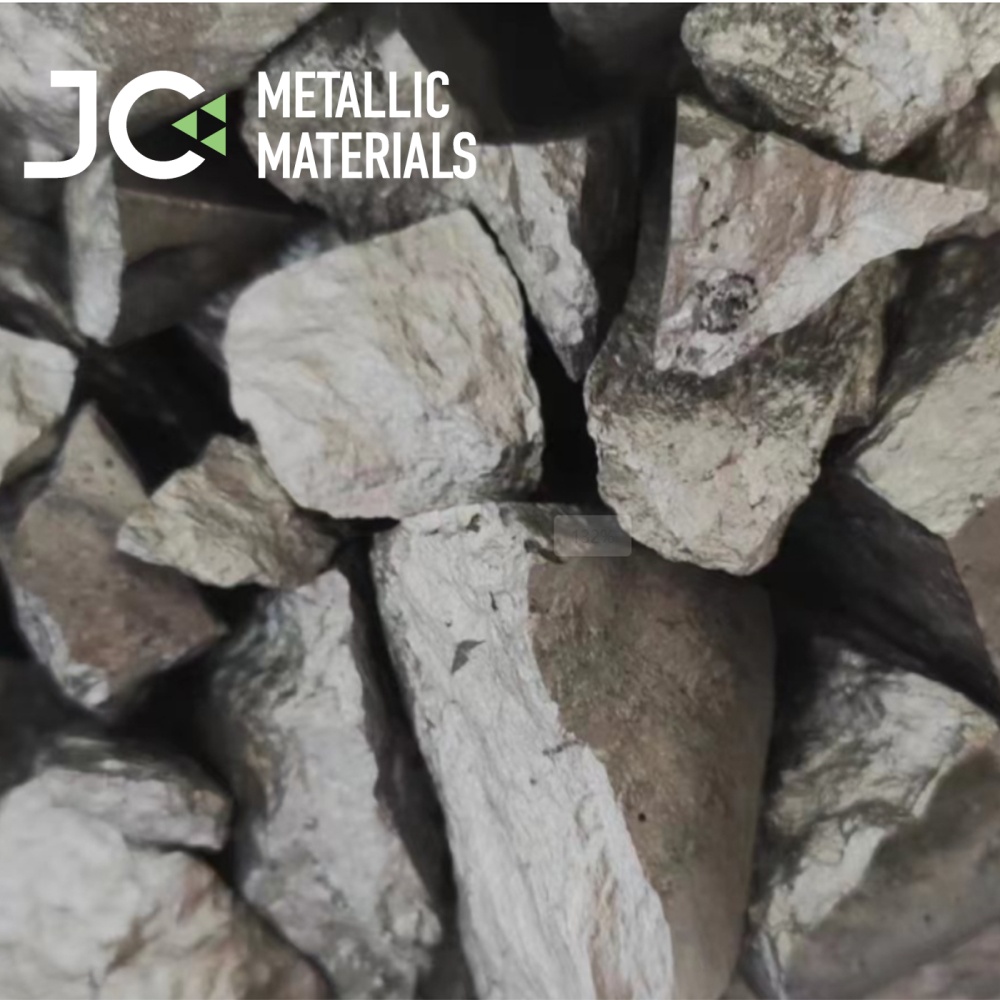
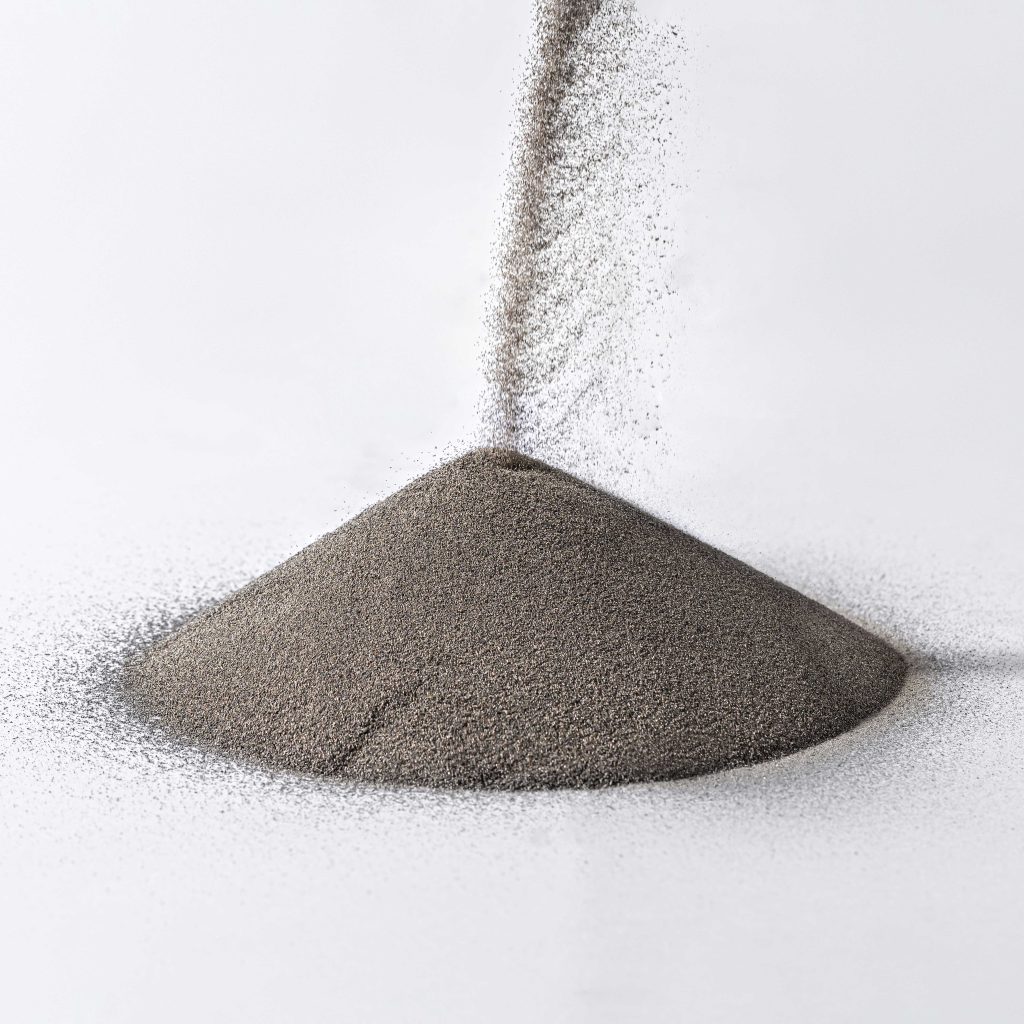
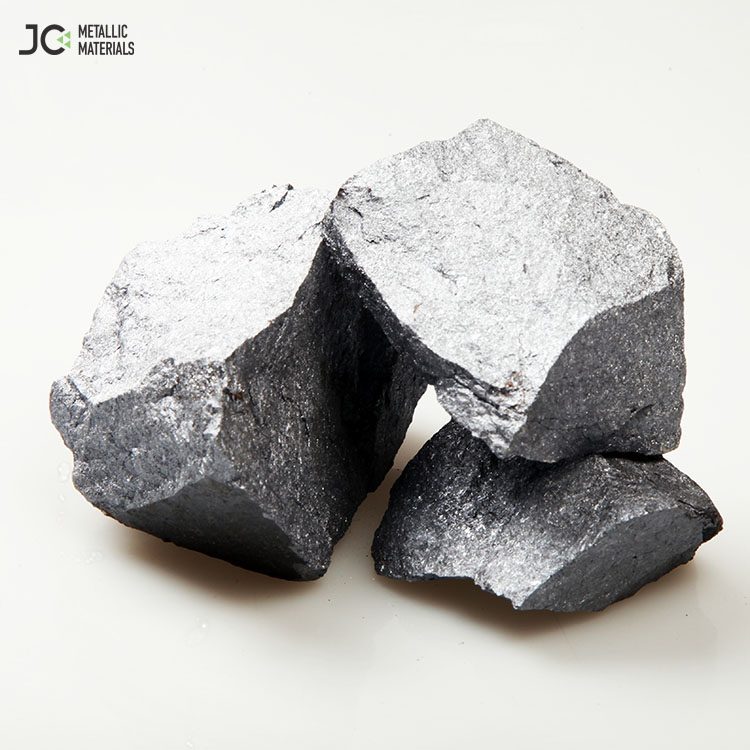
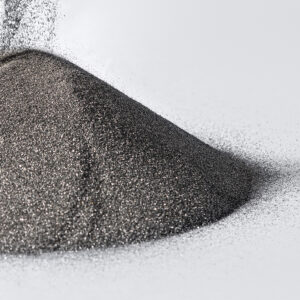
Thermal spray powders are essential for industrial coatings. They improve surface strength and durability. These powders resist wear, corrosion, and high temperatures. Many industries depend on them. Proper selection ensures better performance and long-term efficiency.
Importing these powders needs careful planning. Businesses must follow quality standards and regulations. Product certification is very important. Choosing a reliable supplier reduces risks. It also ensures consistent product quality.
Today, we will explore choosing the right supplier and verifying product quality. We will also cover advanced testing methods and proper storage. This will guide businesses to make informed decisions, avoid common mistakes, and ensure that thermal spray powders deliver maximum performance in industrial applications.
Why Are Manufacturers and Distributors Looking for Thermal Spray Powder?
Manufacturers and distributors increasingly rely on thermal spray powder for durable coatings. It improves performance, protects components, and supports industrial efficiency. Growing demand across sectors makes it essential for consistent quality and long-term operational success.
- High Demand in Industrial Applications:Used widely in aerospace, automotive, and heavy machinery sectors.
- Improved Product Durability:Enhances resistance to wear, heat, and corrosion.
- Cost-Effective Maintenance Solution:Reduces repair and replacement frequency.
- Consistent Quality and Performance: Provides uniform coating results across applications.
- Growing Global Market Demand:Increasing use in advanced manufacturing industries.
What is Thermal Spray Powder?
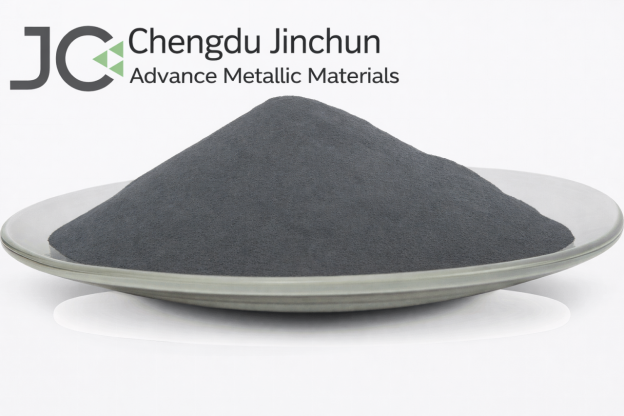
Thermal spray powder is a fine material used in coating processes. It is applied to surfaces using high-temperature spraying methods. These powders enhance durability, protect against corrosion, and improve resistance to wear in industrial applications.
Spray thermal powders include metals, ceramics, and cermets. Each type offers unique properties for different uses. They are widely used in aerospace, automotive, and heavy machinery industries.
These powders improve surface performance and extend component life. They are essential for achieving reliable, high-quality industrial coatings.
Types of Thermal spray Powder
Thermal spray powders vary in composition and properties, each designed to meet specific industrial coating needs for durability, heat resistance, and performance.
1: Metallic Powders
Metallic powders offer excellent wear and corrosion resistance, making them suitable for harsh environments. Common types include nickel, cobalt, and tungsten alloys, ideal for high-temperature applications in industrial machinery.
2: Ceramic Powders
Ceramic powders provide exceptional hardness and thermal insulation. Popular examples include alumina, zirconia, and chromium oxide. They are widely used in heavy machinery and industrial equipment for long-lasting protective coatings.
3: Cermet Powders
Cermet powders combine ceramic and metal, offering both toughness and heat resistance. They are commonly applied in aerospace and automotive industries, ensuring durable, high-performance coatings for critical components.
Main Features of Thermal Spray Coatings
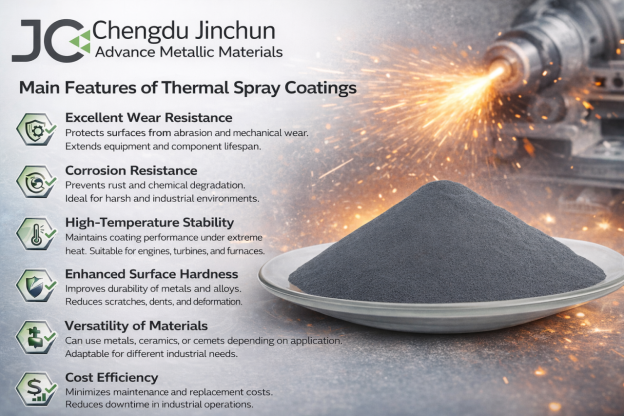
- Excellent Wear Resistance:Protects surfaces from abrasion and mechanical wear. Extends equipment and component lifespan.
- Corrosion Resistance:Prevents rust and chemical degradation. Ideal for harsh and industrial environments.
- High-Temperature Stability:Maintains coating performance under extreme heat. Suitable for engines, turbines, and furnaces.
- Enhanced Surface Hardness:Improves durability of metals and alloys. Reduces scratches, dents, and deformation.
- Versatility of Materials:Can use metals, ceramics, or cermets depending on application. Adaptable for different industrial needs.
- Cost Efficiency: Minimizes maintenance and replacement costs. Reduces downtime in
- industrial operations.
Thermal Spray Coating Processes
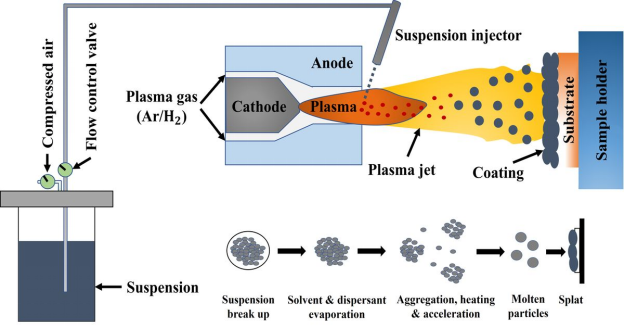
There are several thermal spray coating processes, each designed for specific applications. While they appear similar, they differ in key aspects, including:
- Heat Generation Method:Different processes use combustion, electric arcs, or plasma to melt the powder.
- Temperature and Gas Velocity:Each method produces unique heat levels and particle speeds, affecting coating quality.
- Compatible Coating Materials:Certain powders work better with specific processes, such as metals, ceramics, or cermets.
- Bonding Mechanism:The way the coating adheres to the surface varies, influencing durability and performance.
Understanding these differences helps businesses choose the right powders and processes for importing and industrial use.
Comparison Table of Thermal Spray Powders
To choose the right thermal spray powder, understanding differences in composition, properties, applications, and cost is essential. The following table highlights key comparisons.
| Powder Type | Composition | Key Features | Typical Applications |
| Metallic | Nickel, Cobalt | Corrosion & wear resistant | Aerospace, Automotive |
| Ceramic | Alumina, Zirconia | Hardness, thermal insulation | Machinery, Industrial tools |
| Cermet | Ceramic + Metal | Toughness + heat resistance | Aerospace, Automotive |
| Tungsten Carbide | WC + Co | Extremely hard, wear-resistant | Mining, Heavy machinery |
Step-by-Step Buying Guide: How to Import Thermal Spray Powder?
Importing thermal spray powder requires careful planning. Knowing the right type, supplier, regulations, and logistics ensures quality materials, timely delivery, and cost-effective industrial operations. Follow these steps for smooth import.
1: Determine Your Requirements
Identify the type of powder you need based on your application. Decide between metallic, ceramic, or cermet powders. Check particle size, composition, and quantity for short-term and long-term use.
2: Research Potential Suppliers
Look for certified and reputable suppliers with proven quality standards. Review their product catalogs, request technical datasheets, and verify industry certifications. Shortlist suppliers suitable for your needs.
3: Request Samples and Test Quality
Ask suppliers for small samples to test performance. Evaluate coating properties, adhesion, and particle consistency. Testing ensures the selected powder meets your industrial requirements before placing bulk orders.
4: Understand Import Regulations
Check local import laws for chemical powders. Ensure all necessary permits, licenses, and safety documents are prepared. Compliance avoids legal issues and prevents shipment delays at customs.
5: Negotiate Terms and Pricing
Discuss pricing, minimum order quantities, lead times, and payment terms with suppliers. Consider bulk orders for cost efficiency. Ensure all agreements are documented in contracts or purchase orders.
6: Arrange Shipping and Logistics
Choose the appropriate shipping method, air or sea freight, based on urgency and cost. Ensure safe packaging and reliable logistics partners. Track shipments until they reach your facility.
7: Customs Clearance
Prepare all invoices, certificates, and permits for customs. Pay applicable duties and taxes. Inspect documentation carefully to avoid delays or penalties during the clearance process.
8: Receive, Inspect, and Store
Upon arrival, verify the shipment for quality, quantity, and any damage. Test powders if required. Store materials in recommended conditions to maintain integrity for industrial use.
Latest Trends in Thermal Spray Materials
The industry is moving toward high-performance powders with superior wear and corrosion resistance. New formulations improve heat stability. Companies focus on lightweight coatings. Advanced powders support aerospace and automotive applications.
Demand for environmentally friendly options is increasing rapidly. Manufacturers are adopting cermet and nano-powders for enhanced performance. Customized powders meet specific industrial needs. Improved particle uniformity ensures consistent coatings.
Additive manufacturing integration is growing. Automation in spraying processes boosts efficiency. Research focuses on cost-effective, durable, and versatile powders for global markets.
Common Mistakes When Importing Thermal Spray Materials
Avoiding common mistakes during sourcing and importing thermal spray powder ensures better quality, reduces risks, and helps maintain smooth, efficient industrial operations consistently.
Ignoring Product Specifications
- Not checking particle size and composition properly.
- Leads to poor coating performance and quality issues.
Choosing Unreliable Suppliers
- Working with uncertified or unknown vendors.
- Increases risk of low-quality materials and delays.
Overlooking Import Regulations
- Ignoring legal requirements and documentation.
- Can cause shipment delays or penalties.
Poor Packaging and Handling
- Using improper packaging during shipping.
- Results in contamination or material damage.
Skipping Quality Testing
- Not testing samples before bulk purchase.
- May lead to performance failures in applications.
Improper Storage Conditions
- Exposing powders to moisture or contamination.
- Reduces shelf life and coating effectiveness.
Final Thoughts
Importing thermal spray powder needs a clear strategy. Choose certified suppliers only. Follow international quality standards. Test materials before bulk orders. Manage logistics carefully. This ensures consistent performance and reduces risks. It also improves efficiency and long-term reliability.
If you are searching for a reliable thermal spray powder supplier in China with proven quality standards and global export experience, Chengdu Jinchun Advance Metallic Materials offers the expertise you need.
We provide:
- Certified thermal spray powders (metallic, ceramic, cermet)
- Consistent particle quality and performance
- OEM & bulk supply for international buyers
- Fast global shipping and technical support
Explore our product range at our website and connect with our team to get a customized quotation based on your application requirements.
Start sourcing smarter today with a trusted partner that understands global B2B import needs, compliance standards, and industrial performance demands.
Most Asked Questions
Q1: Are thermal spray materials suitable for high temperatures?
Answer: Yes, thermal spray materials are designed for high-temperature applications. Ceramic and cermet powders perform well under heat. They maintain coating stability, protect surfaces, and ensure durability in extreme industrial environments.
Q2: Can thermal spray materials improve equipment lifespan?
Answer: Thermal spray materials significantly improves equipment lifespan by protecting surfaces from wear, corrosion, and heat damage. This reduces maintenance needs, prevents failures, and ensures long-term performance in demanding industrial applications.
Q3: What is the typical shelf life of thermal spray powder?
Answer: The shelf life of thermal spray powder depends on material type and storage conditions. Properly stored powders can last one to two years while maintaining quality, performance, and coating effectiveness.
Q4: What factors affect the quality of thermal spray materials?
Answer: Several factors affect powder quality, including particle size, chemical composition, purity, and production method. Consistent manufacturing ensures better coating performance, improved adhesion, and reliable results in industrial applications.
Q5: How do I ensure consistent supply for large projects?
Answer: To ensure consistent supply, businesses should partner with reliable suppliers, maintain strong communication, sign long-term agreements, and plan bulk orders to avoid delays and ensure uninterrupted operations.