
 English
  French
  Japanese
  Korean
  Spanish
  Vietnamese
  Thai
Thai  Portuguese
  German
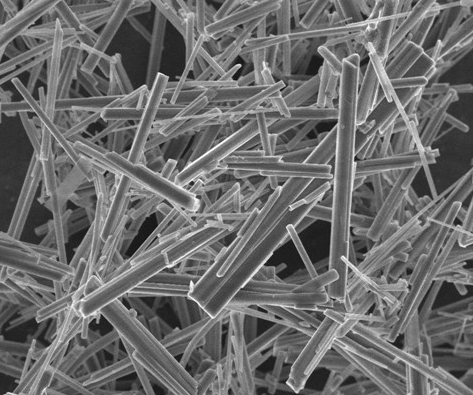
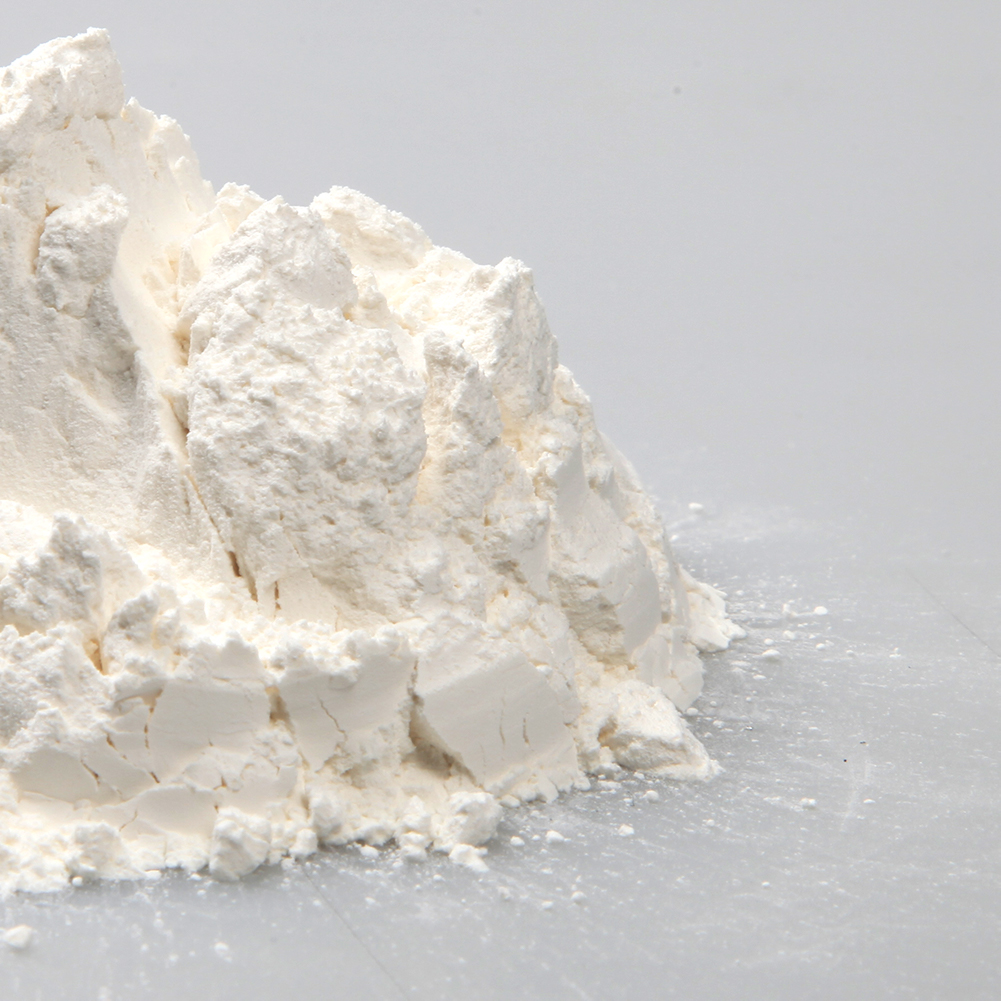
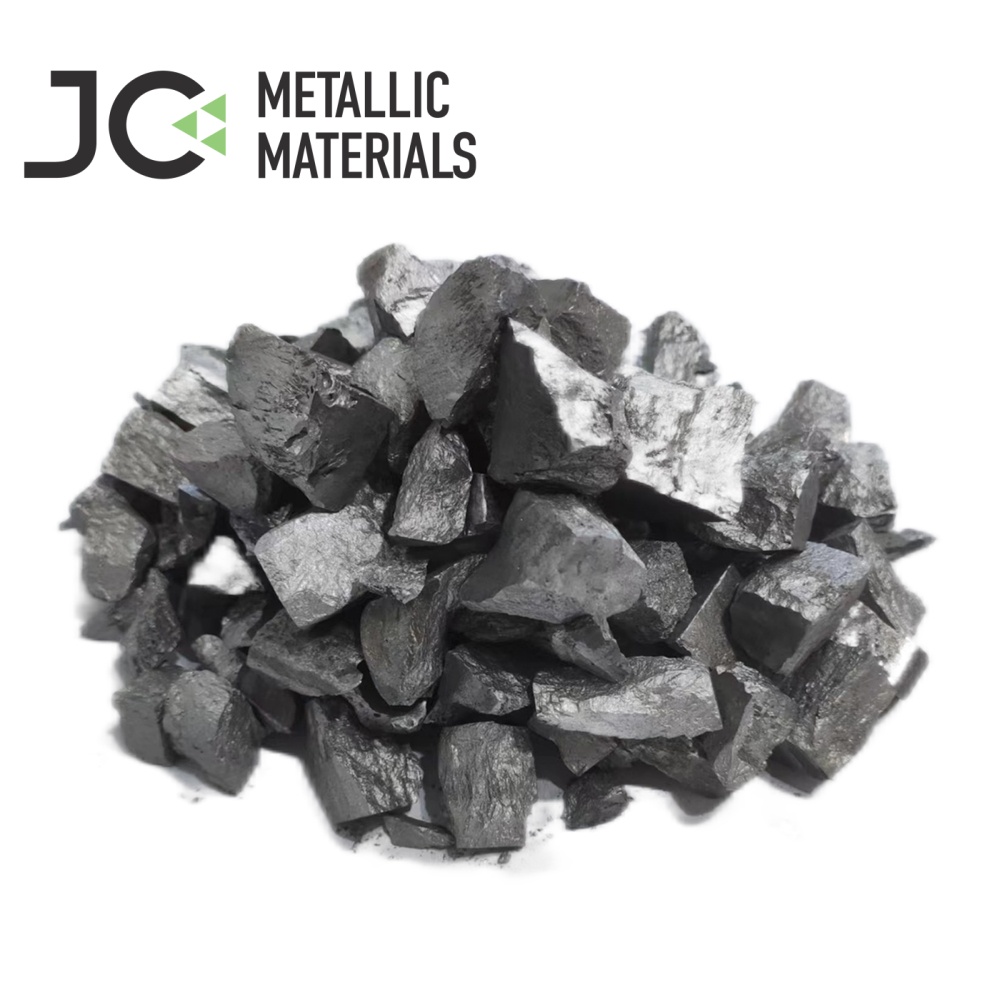
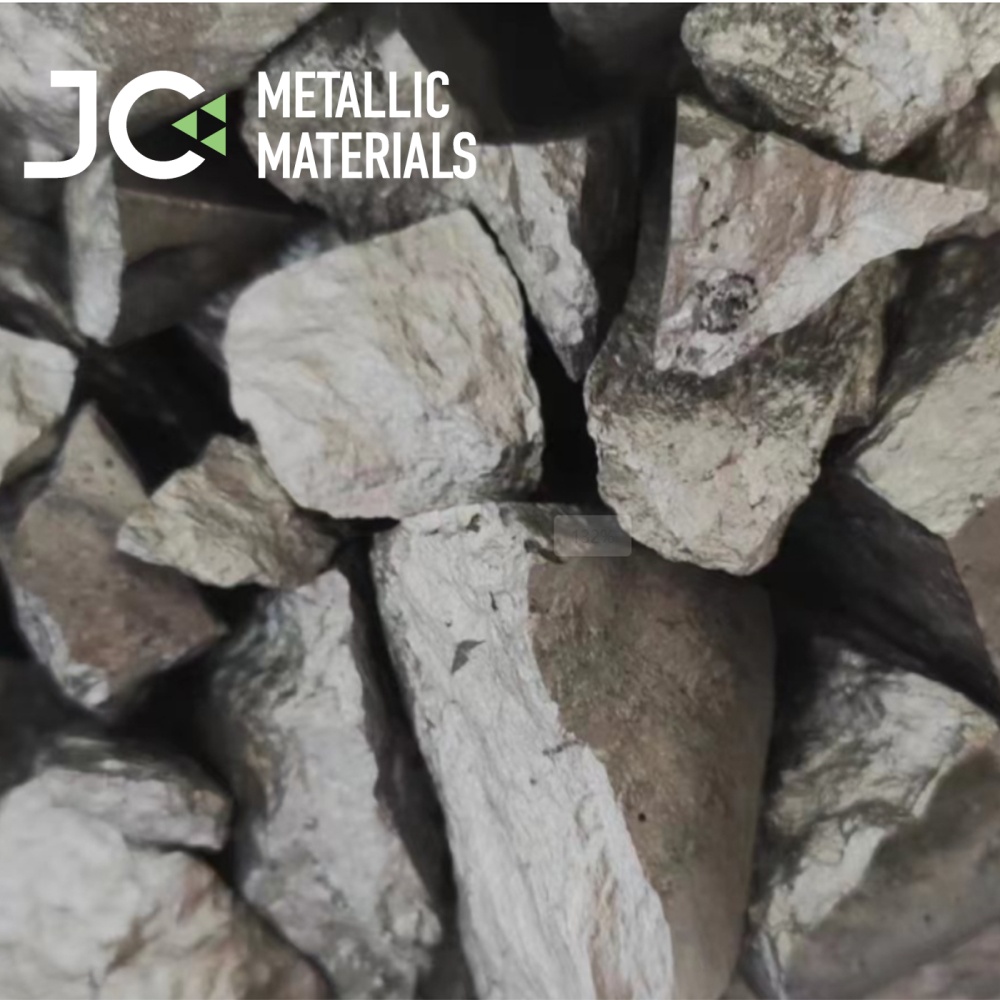
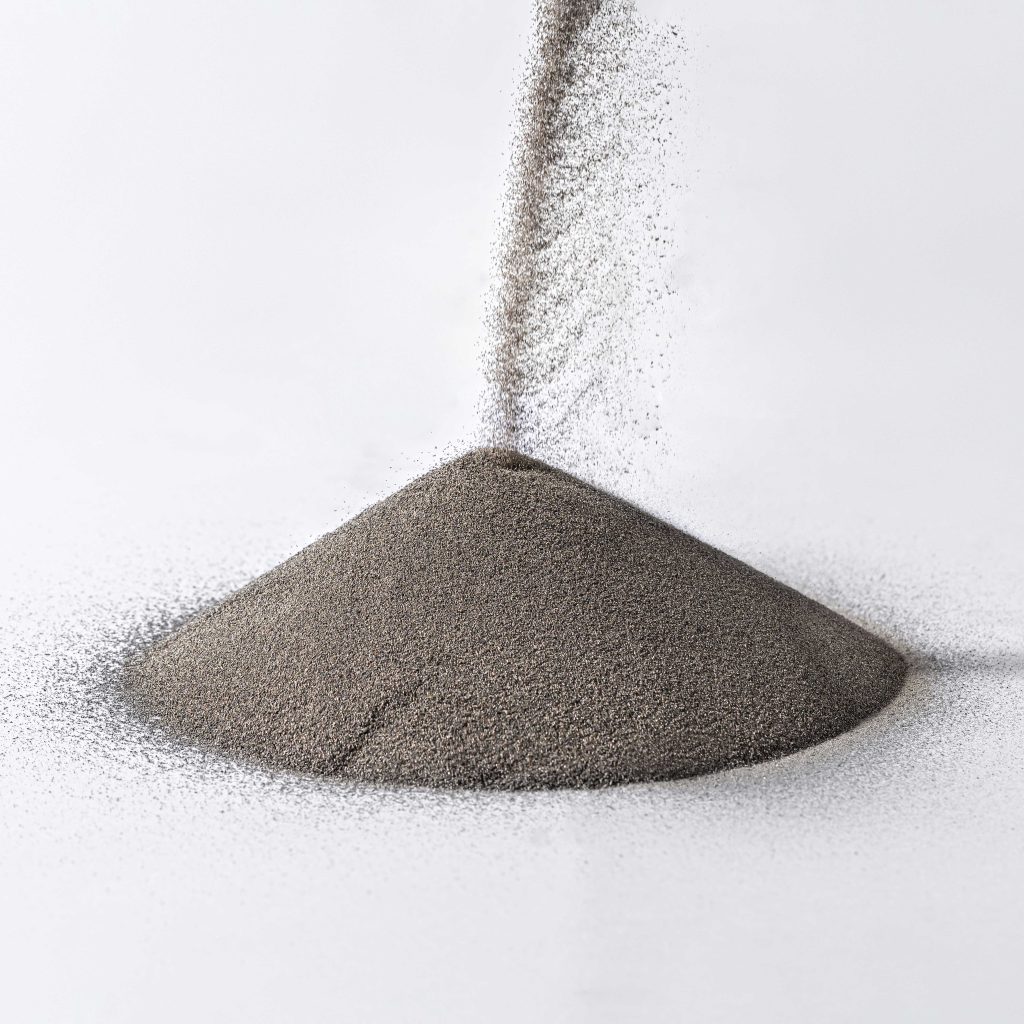
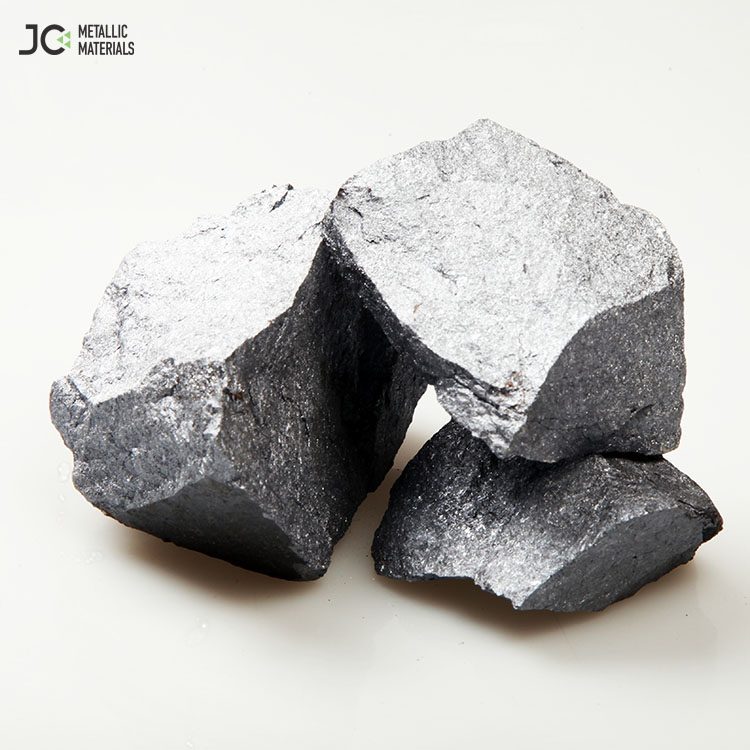
Tin metal powder is an important industrial material used in electronics, powder metallurgy, chemical processing, thermal spraying, and advanced manufacturing. Its excellent conductivity, corrosion resistance, and low melting point make it suitable for producing high-performance components across multiple industries.
As global manufacturing continues to evolve, businesses require tin powder with consistent particle size, high purity, and reliable production quality. Choosing the right material specification can improve manufacturing efficiency, product performance, and long-term operational stability.
This guide explains the production process, key properties, industrial applications, and practical sourcing considerations that help B2B buyers select the right tin metal powder supplier.
What Is Tin Metal Powder?
Tin metal powder is a finely processed metallic material manufactured from high-purity tin through specialized powder production technologies. It is available in different particle sizes, shapes, and purity levels to satisfy various industrial processing requirements.
Tin metal powder consists of microscopic tin particles produced using advanced manufacturing techniques such as gas atomization, water atomization, mechanical milling, electrolytic processing, or chemical reduction. Each production method creates different particle characteristics suitable for specific industrial applications.
High-quality tin powder offers stable chemical composition and excellent consistency between production batches, making it suitable for industries where precision and reliability are essential.
For comprehensive insights into the global tin industry, market trends, and sustainable production practices, visit the International Tin Association (ITA).
Types of Tin Metal Powder
Tin metal powder is available in different types to meet diverse industrial requirements. Each type offers unique particle characteristics, supporting specific manufacturing processes, product quality, and application performance.
Spherical Tin Powder
Spherical tin powder features smooth, round particles with excellent flowability and high packing density. It is ideal for precision manufacturing, powder metallurgy, and additive manufacturing applications.
Irregular Tin Powder
Irregular tin powder provides excellent bonding and compaction properties. It is widely used in conventional manufacturing, powder metallurgy, welding materials, and industrial component production.
Flake Tin Powder
Flake tin powder has thin, flat particles that offer excellent surface coverage and strong adhesion. It is commonly used in conductive coatings, electronic pastes, and specialty applications.
Nano Tin Powder
Nano tin powder consists of ultra-fine particles with high surface activity. It is suitable for advanced electronics, energy storage, research, and other high-performance industrial applications.
Types at a Glance
| Type | Particle Shape | Key Features | Best Applications |
| Spherical | Round | Excellent flowability | 3D Printing, Powder Metallurgy |
| Irregular | Uneven | Strong bonding | Industrial Components |
| Flake | Flat | High surface coverage | Conductive Coatings |
| Nano | Ultra-fine | High surface activity | Electronics, Energy Storage |
If you are exploring a wide range of industrial metal powders, you may also find our article on Top 7 Molybdenum Powder Manufacturers in China helpful for comparing trusted suppliers and sourcing high-quality materials.
How Tin Metal Powder Is Manufactured?
The manufacturing process of tin metal powder determines its particle size, purity, flowability, and overall performance. Manufacturers use advanced production methods to meet the quality requirements of industries such as electronics, powder metallurgy, additive manufacturing, and chemical processing.
The production method depends on the required particle shape, purity, application, and production volume. Strict process control ensures consistent quality and compliance with international standards.
1: Raw Material Selection
The production process begins with high-purity tin ingots to ensure minimal impurities and consistent quality. Raw materials are tested to verify chemical composition, helping achieve reliable particle characteristics, improved conductivity, and stable manufacturing performance.
Key considerations during raw material selection include:
- Tin purity
- Trace element content
- Material consistency
- Source reliability
- Compliance with industrial standards
Careful raw material selection reduces contamination risks and improves the quality of the finished powder.
2: Mechanical Milling
Mechanical milling produces tin powder by crushing and grinding solid tin into fine particles. It offers flexible particle size control for specialized industrial applications.
Typical Applications:
- Chemical processing
- Industrial alloys
- Research
- Laboratory materials
3: Water Atomization
Water atomization uses high-pressure water jets to produce irregular tin powder particles. It is a cost-effective method suitable for high-volume industrial production.
Typical Applications:
- Powder metallurgy
- Industrial components
- Metal alloys
- General manufacturing
4: Electrolytic Method
The electrolytic method produces high-purity tin powder through electrochemical deposition. It provides fine particles with excellent chemical consistency for precision industries.
Typical Applications:
- Electronics
- Semiconductor manufacturing
- Precision engineering
- Specialty chemicals
5: Particle Size Classification
After powder production, manufacturers classify the particles into precise size ranges using advanced screening and air classification equipment. Particle size distribution plays a critical role in determining powder performance during processing.
Proper classification helps manufacturers achieve:
- Uniform product quality
- Improved flowability
- Better packing density
- Consistent sintering behavior
- Stable production performance
Depending on customer requirements, tin powder may be supplied in coarse, medium, fine, or ultra-fine particle size ranges.
Manufacturers working with wear-resistant materials can also read our guide on Chromium Metal Powder: Properties, Applications & How to Choose the Right Supplier to understand its performance in demanding industrial environments.
Core Material Properties of Tin Metal Powder
To explore the chemical properties, atomic structure, and technical data of tin (Sn), refer to the PubChem Tin Database.
Tin metal powder offers a unique combination of physical and chemical properties that determine its performance in industrial manufacturing. Understanding these characteristics helps buyers select the right material for specific applications and production requirements.
- High Electrical Conductivity:Ensures efficient electrical transmission, making tin powder ideal for solder materials, electronic assemblies, and conductive components.
- Excellent Corrosion Resistance: Naturally resists oxidation and corrosion, helping extend the service life of products used in demanding industrial environments.
- Low Melting Point: Enables efficient low-temperature processing, making tin powder a preferred choice for soldering and precision joining applications.
- Strong Alloying Capability: Easily combines with metals such as copper, silver, and bismuth to enhance mechanical properties and application performance.
- Good Thermal Conductivity: Facilitates effective heat transfer, supporting applications that require reliable thermal management and stable operating performance.
- Excellent Processability:Its controlled particle size and flow characteristics enable smooth mixing, compaction, and forming in powder metallurgy and advanced manufacturing processes.
For buyers sourcing multiple alloy materials, our guide on 2026 Expert Guide: Top 7 Trusted Alloy Powder Manufacturers in China for Global Sourcing offers practical supplier selection tips and industry insights.
Industrial Applications of Tin Metal Powder
Tin metal powder is widely used across modern industries for its excellent conductivity, corrosion resistance, and alloying performance. Its versatility supports reliable manufacturing and high-quality production in diverse industrial applications.
- Electronics Industry:Solder paste, PCBs, semiconductor packaging, and electronic components.
- Powder Metallurgy:Precision metal parts, bearings, bushings, and structural components.
- Surface Coatings:Thermal spray coatings for enhanced wear and corrosion resistance.
- Chemical & Energy:Catalysts, specialty chemicals, and advanced battery materials.
- Advanced Manufacturing:Metal 3D printing, engineering alloys, and precision industrial components.
The wide industrial use of tin metal powder demonstrates its reliability, performance, and versatility. Selecting the appropriate material specification helps manufacturers achieve consistent quality, improved efficiency, and long-term operational success.
Tin Metal Powder Grades and Technical Specifications
For internationally recognized material testing and quality standards used across manufacturing industries, explore the resources available from ASTM International.
Tin metal powder is available in various grades and specifications to meet different industrial requirements and manufacturing applications with consistent quality and performance.
Understanding key specifications helps buyers compare products, select suitable materials, and improve manufacturing efficiency while meeting technical and application requirements.
| Property | Details |
| Material | Tin (Sn) |
| Purity | Up to 99.99% |
| Forms | Spherical, Flake, Irregular, Nano |
| Industries | Electronics, Metallurgy, Chemical |
| Manufacturing | Atomization, Electrolytic, Milling |
Choosing the appropriate tin metal powder grade and specification improves production efficiency, product consistency, and application performance while ensuring compliance with industry standards and specific customer requirements.
If you are interested in other advanced metallic materials, be sure to read our guide on What Are Refractory Metals? Properties and Industrial Applications for additional insights into modern manufacturing materials.
How to Choose the Right Tin Metal Powder?
Selecting the right tin metal powder requires evaluating technical specifications, supplier capabilities, and application requirements. A structured buying process helps ensure consistent quality, reliable performance, and long-term procurement success.
Define Your Application
Identify your intended application, such as electronics, powder metallurgy, coatings, or additive manufacturing. Application requirements determine the ideal particle shape, purity, and performance characteristics.
Select the Required Grade
Choose a suitable grade based on your performance requirements. Consider purity level, industry standards, and technical specifications to ensure compatibility with your manufacturing process.
Evaluate Technical Specifications
Review key specifications including particle size, morphology, flowability, density, oxygen content, and moisture level. These factors directly influence processing efficiency, product quality, and production consistency.
Verify Quality Standards
Confirm the product complies with recognized quality standards and certifications. Request test reports or certificates to verify purity, consistency, and compliance with customer requirements.
Assess Supplier Capabilities
Choose an experienced manufacturer with stable production capacity, strict quality control, technical support, and reliable export experience to ensure consistent supply and dependable product performance.
Request Samples
Evaluate product samples before placing large orders. Testing the material under actual production conditions helps verify performance, compatibility, and overall manufacturing suitability.
Confirm Packaging and Delivery
Ensure packaging protects the powder from moisture and contamination during transportation. Confirm delivery schedules, export documentation, and logistics support to maintain an efficient supply chain.
Testing Methods for Tin Metal Powder
Testing methods ensure tin metal powder meets required quality, purity, and performance standards. Manufacturers perform multiple inspections to verify consistency, reliability, and compliance before products are approved for industrial use.
Chemical Composition Analysis
Verifies tin purity and detects impurities to ensure consistent product quality.
Particle Size Analysis
Measures particle distribution for uniform performance and processing efficiency.
Morphology Inspection
Examines particle shape to meet application and quality requirements.
Flowability and Density Testing
Evaluates powder flow and density for reliable manufacturing performance.
Purity and Moisture Testing
Confirms material purity and moisture levels for stable product quality.
To learn more about high-temperature industrial materials, explore our article on Why Refractory Alloys Are Important for Extreme Heat Environments and discover how these alloys perform under extreme operating conditions.
Tin Metal Powder Solutions from Chengdu Jinchun Metallic Materials Co., Ltd.
Chengdu Jinchun Metallic Materials Co., Ltd. specializes in manufacturing high-quality tin metal powder for diverse industrial applications.
Our products are produced using advanced manufacturing processes to ensure consistent purity, particle size, and performance.
We maintain strict quality control throughout production to meet demanding international industry standards.
Customized specifications are available to satisfy the unique requirements of electronics, powder metallurgy, coatings, and chemical industries.
With reliable production capacity and professional technical support, we provide dependable solutions for global customers.
Partner with Chengdu Jinchun Metallic Materials Co., Ltd. for premium tin metal powder, consistent quality, and long-term supply reliability.
Final Thoughts
Tin metal powder is a versatile material used across modern industries. Its excellent conductivity, corrosion resistance, and consistent performance make it a reliable choice for demanding manufacturing applications.
Choosing a trusted supplier ensures high-quality tin metal powder, stable production, and reliable performance. The right material specification helps improve efficiency, product quality, and long-term manufacturing success.
Looking for premium tin metal powder? Contact Chengdu Jinchun Metallic Materials Co., Ltd. today for customized solutions, competitive pricing, and reliable global supply.
FAQs
Q1: What is tin metal powder used for?
Answer: Tin metal powder is commonly used in electronics, solder manufacturing, powder metallurgy, thermal spraying, battery materials, and chemical processing due to its excellent conductivity and corrosion resistance.
Q2: Which production method produces the highest-quality tin powder?
Answer: Gas atomization is generally preferred for producing high-purity spherical powder with excellent flowability, while other methods are selected based on application and cost requirements.
Q3: Why is particle size important?
Answer: Particle size influences flowability, packing density, sintering behavior, and overall manufacturing efficiency. Selecting the correct size improves product quality and production consistency.
Q4: What purity level should buyers choose?
Answer: The required purity depends on the application. Electronics and semiconductor industries typically require higher purity than general industrial manufacturing.
Q5: How should tin metal powder be stored?
Answer: It should be stored in sealed containers in a cool, dry environment away from moisture, direct sunlight, and contaminants to maintain product quality.
Q6: Can tin metal powder be customized?
Answer: Yes. Many manufacturers offer customized particle sizes, purity levels, packaging options, and technical specifications based on customer requirements.
Q7: What documents should buyers request?
Answer: Buyers should request technical data sheets, certificates of analysis, material test reports, safety data sheets, and quality certifications before placing an order.
Q8: What factors affect pricing?
Answer: Pricing depends on purity, particle size, production method, order quantity, packaging requirements, and market conditions.
Q9: Why is quality control important?
Answer: Comprehensive quality control ensures consistent material properties, reduces production defects, and improves manufacturing reliability.
Q10: How can buyers choose a reliable supplier?
Answer: Evaluate manufacturing experience, production technology, quality management systems, export capability, technical support, and customer service before making a purchasing decision.
