 English
  French
  Japanese
  Korean
  Spanish
  Vietnamese
  Thai
Thai  Portuguese
  German
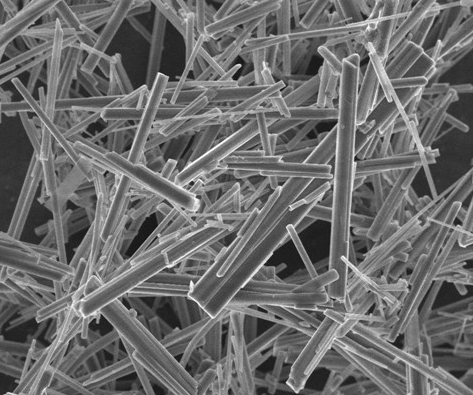
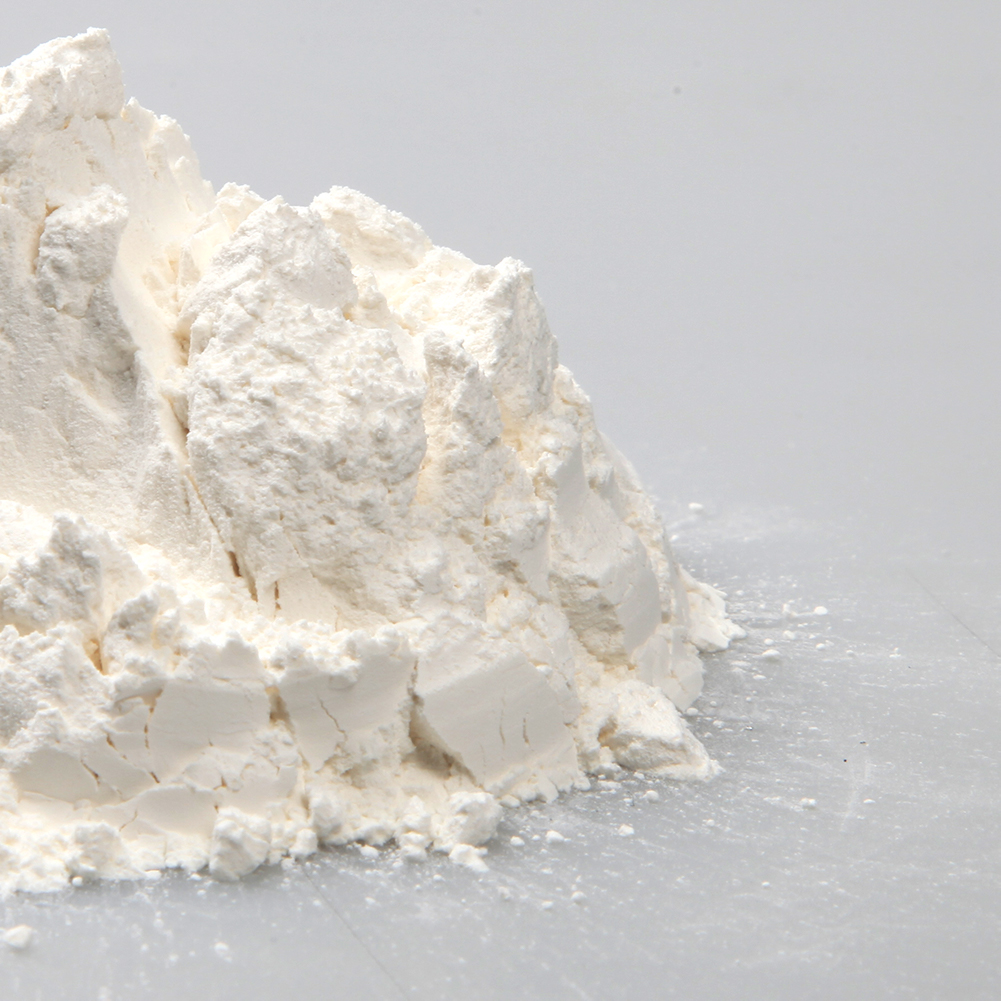
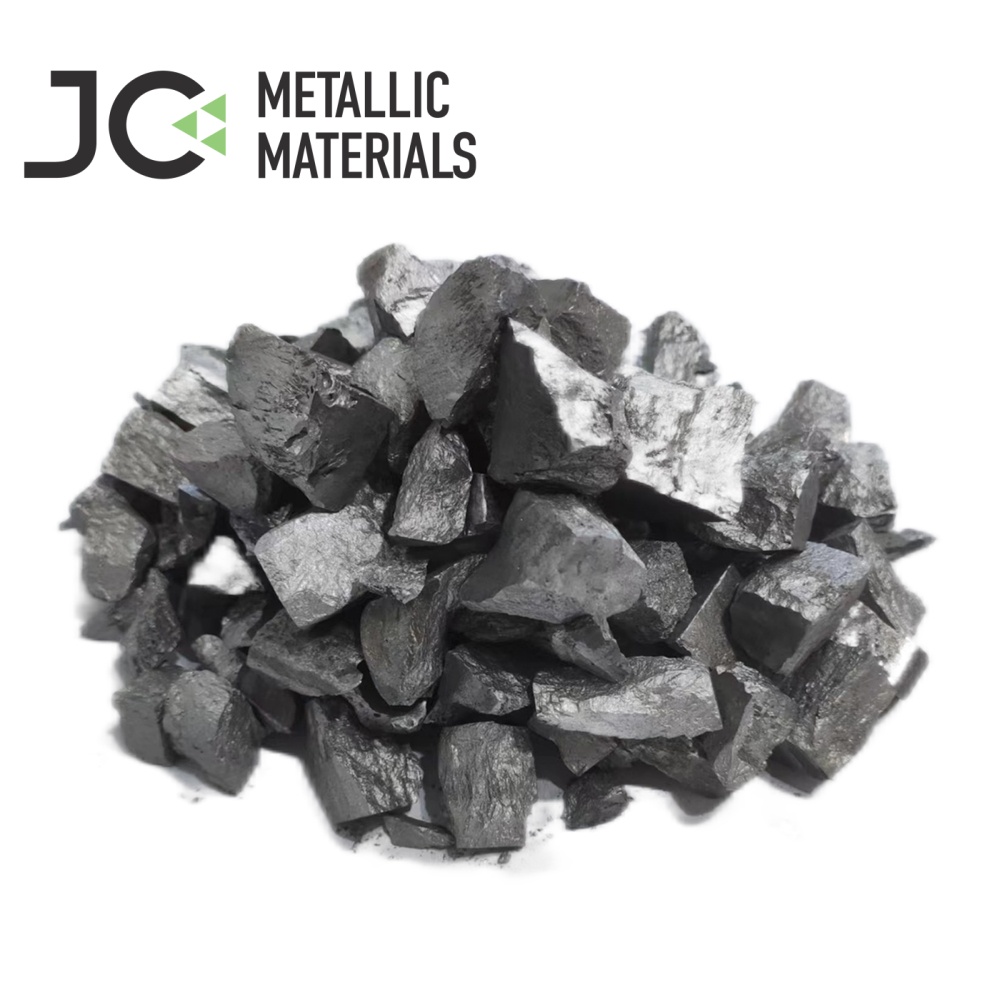
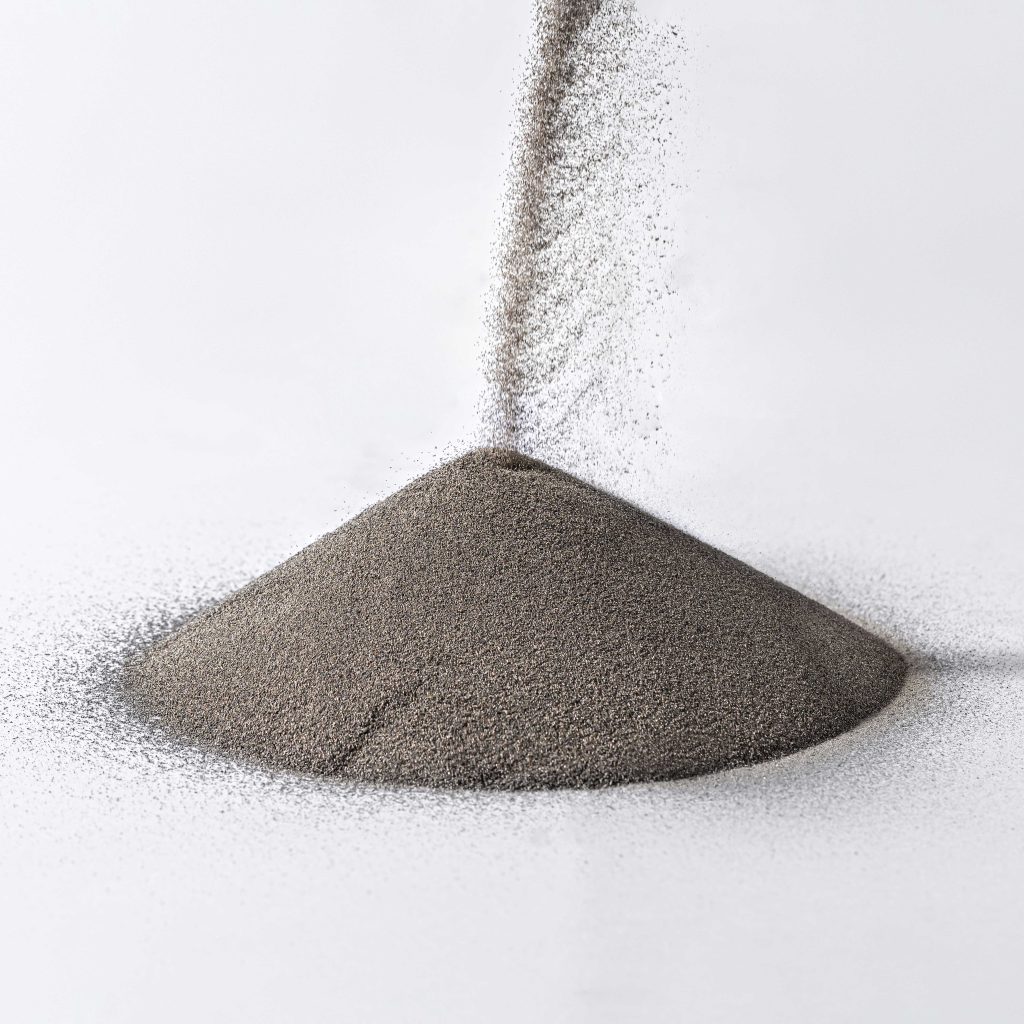
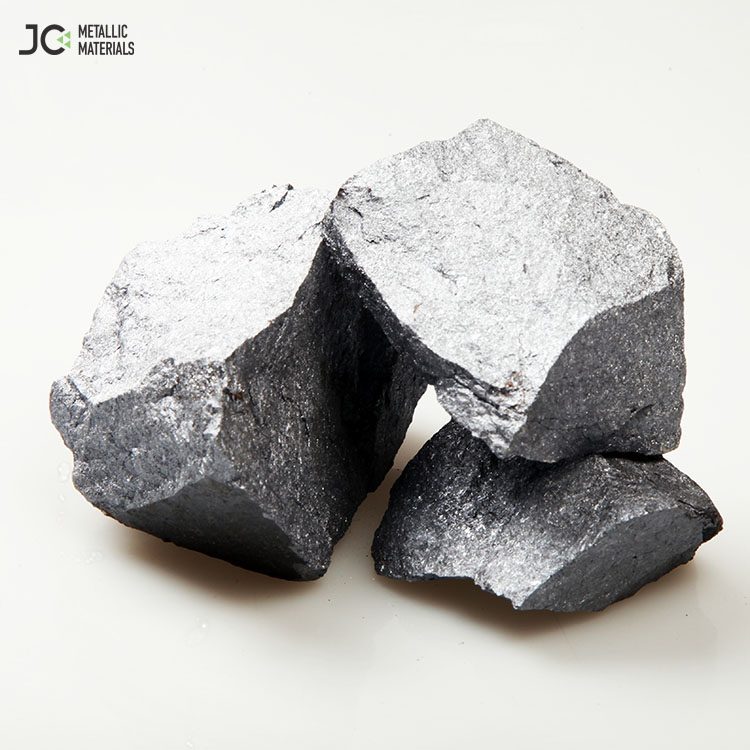
Chengdu Jinchun Metallic Materials Co., Ltd. specializes in high-quality metal powders and advanced materials. Our company provides reliable solutions for industrial, aerospace, and engineering applications. Our company focuses on innovation and strict quality control ensures consistent, high-performance products for diverse industries. Here, you will know about tungsten carbide vs titanium.
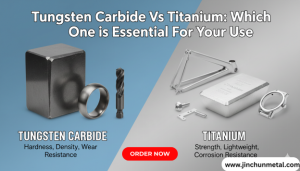
Choosing the right material for your product, tool, or application is critical. Tungsten carbide vs titanium are two of the most popular high-performance materials in modern industries. Both offer strength, durability, and premium appeal. But they perform differently based on your needs. In today’s world, understanding between these materials helps buyers to make smarter choices. This comparison supports cost-effective decisions across many industry needs.
Today, our team will explore tungsten carbide vs titanium with their key differences, applications, advantages, and buyer-specific recommendations. After reading our blog, you can confidently choose the material that best suits your needs.
What is Tungsten Carbide?
Tungsten carbide combines tungsten and carbon to deliver extreme hardness. It provides excellent durability in tough industrial conditions. Its high density ensures strong operational stability. Industries trust tungsten carbide for precision cutting and shaping tools. It maintains superior wear resistance under continuous operational stress. Manufacturers use it widely in machinery components and industrial dies Premium jewelry brands prefer tungsten carbide for long-lasting shine.
Properties of Tungsten Carbide
- Exceptional Hardness:Extremely hard, second only to diamond.
- Superior Wear Resistance:Maintains integrity under friction, vibration, and impact.
- High Compressive Strength:Endures heavy compressive forces without cracking or bending.
- Extreme Density:Provides stability and reduces risk of loosening.
- Excellent Thermal Resistance:Withstands high temperatures without losing hardness.
- Chemical & Corrosion Resistance:Resistant to chemicals, acids, and corrosion.
- Long Operational Life:Durable and reduces maintenance needs.
Pros and Cons of Tungsten Carbide
Pros
- Tungsten carbide is an ultra-hard and highly durable material.
- It is extremely scratch-resistant, keeping surfaces looking new.
- This material provides long-lasting performance with minimal maintenance.
- Tungsten carbide is affordable compared to many other metals.
Cons
- It is heavy, not suitable for lightweight applications.
- Tungsten carbide can crack under sudden strong impact.
- Its corrosion resistance is slightly lower than titanium metal.
Applications of Tungsten Carbide
- Tungsten carbide is used in cutting tools and industrial dies.
- Industries rely on it for mining and heavy machinery operations.
- It supports high-precision machining in demanding environments.
- Many manufacturing sectors use it for wear-resistant components.
- It is common in precision tools for shaping hard materials.
- Scratch-resistant rings and premium accessories also use tungsten carbide.
What is Titanium?
Titanium is a lightweight, strong, and corrosion-resistant metal. It is highly durable and performs well under extreme conditions. Aerospace industries use titanium for aircraft and spacecraft components. Sports equipment and luxury accessories also benefit from its strength and lightness. Titanium combines long-lasting performance with excellent resistance to rust.
Properties of Titanium
- Lightweight:Titanium is much lighter than most industrial metals.
- High Strength:It provides excellent tensile and yield strength.
- Corrosion Resistant:Resistant to rust, seawater, and chemical exposure.
- Biocompatible:Safe for medical implants and surgical applications.
- High Melting Point:Withstands high temperatures without losing structural integrity.
- Non-Magnetic:Titanium does not react to magnetic fields.
- Flexible:Can be formed into various shapes without breaking.
Pros and Cons of Titanium
Pros
- Lightweight and easy to handle in various applications.
- High strength ensures long-lasting performance under stress.
- Excellent corrosion resistance against chemicals, water, and air.
- Biocompatible, safe for medical and surgical implants.
- Withstands high temperatures without losing structural integrity.
Cons
- Scratches more easily compared to tungsten carbide metal.
- More expensive due to complex refining and production processes.
- Lower hardness, less suitable for high-wear tools
Applications of Titanium
- Titanium is used in aerospace, aircraft, and spacecraft components.
- Medical implants and surgical instruments rely heavily on titanium.
- It supports prosthetics due to its biocompatibility and strength.
- Sports equipment manufacturers use titanium for lightweight durability.
- Luxury watches and fine jewelry often feature titanium materials.
- Engineering sectors prefer it for strong, corrosion-resistant parts.
Tungsten Carbide vs Titanium: Comparison by Industry, Use Case, and Performance
| Industry / Use Case | Tungsten Carbide | Titanium | Recommendation / Advantage |
| Manufacturing / Cutting Tools | Ideal due to extreme hardness and durability | Not recommended, scratches easily | Choose Tungsten Carbide for long-lasting tools |
| Aerospace / Aircraft Components | Too heavy | Perfect, lightweight and strong | Choose Titanium for high strength-to-weight ratio |
| Medical / Implants | Not biocompatible | Biocompatible and corrosion-resistant | Titanium is the best choice for medical applications |
| Sports / Lifestyle Products | Can be used but heavy | Lightweight and durable | Titanium ensures comfort and performance |
| Watches / Accessories | Extremely scratch-resistant | Lightweight and stylish | Tungsten Carbide for scratch-resistance, Titanium for wearability |
Final Thoughts
Choosing between tungsten carbide vs titanium depends on application. Understanding advantages ensures smart, cost-effective decisions for every project. It is perfect for aerospace, medical, and wearable applications. Both tungsten carbide vs titanium deliver exceptional performance in different industry applications.
Most Asked Question About Tungsten Carbide Vs Titanium
Q1: Which material is best for industrial use?
Answer: Tungsten carbide is the best choice for industrial tools.It is ideal for cutting tools, dies, and machinery. Tungsten carbide maintains durability under heavy use and friction. It reduces maintenance needs and ensures long operational life. Industries requiring precision and longevity rely on tungsten carbide.
Q2: Which is best for jewelry?
Answer: Tungsten carbide is perfect for scratch-resistant luxury rings. Its hardness keeps surfaces looking new for many years. Titanium is lightweight, comfortable, and ideal for everyday wear.It is hypoallergenic and safe for sensitive skin types. Both metals provide durability, but comfort differs by choice.
Q3: Which is best for aerospace and engineering?
Answer: Titanium is preferred for aerospace and engineering applications. Its high strength-to-weight ratio makes it perfect for aircraft. Titanium is lightweight yet strong for precision engineering components. Industries rely on it where performance and reliability are critical.