 English
  French
  Japanese
  Korean
  Spanish
  Vietnamese
  Thai
Thai  Portuguese
  German

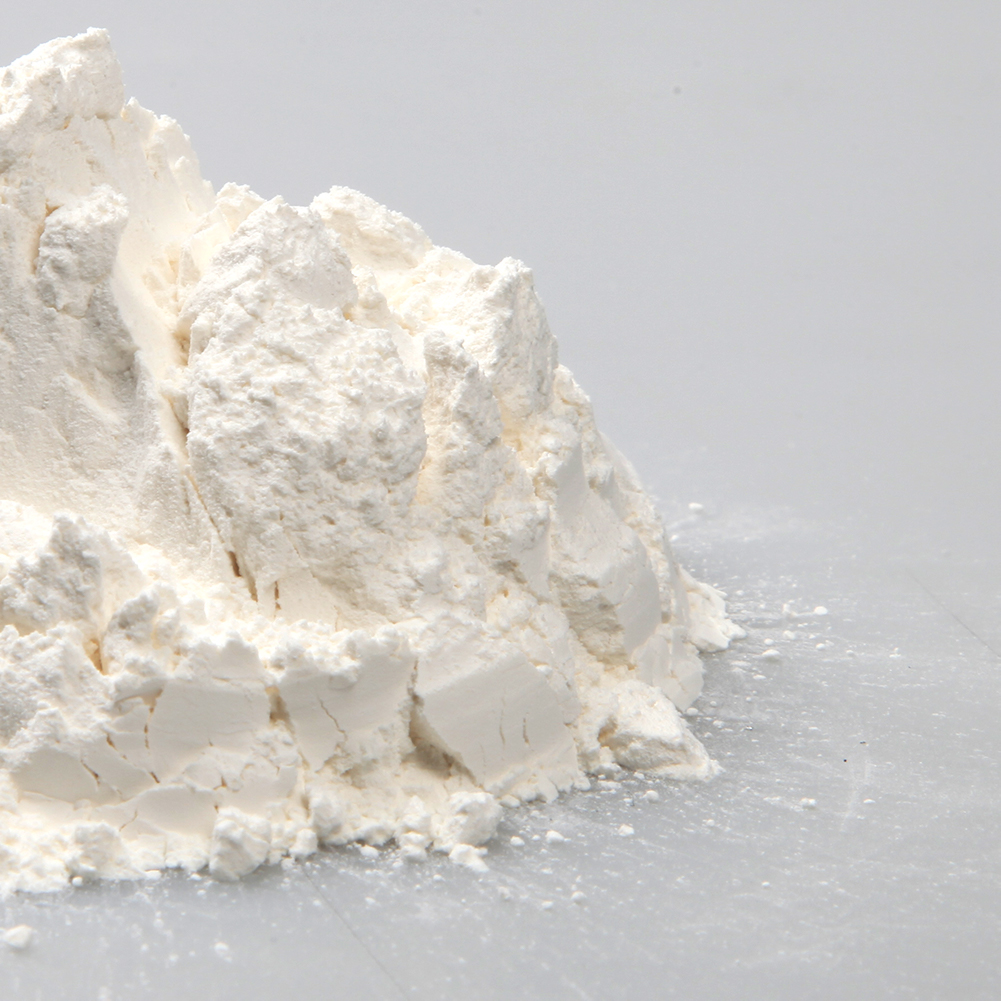
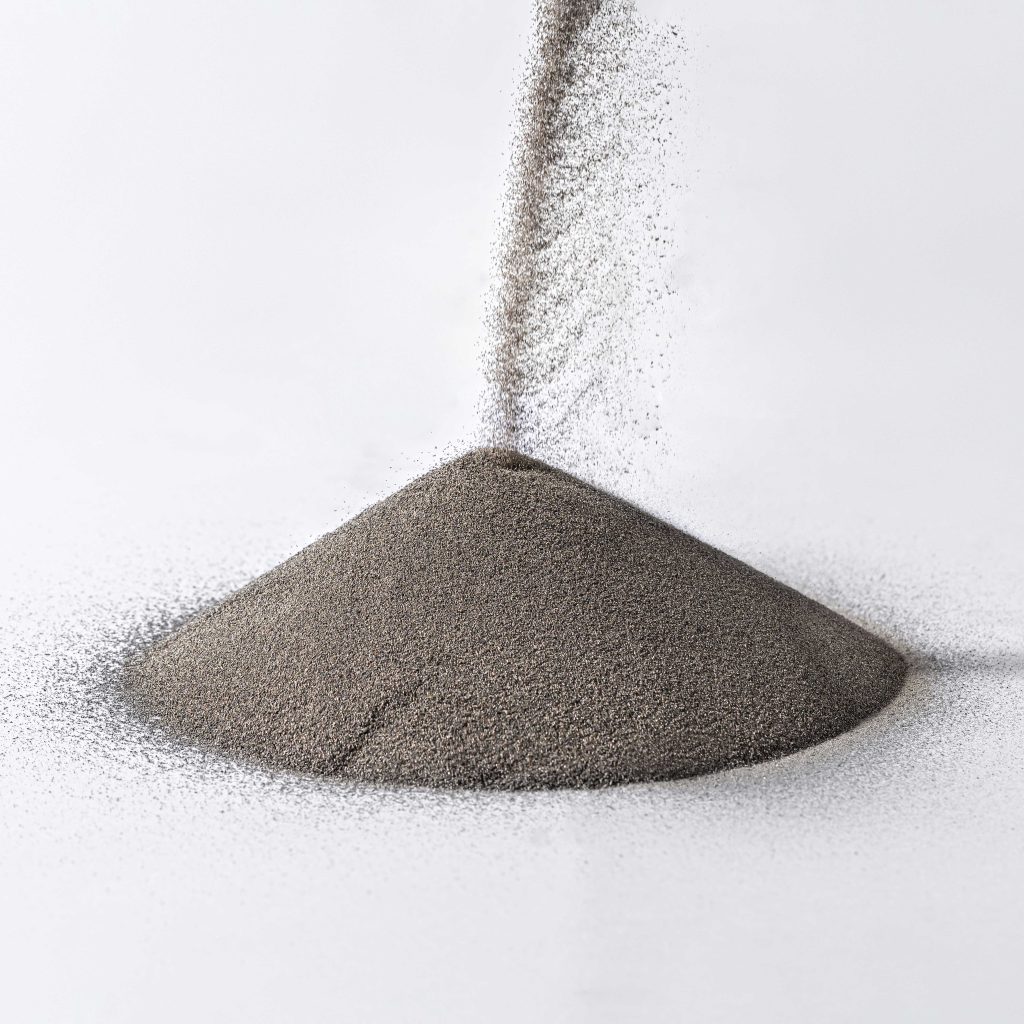
Calcium alginate is widely used across food, medical, and industrial sectors today. Manufacturers prefer this material because it forms stable gels easily. Its natural origin also supports growing sustainability requirements in global production industries.
Many industries now depend on calcium alginate for consistent product performance worldwide. Buyers usually prefer reliable suppliers with stable production systems. Product quality, purity standards, and export capability now strongly influence supplier selection decisions.
In this guide, you will learn everything about calcium alginate, including its manufacturing process, key properties, industrial applications, supplier selection factors, quality standards, and important sourcing considerations for global importers and industrial buyers.
Quick Answer
Calcium alginate is a natural material produced from sodium alginate and calcium salts. Industries use it for food, medical, pharmaceutical, textile, and industrial applications because of its gel strength, absorption performance, and environmentally friendly characteristics.
What is Calcium Alginate?
Calcium alginate is a natural polysaccharide material extracted from brown seaweed resources. It forms through reactions between sodium alginate and calcium salts. The material creates stable gel structures with strong absorption and binding performance properties.
Many food and pharmaceutical manufacturers use calcium alginate in daily production processes. It supports moisture retention and product stability effectively. The material also performs well in medical dressing products because of its biocompatibility and safety characteristics.
Industrial buyers often prefer calcium alginate because it works in multiple manufacturing sectors. It performs effectively in textile printing and agriculture applications. Global demand continues increasing because industries now prefer sustainable and naturally derived industrial materials.
To understand this process better, read our complete guide on what sodium alginate is and its industrial applications used across global manufacturing sectors.
How Manufacturers Produce Calcium Alginate?
Calcium alginate manufacturing requires controlled industrial processing and strict quality management systems. Each production stage affects final product purity, stability, absorption performance, and industrial application efficiency across global commercial manufacturing sectors.
1: Seaweed Selection and Cleaning
Manufacturers carefully select brown seaweed and remove impurities, salt particles, and moisture before starting industrial extraction processes globally.
2: Sodium Alginate Extraction
Industrial extraction systems separate sodium alginate from processed seaweed through controlled chemical treatment and advanced filtration procedures carefully.
3: Calcium Reaction Process
Manufacturers combine sodium alginate with calcium salts to create stable gel structures during controlled industrial reaction systems.
4: Fiber or Powder Formation
Industrial processing systems convert calcium alginate into powder or fiber forms depending on commercial manufacturing application requirements.
5: Drying and Final Processing
Advanced drying systems reduce moisture levels and improve product stability during industrial storage and transportation operations worldwide.
6: Quality Inspection and Packaging
Manufacturers perform laboratory testing, purity verification, and export packaging before international commercial shipment and distribution processes begin.
To learn more, read our detailed guide on China’s role in supplying sodium alginate powder to global industries and why importers prefer Chinese manufacturers.
Key Properties and Industrial Importance of Calcium Alginate
Calcium alginate is highly valuable in modern industries because it offers strong performance and reliable stability across multiple manufacturing sectors globally.
- Strong Gel Stability:Provides reliable structure and stable texture during industrial processing and food or pharmaceutical manufacturing applications.
- High Water Absorption:Absorbs moisture effectively for medical and industrial applications, especially in wound care and moisture management systems.
- Natural Biocompatibility:Safe for pharmaceutical and healthcare manufacturing because of its strong compatibility with human body requirements.
- Excellent Thickening Ability:Supports texture control and stable product consistency, making it a preferred choice for food manufacturers globally.
- Environmentally Friendly Material:Derived from natural renewable seaweed resources, supporting growing sustainability requirements across global industries.
Major Applications of Calcium Alginate
Calcium alginate is widely used across multiple industrial sectors because of its strong absorption performance and stable gel structure. Manufacturers prefer this material for reliable processing, product stability, and environmentally responsible commercial applications globally.
Food Industry Applications
Food manufacturers use calcium alginate for texture stabilization, moisture control, and processed food production across commercial manufacturing operations.
Medical Industry Applications
Medical companies use calcium alginate in wound dressings because of strong absorption capability and biocompatible healthcare performance properties.
Pharmaceutical Applications
Pharmaceutical manufacturers use calcium alginate for controlled drug delivery systems and stable capsule production applications internationally worldwide.
Textile Industry Applications
Textile manufacturers use calcium alginate during fabric printing processes because it supports stable dye application and processing efficiency.
Agriculture Industry Applications
Agriculture sectors use calcium alginate for seed coating, fertilizer delivery, and moisture retention during modern farming operations globally.
Manufacturers also use other natural binders in food and textile processing. For more information, read our full guide on what CMC powder is and its uses in food, textile, and industrial processing to explore similar industrial materials.
Important Specifications Buyers Should Check
Industrial buyers should carefully review calcium alginate specifications before placing international orders.
Product quality and industrial performance depend heavily on technical standards, laboratory testing, and manufacturing consistency across commercial production applications worldwide.
- Purity Level:Ensures stable industrial performance and reliable product quality.
- Moisture Content:Helps maintain product stability during storage and transportation.
- Viscosity Range:Directly affects industrial processing and application performance.
- Particle Size Distribution:Supports consistent mixing and manufacturing efficiency during production.
- Heavy Metal Testing:Confirms product safety and international compliance requirements.
- Microbiological Standards:Reduces contamination risks during food and pharmaceutical applications.
Proper specification verification helps buyers reduce sourcing risks and maintain stable manufacturing operations globally.
Technical documentation and laboratory reports also improve supplier reliability and support long term industrial purchasing decisions internationally.
Selecting the Best Calcium Alginate Supplier for Your Business
Choosing the right calcium alginate supplier directly affects long term business stability. Buyers should carefully review manufacturing capability, certifications, export experience, and quality systems before placing international orders from overseas industrial material manufacturers.
1: Verify Manufacturing Experience
Experienced manufacturers usually maintain better quality consistency and production control systems. Buyers should review company history carefully. Long term industrial experience often indicates stronger technical capability and stable international business operations worldwide.
2: Check Production Capacity
Production capacity strongly affects delivery schedules and bulk order stability globally. Buyers should confirm monthly output before cooperation. Large production facilities usually handle international demand more effectively during high volume purchasing seasons worldwide.
3: Confirm Certifications
Certifications help buyers verify product quality and international compliance standards before importing materials. Manufacturers should provide updated certification documents clearly. Proper certifications also improve trust during long term international business cooperation processes globally.
4: Request Product Samples
Samples help buyers evaluate product quality before placing large industrial orders internationally. Testing product samples reduces sourcing risks significantly. Buyers should carefully inspect gel performance, purity, packaging quality, and moisture stability before purchasing decisions.
5: Review Export Experience
Export experience helps suppliers manage shipping documentation and international logistics efficiently worldwide. Buyers should review export markets carefully. Experienced exporters usually understand customs requirements, packaging standards, and international transportation procedures much better globally.
6: Evaluate Quality Control Systems
Strong quality control systems improve product consistency during industrial manufacturing operations globally. Buyers should review laboratory testing procedures carefully. Reliable inspection systems also help reduce quality complaints, shipment problems, and customer dissatisfaction after importing products.
Choosing a reliable Chinese supplier requires careful research. See how we guide global buyers in our expert sourcing guide for trusted manufacturers in China.
Common Mistakes Buyers Should Avoid
Many importers face sourcing problems because they ignore important verification processes before purchasing. Small mistakes often create large financial losses later. Buyers should carefully review product quality, certifications, packaging standards, and supplier credibility before importing materials.
- Ignoring Product Testing:Buyers should always verify product quality before placing bulk industrial orders internationally.
- Choosing Lowest Price Suppliers:Cheap pricing often creates quality problems and unstable product performance during manufacturing operations.
- Skipping Sample Verification: Product samples help buyers evaluate purity, consistency, and industrial application performance carefully.
- Ignoring Certification Standards:Missing certifications may create compliance problems during international importing and commercial distribution processes.
- Poor Supplier Research:Incomplete supplier verification increases sourcing risks and long term business operation problems globally.
Careful supplier evaluation helps buyers avoid many international sourcing problems successfully worldwide. Importers should always confirm technical specifications before cooperation. Stable quality control and reliable communication also support safer long term industrial purchasing relationships globally.
Final Thoughts
Calcium alginate continues growing across food, medical, pharmaceutical, and industrial sectors worldwide. Its natural properties and strong industrial performance make it highly valuable today. Buyers should always focus on reliable suppliers, stable specifications, and proper quality verification before importing calcium alginate products internationally.
Looking for a reliable calcium alginate supplier in China? Chengdu Jinchun Metallic Materials Co., Ltd. provides stable quality products, professional export support, and dependable bulk supply solutions for global industrial buyers and distributors worldwide.
FAQs
Q1: What is calcium alginate and how is it produced?
Answer: Calcium alginate is a natural polysaccharide derived from brown seaweed extraction processes. Manufacturers produce it through reactions between sodium alginate and calcium salts. The final material offers strong gel formation and excellent absorption performance for industrial applications.
Q2: What industries commonly use calcium alginate products?
Answer: Calcium alginate is widely used across food, pharmaceutical, medical, textile, cosmetic, and agriculture industries globally. Manufacturers prefer this material because it supports stable processing performance, moisture management, product consistency, and environmentally responsible industrial manufacturing operations.
Q3: Why is calcium alginate important in wound care applications?
Answer: Medical manufacturers use calcium alginate in wound dressings because it absorbs moisture effectively and supports healing environments. The material also offers strong biocompatibility and soft gel formation, making it suitable for professional healthcare and medical treatment applications.
Q4: What is the difference between calcium alginate and sodium alginate?
Answer: Calcium alginate is generally insoluble and forms stable gel structures during industrial applications. Sodium alginate dissolves easily in water and works mainly as a thickening agent. Both materials support different manufacturing and commercial processing requirements globally.
Q5: What specifications should industrial buyers verify before importing?
Answer: Industrial buyers should review purity standards, viscosity range, moisture content, particle size distribution, microbiological testing, and heavy metal analysis carefully. Technical specifications directly influence industrial performance, regulatory compliance, and long term product consistency during manufacturing operations.
Q6: Why do global importers source calcium alginate from China?
Answer: China offers large scale production capability, competitive manufacturing costs, advanced processing technology, and strong export infrastructure for calcium alginate products. Many international buyers also prefer Chinese suppliers because of flexible customization and stable global supply support.
Q7: How can buyers identify a reliable calcium alginate supplier?
Answer: Reliable suppliers usually provide international certifications, technical documentation, laboratory testing reports, and product samples professionally. Buyers should also verify manufacturing experience, export capability, production capacity, and quality control systems before establishing long term sourcing partnerships globally.
Q8: What certifications are important for calcium alginate manufacturers?
Answer: Important certifications may include ISO standards, food safety certifications, pharmaceutical compliance documents, and laboratory testing reports. These certifications help buyers verify manufacturing quality, international compliance requirements, and product reliability before importing industrial materials internationally.
Q9: How should calcium alginate products be stored during transportation?
Answer: Calcium alginate products should remain stored inside dry and properly sealed packaging throughout transportation and warehousing processes. Excess moisture and direct environmental exposure may affect product stability, quality consistency, and long term industrial performance significantly.
Q10: Why is quality control important in calcium alginate manufacturing?
Answer: Quality control helps manufacturers maintain stable product consistency and reliable industrial performance across international markets. Proper inspection systems reduce contamination risks, improve customer satisfaction, and support long term compliance with global industrial and commercial standards.