 English
  French
  Japanese
  Korean
  Spanish
  Vietnamese
  Thai
Thai  Portuguese
  German

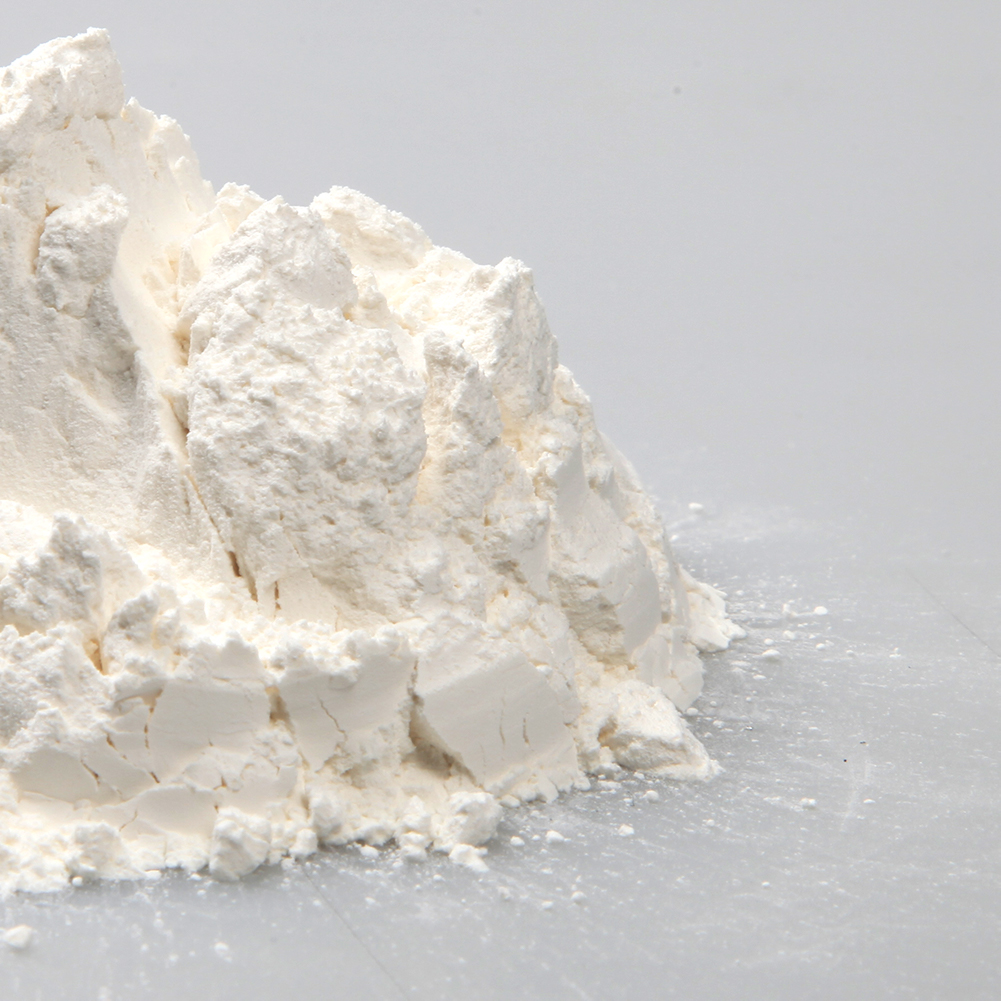
China has become a leading global supplier of sodium alginate powder, supporting industries such as food processing, pharmaceuticals, textiles, and industrial manufacturing. With abundant raw material resources, advanced extraction technologies, and large-scale production capabilities, Chinese manufacturers play a critical role in meeting increasing global demand.
Unlike smaller regional suppliers, China offers consistent quality, competitive pricing, and flexible supply chain solutions for bulk buyers. This directly impacts cost efficiency, production stability, and long-term sourcing strategies for international businesses.
However, selecting the right supplier requires careful evaluation of quality standards, certifications, and production capabilities.
This guide provides a structured understanding of China’s supply advantages, global applications, pricing dynamics, and sourcing strategies to help B2B buyers make informed decisions.
Quick Answer
China is one of the largest global suppliers of sodium alginate powder, offering high production capacity, competitive pricing, and consistent quality for industries such as food, pharmaceuticals, and textiles.
Key Takeaways
- China dominates the global sodium alginate supply chain due to large-scale production
- Widely used in food, pharma, textile, and industrial applications
- Competitive pricing helps reduce import and production costs
- Quality depends on raw material sourcing and extraction process
- Certified suppliers ensure compliance with international standards
- Choosing the right manufacturer improves supply stability and ROI
What Is Sodium Alginate Powder?
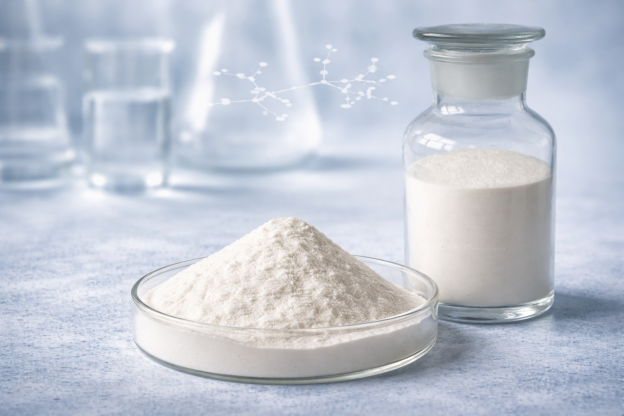
Sodium alginate powder is a natural polysaccharide extracted from brown seaweed, widely used as a thickening, stabilizing, and gelling agent across multiple industries. Due to its unique chemical properties, it forms viscous solutions and gels when combined with calcium ions, making it highly valuable in both food and industrial applications.
In commercial environments, sodium alginate is not just a functional ingredient but a performance-critical material that directly affects product consistency, texture, and stability. Its versatility makes it suitable for applications ranging from food processing to pharmaceutical formulations and textile printing.
Core Characteristics of Sodium Alginate Powder
| Property | Description | Business Impact |
| Thickening ability | Increases viscosity of liquids | Improves product consistency |
| Gelling capability | Forms gels with calcium ions | Enables structured formulations |
| Water retention | Holds moisture effectively | Enhances product shelf life |
| Biodegradability | Natural and eco-friendly | Supports sustainable production |
| Stability | Performs under varying conditions | Ensures reliable output |
Each of these properties plays a crucial role in industrial applications. For example, high-viscosity sodium alginate powder is preferred in food processing to achieve consistent texture, while controlled gelling properties are essential in pharmaceutical and biomedical applications.
Why China Is a Leading Supplier of Sodium Alginate Powder
China’s dominance in the global sodium alginate market is not accidental. It is driven by a combination of natural resource availability, industrial expertise, and strong export infrastructure.
1: Abundant Raw Material Supply
China has access to large reserves of brown seaweed, particularly along its coastal regions. This ensures a stable and cost-effective supply of raw materials required for sodium alginate extraction.
This raw material advantage reduces production costs and minimizes supply chain disruptions, making China a reliable sourcing destination.
2: Advanced Processing Technology
Chinese manufacturers have invested heavily in modern extraction and purification technologies. These advancements allow for precise control over viscosity, purity, and performance characteristics.
As a result, buyers can source sodium alginate tailored to specific applications, whether for food-grade, pharmaceutical, or industrial use.
3: Large-Scale Production Capacity
China’s manufacturing infrastructure supports high-volume production, enabling suppliers to fulfill bulk orders efficiently. This is particularly important for international buyers who require consistent supply for large-scale operations.
High production capacity also allows manufacturers to maintain competitive pricing while meeting global demand.
4: Competitive Pricing Advantage
Due to lower production costs, economies of scale, and efficient supply chains, Chinese sodium alginate suppliers offer more competitive pricing compared to many global counterparts.
This cost advantage helps importers and distributors improve their profit margins while maintaining product quality.
5: Strong Export and Logistics Network
China has a well-established export ecosystem, including ports, logistics providers, and international trade experience. This ensures smooth shipping processes, reduced lead times, and reliable delivery schedules for global buyers.
Global Applications of Sodium Alginate Powder
Sodium alginate powder is widely used across multiple industries due to its versatility and functional properties.
Food Industry
In food processing, sodium alginate is used as a thickener, stabilizer, and gelling agent. It is commonly applied in products such as sauces, dairy items, and processed foods to improve texture and consistency.
Its ability to retain moisture and enhance mouthfeel makes it a key ingredient in modern food production.
Pharmaceutical Industry
In pharmaceutical applications, sodium alginate powder is used for drug delivery systems, capsule formation, and wound care products. Its biocompatibility and controlled gel formation make it suitable for medical-grade applications.
Textile Industry
In textile printing, sodium alginate acts as a thickening agent for dye pastes. It ensures even distribution of dyes and improves print quality, making it essential for high-quality fabric production.
Industrial Applications
Beyond food and pharmaceuticals, sodium alginate powder is also used in coatings, adhesives, and paper manufacturing. Its binding and stabilizing properties enhance product performance in various industrial processes.
Strategic Importance for Global Buyers
For importers and B2B buyers, sodium alginate powder is not just a commodity. But it is a strategic raw material that impacts product quality, cost structure, and supply chain reliability.
Sourcing from China provides a balance of affordability, scalability, and product customization, which is critical for businesses operating in competitive markets.
Sodium Alginate Powder Price Analysis (2026)
Understanding pricing is critical for B2B buyers because sodium alginate powder cost directly impacts production budgets, profit margins, and long-term sourcing strategies.
Unlike standard commodities, sodium alginate powder pricing varies significantly based on quality, application, and supplier capability. Buyers who understand these factors can negotiate better deals and avoid overpaying for unsuitable grades.
Price Range by Application (Estimated)
| Grade | Typical Range (USD/kg) | Application |
| Food Grade | 6-14 | Food processing, dairy, sauces |
| Pharmaceutical Grade | 10-20 | Medical and drug applications |
| Industrial Grade | 20–40+ | Textile, coatings, printing |
Key Factors Affecting Price
1. Purity and Quality Level
Higher purity sodium alginate powder requires advanced processing and stricter quality control, increasing production cost. Pharmaceutical-grade materials are typically the most expensive due to compliance requirements.
2. Viscosity and Performance Specifications
Different applications require different viscosity levels. High-viscosity alginate is often more expensive because it delivers better thickening and stability performance.
3. Raw Material Availability
The availability of brown seaweed directly influences pricing. Seasonal fluctuations can affect supply and lead to temporary price increases.
4. Production Technology
Manufacturers using advanced extraction and purification processes can offer more consistent quality but may have slightly higher pricing.
5. Order Volume and Contract Terms
Bulk orders typically receive better pricing due to economies of scale. Long-term contracts can also help stabilize costs.
China vs Global Suppliers: Key Comparison
Choosing between Chinese and global suppliers is a strategic decision that impacts cost, quality, and supply chain reliability.
Comparison Overview
| Factor | China Suppliers | Global Suppliers |
| Cost | Competitive | Higher |
| Production Capacity | High | Moderate |
| Customization | Flexible | Limited |
| Lead Time | Fast | Moderate |
| Quality Consistency | Varies by supplier | Generally stable |
Key Insights
- China offers significant cost advantages, especially for bulk buyers
- Global suppliers may provide more consistent premium quality
- Chinese manufacturers excel in OEM customization and scalability
- Supplier selection is more important than country alone
Sodium Alginate Supply Chain in China
China’s sodium alginate supply chain is highly integrated, combining raw material sourcing, advanced processing, quality control, and global export logistics. This structured ecosystem allows suppliers to deliver large volumes with consistent quality and competitive pricing.
Raw Material Sourcing (Seaweed Supply)
Brown seaweed is harvested from coastal regions, ensuring a stable and cost-effective raw material supply. This directly supports large-scale production and reduces supply chain disruptions.
Processing & Extraction Technology
Manufacturers use chemical and mechanical extraction methods to control viscosity, purity, and performance. Advanced processing ensures consistent product quality across batches.
Quality Control & Testing
Each batch undergoes testing for viscosity, moisture content, and purity. This step is critical for meeting food-grade and industrial standards.
Packaging & Export Logistics
Products are packaged in moisture-resistant materials and shipped globally through established logistics networks, ensuring safe delivery and product stability.
Key Challenges in Sourcing Sodium Alginate from China
Quality Variation Between Suppliers
Not all manufacturers maintain consistent standards, which can lead to differences in viscosity and purity. Supplier evaluation and testing are essential.
Certification & Compliance Issues
Some suppliers may lack required certifications for food or pharmaceutical use, which can create regulatory challenges for importers.
Logistics & Shipping Delays
Global supply chain disruptions and seasonal demand can affect delivery timelines, requiring proper planning.
Communication & Specification Gaps
Misunderstandings regarding technical requirements can lead to incorrect product supply. Clear communication and documentation are necessary.
How to Choose the Right Sodium Alginate Supplier in China
Selecting the right supplier is critical for ensuring consistent quality, reliable supply, and long-term business success.
Step 1: Define Application Requirements
Clearly identify the required viscosity, purity level, and application type (food, pharma, or industrial).
Step 2: Verify Certifications & Compliance
Check ISO certifications, food-grade approvals, and technical documents such as COA and MSDS.
Step 3: Evaluate Production Capacity
Ensure the supplier can handle bulk orders consistently without compromising quality.
Step 4: Request Samples & Testing
Always test samples before placing large orders to confirm product performance.
Step 5: Assess Export Experience
Choose suppliers with strong international shipping experience and proper documentation processes.
Step 6: Compare Pricing vs Value
Focus on quality, consistency, and reliability rather than selecting the lowest price.
Step 7: Build Long-Term Supplier Relationships
Establish partnerships to secure stable pricing, consistent supply, and priority production.
Future Trends in Sodium Alginate Market
The global sodium alginate market is evolving due to increasing demand across multiple industries and advancements in processing technology.
One major trend is the growing demand in the food industry, particularly in processed and convenience foods where texture and stability are critical. Sodium alginate powder plays a key role in improving product consistency and shelf life.
Another important trend is the expansion of pharmaceutical and biomedical applications. Its biocompatibility and gel-forming properties make it suitable for drug delivery systems and medical products.
Sustainability is also becoming a key focus, with increasing interest in eco-friendly and biodegradable materials. Sodium alginate powder, being derived from natural seaweed, aligns well with this trend.
In addition, manufacturers are investing in advanced processing technologies to produce higher-performance alginates with improved consistency and application-specific properties.
Final Thoughts
China’s role in supplying sodium alginate powder extends beyond cost advantages. It represents a complete supply ecosystem that supports global industries with scalable production, advanced processing, and reliable export capabilities.
By focusing on supplier selection, quality standards, and long-term sourcing strategies, B2B buyers can fully leverage China’s manufacturing strength while minimizing risks and maximizing profitability.
If you are sourcing sodium alginate powder for industrial or commercial applications, choosing the right supplier is essential for ensuring quality and consistent supply.
Jinchun Metallic Materials provides high-quality sodium alginate solutions with strong production capability, strict quality control, and global export experience.
FAQs
What is sodium alginate powder?
Sodium alginate powder is a natural polysaccharide extracted from brown seaweed, used as a thickening, stabilizing, and gelling agent in food, pharmaceutical, and industrial applications.
Why is China a major supplier of sodium alginate?
China has abundant raw materials, advanced processing technology, and large-scale production capacity, making it a leading global supplier with competitive pricing.
What industries use sodium alginate powder?
It is widely used in food processing, pharmaceuticals, textile printing, cosmetics, and various industrial applications.
How does sodium alginate pricing vary?
Pricing depends on factors such as purity, viscosity, application type, and order volume. Food and pharmaceutical grades are generally more expensive.
How can I ensure quality when sourcing from China?
Verify certifications, request samples, check supplier experience, and conduct performance testing before placing bulk orders.
What certifications should a sodium alginate supplier have?
Common certifications include ISO standards, food-grade approvals, and technical documentation such as COA and MSDS.
What are the common challenges when importing from China?
Challenges include quality variation, certification issues, logistics delays, and communication gaps with suppliers.
Can sodium alginate be customized for specific applications?
Yes, manufacturers can adjust viscosity, purity, and formulation to meet different industrial and commercial requirements.
What is the typical lead time for bulk orders?
Lead time depends on order size and supplier capacity but generally ranges from a few weeks to over a month for large shipments.
How do I choose the right sodium alginate supplier?
Define your requirements, compare multiple suppliers, test samples, verify certifications, and choose a supplier with proven export experience.