 French
 English
 Japanese
 Korean
 Spanish
 Vietnamese
 Thai
 Portuguese
 German

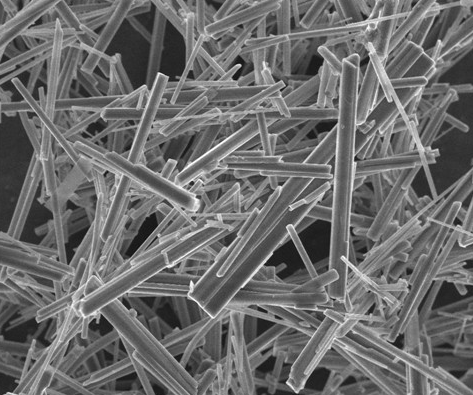
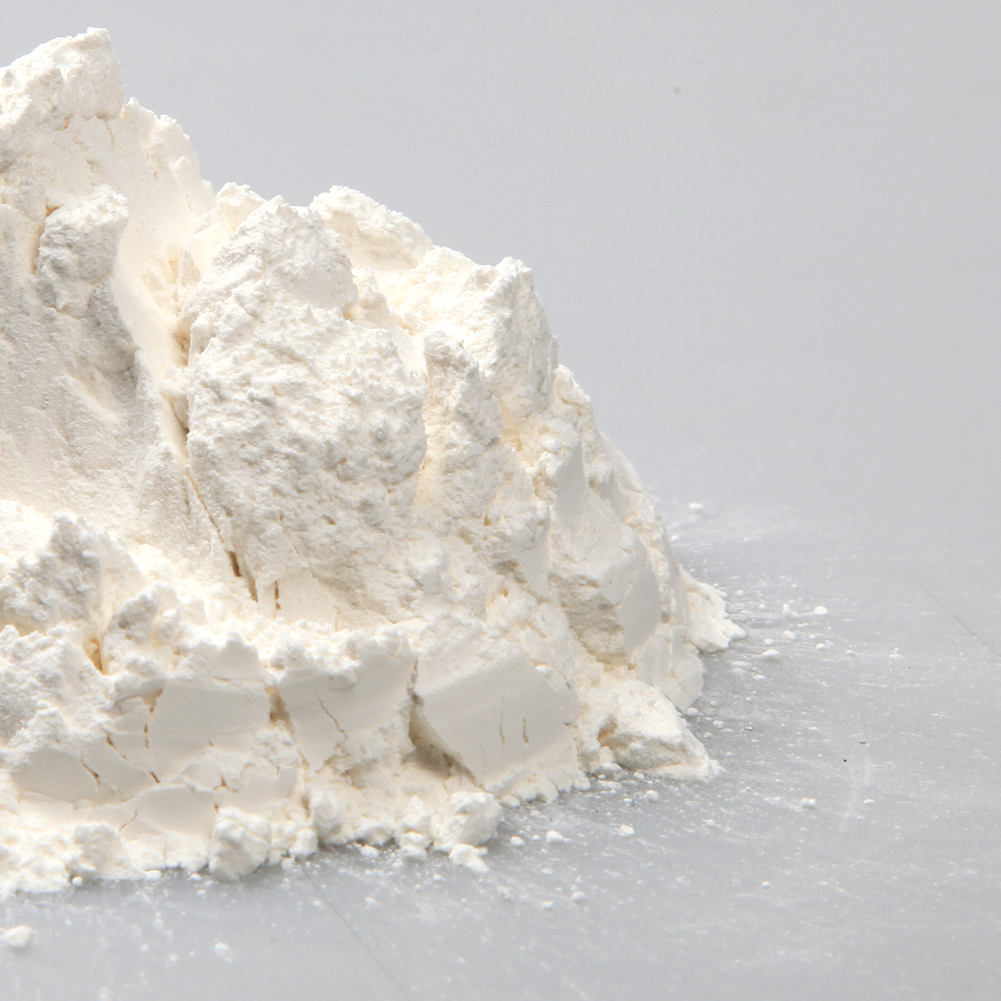
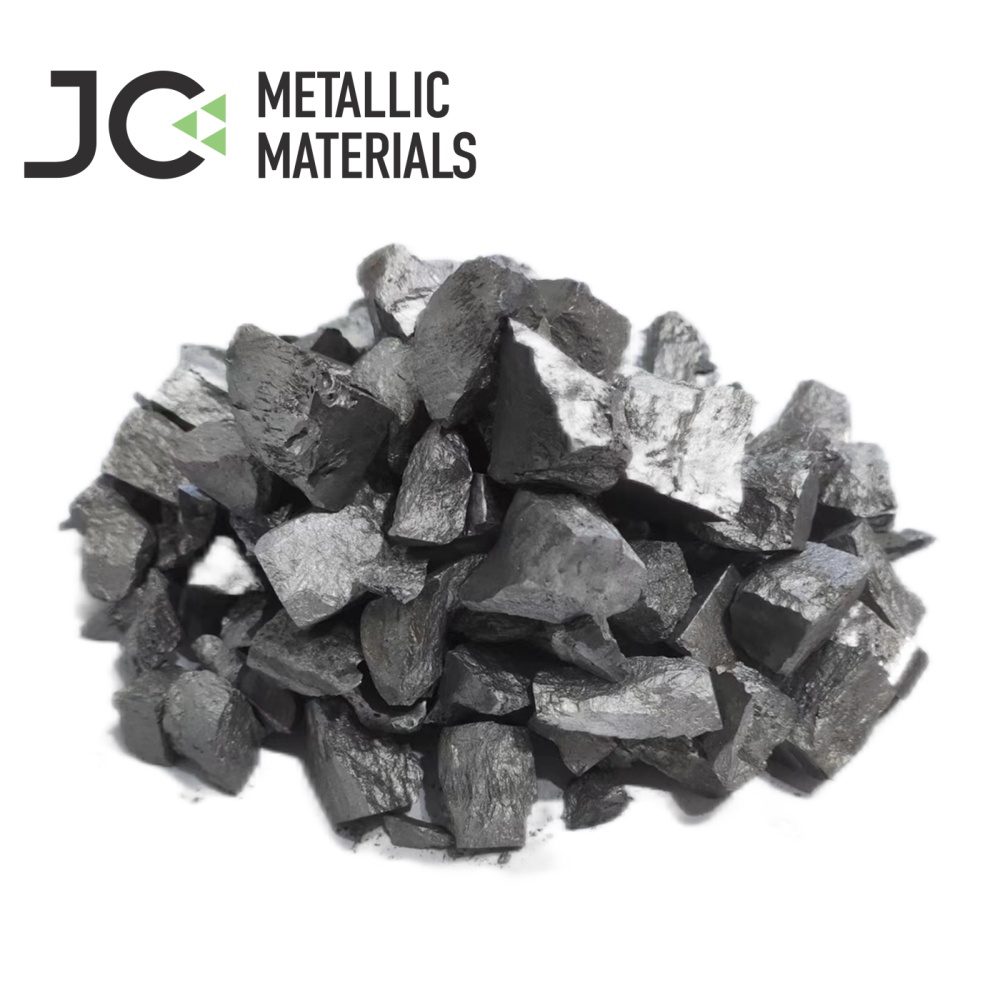
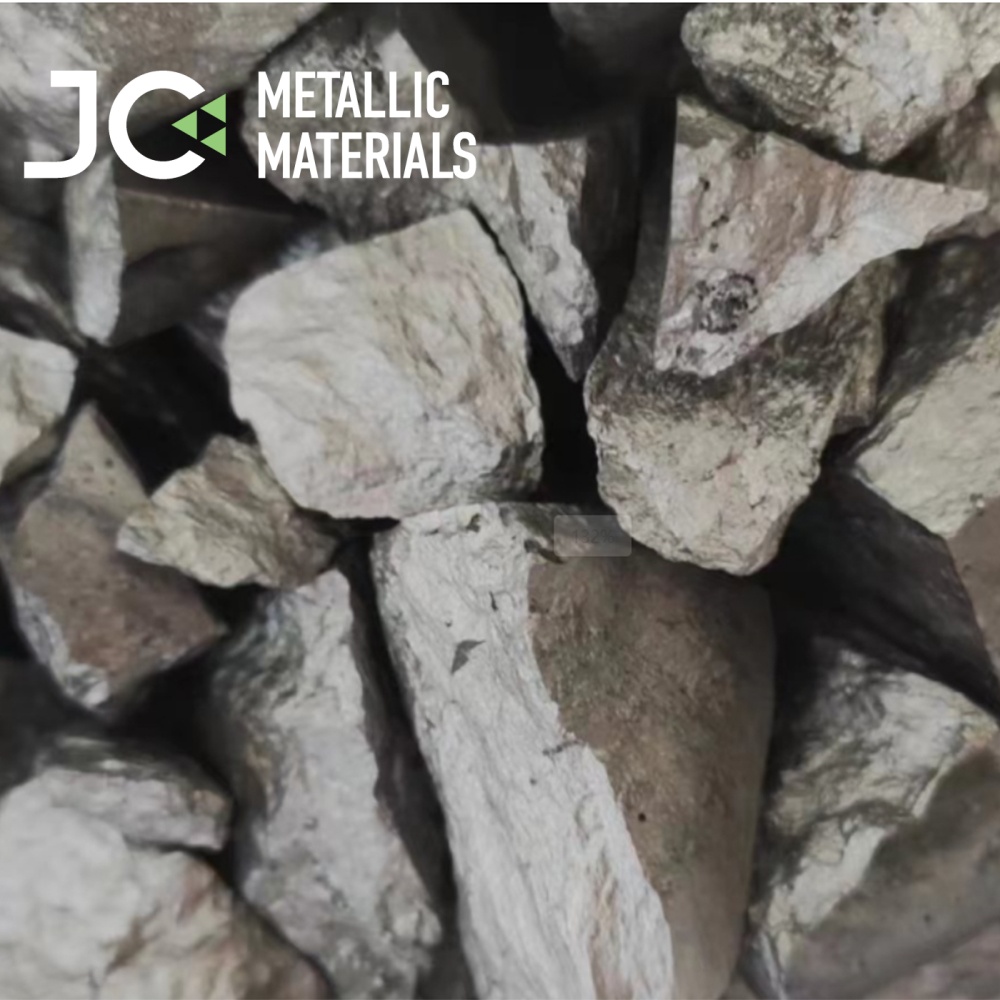
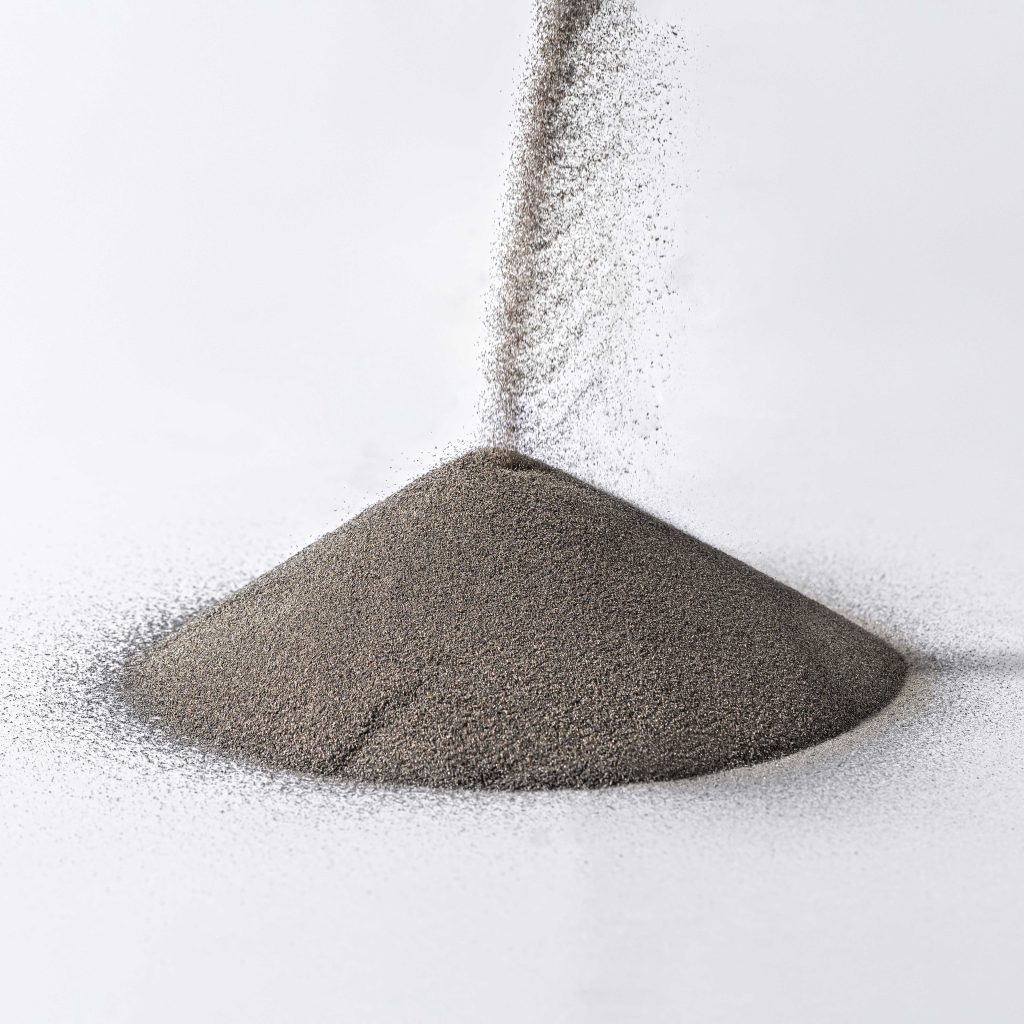
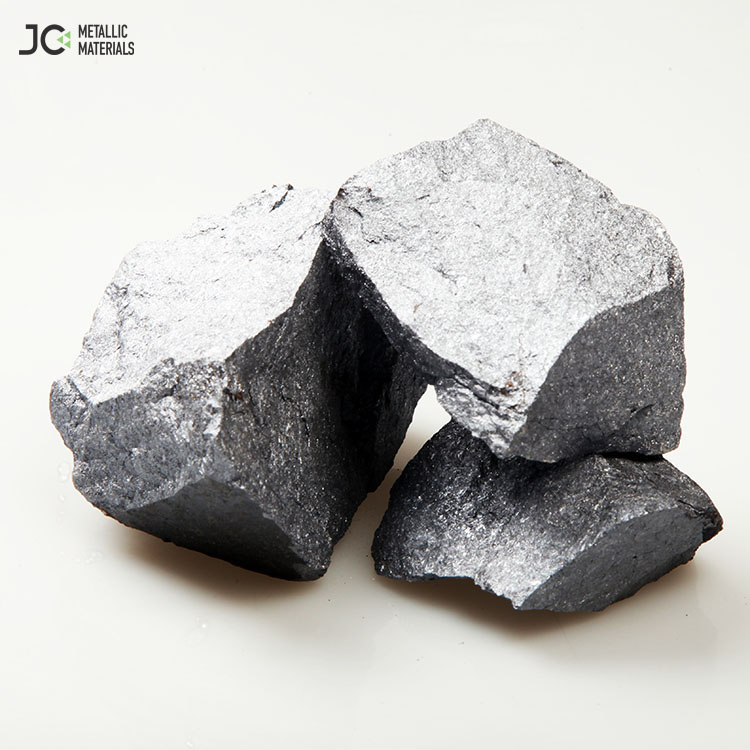
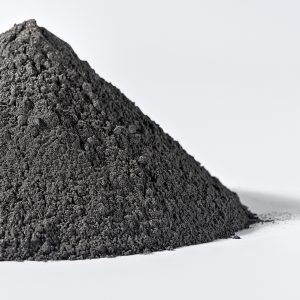
Ferro niobium powder is an important niobium-containing alloying material used to improve the mechanical and metallurgical performance of steel. It is especially valuable in high-strength low-alloy (HSLA) steels, microalloyed steels, pipeline grades, automotive steels, and structural applications where strength and toughness are important.
The addition of niobium can refine the grain structure and improve the strength of steel through mechanisms such as precipitation strengthening and grain refinement. Because niobium can produce these effects at relatively low addition levels, ferro niobium has become an important material for steel producers seeking specific performance characteristics without significantly increasing alloying additions.
Different ferro niobium powders can vary in niobium content, particle size, chemical composition, and intended application. Understanding these differences is important when selecting a suitable material for steelmaking.
Today, our team will explain the definition and main types of ferro niobium powder, along with its production characteristics and key properties. It will also cover its major applications in steelmaking, important benefits, and the factors buyers should evaluate when selecting ferro niobium powder for specific industrial requirements.
What Is Ferro Niobium Powder?
Ferro niobium powder is a powdered ferroalloy containing niobium and iron as its primary components. It is produced by alloying niobium with iron and then processing the resulting ferroalloy into a controlled powder or fine particulate form.
The material is commonly identified as FeNb, where Fe represents iron and Nb represents niobium. Commercial ferro niobium is generally supplied with a high niobium concentration, although the exact composition depends on the grade and manufacturing specification.
In steelmaking, ferro niobium acts as a niobium carrier. Instead of adding pure niobium metal, steel producers can introduce niobium through a ferroalloy that is easier to handle and integrate into the alloying process.
The powder form can provide useful handling and feeding characteristics, particularly when controlled additions are required.
Typical Characteristics of Ferro Niobium Powder
Important characteristics may include:
- High niobium content
- Iron-based ferroalloy composition
- Controlled particle size
- Consistent chemical composition
- Good alloying efficiency
- Suitable melting and dissolution behavior
- Low levels of unwanted impurities
- Compatibility with controlled alloy additions
The exact requirements depend on the steel grade, furnace process, alloying method, and customer specification.
Why Is Niobium Added To Steel?
Niobium is considered a microalloying element because relatively small additions can significantly influence steel properties.
When niobium is introduced into steel, it can interact with carbon and nitrogen. This produces niobium carbides and carbonitrides under suitable processing conditions. These compounds can contribute to precipitation strengthening and grain refinement.
Niobium can also affect recrystallization during controlled rolling. This allows steel producers to control the microstructure and obtain a useful combination of strength and toughness.
The main metallurgical effects include:
- Grain refinement
- Precipitation strengthening
- Improved yield strength
- Better toughness
- Improved structural performance
- Potential reduction in steel weight for certain applications
The actual effect depends on niobium concentration, carbon and nitrogen levels, thermal processing, rolling conditions, cooling rate, and the overall steel composition.
How Does Ferro Niobium Powder Work In Steelmaking?
The performance of ferro niobium powder depends on how niobium behaves during steel production and subsequent thermomechanical processing.
After addition to molten steel, the ferroalloy dissolves and releases niobium into the melt. The niobium then becomes part of the steel’s chemical system.
During controlled processing, niobium can form fine precipitates. These precipitates can restrict grain growth and contribute to strengthening.
A simplified process can be understood through the following stages:
1. Addition To Molten Steel
Ferro niobium is added to molten steel during the alloying stage. The addition method depends on the production process and required niobium concentration.
2. Dissolution
The ferroalloy dissolves into the molten metal. Good particle size distribution and alloy quality can help provide consistent alloying behavior.
3. Niobium Distribution
The niobium becomes distributed throughout the steel. Process control is important because uneven distribution can affect the final microstructure.
4. Precipitation
During controlled cooling and thermomechanical processing, niobium can combine with carbon and nitrogen to form niobium-containing precipitates.
5. Grain Refinement And Strengthening
The resulting microstructural changes can increase strength while helping maintain desirable toughness and structural performance.
Types Of Ferro Niobium Powder
Ferro niobium powder can be classified according to several factors, including chemical composition, particle size, production route, and application requirements.
There is not always one universal classification system used across all suppliers. Buyers should therefore evaluate the manufacturer’s specification rather than selecting a material based only on a general grade name.
1. Standard Ferro Niobium Powder
Standard ferro niobium powder is designed for general alloying applications where a consistent niobium addition is required.
It is commonly used by steel producers manufacturing structural and microalloyed steels.
Typical requirements include:
- Consistent niobium concentration
- Controlled iron content
- Suitable particle size
- Controlled impurities
- Stable alloying performance
2. High-Niobium Ferroalloy Powder
High-niobium ferroalloy powder contains a relatively high proportion of niobium compared with lower-grade ferroalloys.
This type can be useful where steel producers need to introduce a specific amount of niobium while minimizing the total ferroalloy addition.
The appropriate composition should be selected according to the target steel chemistry and production process.
3. Fine Ferro Niobium Powder
Fine ferro niobium powder has smaller particles and can be selected when the alloying process requires controlled feeding or rapid interaction with the molten material.
Particle size can influence:
- Feeding behavior
- Dissolution rate
- Handling
- Storage
- Addition accuracy
- Process efficiency
However, finer powder is not automatically better for every application. The optimum particle size depends on the feeding equipment and steelmaking process.
4. Customized Ferro Niobium Powder
Some industrial buyers require ferro niobium powder with customized specifications.
Customization may involve:
- Niobium percentage
- Particle size
- Impurity limits
- Packaging
- Moisture control
- Batch consistency
Customized material can be useful when a steel producer has strict internal specifications or a specialized alloying process.
Chemical Composition Of Ferro Niobium Powder
The chemical composition is one of the most important factors when purchasing ferro niobium powder.
A typical specification may include:
| Component | Purpose or Consideration |
| Niobium (Nb) | Main microalloying element |
| Iron (Fe) | Base component of the ferroalloy |
| Carbon (C) | Controlled according to grade |
| Silicon (Si) | Impurity or alloying consideration |
| Aluminum (Al) | Controlled impurity |
| Phosphorus (P) | Low levels generally preferred |
| Sulfur (S) | Controlled for steel quality |
| Other elements | Depend on raw materials and production |
The exact limits should always be confirmed through the supplier’s technical data sheet or certificate of analysis.
For demanding steel applications, chemical consistency between batches is particularly important because small changes in alloy additions can influence final steel chemistry.
Applications Of Ferro Niobium Powder In Steelmaking
Ferro niobium powder is primarily used as a niobium source in steel production. Its applications are closely connected to the ability of niobium to improve strength, grain structure, and performance.
1. HSLA Steel Production
High-strength low-alloy steel is one of the major application areas for niobium-containing ferroalloys.
HSLA steels are designed to provide higher strength than conventional carbon steels while maintaining useful toughness and weldability.
Niobium can support the development of fine-grained microstructures and contribute to precipitation strengthening.
These steels are widely used in:
- Construction
- Transportation
- Energy infrastructure
- Heavy equipment
- Structural components
2. Pipeline Steel
Pipeline steels require a combination of strength, toughness, weldability, and resistance to demanding service conditions.
Niobium microalloying can help steel producers achieve controlled microstructures suitable for modern pipeline grades.
Ferro niobium can therefore be used during production where precise niobium additions are required.
3. Automotive Steel
Automotive manufacturers use high-strength steels to reduce vehicle weight while maintaining structural performance.
Niobium-containing steels can provide increased strength through grain refinement and precipitation mechanisms.
Potential applications include:
- Structural components
- Chassis parts
- Reinforcement components
- Automotive sheet
- High-strength structural steel
Using higher-strength steel can allow engineers to achieve required mechanical performance with reduced material thickness in suitable applications.
4. Structural Steel
Construction and infrastructure projects require steel with reliable strength and toughness.
Niobium microalloying can improve the microstructure of structural steels and support the production of high-strength grades.
Applications can include:
- Buildings
- Bridges
- Industrial structures
- Heavy construction
- Infrastructure components
5. Shipbuilding Steel
Shipbuilding requires steel with suitable strength, toughness, weldability, and resistance to demanding operating conditions.
Niobium-containing microalloyed steels can be used in selected shipbuilding applications where controlled mechanical properties are required.
6. Pressure Vessel Steel
Pressure vessels operate under significant mechanical and thermal stresses. Their materials require carefully controlled properties.
Niobium can be incorporated into certain steel grades to support strength and microstructural control.
The exact alloying system depends on the pressure vessel design, operating conditions, applicable standards, and required mechanical properties.
7. Rail And Transportation Applications
Railway infrastructure and transportation equipment require materials that can withstand repeated mechanical loading.
Microalloyed steels containing niobium can provide increased strength and controlled grain structures for selected transportation applications.
Benefits Of Using Ferro Niobium Powder
The use of ferro niobium provides several potential advantages for steel manufacturers.
Improved Strength
Niobium can increase steel strength through precipitation strengthening and grain refinement. This makes it valuable in high-strength steel production.
Grain Refinement
Fine grain structures can contribute to a desirable combination of strength and toughness.
Niobium can restrict grain growth under appropriate processing conditions, helping steel manufacturers achieve a desirable balance of strength and toughness.
Better Material Efficiency
Higher-strength steel can sometimes allow designers to reduce material thickness while maintaining required performance.
This can contribute to lower component weight in applications such as automotive structures and transportation equipment.
Controlled Microalloying
Ferro niobium provides a practical way to introduce niobium into molten steel.
Its use allows steel producers to control the amount of niobium added according to the target composition.
Compatibility With Modern Steel Processing
Niobium is particularly valuable in thermomechanically controlled processing because its metallurgical behavior can be used to control recrystallization and precipitation.
Ferro Niobium Powder Vs Ferro Niobium Granules
Both powder and granular ferro niobium can be used as alloying materials, but their handling characteristics may differ.
| Factor | Ferro Niobium Powder | Ferro Niobium Granules |
| Particle size | Fine | Larger |
| Feeding | Suitable for controlled powder feeding | Suitable for conventional alloy addition |
| Dissolution behavior | Can be relatively rapid | Depends on particle size |
| Handling | Requires suitable powder handling | Generally easier to handle |
| Dust control | More important | Usually less demanding |
| Application | Specialized and controlled additions | General alloying applications |
| Storage | Requires moisture and contamination control | Generally straightforward |
The best form depends on the steelmaking equipment, addition technique, and process requirements.
Factors To Consider When Selecting Ferro Niobium Powder
Choosing ferro niobium powder should involve more than comparing the price per kilogram.
1. Niobium Content
Check the actual Nb concentration and acceptable tolerance.
Higher niobium content may reduce the amount of ferroalloy needed for a specific addition, but the appropriate level depends on the target steel chemistry.
2. Particle Size
Particle size should match the feeding and alloying system.
Ask the supplier for a particle-size distribution rather than relying only on terms such as “fine powder.”
3. Impurity Levels
Phosphorus, sulfur, carbon, silicon, aluminum, and other elements should be checked against the requirements of the final steel grade.
4. Chemical Consistency
Batch-to-batch consistency is essential for controlled steelmaking.
A reliable supplier should provide appropriate quality documentation and chemical analysis.
5. Packaging
Packaging should protect the powder from contamination, moisture, and handling damage.
Packaging requirements can vary according to transportation distance, storage conditions, and production environment.
6. Supplier Quality Control
Evaluate the supplier’s testing procedures, production capabilities, inspection process, and documentation.
For large-volume purchases, buyers should also consider production capacity and supply stability.
7. Technical Support
A supplier with technical knowledge can help buyers select suitable composition and particle size based on their production requirements.
How Is Ferro Niobium Powder Produced?
Ferro niobium production generally begins with niobium-containing raw materials and iron-bearing materials.
The production route can vary depending on the feedstock and required grade, but the general process includes several stages.
Raw Material Preparation
Niobium-containing materials are prepared and processed according to the selected production route.
Reduction And Alloy Formation
The niobium source is converted into a ferroalloy containing iron and niobium.
Crushing And Milling
After producing the ferroalloy, it can be crushed and processed into particles of the required size.
Classification
The material is screened or classified to achieve the specified particle-size range.
Quality Inspection
Samples are analyzed for chemical composition, particle size, and other required parameters.
Packaging
The finished ferro niobium powder is packaged according to customer and transportation requirements.
The actual industrial process can differ between manufacturers, so buyers should request technical information when process traceability is important.
Storage And Handling Of Ferro Niobium Powder
Proper storage helps maintain material quality before use.
Ferro niobium powder should generally be stored in a dry, clean environment away from contamination.
Important practices include:
- Keep packaging properly sealed.
- Protect material from excessive moisture.
- Avoid mixing different grades.
- Store material away from incompatible contaminants.
- Follow supplier handling instructions.
- Use suitable dust-control measures when handling fine powder.
- Maintain clear batch identification.
Steel producers should also follow their plant’s occupational safety procedures for powder handling.
Quality Control For Ferro Niobium Powder
Quality control is important because ferro niobium is normally used for precise alloying.
A supplier’s quality-control program may include:
- Chemical composition testing
- Niobium content verification
- Particle-size analysis
- Impurity testing
- Batch inspection
- Packaging inspection
- Certificate of analysis
For industrial procurement, buyers should request a certificate of analysis for each relevant batch when required by their quality system.
How To Choose A Ferro Niobium Powder Supplier?
A suitable supplier should be evaluated based on technical capability rather than price alone.
Consider the following questions before placing an order:
Does the supplier provide the required niobium content?
The chemical specification should match the intended steelmaking application.
Can the supplier control particle size?
Particle size can affect feeding and alloying behavior.
Are quality documents available?
Certificates of analysis and technical specifications help verify product consistency.
Can the supplier maintain stable production?
For continuous steel production, supply reliability can be as important as product specifications.
Can the material be customized?
If standard ferro niobium powder does not match the production process, customized particle size or composition may be required.
Does the supplier understand metal powder applications?
Technical support can simplify material selection and help prevent unsuitable purchases.
Why Choose Jinchun For Ferro Niobium Powder?
For industrial buyers, selecting a ferro niobium powder supplier requires attention to chemical composition, particle size, quality consistency, and application requirements.
Jinchun Metal can support buyers looking for metal powder and ferroalloy materials for industrial applications. Buyers can contact the Jinchun team to discuss required specifications, product availability, and purchasing requirements.
Before ordering, provide the target niobium content, particle-size requirement, quantity, application, and any impurity limits. This information can help the supplier recommend a suitable material and prepare an accurate quotation.
Related Metal Powder Resources
Explore these related articles to learn more about metal powder properties, alloy selection, industrial applications, and material specifications for different manufacturing requirements.
How To Select Ferro Chrome Powder?
Ferro Vanadium VS Ferro Niobium: 7 Key Differences
Niobium Powder: 8 Key Industrial Applications in Aerospace, Electronics & Metallurgy
Zirconium Powder: Uses, Production Methods, Applications & Industrial Buying Guide
Vanadium Powder: Properties, Applications & Supplier Selection Guide
Why High Performance Alloys Are Important for Modern Engineering
High Carbon vs Low Carbon Ferrochrome Powder: Differences, Applications, and Selection Guide
Mesh Magnesium Powder: Particle Size Selection, Industrial Applications, and Buying Guide
Final Thought
Ferro niobium powder helps steel producers improve strength, grain structure, and overall material performance through controlled niobium additions. The right grade depends on niobium content, particle size, impurity limits, and the requirements of the final steel product.
If you need ferro niobium powder for steelmaking or other industrial applications, contact the Jinchun team with your required specifications and quantity to discuss suitable material options and request a quotation.