 Korean
  English
  French
  Japanese
  Spanish
  Vietnamese
  Thai
Thai  Portuguese
  German
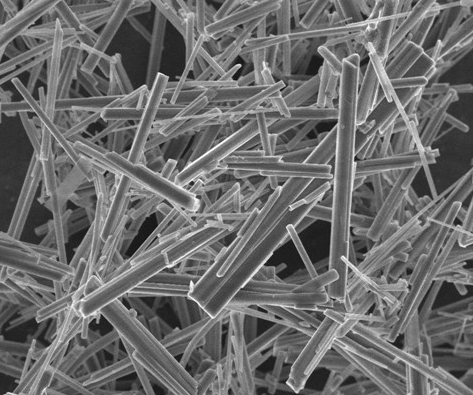
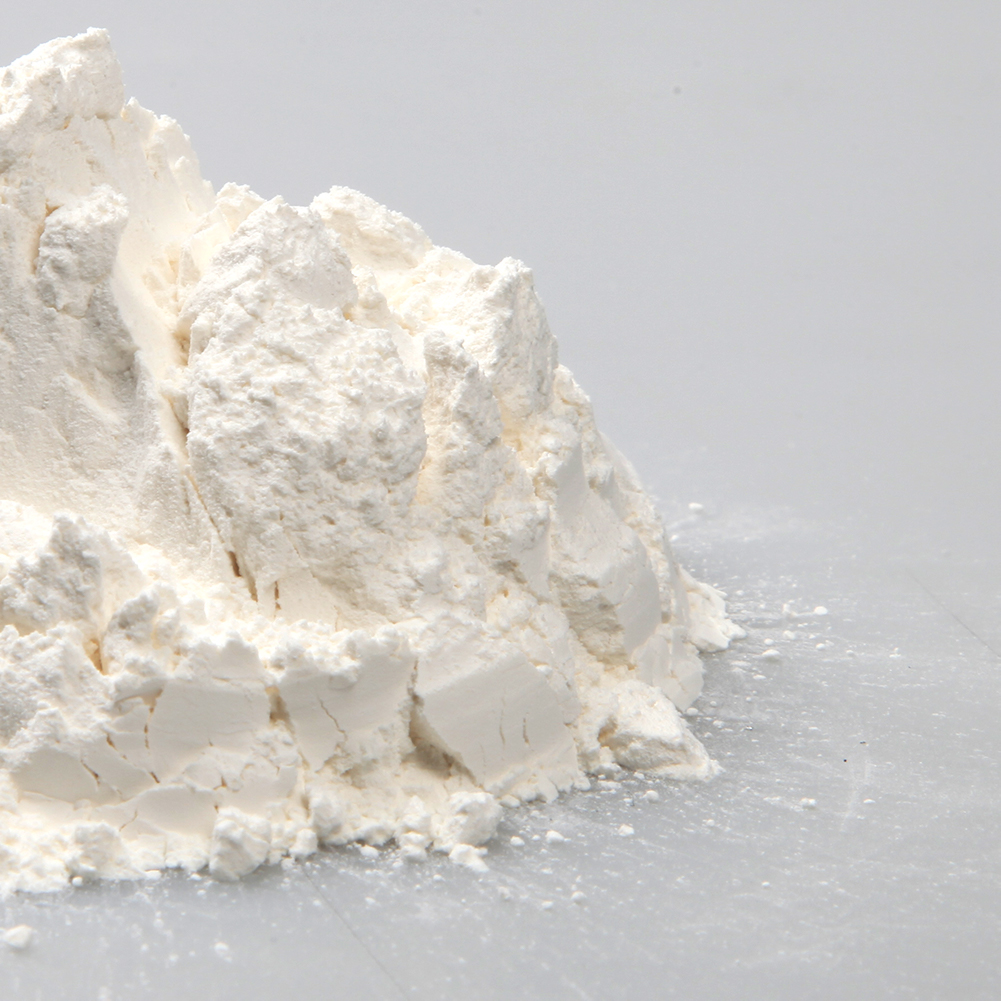
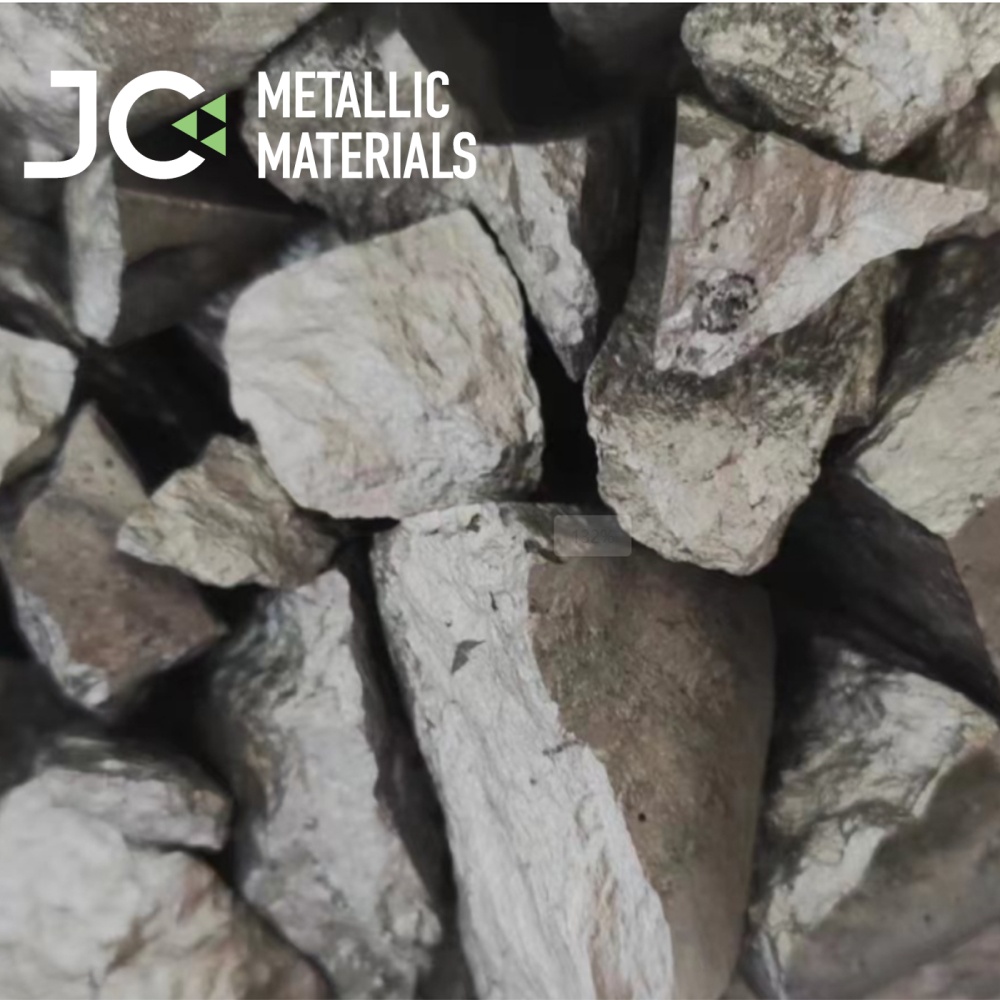
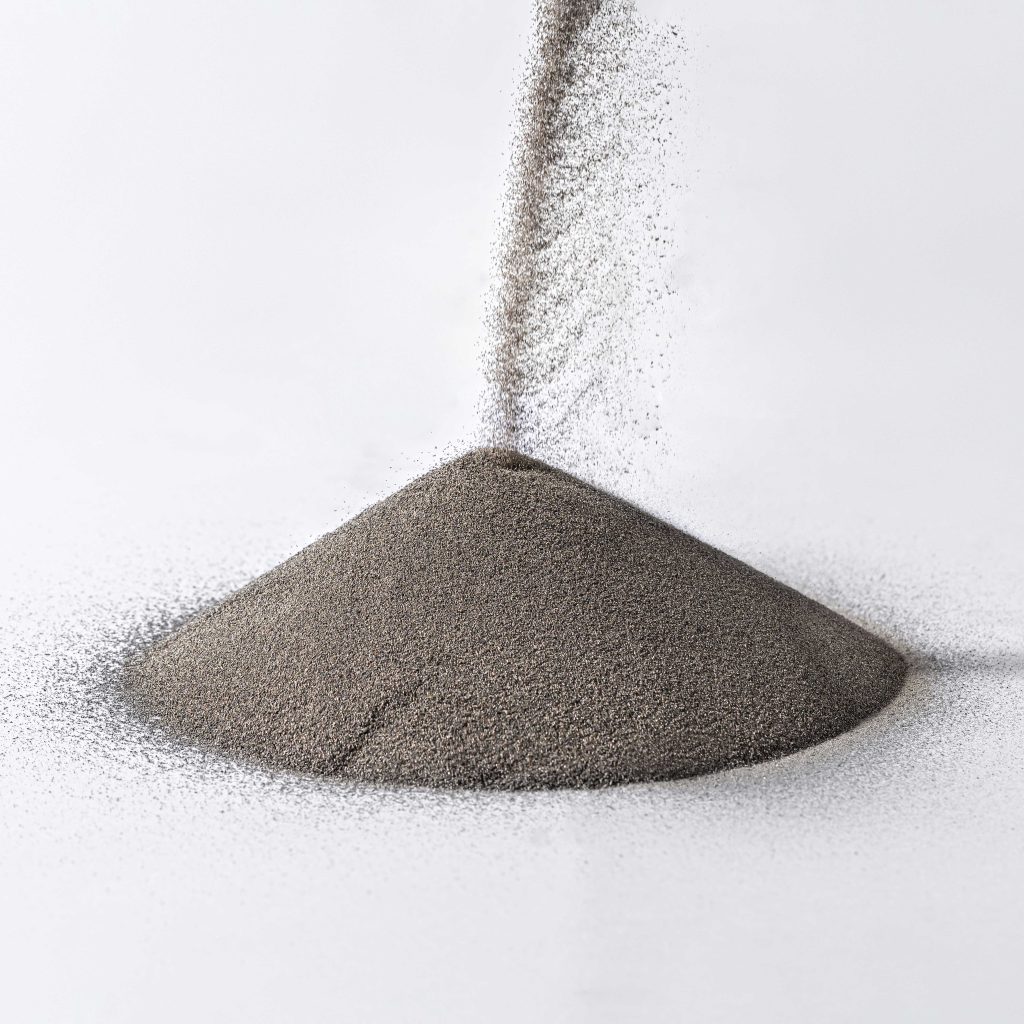
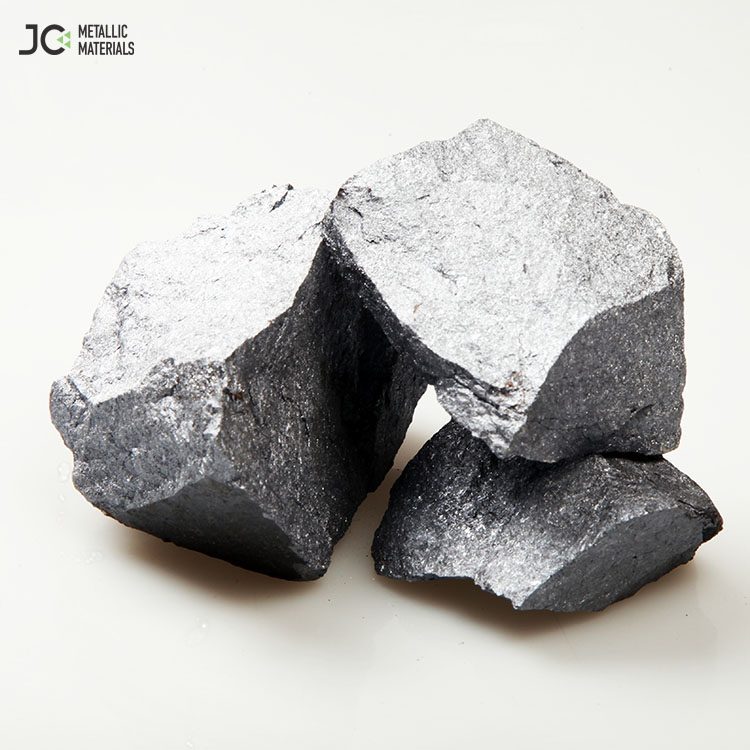

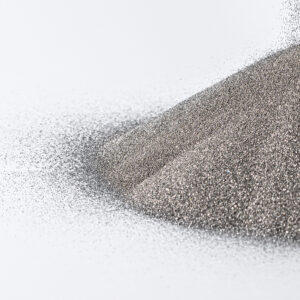
Selecting ferro chrome powder requires a detailed evaluation of chemical composition, chromium concentration, carbon level, particle size, impurity limits, application requirements, and supplier quality control. The right material should match the metallurgical requirements of the final product rather than being selected only by price or chromium content.
For stainless steel, alloy steel, welding materials, and other metallurgical applications, even small differences in composition can influence the production process and final material properties. Buyers should therefore establish clear technical specifications before comparing suppliers.
This guide explains how to select ferro chrome powder based on the factors that matter most during industrial purchasing.
What Is Ferro Chrome Powder?
Ferro chrome powder is a chromium-containing ferroalloy produced primarily from chromium-bearing raw materials and iron. It provides a practical source of chromium for steel and alloy production.
Chromium is widely used to improve properties such as corrosion resistance, hardness, wear resistance, oxidation resistance, and high-temperature performance. Ferro chrome is therefore an important alloying material in stainless steel and other chromium-containing alloys.
The material can be supplied in different chemical grades and particle-size ranges. The appropriate specification depends on the production process, target alloy composition, feeding method, and required chromium recovery.
For buyers, this means there is no single ferro chrome powder specification suitable for every application.
What Should You Determine Before Selecting Ferro Chrome Powder?
Before contacting a supplier, buyers should establish the technical requirements of the application.
Buyers can refer to the ASTM standard specification for ferrochromium to understand the chemical composition requirements for different ferrochrome grades.
At minimum, determine:
- Target chromium content
- Maximum carbon level
- Required particle size
- Maximum phosphorus and sulfur levels
- Silicon tolerance
- Required ferro chrome grade
- Intended application
- Required quantity
- Packaging requirements
- Testing and certification requirements
Having these specifications ready allows suppliers to recommend a suitable product and prepare a more accurate quotation.
10 Key Factors for Selecting Ferro Chrome Powder
Selecting ferro chrome powder requires more than checking its chromium content or purchase price.
Below are 10 key factors to help you evaluate ferro chrome powder, compare suitable specifications, and make a more informed selection for your specific application.
1. Determine the Required Chromium Content
Chromium content is usually the first chemical specification buyers compare.
The required chromium level depends on how much chromium needs to be introduced into the final steel or alloy. A higher chromium concentration can provide more chromium per unit of ferroalloy added, but the appropriate grade depends on the target composition and production economics.
For example, a stainless steel producer should calculate the chromium contribution required from the ferro chrome addition rather than simply selecting the material with the highest advertised chromium percentage.
Buyers should request the actual chemical specification from the supplier and verify the chromium range before purchasing.
2. Check Carbon Content Carefully
Carbon is one of the most important factors after chromium.
Carbon can influence the suitability of ferro chrome for particular steel grades. Some production processes can tolerate relatively higher carbon levels, while applications involving low-carbon or specialized stainless steel may require much tighter carbon control.
When comparing products, do not evaluate chromium independently from carbon.
A suitable specification should satisfy both requirements simultaneously:
Required chromium level + acceptable carbon level
This approach helps prevent the use of a high-chromium material that is unsuitable for the intended steel grade because of its carbon content.
3. Evaluate Silicon Content
Silicon is another element that should be included in the purchasing specification.
The acceptable silicon level depends on the final alloy composition and the overall metallurgical process. Excessive silicon may be undesirable in applications where tight control over the final chemical composition is required.
Ask suppliers to provide the silicon range rather than accepting a general statement such as “high purity.”
A complete chemical analysis gives buyers a more reliable basis for comparison.
4. Review Phosphorus and Sulfur Levels
Phosphorus and sulfur are important impurity elements in steelmaking.
Their acceptable levels depend on the final product and production requirements. In applications where tight impurity control is required, buyers should establish maximum limits before ordering ferro chrome powder.
When evaluating suppliers, request a chemical test report showing the actual or specified limits for phosphorus and sulfur.
This is especially important for repeat purchasing because consistent impurity levels can help maintain stable production conditions.
5. Select the Correct Particle Size
Particle size is a major physical specification for ferro chrome powder.
It can affect:
- Material feeding
- Mixing
- Handling
- Reaction behavior
- Melting characteristics
- Material recovery
- Dust generation
A powder that works well in one production process may not be suitable for another.
For example, a process using controlled powder feeding may require a particular particle-size distribution, while another process may be designed around larger ferroalloy particles.
Instead of simply asking for “fine ferro chrome powder,” specify the required particle-size range or distribution.
6. Consider Particle-Size Distribution
Average particle size alone may not provide enough information.
Two products can have a similar average particle size but behave differently because their particle-size distributions are different.
A buyer may therefore need to know:
- Minimum particle size
- Maximum particle size
- Typical particle size
- Percentage within the specified range
- Presence of oversized particles
- Presence of excessive fines
A controlled distribution can improve feeding consistency and reduce unexpected variations during production.
7. Match the Grade With the Application
The correct ferro chrome powder grade depends heavily on the application.
Common applications include:
- Stainless steel manufacturing
- Alloy steel production
- Special steel production
- Welding consumables
- Metallurgical formulations
- Chromium alloy production
- Powder-based industrial processes
A supplier should understand the end application before recommending a specification.
For example, the grade suitable for a general alloy-steel application may not be the same specification required for a stainless steel process with strict carbon and impurity limits.
8. Consider Chromium Recovery
Chemical composition alone does not determine the practical value of ferro chrome.
Buyers should also consider how effectively chromium is recovered during the production process.
Chromium recovery can be influenced by:
- Particle size
- Melting conditions
- Addition method
- Furnace operation
- Material composition
- Production technology
If a buyer is comparing two materials with similar chromium content, the overall process performance should also be considered.
This is why purchasing decisions should not be based solely on the price per ton.
9. Check Batch-to-Batch Consistency
Consistency is particularly important for industrial buyers purchasing ferro chrome regularly.
If chemical composition varies significantly between shipments, operators may need to adjust their alloy calculations or production parameters.
A reliable supplier should have suitable quality-control procedures for monitoring:
- Chromium
- Carbon
- Silicon
- Phosphorus
- Sulfur
- Particle size
For long-term supply contracts, buyers can also establish acceptable specification ranges and inspection requirements.
10. Check Chromium Recovery in Your Production Process
Chromium recovery determines how effectively the chromium contained in ferro chrome powder is transferred into the final alloy or steel.
When selecting ferro chrome powder, buyers should consider factors that can influence recovery, including particle size, chemical composition, addition method, furnace conditions, and production process.
A product with suitable chromium content but poor process compatibility may not deliver the expected chromium contribution. Therefore, buyers should evaluate the powder based on both its chemical specification and expected performance under their specific production conditions.
Before purchasing, confirm:
- Required chromium recovery
- Particle-size suitability
- Addition method
- Furnace or processing conditions
- Expected material loss
- Previous application experience
This makes the section directly relevant to selecting ferro chrome powder, rather than discussing general logistics.
How To Select Ferro Chrome Powder for Stainless Steel?
Stainless steel production requires careful control of alloying elements.
When selecting ferro chrome powder for stainless steel, buyers should first identify the target steel grade and its required chromium and carbon levels.
The ferro chrome specification should then be evaluated based on:
- Chromium concentration
- Carbon content
- Silicon level
- Phosphorus level
- Sulfur level
- Particle-size requirements
- Expected chromium recovery
- Production method
Carbon deserves particular attention because different stainless steel grades have different carbon requirements.
A suitable ferro chrome grade should allow the producer to reach the target chemical composition without creating unnecessary adjustments elsewhere in the production process.
How To Select Ferro Chrome Powder for Alloy Steel?
Alloy steel applications can have different chromium requirements depending on the target mechanical and performance characteristics.
Buyers should first identify the required chromium contribution and then determine the appropriate ferro chrome grade.
Other alloying elements and impurity limits should also be considered because the ferro chrome addition becomes part of the final steel composition.
The supplier should therefore receive the target chemical specification before recommending a product.
How To Choose the Right Ferro Chrome Powder Particle Size?
Particle size should be selected according to the way the material enters the production process.
Consider the following questions:
What Feeding System Is Used?
Different feeding systems can handle different particle-size ranges. Powder that is too fine or too coarse may create feeding problems.
Is the Material Added Directly or Mixed First?
If ferro chrome powder is mixed with other materials before addition, particle-size compatibility can become important.
Is Dust Generation a Concern?
Very fine material can create greater dust during handling. Appropriate packaging and handling procedures should therefore be considered.
Does the Process Require Rapid Reaction?
Some applications may benefit from a particular particle-size range because smaller particles provide greater surface area.
The best particle size is therefore determined by the complete process rather than by the smallest available powder size.
What Chemical Specifications Should Buyers Request?
A professional ferro chrome powder specification should provide enough information for technical evaluation.
At minimum, buyers should request:
| Parameter | Why It Matters |
| Chromium | Determines chromium contribution |
| Carbon | Important for final steel composition |
| Silicon | Influences alloy chemistry |
| Phosphorus | Important impurity control |
| Sulfur | Important impurity control |
| Iron | Main balance of the ferroalloy |
| Particle Size | Affects feeding and processing |
| Moisture | Important for storage and handling |
| Batch Information | Supports traceability |
Depending on the application, additional chemical or physical parameters may also be required.
For additional guidance on chemical testing, buyers can review the ASTM test methods for chemical analysis of chromium and ferrochromium when evaluating material composition.
What Questions Should You Ask a Ferro Chrome Powder Supplier?
Before placing an order, buyers should ask the supplier:
- What ferro chrome grades do you supply?
- What chromium range is available?
- What carbon levels can you provide?
- What particle sizes are available?
- Can you provide a complete chemical analysis?
- Do you provide batch test certificates?
- What are the phosphorus and sulfur limits?
- What packaging options are available?
- What is your minimum order quantity?
- What is your production lead time?
- Can you support customized specifications?
- Can you supply samples before bulk purchasing?
These questions help buyers determine whether the supplier can meet both technical and commercial requirements.
Common Mistakes When Buying Ferro Chrome Powder
Selecting Based Only on Chromium Percentage
A high chromium percentage does not automatically make a product suitable. Carbon, impurities, particle size, and application requirements must also be considered.
Ignoring Carbon Limits
A ferro chrome powder with unsuitable carbon content can create difficulties when producing steel grades with strict carbon requirements.
Choosing Particle Size Without Considering the Process
Particle size should match the feeding, mixing, and processing system.
Comparing Prices Without Comparing Specifications
A lower price may reflect differences in grade, chromium content, particle size, packaging, or other specifications.
Purchasing Without Quality Documentation
Without chemical analysis or batch documentation, buyers have less information for verifying product quality.
Failing To Define Requirements Before Requesting a Quote
Suppliers can provide more accurate quotations when buyers specify grade, composition, particle size, quantity, and packaging requirements.
Why Buy Ferro Chrome Powder From Jinchun?
Jinchun Metal can support industrial buyers looking for ferroalloy materials based on specific chemical and physical requirements.
If you are looking for ferro chrome powder for steelmaking, alloy production, or another metallurgical application, share your required chromium content, carbon limit, particle size, quantity, and other specifications with the Jinchun team.
Our team will review your requirements and provide a suitable product quotation for your application.
Related Guides on Metal Powders and Ferroalloys
Selecting the right ferro chrome powder becomes easier when buyers understand related ferroalloy materials, powder specifications, and industrial processing requirements. Explore these guides to compare material properties, evaluate suitable grades, and make better purchasing decisions.
An Ultimate Buying Guide: How to Choose a Ferro Vanadium?
A Comprehensive Guide to Chromium Carbide
Silicon Powder: Types, Applications and Top Suppliers in China
How Titanium Carbide Is Manufactured for Cutting Tool Applications
Top 10 Chromium Carbide Powder Manufacturers in China
An Ultimate Buying Guide: How to Choose a Metal Powder Manufacturer?
Where to Buy High-Quality Tin Powder for Industrial Use
A Guide to their Properties, Preparation, Uses, and Challenges
A Comprehensive Overview: Boron Carbide
Final Thoughts
Selecting ferro chrome powder should begin with the requirements of the final application. Chromium content is important, but it should be evaluated together with carbon, silicon, phosphorus, sulfur, particle size, recovery, consistency, and supplier quality control.
For regular industrial purchasing, buyers should also consider batch consistency, documentation, packaging, production capacity, and delivery reliability. A clearly defined technical specification makes it easier to compare suppliers and select material that fits the production process.
Frequently Asked Questions
What is the most important factor when selecting ferro chrome powder?
The most important factor depends on the application. Chromium content, carbon level, particle size, impurity limits, and grade should all be evaluated against the target steel or alloy specification.
How does carbon content affect ferro chrome powder selection?
Carbon affects the final chemical composition of the steel or alloy. Applications with strict carbon limits may require ferro chrome powder with controlled or lower carbon content.
What particle size should I choose for ferro chrome powder?
The appropriate particle size depends on the feeding, mixing, and production process. Buyers should specify a particle-size range that is compatible with their equipment and application.
Which impurities should be checked in ferro chrome powder?
Buyers should normally review silicon, phosphorus, and sulfur along with carbon, chromium, and iron. Specific limits should be established according to the final application.
Why should I request a chemical analysis?
A chemical analysis allows buyers to verify the material composition and determine whether the product meets the agreed technical specification.
Is higher chromium content always better?
Not necessarily. The material must match the required chromium level and other chemical limits of the application. Carbon and impurity levels should also be considered.
What industries commonly use ferro chrome powder?
Ferro chrome powder is mainly used in stainless steel, alloy steel, welding materials, metallurgy, and other applications where controlled chromium addition is required.
Can ferro chrome powder be supplied in customized specifications?
Depending on the supplier’s production capabilities, customized chemical or particle-size requirements may be possible. Buyers should provide their technical specification when requesting a quotation.
How should ferro chrome powder be stored?
Ferro chrome powder should be stored in a clean, dry, and protected environment. Proper packaging should remain sealed to reduce contamination and moisture exposure during storage.
How does ferro chrome powder improve steel properties?
Ferro chrome provides chromium that can improve corrosion resistance, hardness, wear resistance, oxidation resistance, and high-temperature performance in suitable steel and alloy compositions.
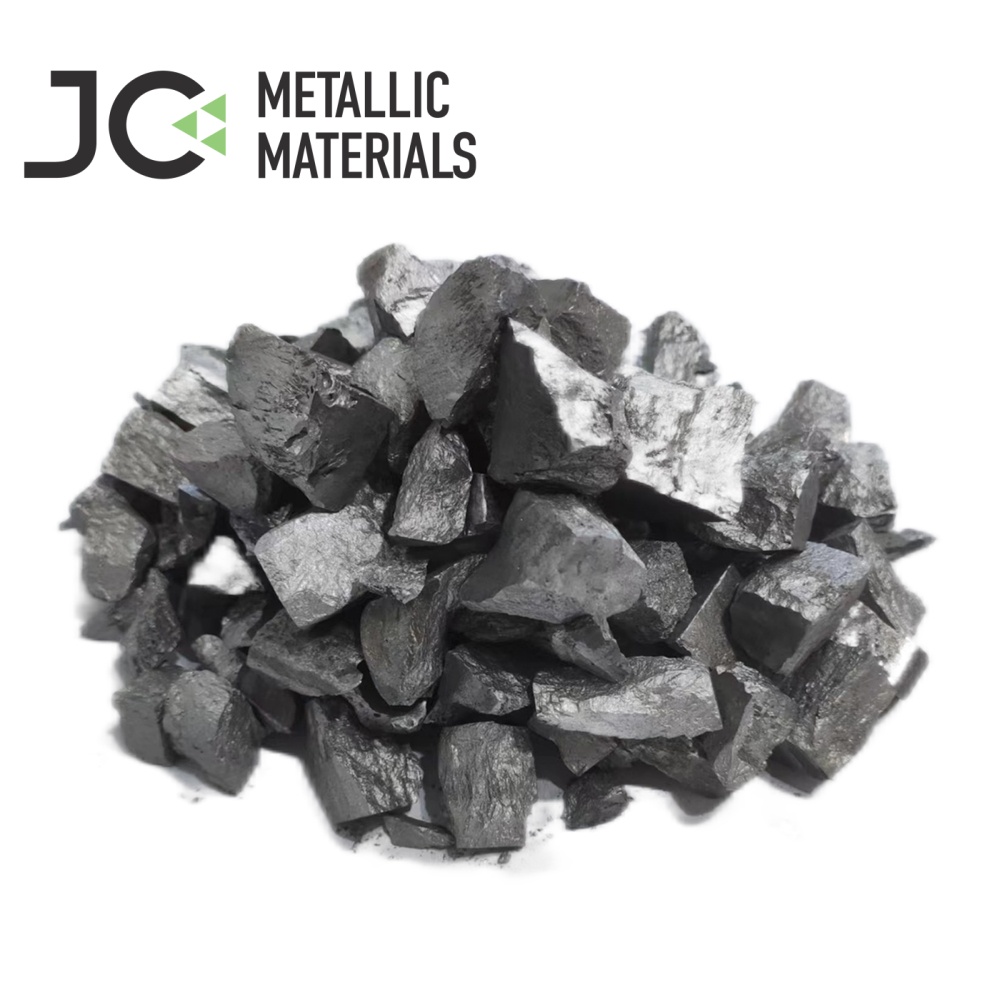
What is the difference between ferro chrome powder and ferro chrome lumps?
The main difference is physical form and particle size. Ferro chrome powder consists of smaller particles, while lumps are larger pieces. The suitable form depends on the production and feeding process.
Does ferro chrome powder have different grades?
Yes. Ferro chrome can be supplied in different grades with varying chromium, carbon, silicon, phosphorus, and sulfur levels. The appropriate grade depends on the final application and required composition.