 Portuguese
  English
  French
  Japanese
  Korean
  Spanish
  Vietnamese
  Thai
Thai  German

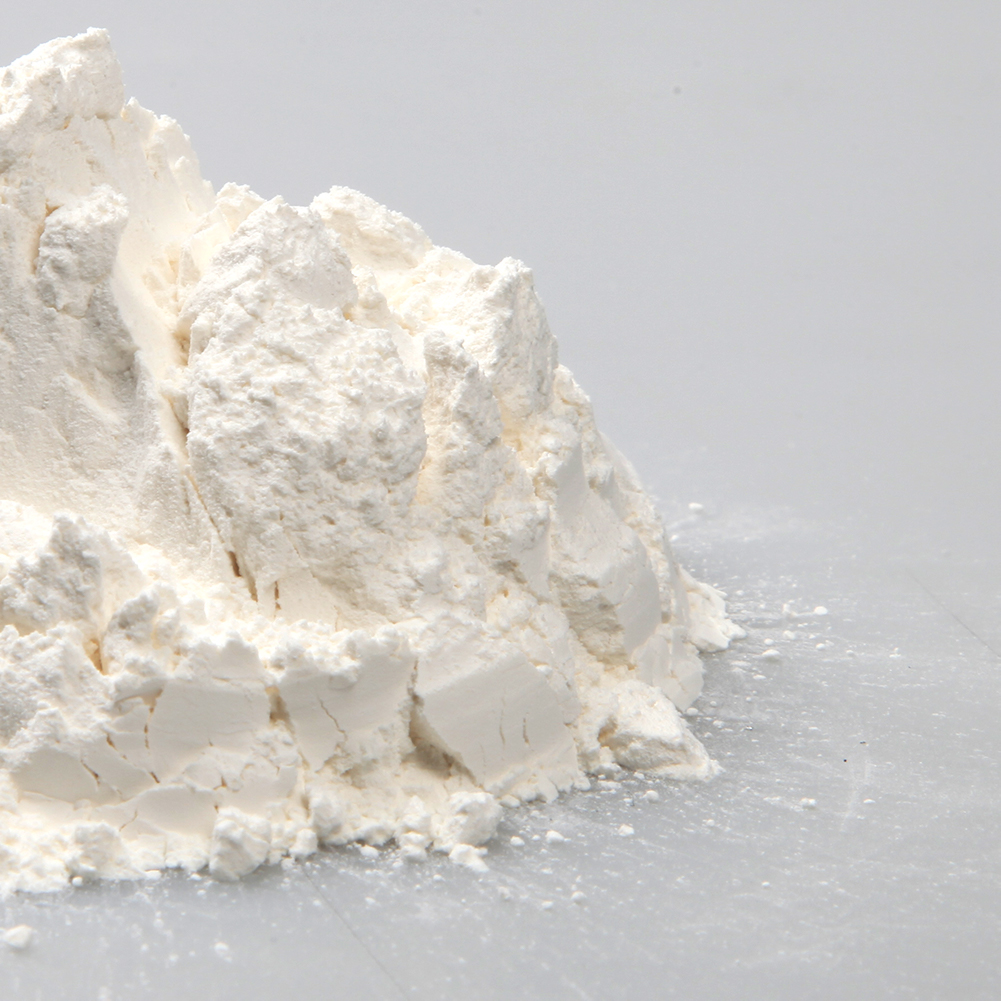
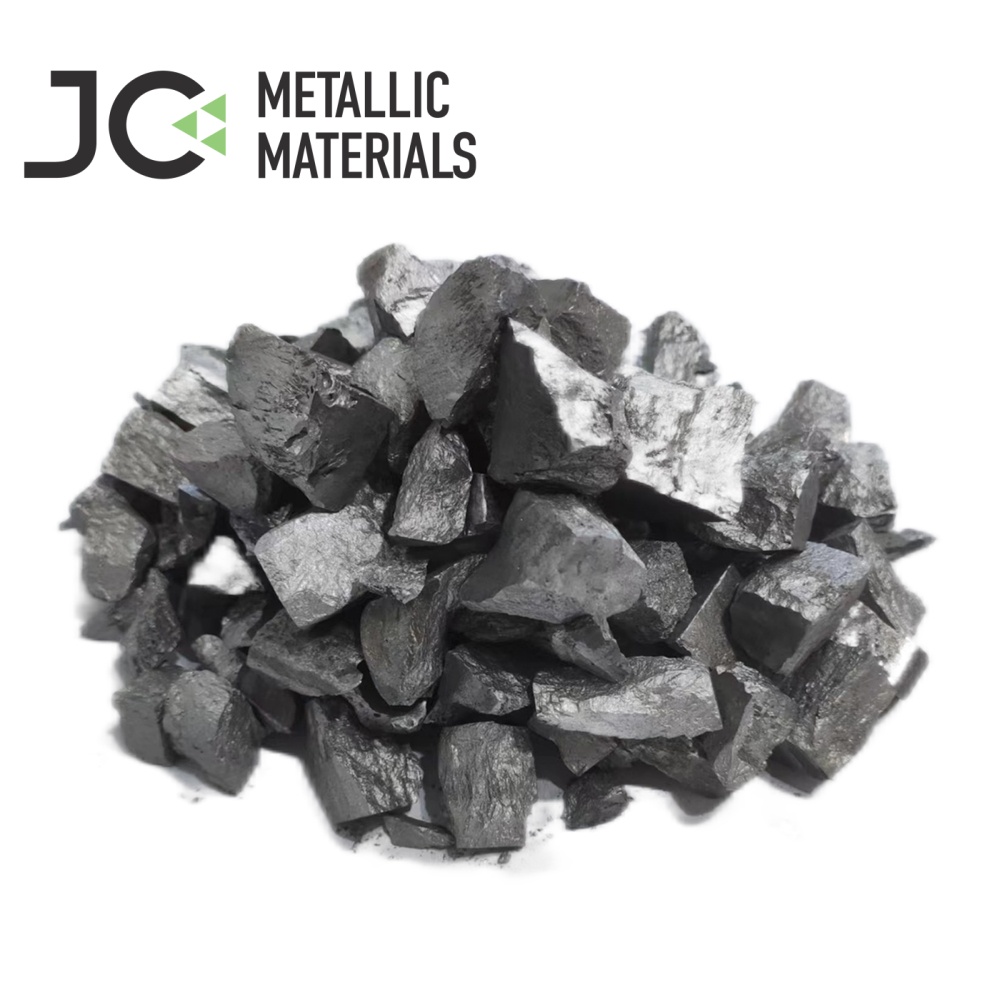
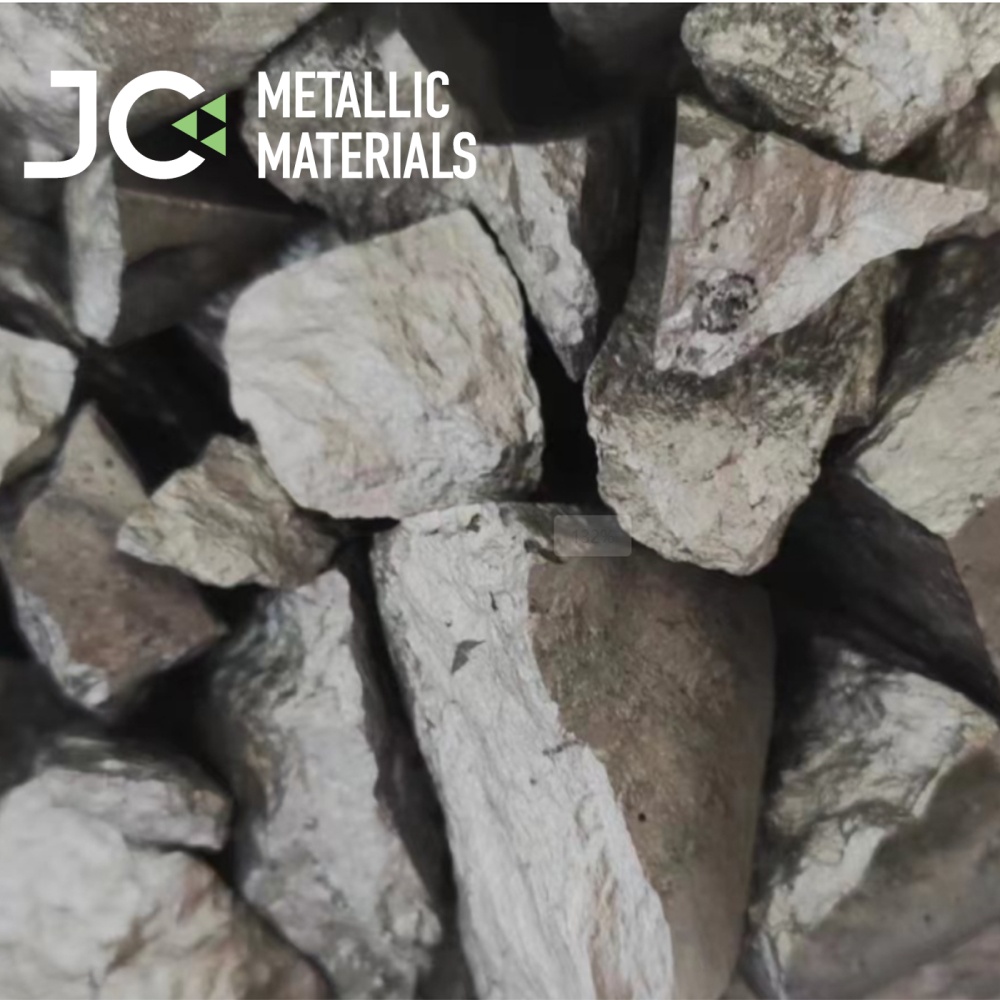
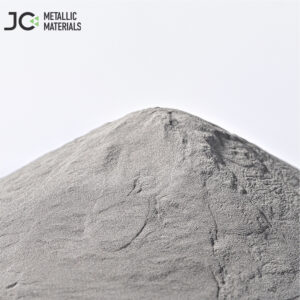
Magnesium powder pricing depends on several technical and commercial variables. Purity, particle size, production method, order volume, testing, packaging, and logistics can all influence the final industrial purchasing cost for buyers.
Industrial buyers should evaluate magnesium powder based on complete specifications rather than price alone. A reliable comparison considers material quality, consistency, supplier capability, delivery terms, and total landed cost before placing an order.
This guide explains the major factors affecting magnesium powder prices. It also helps procurement teams understand quotation differences, compare suppliers accurately, and identify practical ways to control purchasing costs.
What Is Magnesium Powder?
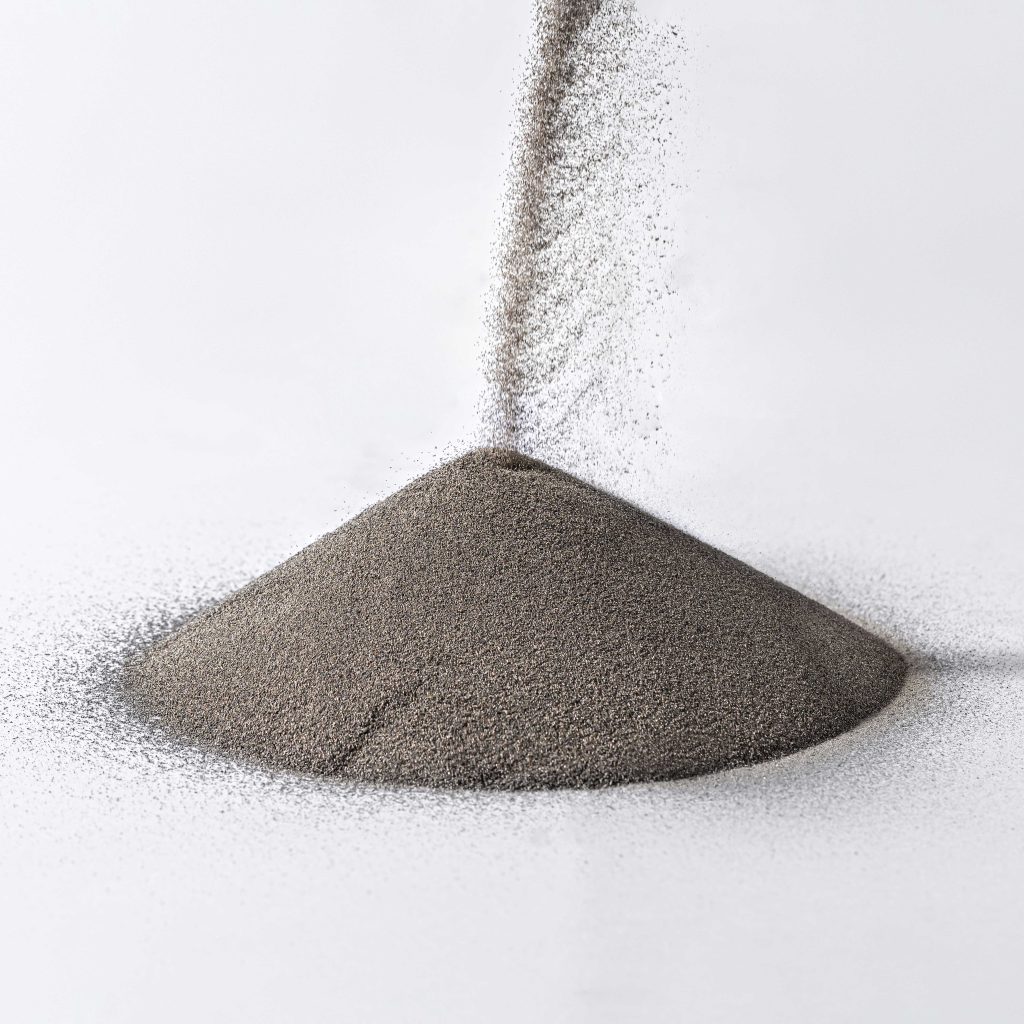
Magnesium powder is a finely processed form of magnesium metal produced in controlled particle sizes for industrial applications. Its lightweight characteristics and chemical properties make it valuable across metallurgy, chemical processing, manufacturing, and technical industries.
Industrial magnesium powder is available in different purity levels, particle sizes, mesh specifications, and chemical compositions. These specifications influence performance, processing behavior, and purchasing costs, making proper grade selection important for industrial buyers.
For B2B purchasing, buyers should evaluate particle size distribution, impurity limits, batch consistency, packaging, testing, and supplier capability. Reviewing these factors together helps companies compare quotations accurately and select suitable magnesium powder for production.
What Determines the Price of Magnesium Powder?
Magnesium powder pricing varies according to product specifications, market conditions, production requirements, and supplier capabilities. Different grades may carry different prices based on purity, particle size, application, and required quality standards.
Raw material costs have a direct influence on magnesium powder prices. Changes in magnesium metal availability, energy costs, production expenses, and processing requirements can affect the manufacturing cost and final supplier quotation.
Particle size and powder processing methods also influence the overall price. Finer powders may require additional grinding, classification, screening, and quality control processes, increasing production complexity and resulting costs for industrial buyers.
Packaging, testing, transportation, order volume, and supplier operations further affect pricing. Buyers should evaluate the complete quotation rather than comparing unit prices alone, especially when sourcing magnesium powder for long term industrial production.
Magnesium Purity and Chemical Composition
Magnesium purity affects powder pricing because higher purity requires stricter production control and quality testing. Buyers should compare purity with application requirements and complete chemical specifications.
- Magnesium Content:Higher magnesium content may require additional refining, increasing production costs and final powder prices.
- Iron Content:Low iron levels can require stricter material control and additional testing, affecting product costs.
- Aluminum Content:Controlled aluminum levels may require additional processing and chemical testing, influencing the overall price.
- Silicon Content:Specific applications may require low silicon levels, making chemical control important during production.
- Calcium Content: Controlled calcium levels may require additional testing to meet specific industrial requirements.
- Other Impurities: Trace elements can affect product suitability, so buyers should review complete chemical analysis before purchasing.
- Quality Verification: High purity grades often require laboratory testing and documentation, adding to manufacturing costs.
Complete chemical analysis helps buyers compare magnesium powder accurately. Reviewing impurity limits alongside magnesium content ensures the selected grade meets technical requirements and avoids unnecessary costs.
Particle Size and Mesh Specifications in Magnesium Powder Pricing
Particle size directly affects magnesium powder pricing, processing requirements, and application performance. Buyers can also consider ISO 13320 laser diffraction particle size analysis when evaluating detailed particle size distribution data.
- Coarse Powder
- Fine Powder
- Micron Powder
- Mesh Size
- Particle Distribution
- Screening Process
- Application Requirements
- Finest Grade
Selecting the correct particle size helps buyers balance performance and cost. Buyers can also review magnesium powder particle size distribution data when comparing different powder grades and processing requirements.
How Production Methods Influence Magnesium Powder Prices
Magnesium powder manufacturing methods directly influence production expenses, particle characteristics, processing requirements, and quality control. Buyers can also review magnesium powder production methods including mechanical crushing, milling, and atomization when comparing manufacturing requirements.
1: Mechanical Milling Costs
Mechanical milling involves reducing magnesium material into controlled particle sizes through mechanical processing. Equipment operation, processing time, energy consumption, and particle classification requirements can influence the final powder manufacturing cost.
2: Atomization Processing Costs
Atomization requires controlled melting and particle formation equipment to produce specific powder characteristics. Buyers can also review melt atomization processes for magnesium powder to understand particle size classification and production requirements
3: Machining and Chip Processing Costs
Machining and chip processing can involve additional size reduction and classification stages before producing the required powder specification. These extra operations may increase labor, equipment utilization, processing time, and quality control costs.
4: Chemical Reduction Costs
Chemical reduction involves controlled chemical processing and requires suitable raw materials, reaction control, equipment, and quality testing. These requirements can increase production expenses, particularly when high purity or tightly controlled specifications are necessary.
5: Mechanical Pulverization Costs
Mechanical pulverization uses crushing and grinding operations to reduce magnesium feedstock into smaller particles. Equipment capacity, energy consumption, processing duration, screening, and particle size control can affect the final manufacturing cost.
The manufacturing method is an important cost factor when evaluating magnesium powder quotations. Buyers should compare production requirements, particle specifications, processing intensity, quality controls, and supplier capabilities before selecting the most suitable product.
Magnesium Powder Pricing by Key Specifications
The table below summarizes the primary technical factors that can influence magnesium powder pricing. It gives buyers a practical framework for understanding why products with similar descriptions can carry different industrial quotations.
| Specification | Lower Cost Position | Higher Cost Position | Main Price Influence |
| Pureza | Standard industrial purity | High purity grade | Additional process control |
| Particle Size | Coarser particles | Fine or micron particles | Additional processing |
| Distribution | Standard distribution | Narrow distribution | Classification requirements |
| Production | Conventional processing | Specialized processing | Equipment and process complexity |
| Testing | Standard inspection | Detailed analysis | Additional laboratory work |
| Packaging | Standard industrial packaging | Specialized packaging | Additional protection and handling |
The most important point for buyers is specification equivalence. A lower quotation may represent a different purity, particle size, testing level, or packaging condition, making direct price comparison unreliable.
Key Factors That Increase Magnesium Powder Costs
Several factors can increase magnesium powder costs beyond raw material prices. Understanding these drivers helps buyers evaluate quotations accurately, identify genuine expenses, and negotiate more effectively with suppliers.
- Purity Requirements:Higher purity grades require stricter raw material control, production conditions, and additional testing to verify impurity limits and maintain consistent quality.
- Particle Size Requirements: Fine particle sizes require additional milling and classification. Narrow distributions also demand tighter process control, increasing manufacturing complexity and production costs.
- Customized Specifications:Customized composition, particle distribution, packaging, or documentation can increase manufacturing and administrative requirements. Buyers should confirm essential specifications before requesting customized production.
- Quality Control Requirements:Detailed chemical analysis, particle testing, batch inspection, and quality documentation can increase costs, especially when buyers require consistent material for continuous production.
- Packaging Requirements: Specialized packaging may require additional materials, handling procedures, labeling, and preparation. International shipments may also need packaging suitable for transportation and storage.
- Logistics and Delivery Conditions: Freight rates, shipment volume, destination, delivery method, and handling requirements affect final costs. Buyers should compare delivered costs rather than focusing only on factory prices.
These cost factors should be evaluated together when reviewing magnesium powder quotations. Identifying essential specifications helps buyers control unnecessary expenses while maintaining the required product quality and industrial performance.
Understanding the Total Cost of Magnesium Powder
Industrial procurement teams need to look beyond the material price shown on a supplier quotation. The total cost can include production, testing, packaging, transportation, documentation, and commercial expenses.
| Cost Component | What It Covers | Potential Cost Effect |
| Raw Material | Magnesium feedstock | Influences base material cost |
| Processing | Powder production and refinement | Depends on processing complexity |
| Classificação | Particle size separation | Higher for tighter specifications |
| Testing | Chemical and physical analysis | Depends on testing requirements |
| Packaging | Industrial or specialized packaging | Depends on protection requirements |
| Logistics | Freight and handling | Depends on destination and shipment |
| Documentation | Quality and export documents | Depends on buyer requirements |
A complete cost analysis helps buyers understand the difference between product price and procurement cost. This approach is especially important for international orders where freight and additional charges can materially affect final expenses.
Magnesium Purity and Its Impact on Industrial Pricing
Magnesium purity indicates the proportion of magnesium present and the concentration of controlled impurities. Different applications require specific purity levels based on performance, processing conditions, and product requirements.
Higher purity grades generally require tighter production controls, refined raw materials, and additional testing. These requirements can increase manufacturing expenses, which may result in higher quotations for industrial magnesium powder.
Standard industrial grades can provide suitable performance for many applications without requiring premium purity levels. Buyers should therefore match purity specifications with actual production needs instead of automatically selecting higher grades.
Selecting the appropriate purity level helps buyers control procurement costs while meeting technical requirements. Reviewing chemical composition, impurity limits, and application demands together supports more accurate purchasing decisions and supplier comparisons.
Magnesium Powder Pricing Structure for Industrial Buyer
Magnesium powder pricing includes more than the material itself. Raw materials, processing, testing, packaging, logistics, and supplier margins can all contribute to the final quotation received by industrial buyers.
| Cost Component | What It Includes | Potential Price Effect |
| Raw Material | Magnesium feedstock | Direct effect on base cost |
| Processing | Milling and classification | Increases with processing complexity |
| Testing | Chemical and physical analysis | Higher for strict specifications |
| Packaging | Sealed or specialized containers | Adds handling cost |
| Logistics | Freight and handling | Varies by destination and shipment size |
| Supplier Margin | Manufacturing and commercial costs | Varies between suppliers |
Industrial buyers should evaluate magnesium powder pricing as a complete cost structure. Different specifications, testing requirements, packaging conditions, delivery terms, and supplier margins can significantly influence the final purchasing cost.
The Cost Impact of Magnesium Powder Quality Testing
Quality control is an important cost factor in magnesium powder production. Buyers can also review magnesium powder characterization and particle analysis when evaluating chemical composition, particle size, and overall material quality.
- Chemical Composition Testing: Chemical analysis confirms magnesium content and individual impurity levels. Buyers should request appropriate test documentation to verify that the supplied powder matches the agreed chemical specification and required application standards.
- Particle Size Analysis: Particle size testing confirms whether magnesium powder meets the specified mesh range and distribution. This verification supports consistent flow, mixing, processing behavior, and application performance across different production batches.
- Moisture and Contamination Control: Moisture and contamination checks help maintain powder quality during manufacturing, packaging, storage, and transportation. Buyers should confirm acceptable limits and required inspection procedures before finalizing technical specifications.
- Batch Consistency Verification:Batch testing compares chemical and physical characteristics between production lots. Consistent results help industrial manufacturers maintain stable processing conditions, reduce material rejection risks, and support reliable long term production.
Quality testing can add to magnesium powder purchasing costs, but it also reduces quality related risks. Buyers should evaluate testing requirements, documentation, and supplier quality systems before comparing final quotations.
Common Purchasing Mistakes That Increase Magnesium Powder Costs
Procurement mistakes can increase magnesium powder costs even when supplier quotations appear competitive. Industrial buyers should evaluate specifications, quality, logistics, and supplier reliability together before making purchasing decisions or negotiating prices.
Focusing Only on Price Per Kilogram
A lower price may reflect different purity, particle size, testing, or packaging conditions. Buyers should compare equivalent specifications carefully before selecting the lowest quotation and assess overall product suitability.
Buying Higher Purity Than Required
Excessive purity can increase purchasing costs without improving application performance. Buyers should define the required purity level according to actual technical requirements, production needs, and acceptable impurity limits.
Choosing an Unnecessarily Fine Particle Size
Fine magnesium powder may require additional processing and classification, increasing costs. Buyers should select particle size according to actual application requirements rather than choosing unnecessarily fine material.
Overlooking Freight and Delivery Charges
Factory prices may exclude freight, handling, documentation, duties, and delivery expenses. Buyers should calculate the complete delivered cost before comparing quotations and selecting the most competitive supplier.
Avoiding these common mistakes helps industrial buyers control magnesium powder purchasing costs more effectively. The best sourcing decisions balance competitive pricing with suitable specifications, consistent quality, dependable supply, and total delivered cost.
How Buyers Can Reduce Magnesium Powder Procurement Costs
Cost reduction should begin with specification control rather than aggressive price negotiation. Buyers can improve purchasing economics by removing unnecessary requirements, planning orders around actual demand, comparing suppliers, and maintaining required quality standards.
- Define the required purity before requesting quotations.
- Select particle size according to actual application requirements.
- Compare equivalent specifications from multiple suppliers.
- Request competitive pricing for larger planned quantities.
- Review packaging options before placing orders.
- Calculate total delivered cost instead of factory price alone.
- Consider long term supply agreements for stable demand.
Effective cost control requires cooperation between technical and purchasing teams. When material requirements are clearly defined, buyers can reduce unnecessary specifications while negotiating more effectively with qualified magnesium powder suppliers.
Magnesium Powder Price Outlook: What Industrial Buyers Should Monitor
Magnesium powder pricing can shift with raw material availability, production expenses, logistics conditions, industrial demand, and supplier capacity. Buyers can also refer to USGS Magnesium Statistics and Information for information on worldwide magnesium supply, demand, and material flow.
- Raw Material Market Conditions:Changes in magnesium feedstock availability and market pricing can influence manufacturing costs. Buyers should monitor raw material trends when planning recurring or large volume purchases.
- Energy and Processing Costs: Energy consumption and processing expenses can affect supplier pricing. Buyers should consider production cost movements when evaluating quotations and negotiating long term supply agreements.
- Global Freight Rates: International freight rates can significantly influence delivered magnesium powder costs. Buyers should monitor transportation conditions and compare shipping expenses when planning overseas procurement.
- Industrial Demand Trends:Demand from metallurgy, chemical processing, manufacturing, and other sectors can influence supply conditions. Stronger demand may affect availability, lead times, and supplier pricing.
- Supplier Capacity and Availability: Production capacity and material availability can affect quotation validity and delivery schedules. Buyers should confirm supplier capacity before committing to recurring or high volume purchases.
Monitoring these market factors provides better visibility into future magnesium powder costs. Buyers can use this information to plan inventory, evaluate supplier quotations, negotiate contracts, and reduce unexpected procurement expenses.
Explore Jinchun Metal’s Industrial Metal Powder Solutions
Chengdu Jinchun Metallic Materials Co., Ltd. provides industrial metal powders, ferroalloys, non ferrous powders, and customized powder solutions for global manufacturers. Buyers can explore suitable materials, specifications, and reliable sourcing options.
Overview of Silicon Powder: A Guide to their Properties, Preparation, Uses, and Challenges
Silicon Powder Applications in Electronics and Alloys: Made in China
An Ultimate Buying Guide: How to Choose a Manganese Powder Manufacturer in China?
Industrial Welding Consumables Made in Chengdu: A Supplier’s Guide
Tungsten Carbide Vs Titanium Carbide: How to Choose the Right One?
Step-by-Step B2B Guide: How to Import Brass Metal Powder?
Step-by-Step Guide to Importing Copper Metal Powder
Aluminum Powder: Industrial Uses, Grades & How to Select the Right Supplier
Final Thoughts
Magnesium powder pricing depends on purity, particle size, production methods, testing, packaging, quantity, and logistics. Industrial buyers should compare equivalent specifications and total delivered costs to make informed purchasing decisions and control procurement expenses.
Selecting a qualified supplier helps maintain consistent quality, reliable supply, and predictable costs. Contact Chengdu Jinchun Metallic Materials Co., Ltd. today to discuss your magnesium powder requirements, request suitable specifications, and explore reliable industrial supply solutions.
FAQs
Q1: What factors determine magnesium powder prices?
Answer: Magnesium powder prices depend on purity, particle size, production method, testing, packaging, order quantity, raw material costs, and logistics. Buyers should evaluate these factors together when comparing industrial supplier quotations.
Q2: Does higher purity increase magnesium powder costs?
Answer: Higher purity can increase manufacturing and testing requirements, which may raise costs. Buyers should select purity according to application requirements rather than purchasing unnecessarily high purity material for standard industrial processes.
Q3: Does particle size affect magnesium powder pricing?
Answer: Yes, particle size can influence pricing because finer powders may require additional processing, classification, and quality control. Buyers should select the required particle range based on actual application and performance requirements.
Q4: How does order quantity affect magnesium powder prices?
Answer: Larger order quantities may provide better unit pricing because production and handling costs can be distributed across greater volumes. Buyers should balance quantity discounts with inventory requirements and actual consumption.
Q5: Does packaging affect the final magnesium powder cost?
Answer: Packaging can influence final costs through package size, protective requirements, labeling, handling, and transportation preparation. Buyers should clearly specify packaging requirements and include related expenses when comparing supplier quotations.
Q6: Why can magnesium powder suppliers offer different prices?
Answer: Supplier quotations can differ because of variations in purity, particle size, production methods, testing, packaging, order quantity, manufacturing efficiency, logistics, and commercial terms. Buyers should compare equivalent specifications before selecting suppliers.
Q7: How should industrial buyers compare magnesium powder quotations?
Answer: Buyers should standardize chemical composition, purity, particle size, quantity, testing, packaging, delivery terms, and other requirements. Comparing equivalent specifications provides a more accurate assessment of supplier pricing and overall value.
Q8: Is the lowest magnesium powder price always the best option?
Answer: The lowest price does not necessarily provide the best value. Buyers should evaluate product quality, specification compliance, supplier reliability, logistics, testing, and total delivered cost before making procurement decisions.
Q9: How can buyers reduce magnesium powder procurement costs?
Answer: Buyers can reduce costs by defining specifications accurately, avoiding unnecessary requirements, consolidating suitable orders, comparing qualified suppliers, reviewing packaging options, and calculating total delivered costs before finalizing purchases.
Q10: What should buyers confirm before ordering magnesium powder?
Answer: Buyers should confirm chemical composition, purity, particle size, testing documentation, quantity, packaging, lead time, delivery terms, and final landed cost. Clear specifications help prevent unexpected expenses and quality related purchasing issues.